
A Michelin Plate-recognised roadside institution in Thai Mueang, Phi Sao has been turning out bold Southern Thai seafood for over 45 years. The format is shareable, cooked-to-order, and built around the assertive flavours of the southern coast. Book ahead in peak season; the.
Pearl is the En Primeur Club membership app — saves, bookings, and concierge access live there. Same editors, same standards.
- Address
- Thai Mueang, Thai Mueang District, Phang Nga 82120, Thailand
- Phone
- +66 82 417 3622
- Website
- facebook.com
- Directions
- Get directions
 Saves & bookings on Pearl
Where the Road Meets the Southern Coast
Southern Thailand's roadside dining culture operates on a logic that fine-dining rooms rarely replicate: ingredients sourced close, heat dialled to the region's natural register, and portions scaled for sharing rather than ceremony. Along the coastal road near Thai Mueang in Phang Nga province, this tradition is represented with particular clarity. The approach here is direct. Tables fill, dishes arrive hot, and the menu speaks in the uncompromising idiom of southern Thai cooking, where fermented pastes, fresh seafood, and aromatics like petai beans are not decorative touches but structural ingredients.
Phi Sao has occupied this particular stretch of the roadside for over 45 years, which places it well into the category of institutionalised local eating. That longevity matters less as a sentimental detail and more as a quality signal: a seafood-led, mid-priced restaurant at ฿฿ that sustains a following across four decades is not doing so on novelty.
The Architecture of a Southern Thai Seafood Menu
What the menu at Phi Sao reveals about the restaurant is more instructive than any individual dish description. Southern Thai cooking as a category divides broadly between the spice-forward curries of the interior and the seafood-centred preparations of the coast, and Phi Sao sits firmly in the latter. The menu is built around the logic of communal ordering: generous, shareable portions cooked to order and timed to arrive together, hot. This is not the sequential course structure of Bangkok's more formal Thai restaurants, nor the tasting-menu approach that places like Aulis or PRU in Phuket have adopted. It is a horizontal format, where several dishes land simultaneously and the table composes its own meal from the spread.
That format has practical consequences for how to eat here. Ordering three or four dishes across a group allows the full tonal range of the kitchen to register: the saline brightness of fresh shellfish preparations against the more aggressive heat of stir-fries, the textural contrast between firm squid and the yielding richness of shrimp. The spicy stir-fried shrimp and squid with petai beans is among the more documented preparations, and it demonstrates the kitchen's approach well. Petai, the flat, vivid-green bean common in southern Malaysian and Thai cooking, carries a sharp, slightly bitter flavour that divides opinion. The kitchen is willing to omit it on request without compromising the dish's structural integrity, which says something about the confidence of the seasoning underneath. Similarly, heat levels are adjustable, though the default register leans toward the southern Thai norm, which runs hotter than what most central Thai restaurants consider standard.
This kind of accommodation without dilution is characteristic of restaurants that know their regulars but have also learned to handle a broader audience. For context, the southern Thai kitchens that have achieved sustained critical attention, including Sorn in Bangkok and Samrub Samrub Thai, have built reputations partly by refusing to moderate the cuisine for outside tastes. The restaurant occupies a different position: it is a working regional restaurant rather than a fine-dining advocacy project, and its willingness to adjust reflects a pragmatic hospitality that serves the format well.
The Phang Nga Seafood Context
Phang Nga's dining scene is less consolidated than Phuket's, which is both its limitation and its advantage. The province lacks the density of internationally reviewed restaurants, but it also lacks the tourist-menu drift that affects many Phuket establishments. Most of the credible eating is concentrated in local formats: market stalls, family-run shophouses, and roadside kitchens operating on short menus tied to daily catch and regional produce. Anuwat represents the street food end of this spectrum. Baan Rearn Mai sits at a similar mid-range seafood register. Khrua Nong and Nern Khao View Talay offer further points of comparison within the province's local seafood tradition.
Within this context, the restaurant's sustained Michelin recognition positions it as one of the province's clearest reference points for the genre. The Michelin Plate designation signals that the kitchen's output has remained consistent enough to warrant return inspection. That is meaningful for a roadside operation at the ฿฿ price point. For comparison, other southern Thai kitchens drawing similar Michelin attention, such as AKKEE in Pak Kret, operate at different price points and urban registers, but they share the common thread of regionality executed without compromise.
Thailand's broader regional dining conversation has also shifted in recent years. The Michelin Guide's expansion into Thai provinces beyond Bangkok and Chiang Mai has brought recognition to kitchens that were previously invisible to the guide's international audience, including southern specialists whose cooking connects directly to the geography of the Andaman coast. Nahm in Bangkok and Aeeen in Chiang Mai represent the kind of serious Thai regional documentation that has contributed to this wider interest. The restaurant predates the guide's provincial attention by several decades, which is the point: the restaurant was not shaped by recognition but was eventually found by it.
Planning a Visit
The restaurant is located in Thai Mueang, within Thai Mueang District of Phang Nga province, not far from the beach, which positions it as a reasonable stop for travellers moving between Khao Lak and the provincial centre, or those staying along the coast. The ฿฿ price range keeps it firmly in the accessible bracket for the region. The cooked-to-order kitchen benefits from advance booking during peak season, when tables can fill quickly.
Just the Basics
Comparable venues nearby, for context on price, style, and recognition.
| Venue | Cuisine | Price | Notes |
|---|---|---|---|
| Phi SaoThis venue — the venue you are viewing | Thai Mueang, Southern Thai Seafood | $$ | Not listed |
| Khanom Chin Pa Son | Not listed | $ | Thai Chang, Mueang Phang-nga, Southern Thai Khanom Chin |
| Bang Dean | Takua Pa, Thai-Muslim Street Food | $ | Not listed |
| Nern Khao View Talay | Not listed | $$ | Takua Thung, Khok Kloi, Southern Thai Regional Cuisine |
| Rock-Un | Takua Pa, Southern Thai Small Eats | $ | Not listed |
| Krachang Khao Lak | Thai Mueang, Fresh Andaman Seafood | $$ | Not listed |
Recognition history
Dated appearances from independent guides and award organizations, with the underlying list record or original source where available.
Michelin Plate
Michelin
Michelin Plate
Michelin
Michelin Plate
Michelin
Continue exploring
More in Phang Nga
Restaurants in Phang Nga
Browse all →
Bars in Phang Nga
Browse all →

At a Glance
- Lively
- Family
- Group Dining
- Casual Hangout
- Waterfront
- Waterfront
Current opening hours
- Monday
- 9 AM–9 PM
- Tuesday
- 9 AM–9 PM
- Wednesday
- 9 AM–9 PM
- Thursday
- 9 AM–9 PM
- Friday
- 9 AM–9 PM
- Saturday
- 9 AM–9 PM
- Sunday
- 9 AM–9 PM
Hours can change for holidays and private events. Last verified .
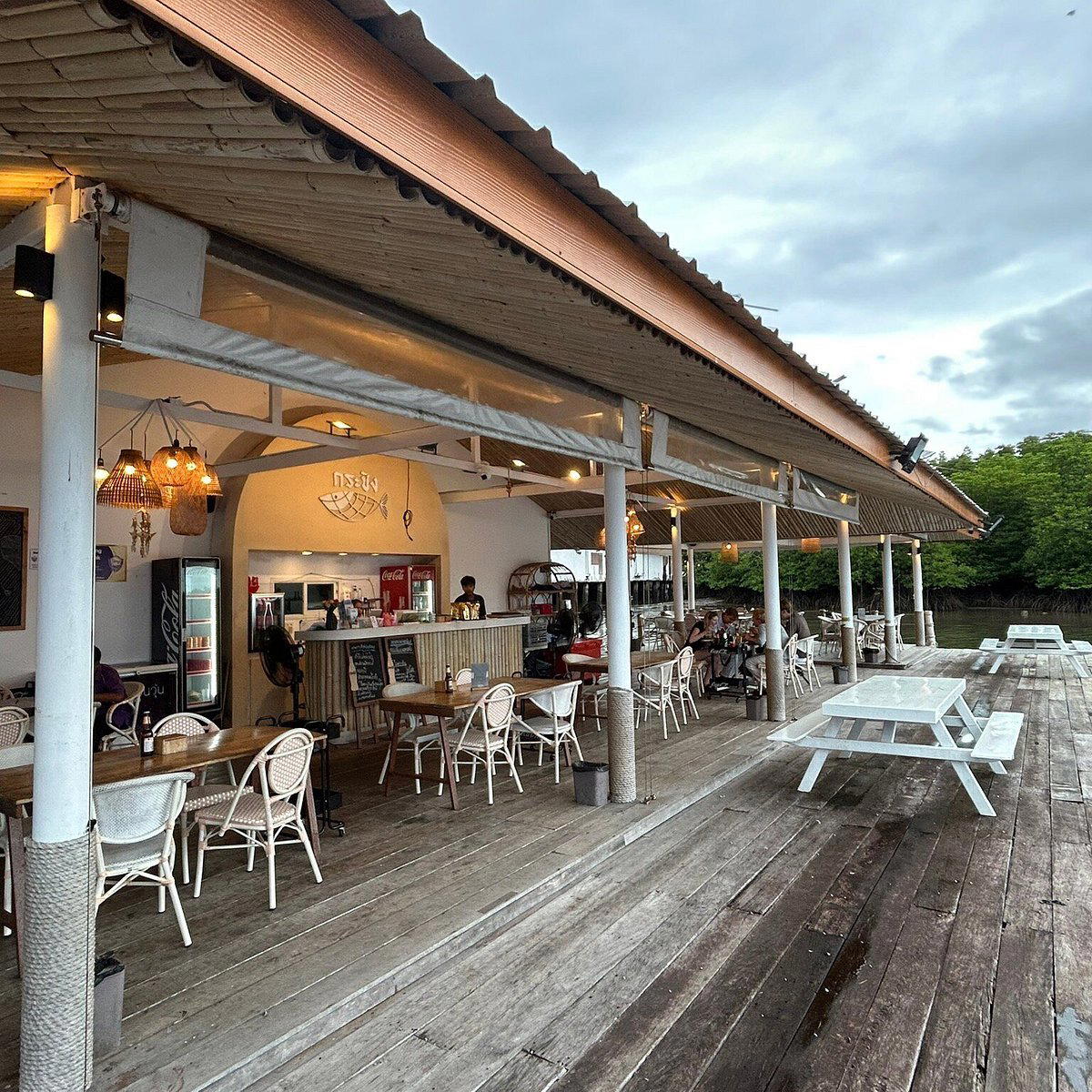
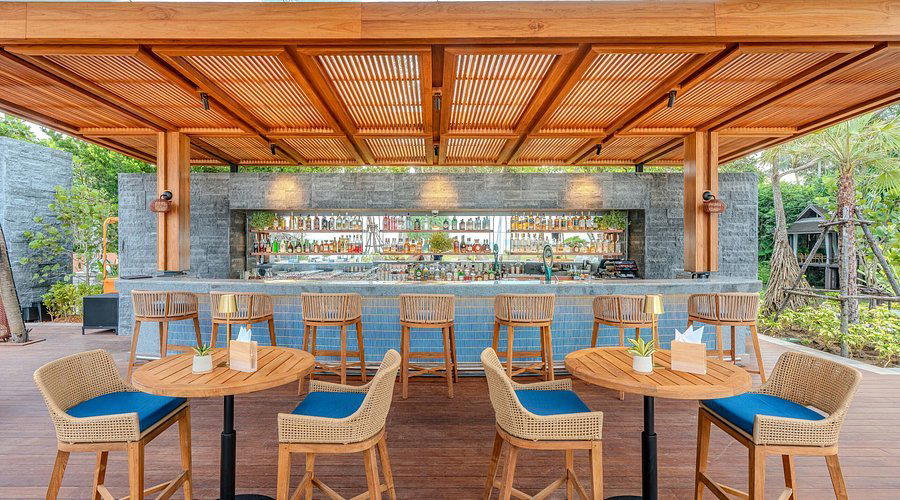
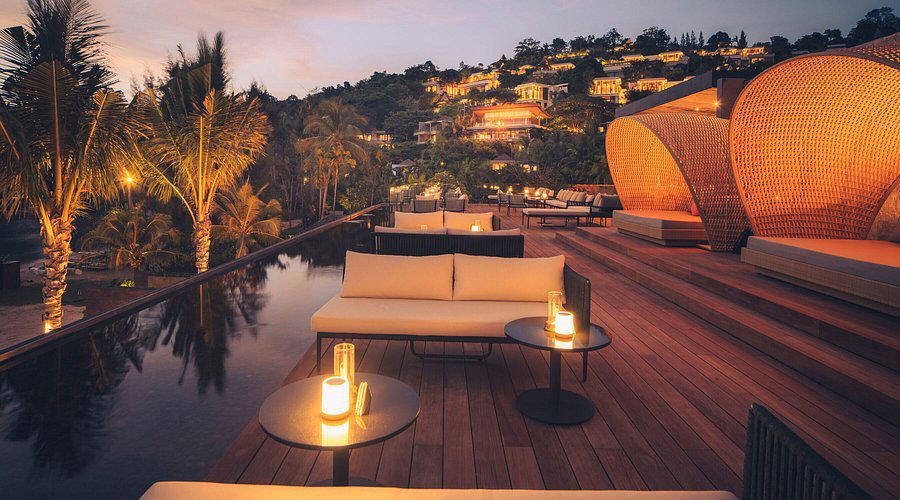
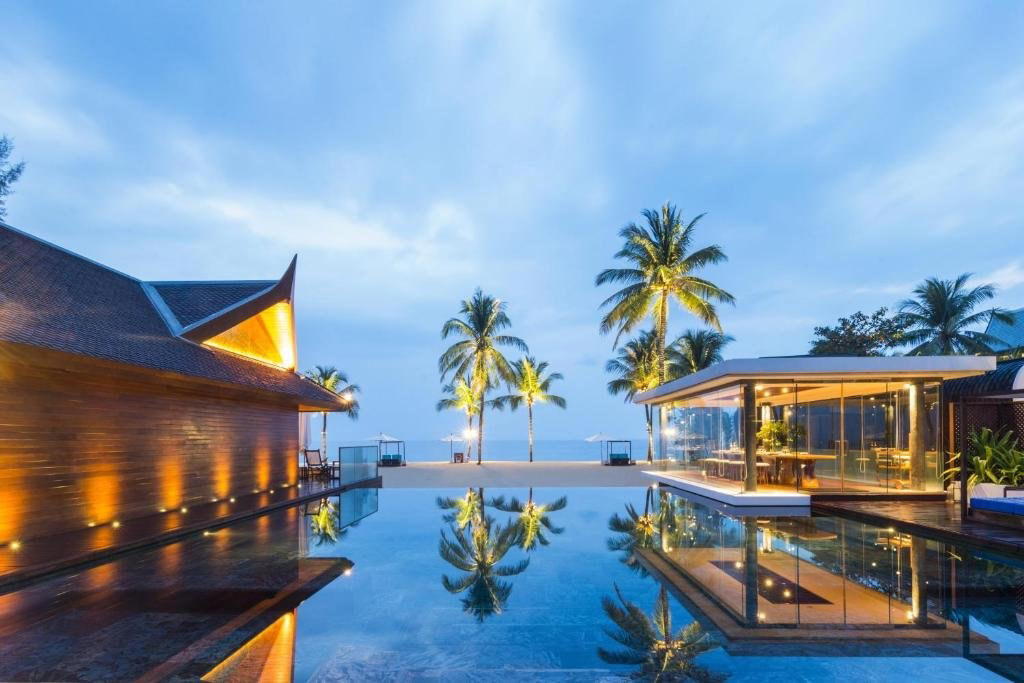
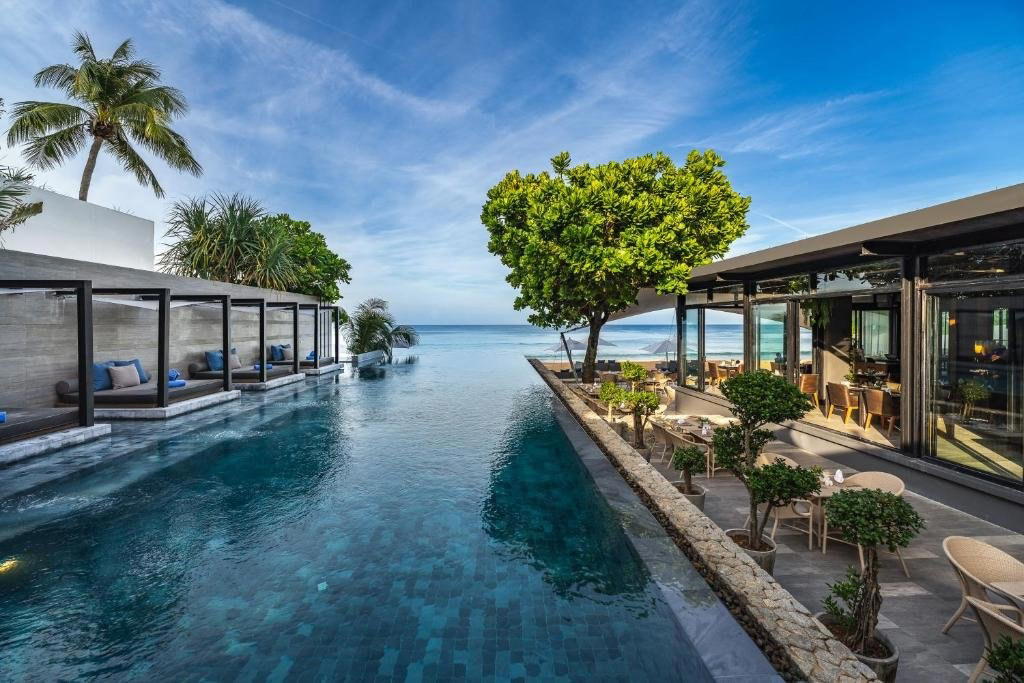
Relaxed open-air pavilion with sea breeze and beach views.