

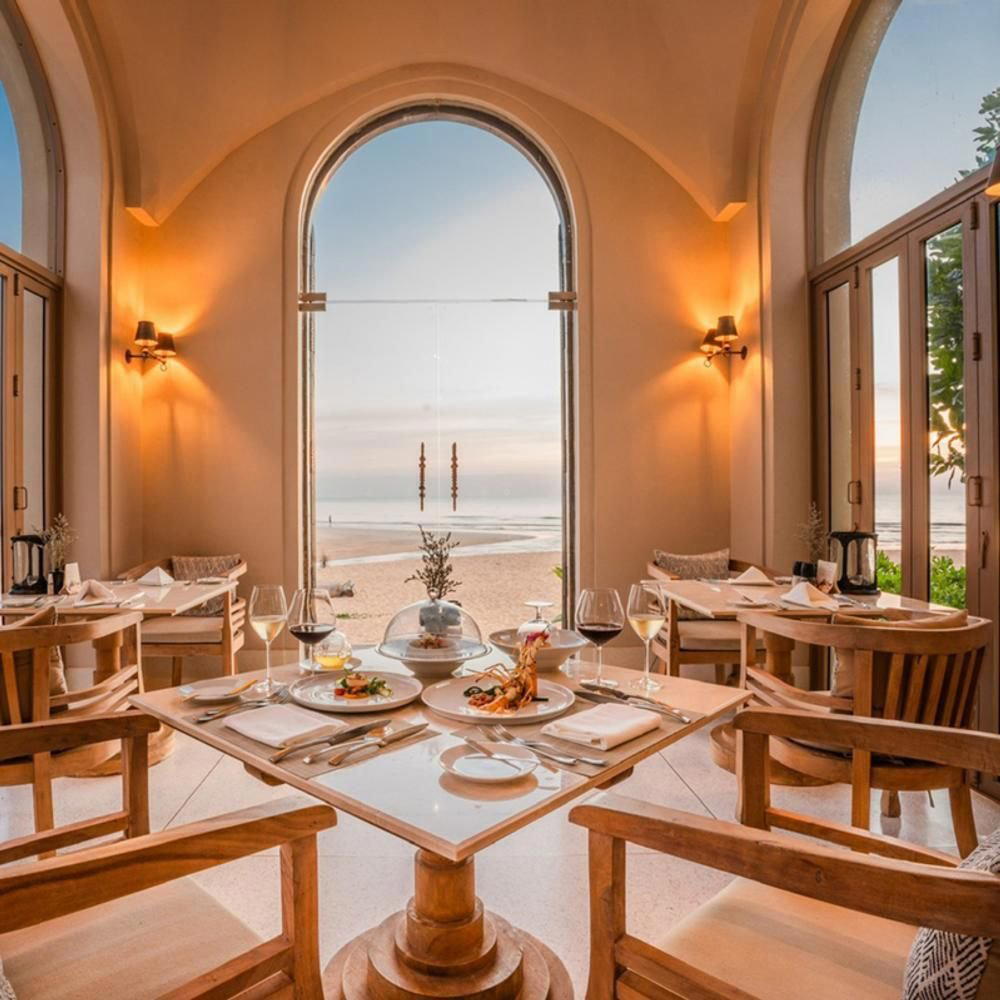
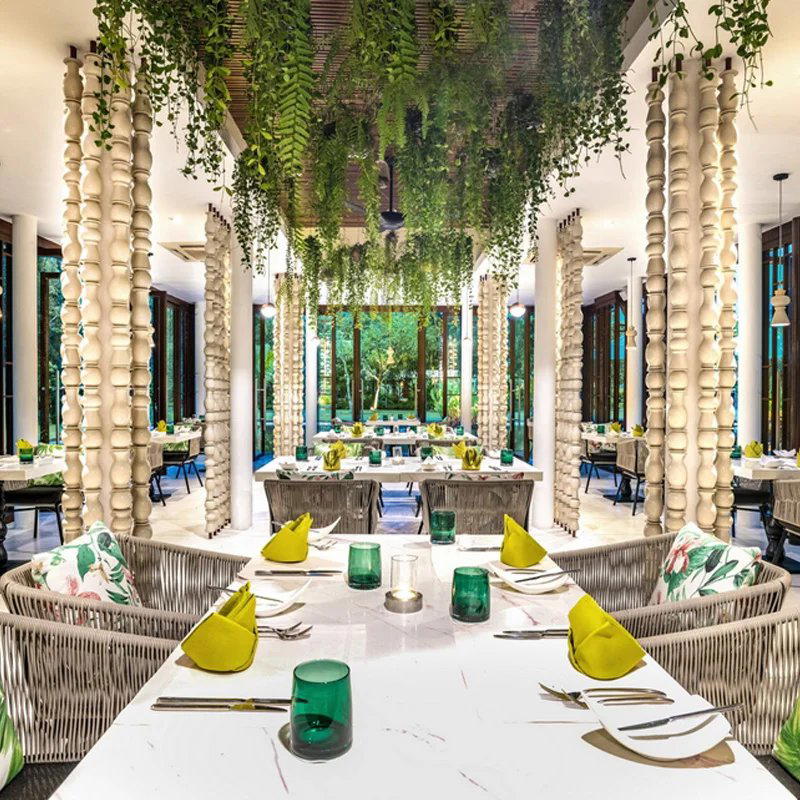
Casa de La Flora sits in Khao Lak, Phang Nga, where Brutalist architectural geometry meets the coastal lowlands of southern Thailand. The property draws a design-conscious traveller seeking something architecturally deliberate rather than conventionally tropical. Its angular forms and environmental sensitivity place it in a distinct tier among Khao Lak's accommodation options.
Pearl is the En Primeur Club membership app — saves, bookings, and concierge access live there. Same editors, same standards.
- Address
- Khuk Khak, 67 213, Takua Pa District, Phang Nga 82220, Thailand
- Phone
- +66 76 428 999
- Website
- casadelaflora.com
- Directions
- Get directions
 Saves & bookings on Pearl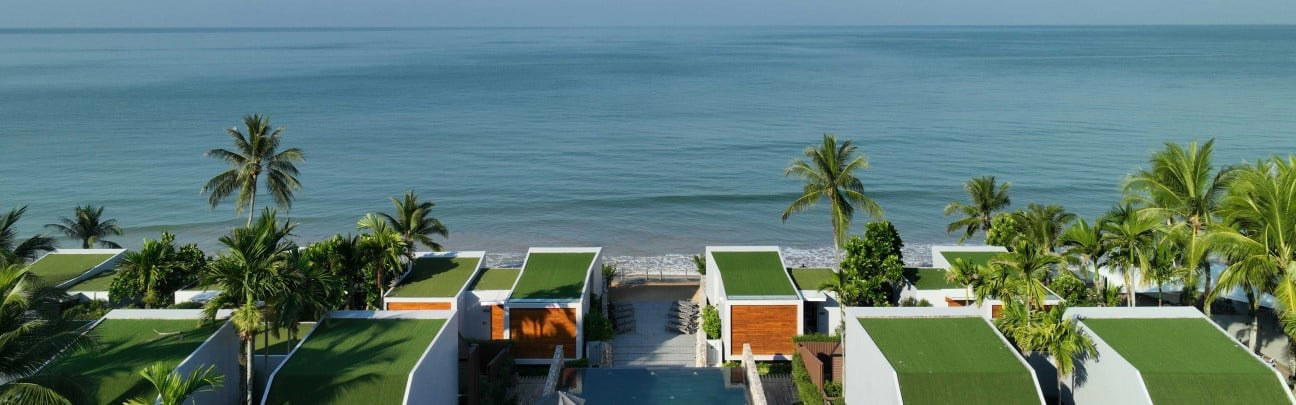
Architecture as Argument: What Casa de La Flora Says About Khao Lak
Khao Lak occupies an interesting position in southern Thailand's hotel geography. Positioned north of Phuket along the Andaman coast in Phang Nga province, it has historically attracted travellers who wanted quieter waters and longer beaches without the infrastructure density of its more famous neighbour. The hotels that have done well here tend to fall into two camps: those that blend seamlessly into the coastal greenery, and a smaller cohort that make a deliberate architectural statement. Casa de La Flora belongs firmly to the second group.
The property's design language draws on Brutalist architecture — a reference point that sounds severe in the abstract but reads quite differently against a backdrop of mangroves and Gulf-adjacent coastline. Where Brutalism in European cities can feel imposing against concrete urban surrounds, the angular geometries of Casa de La Flora sit in studied contrast to the organic softness of the surrounding environment. That tension is the point. The building doesn't attempt to disappear into the landscape; it acknowledges it, frames it, and places it in dialogue with hard lines and considered volumes. For a region where tropical resort vernacular often defaults to pitched roofs and open-air salas, this is a meaningful departure.
For broader Andaman coast context, Six Senses Yao Noi takes the opposite approach, deep environmental integration and wellness infrastructure, while The Sarojin operates closer to boutique luxury with a more traditional materials palette. Casa de La Flora's Brutalist vocabulary sets it apart from all three.
The Guest Experience: Service Inside a Designed Space
In hotels where architecture is the primary statement, service either amplifies the concept or works against it. The risk in design-forward properties is that the aesthetic becomes the whole offer, guests feel they are inhabiting a showroom rather than being hosted. The properties that resolve this tension well tend to invest in a low-ratio, anticipatory service model: fewer guests, staff who read the room without being prompted, and a sense that the property understands who is staying there and why.
Khao Lak's seasonal rhythms shape this dynamic significantly. The destination operates most strongly from November through April, when the Andaman coast is dry and the sea is calm. During this window, occupancy at well-regarded properties tightens, and the service proposition at smaller, design-led hotels tends to feel more considered, staff are more practiced, returning guests account for a meaningful share of rooms, and the pace of the place stabilises into something that reads as intentional rather than reactive. Booking well in advance for the high season window is advisable for any property in this tier; Khao Lak is not immune to the demand patterns that affect Aleenta Resort and Spa, Phuket or Cape Kudu Hotel further south.
The service philosophy that works well in this kind of architectural environment is one oriented around restraint and precision rather than warmth-as-volume. Guests who choose Casa de La Flora are not, by and large, seeking the programmatic hospitality of a large resort. They are choosing a place with a specific point of view. The hospitality that complements that choice tends to be knowledgeable about design, attentive to privacy, and capable of providing access to the natural environment, boat trips through mangrove channels, excursions to the Similan Islands, without converting the property into an activities desk.
Khao Lak in the Wider Thailand Premium Context
Thailand's premium hotel offer has diversified considerably over the past decade. Properties like Amanpuri in Phuket, which established a particular template for luxury in the region, now sit alongside a much wider range of approaches, from the wellness-infrastructure depth of Soneva Kiri in Trat to the villa-format intimacy of Samujana Villas in Koh Samui. The Phulay Bay, A Ritz-Carlton Reserve in Krabi represents the international-brand end of that spectrum, where global service standards are the guarantee. Anantara Layan Phuket Resort and Pimalai Resort and Spa in Koh Lanta occupy middle ground, strong operations, recognisable brand logic.
Casa de La Flora occupies a different position in that hierarchy. It is not making an argument about scale, wellness credentials, or brand recognition. It is making an argument about space and materials, about what it means to build something architecturally serious in a place defined by natural abundance. That argument appeals to a specific kind of traveller: one who has already done the major-brand Thailand experience, who understands what the Andaman coast offers, and who is now looking for something with a more considered formal identity. Nearby Devasom Khao Lak Beach Resort and Villas represents a more traditional tropical luxury format for those whose priorities differ.
For travellers building a broader Thailand itinerary, Khao Lak makes a logical staging point. The Mandarin Oriental Bangkok and the Grand Hyatt Erawan Bangkok anchor the capital end of a trip, while Four Seasons Resort Chiang Mai and Anantara Golden Triangle in Chiang Rai give the northern circuit a comparable quality tier. Khao Lak sits at the intersection of the Andaman coast and relative quiet, properties like Casa de La Flora serve the traveller who wants that quiet to feel architecturally deliberate rather than merely remote.
For a full picture of accommodation and dining across the province, our full Phang Nga guide covers the range of options from Khao Lak to Koh Yao Noi in detail.
Planning Your Stay
Casa de La Flora sits at 59/1 Moo 5, Khuk Khak, Khao Lak, Phang Nga, approximately 80 kilometres north of Phuket International Airport, which serves as the primary arrival point for the region. The drive takes roughly 90 minutes depending on traffic, and private transfers are the standard approach for properties at this level. The high season window of November through April delivers the most reliable weather and the full range of marine excursion options; the shoulder months of October and May offer lower occupancy and potentially more attentive service ratios, though sea conditions can limit Similan Islands access. Direct booking via the property's own channels is advisable for any special room preferences, given that third-party platforms may not reflect current availability or configuration details at smaller design-led properties.
Recognition history
Dated appearances from independent guides and award organizations, with the underlying list record or original source where available.
Design Hotels Member
Design Hotels
Mr & Mrs Smith Smith Seal of Approval
Mr & Mrs Smith
Michelin Selected
Michelin
Continue exploring
More in Phang Nga
Hotels in Phang Nga
Browse all →
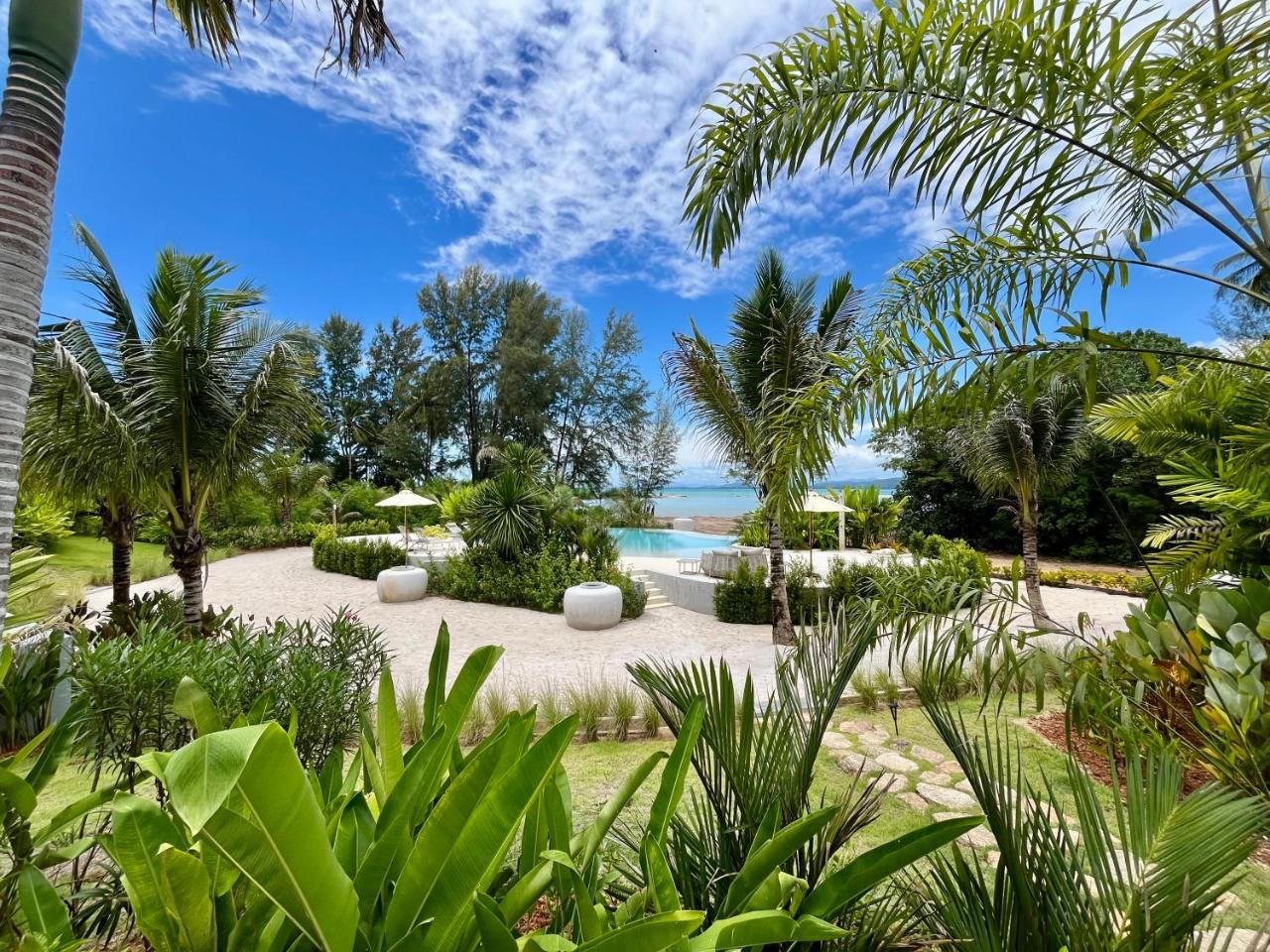
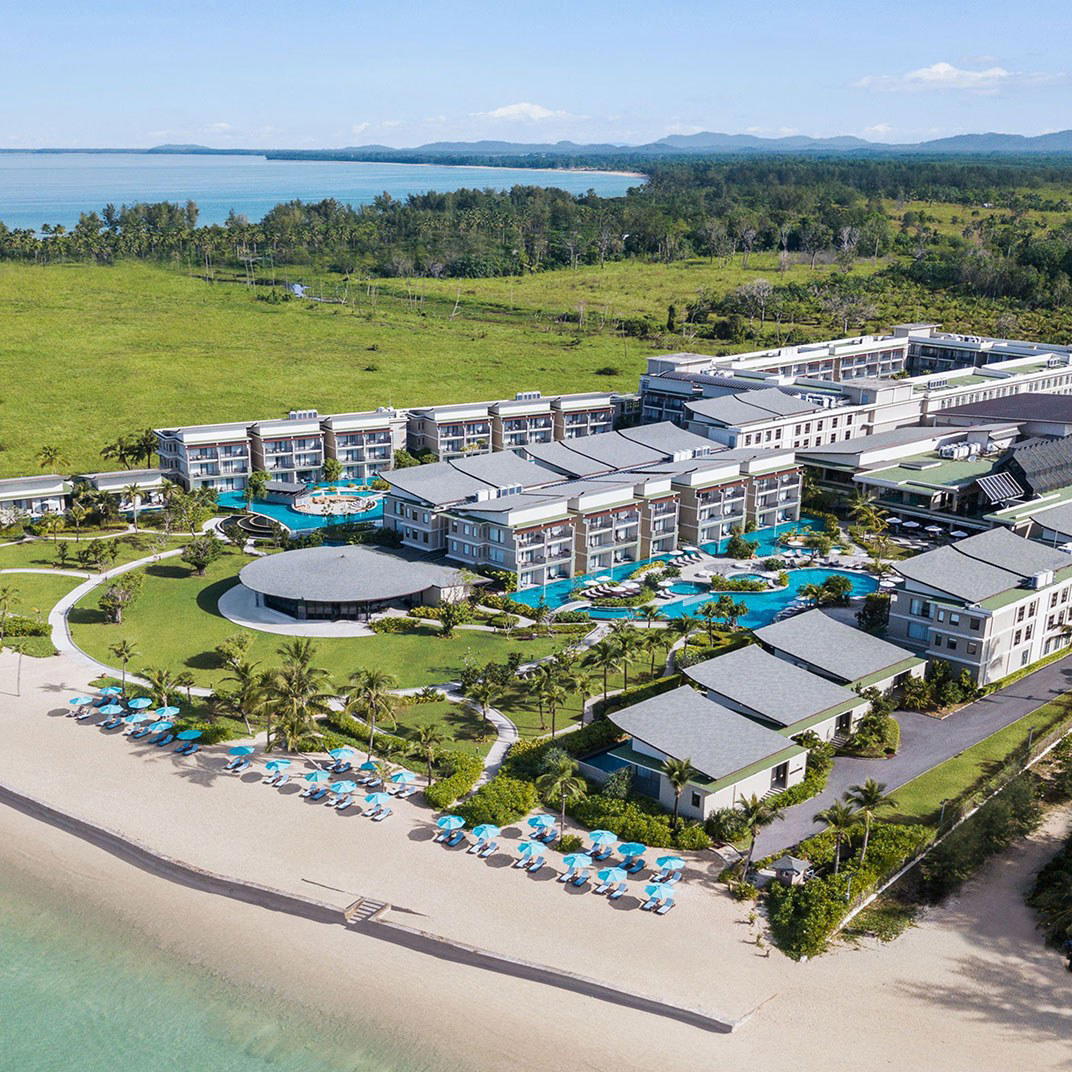
Bars in Phang Nga
Browse all →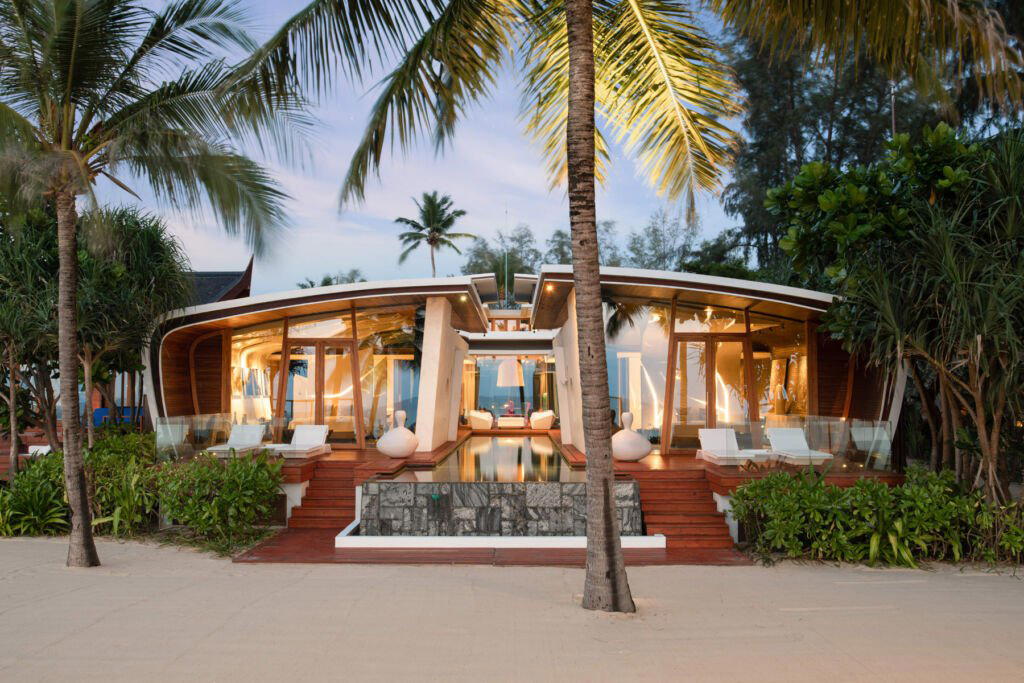
Restaurants in Phang Nga
Browse all →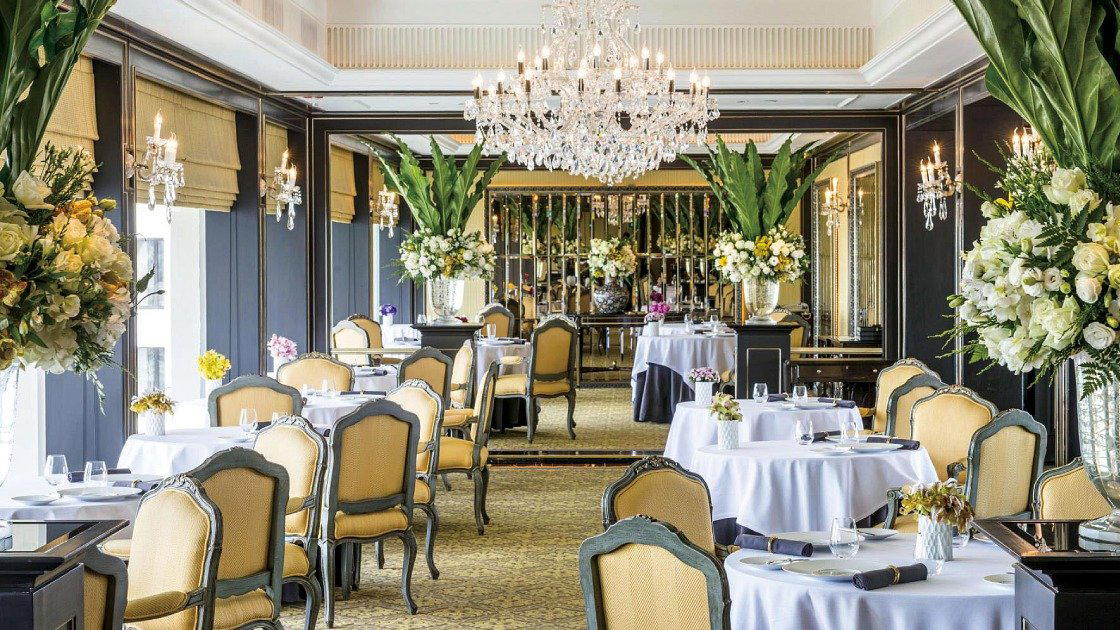
At a Glance
- Romantic
- Quiet
- Modern
- Elegant
- Intimate
- Sophisticated
- Minimalist
- Honeymoon
- Romantic Getaway
- Anniversary
- Wellness Retreat
- Weekend Escape
- Beachfront
- Infinity Pool
- Private Villa
- Butler Service
- Panoramic View
- Wi Fi
- Pool
- Spa
- Fitness Center
- Room Service
- Concierge
- Restaurant
- Bar
- Sauna
- Massage
- Waterfront
- Wi Fi
- Pool
- Spa
- Fitness Center
- Room Service
- Concierge
- Restaurant
- Bar
- Sauna
- Massage
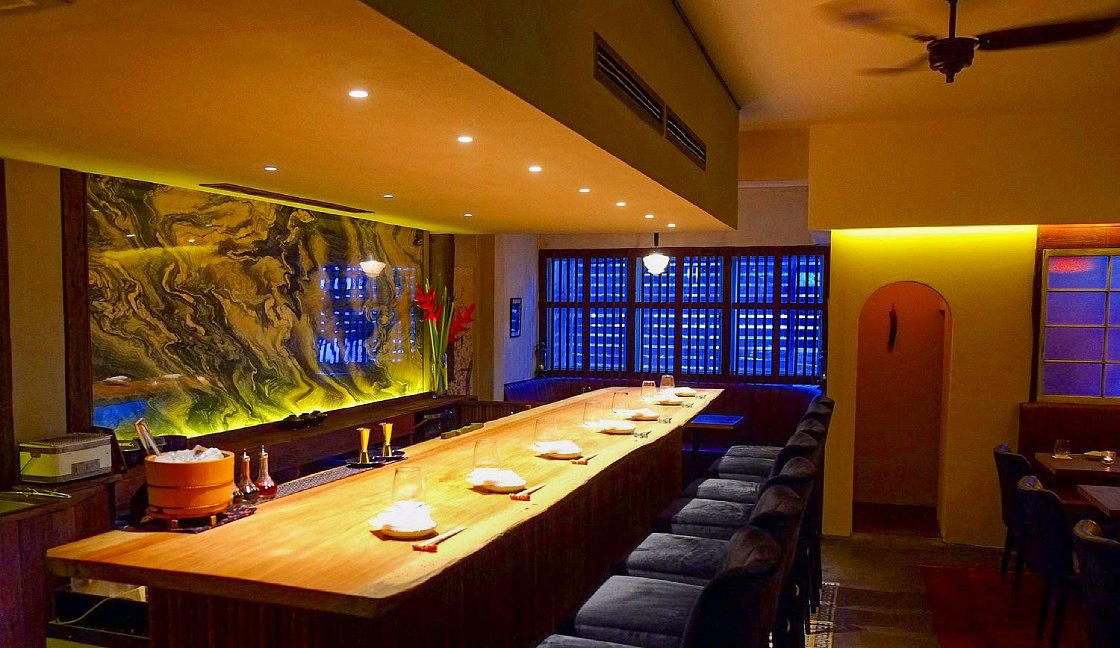
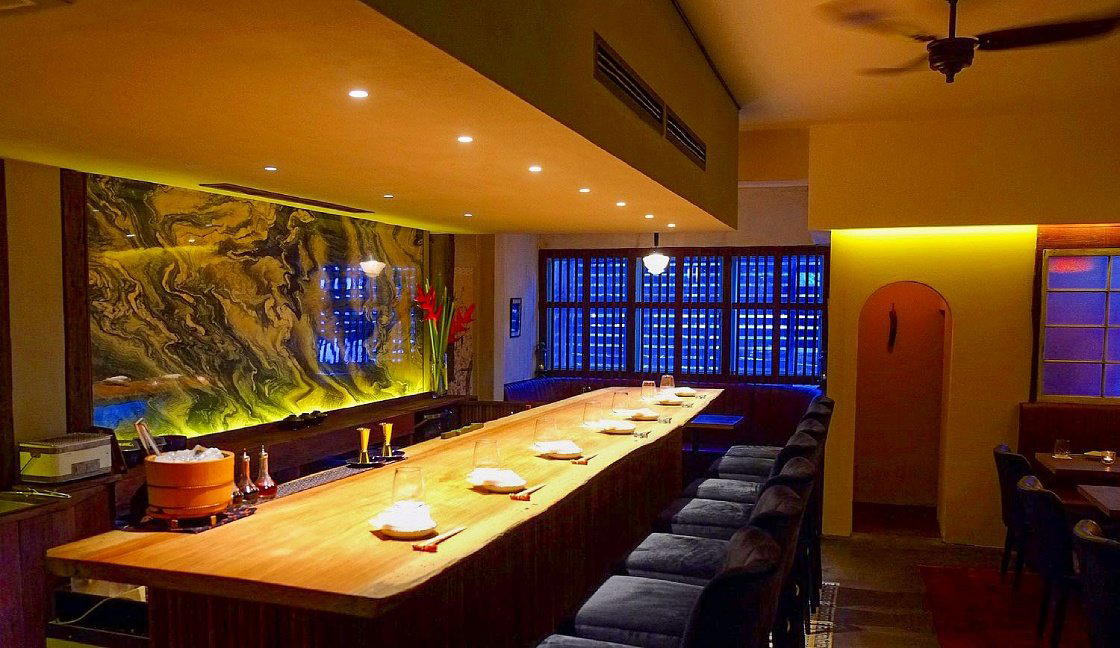
Tranquil and serene with natural light, minimalist interiors blending concrete and wood, and a relaxed beachfront atmosphere praised for its peace and privacy.
Know Before You Go
- Getting there
- Khuk Khak, 67 213, Takua Pa District, Phang Nga 82220, Thailand