
A Michelin Selected property on the Andaman coast of Phang Nga, Cape Pakarang Wow Wild Wellness Escapes occupies a stretch of shoreline where the peninsula's quieter, nature-forward accommodation tier has found some of its clearest expression. The wellness focus and coastal setting place it in a distinct niche within southern Thailand's premium retreat circuit, alongside peers such as Six Senses Yao Noi and The Sarojin.
Pearl is the En Primeur Club membership app — saves, bookings, and concierge access live there. Same editors, same standards.
- Address
- 27, 51, Khuk Khak, Takua Pa District, Phang Nga 82220, Thailand
- Phone
- +66 88 169 9414
- Website
- capepakarang.com
- Directions
- Get directions
 Saves & bookings on Pearl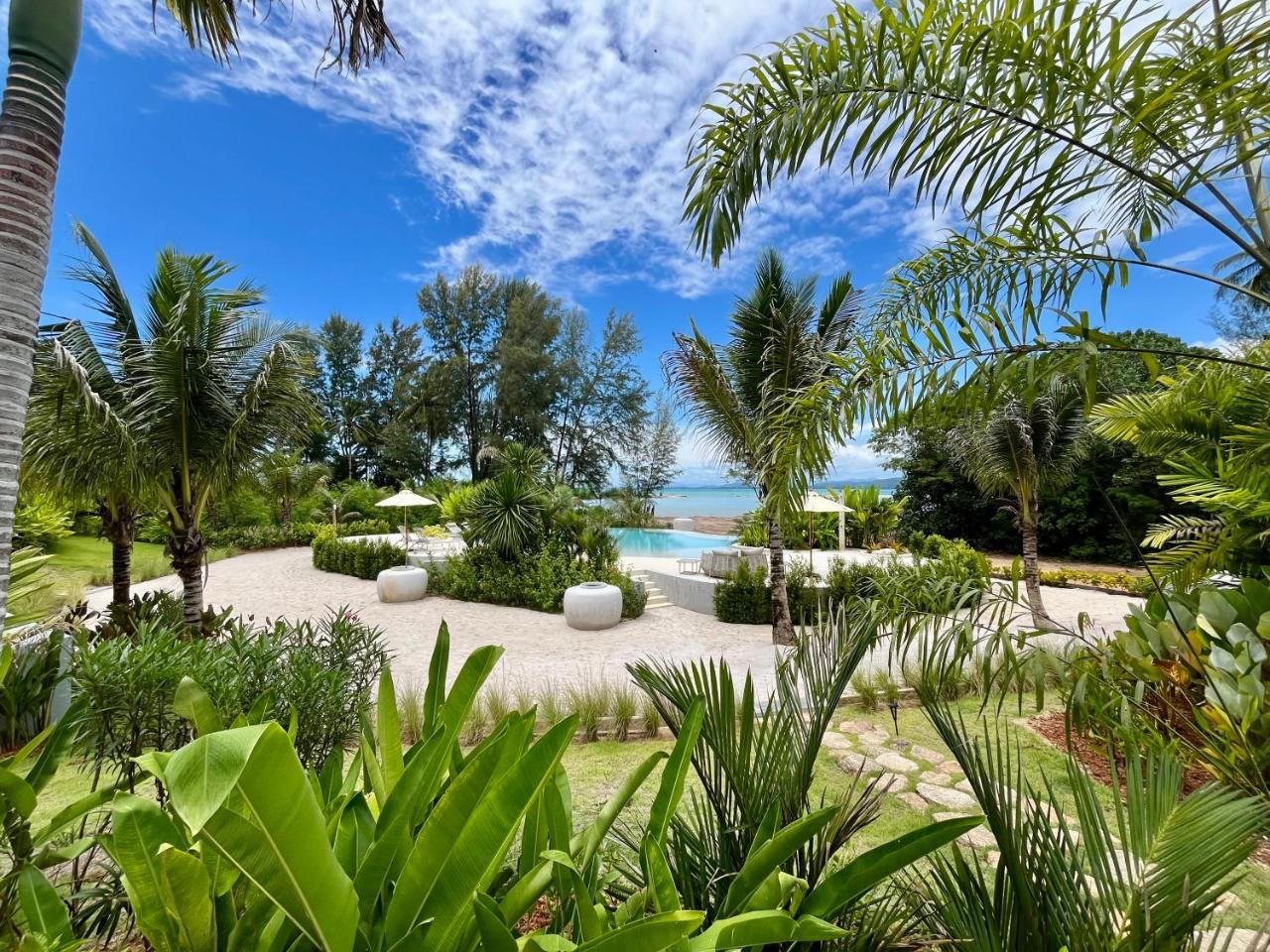
Where Phang Nga's Wellness Coast Takes Shape
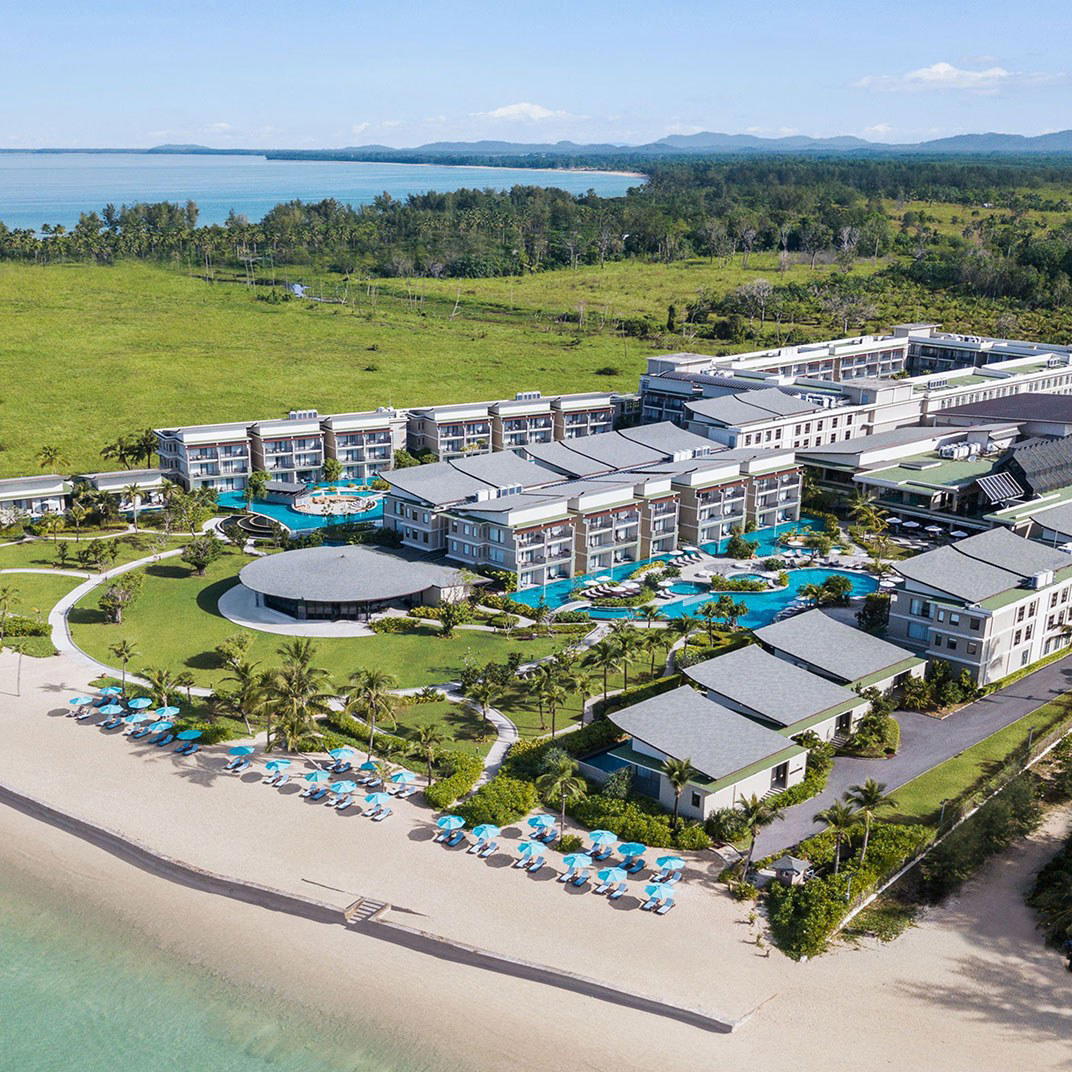
The Andaman coastline north of Phuket has spent the past decade sorting itself into two distinct accommodation registers: the large-footprint resort corridor that follows the main highway, and a quieter, more deliberate tier of properties that prioritise setting and intentionality over scale. Cape Pakarang sits firmly in the second group. The cape itself, a headland that juts into the Andaman Sea between Khao Lak and the Similan Islands marine park, offers the kind of geographic isolation that has consistently attracted properties with a wellness or nature-led identity. Arriving at the property, the physical environment does most of the communicating before any programme or facility becomes relevant: the horizon is wide, the light is salt-haze soft at the edges, and the vegetation between the structures and the water remains intact rather than cleared for unobstructed sightlines.
That choice to preserve rather than manicure is itself a design statement. Across southern Thailand's premium retreat tier, from Six Senses Yao Noi on its limestone-karst island to The Sarojin further along the Khao Lak coast, the properties that have held recognition over time tend to share an approach where the built environment defers to the natural one. Cape Pakarang's Michelin Selected recognition in the 2025 hotel guide places it within that acknowledged cohort.
Design Logic on the Cape
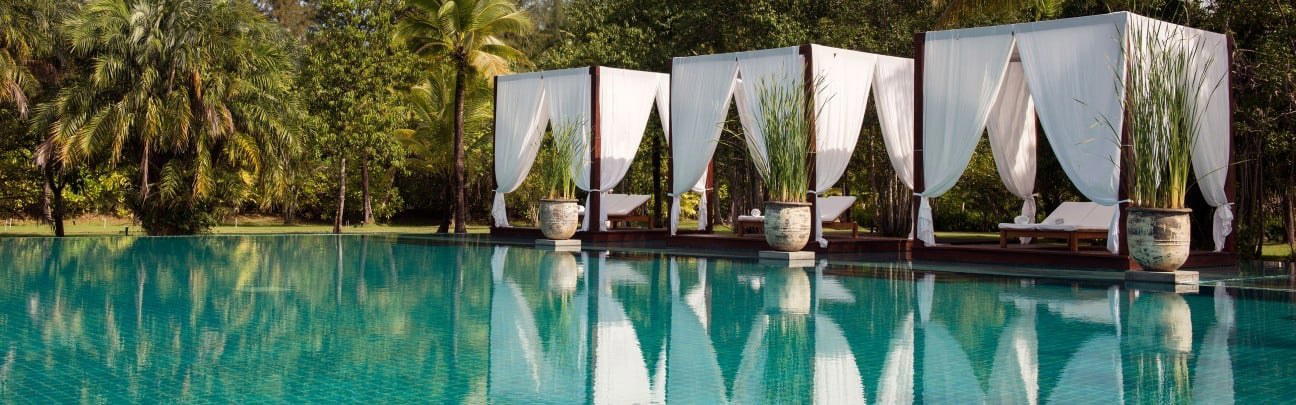
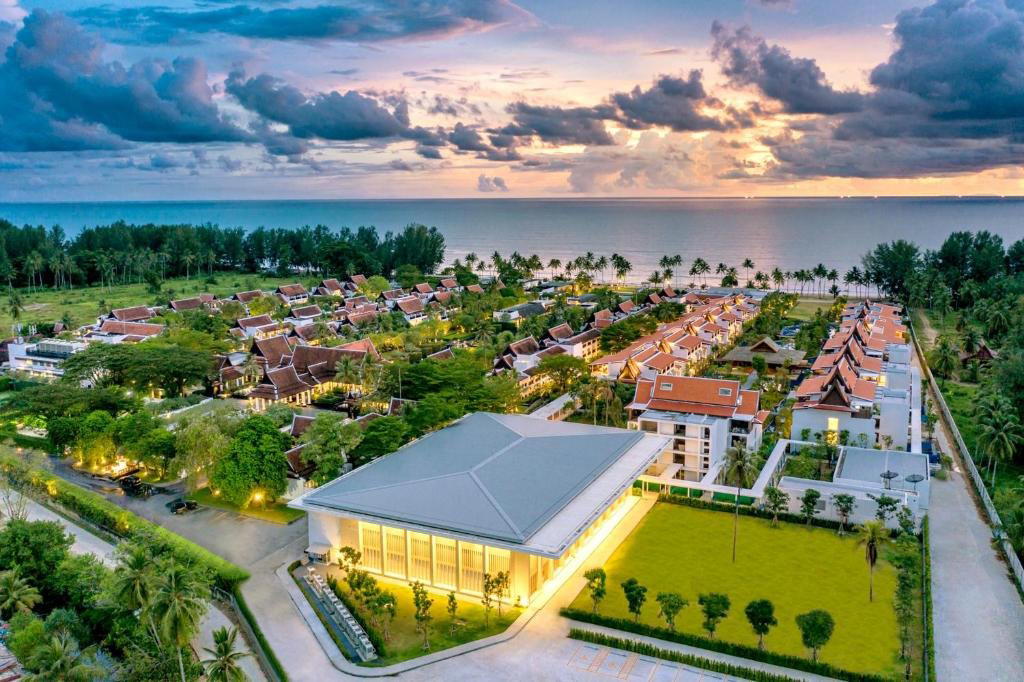
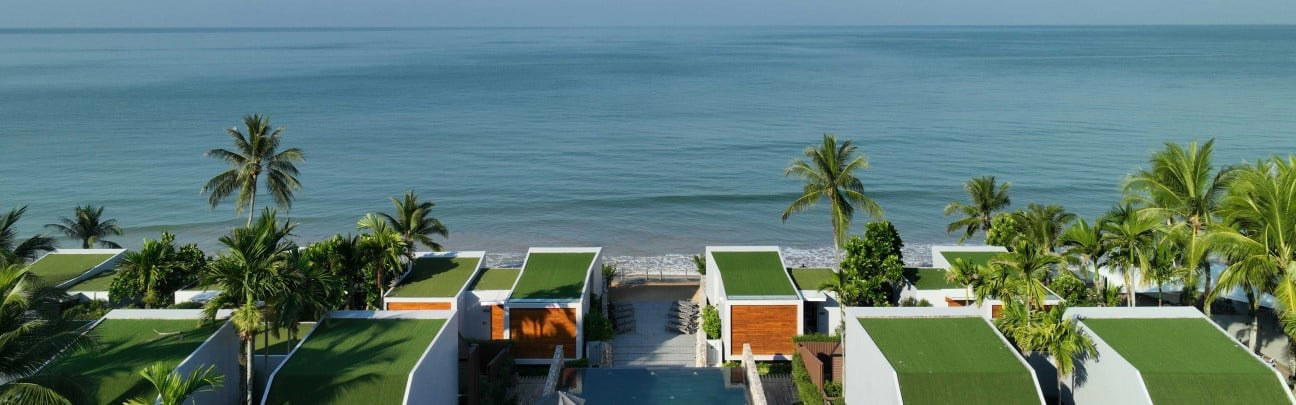
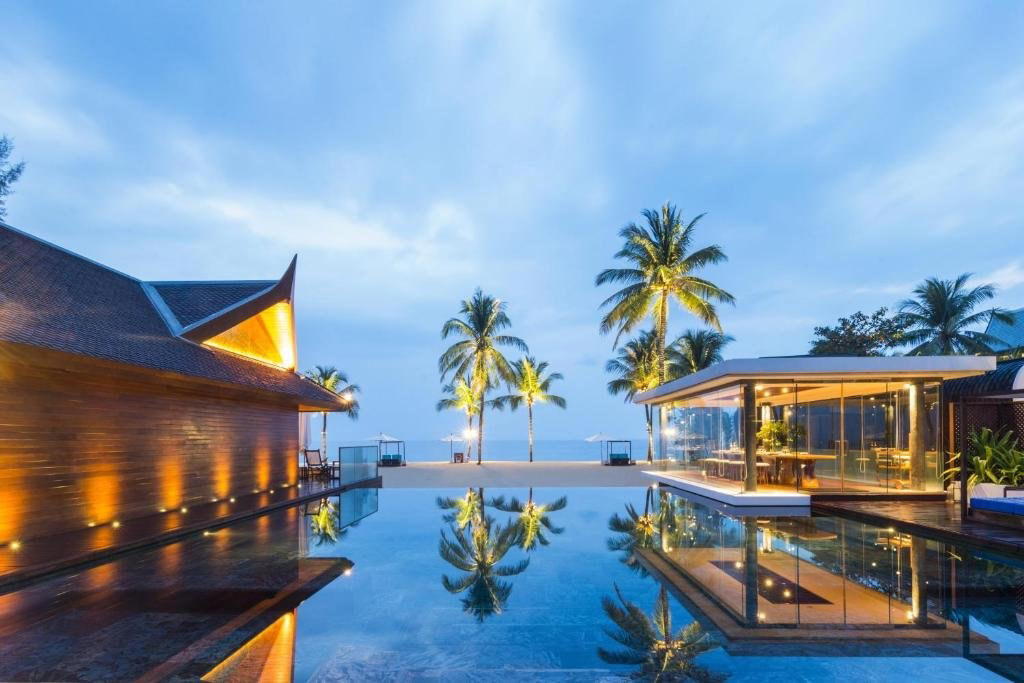
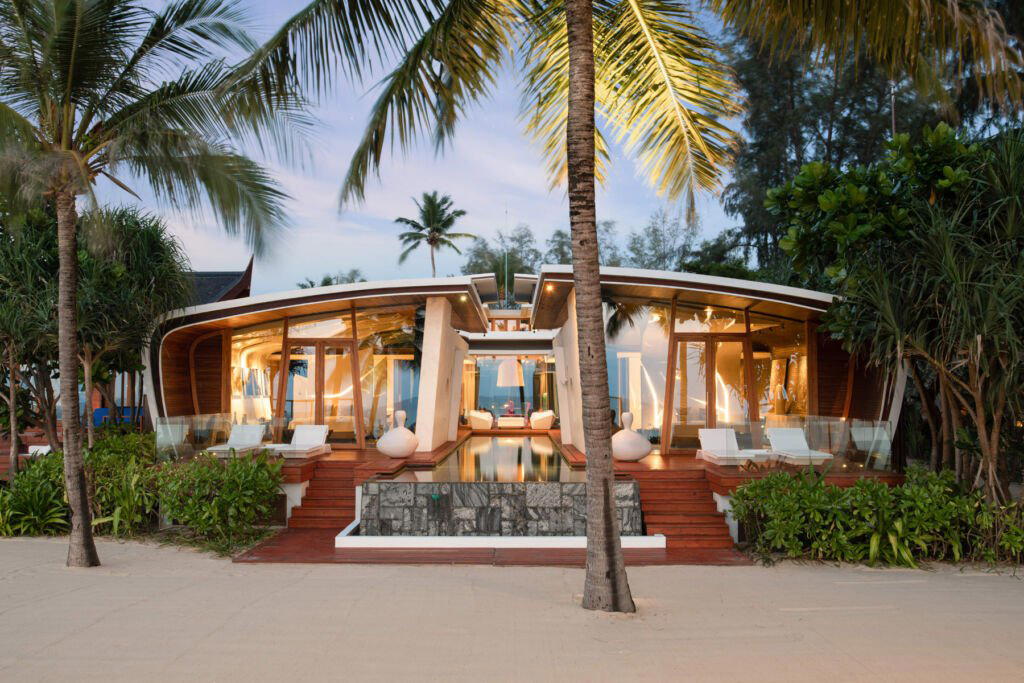
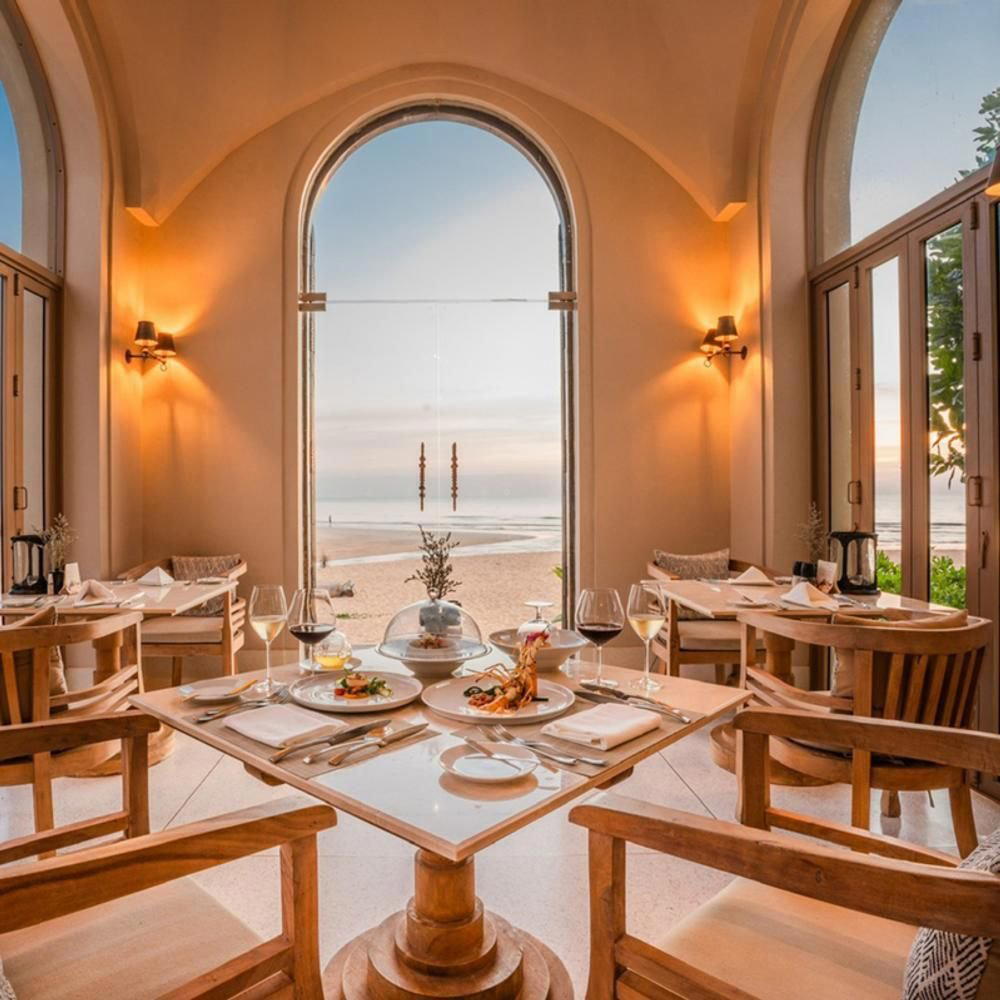
The architectural approach at Cape Pakarang responds directly to its coastal position. Properties in this tier of the Phang Nga market generally face a version of the same design problem: how to give guests proximity to the sea and the forest simultaneously, without the structure becoming the dominant visual element. The answer, repeated across the better examples in the region, involves low-profile structures, materials that weather into the surrounding palette, and a layout that creates movement through vegetation rather than across cleared ground.
This contrasts with the approach at larger-footprint properties elsewhere on the Thai coast, where visual drama comes from the architecture itself, towers of glass, infinity pools engineered for maximum exposure, lobbies designed for arrival photography. The wellness-focused segment that Cape Pakarang occupies treats the building as a threshold rather than a destination. What sits beyond the structure, the water, the canopy, the air quality, is the actual product. That positioning gives the physical space a different kind of presence: quieter, less immediately legible, more dependent on time spent within it rather than first impression.
Comparable properties in Phang Nga each solve this problem in their own register. Casa de La Flora works through modernist volume and strong geometric lines set against the mangroves. Aleenta Resort and Spa on Bang Niang Beach uses a minimal palette and low density to achieve a similar deference to setting. Cape Kudu Hotel, on Koh Yao Noi, positions the built form against the bay to frame the karst formations rather than compete with them. Cape Pakarang's version of this logic is shaped by its specific cape geography, a promontory setting that allows orientation toward the water from multiple angles and creates a sense of enclosure that flat beach sites cannot replicate.
The Wellness Framework in Context
The term "wellness escape" covers a wide range of actual programming in southern Thailand, from basic spa menus offered alongside standard resort amenities to genuinely immersive retreat formats with structured schedules and practitioner-led sessions. The name Cape Pakarang Wow Wild Wellness Escapes signals an intent to position toward the more committed end of that spectrum, where the wellness programme is the organising logic of the stay rather than an optional add-on. That framing places it in a segment of the Thai hospitality market that has grown significantly since 2019, accelerated by a post-pandemic shift in how a portion of the premium travel market thinks about recovery and restoration.
Properties that hold Michelin recognition in this segment, including Keemala in Phuket and Six Senses Yao Noi further into the bay, tend to share a structural feature: the wellness component is embedded in the physical layout, not housed in a separate pavilion that guests may or may not visit. The degree to which Cape Pakarang achieves that integration, weaving programme into setting rather than appending it, is part of what the Michelin recognition suggests. Across the broader Thai luxury circuit, from Four Seasons Chiang Mai to Soneva Kiri in the Gulf, the properties that sustain recognition in the wellness tier are those where the environment itself is part of the programme.
Phang Nga as the Right Address
Phang Nga province carries a different hospitality character from Phuket or Krabi. It is less developed, the infrastructure is less tourist-optimised, and the coastline retains a quality that the more trafficked zones further south have largely lost. For properties built around a wellness or nature proposition, that context is a functional asset rather than a trade-off. The proximity to the Similan Islands, one of the Andaman's most significant marine environments, gives the area a conservation-adjacent identity that reinforces the positioning of a property like Cape Pakarang.
Within Phang Nga's accommodation hierarchy, Devasom Khao Lak Beach Resort and Villas and Iniala Beach House represent adjacent points on the premium spectrum, each with its own design identity and guest proposition. Comparing them against Cape Pakarang clarifies what differentiates the properties: Iniala operates at the high-design, art-forward end, while Devasom leans into family-suitable resort scale. Cape Pakarang's wellness-first framing occupies a distinct niche within this peer group.
Elsewhere in the region, the pattern repeats at different scales: Phulay Bay in Krabi and Pimalai Resort and Spa on Koh Lanta each situate premium accommodation within a coastal natural context, though their brand architecture and target guest differ from the wellness-intensive model Cape Pakarang represents. For travellers assessing the southern Thailand premium tier more broadly, comparisons also extend to Samujana Villas on Koh Samui and Anantara Golden Triangle in Chiang Rai, both of which demonstrate how nature immersion and design rigour operate at different price points and geographic contexts across the country.
Planning a Stay
Cape Pakarang is located at 27, 51, Khuk Khak, Takua Pa District, Phang Nga 82220, Thailand. The nearest access point for international arrivals is Phuket International Airport, with the property reachable by private transfer north along the Phang Nga coast. The Khao Lak area operates with a distinct seasonal rhythm: the Andaman coast is at its most settled from November through April, when seas are calm and the Similan Islands marine park is open. The May through October period brings heavier rainfall and the marine park closes;
Side-by-Side Snapshot
Comparable venues nearby, for context on price, style, and recognition.
| Venue | Cuisine | Price | Awards | Notes |
|---|---|---|---|---|
| Cape Pakarang Wow Wild Wellness EscapesThis venue — the venue you are viewing | Exclusive adults-only beachfront wellness resort with sleek modern villas in lush nature. | $$$$ | 4-Star | Not listed |
| Devasom Khao Lak Beach Resort & Villas | Luxury boutique beach resort blending timeless Southeast Asian heritage with modern luxury. | $$$$ | 5-Star | Khuk Khak |
| Casa de La Flora | Luxury beachfront boutique resort with bold geometric architecture yielding to organic warmth. | $$$$ | 5-Star | Khao Lak |
| Cape Kudu Hotel | Serene boutique resort blending rustic charm with modern luxury on a tranquil Thai island. | $$$ | 5-Star | Koh Yao Noi |
| Aleenta Resort & Spa, Phuket | Boutique luxury beach resort with 'All Suites, All Private' philosophy emphasizing outside living in spacious accommodations. | $$$$ | Michelin 1 Key | Natai Beach |
| Iniala Beach House | Ultra-luxury beachfront villa resort combining contemporary design with traditional Thai elements, positioned as an exclusive retreat for informed travelers seeking privacy and personalized service. | $$$$ | Michelin 1 Key | Natai Beach, Takua Thung District |
Recognition history
Dated appearances from independent guides and award organizations, with the underlying list record or original source where available.
Michelin Selected
Michelin
At a Glance
- Quiet
- Scenic
- Modern
- Intimate
- Elegant
- Minimalist
- Romantic Getaway
- Wellness Retreat
- Anniversary
- Weekend Escape
- Beachfront
- Infinity Pool
- Private Villa
- Destination Spa
- Wi Fi
- Pool
- Spa
- Concierge
- Beach Access
- Waterfront
- Garden
- Wi Fi
- Pool
- Spa
- Concierge
- Beach Access
Peaceful and serene with natural sounds, modern minimalist design blending seamlessly into lush gardens and wild beachfront, fostering deep relaxation.