Just Italia Chamberi occupies a corner of Chamberí, one of Madrid's most food-literate residential districts, bringing Italian kitchen tradition into a city that has spent two decades absorbing and reinterpreting European technique. The address places it squarely in a neighbourhood where the dining conversation is specific and demanding, with locals who distinguish between authenticity and adaptation.
Pearl is the En Primeur Club membership app — saves, bookings, and concierge access live there. Same editors, same standards.
- Address
- Gta. de Ruiz Giménez, 3, Chamberí, 28015 Madrid, Spain
- Phone
- +34910647786
- Website
- justitalia.es
- Directions
- Get directions
 Saves & bookings on Pearl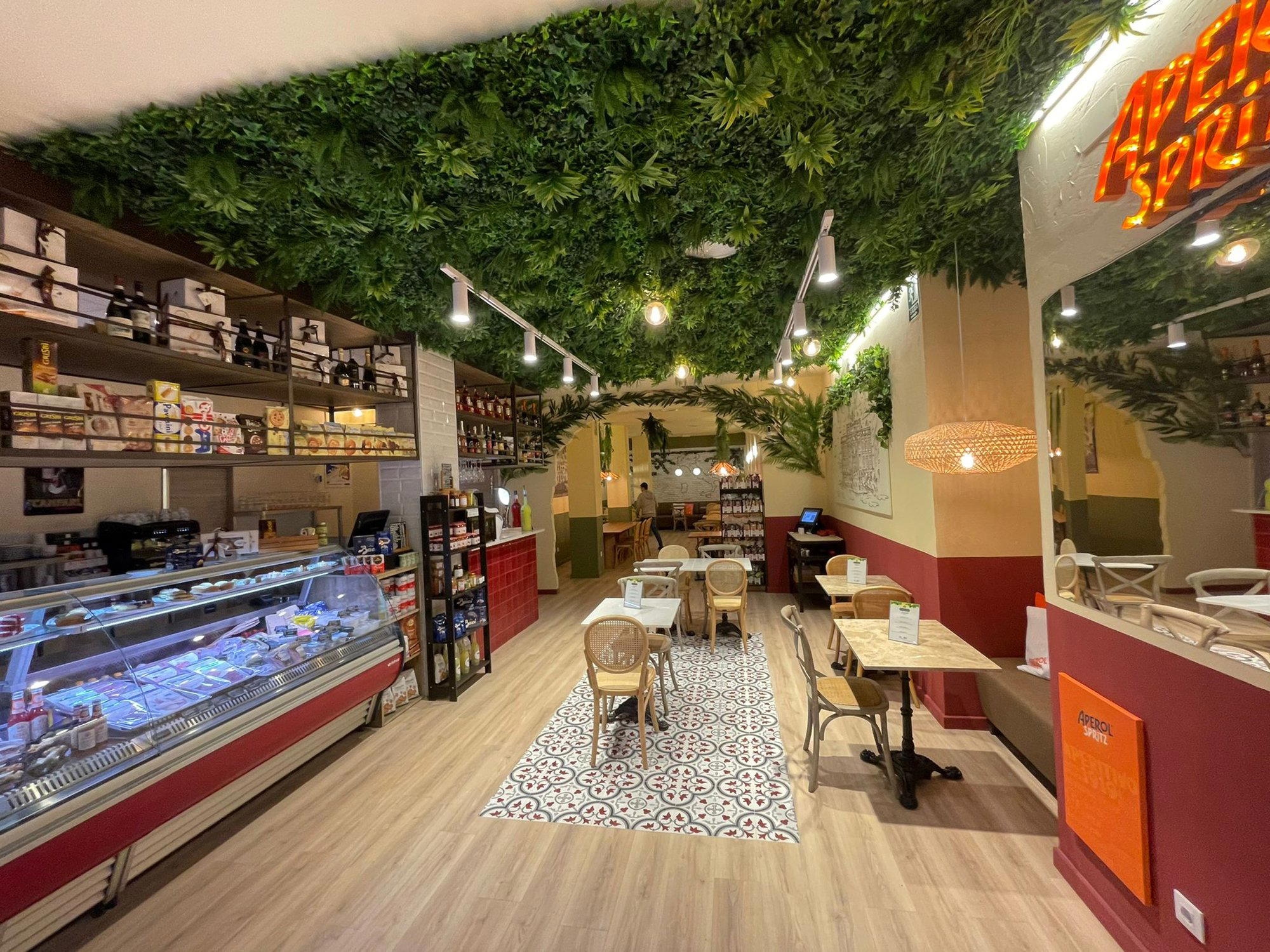
Chamberí and the Italian Question in Madrid
Madrid's relationship with Italian cooking has never been direct. The city spent its first wave of European restaurant imports in the 1990s accepting a simplified version of Italian food, the kind built around crowd-pleasing pasta formats and imported product names rather than regional specificity. The correction has been slow but measurable. In the last decade, a smaller set of operators has arrived with a more considered position: Italian technique applied with enough rigour to hold up in a city whose own fine-dining tier, anchored by addresses like DiverXO and Coque, has set unusually high expectations for what disciplined cooking looks like.
The address matters. Chamberí is not a tourist-facing neighbourhood. It is one of Madrid's denser residential zones, with a food culture shaped by residents rather than by visitor traffic, which means the competitive pressure is different and the tolerance for shortcuts is low.
The Intersection of Imported Method and Local Expectation
The more interesting editorial question around Italian restaurants operating in Spain is what happens when classical Italian method meets a country with its own extremely developed food culture. Spain's fine-dining output over the last two decades has been built on the premise that local ingredients, understood deeply and treated with rigour, produce coherent cooking. The results are documented across the country: El Celler de Can Roca in Girona, Arzak in San Sebastián, Azurmendi in Larrabetzu, Mugaritz in Errenteria, and further afield, Aponiente in El Puerto de Santa María and Quique Dacosta in Dénia, each building a case for the idea that technique and terroir are inseparable.
An Italian restaurant operating in this context faces a specific tension. It can either import both method and product, which produces a kind of culinary embassy experience, or it can apply Italian structural logic to whatever Spain's markets are offering at a given moment. The latter approach is more demanding and, when it works, more interesting: it requires genuine command of the source tradition rather than the ability to replicate familiar dishes from familiar ingredients. Madrid's broader creative dining scene, represented by addresses like DSTAgE, Deessa, and Paco Roncero, has largely made its case on exactly this kind of synthesis, and the same scrutiny naturally extends to international-cuisine operators in the city.
This is a pattern visible beyond Spain. At Atomix in New York City, Korean culinary structure is applied through a fine-dining lens that owes as much to French technique as to Seoul's kitchen traditions. At Le Bernardin, also in New York, French classical discipline has defined a benchmark that holds regardless of the fish's origin. The operative question in each case is whether the imported method adds resolution to the ingredient or simply frames it in a recognisable culinary language for international audiences.
Chamberí as a Dining District
The neighbourhood context is worth dwelling on. Chamberí occupies the northwest arc of Madrid's inner ring, bordered by Malasaña to the south and Tetuán to the north. Its restaurant stock has grown more specific over time, moving from neighbourhood staples toward a mix that includes more technically ambitious mid-range operators. Glorieta de Ruiz Giménez, specifically, is a transit node with enough foot traffic to sustain a dining room but enough residential density to keep the clientele locally weighted. That dynamic tends to produce restaurants that are more interested in repeat business than in spectacle, which generally correlates with consistency over showmanship.
Spain's regional dining picture extends considerably beyond the capital: Cocina Hermanos Torres in Barcelona, Martin Berasategui in Lasarte-Oria, Ricard Camarena in València, and Atrio in Cáceres each represent a different regional expression of the same underlying commitment to serious cooking.
What to Expect at the Table
What the address and neighbourhood context suggest is a format built for a local audience with developed Italian food literacy, in a district where the price-to-quality relationship tends to be closely monitored. Italian cooking in Madrid's residential neighbourhoods has generally settled into a mid-range format, where the value proposition depends on product quality and pasta execution rather than on tasting menu architecture.
The broader category context is useful here. Italian cuisine's structural strengths, the precision of pasta technique, the discipline of sauce reduction, the restraint required in treating high-quality preserved products like aged cheese or cured meat, are all methods that translate well across borders when practised with enough consistency. Where Italian restaurants in non-Italian cities most often lose the thread is in product sourcing: the gap between Italian DOP ingredients and their local substitutes is measurable, and diners in food-literate cities notice it quickly.
Planning Your Visit
Address: Glorieta de Ruiz Giménez 3, Chamberí, 28015 Madrid. Reservations are recommended. Dress: casual. Budget: about €20 per person. Getting there: The Glorieta de Ruiz Giménez is served by the Quevedo metro station on Line 2, a short walk from the restaurant address.
Booking and Cost Snapshot
Comparable venues nearby, for context on price, style, and recognition.
| Venue | Cuisine | Price | Notes |
|---|---|---|---|
| Just Italia ChamberiThis venue — the venue you are viewing | Arapiles, Italian Trattoria | $$ | Not listed |
| Mama Chicó | Not listed | $$ | Malasana, Italian-Argentinian-Galician Fusion |
| Oven Mozzarella Preciados | Sol, Modern Italian Pizza and Pasta | $$ | Not listed |
| La Macanuda | Rios Rosas, Neapolitan Pizzeria | $$ | Not listed |
| Pizzart Canalejas | Sol, Italian Pizza | $$ | Not listed |
| Oven Mozzarella Bernabeu | Not listed | $$ | Hispanoamerica, Authentic Italian Pizza and Pasta |
At a Glance
- Cozy
- Casual
- Casual Hangout
- Terrace
- Street Scene
Current opening hours
- Monday
- 11:30 AM–12 AM
- Tuesday
- 11:30 AM–12 AM
- Wednesday
- 11:30 AM–12 AM
- Thursday
- 11:30 AM–12 AM
- Friday
- 11:30 AM–12 AM
- Saturday
- 11:30 AM–12 AM
- Sunday
- 11:30 AM–12 AM
Hours can change for holidays and private events. Last verified .
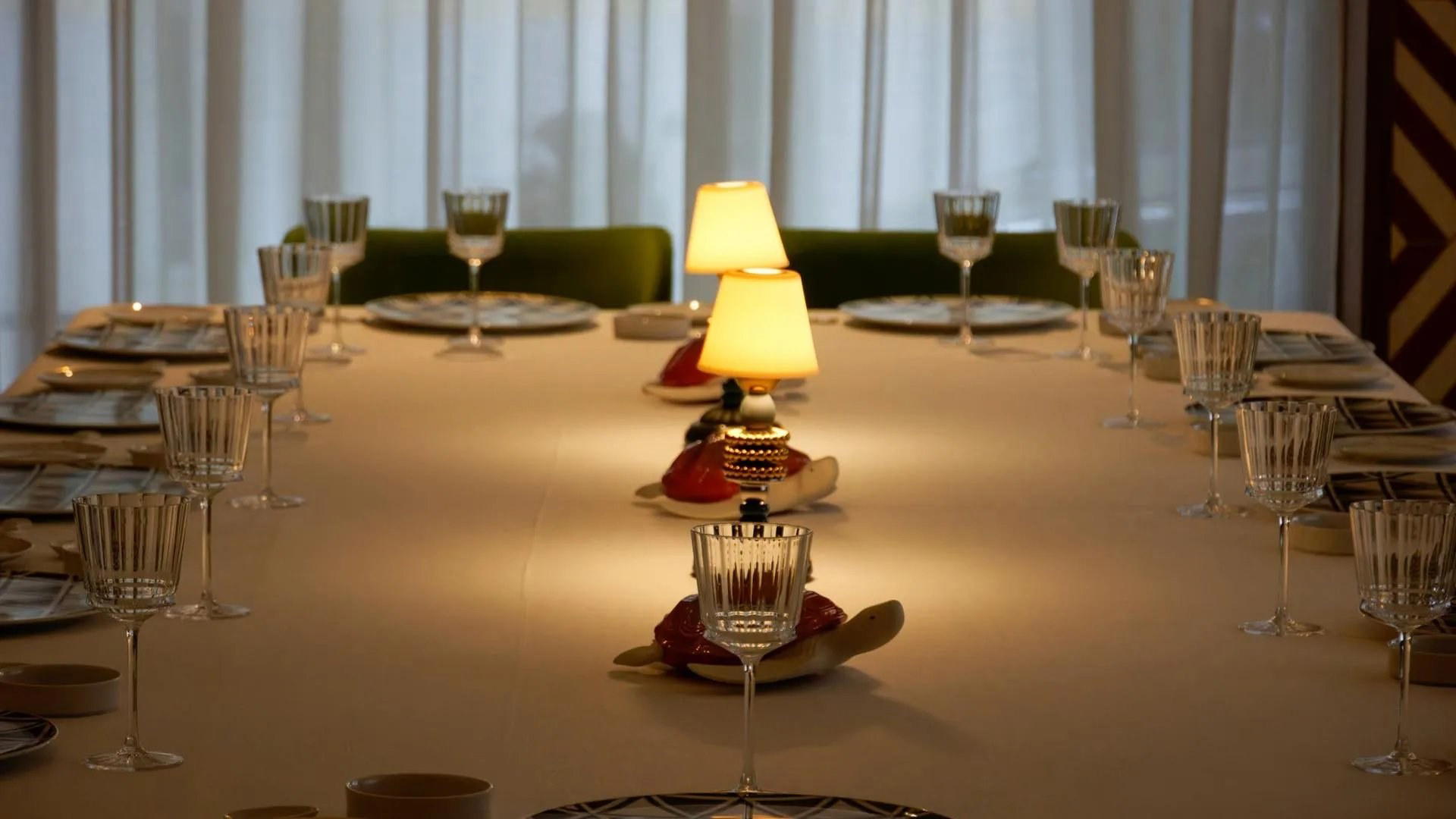
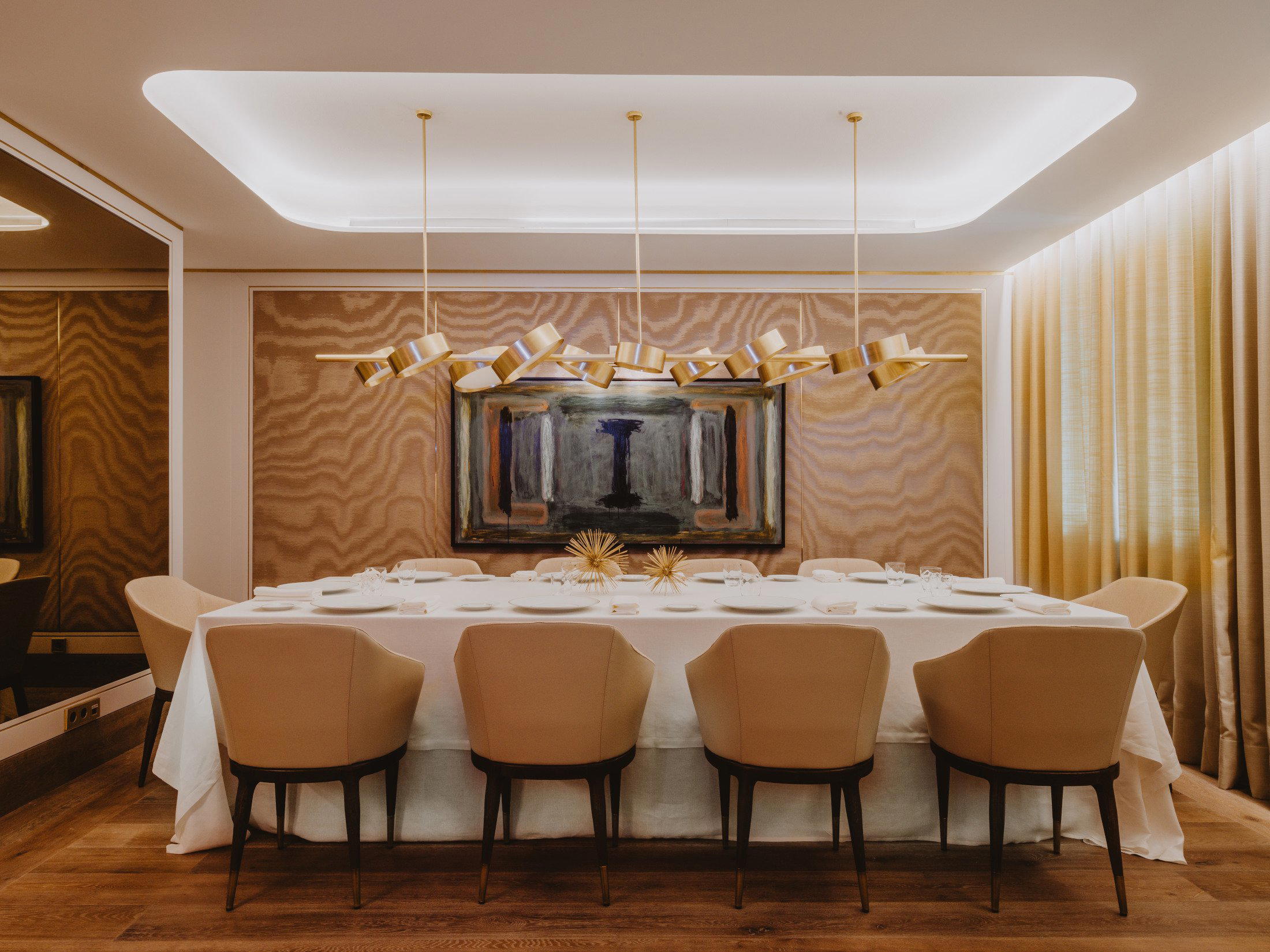
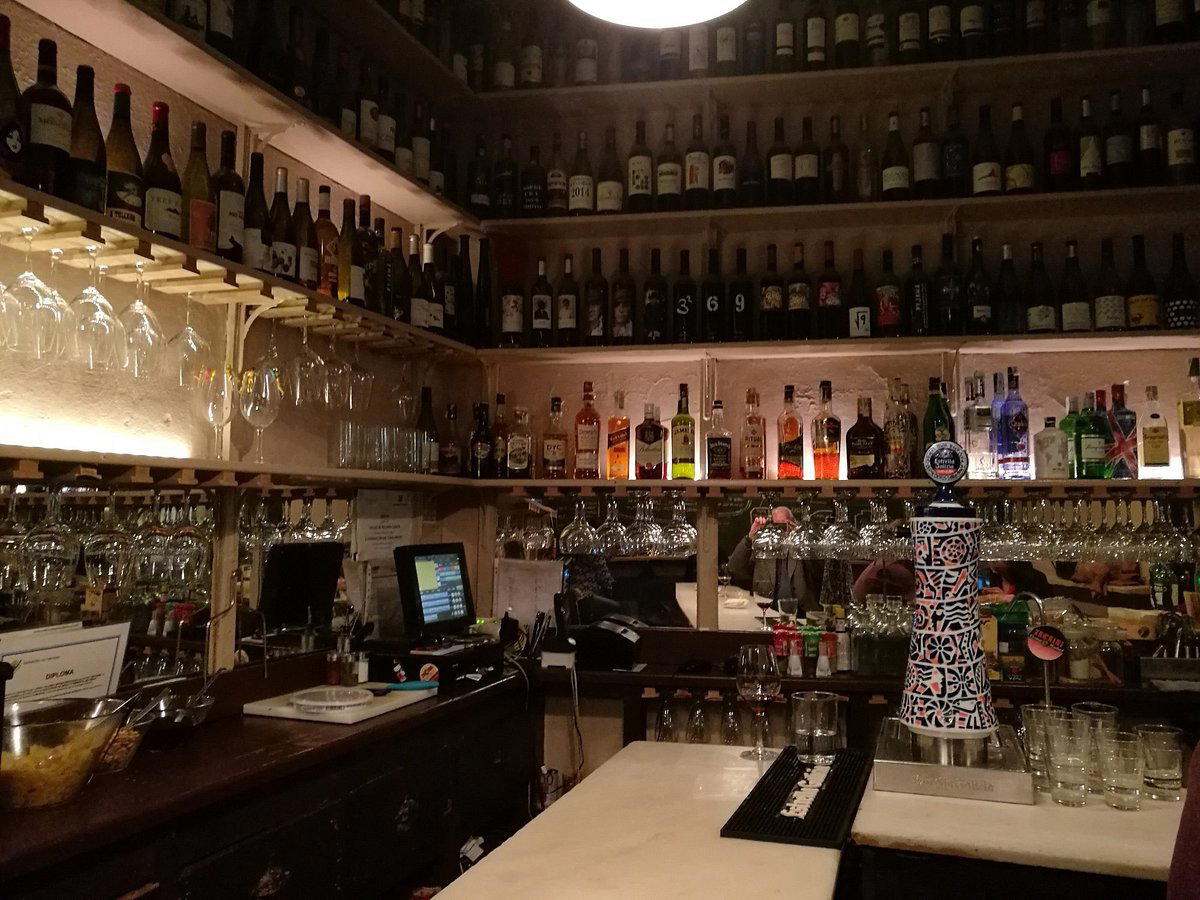
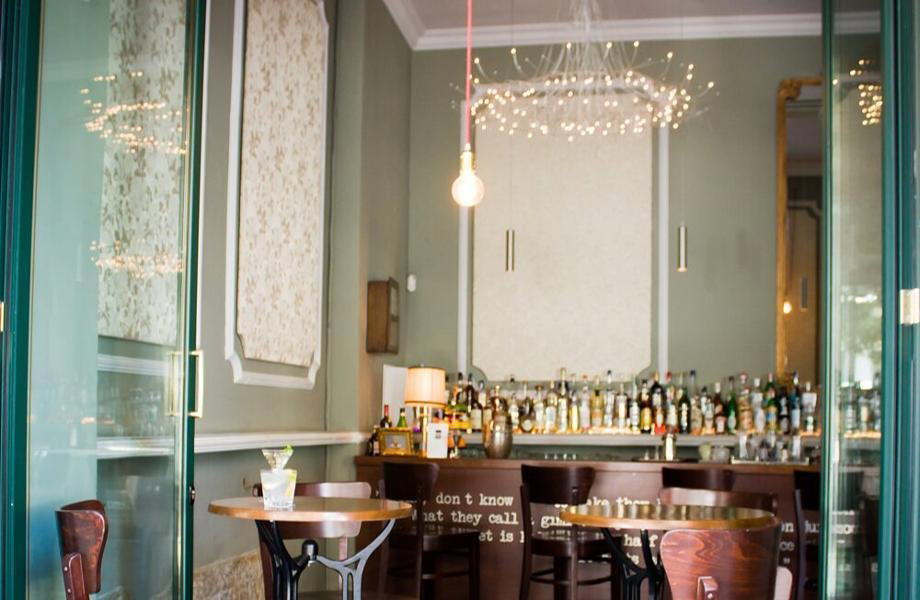
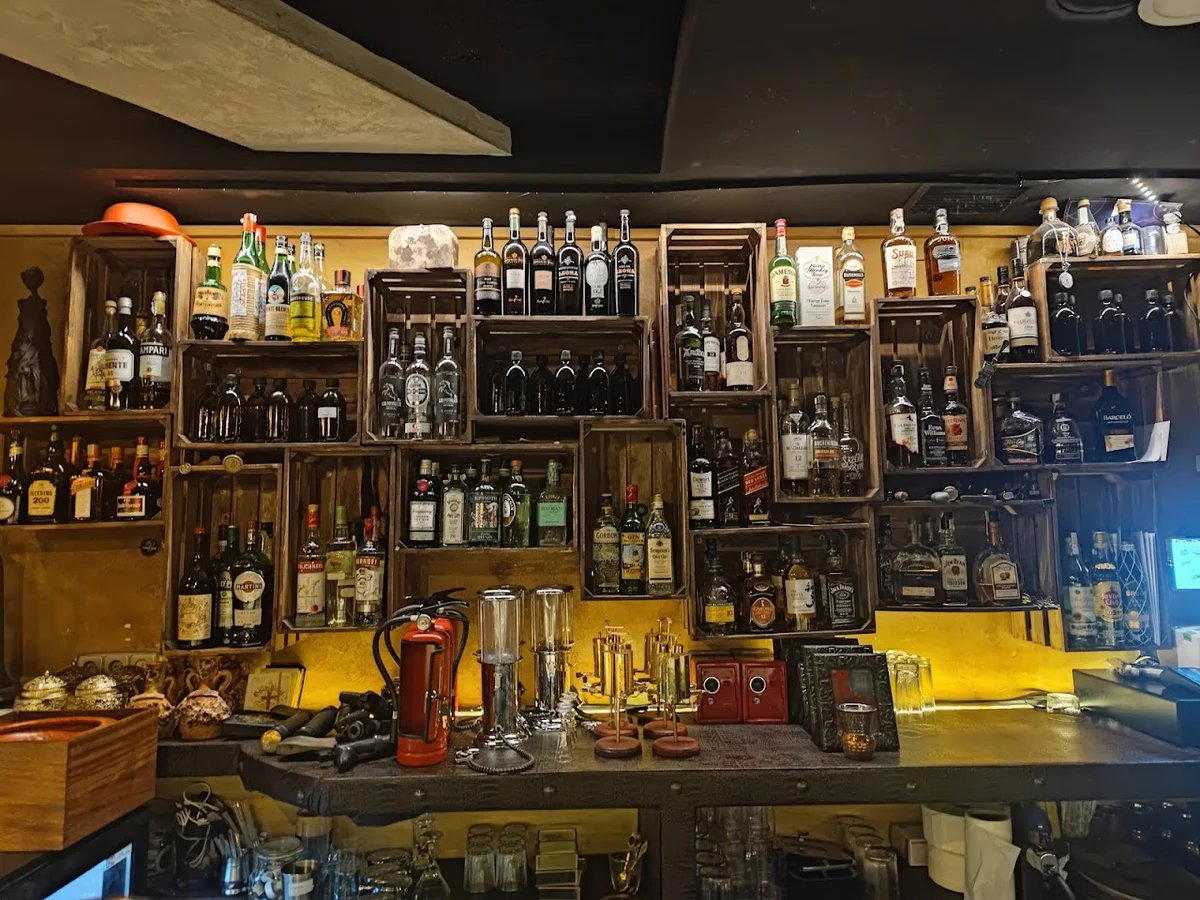
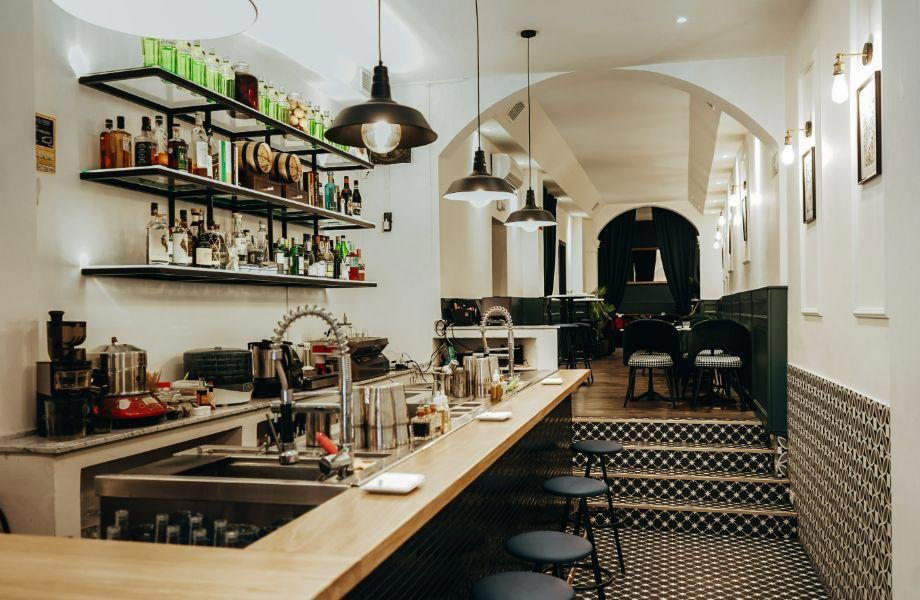
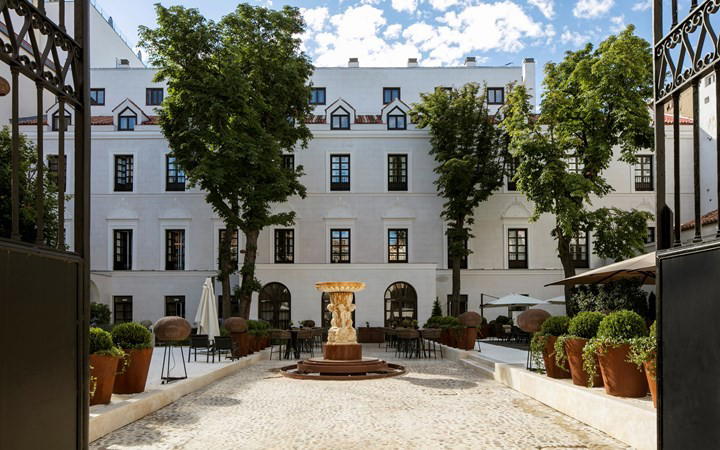
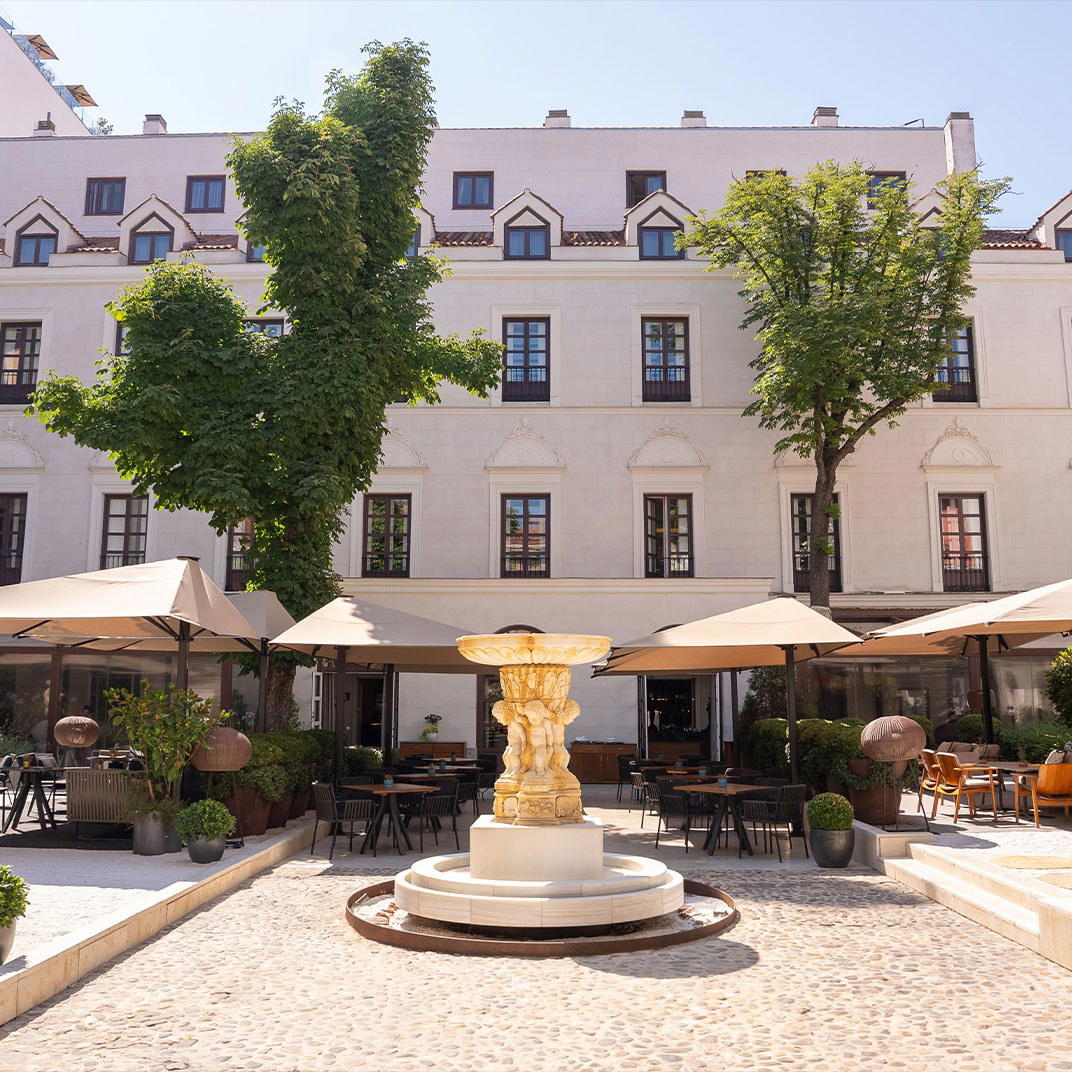
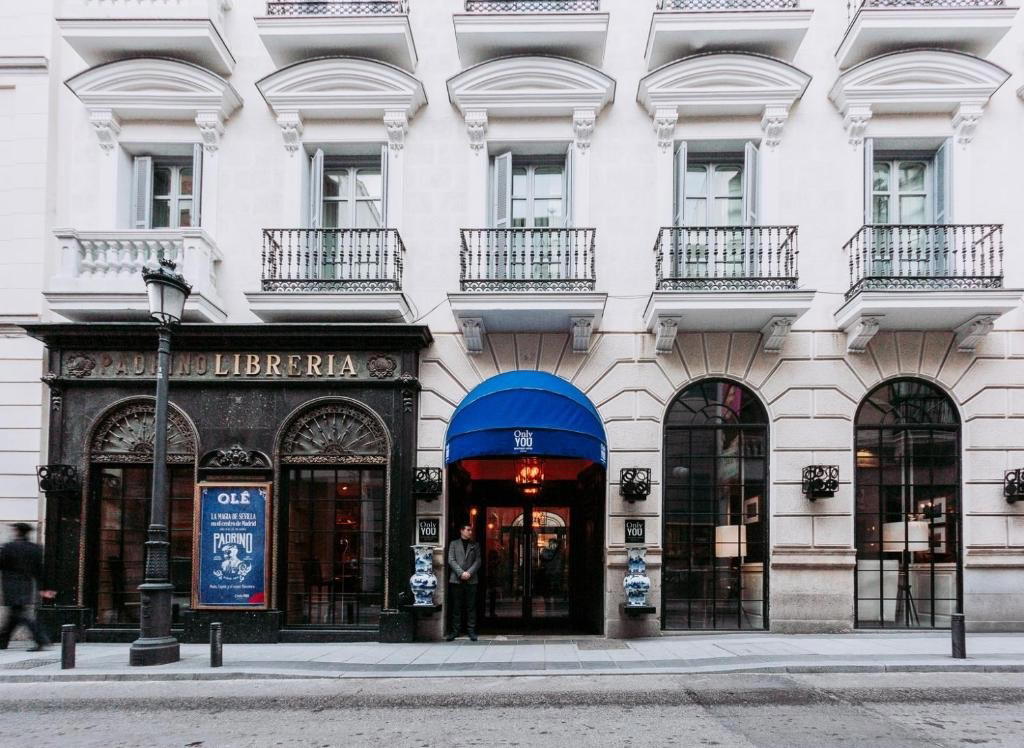
Casual café atmosphere with terrace seating and friendly service.