
Michelin Plate
Our verdict
Jun I holds a Michelin Plate (2025) on Avenue Laurier Ouest, Montreal's most curated dining corridor in the Plateau-Mont-Royal neighbourhood. The Japanese kitchen operates at the mid-price tier, earning. For a milestone meal that doesn't require a four-figure bill, it occupies a specific and credible position in the city's Japanese dining scene.

Pearl is the En Primeur Club membership app, where members save venues, book tables and use the concierge.
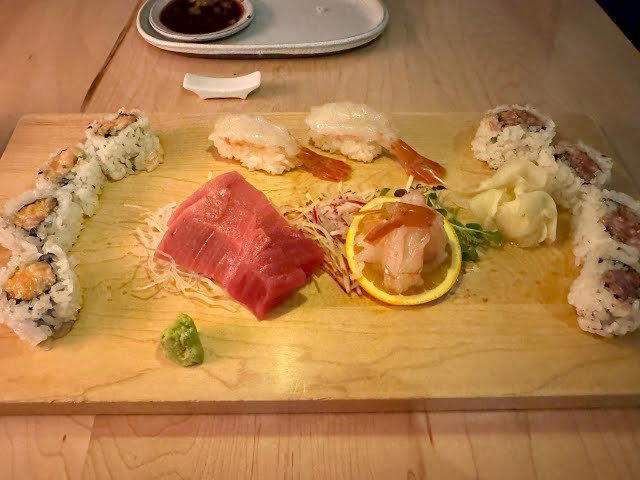
Avenue Laurier and the Japanese Table
Avenue Laurier Ouest has a particular quality on a weekday evening: the street is residential enough to feel like you've wandered into someone's neighbourhood, but the dining room density tells a different story. This stretch of Plateau-Mont-Royal carries some of Montreal's most considered mid-range restaurants, and Jun I at number 156 sits within that concentration, a low-key storefront that announces nothing loudly, which in this context reads as confidence rather than omission.
Montreal's Japanese dining scene has matured significantly over the past decade, splitting into two recognisable tiers. The first is the omakase counter format, tightly controlled, chef-led, high-commitment evenings where the price reflects both the ingredient sourcing and the theatre. Okeya Kyujiro Montréal occupies that upper register. The second tier, where Jun I operates, is more accessible by price but still demands serious kitchen credentials to hold an audience.
What the Michelin Plate Means in Practice
The 2025 Michelin Plate designation places Jun I within a specific tier of Montreal's recognised dining. In the Michelin framework, the Plate signals quality cooking that inspects well but hasn't reached the star threshold, a category that, in practice, often includes kitchens that are sharper on the plate than their profile suggests. Montreal's Michelin guide, introduced in 2024, has recalibrated how the city reads its own restaurant culture. Starred venues like Mastard and Jérôme Ferrer - Europea anchor the upper brackets, while Plate-level recognition at a mid-price point like Jun I's double-dollar tier represents arguably the strongest value signal in the guide.
For the reader deciding where to take a table for a meaningful occasion, a birthday, an anniversary, a reunion dinner that needs to hold up, the Michelin Plate at this price range answers a specific question: can I eat well without committing to a four-course tasting menu format and a three-figure bill per head? The answer here is yes, with documented evidence behind it.
The broader context across Canada's Michelin cities reinforces this. Alo in Toronto and Tanière³ in Québec City both operate at the opposite end of the price and format spectrum. Jun I's position, recognised, mid-price, Japanese, fills a gap that the market underserves at the recognised tier.
Japanese Cooking in a French-Dominant City
Montreal's dining identity is rooted in French technique, and the city's most discussed restaurants, from Toqué to Sabayon to Alma Montreal, tend to cluster around French or French-inflected modern cuisine. Japanese restaurants that earn serious critical attention in this environment face a higher bar: the audience is trained on precision and seasonality from a different tradition, and the expectation transfers.
The strongest Japanese kitchens in Michelin-recognised cities outside Japan, whether in Paris, New York, or now Montreal, tend to succeed by being disciplined about what they are. The ones that dilute the format to accommodate a broader palate typically lose the audience that matters most. Jun I's Plate recognition within the mid-price tier suggests a kitchen that holds its lane. For context on what that looks like at the Tokyo end of the spectrum, Myojaku and Azabu Kadowaki represent the reference standard the format is ultimately measured against.
The Occasion Argument
Special-occasion dining in Montreal tends to resolve around two poles. The first is the grand formal gesture, a table at a starred venue, a long tasting menu, white tablecloths, and a bill that marks the evening as significant through the invoice alone. The second, which is harder to find at a credentialed level, is the dinner that earns its place through the cooking rather than the ceremony.
Jun I belongs to the second category. Plateau-Mont-Royal diners are not a captive market, they have Mastard, they have L'Express two neighbourhoods over, and they have a street full of alternatives. A restaurant that sustains that rating volume in that context earns its occasion-dining argument on merit.
For milestone meals where the priority is quality over spectacle, where two people want to eat well without the apparatus of a full tasting format, Jun I's position in the mid-price bracket with Michelin recognition is a specific and useful answer. The same logic applies to visiting diners who want a high-quality Japanese meal without committing to the omakase format or the omakase price.
Elsewhere in Canada, kitchens like AnnaLena in Vancouver and Restaurant Pearl Morissette in Lincoln occupy adjacent positions in their respective markets, recognised, not baroque, with a clear sense of what they are. Jun I reads the same way inside Montreal's dining map.
Planning a Table
Jun I is located at 156 Avenue Laurier Ouest in the Plateau-Mont-Royal neighbourhood, accessible by the Laurier metro station on the Orange Line. The double-dollar price tier places it within Montreal's mid-range bracket, below the starred venues like Europea at the four-dollar tier, and above the casual end of the market.
For those building a broader Montreal visit around food, the city's dining map extends well beyond a single meal. The full Montreal restaurants guide covers the range from bistro to starred, and separate guides cover hotels, bars, wineries, and experiences across the city. For comparison beyond Montreal, Narval in Rimouski and The Pine in Creemore represent the same quality-to-price logic applied in different Canadian contexts.
Frequently asked questions
What's Jun I known for in terms of accolades?
Jun I has received recognition including: Michelin Plate (2025).
What's the signature dish at Jun I?
Jun I holds a 2025 Michelin Plate for its Japanese cooking, the designation itself indicating consistent kitchen craft rather than a single showpiece dish. Menu specifics are not available here, so the safest course is to check directly with the restaurant for current offerings and seasonal focus.
Is Jun I expensive?
Pricing at Jun I is listed as $$.
What part of town is Jun I in?
Jun I is located at 156 Av. Laurier O, Montréal, QC H2T 2N7, Canada, Montreal.
Do I need a reservation for Jun I?
At the mid-price tier and with a 2025 Michelin Plate attached, Jun I will draw more demand than a comparable unreognised address on Laurier Ouest. Booking ahead is advisable, particularly for weekend evenings. check the venue's official channels to confirm current availability and any advance booking window.
Price Lens
Comparable venues nearby, for context on price, style, and recognition.
| Venue | Cuisine | Price | Awards | Notes |
|---|---|---|---|---|
| Jun IThis venue (the venue you are viewing) | French-Japanese Sushi Omakase | $50–100 | Michelin Plate | Not listed |
| KITANO SHOKUDO | Modern Japanese Izakaya | $50–100 | Michelin Plate · Canada's 100 Best Restaurants #85 | Mile End, Modern Japanese Izakaya |
| Moccione | Authentic Italian-Montréal Pasta | $50–100 | Michelin Plate | Cremazie, Authentic Italian-Montréal Pasta |
| Mémo | Modern French-Japanese Fusion | Not listed | Michelin Plate | Vieux Montréal, Modern French-Japanese Fusion |
| Panacée | Seasonal Fine Dining | $50–100 | Michelin Plate | Le Village, Seasonal Fine Dining |
| Hiatus | Franco-Japanese Fusion | $50–100 | Star Wine List | Golden Square Mile, Franco-Japanese Fusion |
Recognition history
Dated appearances from independent guides and award organizations, with the underlying list record or original source where available.
Michelin Plate
Michelin
Continue exploring
More in Montréal
Restaurants in Montréal
All restaurants in Montréal →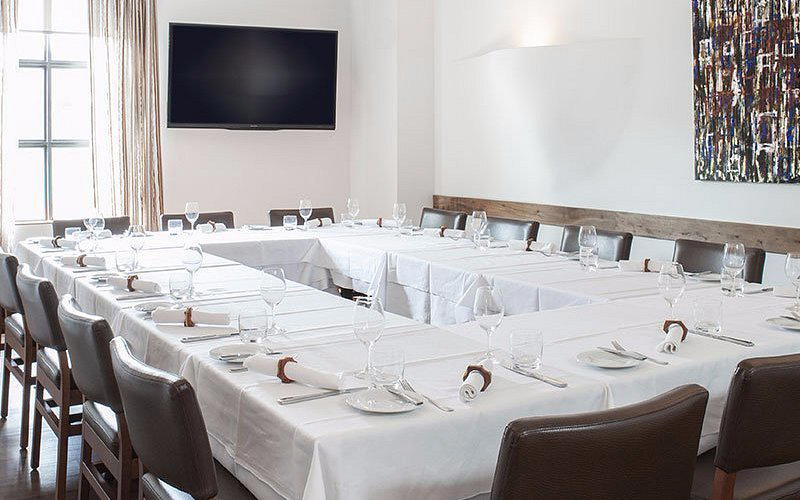
Bars in Montréal
All bars in Montréal →
Details
- Minimalist
- Cozy
- Elegant
- Modern
- Date Night
- Special Occasion
- Sake Program
- Omakase
- A La Carte
- Sake
- Gluten Free Options
Current opening hours
- Monday
- Closed
- Tuesday
- 12–2 PM, 6–9 PM
- Wednesday
- 12–2 PM, 6–9 PM
- Thursday
- 12–2 PM, 6–9 PM
- Friday
- 12–2 PM, 6–9:30 PM
- Saturday
- 6–9:30 PM
- Sunday
- Closed
Hours can change for holidays and private events. Hours as of .
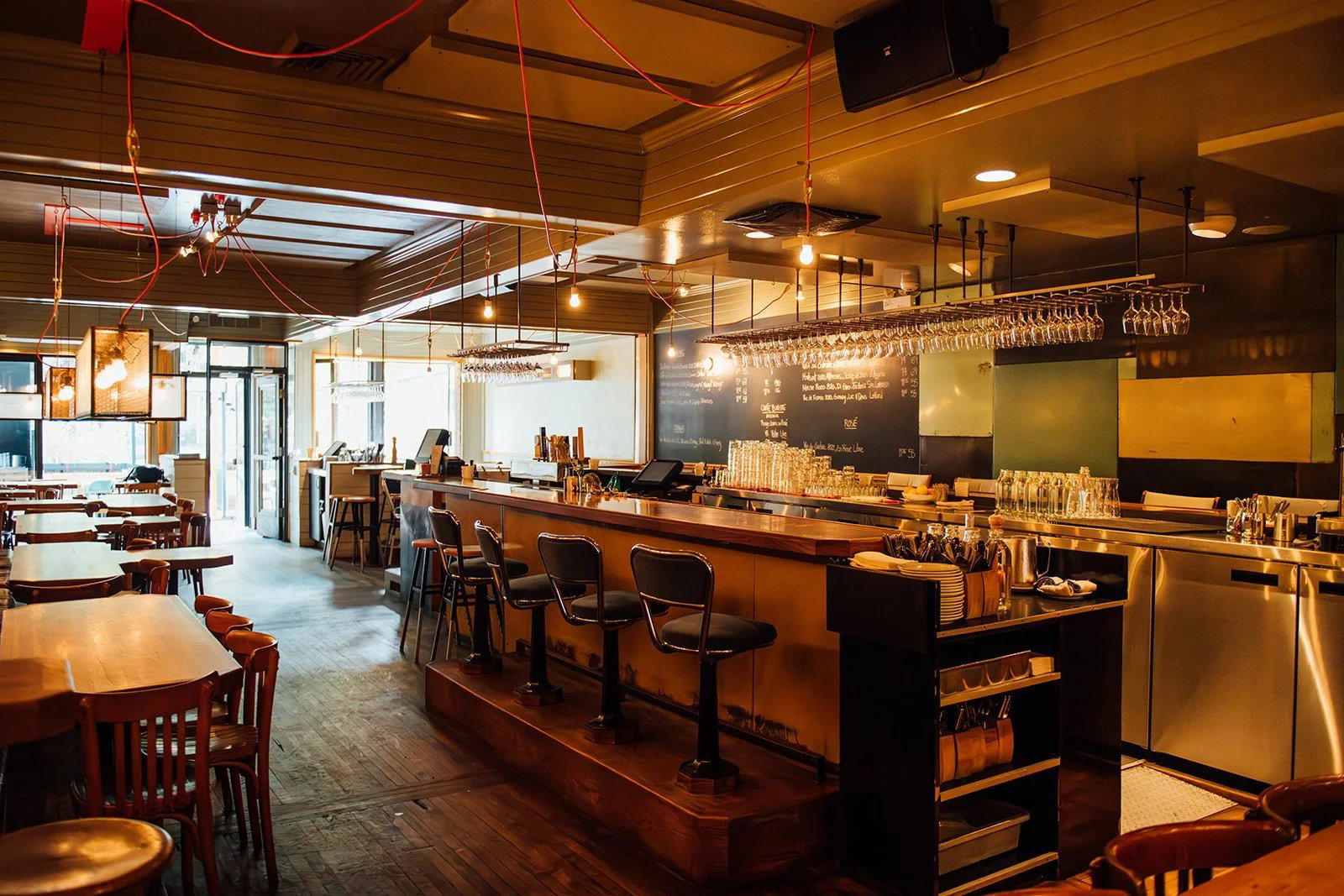
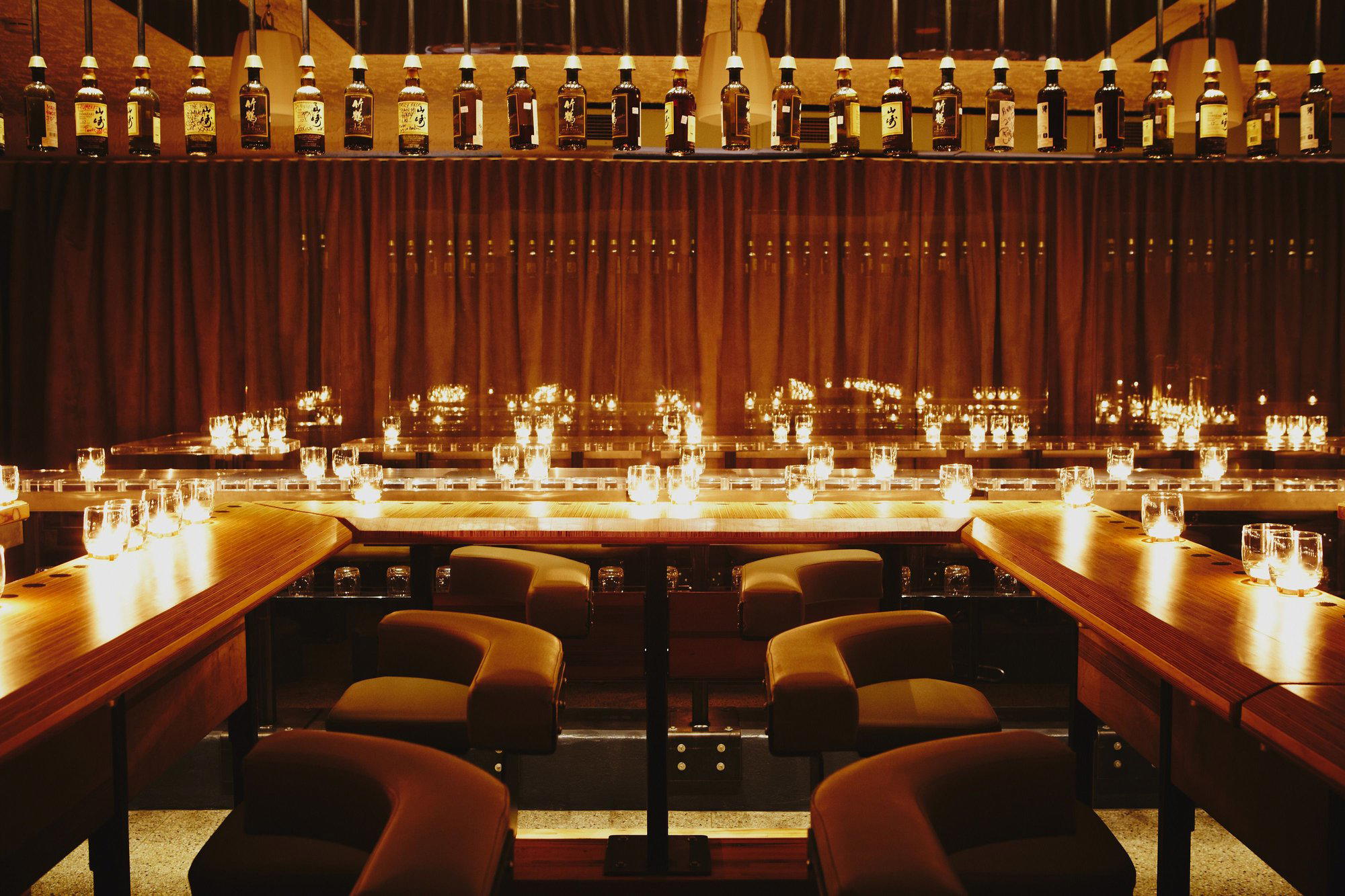
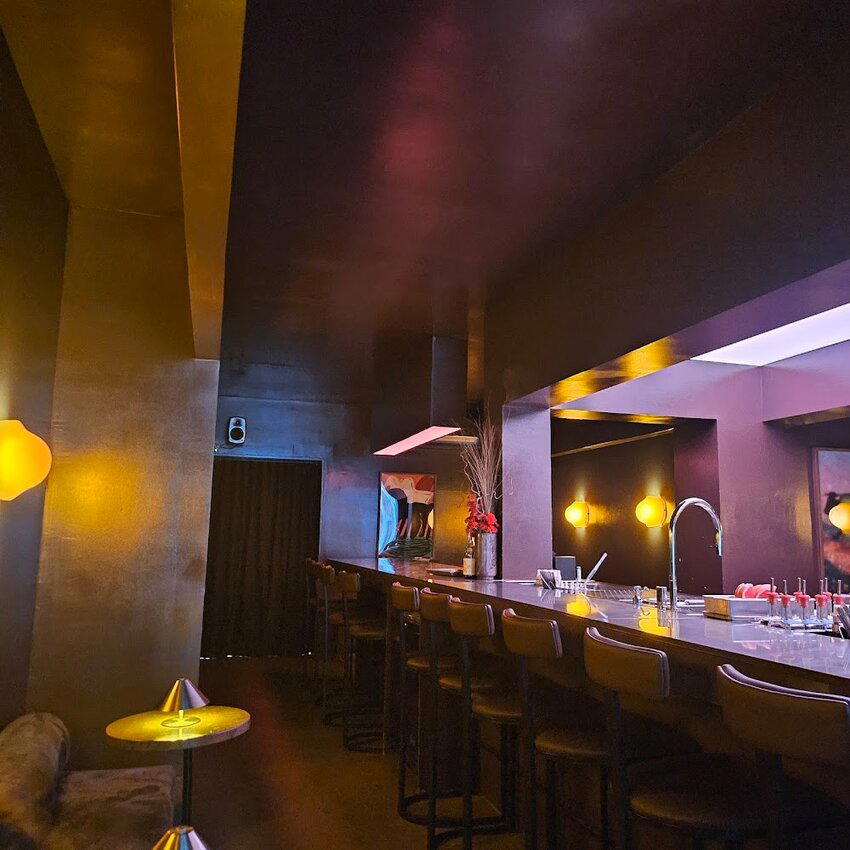
Minimalist setting with light wood, contemporary design, cozy and elegant atmosphere.