

In Outremont, away from Montreal's downtown dining circuit, Alma operates at the intersection of modern Mexican technique, Catalan natural wine, and Quebec seasonal produce. Chef Juan Lopez Luna's monthly Carte Blanche tasting and sommelier Lindsay Brennan's direct-import wine list make this one of the city's more considered small-room experiences. The nine-course format changes with the season; the five-course option offers a shorter entry point.
Pearl is the En Primeur Club membership app — saves, bookings, and concierge access live there. Same editors, same standards.
- Address
- 1231 Av. Lajoie, Outremont, QC H2V 1P2, Canada
- Phone
- +1 514-543-1363
- Website
- almamontreal.com
- Directions
- Get directions
 Saves & bookings on Pearl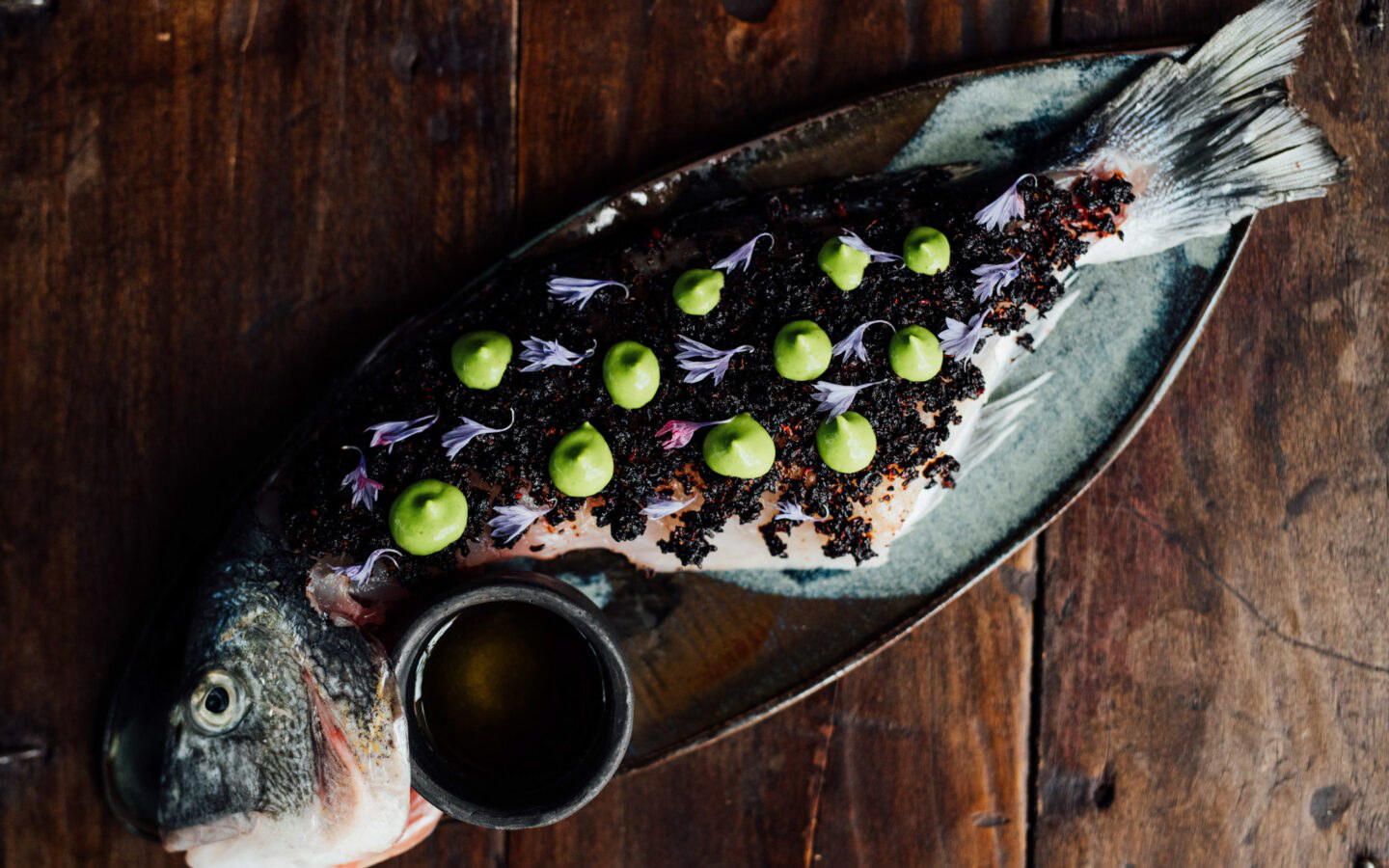
Where Outremont Quiets Down and the Kitchen Speaks Up
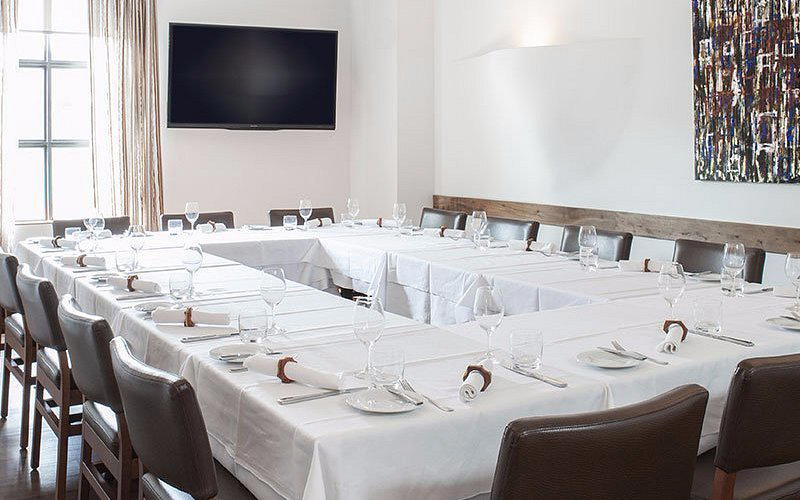
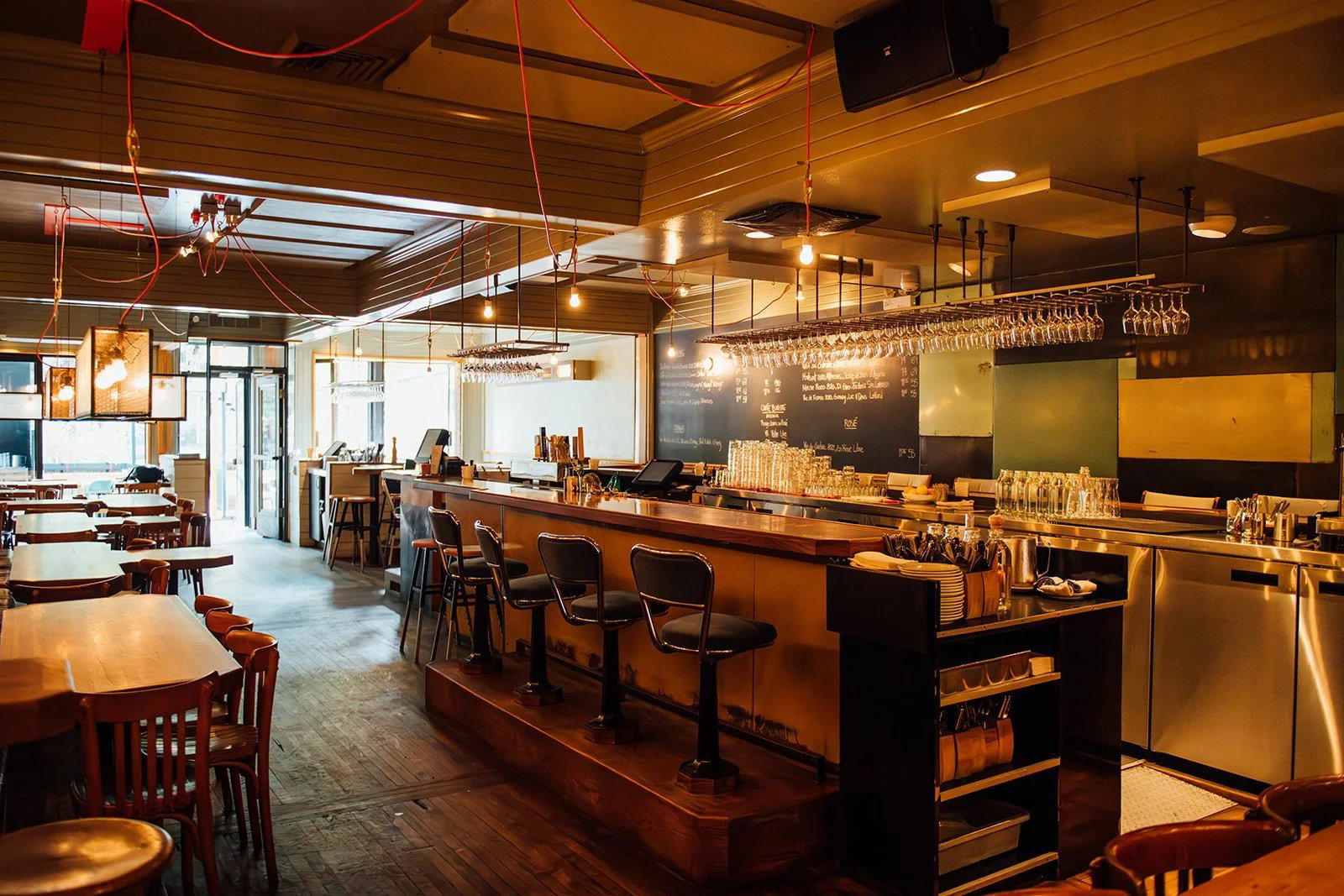
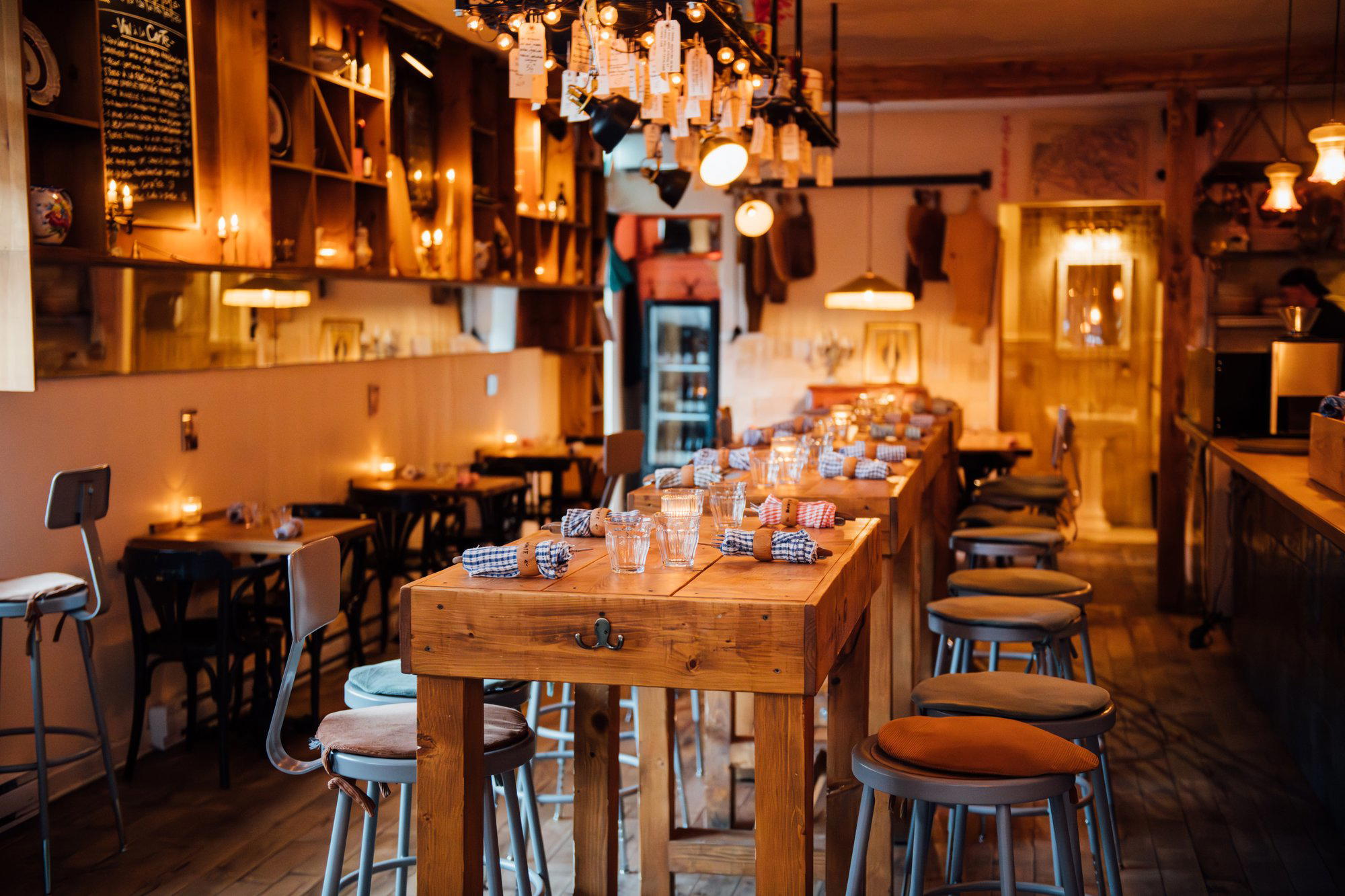
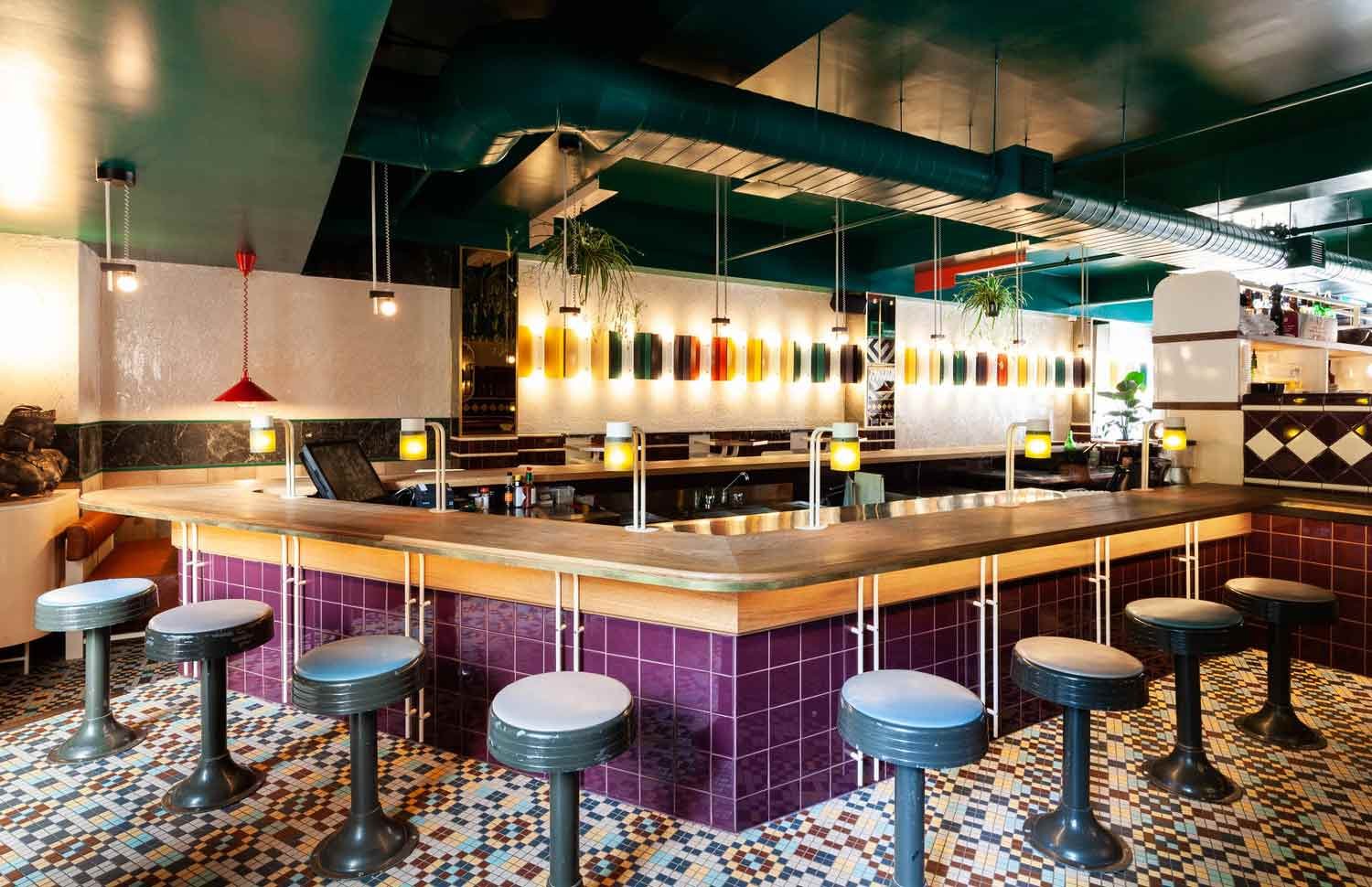
Outremont sits north of Mont-Royal, a residential neighbourhood of broad tree-lined avenues and corner cafés that rarely appear in downtown dining roundups. Avenue Lajoie, where Alma occupies a narrow, softly lit room, belongs to that quieter Montreal, the one that doesn't pitch itself at tourists. A long brick wall runs the length of the dining room, soft light settles over close-set tables, and the general atmosphere sits somewhere between intimate dinner party and focused tasting counter. In summer, a shaded terrace extends the room outward. The space is festive without being loud, and the proximity between tables means you're likely to overhear a wine recommendation being passed between strangers.
Montreal's tasting-menu circuit has expanded significantly in recent years. At the higher end, rooms like Jérôme Ferrer's Europea and Mastard represent the city's French-leaning fine dining core. Alma operates in a different register: smaller, less ceremonial, and built around a culinary framework that has no real equivalent in the Montreal tasting-menu room. Modern Mexican cuisine, anchored in the traditions of Tlaxcala and filtered through Quebec's seasonal larder, is not a combination the city has seen executed at this level before.
The Sourcing Logic Behind the Menu
The case for Alma rests substantially on ingredient sourcing, which makes the menu coherent. Chef Juan Lopez Luna's cooking connects three distinct geographies: the culinary tradition of Tlaxcala in central Mexico, the seasonal produce network of Quebec, and the Catalan wine culture that sommelier Lindsay Brennan has spent years mapping through her import agency, Vin i Vida. Each of those threads is traceable on the plate and in the glass.
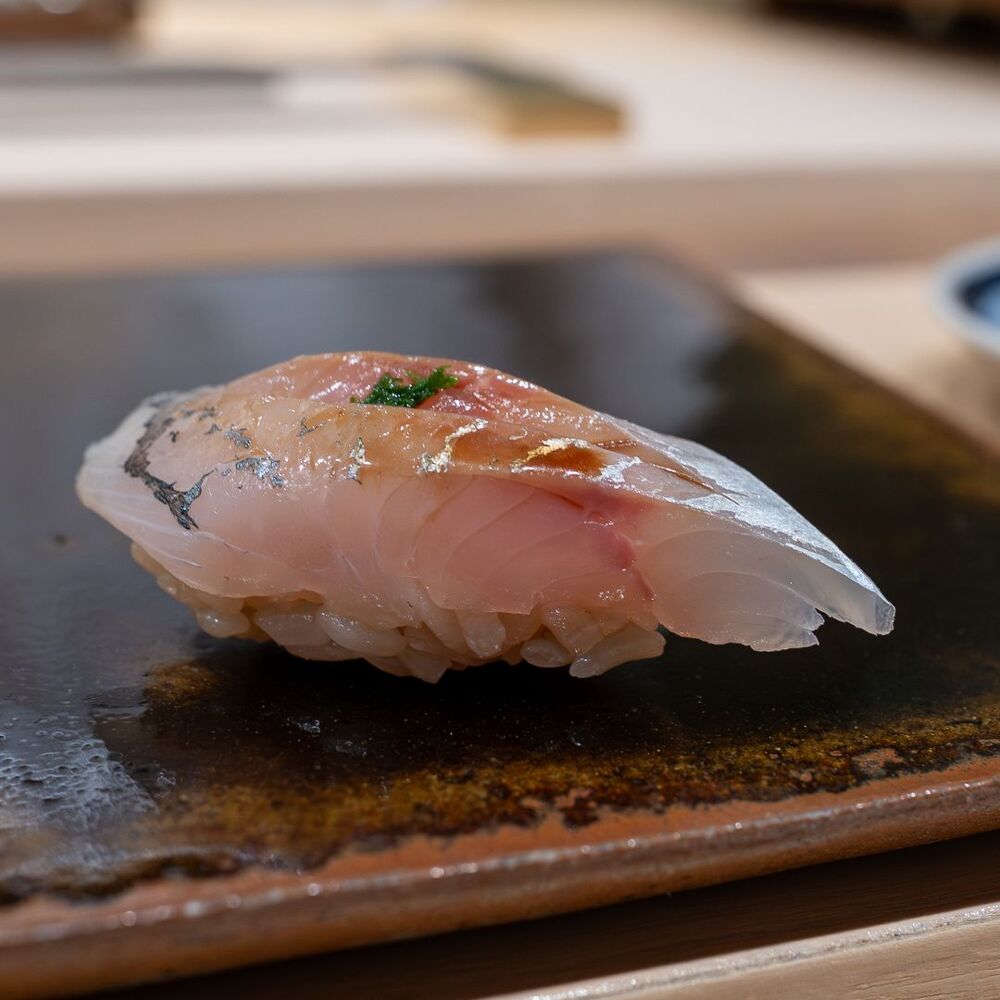
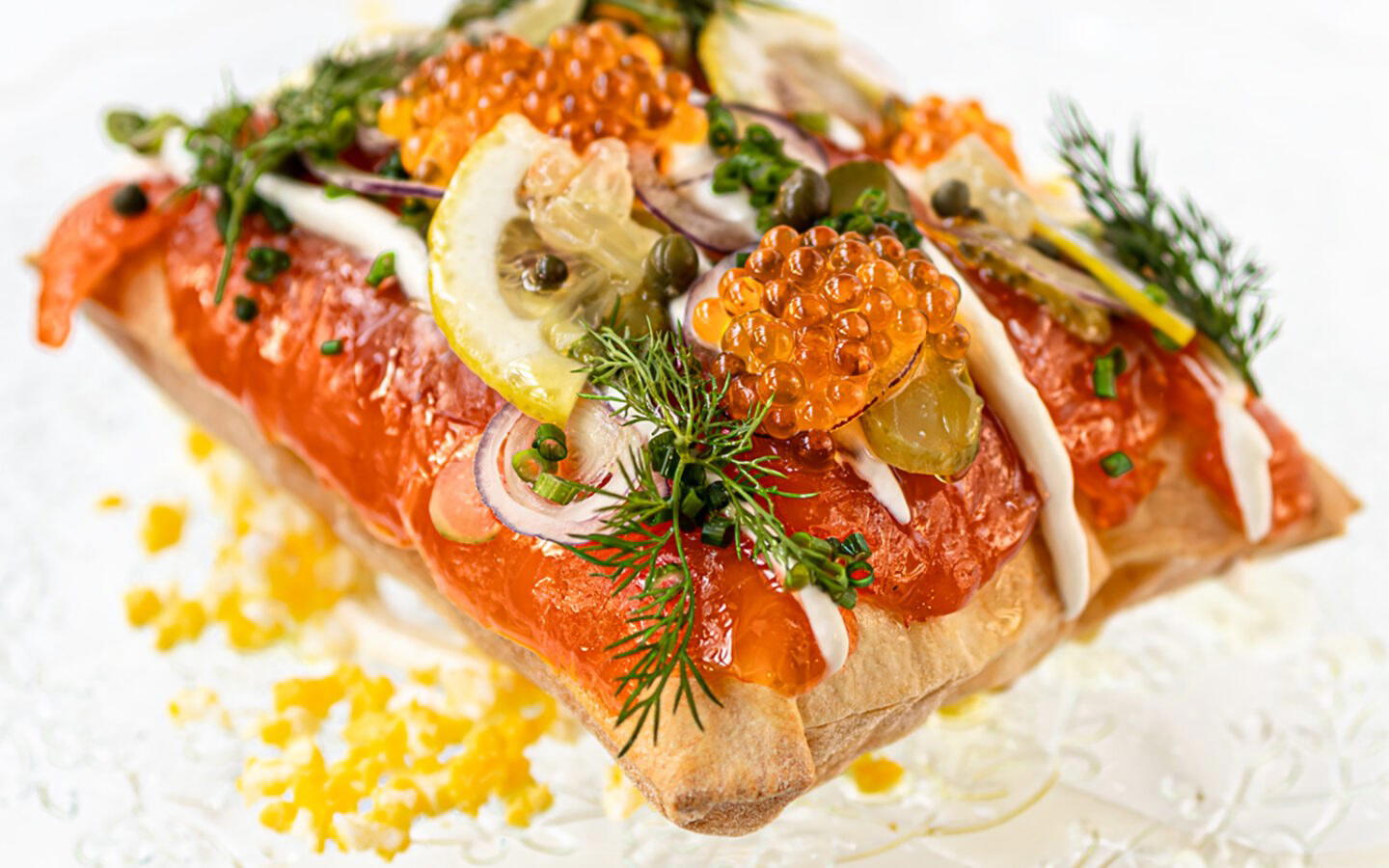
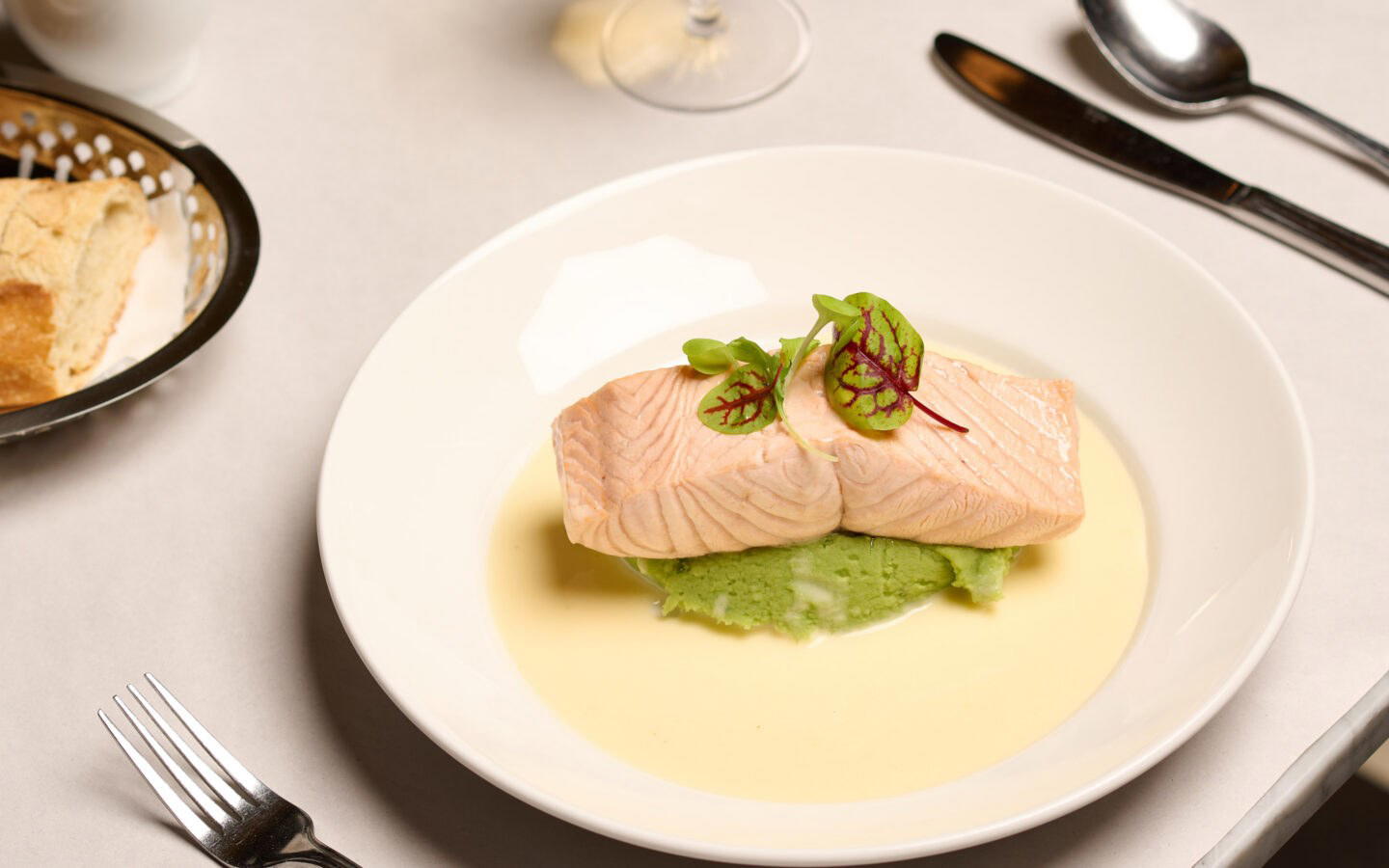
Quebec's short growing season and its notable cold-water seafood are both present in the monthly Carte Blanche menu. Tostadas made from white heirloom corn arrive topped with fresh Quebec snow crab, guacachile and oxalis. Aguachile verde highlights Gaspé bluefin tuna alongside tomatillo, caviar and nasturtium. The Gaspé Peninsula, which extends into the Gulf of St. Lawrence, produces some of the coldest, cleanest-tasting seafood on the Atlantic seaboard, and the pairing of that tuna with Mexican aguachile technique demonstrates how coherently Lopez Luna has thought through the culinary logic. The heirloom corn tostadas signal a similar intention: masa traditions from central Mexico, executed with local Quebec ingredient selection rather than imported substitutes.
Chileatole verde, a masa-based soup infused with coriander, jalapeño, pumpkin seeds and marigold flowers, connects to a pre-Columbian culinary lineage that contemporary Mexican restaurants in North America rarely represent. That the dish appears alongside Quebec-sourced seasonal produce is not a fusion conceit, it is a deliberate argument about where ingredients come from and what they carry with them. This approach has parallels elsewhere in Canadian fine dining: Narval in Rimouski builds its menu from the same Gulf of St. Lawrence fishing grounds, while Restaurant Pearl Morissette in Lincoln takes a similarly rigorous stance on sourcing. The difference at Alma is that the culinary frame is Mexican tradition, which makes the Quebec sourcing choices read differently.
The Wine Program as a Parallel Argument
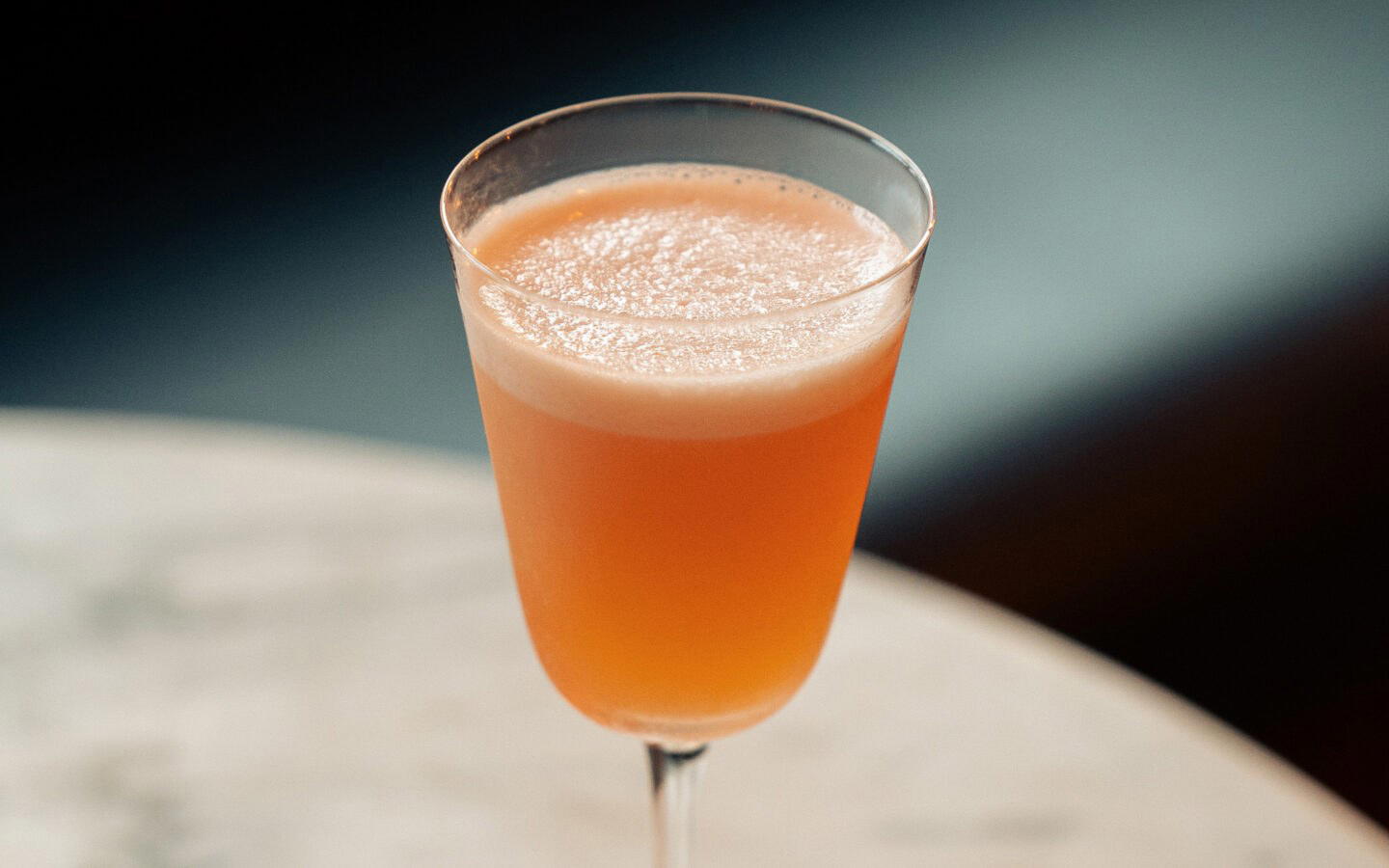
Brennan's wine list operates by its own internal logic: natural wines from Spanish producers, sourced directly through Vin i Vida, her own import agency. The Catalan focus is specific rather than broadly Iberian, a region that has produced some of the more compelling natural wine work in Europe over the past decade, from producers who share a commitment to minimal intervention and expressive terroir. The direct-import relationship gives the list curatorial depth.
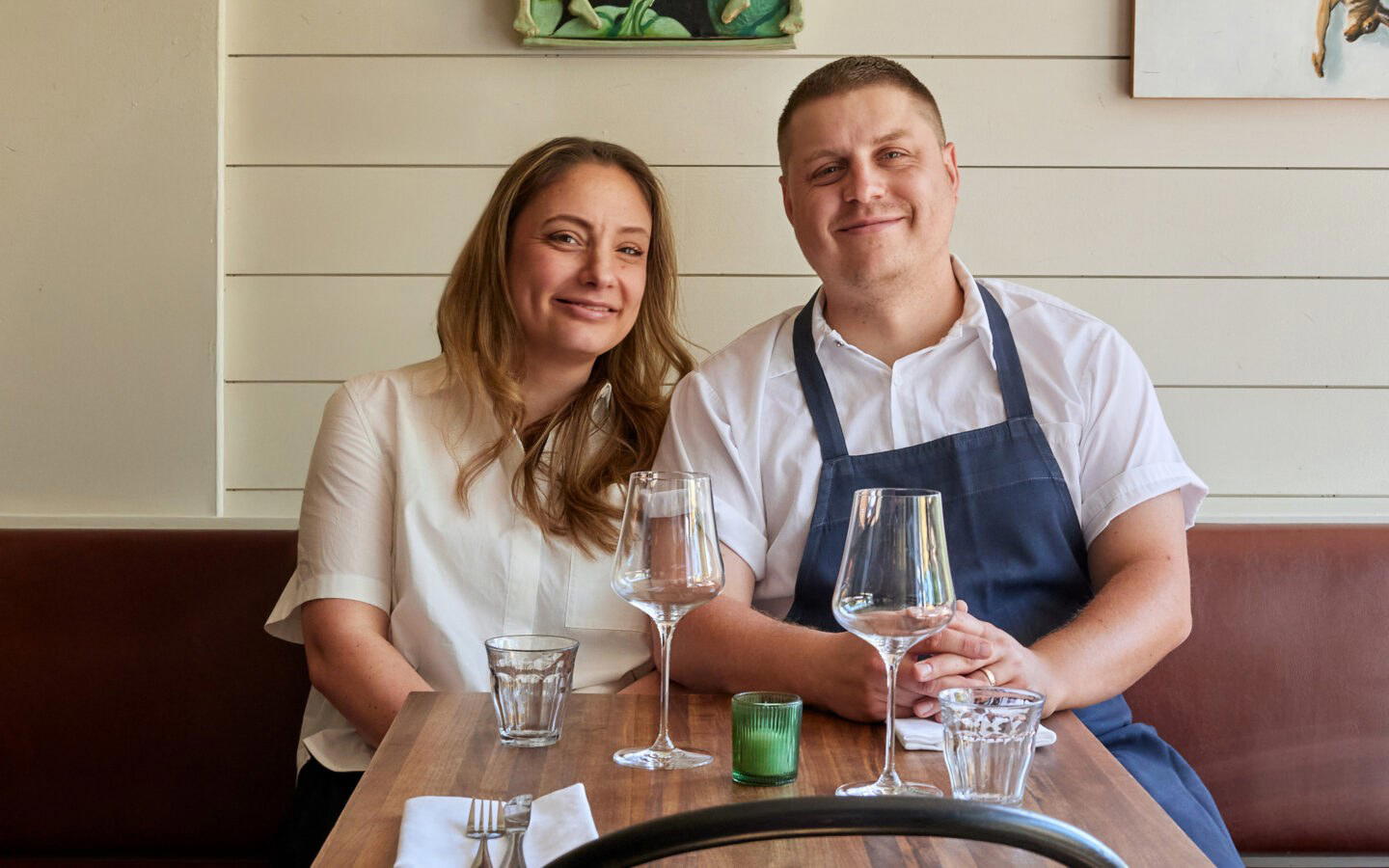
The pairing of Catalan natural wines with modern Mexican food is not an obvious move, and that is partly the point. Across Canada's more considered small restaurants, AnnaLena in Vancouver and The Pine in Creemore, the wine program functions as an extension of the kitchen's editorial stance rather than a service component. Alma's wine list belongs to that tradition. The chef-sommelier partnership, where both owners shape the overall direction of the experience, is less common at this room size than the model suggests. At Annette bar à vin in Montreal, the wine-forward model operates at a different price point; at Sabayon, natural wine is similarly central. Alma's distinction is that the wine selection answers directly to a specific regional tradition, Catalan winemaking, rather than to a broader natural wine philosophy.
Format and Format Options
The Carte Blanche menu runs nine courses and changes monthly, reflecting both seasonal availability and the ongoing development of Lopez Luna's kitchen. The concept of mar y montaña, where the mountains meet the sea, provides the structural concept: a menu that moves between cold-water Quebec seafood and the land-based traditions of central Mexican cooking. A five-course option runs parallel to the full menu, providing access to the kitchen's current direction without the full commitment of the longer format.
Monthly menu rotation at this level places Alma in a small national peer group. Tanière³ in Québec City changes its menu seasonally with similar sourcing rigour. Alo in Toronto operates on a fixed-format tasting that evolves more gradually. The monthly cadence at Alma reflects a kitchen cooking at the edge of what local supply allows at any given moment, a format that rewards repeat visits across the calendar year.
Getting There and Planning Your Visit
Alma sits at 1231 Avenue Lajoie in Outremont, a twenty-minute ride from downtown Montreal's central hotel and bar district. The neighbourhood's residential character means the area is quiet on approach, which is consistent with the room's general atmosphere. Given the small room size, booking well in advance is advisable; tables at peak times are not always available on short notice. For visitors planning broader Montreal dining itineraries, the EP Club guides to Montreal restaurants, Montreal bars, Montreal hotels, Montreal wineries, and Montreal experiences provide the fuller picture. At the higher end of Montreal's tasting-menu range, Au Pied de Cochon represents the Quebec-produce-forward model taken in a completely different direction; comparing the two kitchens' approaches to local sourcing is instructive for anyone interested in where Montreal's food culture currently sits.
Comparable Spots, Quickly
Comparable venues nearby, for context on price, style, and recognition.
| Venue | Cuisine | Price | Awards | Notes |
|---|---|---|---|---|
| Alma MontrealThis venue — the venue you are viewing | Modern Mexican with Catalan Wine Pairings | $$$ | Not listed | Not listed |
| La Taverne sur le Square | Classic Bistro | $$$ | Not listed | Westmount Square |
| Mui Mui | Modern Asian Fusion | $$$ | Not listed | Parc-Jarry |
| Moccione | Authentic Italian-Montréal Pasta | $$$ | Michelin Plate | Cremazie |
| Le Virunga | African Fusion | $$$ | Michelin Plate | La Fontaine Park |
| Maison Inja | Authentic Persian | $$$ | Not listed | Golden Square Mile |
Recognition history
Dated appearances from independent guides and award organizations, with the underlying list record or original source where available.
Canada's 100 Best Restaurants #34
Canada's 100 Best
Star Wine List
Star Wine List
Canada's 100 Best Restaurants #24
Canada's 100 Best
At a Glance
- Intimate
- Cozy
- Elegant
- Modern
- Date Night
- Special Occasion
- Open Kitchen
- Terrace
- Natural Wine
- Sommelier Led
- Local Sourcing
- Street Scene
Current opening hours
- Monday
- Closed
- Tuesday
- Closed
- Wednesday
- 6–11 PM
- Thursday
- 6–11 PM
- Friday
- 6–11 PM
- Saturday
- 6–11 PM
- Sunday
- Closed
Hours can change for holidays and private events. Last verified .
Soft, convivial atmosphere with simple, comfortable, and warm decor, enhanced by a lovely summer terrace.