
Tabelog 100 #39
Our verdict
Jukou Gundan puts Kyoto’s Ichijoji ramen culture into its compact, counter-only form: quick turnover, no reservations, and a menu orbiting ramen, tsukemen, abura-soba, and maze-soba. Its repeated selection for Tabelog Ramen WEST “Tabelog 100” in 2023, 2024, and 2025 places it in the city’s serious noodle conversation rather than the tourist-dining circuit.

Pearl is the En Primeur Club membership app, where members save venues, book tables and use the concierge.
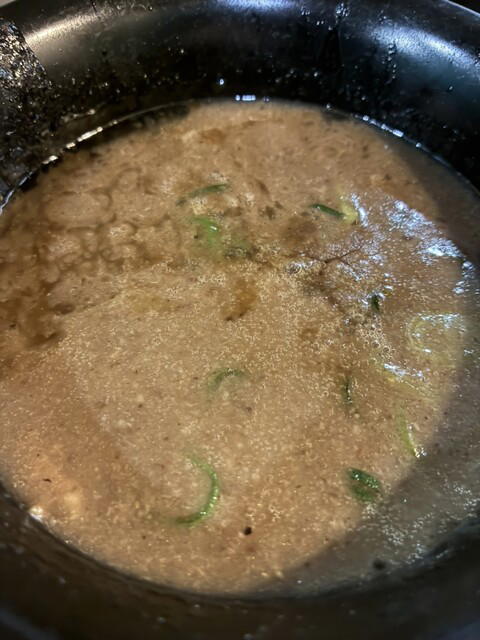
The menu
What to order
- Juukou tsukemen
- J-mazesoba (garlic)
- J-mazesoba (seafood)
- J-shio (seasonal)
- J-hiyashi mazesoba (seasonal)
Kyoto ramen is not Kyoto kaiseki: less ceremony and seasonal metaphor, more bowls, steam, regulars who know how long to linger, and a pace that works because nobody treats it as a lounge. In Kyoto, that rhythm matters. Jukou Gundan belongs to the Kyoto dining lane where repetition is the point: the same order category, the same appetite, and a narrow window between arrival and exit.
Kyoto sells temples, tea, and slow hospitality, but its ramen culture runs on another clock. The city has long meant dense noodle traffic, student appetites, and shops competing less on spectacle than return visits. The comparison is not a polished dining room, but a practical ramen stop where category, price, and queue discipline speak before the bowl arrives. Jukou Gundan’s place in Tabelog Hyakumeiten for 2025 signals not novelty, but sustained local attention.
Kyoto ramen culture rewards speed, memory, and repeat orders
The regular’s view is clearest. A ramen shop does not need theatrical hospitality to build loyalty; it needs the line to move, categories to be legible, and consistency strong enough that diners return without renegotiating the meal. The menu covers ramen, tsukemen, abura-soba, and maze-soba, placing it in a broader modern noodle category rather than a single-style purist lane. That matters in Kyoto, where ramen audiences split between heavy local preferences, dipping-noodle specialists, and dry-noodle formats.
The quick-meal rhythm is part of the format, not a flaw. Casual ramen depends on focus more than table ceremony. These meals ask diners to decide quickly, eat with attention, and keep the experience moving. The culture says more than any adjective could: arrive prepared, order with intent, and understand the room belongs as much to the next person waiting as to the person holding the bowl.
Jukou Gundan also sits in a competitive city where price discipline matters. Chuka Soba Takayasu and Ramen Jiro Kyoto ten operate in similarly accessible territory, while GOKKEI Ichijouji honten is another useful ramen comparison for diners mapping Kyoto’s noodle scene. That narrow spread is important. Kyoto ramen does not compete with luxury tasting menus; it competes on frequency, identity, and how convincingly a shop pulls diners back when choosing elsewhere costs little.
Recognition here means local confidence, not luxury polish
Tabelog’s Hyakumeiten selections are useful in Japan because they catch restaurants outside international award circuits. For ramen, that often means focused shops, tight categories, and operators whose influence is measured by repeat traffic rather than exportable branding. Jukou Gundan’s 2025 inclusion in Tabelog Hyakumeiten places it among ramen shops Japanese diners actively rate and revisit. Its listed Tabelog score of 3.65 should be read in platform context, where mid-three-plus scores can show serious traction, especially in casual, high-volume categories with strong local opinions.
Kyoto’s casual dining scene is unforgiving to restaurants living on first-year attention, and ramen venues are especially unsentimental. Longevity comes from habit formation: office workers, students, solo diners, and friends folding a shop into the week without treating it as an occasion. The listed categories lean toward ramen, tsukemen, abura-soba, and maze-soba, matching the appeal: quick decisions, direct service, and focused eating over lingering conversation.
The city comparison sharpens the point. Kyoto has meals that require months of planning, from formal Japanese dining to specialist counters. Ramen asks which shops deliver enough identity to justify a detour when the city already has abundant casual food. Jukou Gundan answers through focus, not breadth for its own sake. It is not trying to behave like Hatsuda, where price bracket and expectations belong elsewhere. It belongs beside ramen peers, where a sub-thousand-yen decision can become routine.
How to fit it into a Kyoto eating day
For travellers, use Jukou Gundan as a counterpoint to Kyoto’s formal dining. A day can move from temples and sweets shops to a noodle meal without forcing every meal into the same register. Kyoto’s transport network makes that kind of contrast possible, whether the rest of the day is built around sightseeing, shopping, or other casual food. Planning is not about dress or ceremony; it is about timing a quick ramen stop so the meal stays sharp rather than rushed by indecision.
Payment and service expectations should be treated practically. Casual ramen shops in Japan can be brisk, direct, and built around the immediate meal rather than extended comfort. The core experience is noodle-shop rhythm: choose, eat, and move on. None of this is inconvenience in isolation; it is the infrastructure of a casual ramen stop, not a destination dining room engineered around international luxury expectations.
For broader Kyoto planning, pair this meal with a wider reading of the city rather than treating ramen as an afterthought. EP Club’s full Kyoto restaurants guide is the natural starting point, with nearby and cross-category references across other Kyoto dining rooms. The city context also extends beyond restaurants through the Kyoto hotels guide, Kyoto bars guide, Kyoto wineries guide, and Kyoto experiences guide.
Readers comparing casual Japanese dining across cities can also look outward to other tightly focused formats in Japan and abroad, where compact menus, quick decisions, and repeatable meals shape the experience as much as décor or service language. Jukou Gundan belongs to the Kyoto version of that argument: small-scale pleasure, repeatable appeal, and enough recognition to separate it from a casual noodle stop chosen only because it happened to be nearby.
Frequently asked questions
What are the opening hours for Jukou Gundan?
Specific opening hours are not listed here. Check Jukou Gundan’s official channels or current local listings before going.
Is Jukou Gundan expensive?
Pricing at Jukou Gundan is listed as - JPY 999 - JPY 999.
How do I find Jukou Gundan?
Jukou Gundan is located in Kyoto.
What's Jukou Gundan best at?
Its strongest case is the category mix: a ramen shop in Kyoto that was selected for Tabelog Hyakumeiten 2025. The menu categories listed include ramen, tsukemen, abura-soba, and maze-soba, so the draw is breadth within a focused noodle setup.
Can Jukou Gundan adjust for dietary needs?
The public record here does not specify dietary adjustments. For anyone with restrictions, the practical anchor is the ramen format in Kyoto, where a quick check before ordering is the sensible move. Check the venue's official channels for the latest details.
Is Jukou Gundan good for families?
Jukou Gundan’s ramen-shop format points to a better fit for focused meals than lingering group outings. Families should check current conditions before visiting, especially if travelling with young children or a larger party.
A Credentials Check
Nearby venues at a similar price tier for orientation.
| Venue | Cuisine | Price | Awards | Notes |
|---|---|---|---|---|
| Jukou GundanThis venue (the venue you are viewing) | Ramen, tsukemen & maze-soba shop | $10–20 | Tabelog 100 #39 | Not listed |
| Chuka Soba Takayasu | Kyoto tonkotsu ramen shop | $10–20 | Tabelog 100 #7 | Sakyō |
| Kyo Udon Nama Soba Okakita | Traditional Kyoto udon and soba | $10–20 | Tabelog 100 #46 | Sakyō |
| Nijo Wakasaya Teramachi ten | Traditional Kyoto wagashi & kakigori cafe | $10–20 | Tabelog 100 #79 | Nakagyō |
| Honke Gepaikeya Naomasa | Traditional Kyoto Wagashi & Mochi Shop | $10–20 | Tabelog 100 #24 | Nakagyō |
| Menya Takakura Nijou | Kyoto ramen and tsukemen shop | $10–20 | Tabelog 100 #66 | Nakagyō |
Recognition history
Dated appearances from independent guides and award organizations, with the underlying list record or original source where available.
Tabelog 100 #39 · No. 39
Tabelog · Tabelog 100 - Ramen - WEST - 2025
Continue exploring
More in Kyoto
Restaurants in Kyoto
All restaurants in Kyoto →
Bars in Kyoto
All bars in Kyoto →
Hotels in Kyoto
All hotels in Kyoto →

Wineries in Kyoto
Browse all →
Details
- Lively
- Energetic
- Solo
- Casual Hangout
- Late Night
- Group Dining
- Standalone
- A La Carte
- Counter Dining
- Soft Drinks
Current opening hours
- Monday
- 12–1 PM, 6–10:30 PM
- Tuesday
- 12–1 PM, 6–10:30 PM
- Wednesday
- 12–1 PM, 6–10:30 PM
- Thursday
- 12–1 PM, 6–10:30 PM
- Friday
- 12–1 PM, 6–10:30 PM
- Saturday
- 12–1 PM, 6–10:30 PM
- Sunday
- 12–1 PM, 6–10:30 PM
Hours can change for holidays and private events. Hours as of .