
1 Michelin Star · We're Smart World 4 Radishes
Our verdict
A Michelin-starred address in the 3rd arrondissement where vegetables take the lead and seasonal produce from local growers shapes every plate. Chef Manon Fleury has built a kitchen around ecological accountability, earning recognition from both Michelin and the We're Smart Green Guide. The price sits at €€€€, but the proposition is grounded in restraint and conviction rather than luxury for its own sake.

Pearl is the En Primeur Club membership app, where members save venues, book tables and use the concierge.
The menu
What to order
- Potato appetizers
- Sesame and lemon asparagus
- Rice porridge
- Turbot with vegetables and pil pil
- Lilac and rhubarb dessert
Where the 3rd Arrondissement Meets a Different Kind of Ambition
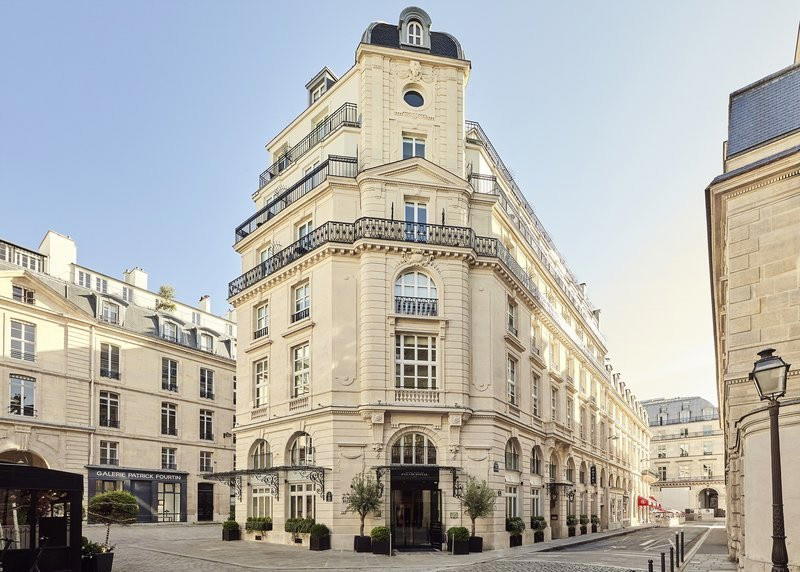
Rue des Gravilliers cuts through the northern edge of Le Marais with the low-key confidence of a street that has never needed to announce itself. The 3rd arrondissement is not the Paris of grand boulevards or hotel dining rooms; it is the Paris of courtyard studios, independent galleries, and restaurants that earn their place on merit alone. Datil sits inside this register. There is no marquee facade, no canopy with a name in gold lettering. The building belongs to its street, and that restraint carries directly into the dining room.
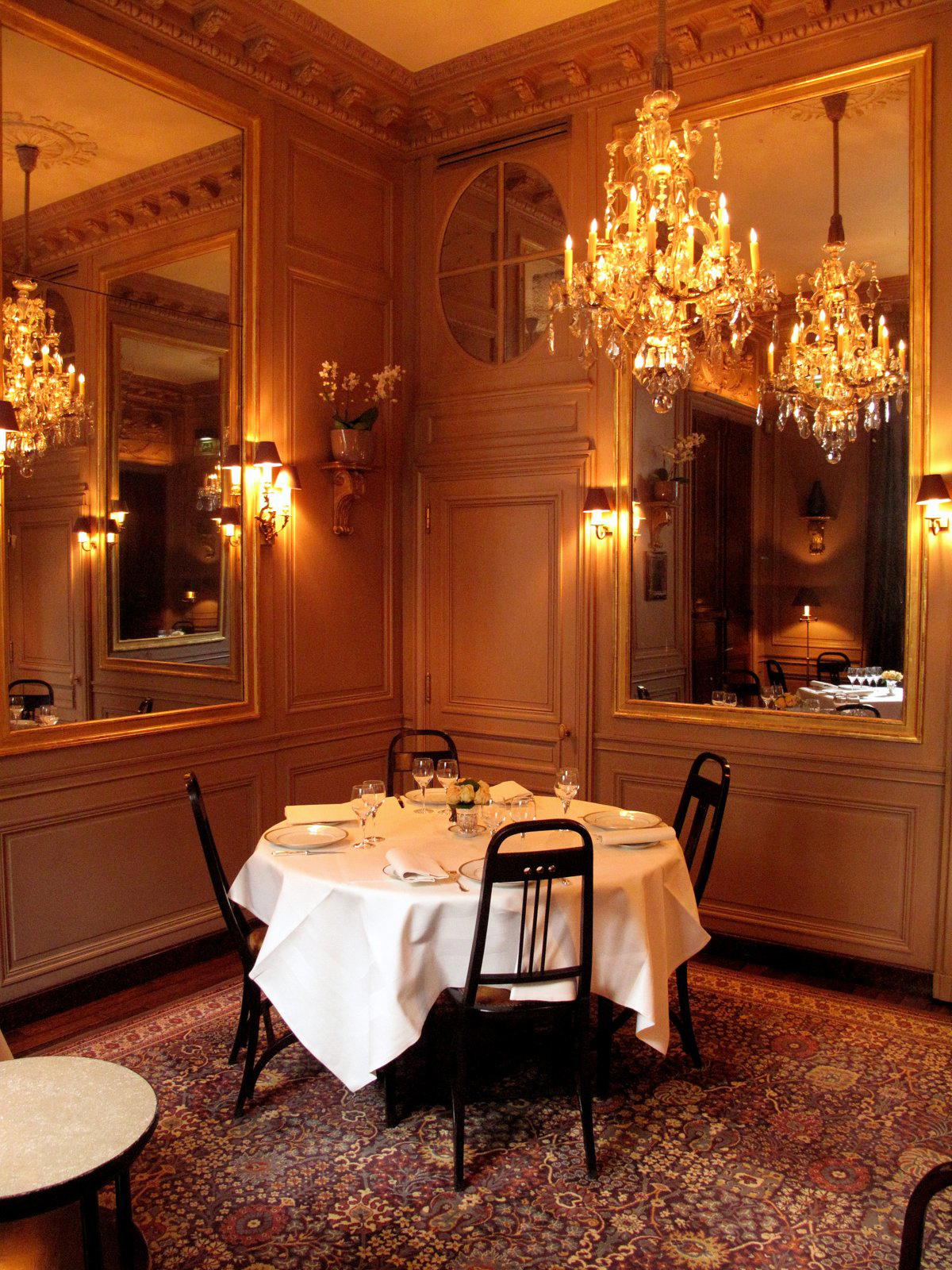
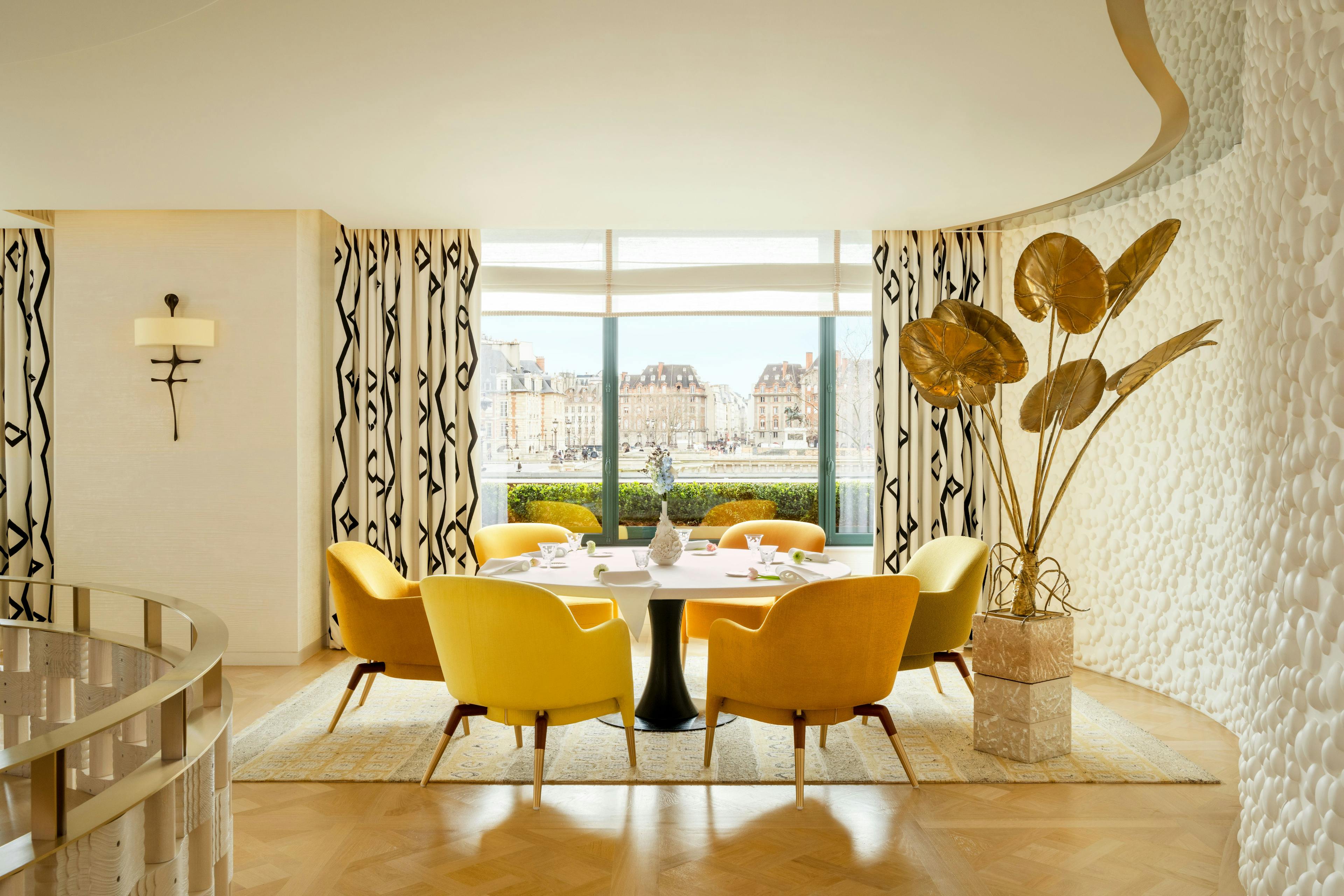
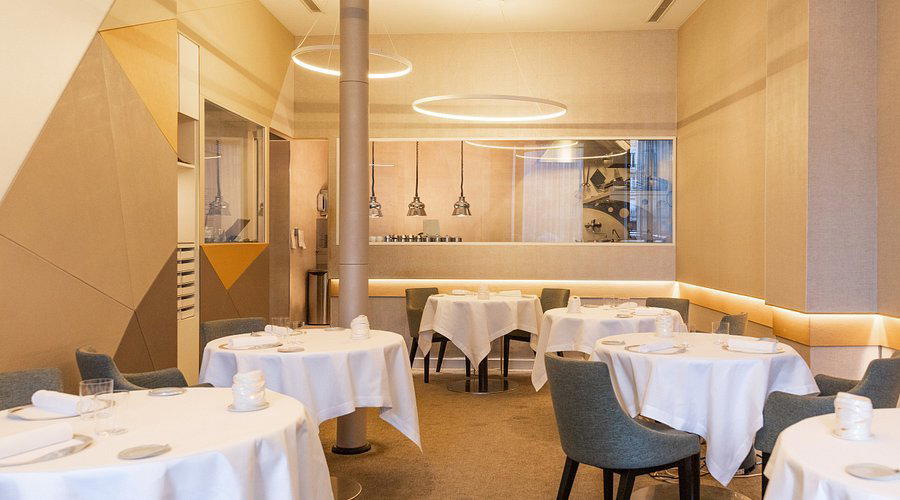
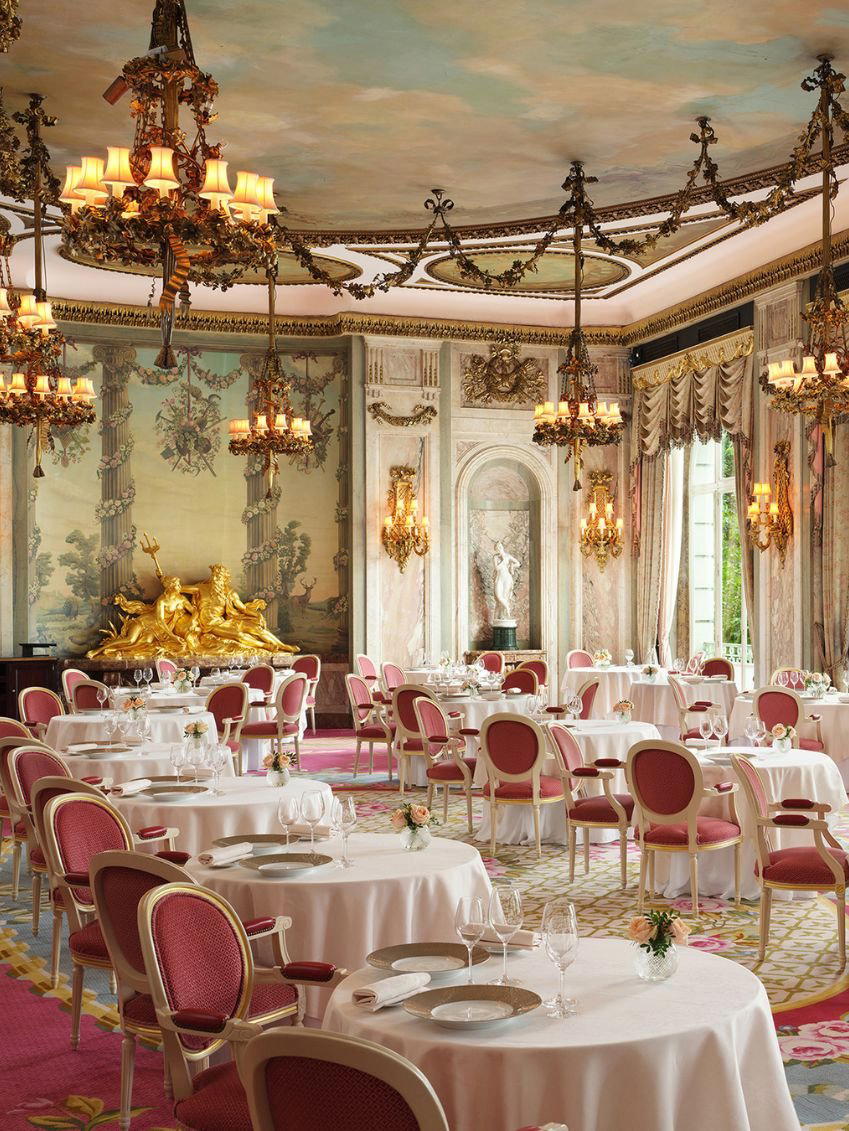
What you notice first, walking in, is the relative calm. No theatrical kitchen reveal, no ambient soundtrack calibrated for maximum buzz. The room works with natural materials and a considered palette that draws attention toward the plates rather than the architecture. This is a deliberate choice, not an oversight. When vegetables are the protagonists, the environment needs to earn their presence rather than compete with it.
The Vegetable-Forward Proposition, and What It Actually Costs You
Paris's high-end dining circuit at the €€€€ tier is dominated by either classical French luxury (tableside service, silver cloches, aged proteins at the centre of every course) or the global fine-dining template of modernist technique applied to premium ingredients. Datil operates in neither lane. Chef Manon Fleury has built the kitchen's identity around vegetables as the primary ingredient, supported by close relationships with local growers and a strict seasonal discipline. The We're Smart Green Guide, which evaluates restaurants specifically on their ecological approach and plant-forward commitment, has publicly recognised the result.
At a price point where diners at comparators like Accents Table Bourse or Anona might expect Wagyu or langoustine anchoring the tasting menu, the value argument at Datil works differently. The premium here is not for rare animal proteins or extreme technique applied to luxury raw materials. It is for sourcing infrastructure, the grower relationships that deliver produce at peak condition, and for the skill required to make vegetables carry the full weight of a multi-course experience. This is a harder culinary problem than it sounds, and the Michelin star (held in both 2024 and 2025) indicates the kitchen solves it consistently.
The ecological framing is not incidental to the price conversation. Eliminating waste, working with seasonal rhythms, and refusing to buy ingredients outside their natural cycle all constrain what the kitchen can do on any given day. That constraint is also the kitchen's creative engine. What you pay for at this tier is not optionality, it is editorial rigour. The menu reflects what is genuinely available right now, sourced from producers whose practices align with Fleury's stated framework, and composed with the technique that makes vegetables compelling across ten or twelve courses rather than merely competent.
Paris's Broader Shift Toward Ecological Fine Dining
Datil does not operate in isolation. Across Paris, a cohort of Michelin-level kitchens has been quietly reorienting toward supplier transparency and reduced animal-protein dependency, partly in response to broader guest interest, partly because a generation of chefs trained in technique-first environments has found more intellectual traction in the constraints of plant-based cooking. The difference at Datil is the directness of the commitment: vegetables are not a section of the menu or a seasonal feature. They are the structural premise.
The Bras family at Bras in Laguiole has argued for decades that the terroir of the Aubrac plateau is leading expressed through its plants, not its cattle. Michel Bras's gargouillou, a composed dish of regional herbs, flowers, and young vegetables that has influenced a generation of chefs, established that the high end of French cuisine could take vegetables seriously before it became a trend. Datil belongs to that lineage philosophically, if not directly. The difference is generational: what Bras pioneered as a provocation in the 1980s, Fleury's kitchen treats as the default operating assumption.
At the other end of the format spectrum, the ecological rigor found at addresses like Flocons de Sel in Megève, which has also built its identity around alpine terroir and local producers, shows how French fine dining can root itself in a specific ecosystem. Datil's version of this logic is urban: the 3rd arrondissement does not have its own terroir, but a Parisian kitchen with the right sourcing network can function as a relay point for produce from the Île-de-France basin and beyond.
The Michelin Signal and What It Confirms
Michelin has been awarding stars in Paris long enough that its one-star tier now covers an enormous stylistic range. A single star can sit on a bistro with fifteen covers, a neobistro with natural wines and a two-page menu, or a formally structured tasting-menu restaurant with a brigade of twelve. What the star confirms is execution, that the kitchen delivers at a sufficient level of consistency to warrant returning visits. For Datil, holding the star in both 2024 and 2025 confirms that the vegetable-forward format works at this level not as a one-season concept but as a sustained creative position.
In a city where the one-star Parisian landscape includes restaurants with very different orientations, from the classical French craft at Amâlia to the precise modern cooking at 114, Faubourg, the star at Datil sits in a smaller, more specific niche: the kitchen that has staked its identity on ecological commitment and proven that the commitment does not come at the cost of quality. This is not a trivial combination to sustain.
Locating Datil in the Le Marais Dining Circuit
The 3rd arrondissement sits between the historic centre and the République axis, dense enough with restaurants that the competition for repeat diners is constant. Its peer group on Rue des Gravilliers and the surrounding streets trends toward independent, chef-driven formats rather than hotel dining or group-backed operations. This suits Datil's positioning: it reads as a kitchen with a point of view that the neighbourhood's dining culture rewards rather than marginalises.
For visitors building a Paris restaurant programme, the 3rd makes sense as a base for an evening that does not require crossing to the 6th or 8th for a Michelin meal. Auberge de Montfleury offers a different register for those exploring the broader Paris offer. See the full Paris restaurants guide for a mapped view of how the city's dining tiers distribute across arrondissements. The Paris hotels guide, Paris bars guide, and Paris experiences guide cover the rest of a stay at the same level of specificity.
Planning Your Visit
| Detail | Datil | Comparable Paris €€€€ |
|---|---|---|
| Price tier | €€€€ | €€€€ (e.g. Kei, Le Cinq) |
| Michelin recognition | 1 Star (2024, 2025) | 1–3 Stars across tier |
| Format | Tasting menu, plant-forward | Mix of tasting and à la carte |
| Booking lead time | Recommend booking in advance | Typically 2–8 weeks ahead |
| Address | 13 Rue des Gravilliers, 75003 | Various arrondissements |
| Ecological recognition | We're Smart Green Guide | Rarely dual-awarded |
For those building a broader picture of modern cuisine at this level, Frantzén in Stockholm and FZN by Björn Frantzén in Dubai show how the global modern cuisine tier applies similar sourcing rigour at different price and format points. In the French context, Mirazur in Menton and Troisgros in Ouches represent the longer tradition of French fine dining rooted in local landscape and producer relationships that Datil draws from. The Paris wineries guide is worth consulting for wine pairing options that complement a plant-forward menu programme.
Frequently asked questions
Where exactly is Datil?
Datil is located at 13 Rue des Gravilliers, 75003 Paris, France, Paris.
What distinctions does Datil have?
Datil has received recognition including: Women and vegetables in power here at Datil in Paris! Chef Manon Fleury is convinced that by adapting our diet, we contribute to a better ecological footprint. A close collaboration with local growers, the right vegetables in the right seas….
What's the must-try dish at Datil?
Datil runs a tasting menu built entirely around what the kitchen's partner growers have at peak condition that week, so no single dish anchors the experience across visits. The We're Smart Green Guide specifically called out the kitchen's vegetable work as worth noting, and the Michelin star reinforces that the cooking holds at a consistent level regardless of what's in season. Arrive without a fixed expectation of a signature plate and the menu will set its own agenda.
What type of food is Datil known for?
Price and Recognition
| Venue | Cuisine | Price | Awards | Notes |
|---|---|---|---|---|
| DatilThis venue (the venue you are viewing) | Modern French Plant-Based Fine Dining | $150–200 | 1 Michelin Star · We're Smart World 4 Radishes | Not listed |
| Alléno Paris au Pavillon Ledoyen | Modern French Fine Dining | $150–200 | 3 Michelin Stars · World's 50 Best #79 | Creative |
| Kei | Modern French with Japanese Influences | $300–500 | 3 Michelin Stars · World's 50 Best #93 | Contemporary French, Modern Cuisine |
| L'Ambroisie | Classic French Haute Cuisine | $300–500 | 2 Michelin Stars · World's 50 Best #23 | French, Classic Cuisine |
| Le Cinq - Four Seasons Hôtel George V | Modern French Fine Dining | $300–500 | 3 Michelin Stars · World's 50 Best #24 | French, Modern Cuisine |
| Plénitude | Modern French Sauce-Led Fine Dining | $300–500 | 3 Michelin Stars · World's 50 Best #14 | Contemporary French |
Recognition history
Dated appearances from independent guides and award organizations, with the underlying list record or original source where available.
Michelin 1 Star
Michelin
We're Smart World 4 Radishes
We're Smart World
Full recognition history (4 entries)
Michelin 1 Star
Michelin
Michelin 1 Star
Michelin