Josef's Wirtshaus
Josef's Wirtshaus on Parkring in Garching bei München sits in the tradition of Bavarian Wirtshäuser that have long anchored their communities as much through reliable sourcing as through hospitality. The format belongs to a category of German inn-dining that prizes seasonal, regional produce over culinary spectacle, a counterpoint to the tasting-menu culture that defines Germany's decorated restaurant circuit.
Pearl is the En Primeur Club membership app — saves, bookings, and concierge access live there. Same editors, same standards.
- Address
- Parkring 51-53, 85748 Garching bei München, Germany
- Phone
- +4949893603800
- Website
- opentable.com
- Directions
- Get directions
 Saves & bookings on Pearl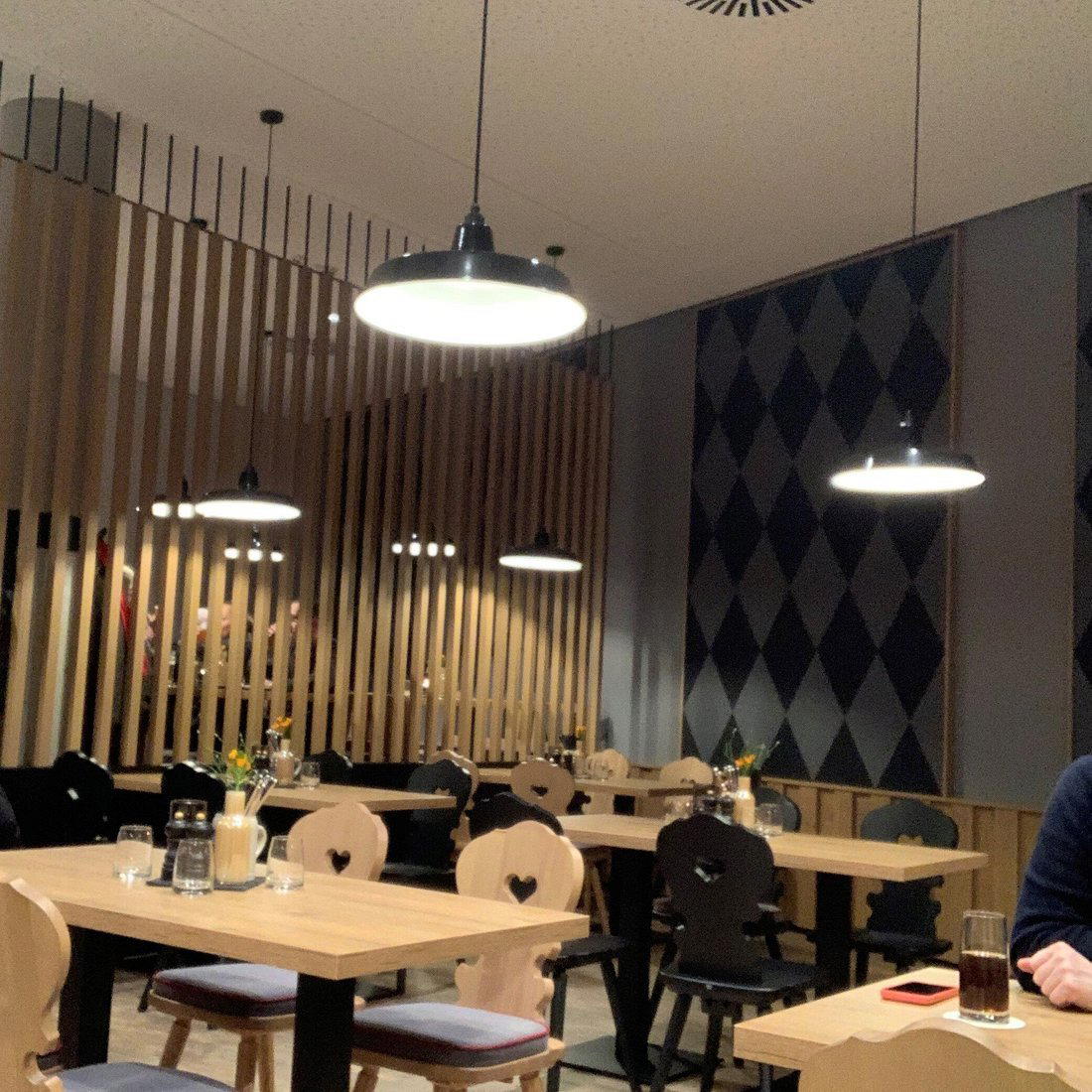
Where Garching Eats Like Garching
The Bavarian Wirtshaus is one of the more honest formats in European dining. There is no pretence about what it offers: a room, a table, food tied to the region's agricultural calendar, and the expectation that you will stay long enough to order another round. Josef's Wirtshaus, at Parkring 51-53 in Garching bei München, operates within that tradition, a format that predates the tasting-menu era by centuries and has survived it largely by refusing to compete on its terms. Where the celebrated kitchens of southern Germany, from ES:SENZ in Grassau to AURA by Alexander Herrmann & Tobias Bätz in Wirsberg, push toward precision and concept, a working Wirtshaus holds its position as the neighbourhood's table.
Garching bei München occupies an interesting position in the greater Munich orbit. It is a university and research town, home to the Technical University of Munich's main campus and a dense cluster of scientific institutes, which means its dining culture is shaped by a population that is simultaneously international and practically minded. The town sits north of Munich proper, close enough for a reasonable commute but distant enough to have developed its own civic identity. That context matters for understanding how a Wirtshaus fits in: this is not a tourist corridor, and the clientele is not arriving with Michelin expectations.
The Sourcing Argument at the Heart of Bavarian Inn Cooking
The Wirtshaus format, at its most coherent, is an argument about provenance. Bavaria's agricultural richness, river-fed valleys, Alpine dairy country, a tradition of pig farming and freshwater fishing that long predate industrialised supply chains, gave the region's tavern cooking a natural advantage over more anonymous European inn traditions. The classic dishes of a Bavarian Wirtshaus are not elaborate, but they are specific: pork sourced from identifiable farms, bread baked regionally, root vegetables that follow an actual seasonal arc rather than a commodity market one.
This is, in a useful sense, the opposite of what defines Germany's haute dining circuit. At venues like Aqua in Wolfsburg or Vendôme in Bergisch Gladbach, ingredient sourcing is refined into a design principle, articulated through tasting menus where each element is traced and narrated. In a well-run Wirtshaus, provenance is assumed rather than announced. The schnitzel is Bavarian because it has always been Bavarian; the pretzel arrives warm because the bakery is nearby. The sourcing argument is made through habit and repetition, not through menu copy.
For a reader calibrating where Josef's Wirtshaus sits relative to Germany's broader dining map, the comparable set is not Schwarzwaldstube in Baiersbronn or Victor's Fine Dining by Christian Bau in Perl. Those kitchens operate in a different register entirely, one defined by formal tasting progression and international reference points. The relevant comparison is the network of quality Wirtshäuser across Bavaria that have maintained regional cooking discipline without drifting toward either tourist-trap replication or premature modernisation. That is a smaller category than it once was, and the better examples in it are worth tracking. For broader orientation across the city and its surroundings, our full Garching bei München restaurants guide maps the territory in more detail.
The Room and the Rhythm
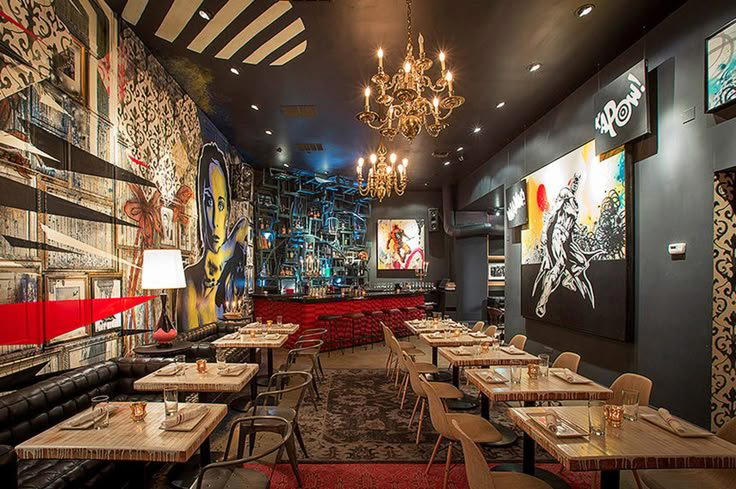
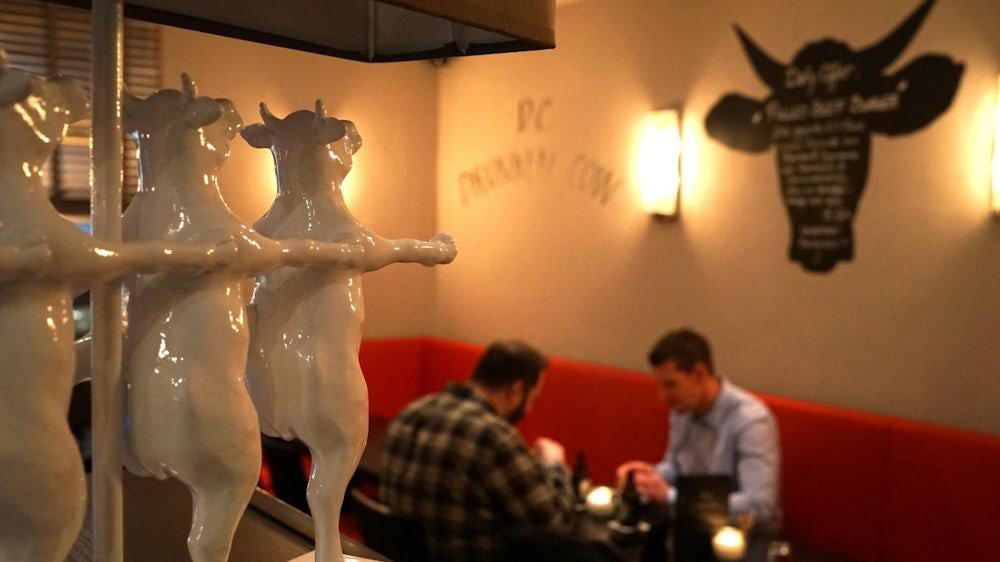
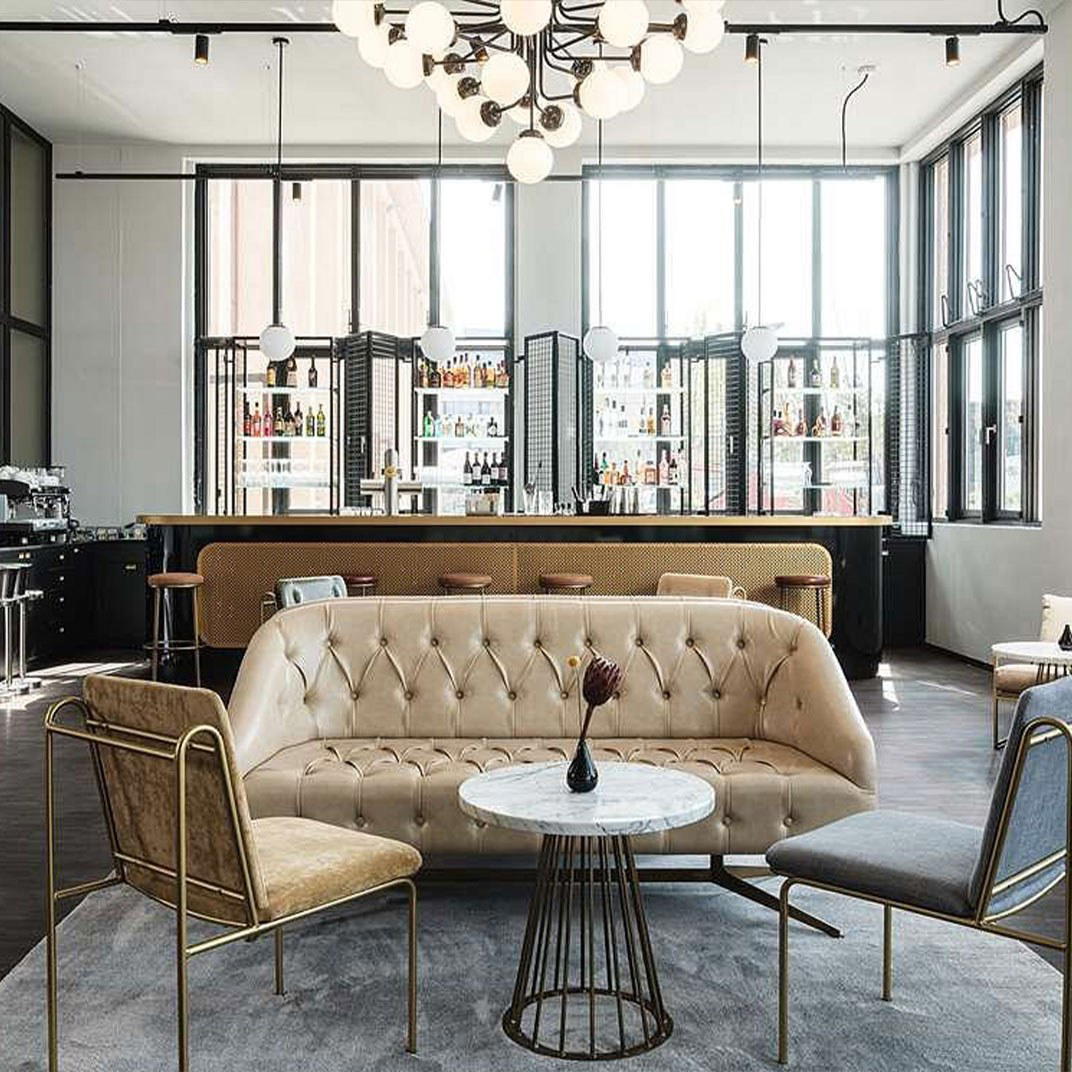
Approaching a Wirtshaus like Josef's, the physical cues are part of the contract. The format historically favours rooms that feel used rather than designed: wooden furniture that has absorbed decades of evening service, lighting calibrated for conversation rather than photography, a pace that follows the kitchen's output rather than a turnover target. What the address and format type establish is an expectation: Parkring is a residential and civic street, not a destination dining strip, and a Wirtshaus there serves a neighbourhood, not a reservation list.
That distinction shapes the experience in practical ways. Booking behaviour at a genuine Wirtshaus tends to be lighter than at comparable-price contemporary restaurants, with walk-in tables more accessible than at the kind of tasting-menu destinations that require planning months ahead. The service register is typically direct and efficient rather than ceremonial. These are features, not limitations. For a diner fatigued by the studied formality of Germany's fine dining tier, the eleven-course progression, the amuse-bouche sequence, the wine pairing explanation, a well-run Wirtshaus offers the correction.
Germany's Decorated Tier and What It Leaves Room For
Germany's restaurant recognition landscape has expanded considerably in the past decade. Michelin's German guide now covers a dense field of starred kitchens, from JAN in Munich and AUGUST in Augsburg to more idiosyncratic projects like CODA Dessert Dining in Berlin and ATAMA by Martin Stopp in Sankt Ingbert. Internationally, the conversation around German fine dining includes references like Le Bernardin in New York City and Atomix in New York City as calibration points for what precision-led tasting-format dining looks like at its ceiling.
None of that is the frame for Josef's Wirtshaus. What that decorated tier leaves room for is the category below and beside it: the regional inn that does what it has always done, without the infrastructure of PR, accolades, or destination marketing. Venues like Restaurant Haerlin in Hamburg, Waldhotel Sonnora in Dreis, Schanz in Piesport, Bagatelle in Trier, and ammolite in Rust each hold their own position in Germany's decorated circuit. The restaurant operates in a different register, and the value of that register is precisely that it does not need to justify itself against those benchmarks.
Planning a Visit
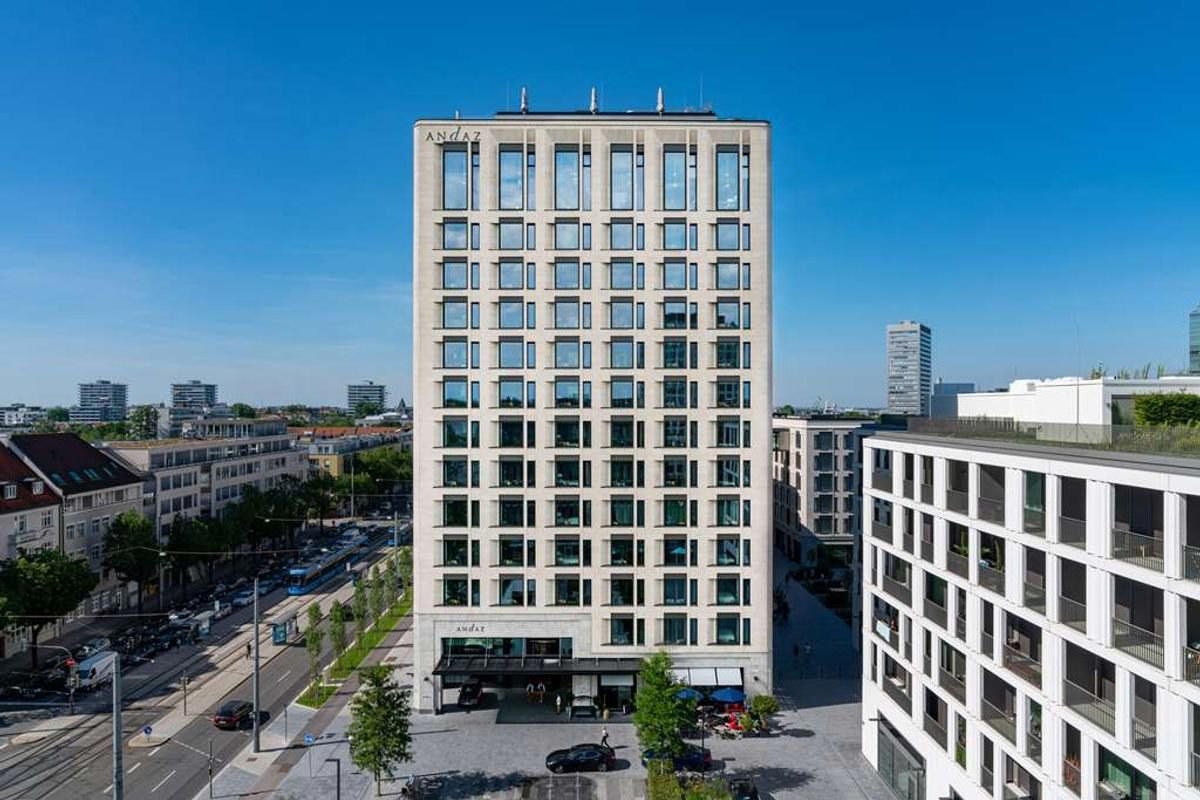
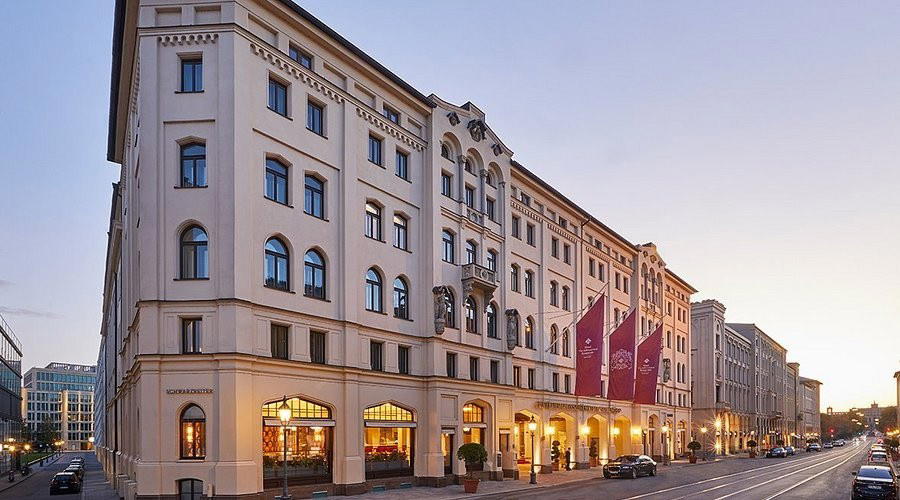
The restaurant is located at Parkring 51-53, 85748 Garching bei München. Garching is served by Munich's U-Bahn U6 line, making it direct to reach from central Munich without a car. The U-Bahn ride from Marienplatz runs approximately 25 minutes to Garching-Hochbrück, placing the venue within the city's extended transit reach. The restaurant is recommended for reservations and prices are around $40 per person.
Quick Comparison
Comparable venues nearby, for context on price, style, and recognition.
| Venue | Cuisine | Price | Notes |
|---|---|---|---|
| Josef's WirtshausThis venue — the venue you are viewing | Modern Bavarian Wirtshaus | $$$ | Not listed |
| Il Plonner - Der Dorfgasthof | Bavarian-Italian Fusion | $$$ | Weßling |
| InselMühle | Traditional Bavarian with Beer Garden | $$$ | Allach |
| Mogli's Restaurant | Modern Bavarian Gastropub | $$$ | Tonwerk Dorfen |
| Café Luitpold | Historic German Café & Pastry House | $$$ | Lehel |
| Café Ludwig | German Café | $$ | Milbertshofen |
Continue exploring
More in Garching Bei Munchen
Restaurants in Garching Bei Munchen
Browse all →
Bars in Garching Bei Munchen
Browse all →

At a Glance
- Cozy
- Rustic
- Modern
- Business Dinner
- Group Dining
- Casual Hangout
- Open Kitchen
- Terrace
- Hotel Restaurant
- Beer Program
- Local Sourcing
Current opening hours
- Monday
- 6:30–10 AM, 11:30 AM–2 PM, 4:30–9:30 PM
- Tuesday
- 6:30–10 AM, 11:30 AM–2 PM, 4:30–9:30 PM
- Wednesday
- 6:30–10 AM, 11:30 AM–2 PM, 4:30–9:30 PM
- Thursday
- 6:30–10 AM, 11:30 AM–2 PM, 4:30–9:30 PM
- Friday
- 6:30–10 AM, 11:30 AM–2 PM, 4:30–9:30 PM
- Saturday
- 7–10:30 AM, 11:30 AM–2 PM, 4:30–9:30 PM
- Sunday
- Closed
Hours can change for holidays and private events. Last verified .
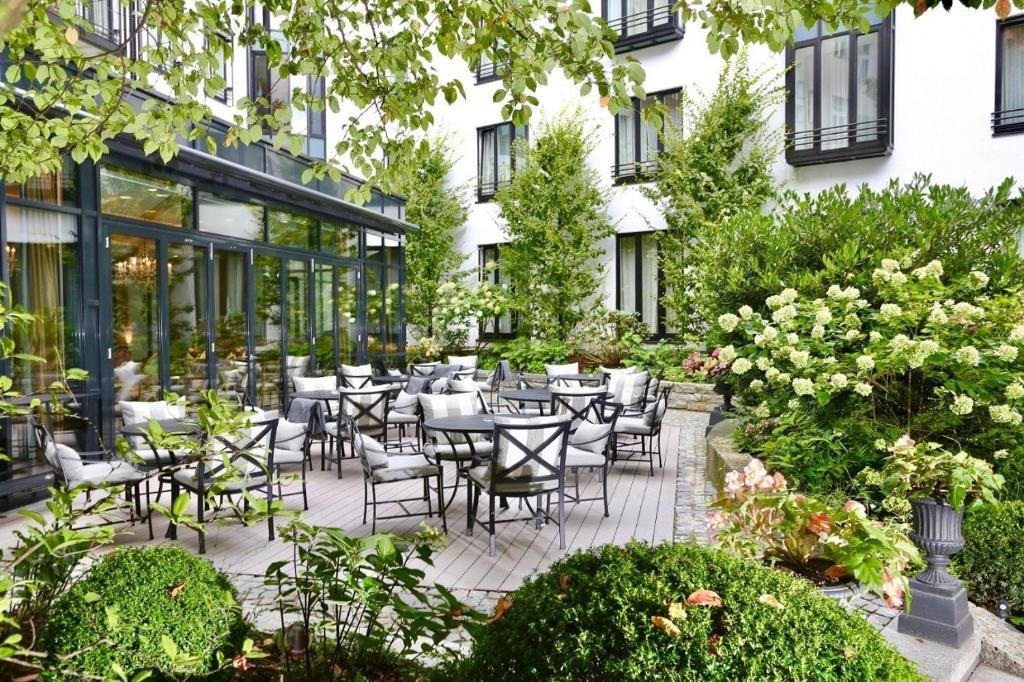
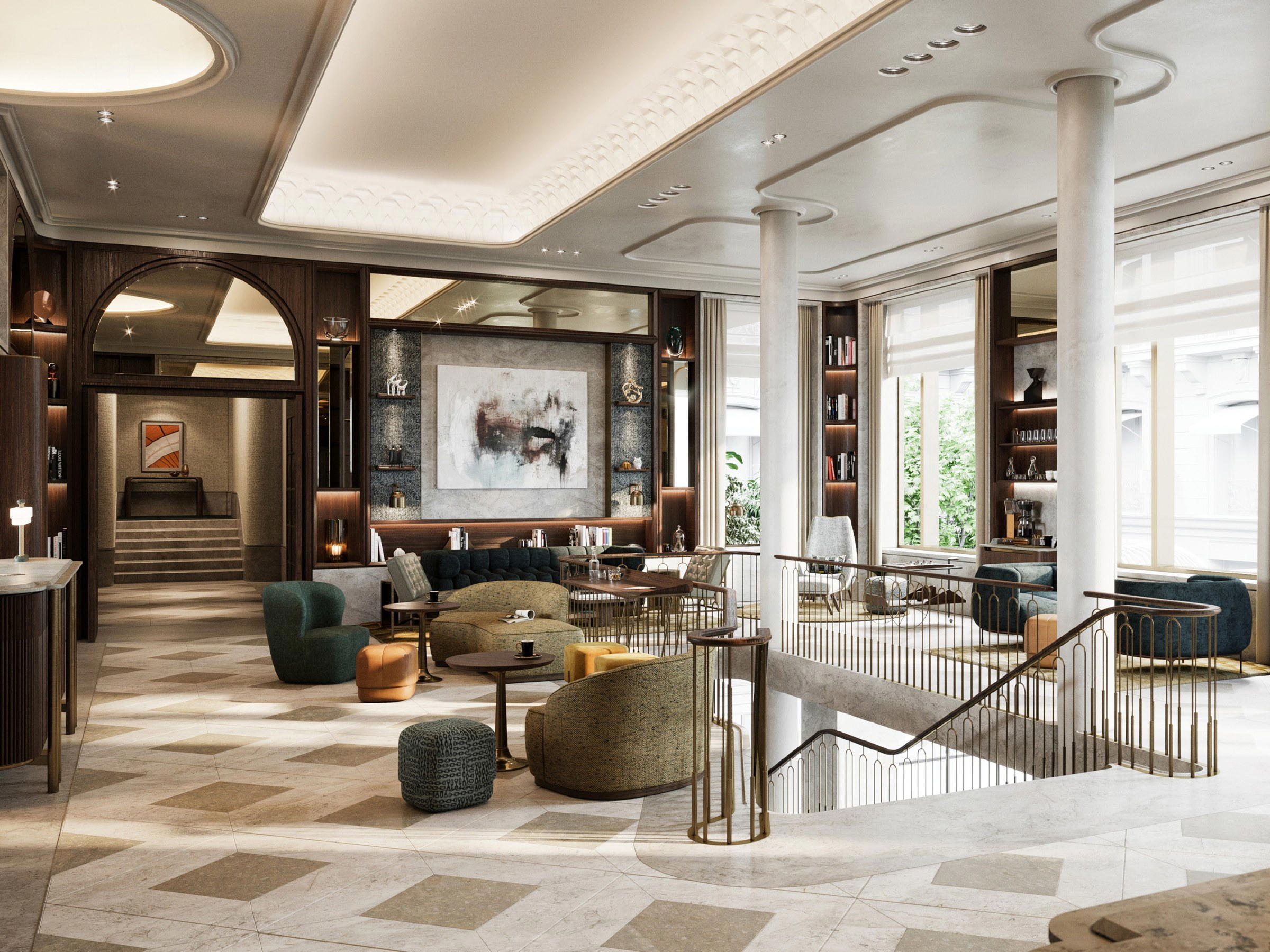
Cozy atmosphere created by natural materials, relaxed with show kitchen energy.