Blue Leopard
Blue Leopard occupies a Wells Street address in Chicago's Old Town, a neighbourhood where long-running tables earn their regulars through consistency rather than spectacle. The venue sits in a dining corridor that rewards repeat visits, where the unwritten menu, shaped by what loyal guests order again and again, carries as much weight as what appears on the printed page. For those who know it, the appeal is cumulative.
Pearl is the En Primeur Club membership app — saves, bookings, and concierge access live there. Same editors, same standards.
- Address
- 1252 N Wells St, Chicago, IL 60610
- Phone
- +13129525593
- Website
- blueleopardchicago.com
- Directions
- Get directions
 Saves & bookings on Pearl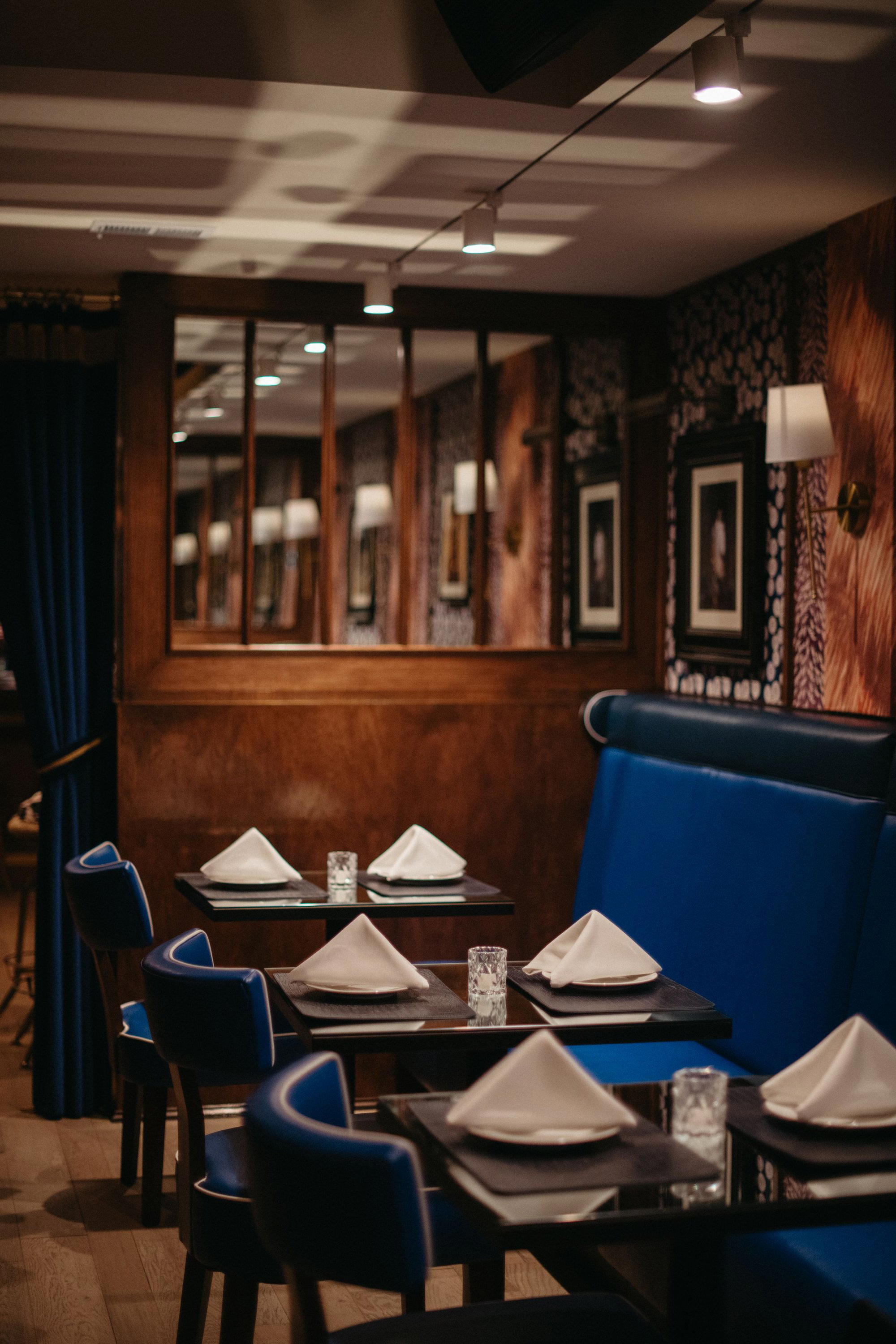
Old Town's Staying Power: What Wells Street Dining Looks Like When It Works
These are the rooms where the host knows your coat and the kitchen adjusts without being asked. Old Town's Wells Street corridor runs through this territory: a stretch of independent operations that survive not on opening-week press but on the slower, more durable logic of neighbourhood loyalty. Blue Leopard, at 1252 N Wells St, sits squarely in that tradition.
Old Town itself occupies an interesting position in Chicago's dining map. It lacks the concentrated critical attention that Fulton Market attracts, and it doesn't carry the food-destination shorthand of the West Loop. What it has instead is residential density, foot traffic with genuine local character, and a long history of venues that outlast trends by staying useful to the people who live nearby.
The Regulars' Economy
In American dining, the economics of regular clientele are underappreciated. A venue that holds a loyal core doesn't need to chase covers the way a newcomer does, it operates on a different rhythm, where off-menu requests, preferred seating, and pacing adjustments become the actual product. This is the context in which Blue Leopard should be read.
The neighbourhood tier in Chicago, below the $$$$ omakase and tasting-menu bracket occupied by Alinea, Smyth, and Oriole, is where most Chicagoans actually eat most of the time. The venues in this bracket don't announce themselves loudly. They accumulate a following through repetition: the same dishes done consistently, the same faces behind the counter, the same unspoken accommodations for the guest who comes back every few weeks.
That dynamic is worth understanding before arriving for the first time. Walking into a well-established neighbourhood room as a new guest, you are temporarily outside the social architecture the regulars inhabit. The value proposition isn't novelty, it's access to something that has already been tested and refined by people who care about it.
Chicago's Neighbourhood Dining in Comparative Context
Chicago has always maintained a strong neighbourhood-dining culture alongside its high-profile destination restaurants. The city that produced Next Restaurant and Kasama also sustains hundreds of rooms where the point is not a single extraordinary meal but a reliable place to eat well without ceremony. Old Town contributes meaningfully to the latter category.
Comparative reference points matter here. Across American cities, the neighbourhood anchor, the venue with no national profile but a two-year waitlist of regulars, tends to be the hardest dining slot to replicate when you're travelling. Lazy Bear in San Francisco and Frasca Food and Wine in Boulder have both made the transition from neighbourhood darling to nationally recognised address, a trajectory that demands a different operational posture. Venues that stay in the neighbourhood tier, by contrast, often do so by design: keeping capacity manageable, resisting the press cycle, and letting word-of-mouth do the work that advertising would otherwise require.
The Wells Street address places Blue Leopard within easy reach of Lincoln Park's residential population as well as the heavier foot traffic that moves through Old Town on weekends. That geography shapes the clientele mix: some are local regulars who walk over; others arrive from further north or south specifically for the address. The experience differs depending on which group you're in.
What Loyalty Signals in a Room Like This
Regulars at venues in this tier tend to order by muscle memory. They have moved past the printed menu into a private shorthand with the kitchen, the dish that doesn't appear but gets made on request, the modification that has become standard for their table, the timing preference the kitchen accommodates without discussion. This is the unwritten menu, and it is a meaningful measure of how embedded a venue is in its neighbourhood.
For first-time visitors, the practical equivalent is observation: what tables around you are eating, what gets delivered without apparent ordering, which items the room gravitates toward. These signals carry more information than a menu description, and they are freely available to anyone paying attention.
This dynamic is not distinctive to the restaurant. It characterises the neighbourhood-anchor model across American dining, from Emeril's in New Orleans at the more celebrated end to hundreds of unremarked rooms that sustain the same function at lower visibility. What distinguishes the better ones is not press coverage but operational consistency, the ability to deliver the same experience across a Tuesday in January and a Saturday in September.
Placing Blue Leopard in the Broader Premium Dining Picture
Chicago's highest-profile dining operates in a different register entirely. Alinea's theatrical progression, Smyth's farm-connected tasting format, and Oriole's precise contemporary American work all require advance planning, significant spend, and a different kind of attention from the guest. Nationally, comparisons extend to Le Bernardin in New York, The French Laundry in Napa, Providence in Los Angeles, Blue Hill at Stone Barns, Addison in San Diego, The Inn at Little Washington, SingleThread in Healdsburg, and internationally to addresses like Atelier Moessmer Norbert Niederkofler in Brunico and Atomix in New York.
The restaurant does not compete in that tier, but it does hold a steady local following. Its relevance is different, and that difference is the point. A city's dining identity is not reducible to its Michelin-listed rooms. Old Town's Wells Street corridor, with the restaurant as one of its longer-running addresses, represents the layer of Chicago dining that most visitors and many locals underweight when they're planning where to eat.
Know Before You Go
- Address: 1252 N Wells St, Chicago, IL 60610
- Neighbourhood: Old Town, Chicago
- Booking: Reservations are recommended
- Pricing: About $50 per person
- Getting there: 1252 N Wells St, Chicago, IL 60610
- Leading for: Neighbourhood regulars, repeat visitors to Old Town, those exploring Chicago dining beyond the Fulton Market and West Loop circuits
Reputation Context
Comparable venues nearby, for context on price, style, and recognition.
| Venue | Cuisine | Price | Notes |
|---|---|---|---|
| Blue LeopardThis venue — the venue you are viewing | Modern American Lounge | $$$ | Not listed |
| Allium Restaurant and Bar | Farm-to-Table Regional American | $$$ | Streeterville |
| The Alderman | Award-Winning Cocktail Bar with American Classics | $$$ | Pilsen |
| Kitchen + Kocktails By Kevin Kelley - Chicago | Polished Southern Soul Food | $$$ | River North |
| etc. | Polished Southern American with Global Influences | $$$ | Loop |
| The Bristol | Contemporary American Gastropub | $$$ | Bucktown |
At a Glance
- Lively
- Trendy
- Intimate
- Energetic
- Date Night
- Late Night
- Casual Hangout
- Live Music
- Craft Cocktails
Current opening hours
- Monday
- Closed
- Tuesday
- Closed
- Wednesday
- 5–10 PM
- Thursday
- 5–10 PM
- Friday
- 5 PM–2 AM
- Saturday
- 5 PM–3 AM
- Sunday
- Closed
Hours can change for holidays and private events. Last verified .
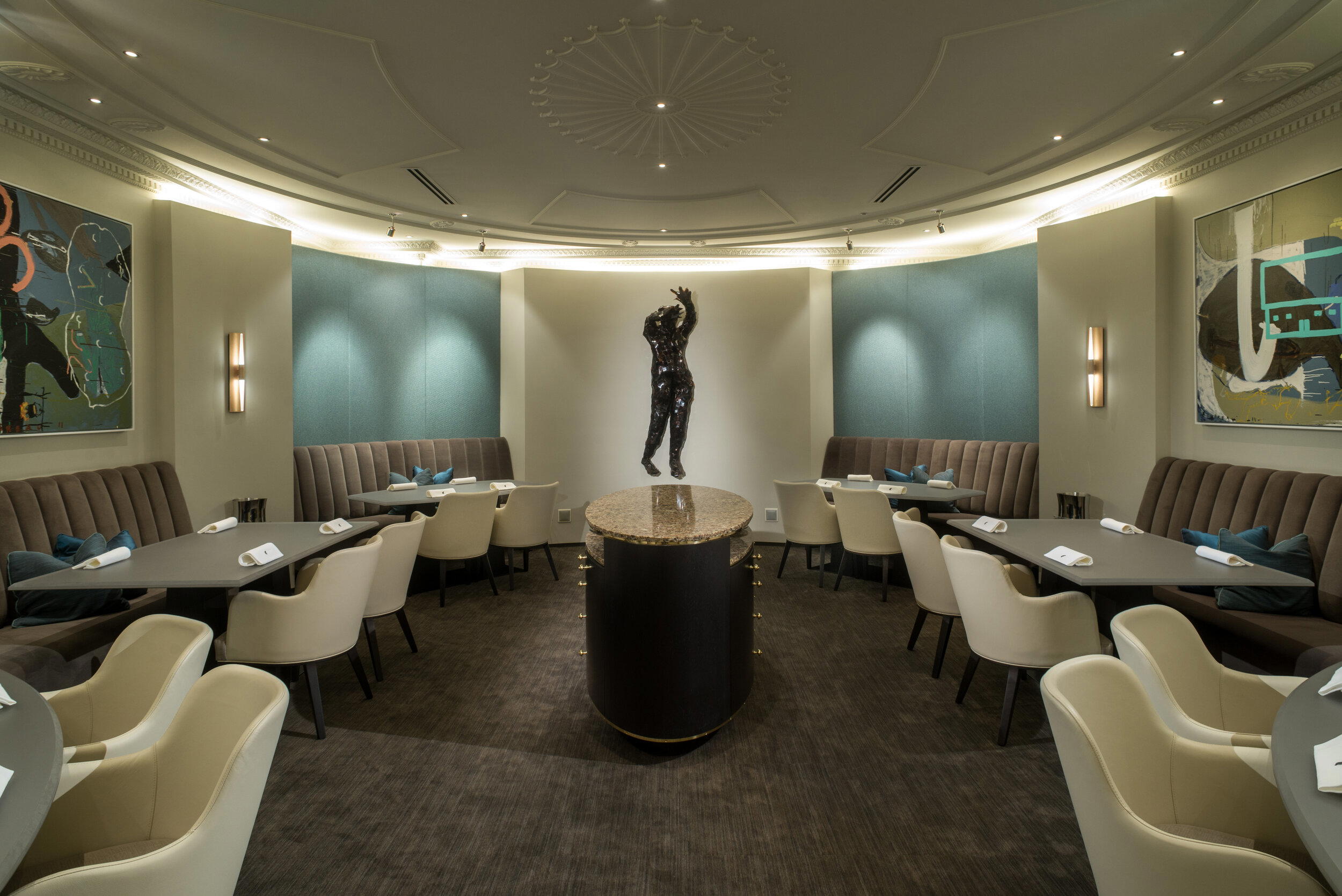
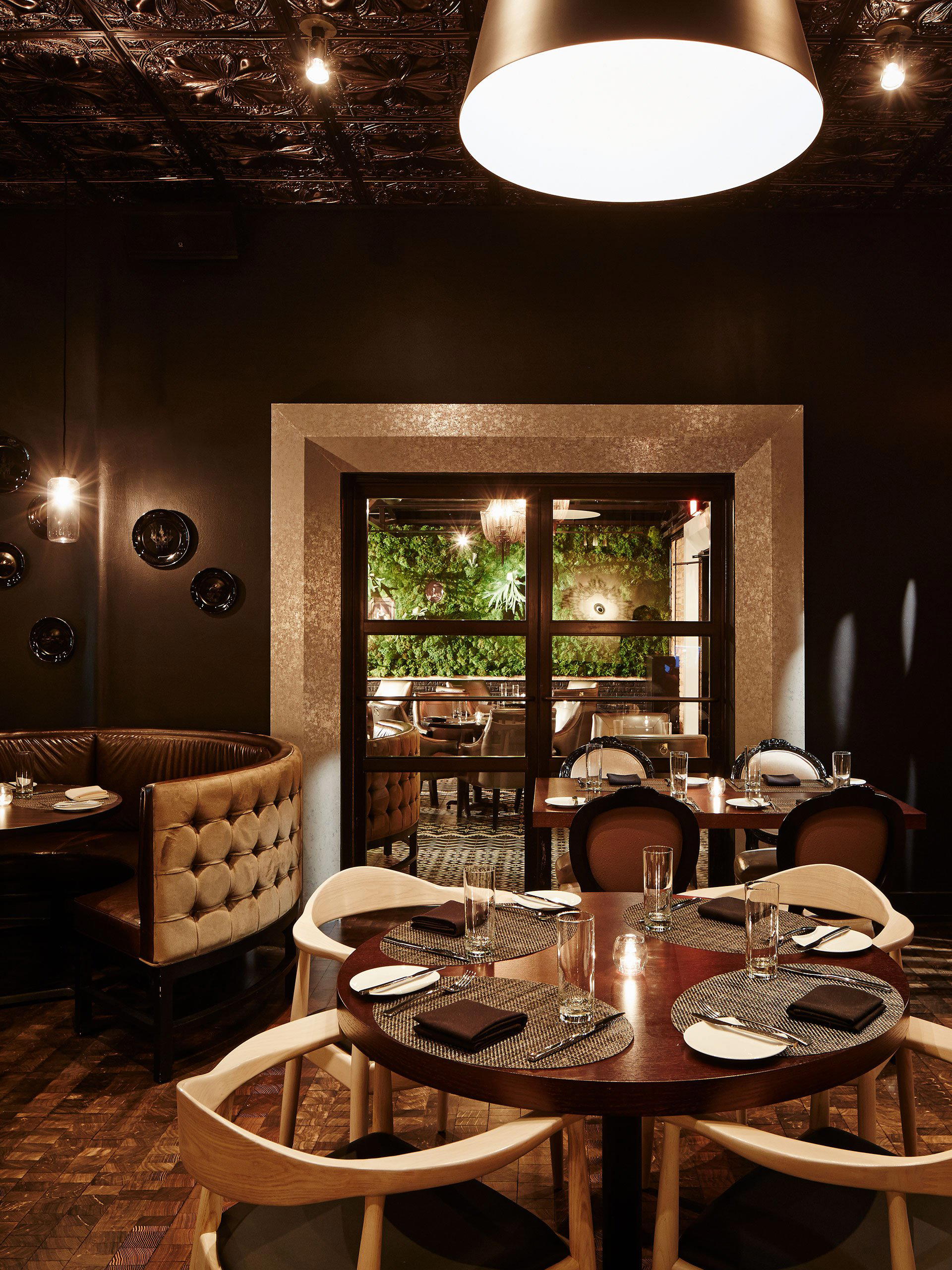
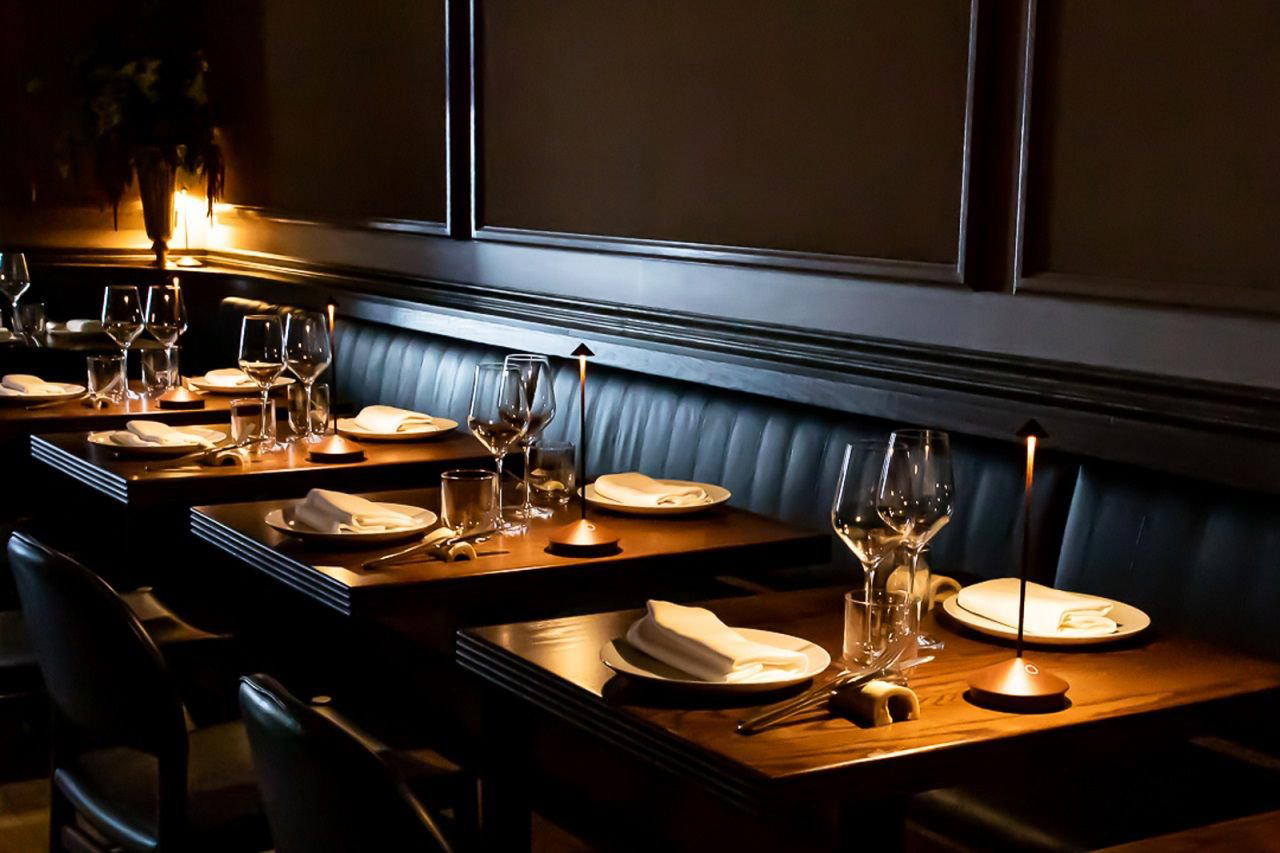
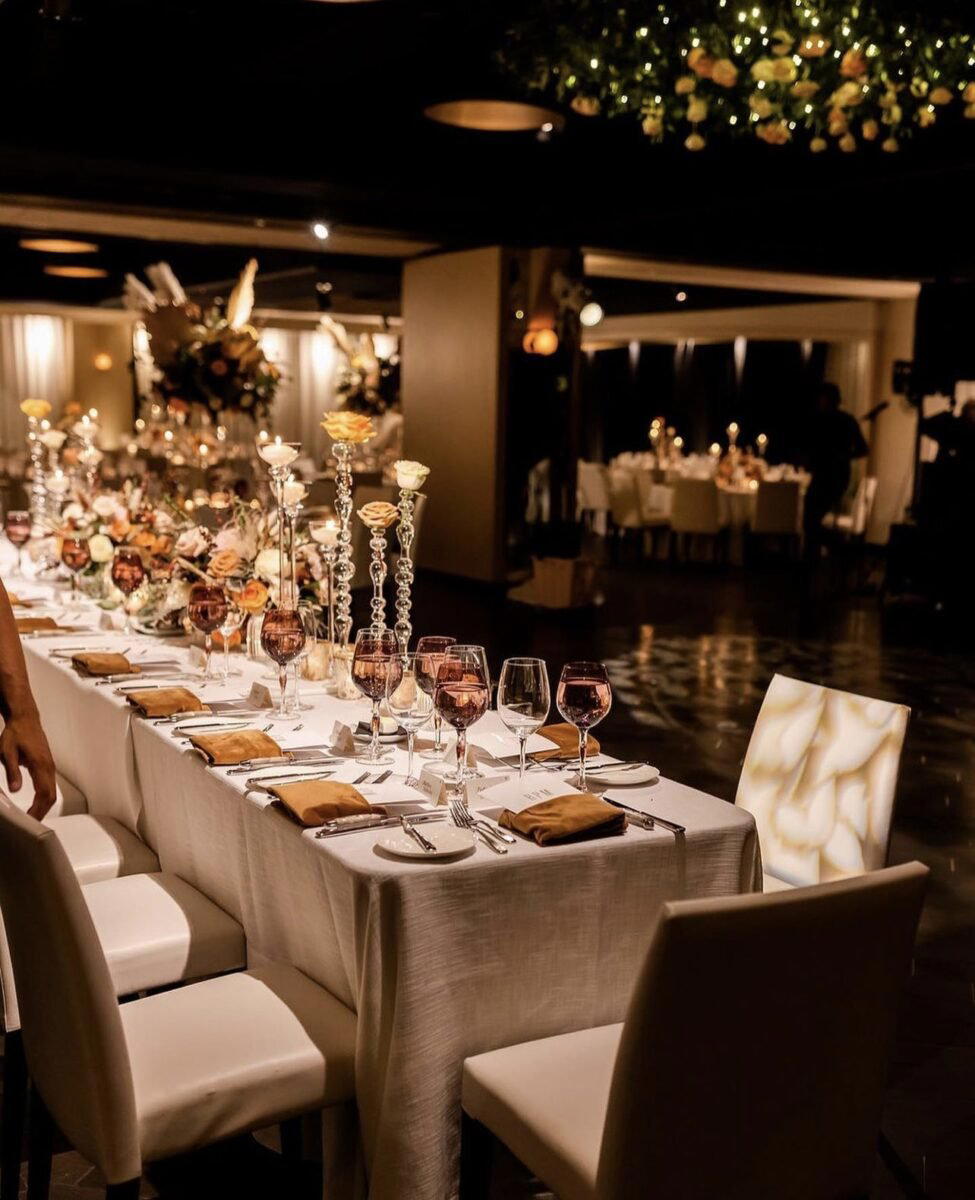
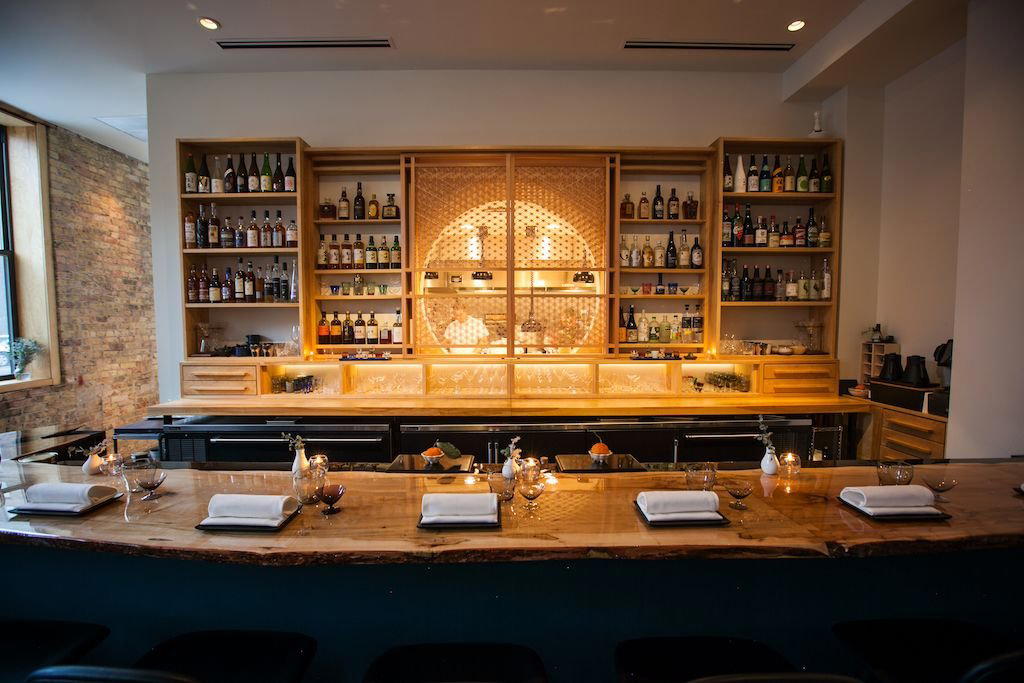
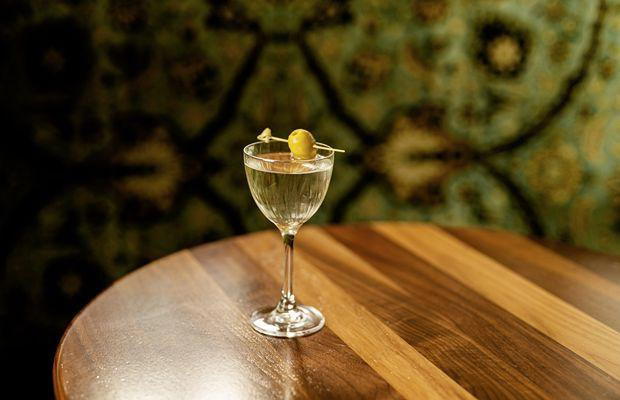
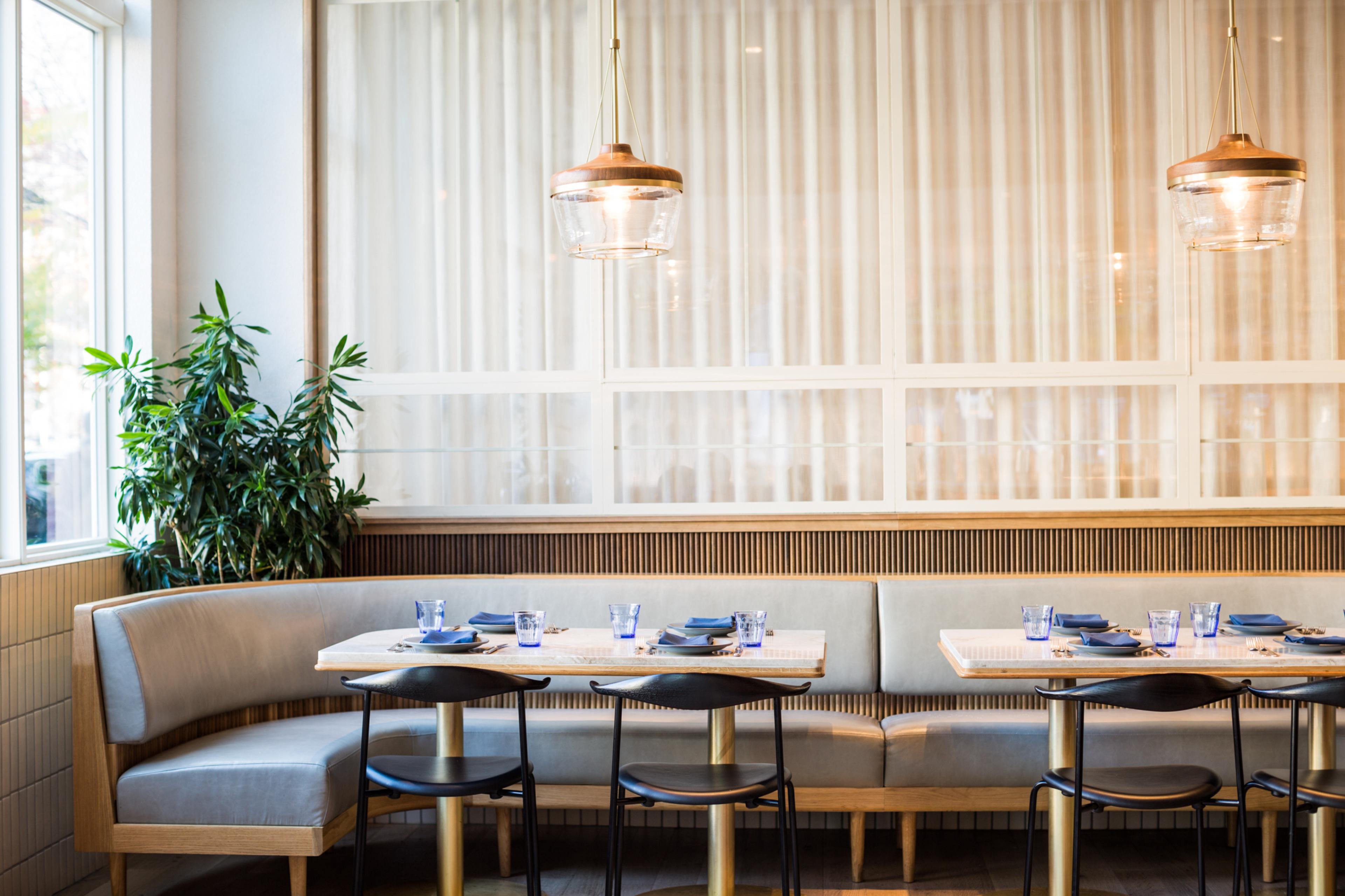
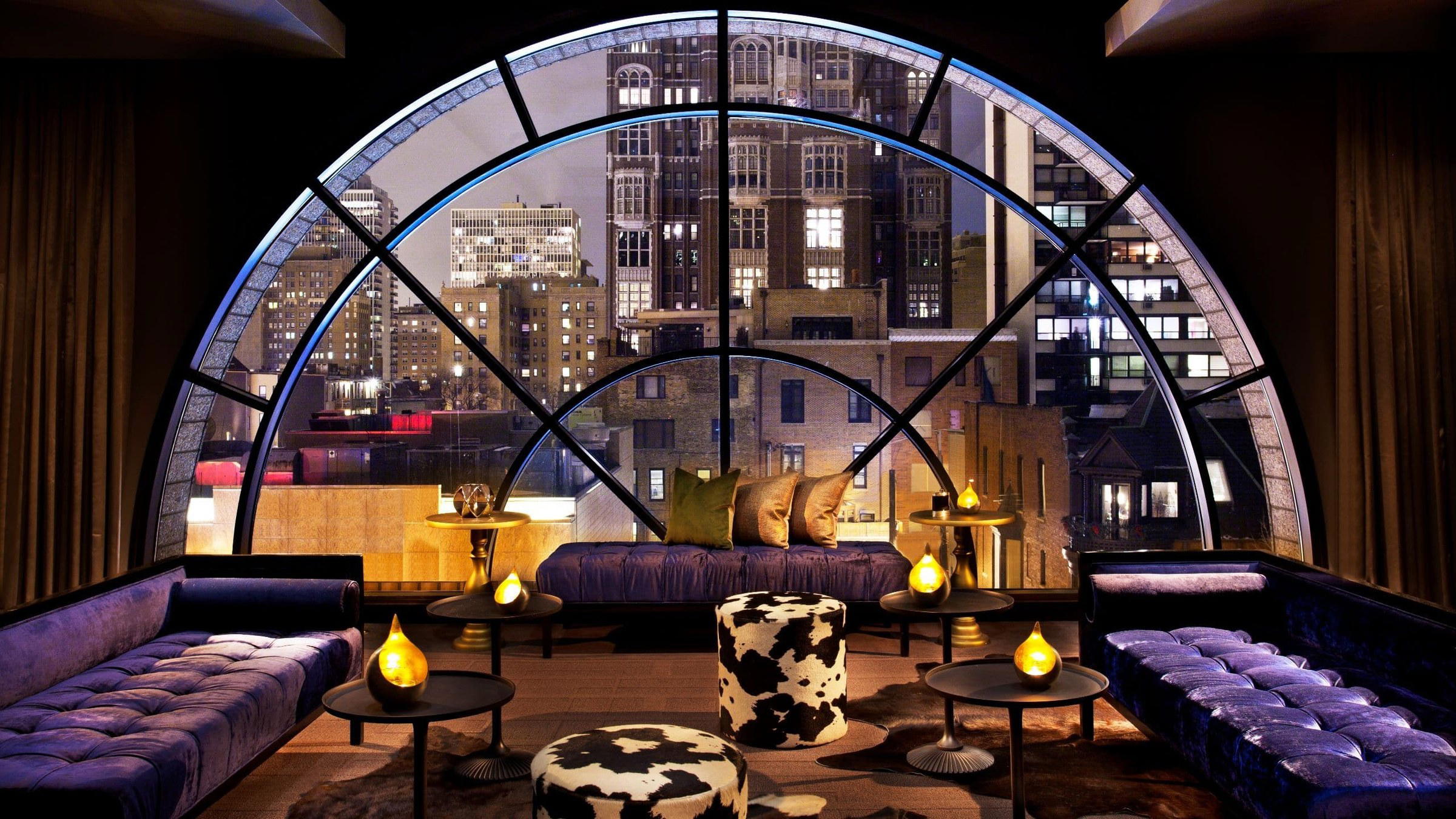
Lively and energetic atmosphere with late-night energy, dim lighting suitable for cocktails and nightlife.