Our verdict
Jonathan Grill occupies a central address on Dronningens gate in Trondheim, positioning it within the city's evolving mid-to-upper dining tier. Trondheim's restaurant scene has developed serious range over the past decade, with Nordic ingredient sourcing as the connective thread across price points. Jonathan Grill sits in that broader current, drawing from the same region that supplies the city's most decorated tables.

Pearl is the En Primeur Club membership app — saves, bookings, and concierge access live there. Same editors, same standards.
- Address
- Dronningens gate 5, 7011 Trondheim, Norway
- Phone
- +4773800802
- Hours
- Mon–Sat 4:30–11 PMSun Closed
- Website
- britannia.no
- Directions
- Get directions
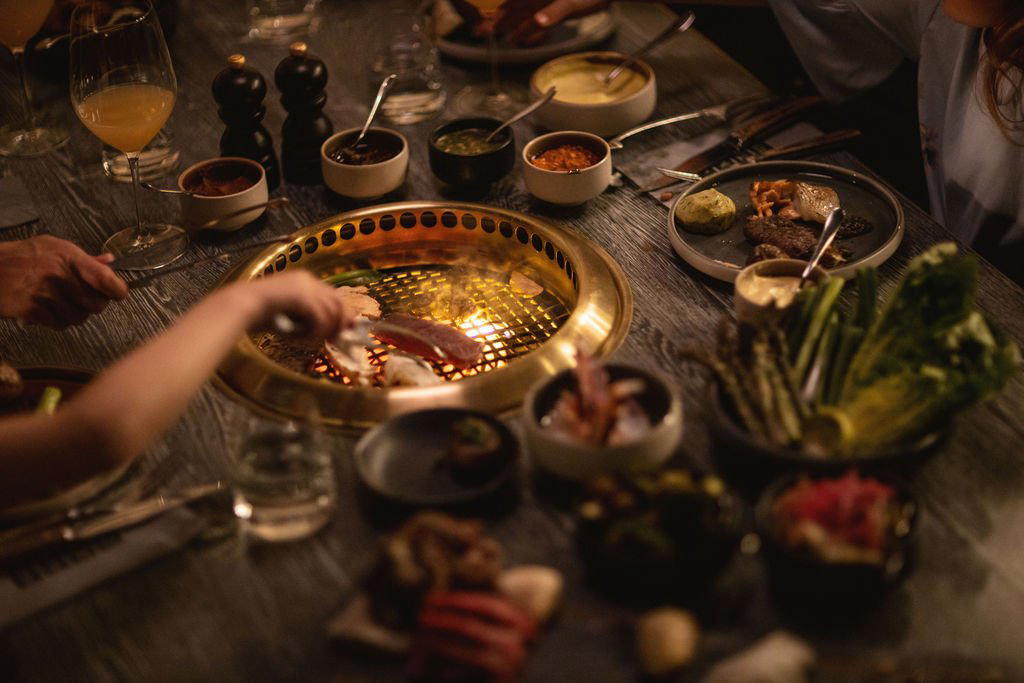
The menu
What to order
- Dry-aged rib eye steak
- Japanese Wagyu beef
- Hand-caught scallops
- King fish sashimi
Dronningens Gate and the Anatomy of a Trondheim Grill
Dronningens gate runs through the commercial heart of Trondheim, a few minutes from the Nidelva riverfront and the medieval grid that gives the city its particular sense of compressed history. Restaurants along this corridor serve a mixed crowd: office workers at lunch, pre-theatre diners in the early evening, and the kind of visitor who books a table as the first act of understanding a new city. Jonathan Grill occupies a position at number 5, planted in the middle of that pedestrian logic. The address alone signals something about the intended register: accessible by geography, but part of a city where even mid-tier grills now operate against a backdrop of serious Nordic culinary ambition.
That ambition has accelerated considerably in Trondheim. FAGN holds Michelin recognition and works at the sharper end of modern Nordic cuisine, while Speilsalen at the Britannia Hotel operates in the €€€€ bracket with a contemporary Nordic format built around a grand historic room. Below that, a clutch of more casual but ingredient-conscious places, including Bula Bistro and Bula Neobistro, have helped expand what the city offers between fine dining and pub food. Jonathan Grill operates within this more populated middle territory, where the sourcing story and the cooking approach carry more weight than they would in a less developed dining city.
The Nordic Sourcing Context and Why It Matters Here
The ingredient sourcing question is not incidental in Trondheim. The city sits at the meeting point of the Trøndelag region's interior farms and the Trondheimsfjord's coastal supply chain, one of the longest fjords in Norway at roughly 130 kilometres. That geography has made Trøndelag something of a larder for Norwegian fine dining, and the region's produce, shellfish, game, and dairy have increasingly found their way into the sourcing language of restaurants across all price points in the city.
Nationally, Norway's most decorated restaurants have built their reputations on exactly this kind of hyper-regional sourcing. Maaemo in Oslo set the standard for that approach at the three-star level, and RE-NAA in Stavanger has pursued a similar philosophy on the southwest coast. In Bergen, Gaptrast works within a west coast ingredient frame, while Under in Lindesnes built its entire concept around proximity to the seabed. Further north, places like Anita's Sjomat in Lofoten, Fiskekrogen in Henningsvær, Aurora Restobar in Kirkenes, Børsen Spiseri in Svolvær, and Underhuset Restaurant in Reine demonstrate how deeply sourcing specificity has penetrated Norwegian dining at every level. Even a restaurant framed primarily around the grill format, as Jonathan Grill's name implies, operates in a country where what goes on the grill, and where it came from, is a meaningful part of the conversation.
The grill as a format also deserves its own framing. In the context of Nordic cooking, live-fire and grilling techniques have taken on particular resonance over the past fifteen years, partly through the influence of the Copenhagen and Oslo new-Nordic movements, and partly because high-heat cooking suits the flavour profiles of aged beef, fatty fish, and root vegetables that form so much of the regional larder. A restaurant that positions itself as a grill in this city is implicitly connecting to that current, even when operating at a more accessible price point than the starred establishments. Compare this to the most technically demanding formats in international dining: a precision-obsessed tasting counter like Atomix in New York City or the classical French rigour of Le Bernardin represents a different axis entirely. Jonathan Grill's format suggests a more direct, product-centred cooking philosophy, where the sourcing does significant work before the kitchen intervenes.
Where Jonathan Grill Sits in the City's Structure
Trondheim is a compact city of roughly 200,000 people, which means its restaurant ecology works differently from Oslo's. There is less room for multiple venues competing in the same narrow niche, and the dining public is more likely to cycle through established addresses than to treat each meal as a one-time event. This gives restaurants on Dronningens gate and the surrounding central streets a slightly different social function: they serve regulars as much as visitors, and staying power matters as much as novelty.
That context positions Jonathan Grill as part of the city's everyday dining infrastructure rather than its special-occasion tier. For a visitor to Trondheim, that distinction is useful. The starred and near-starred venues, FAGN and Speilsalen among them, require advance planning and carry price points that reflect their ambition. A grill format on the main commercial artery represents a different kind of access point into the city's food character, one that can be decided on shorter notice and experienced without the formality of the upper tier. For a fuller sense of where Jonathan Grill sits within the whole, our full Trondheim restaurants guide maps the city's dining across formats and price brackets.
The wider Norwegian picture also includes striking destination formats well outside the major cities: Hardanger House in Jondal is an example of how deeply the country's dining ambition has spread geographically. Against that backdrop, a central Trondheim grill reads as part of the urban layer that supports the ecosystem without chasing headline status.
Planning a Visit
Dronningens gate 5 is a walkable address from Trondheim's main rail station and from the Nedre Elvehavn area, making Jonathan Grill a practical option for visitors orienting around the city centre. Given the range that now exists in Trondheim's dining scene, from the precision tasting formats down through bistro and grill options, building a visit around two or three restaurants across different tiers gives a more complete read of what this city does well with its regional ingredients. Jonathan Grill's central location makes it a logical entry point in that sequence.
Frequently asked questions
What's the address for Jonathan Grill?
Jonathan Grill is located at Dronningens gate 5, 7011 Trondheim, Norway, Trondheim.
Is Jonathan Grill a good option for visitors staying near Trondheim's main rail station?
Dronningens gate 5 is a walkable address from Trondheim Sentralstasjon, making Jonathan Grill a practical choice for rail travellers or those based in the city centre. The street sits within the commercial core of Trondheim, close to the Nidelva riverfront, so it integrates naturally into a broader evening itinerary. No advance transport or taxis are typically required from the station area.
What's the must-try dish at Jonathan Grill?
Given the restaurant's position in Trondheim's Trøndelag region, grill-focused venues in this area typically draw on coastal and inland produce — fjord fish and regional beef are common reference points. Check directly with the restaurant at Dronningens gate 5 for current menu specifics before visiting.
How far ahead should I plan for Jonathan Grill?
Trondheim is a city of roughly 200,000 people, and its restaurant scene is compact enough that well-regarded addresses on central streets like Dronningens gate can fill up, particularly on weekend evenings. Booking at least a week in advance is a reasonable baseline; for Friday or Saturday, two weeks gives better margin. check the venue's official channels to confirm current availability and reservation policy.
Comparable Spots, Quickly
Comparable venues nearby, for context on price, style, and recognition.
| Venue | Cuisine | Price | Awards | Notes |
|---|---|---|---|---|
| Jonathan GrillThis venue — the venue you are viewing | Japanese Table Grill Steakhouse with Nordic Influences | $50–100 | Not listed | Not listed |
| Le Bistro | French Bistro | Not listed | Star Wine List | City Center |
| Spontan Vinbar | Modern Scandinavian New Nordic | $100–150 | White Guide Nordic Restaurants - Very Fine Level | central Trondheim |
| Klempe y Dons | Mexican-Norwegian Fusion | $50–100 | Not listed | Mellomveien |
| Tollbua | Nordic Gourmet Bistro | $100–150 | Michelin Plate · Star Wine List | Brattøra |
| Rive Gauche | French Bistro | Not listed | Star Wine List | Øvre Bakklandet |
Continue exploring
More in Trondheim
Restaurants in Trondheim
Browse all →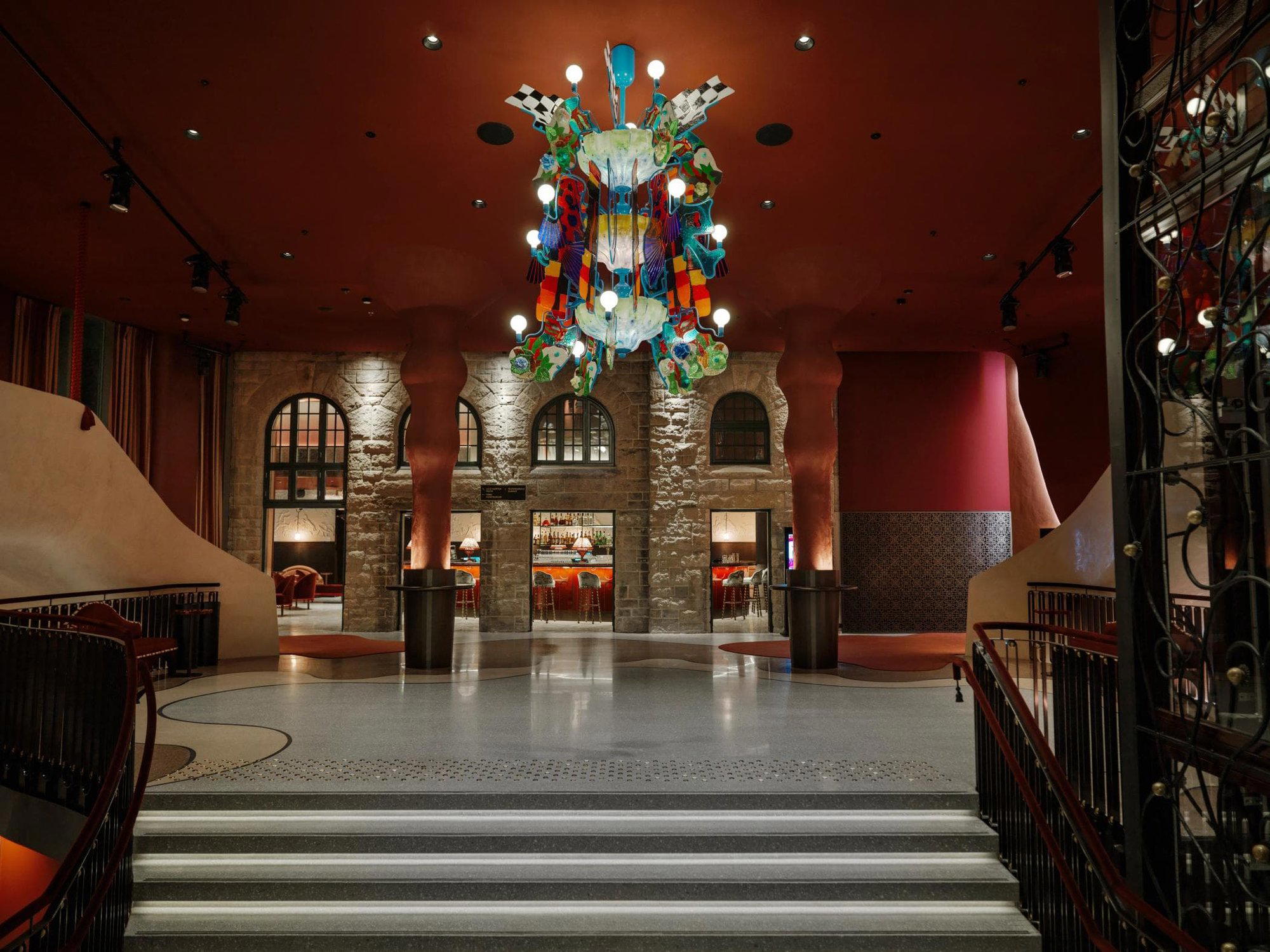
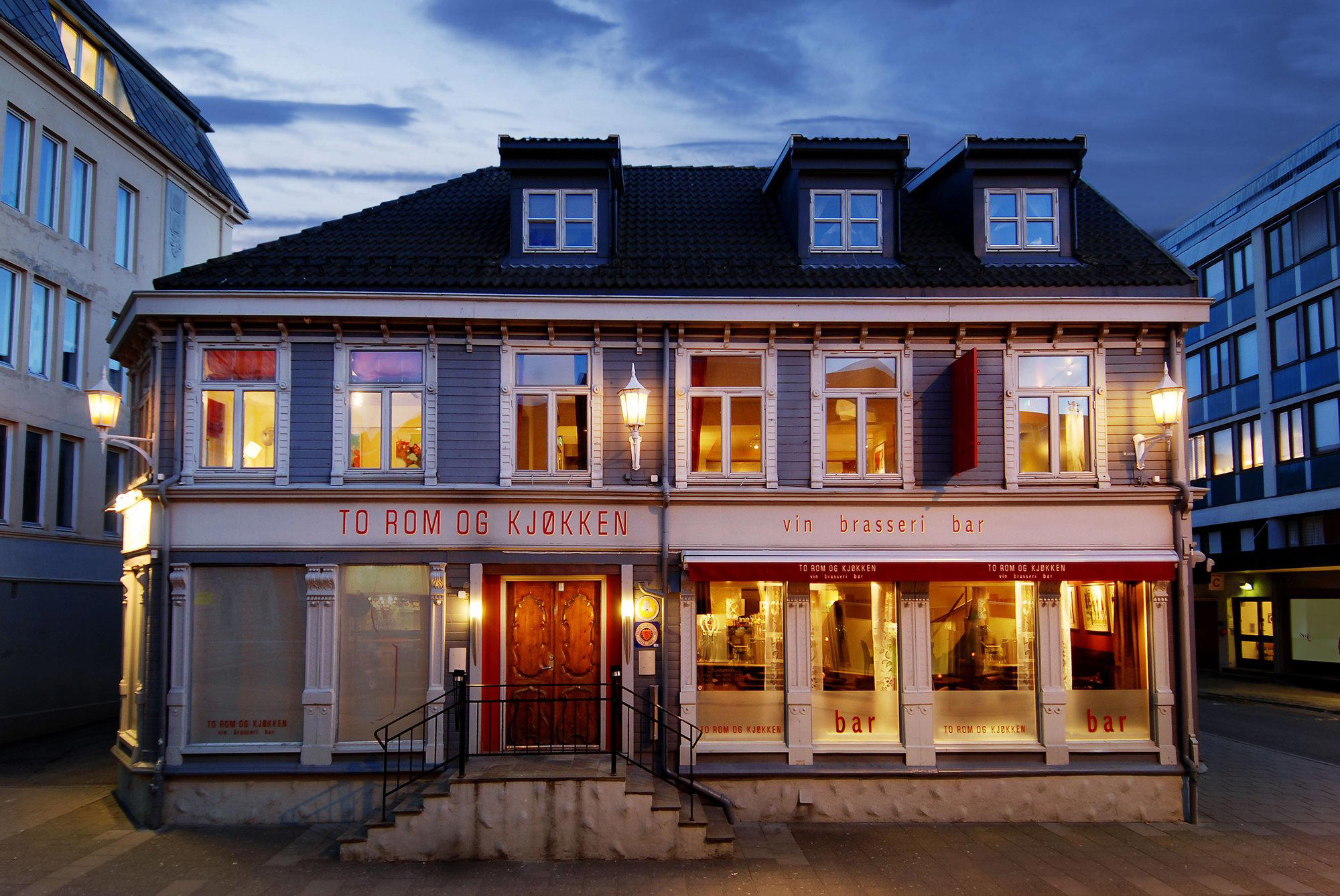
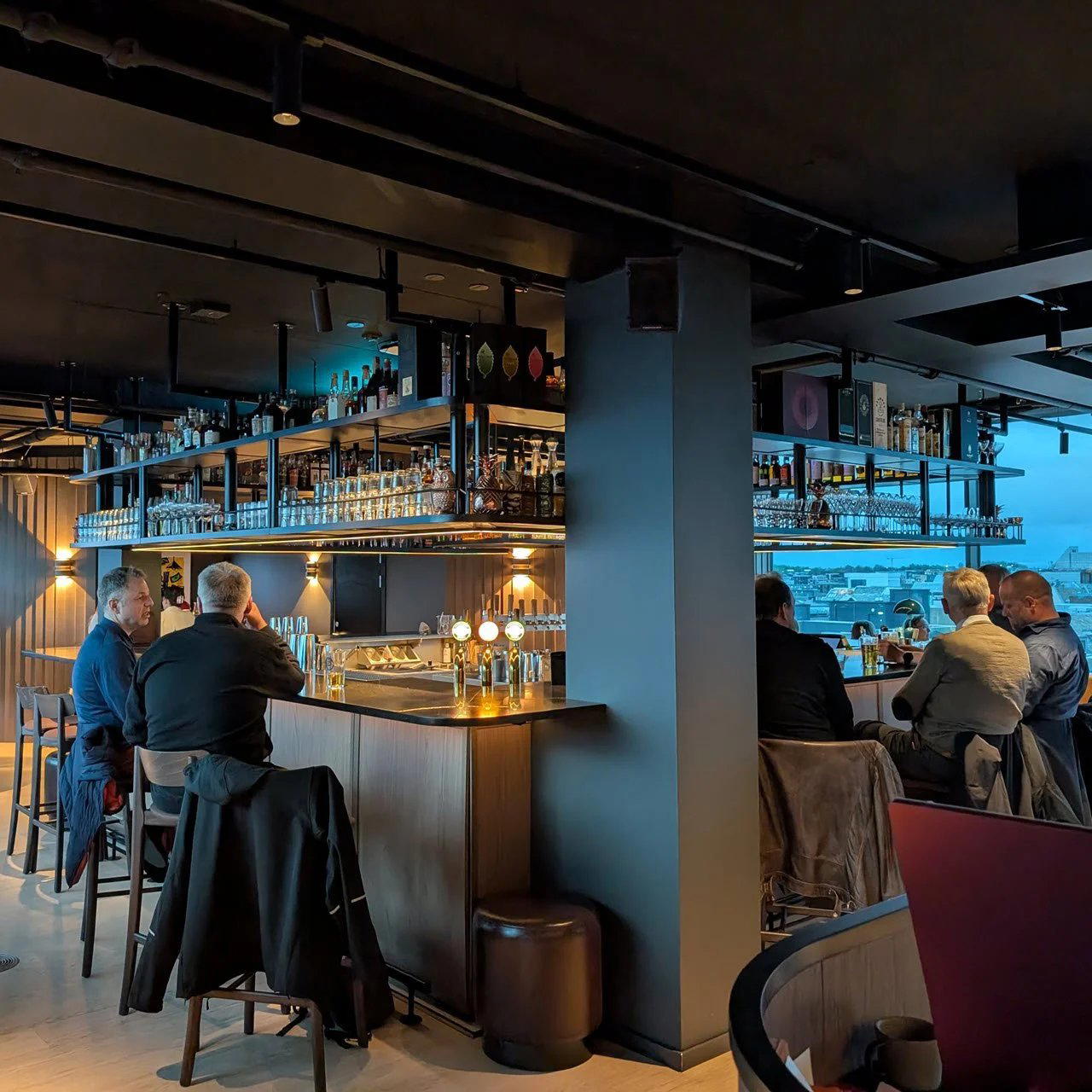
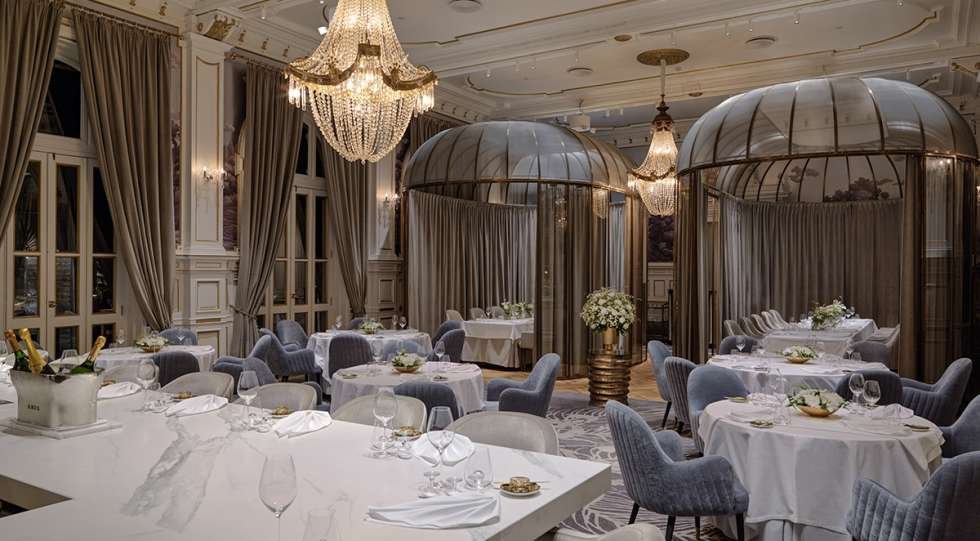
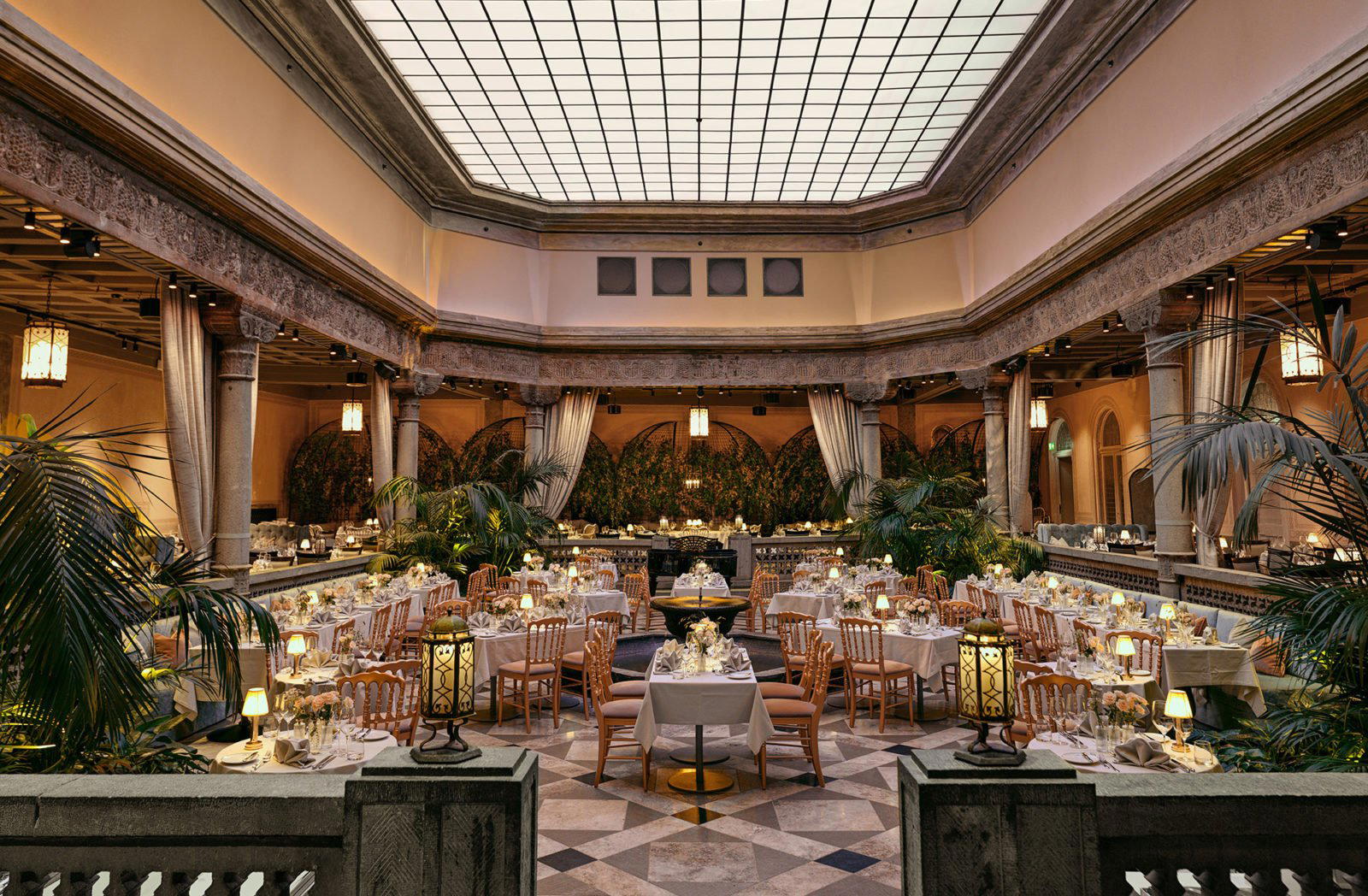
Bars in Trondheim
Browse all →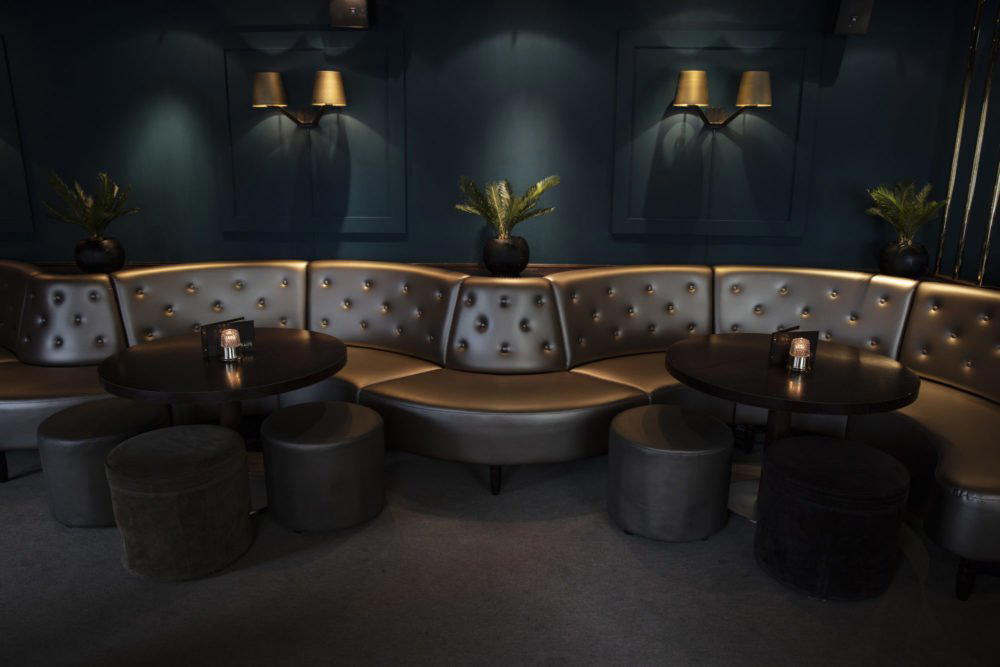

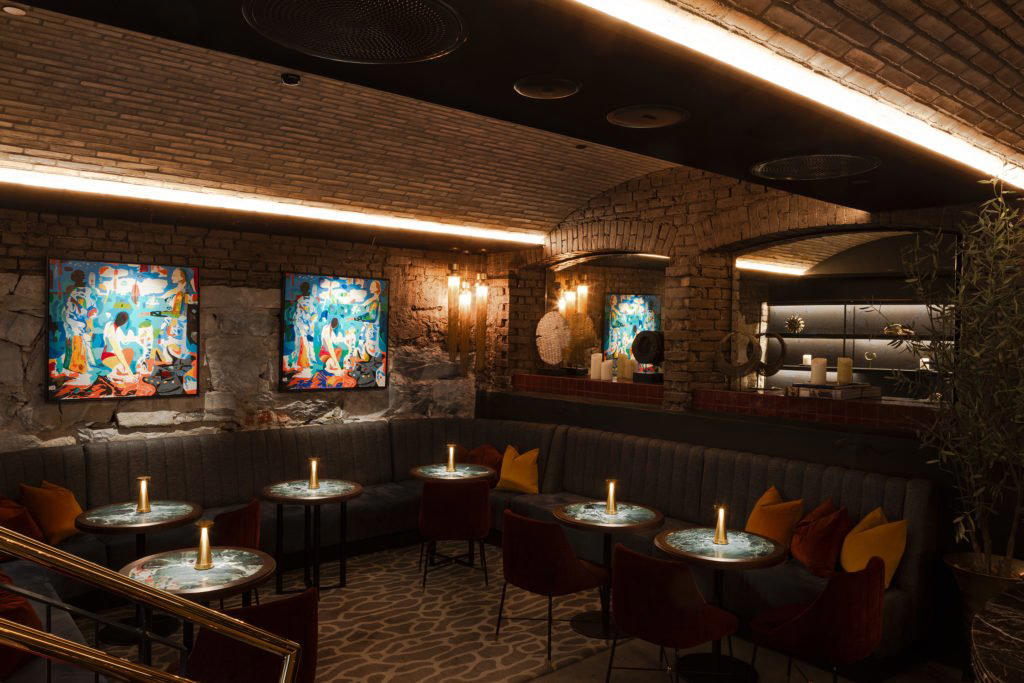

Hotels in Trondheim
Browse all →
Jonathan Grill
The wine
- Wine program
- Curated wine list
- Extensive wine list
- Craft cocktails
Details
- Elegant
- Sophisticated
- Cozy
- Intimate
- Date Night
- Business Dinner
- Group Dining
- Celebration
- Special Occasion
- Hotel Restaurant
- Open Kitchen
- Private Dining
- Extensive Wine List
- Craft Cocktails
- Local Sourcing
- A La Carte
- Wine
- Craft Cocktails
- Non Alcoholic Options
- Allergy Accommodating
Current opening hours
- Monday
- 4:30–11 PM
- Tuesday
- 4:30–11 PM
- Wednesday
- 4:30–11 PM
- Thursday
- 4:30–11 PM
- Friday
- 4:30–11 PM
- Saturday
- 4:30–11 PM
- Sunday
- Closed
Hours can change for holidays and private events. Last verified .
Basement setting with raw, honest charm featuring fire, wood, and stone elements; warm and inviting atmosphere without loud music; described as cosy with good control of noise levels.