
Our verdict
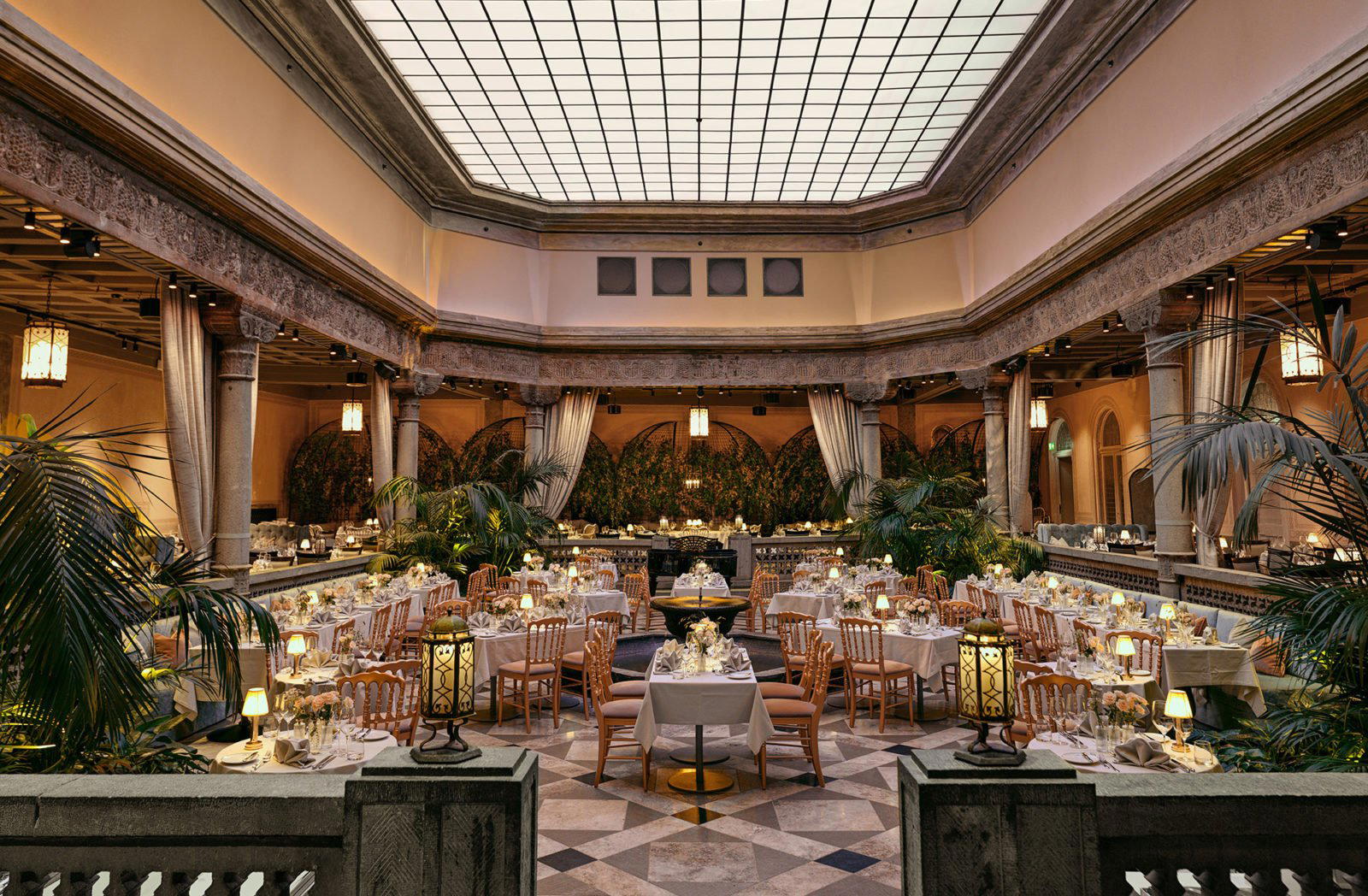
Britannia Hotel runs a classic French brasserie with an open kitchen, a sommelier-led extensive wine list, and service that fits lunch, dinner, or brunch.

Pearl is the En Primeur Club membership app, where members save venues, book tables and use the concierge.
The menu
What to order
- Croque monsieur
- Onion soup
- Plat du jour
- Trout
- Halibut
- Steak
Where Grand Hotel Heritage Meets Nordic Ingredient Discipline
Arriving at Dronningens gate 5, the Britannia's facade signals something that most Scandinavian cities cannot offer: genuine grand-hotel continuity. First opened in 1870, the property occupies the upper end of a very short list, there are fewer than a handful of true five-star hotels across all of Norway and the wider Nordic region. After a renovation programme exceeding €100 million, the hotel reopened in 2019 with its heritage structure intact and its operational infrastructure rebuilt from the ground up.
Membership in the Leading Hotels of the World and Historic Hotels and Restaurants of Norway is not marketing language, both organisations apply documented criteria around physical standard, service consistency, and cultural or architectural significance. Holding both simultaneously anchors the Britannia inside an international reference frame, where its direct comparisons are properties in Edinburgh, Prague, or Stockholm rather than other Trondheim hotels. The three-star accreditation from the World of Fine Wine's awards programme further positions its beverage offering in a tier that most Nordic hotel bars cannot reach.
Seven Concepts, One Sourcing Philosophy
The decision to run seven distinct food and beverage concepts under one roof carries a specific implication for how the kitchen operates. At this latitude, Trondheim sits well above the 63rd parallel, making the Britannia the world's most northerly grand-dame property of its class, ingredient sourcing is not a marketing preference but a practical and seasonal discipline. The Norwegian coastline delivers some of Europe's most consistent cold-water seafood: cod, skrei, scallops, and shellfish that benefit from the temperature and salinity conditions of the Norwegian Sea. The agricultural hinterland of Trøndelag, the region surrounding Trondheim, has historically been one of Norway's more productive farming areas, generating dairy, lamb, and root vegetables that define the regional table.
When a hotel operates multiple concepts rather than a single restaurant, the sourcing relationship with local producers becomes load-bearing rather than incidental. Each concept draws on the same supplier network while maintaining a distinct register, a format that the most coherent multi-outlet hotel operations use to prevent internal competition and waste. For the guest, the practical implication is that the ingredient quality signal remains consistent whether the meal is formal or casual. This matters at the Britannia because its seven concepts span enough formats that a guest could eat every meal on-property across a multi-day stay without the sourcing logic breaking down.
The broader pattern this reflects is one increasingly visible at serious Nordic properties: the kitchen as a direct extension of regional agriculture and fishing, rather than a procurement operation drawing on international commodity supply. Properties like Maaemo in Oslo and RE-NAA in Stavanger have made that sourcing philosophy the spine of their critical identity. At the Britannia, the scale is larger and the format more varied, but the underlying regional commitment sits in the same tradition.
Trondheim's Fine-Dining Context
Trondheim is not yet on the international fine-dining circuit in the way that Oslo, Copenhagen, or Bergen are, but that is changing incrementally. The city's restaurant scene has developed a serious upper tier in recent years, anchored by a small number of technically focused Nordic operations. FAGN, which operates in the modern Nordic register at the €€€ price point, and Speilsalen, the hotel's own flagship dining room at the €€€€ tier, represent the highest-concentration end of that development. Both draw on Trøndelag sourcing and position themselves against national rather than purely local benchmarks.
For context on what this regional approach produces elsewhere in Norway, Iris in Rosendal, Under in Lindesnes, and Gaptrast in Bergen each demonstrate how Norwegian fine dining has moved toward landscape-specific sourcing as a primary differentiator, a movement that parallels what Boen Gård in Tveit has done with estate-level dining. The Britannia's position within that national conversation is complicated by its scale: it is simultaneously the city's most significant hotel and, through Speilsalen, a participant in the serious Nordic fine-dining discussion.
Closer to the Britannia's day-to-day dining range, FAGN-Bistro at the €€ tier and Bula Bistro demonstrate that Trondheim now has enough format diversity to hold a serious food itinerary. Kombo adds further range. The Britannia sits above this mid-tier layer while sharing the same regional sourcing logic, a position that gives it both authority and a certain ambassadorial role for Trøndelag produce.
The comparison also extends internationally. At a property like Le Bernardin in New York City, the credential structure is built around decades of critical recognition and a defined culinary language. At Emeril's in New Orleans, it is regional identity and longevity. The Britannia draws on both levers: the Leading Hotels of the World membership signals international standard, while the Historic Hotels of Norway membership grounds it in place. For a property at this latitude and with this history, that dual anchoring is the most coherent positioning available.
The Spa, Fitness, and the Case for Staying In
The €100 million-plus renovation brief extended beyond the food and beverage operation. The contemporary spa and state-of-the-art fitness facilities complete a self-contained offering that makes extended stays viable without the property feeling limiting. In Nordic hotel culture, where winter darkness and extreme weather conditions can make outdoor activity impractical for extended periods, the quality of in-house amenity infrastructure carries more weight than it would at a comparable property in a temperate city.
Practical logic for guests choosing to remain on-property for an entire stay is therefore genuine rather than a hotel sales pitch: Trondheim winters are demanding, the Britannia's internal offer is broad, and seven F&B; concepts provide enough variation to sustain multi-day interest. For guests planning around the summer season, when daylight is near-continuous and outdoor Trondheim is at its most accessible, the hotel functions more naturally as a base from which to move through the city.
Guests booking should contact the property directly through its official channels to confirm current F&B; hours across all seven concepts, as individual outlets within multi-concept hotels operate on varying schedules that shift seasonally. The Britannia is located on Dronningens gate in central Trondheim, within walking distance of the Nidaros Cathedral and the Nedre Elvehavn arts district, which simplifies logistics for guests who want to combine a stay with city exploration.
For those building a broader Trondheim itinerary, our full Trondheim restaurants guide, full Trondheim hotels guide, full Trondheim bars guide, full Trondheim wineries guide, and full Trondheim experiences guide cover the surrounding scene in full.
Frequently asked questions
How do I find Britannia Hotel?
Britannia Hotel is located at Dronningens gate 5, 7011 Trondheim, Norway, Trondheim.
What distinctions does Britannia Hotel have?
Britannia Hotel has received recognition including: A proud member of the Leading Hotels of the World and the Historic Hotels and Restaurants of Norway, the Britannia Hotel offers true luxury with a modern twist. The World’s most northerly Grand Dame hotel, first opened in 1870 and again in ….
What do people recommend at Britannia Hotel?
With seven distinct food and beverage concepts operating under one roof, guests tend to spread their time across multiple outlets rather than anchoring to one. The hotel's membership in the Leading Hotels of the World reflects a consistent standard across those concepts, and the spa draws repeat visits from guests who extend stays specifically for it. Asking staff for a current recommendation by occasion, a formal dinner versus a lighter evening, is the most reliable approach given the breadth of the offering.
What's the best way to book Britannia Hotel?
The hotel sits at Dronningens gate 5, Trondheim, and reservations are handled directly through the property. As one of very few five-star hotels in the Nordic countries and a member of the Leading Hotels of the World, peak-season availability moves quickly, particularly for the dining concepts. Booking well in advance, and specifying which food and beverage outlet you want to reserve alongside your room, is advisable.
What's the defining dish or idea at Britannia Hotel?
The defining idea is structured plurality: seven food and beverage concepts operating at a latitude where ingredient discipline is non-negotiable and where the Norwegian sourcing calendar shapes the menu. This is not a hotel with a single signature restaurant bolted on, the entire food and beverage operation was rebuilt as part of a €100 million-plus renovation completed in 2019. The ambition is to make leaving the property unnecessary rather than simply convenient.
What if I have allergies at Britannia Hotel?
A property operating seven distinct F&B; concepts at five-star level, and holding membership in the Leading Hotels of the World, is expected to handle dietary requirements across all outlets. The practical step is to flag allergies at the time of reservation for whichever dining concept you plan to use, and again on arrival. Trondheim's food scene relies heavily on northern Norwegian produce, so specific seafood or dairy sensitivities are worth raising clearly in advance.
Is Britannia Hotel in Trondheim accredited for its wine programme?
Yes. The Britannia Hotel holds a 3-Star Accreditation from the World of Fine Wine awards, recognising the depth and quality of its wine offering. It is a substantive signal for guests who treat the cellar list as a meaningful part of their stay.
At-a-Glance Comparison
| Venue | Cuisine | Price | Awards | Notes |
|---|---|---|---|---|
| Britannia HotelThis venue (the venue you are viewing) | Classic French Brasserie | $30–50 | Not listed | Not listed |
| FAGN | Modern Nordic Fine Dining | $200–300 | 1 Michelin Star · Star Wine List | Nordic, Modern Cuisine |
| Speilsalen | Contemporary Norwegian Seafood Fine Dining | $200–300 | 1 Michelin Star · Star Wine List | Nordic, Contemporary |
| FAGN-Bistro | Modern Norwegian Bistro & Fine Dining | Not listed | Michelin Bib Gourmand | Norwegian |
| Restaurant Saga | Modern Nordic Seafood | $150–200 | Michelin Plate | Modern Cuisine |
Recognition history
Dated appearances from independent guides and award organizations, with the underlying list record or original source where available.
World's Best Wine Lists Awards WBWL Category Winner
World's Best Wine Lists Awards
Full recognition history (3 entries)
World's Best Wine Lists Awards WBWL 3-Star
World's Best Wine Lists Awards
World's Best Wine Lists Awards WBWL 3-Star
World's Best Wine Lists Awards
Continue exploring
More in Trondheim
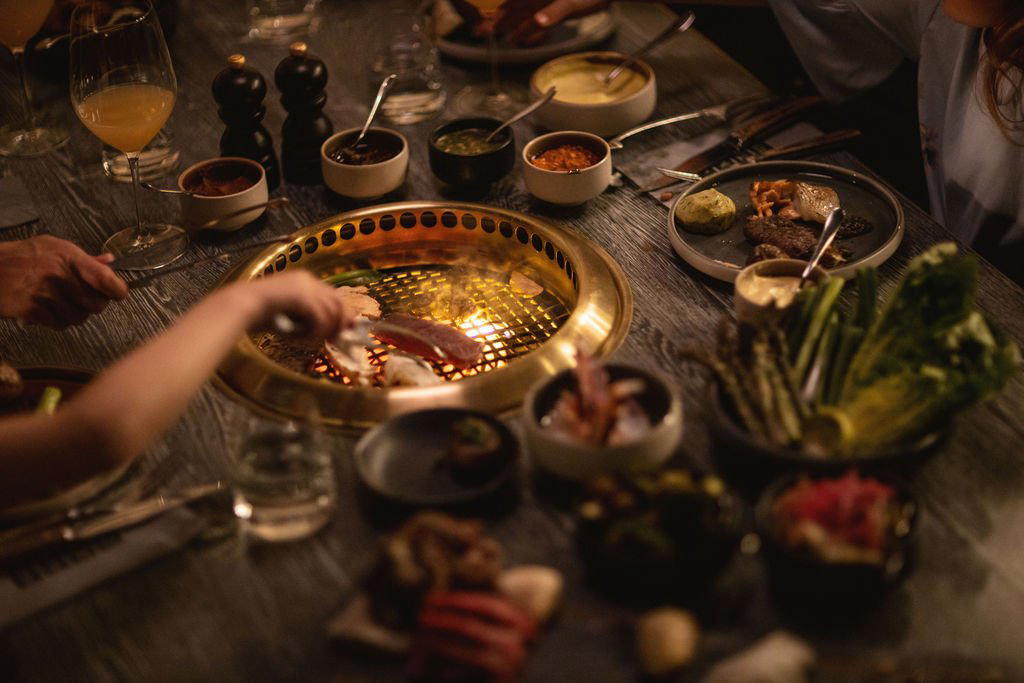
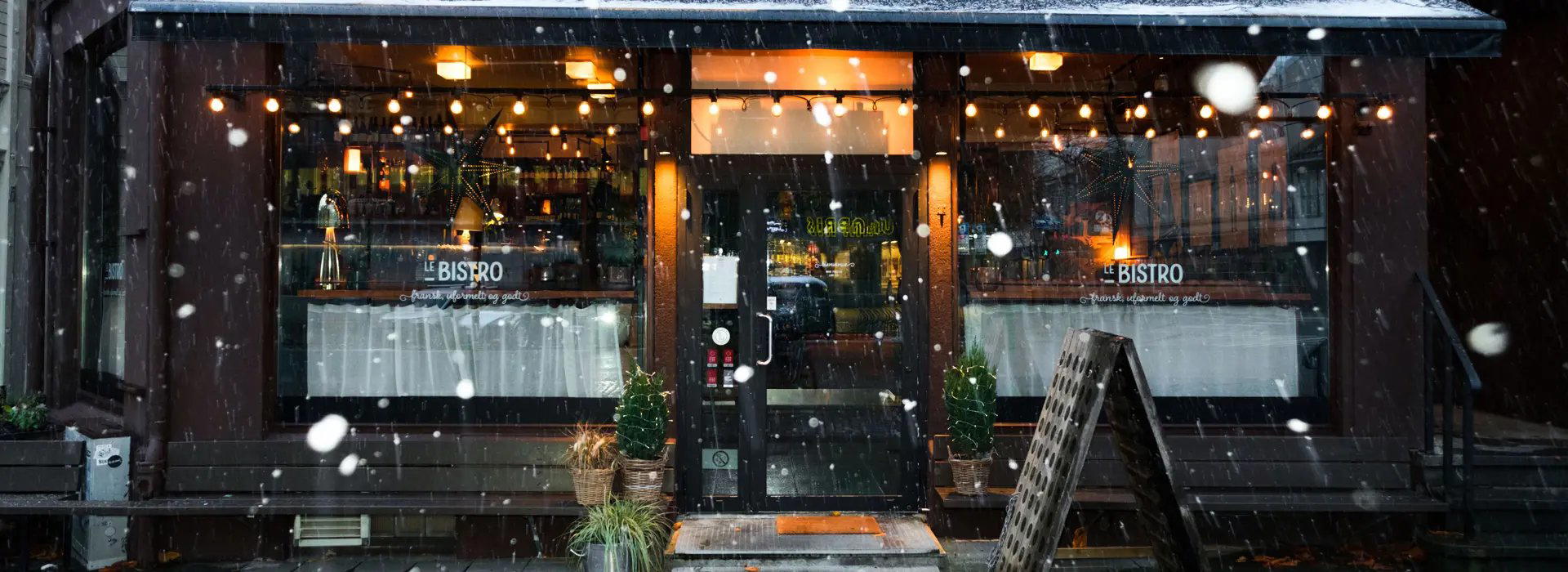
Restaurants in Trondheim
All restaurants in Trondheim →
Bars in Trondheim
All bars in Trondheim →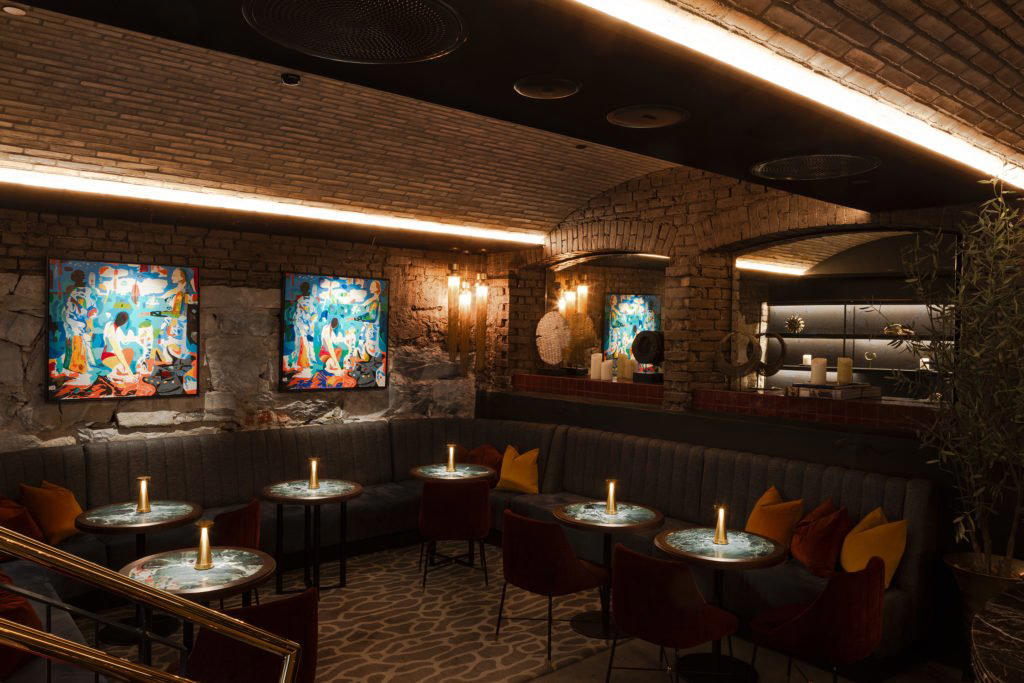
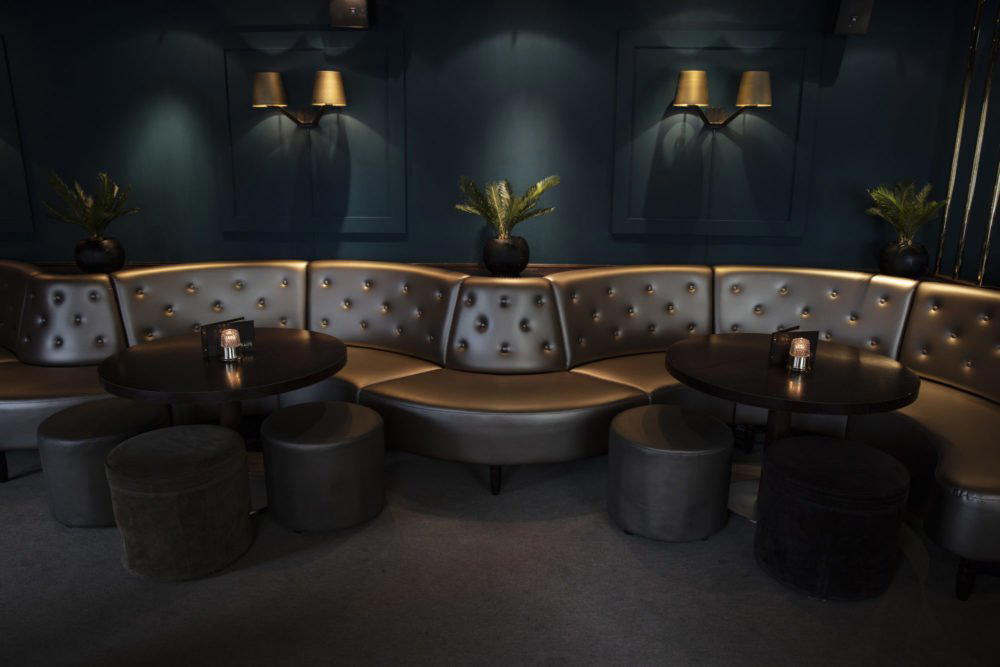
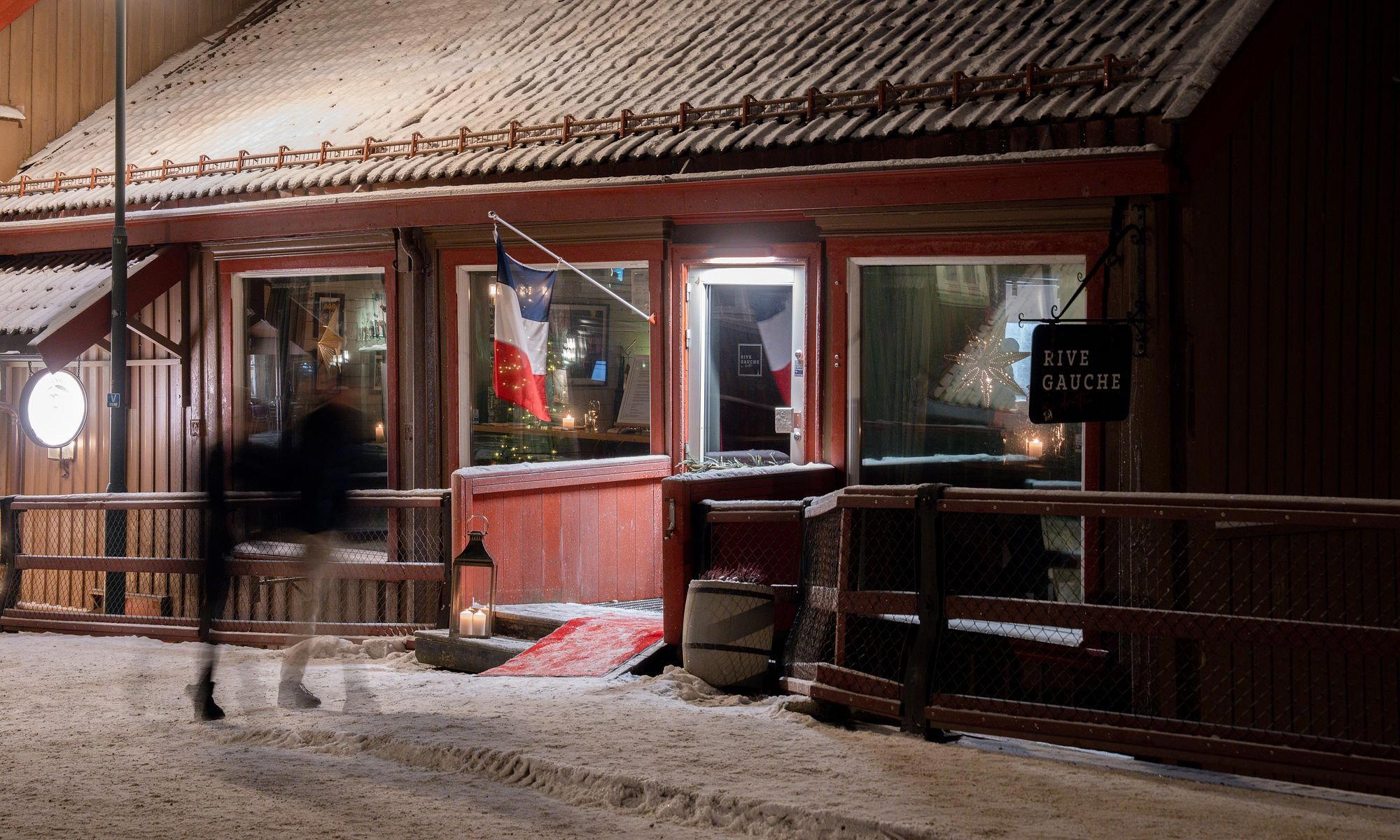
Hotels in Trondheim
All hotels in Trondheim →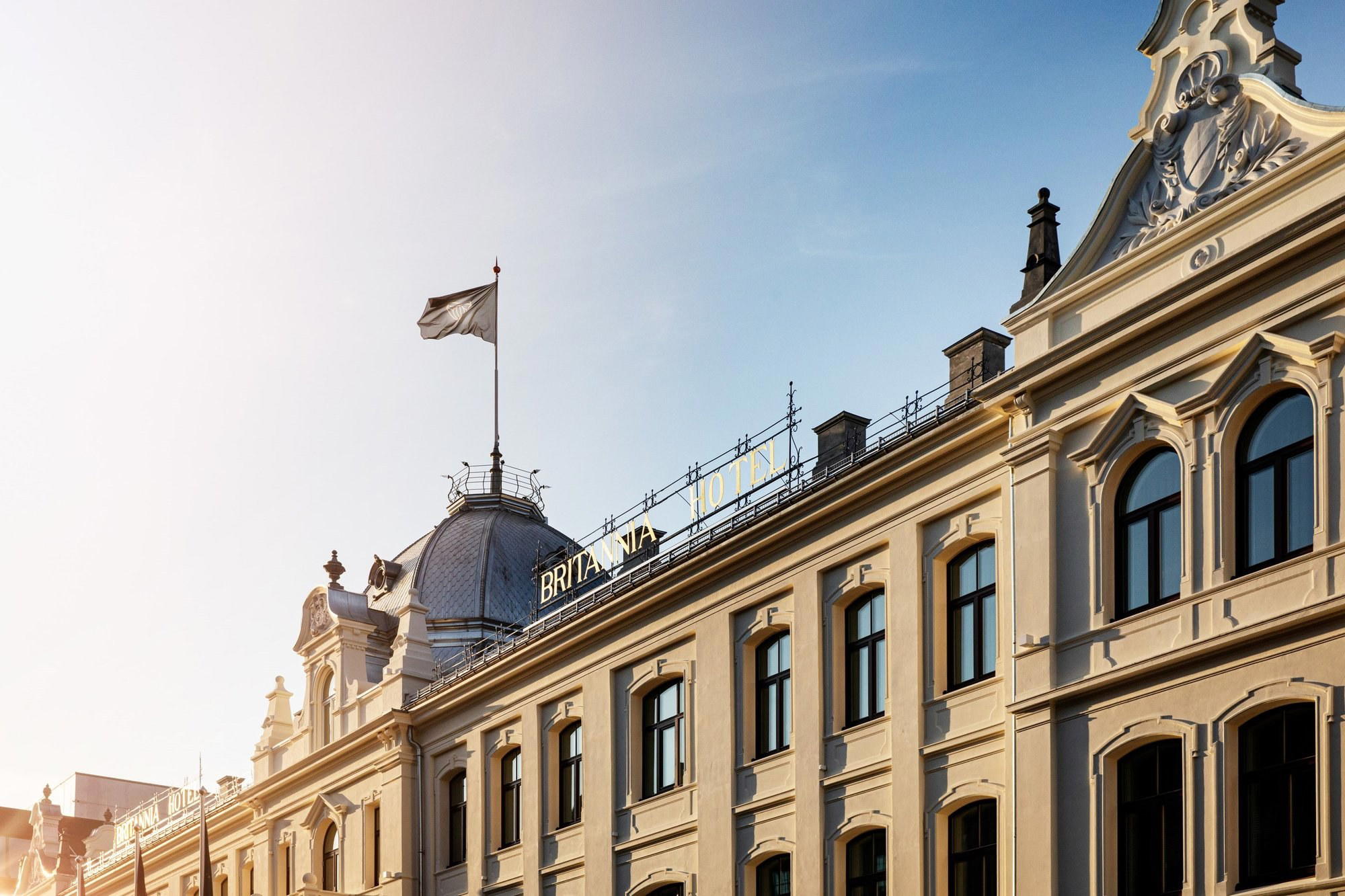
Details
- Elegant
- Classic
- Lively
- Sophisticated
- Casual Hangout
- Business Dinner
- Family
- Date Night
- Open Kitchen
- Hotel Restaurant
- Extensive Wine List
- Sommelier Led
- Local Sourcing
- A La Carte
- Set Menu
- Wine
- Cocktails
- Vegetarian Friendly
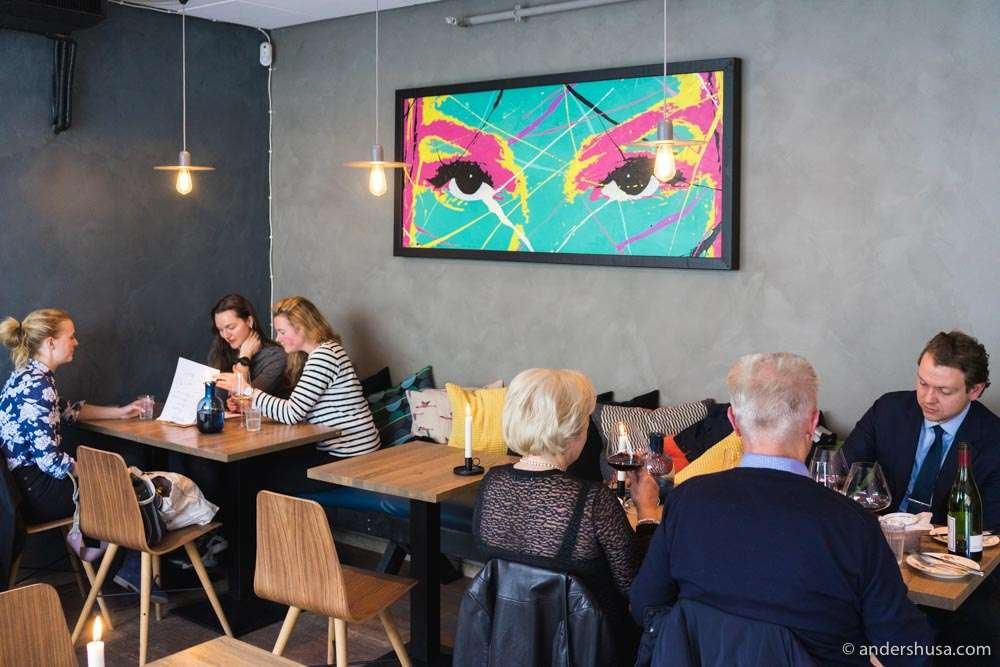
Bright, alive, and pulsating with energy; features decorative tilework and an open kitchen where diners can watch chefs prepare food. Comfortable seating with a modern yet classic bistro aesthetic.