Jollibee Quảng Trị sits on Trần Hưng Đạo in Đông Hà, bringing the Filipino-born fast food chain's standardised menu to a provincial city more commonly associated with wartime history and central Vietnamese home cooking. For travellers passing through Quảng Trị, it represents a familiar, affordable pit stop in a city where international dining options remain limited.
Pearl is the En Primeur Club membership app — saves, bookings, and concierge access live there. Same editors, same standards.
- Address
- 02 Trần Hưng Đạo, Phường 1, Đông Hà, Quảng Trị 520000, Vietnam
- Phone
- +842333666525
- Website
- jollibee.com.vn
 Saves & bookings on Pearl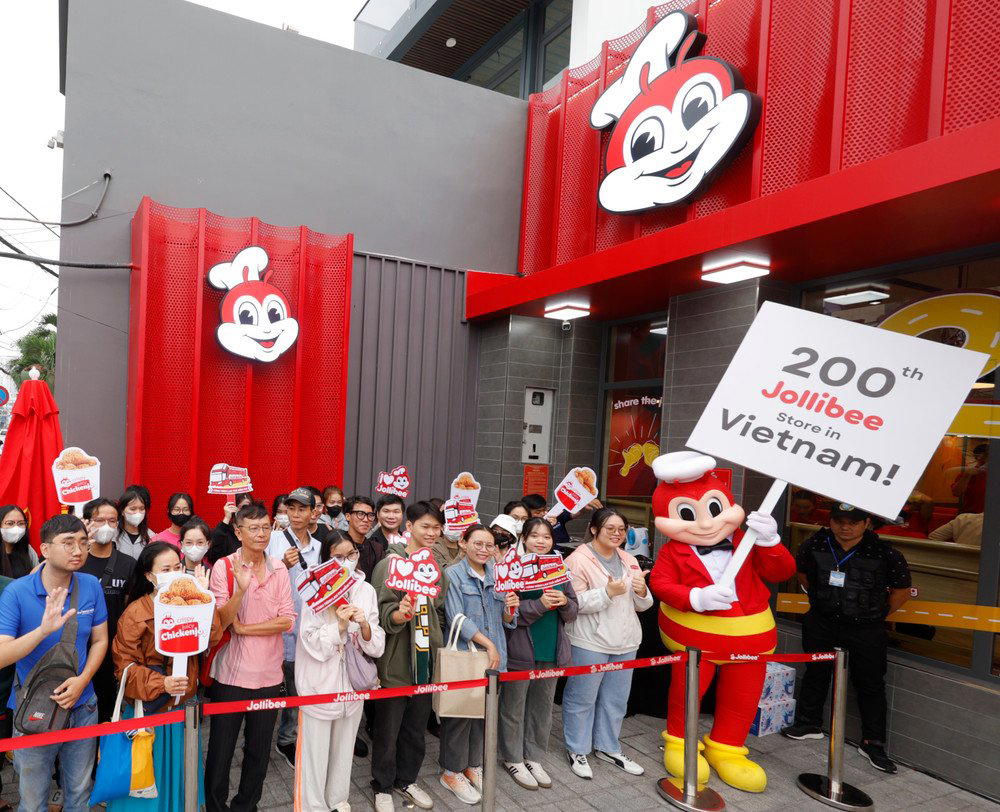
Fast Food in a Province That Runs on Home Cooking
Đông Hà, the administrative centre of Quảng Trị province, is not a city built around restaurants. It functions as a transit hub, a waypoint on the north-south corridor between Huế and the DMZ sites, and a market town serving a largely agricultural hinterland. The food culture here is rooted in households and street stalls, not dining rooms: bún bò Huế variants, bánh mì assembled at pavement carts, and com bình dân plates that fuel construction workers and civil servants alike. Ingredients in this part of central Vietnam travel short distances, river fish from the Thạch Hãn, vegetables from nearby smallholdings, pork from local farms, and cooking reflects that proximity.
Into this context arrives Jollibee, the Manila-headquartered chain whose expansion across Southeast Asia and beyond has made it among the more recognisable fast food brands operating in Vietnam. Its address at 02 Trần Hưng Đạo, Phường 1, Đông Hà places it on one of the city's principal commercial streets, accessible to the steady flow of families, students, and through-travellers who make up the daytime crowd in a city of this size.
What the Chain Format Means for Ingredient Sourcing
Jollibee's global supply model operates at the opposite end of the sourcing spectrum from the seasonal, hyper-local cooking that defines most of central Vietnam's food culture. Chain fast food at this scale depends on centralised procurement: proteins, batters, sauces, and frying oils sourced through regional distribution networks that prioritise consistency and cost control over provenance. The fried chicken that a customer orders in Đông Hà will be produced to the same specification as in Ho Chi Minh City or Metro Manila.
That standardisation is precisely the point for a segment of the market. Families travelling with children, Vietnamese consumers who grew up with the brand, and foreign visitors seeking predictability in a city with few other internationally recognisable options all have reasons to choose a format where the output is known in advance. The chain's Vietnamese operations have localised some elements of the menu over time, as is standard practice in markets where the brand competes against both local fast food and street food alternatives, but the core offering, fried chicken, burgers, spaghetti, sundaes, remains anchored to the original Filipino-American template.
For travellers who want to understand what sourcing-led dining looks like at the other end of the spectrum in Vietnam, the contrast is instructive. Gia in Hanoi and Akuna in Ho Chi Minh City both build menus around specific Vietnamese ingredients and regional producers. La Maison 1888 in Da Nang operates at a price tier and sourcing philosophy that sits entirely apart from the chain model.
Quảng Trị's Dining Context and Where Jollibee Fits
Provincial cities in central Vietnam have seen a gradual expansion of chain dining over the past decade, as improved road infrastructure and rising urban incomes have made franchise operations more viable outside the major cities. Đông Hà sits on National Highway 1A and near the junction with Highway 9, the latter running west toward Lao Bảo and the Laotian border. That geography makes it a natural stop for cross-border trade traffic and domestic tourists heading to the DMZ sites at Khe Sanh and Quảng Trị Citadel. A recognisable chain on a main commercial street captures foot traffic from that passing population in ways that a local phở stall, however good, is not positioned to do.
Other chain formats have followed similar logic in comparable Vietnamese provincial cities. Jollibee in Kon Tum operates in a similarly sized provincial centre in the Central Highlands, serving a comparable mix of local families and through-travellers. King BBQ Vincom Kiên Giang in Rach Gia and Dookki Vincom Plaza Tuyên Quang in Minh Xuan represent the same pattern: mall-anchored or high-street chain formats filling a dining niche in cities that the premium restaurant sector has not yet reached. GoGi House in Bac Lieu and Big Bowl in Cam Ranh follow the same template in their respective cities.
Planning a Visit
The address at 02 Trần Hưng Đạo places the restaurant in Phường 1, the central ward of Đông Hà, within walking distance of the city's main commercial activity. The operation runs on a walk-in, counter-service model standard to the chain worldwide. Given Đông Hà's role as a transit city, the restaurant is most useful as a daytime stop for travellers moving between Huế (roughly 70 kilometres south) and the DMZ sites to the north and west. Those heading further down the Vietnamese coast can also consider White Rose in Hoi An, which operates at an entirely different register, or Duyên Anh Restaurant in Phu Vang for central Vietnamese cooking closer to Huế. Travellers with an appetite for contrast after the DMZ circuit might also look at BIG CHILL INTERNATIONAL FOOD COURT in Phan Thiết or Fujiya Sushi in Đà Lạt for the range of international formats now operating across the country.
For reference on what fine dining looks like at the far end of the Vietnam spectrum, Le Bernardin in New York City and Atomix in New York City anchor the global premium end, while Han Yang BBQ and Matchandeul BBQ Binh Duong represent the Korean BBQ format that has expanded rapidly through Vietnam's secondary cities. Bien 14 Seafood Buffet in Hạ Long shows what the buffet format looks like in a tourist-heavy northern setting.
A Quick Peer Check
Comparable venues nearby, for context on price, style, and recognition.
| Venue | Cuisine | Price | Notes |
|---|---|---|---|
| Jollibee Quảng TrịThis venue — the venue you are viewing | Filipino Fast Food | $ | Not listed |
| Xoi Che Ba Thin | Traditional Vietnamese Xoi Che (Sticky Rice & Sweet Soup) | $ | Hoan Kiem |
| Be Che Inside Ben Thanh Market | Southern Vietnamese Sweet Soups (Chè) | $ | District 1 |
| Cafe Giang | Vietnamese Egg Coffee & Traditional Coffee | $ | Old Quarter, Hoan Kiem District |
| Jollibee Vincom Hà Tĩnh | Filipino Fried Chicken Fast Food | $ | Hà Huy Tập |
| Banh Mi Phuong (Hoi An) | Traditional Vietnamese Banh Mi | $ | Hoi An Old Town |
Continue exploring
More in A A Ng Ha
At a Glance
- Family
- Casual Hangout
Bright, family-friendly fast-food atmosphere with lively energy and colorful decor.