Located on the third floor of the Vancouver Community College downtown campus at 250 W Pender Street, JJs Restaurant at VCC operates within a tradition of culinary school dining rooms that punch above their institutional weight. The kitchen is run by students under professional supervision, placing it in a category where the food's ambition is measured against its educational context rather than its commercial competition.
Pearl is the En Primeur Club membership app — saves, bookings, and concierge access live there. Same editors, same standards.
- Address
- 250 W Pender St #320, Vancouver, BC V6B 1S9, Canada
- Phone
- +16044438479
- Website
- vcc.ca
- Directions
- Get directions
 Saves & bookings on Pearl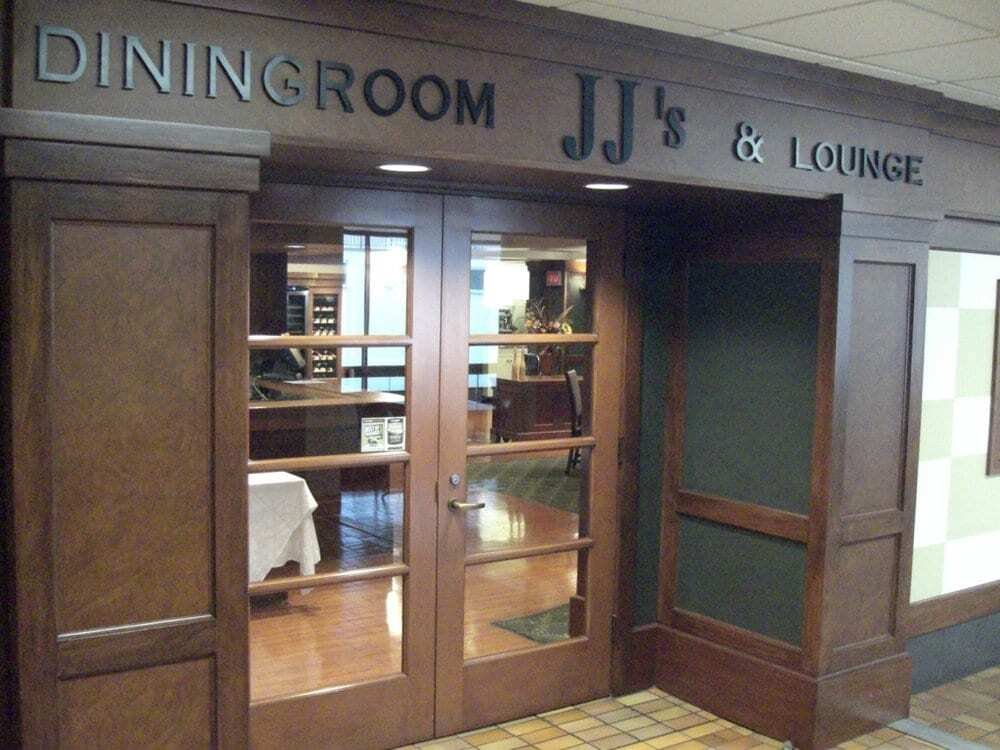
Culinary School Dining Rooms and the Vancouver Context
Across Canada, a handful of culinary institute restaurants have carved out a reputation that extends well beyond their training-room origins. At their best, these dining rooms offer technically focused cooking produced by students who have everything to prove, supervised by instructors whose credibility depends on the quality leaving the kitchen. JJs Restaurant at VCC occupies that position in Vancouver, operating out of the downtown campus of Vancouver Community College at 250 W Pender Street, Suite 320.
That geography matters for a restaurant whose editorial angle is most honestly framed through sourcing. The proximity to Vancouver's produce markets, its established Asian grocery infrastructure, and the Pacific's fishing supply chain gives a culinary school kitchen access to a raw material base that many mid-tier commercial restaurants in other cities cannot match. British Columbia's agricultural calendar, the Fraser Valley's farms, and the coastal fishing grounds all converge within reasonable distance of a downtown Vancouver kitchen. For a training environment, that access is an advantage that shapes what students can learn about ingredient quality, seasonality, and the connection between sourcing decisions and plate outcomes.
Where Ingredient Education Meets Dining Room Practice
The pedagogical model behind culinary school restaurants like JJs at VCC rests on a principle that sourcing and preparation are taught as linked disciplines, not separate ones. Students learn that a dish's character is determined before a knife is lifted, through the decision of where to source protein, which farms supply the greens, and how seasonal availability shapes the menu's architecture. This is the operational logic that distinguishes serious culinary education from technique-only training, and it is why dining rooms attached to credentialed programs can produce food that reads as coherent and purposeful rather than merely competent.
In Vancouver's dining context, that approach places JJs at VCC in an interesting position relative to the city's premium contemporary restaurants. Properties like AnnaLena and Barbara have built reputations on exactly this kind of ingredient-led contemporary cooking at the $$$$ tier. Kissa Tanto applies it through a Japanese-Italian fusion lens, while Masayoshi operates in the Japanese fine dining register where sourcing is central to the entire value proposition. iDen & QuanJuDe Beijing Duck House anchors a different tradition where the ingredient, Peking duck, is the organizing principle of the entire menu. JJs does not compete in that tier commercially, but it draws from the same regional supply base and teaches students to work with those materials at a professional standard.
The Seasonal Rhythm of a Training Kitchen
The calendar governs a culinary school dining room more directly than it does most commercial operations. At VCC, the academic schedule determines when the restaurant is open, when menus shift, and what level of experience the kitchen team brings at any given point in the semester. Early-term service will differ from late-term service in measurable ways: the students in the room in October are not the same operators they will be in March. This is a genuine feature of the format.
British Columbia's seasonal produce calendar reinforces this structure. Winter menus will lean on root vegetables, preserved items, and the province's year-round seafood supply. Spring service opens up to early greens, spot prawns, and the transitional produce that marks the shift in Fraser Valley growing conditions. Summer and early autumn bring the widest sourcing options, and a well-run culinary school kitchen should be teaching students to work with that abundance in real time. This is the kind of ingredient education that programs like the one at VCC exist to deliver, and the dining room is where that education becomes visible to the public.
Canadian Culinary Education in a National Frame
The culinary school dining room format has produced notable results at institutions across Canada. Programs at colleges in Quebec and Ontario have fed directly into the pipeline of restaurants that now define Canadian fine dining at its most ambitious tier: Tanière³ in Quebec City, Alo in Toronto, and Jérôme Ferrer - Europea in Montréal all reflect culinary cultures shaped partly by institutional training. Beyond the major cities, restaurants like Narval in Rimouski, Restaurant Pearl Morissette in Lincoln, and The Pine in Creemore demonstrate how ingredient-led thinking has spread through smaller Canadian markets. Even destination operations like Eigensinn Farm in Singhampton and historically grounded rooms like Aux Anciens Canadiens in Quebec draw on training traditions that culinary schools help sustain. JJs at VCC contributes to that pipeline on the West Coast, within a city that has produced a serious contemporary dining culture over the past two decades.
For comparison, institutional dining that prioritizes sourcing education appears across price tiers and formats in Canada. Barra Fion in Burlington and Bearspaw Golf Club in Calgary represent the kind of settings where food quality is shaped by institutional context rather than commercial market pressure alone. The reference points that sit furthest up the credential ladder internationally, Le Bernardin in New York City and Atomix in New York City, illustrate the endpoint of a sourcing-led culinary philosophy taken to its commercial and critical extreme. JJs occupies the training tier of that same continuum.
Planning a Visit
JJs Restaurant at VCC operates from the third floor of the VCC downtown campus at 250 W Pender Street, in the block between Gastown and Vancouver's Chinatown district. Service runs on the academic calendar, which means the restaurant is not open year-round and hours shift between terms. Visitors planning around a specific date should note that the restaurant follows the academic calendar. Reservation is recommended during active service periods. At about $40 per person, it offers accessible fine dining in Vancouver.
Similar Picks
Comparable venues nearby, for context on price, style, and recognition.
| Venue | Cuisine | Price | Notes |
|---|---|---|---|
| JJs Restaurant at VCCThis venue — the venue you are viewing | French Contemporary Fine Dining | $$ | Not listed |
| Black Frog Eatery | Canadian Gastropub | $$ | Downtown |
| Sabina Mexican Food | Authentic Guadalajara Mexican | $$ | Gastown |
| Au Comptoir | Classic French Bistro | $$ | Kitsilano |
| Guu with Otokomae | Japanese Izakaya | $$ | Downtown |
| Tacofino Taco Bar | West Coast Mexican Taqueria | $$ | Gastown |
Continue exploring
More in Vancouver
Restaurants in Vancouver
Browse all →
Bars in Vancouver
Browse all →




At a Glance
- Elegant
- Classic
- Business Dinner
- Special Occasion
- Hotel Restaurant
Current opening hours
- Monday
- 11:30 AM–12:30 PM
- Tuesday
- 11:30 AM–12:30 PM
- Wednesday
- 11:30 AM–12:30 PM
- Thursday
- 11:30 AM–12:30 PM
- Friday
- Closed
- Saturday
- Closed
- Sunday
- Closed
Hours can change for holidays and private events. Last verified .
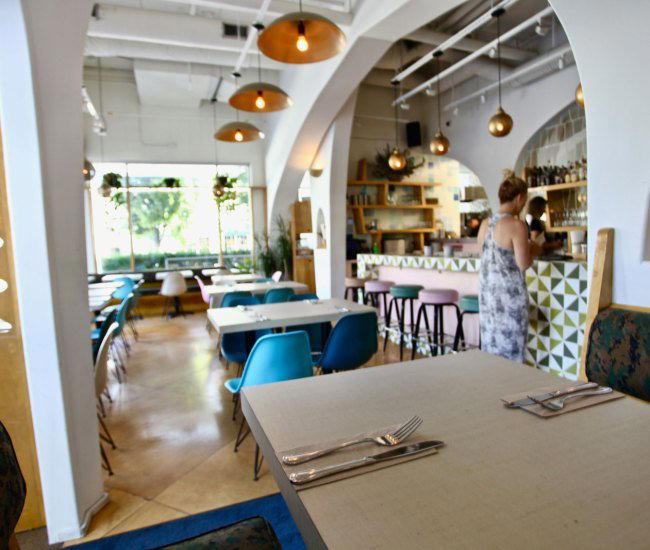
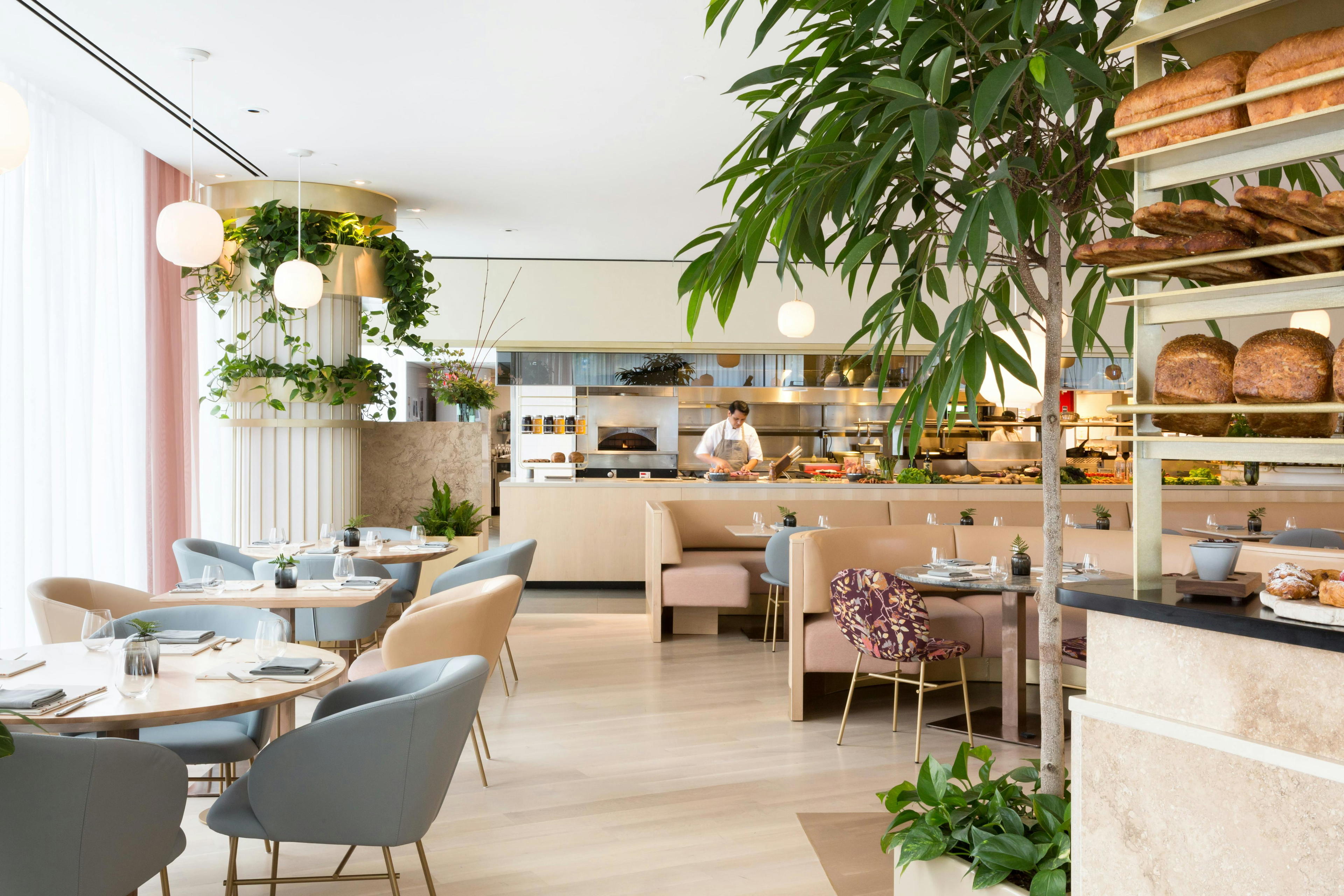
Simple but elegant spacious dining room with nice quiet ambience and beautiful food presentation.