Au Comptoir on West 4th Avenue brings a French bistro sensibility to the Kitsilano dining scene, with a focus on carefully sourced ingredients and a kitchen that treats provenance as the organizing principle of the menu. It occupies the Francophile niche in Vancouver's contemporary restaurant tier, sitting alongside destination-driven rooms while maintaining the intimacy of a neighbourhood address.
Pearl is the En Primeur Club membership app — saves, bookings, and concierge access live there. Same editors, same standards.
- Address
- 2278 W 4th Ave, Vancouver, BC V6K 1S4, Canada
- Phone
- +16045692278
- Website
- aucomptoir.ca
- Directions
- Get directions
 Saves & bookings on Pearl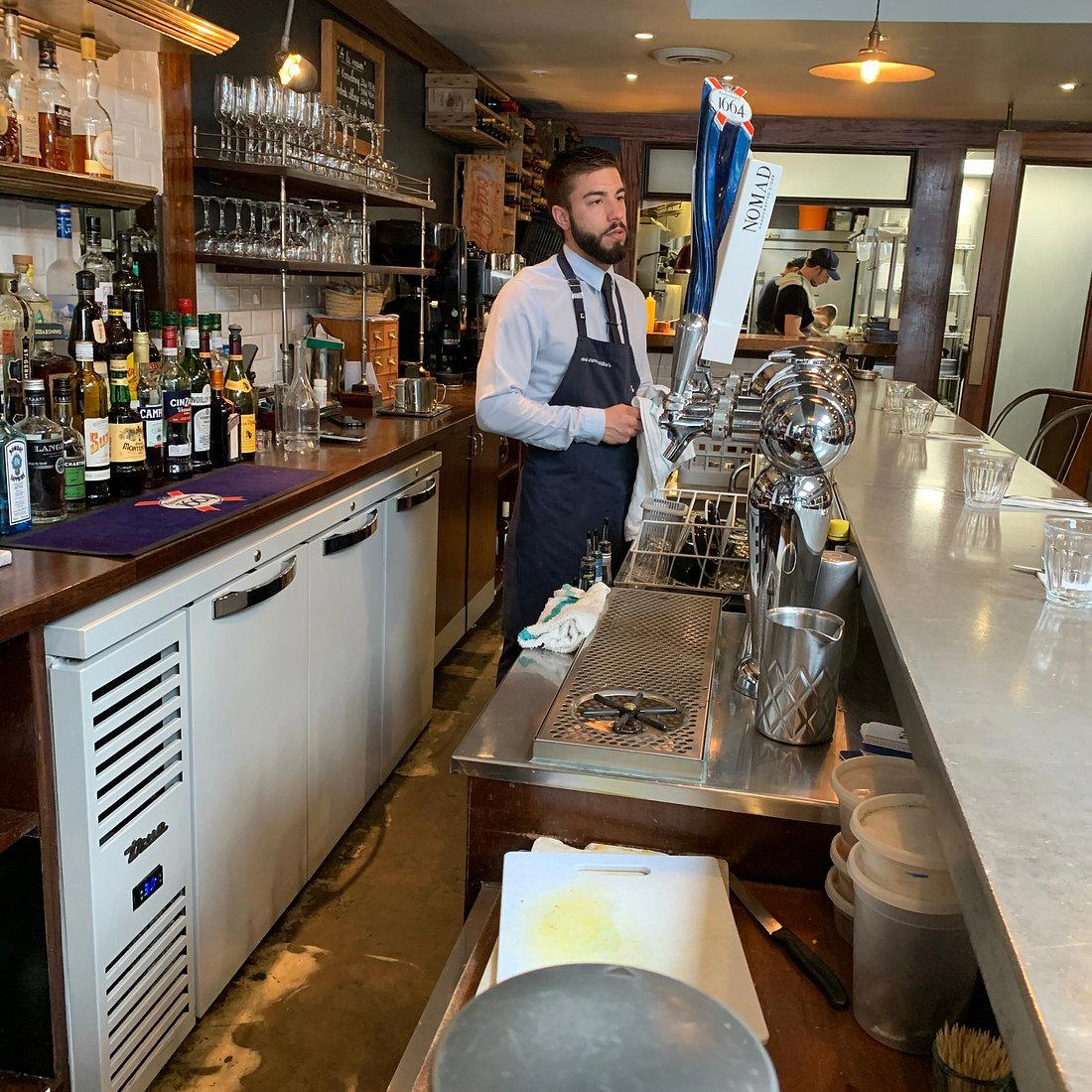
West 4th and the French Bistro as a Disciplined Form
Kitsilano's restaurant strip along West 4th Avenue has long balanced neighbourhood regulars with destination diners willing to cross the city for something specific. The block reads like a catalogue of what Vancouver's mid-to-upper dining tier looks like outside downtown: smaller rooms, tighter menus, and a loyalty-first relationship with the surrounding residential community. Within that context, French bistro cooking is an interesting bet. The format carries expectations, a studied informality, a particular relationship to classical technique, and above all a commitment to sourcing that separates the serious operators from those simply borrowing the aesthetic.
Au Comptoir at 2278 West 4th Avenue plants itself firmly in the former category. The name itself signals the intent: au comptoir, meaning at the counter or at the bar, is the French shorthand for convivial, unpretentious eating where the food does the talking. In a city where French fine dining has historically meant white tablecloths and ceremonial service, the bistro register is a considered choice, one that trades formality for focus.
Sourcing as the Kitchen's Organising Logic
The French bistro tradition, at its most coherent, treats the market as the menu. The kitchen's job is selection first, technique second. British Columbia makes that approach genuinely workable: the province sits inside one of the more productive agricultural and fishing geographies in North America, with coastal seafood, Interior valley produce, and a growing community of small farms that supply the city's more ingredient-focused kitchens directly. Vancouver's leading French-influenced rooms have consistently leaned into that supply chain rather than importing their identity wholesale from Europe.
At the restaurant level, the gap between sourcing as marketing language and sourcing as operational discipline is visible in the menu. When provenance drives decisions, dishes rotate with supply, proteins shift by season, and the wine list tends toward producers who approach their vineyards with the same care the kitchen applies to its ingredients. It's a coherent philosophy because it forces specificity: you can't claim to source locally and then build a static menu that runs unchanged through winter and summer.
British Columbia's agricultural calendar gives a kitchen following this logic a genuine range to work with. Haida Gwaii halibut in late spring, Okanagan stone fruit through summer, Fraser Valley duck and game into fall, and coastal shellfish across most of the year. French technique applied to this supply reads differently from French technique applied to imported European ingredients, and the better bistro kitchens in Vancouver understand that distinction. The cooking becomes regional rather than derivative, French in grammar but local in vocabulary.
Where Au Comptoir Sits in Vancouver's French Register
Vancouver's fine dining tier has consolidated around a handful of formats: the omakase counter, the farm-to-table contemporary room, and the European-influenced tasting menu. French bistro cooking occupies a different register from all three. It's less theatrical than the tasting menu format, less conceptually rigid than the omakase counter, and more classically grounded than the broader contemporary category. Rooms that execute it well, like AnnaLena in Kitsilano or Barbara on the east side, tend to earn loyalty through consistency rather than spectacle.
Au Comptoir's Kitsilano location places it slightly apart from the Chinatown and Mount Pleasant cluster that has driven much of Vancouver's recent dining conversation, which means it draws from a different neighbourhood base and competes less on novelty than on execution and repeat visits.
Across Canada, the ingredient-first French bistro model has produced some of the country's most admired rooms. Tanière³ in Quebec City operates at the extreme end of that sourcing commitment, with a tasting menu built almost entirely around Quebec terroir. Alo in Toronto applies French classical structure to a tasting format that has made it one of the country's most recognized rooms. Restaurant Pearl Morissette in Lincoln integrates a working winery into the same sourcing logic. Each represents a different scale of ambition within the same underlying principle: that where ingredients come from shapes what cooking can say. The Vancouver version of this, at its finest, translates that principle into a neighbourhood setting without losing rigour.
The comparison extends further afield. Eigensinn Farm in Singhampton and Fogo Island Inn Dining Room in Joe Batt's Arm represent Canadian dining at its most locationally committed, where the sourcing radius is measured in metres rather than kilometres. The bistro model in an urban setting like Kitsilano can't replicate that, but the leading versions of it make the supply chain visible enough that you understand what the kitchen is working with and why it matters.
The Room and Its Approach
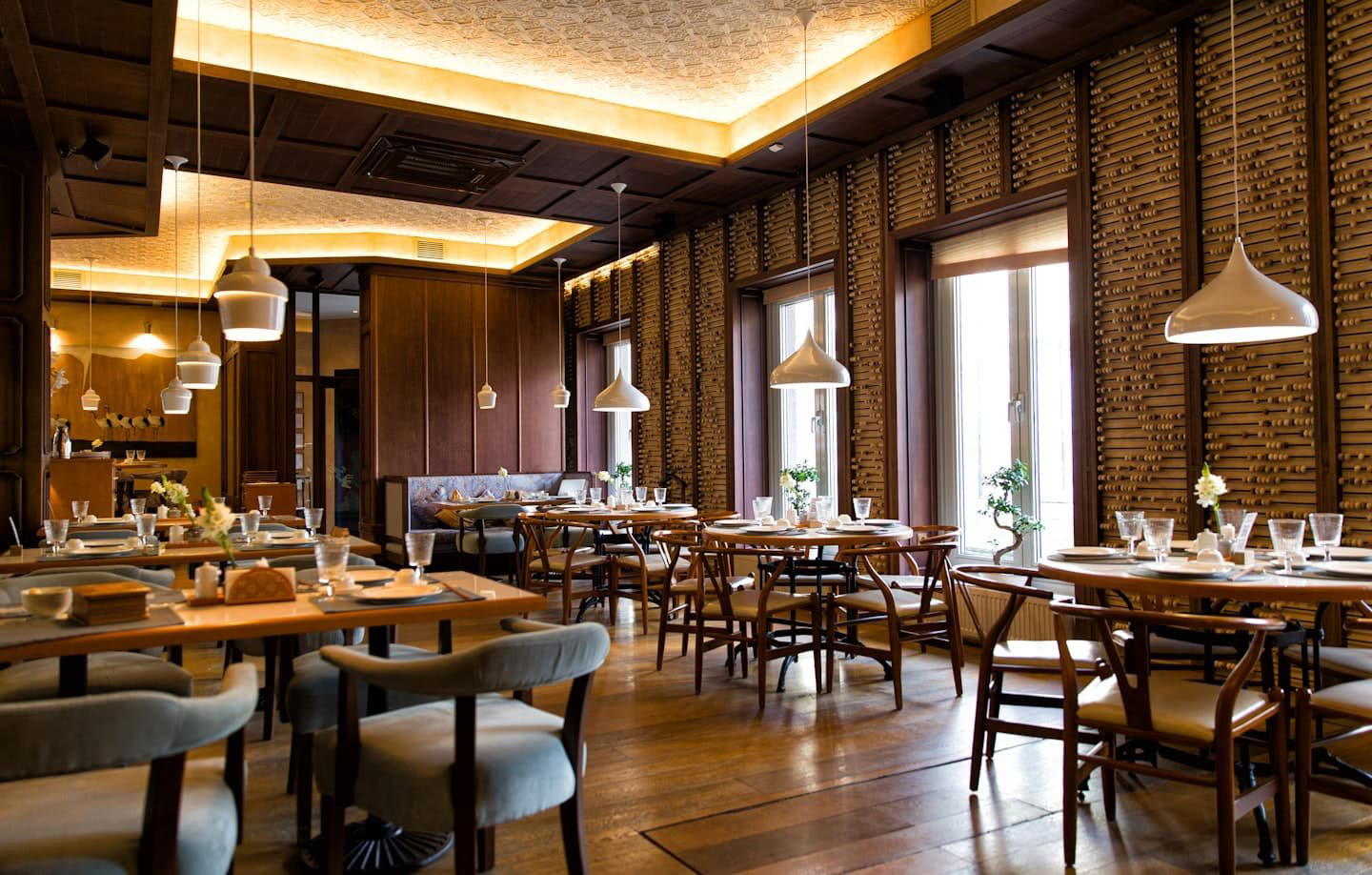
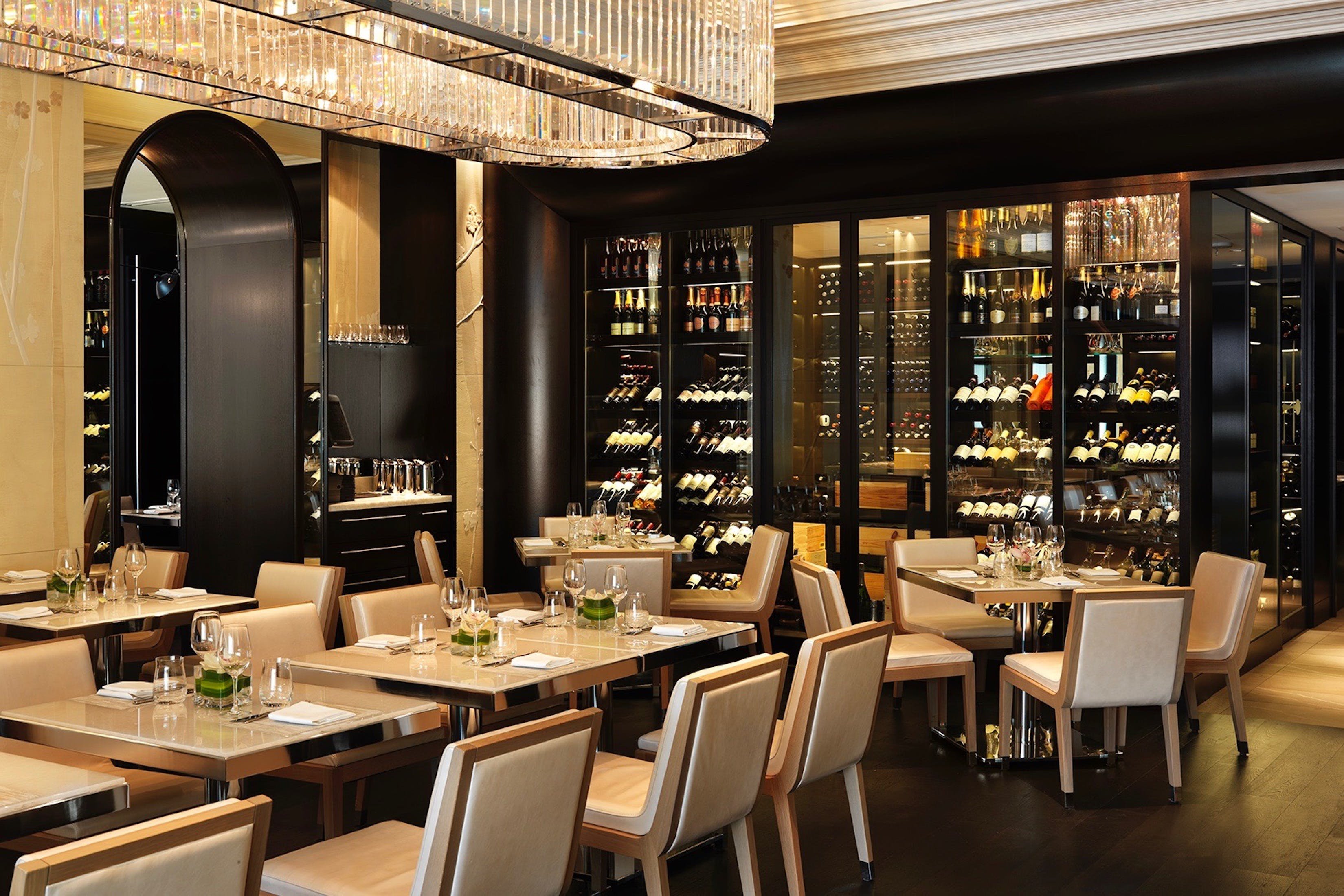
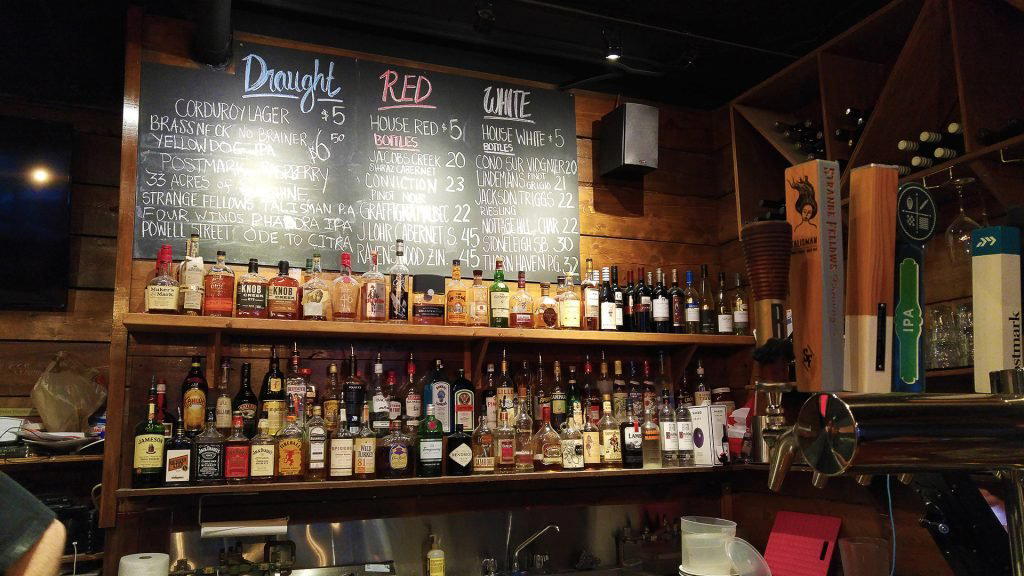
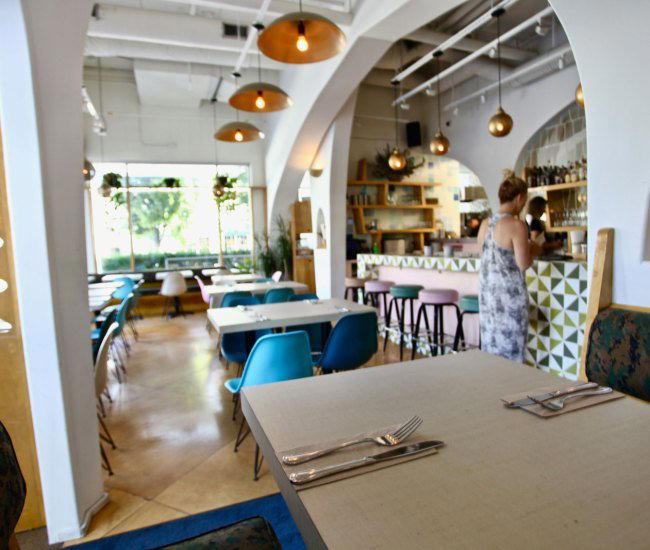
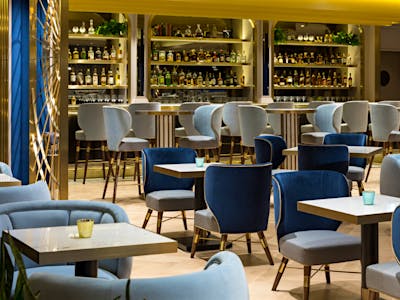
French bistro interiors carry their own shorthand: close tables, a zinc bar or something approximating one, warm light, and enough acoustic liveliness to make the room feel inhabited rather than hushed. That register communicates something specific about the experience on offer: this is eating as a social act, not a ceremonial one. The counter-forward model implied by the name suggests a kitchen comfortable with visibility, where the relationship between production and service is part of the atmosphere rather than hidden behind a wall.
In Kitsilano, that approach aligns with the neighbourhood's general preference for rooms that feel inhabited rather than designed for performance. The strip between Burrard and Alma on West 4th has supported this kind of restaurant for decades, and the local appetite for French cooking with genuine technical depth is well established. Cafe Brio in Victoria offers a useful comparison across the Strait: a European-influenced room that has built long-term loyalty through ingredient focus and neighbourhood integration rather than destination-dining theatre.
Broader Context: French Technique in the Pacific Northwest
The Pacific Northwest's version of French-influenced cooking has always been inflected by the scale and quality of the regional larder. Compared to the European model, where the bistro tradition developed in response to specific local markets and agricultural rhythms, the West Coast version has more raw material to work with and less institutional tradition constraining how it's used. That's an advantage for kitchens willing to engage with it seriously. The leading rooms in this space treat French technique as a set of tools rather than a finished style, applying it to ingredients that have no European equivalent and letting the results read as local rather than imported.
For a broader view of where Au Comptoir sits within Vancouver's dining options, see our full Vancouver restaurants guide. For additional reference points across different cuisines and price tiers in the city, iDen & QuanJuDe Beijing Duck House represents the Chinese fine dining end of the spectrum, while Jérôme Ferrer - Europea in Montreal and Narval in Rimouski show how French-inflected cooking operates at different scales and ambitions across the country. International reference points like Le Bernardin in New York City and Lazy Bear in San Francisco frame the broader conversation about sourcing-led cooking in North American fine dining. Closer to home, The Pine in Creemore and Busters Barbeque in Kenora round out the range of Canadian rooms operating with strong regional sourcing identities.
Know Before You Go
- Address: 2278 W 4th Ave, Vancouver, BC V6K 1S4
- Neighbourhood: Kitsilano, West 4th Avenue corridor
- Phone / Website: Not listed — search the venue name for current contact details
- Dress code: Smart casual consistent with neighbourhood bistro norms
- Parking / Transit: Street parking on W 4th; accessible via Broadway-City Hall SkyTrain and connecting bus routes
How Au Comptoir Vancouver compares with similar nearby venues.
| Venue | Cuisine | Price |
|---|---|---|
| Delara | Persian | $$ |
Continue exploring
More in Vancouver
Restaurants in Vancouver
Browse all →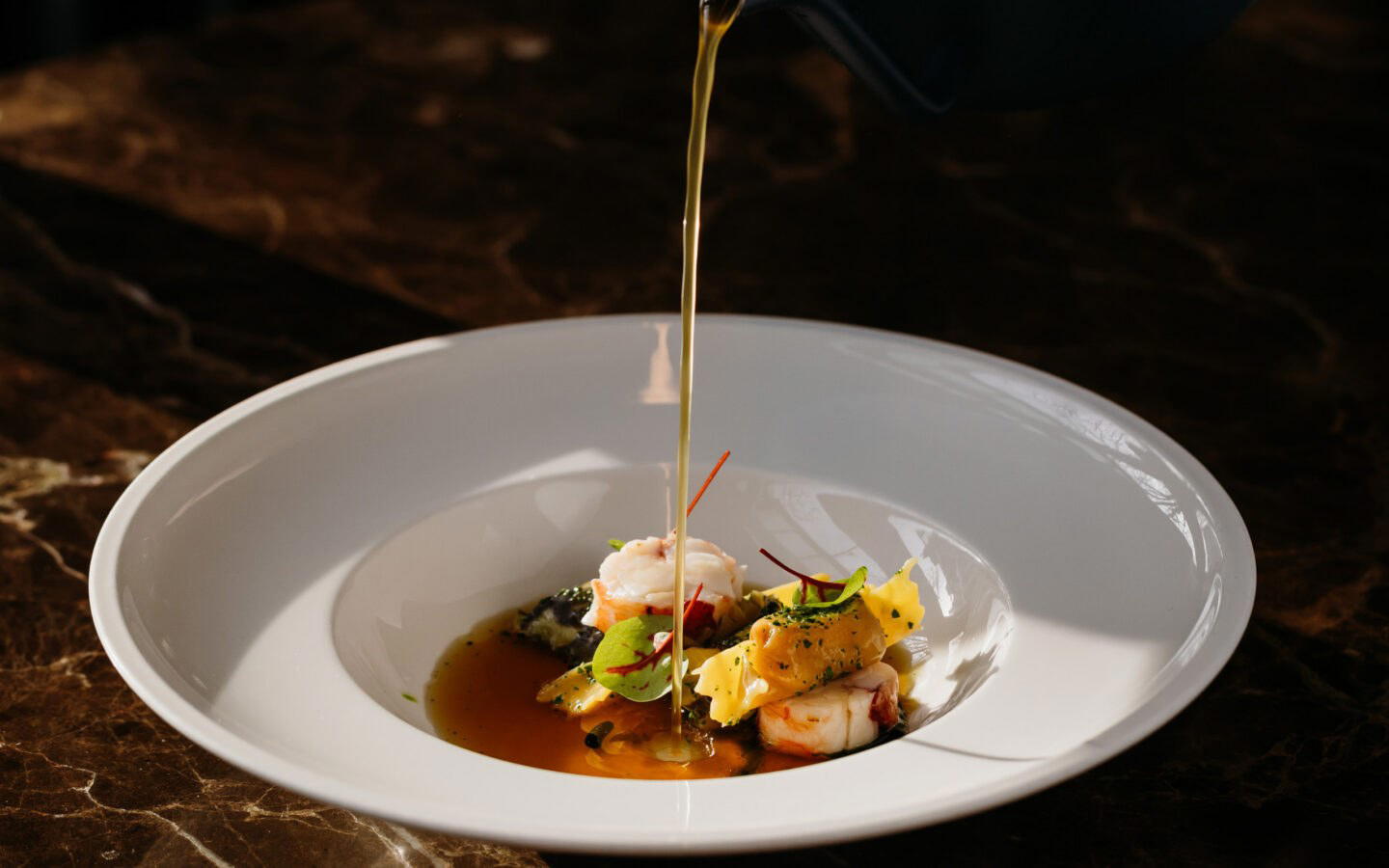
Bars in Vancouver
Browse all →

At a Glance
- Classic
- Cozy
- Intimate
- Lively
- Casual Hangout
- Brunch
- After Work
- Date Night
- Standalone
- Craft Cocktails
- Beer Program
- Local Sourcing
- Street Scene
Current opening hours
- Monday
- 8 AM–9 PM
- Tuesday
- Closed
- Wednesday
- 8 AM–9 PM
- Thursday
- 8 AM–9 PM
- Friday
- 8 AM–10 PM
- Saturday
- 8 AM–10 PM
- Sunday
- 8 AM–9 PM
Hours can change for holidays and private events. Last verified .
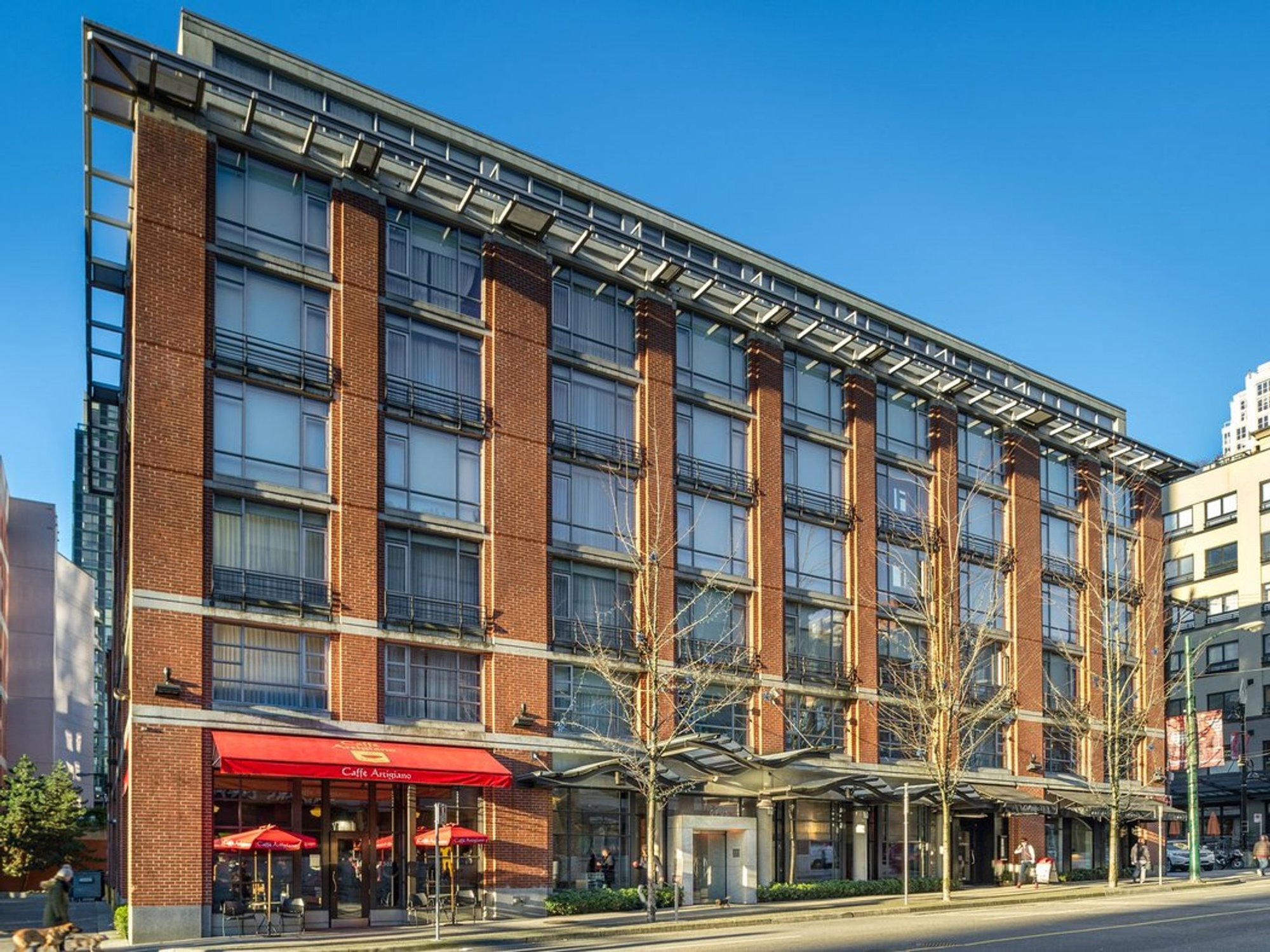
A classic Parisian bistro atmosphere that is hip, approachable, and unpretentious, with a lively Kitsilano feel and street seating that works especially well on sunny days.
Know Before You Go
- Getting there
- 2278 W 4th Ave, Vancouver, BC V6K 1S4, Canada