
Occupying a prime position on Vancouver's inner harbour, Fairmont Waterfront holds AAA Four Diamond status and a consistent place on Condé Nast's Gold List. The property connects directly to Canada Place Cruise Ship Terminal and sits within walking distance of Gastown, Robson Street, and Stanley Park. A 2,100-square-foot rooftop organic garden and working honeybee apiary set it apart within the city's luxury hotel tier.
Pearl is the En Primeur Club membership app — saves, bookings, and concierge access live there. Same editors, same standards.
- Address
- 900 Canada Place Way
- Website
- fairmont-waterfront.com
- Directions
- Get directions
 Saves & bookings on Pearl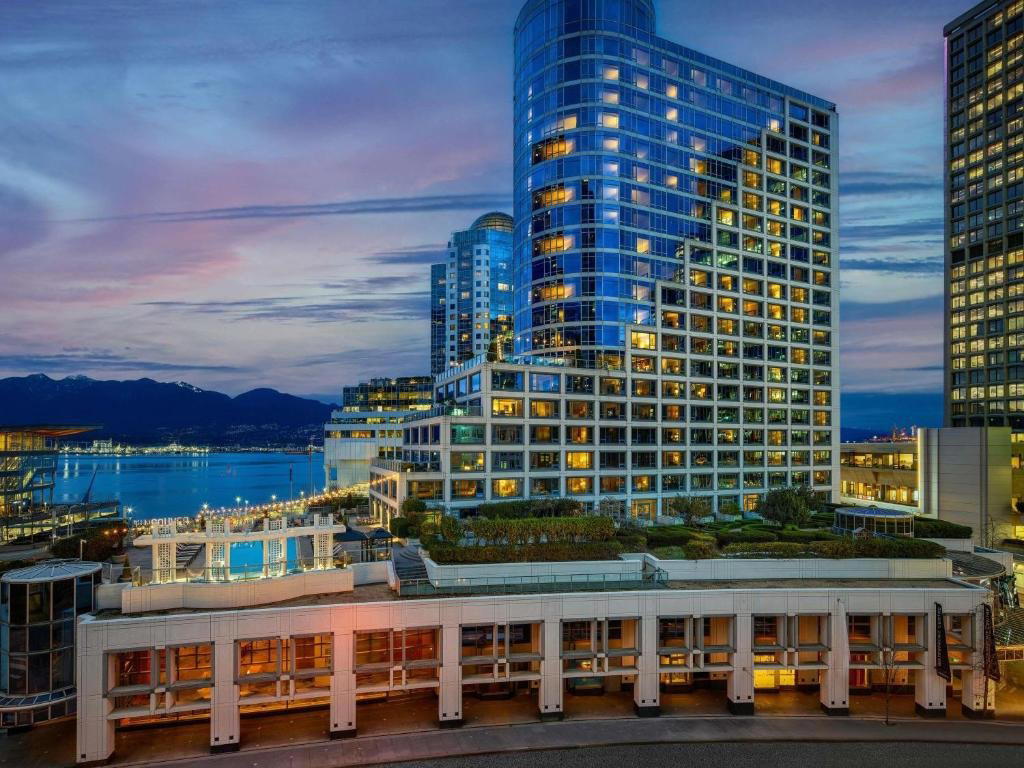
Where the Harbour Meets the Hotel
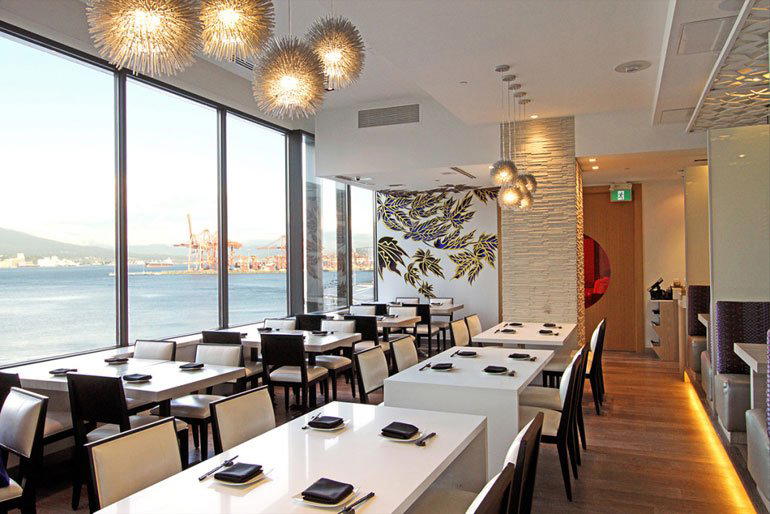
Standing at the edge of Vancouver's inner harbour, Fairmont Waterfront occupies one of the more compelling positions in the city's hotel market. The North Shore mountains frame the view to the north, Stanley Park anchors the west, and the working waterfront of Canada Place sits directly alongside. Floor-to-ceiling windows in the majority of guestrooms make that geography a constant presence rather than an occasional backdrop.
ARC and the Case for Local Sourcing
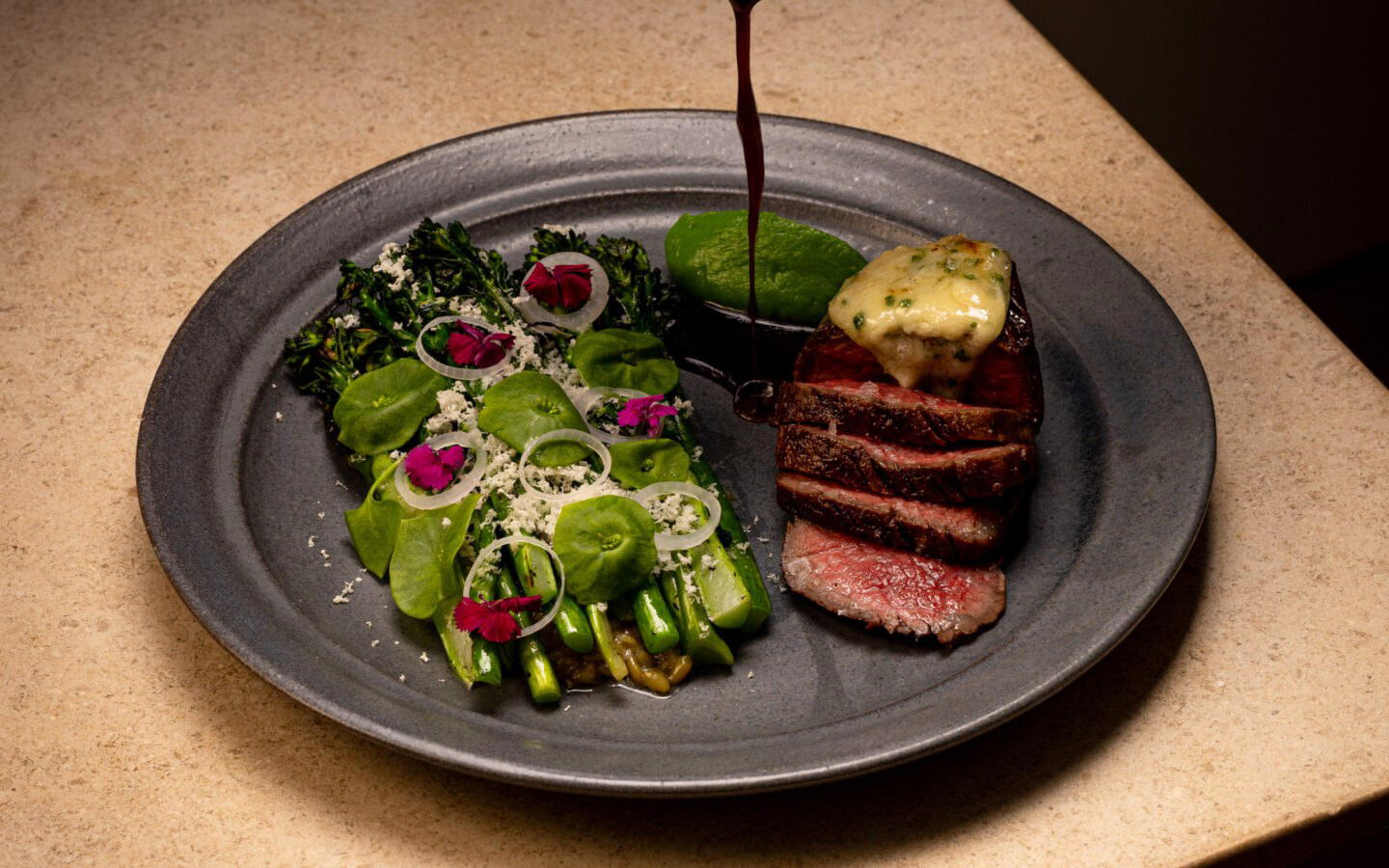
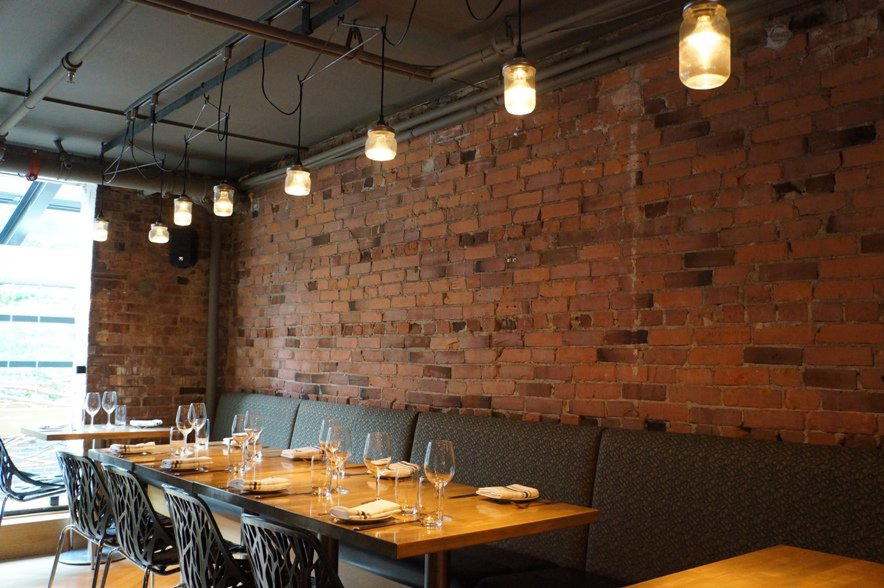
Vancouver's dining scene has spent the past decade consolidating around a single governing idea: the Pacific Northwest's larder is deep enough that importing flavor from elsewhere is a choice, not a necessity. Wild salmon from the Fraser system, spot prawns from the Strait of Georgia, Okanagan produce, and honey from rooftop hives all sit within practical reach of any kitchen serious about provenance. ARC, the hotel's principal restaurant, operates inside that same framework. Executive Chef Michael Pagnacco has built the menu around a West Coast artisan approach: simple preparation, local supply chains, and a format that lets ingredients carry the argument.
The 2,100-square-foot rooftop organic garden is not decorative. Gardens at this scale, maintained at altitude with Vancouver's rainfall patterns, produce meaningful yields across growing seasons and can supply herbs, edible flowers, and greens that go directly into service below. The adjacent honeybee apiary extends that logic: honey harvested on-site enters the kitchen and bar program with a traceability that purchased honey cannot match. Among Vancouver's luxury hotels, this kind of vertical integration between accommodation and food production remains relatively rare, and it positions Fairmont Waterfront differently from peers like the Loden Hotel or the Wedgewood Hotel, which offer strong dining programs without the same production infrastructure on-site.
The Chef's Bench format inside ARC deserves attention as a structural choice. Communal tasting formats and open-kitchen counters have proliferated across North American hotel dining over the past several years, but the Chef's Bench positions the kitchen as the social center rather than a performance backdrop. The chalkboard menu of chef's picks, paired with local craft beers and wines, keeps the offer fluid and seasonally responsive in a way that fixed menus cannot. For travellers arriving via the adjacent Canada Place terminal after a cruise, or for those staying multiple nights who want a repeat visit that feels different each time, that flexibility matters.
Location as Infrastructure
Hotel's position at 900 Canada Place Way is less about prestige address and more about practical connectivity. The Canada Place Cruise Ship Terminal attachment means arriving and departing passengers can move between ship and room without meaningful transit friction. Gastown, with its century-old brick warehouses now housing restaurants and independent shops, sits steps away. Robson Street retail extends south. Stanley Park's Seawall, a dedicated cycling and walking path that circumnavigates one of North America's largest urban parks, is accessible on the complimentary bicycles the hotel makes available to guests.
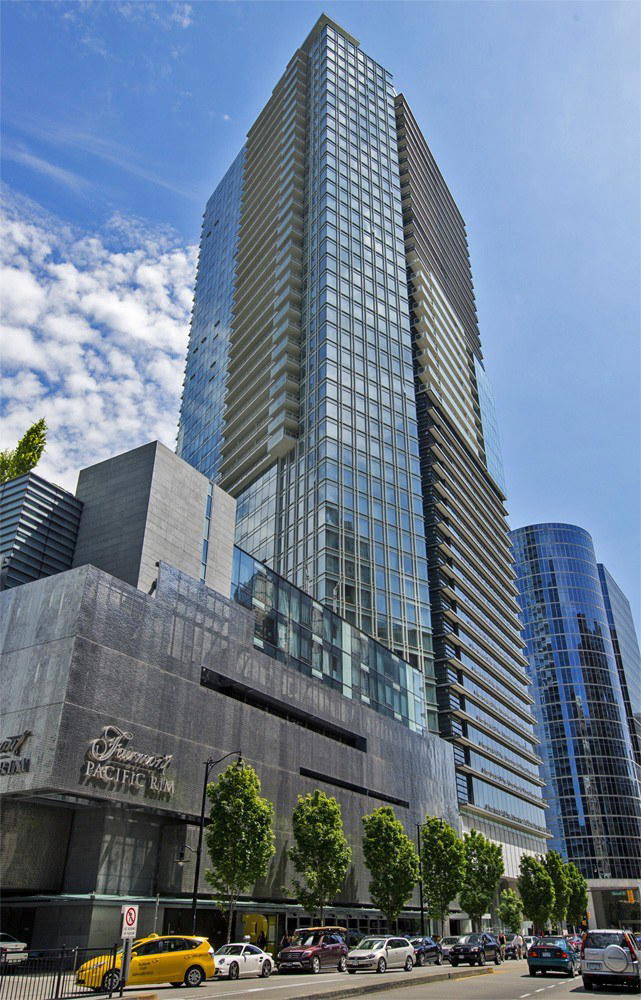
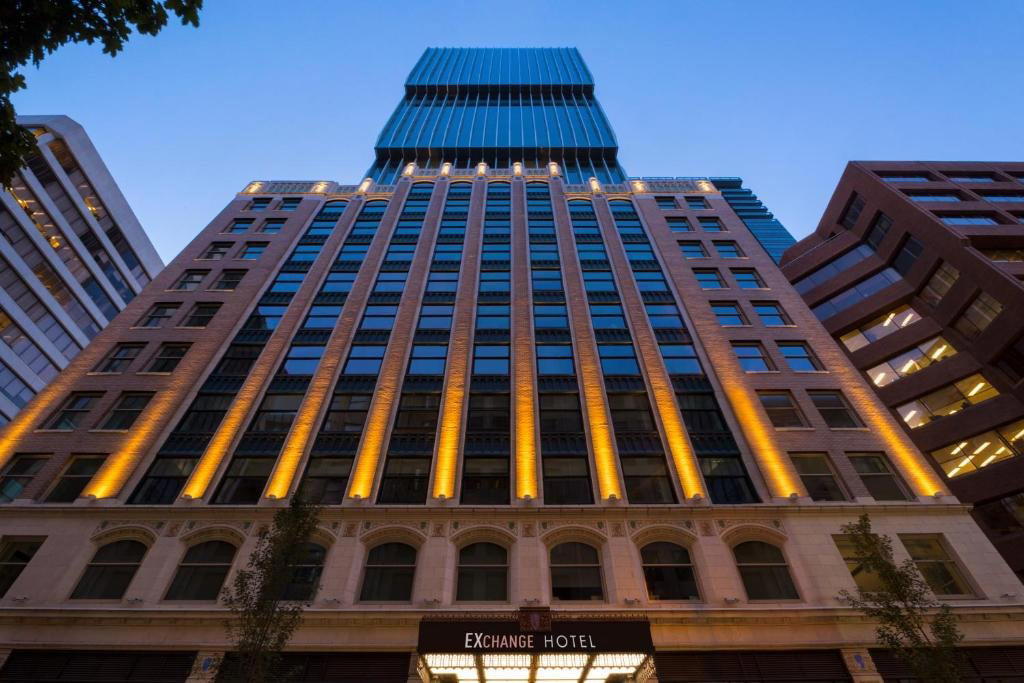
That last detail is worth taking seriously. Vancouver's seawall is genuinely one of the more rewarding urban cycling experiences on the continent, and access to bicycles at no additional cost removes a planning friction that often prevents hotel guests from engaging with it. The AZUR Legacy Collection Hotel and EXchange Hotel Vancouver serve a different part of the city, but neither carries the same direct waterfront-to-park axis that makes Fairmont Waterfront's location structurally useful for guests who want to move through the city on foot or by bike.
Within the broader Canadian luxury hotel market, the Fairmont brand occupies a particular tier. Properties like Fairmont Chateau Whistler, Fairmont Banff Springs, Fairmont Chateau Lake Louise, and Fairmont Empress Hotel in Victoria share a heritage positioning that draws on landmark architecture and national park adjacency. Fairmont Waterfront's proposition is different: it is an urban harbour hotel competing on location precision and service consistency rather than on romantic remoteness. That distinction matters when choosing between Fairmont properties for a British Columbia itinerary.
Fairmont Gold and the Hotel-Within-a-Hotel Format
The Fairmont Gold tier has become a standard feature across the brand's flagship properties, and at Waterfront it functions as a discrete upper segment with its own concierge team, private lounge, harbour-view patio, and evening canapés service. This format addresses a specific travel profile: guests who want the scale and location of a large harbour hotel but prefer a contained, quieter social environment within it. The dedicated concierge arrangement reduces the front-of-house bottleneck that large hotels sometimes produce, and the private lounge creates a retreat point that the main lobby cannot replicate during peak check-in periods.
For context on where Fairmont Gold sits relative to boutique alternatives, properties like The Magnolia Hotel & Spa offer a smaller-scale version of contained luxury without the hotel-within-a-hotel mechanism, while Canada's independent boutique tier, represented further afield by Fogo Island Inn or Clayoquot Wilderness Lodge in Tofino, operates on a fundamentally different model altogether. Fairmont Gold is the right answer for travellers who want urban scale with a private floor's sense of containment.
Planning a Stay
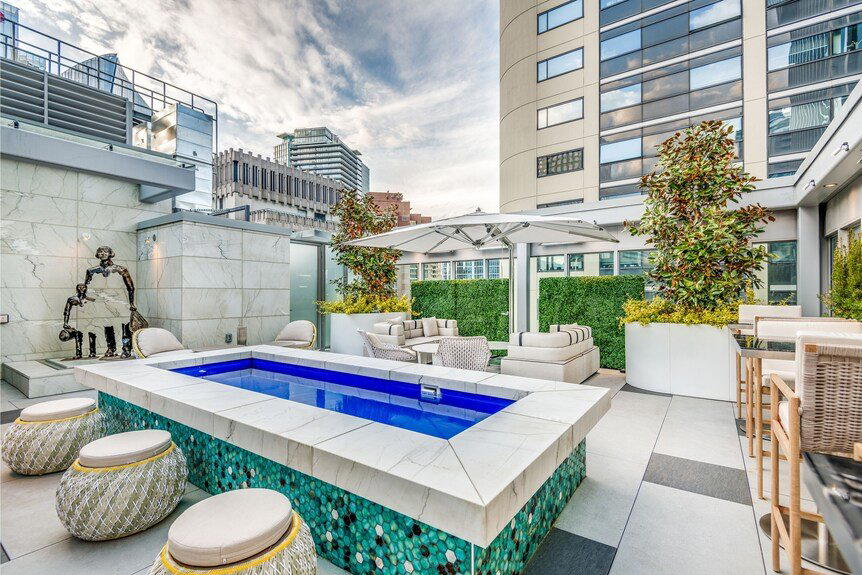
Fairmont Waterfront sits at 900 Canada Place Way, directly connected to the cruise terminal and a short walk from Waterfront Station, which links to SkyTrain, SeaBus, and West Coast Express services. Guests arriving by air will find the Canada Line from YVR delivers to Waterfront Station in approximately 25 minutes. The outdoor heated pool and rooftop garden are seasonal assets leading used between May and September, when Vancouver's climate cooperates. The Bottomless Weekend Brunch at ARC, with its mimosa flights, draws a local crowd as well as hotel guests, which means weekend reservations at the restaurant are advisable if you're visiting between Friday and Sunday. For broader Vancouver dining context, see our full Vancouver restaurants guide.
Travellers building extended Canadian itineraries around this property might consider pairing it with Hotel Le Germain Montreal or Four Seasons Hotel Toronto for a coast-to-coast sequence, or combining it with the mountain Fairmont properties for a Pacific Northwest and Rockies circuit. Those planning international extensions might look at Aman New York or The Fifth Avenue Hotel in New York City as natural follow-on properties at a comparable tier.
How Fairmont Waterfront Vancouver compares with similar nearby venues.
| Venue | Awards |
|---|---|
| Fairmont Waterfront | Virtuoso Luxury Hotel Partner (2026) |
Recognition history
Dated appearances from independent guides and award organizations, with the underlying list record or original source where available.
Virtuoso Luxury Hotel Partner
Virtuoso
At a Glance
- Elegant
- Scenic
- Sophisticated
- Modern
- Romantic Getaway
- Family Vacation
- Business Trip
- Weekend Escape
- Anniversary
- Waterfront
- Rooftop Pool
- Panoramic View
- Garden
- Terrace
- Wi Fi
- Pool
- Fitness Center
- Room Service
- Concierge
- Business Center
- Valet Parking
- EV Charging
- Restaurant
- Bar
- Hot Tub
- Waterfront
- Mountain
- Skyline
- Wi Fi
- Pool
- Fitness Center
- Room Service
- Concierge
- Business Center
- Valet Parking
- EV Charging
- Restaurant
- Bar
- Hot Tub
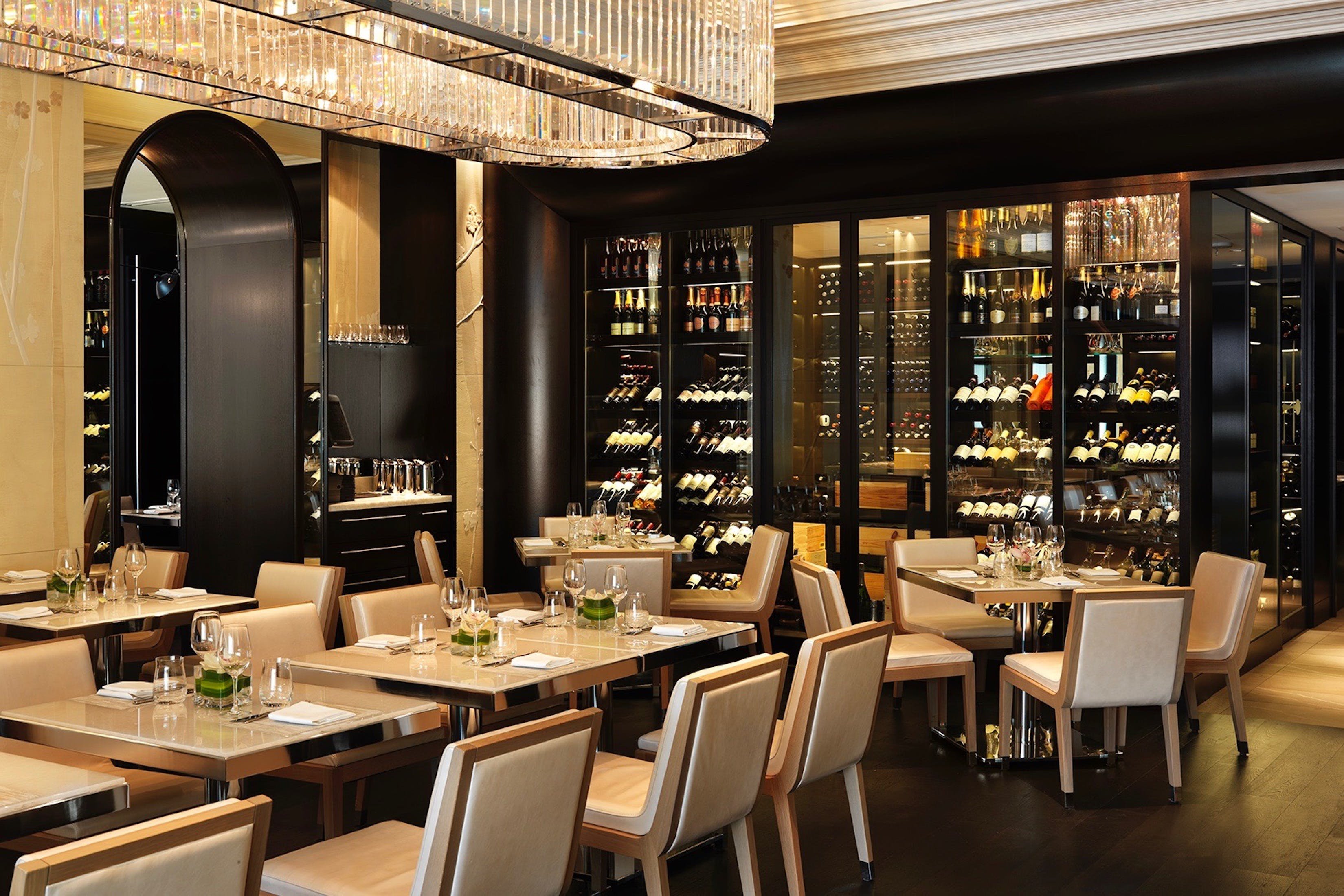
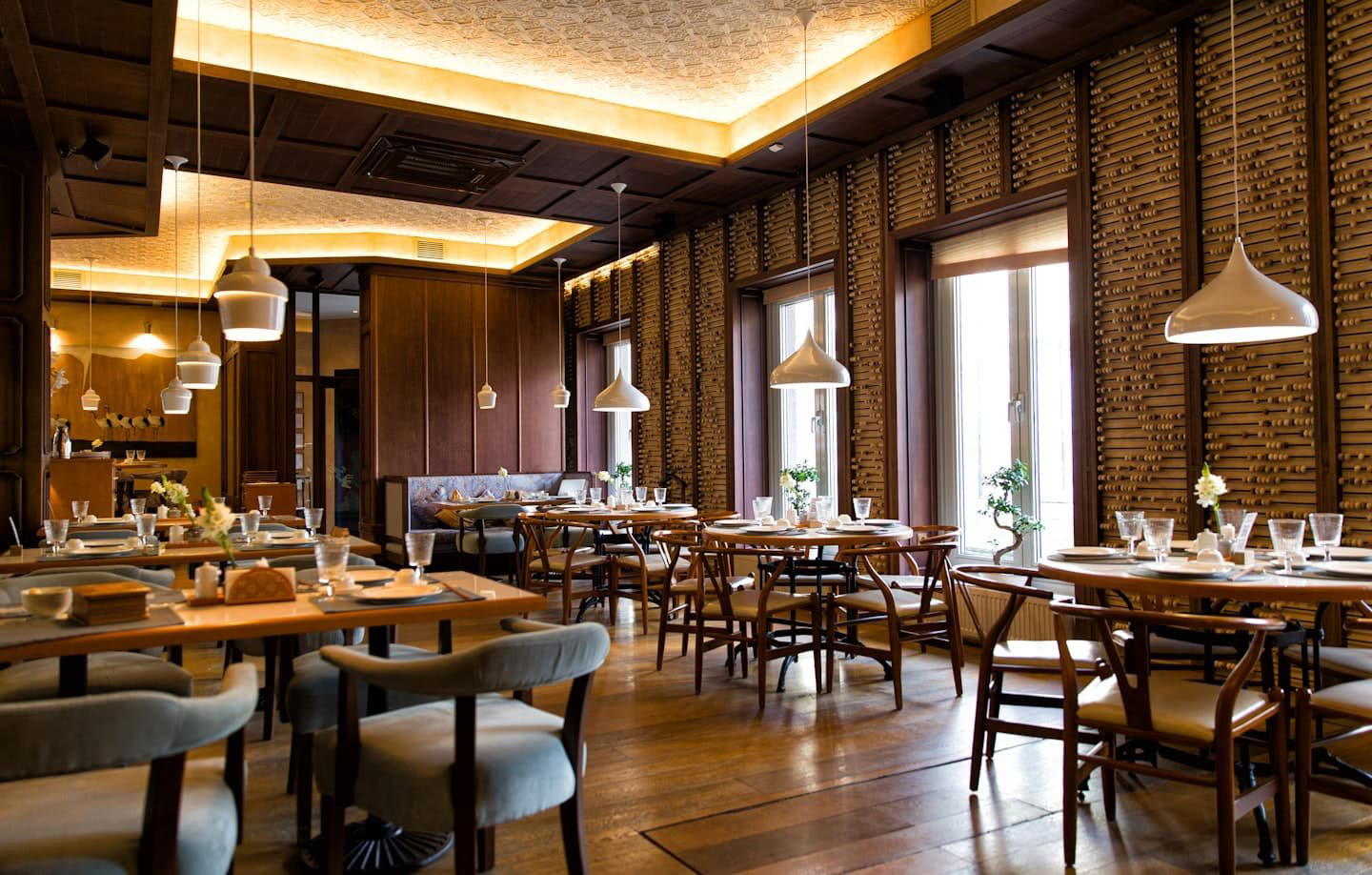
Bright, modern luxury with floor-to-ceiling windows framing dramatic water and mountain views; sophisticated yet welcoming atmosphere with emphasis on natural light and coastal elegance.
Know Before You Go
- Getting there
- 900 Canada Place Way