Jiwa Jawa Indonesische Keuken
On Amersfoort's Hof, Jiwa Jawa brings Indonesian cooking into a city whose restaurant scene skews French and European. The kitchen draws on one of the most ingredient-driven cuisines in Southeast Asia, where spice blends, slow-cooked proteins, and regional sourcing traditions define the plate. For a mid-sized Dutch city, it represents a relatively rare opportunity to eat Indonesian food with real depth rather than the abbreviated rijsttafel format that most of the country settles for.
Pearl is the En Primeur Club membership app — saves, bookings, and concierge access live there. Same editors, same standards.
- Address
- Hof 30, 3811 CK Amersfoort, Netherlands
- Phone
- +31332026113
- Website
- jiwajawa.nl
- Directions
- Get directions
 Saves & bookings on Pearl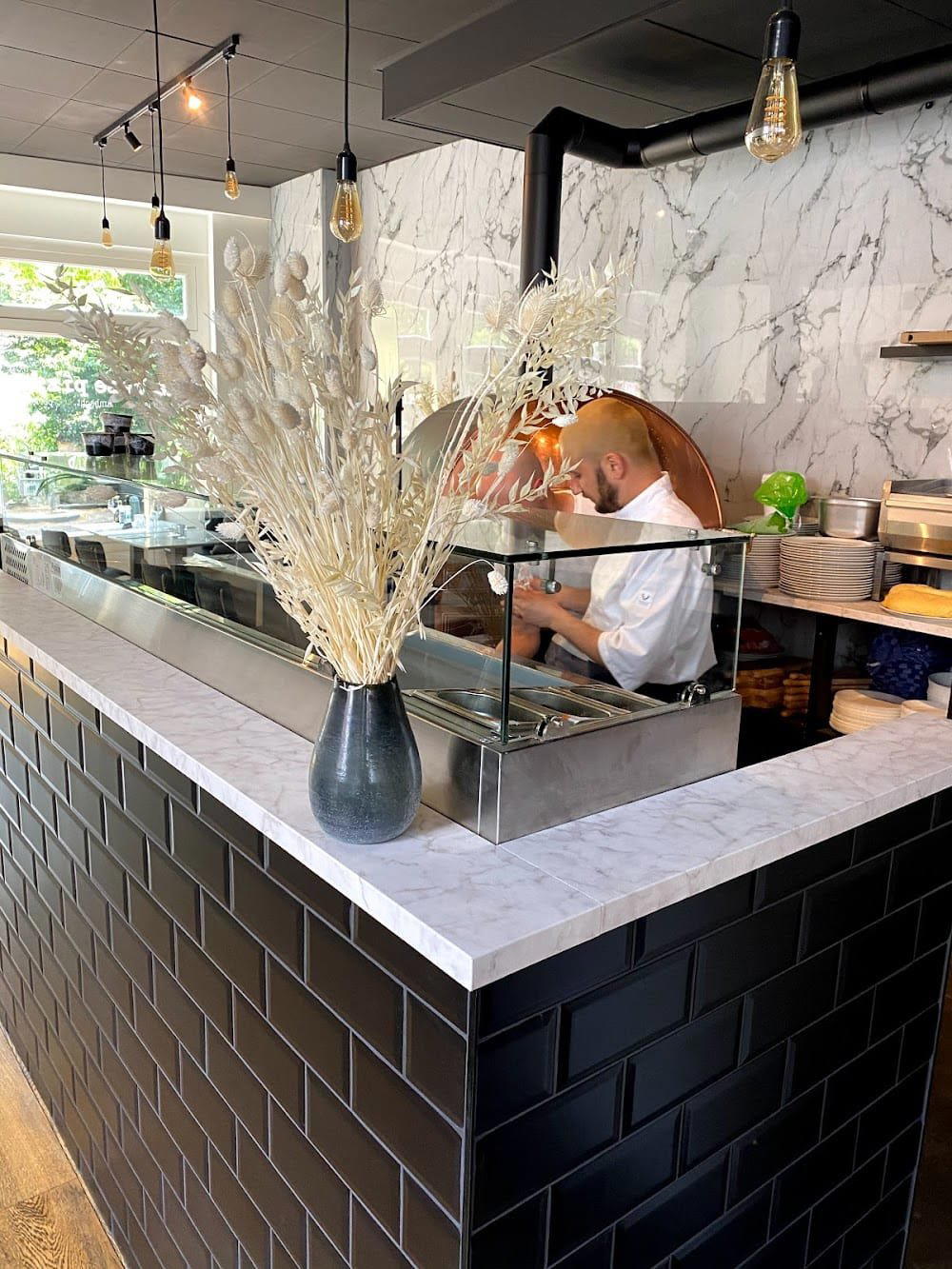
Where Indonesian Sourcing Meets a Dutch City Centre
Amersfoort's dining scene is weighted toward European formats. The restaurants that anchor the city's more serious dining tier — De Saffraan at the creative end, De Monnikendam with its French contemporary register, De Aubergerie in the modern European bracket — pull from a shared tradition of technique-first cooking that has dominated Dutch restaurant culture for decades. What that scene has not historically made room for is the cooking of the Indonesian archipelago, despite the long and well-documented culinary relationship between the Netherlands and its former colonies. Jiwa Jawa, on the Hof, occupies that gap.
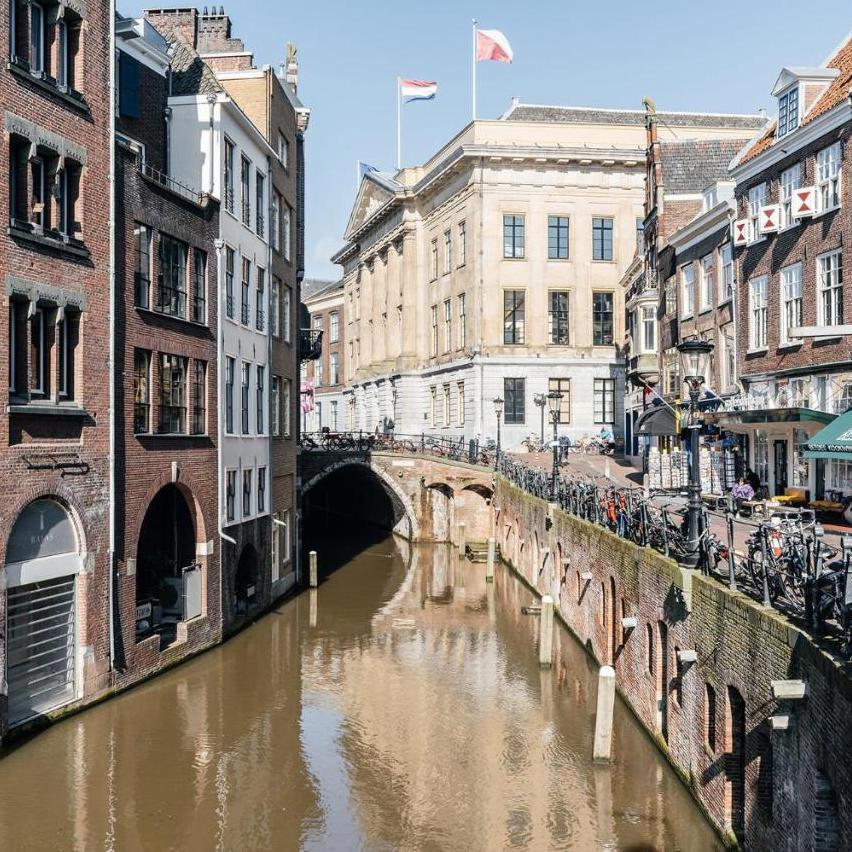
The address matters contextually. Hof 30 sits inside Amersfoort's medieval core, a few minutes from the Onze-Lieve-Vrouwetoren and the kind of pedestrianised historic streets that Dutch city centres do well. The physical approach to the restaurant puts you in a neighbourhood that runs on café culture and European restaurant formats, which makes the proposition of serious Indonesian cooking feel more deliberate than incidental. This is not Indonesian food operating at the margins of a multicultural urban neighbourhood, it is a restaurant making a case for the cuisine in a setting where the competition is almost entirely Western.
The Sourcing Logic Behind Indonesian Cooking
Indonesian cuisine is, at its structural core, an ingredient-sourcing cuisine. Before technique enters the frame, the cooking depends on access to a specific palette of aromatics, spices, and proteins whose provenance shapes the result in ways that European kitchen logic does not always account for. Galangal, kaffir lime leaf, candlenut, shrimp paste, long pepper, fresh turmeric root, these are not interchangeable with their dried or substituted equivalents, and the difference between a rendang or a soto that uses sourced-correctly aromatics versus one working from compromised inputs is audible in the final dish.
This is the challenge that Indonesian restaurants in mid-sized Dutch cities face structurally. The Netherlands has one of Europe's largest Indonesian diaspora populations, concentrated primarily in the Randstad, Amsterdam, Rotterdam, The Hague, where specialist ingredient supply chains are well established. In Amersfoort, sourcing discipline requires more effort, and the kitchens that maintain it tend to show that commitment in what arrives at the table. The layering of a proper bumbu, the low-and-slow construction of braised dishes, the balance of sweet, sour, salt, and heat that defines archipelago cooking at its most considered: these are outcomes of sourcing as much as skill.
Dutch-Indonesian food culture also carries a specific historical register. The rijsttafel, the colonial-era format of many small dishes served with rice, became the dominant frame through which most Dutch diners encountered Indonesian cooking for much of the twentieth century. That format has its logic, but it also has a tendency to flatten regional distinctions. The archipelago spans more than seventeen thousand islands and encompasses cooking traditions from Padang, Java, Bali, Sulawesi, and beyond, each with distinct spice hierarchies and protein preferences. A kitchen that engages seriously with Indonesian food eventually has to decide how much of that regional specificity it wants to represent, and that decision is expressed primarily through what it sources and how.
Amersfoort's International Table
The city's appetite for non-European dining is visible but not yet deep. Awazé Ethiopisch Restaurant Addis represents a similar logic on the African side, a cuisine that requires specific sourcing and preparation discipline to work at any real level, operating in a city that does not yet have the infrastructure of a major urban centre. These restaurants function as category anchors in a scene that, at the higher end, remains dominated by European fine dining. Bergpaviljoen and De Monnikendam represent the classic and French-contemporary strands of that European dominance.
For context on what serious Indonesian cooking looks like at the top of its register in the Netherlands, the comparison that matters is the Amsterdam end of the spectrum, where a handful of kitchens have built genuine reputations for depth and sourcing rigour. Nationally, the Dutch fine dining reference points, restaurants like Ciel Bleu in Amsterdam, De Librije in Zwolle, or Aan de Poel in Amstelveen, operate in an entirely different register, one that emphasises French technique and contemporary European vocabulary. The conversation around ingredient sourcing in non-European cuisines takes place in a different institutional framework, one where venues like De Nieuwe Winkel in Nijmegen are beginning to change what sourcing ambition looks like at the regional level.
Internationally, the template for what Korean cooking at full depth looks like in a Western city, Atomix in New York City is the most cited example, points toward what becomes possible when a non-European cuisine is given the same sourcing infrastructure and institutional respect as French or Japanese cooking. Indonesian cuisine has not yet reached that tier of global recognition, but the structural ingredients for that conversation are present in the cooking tradition itself. The spice complexity, the regional variation, the slow-cook techniques: these are credentialling materials.
Planning a Visit
Jiwa Jawa is located at Hof 30, 3811 CK Amersfoort, in the city's medieval centre and within easy walking distance of the main train station. Amersfoort is well connected by rail, sitting roughly equidistant between Utrecht and Zwolle on the main eastern corridor, which makes it accessible as a day-trip or as part of a wider Netherlands itinerary. For dining context across the city, our full Amersfoort restaurants guide covers the range from creative European to neighbourhood-level specialists. Specific booking details, hours, and pricing for Jiwa Jawa are best confirmed directly with the restaurant, as operational details were not available at time of publication.
How Jiwa Jawa Indonesische Keuken Amersfoort compares with similar nearby venues.
| Venue | Cuisine | Price |
|---|---|---|
| MEI | Organic | €€ |
| De Monnikendam | French Contemporary | €€ |
| De Aubergerie | Modern Cuisine | €€ |
Continue exploring
More in Amersfoort
Restaurants in Amersfoort
Browse all →
Bars in Amersfoort
Browse all →
At a Glance
- Cozy
- Casual Hangout
- Family
- Standalone
- Local Sourcing
Current opening hours
- Monday
- Closed
- Tuesday
- 5–8 PM
- Wednesday
- 12–2 PM, 5–8 PM
- Thursday
- 12–2 PM, 5–8 PM
- Friday
- 12–2 PM, 5–8 PM
- Saturday
- 12–2 PM, 5–8 PM
- Sunday
- 12–2 PM, 5–8 PM
Hours can change for holidays and private events. Last verified .
Cozy small restaurant with limited seating and a casual, authentic atmosphere.
Know Before You Go
- Getting there
- Hof 30, 3811 CK Amersfoort, Netherlands