De Monnikendam

Michelin Plate
Our verdict
De Monnikendam brings French contemporary cooking to Amersfoort's Plantsoen Oost, earning consecutive Michelin Plates in 2024 and 2025. At the €€ price point, it sits in a category where classical technique meets modern restraint, holding its own against a cluster of ambitious mid-range tables in a city that punches above its size in serious dining.

Pearl is the En Primeur Club membership app, where members save venues, book tables and use the concierge.
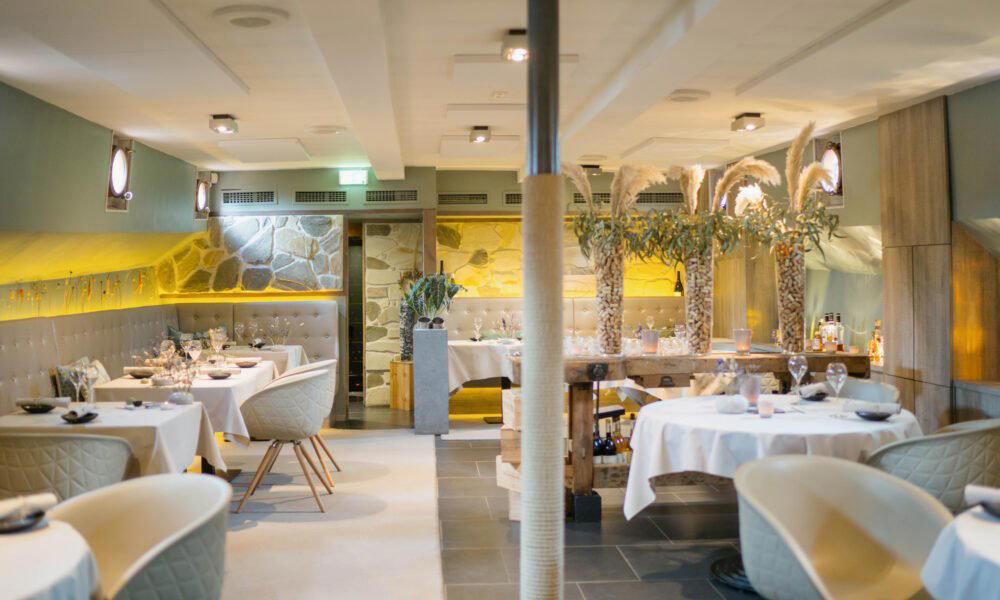
A Parkside Address With Something to Prove
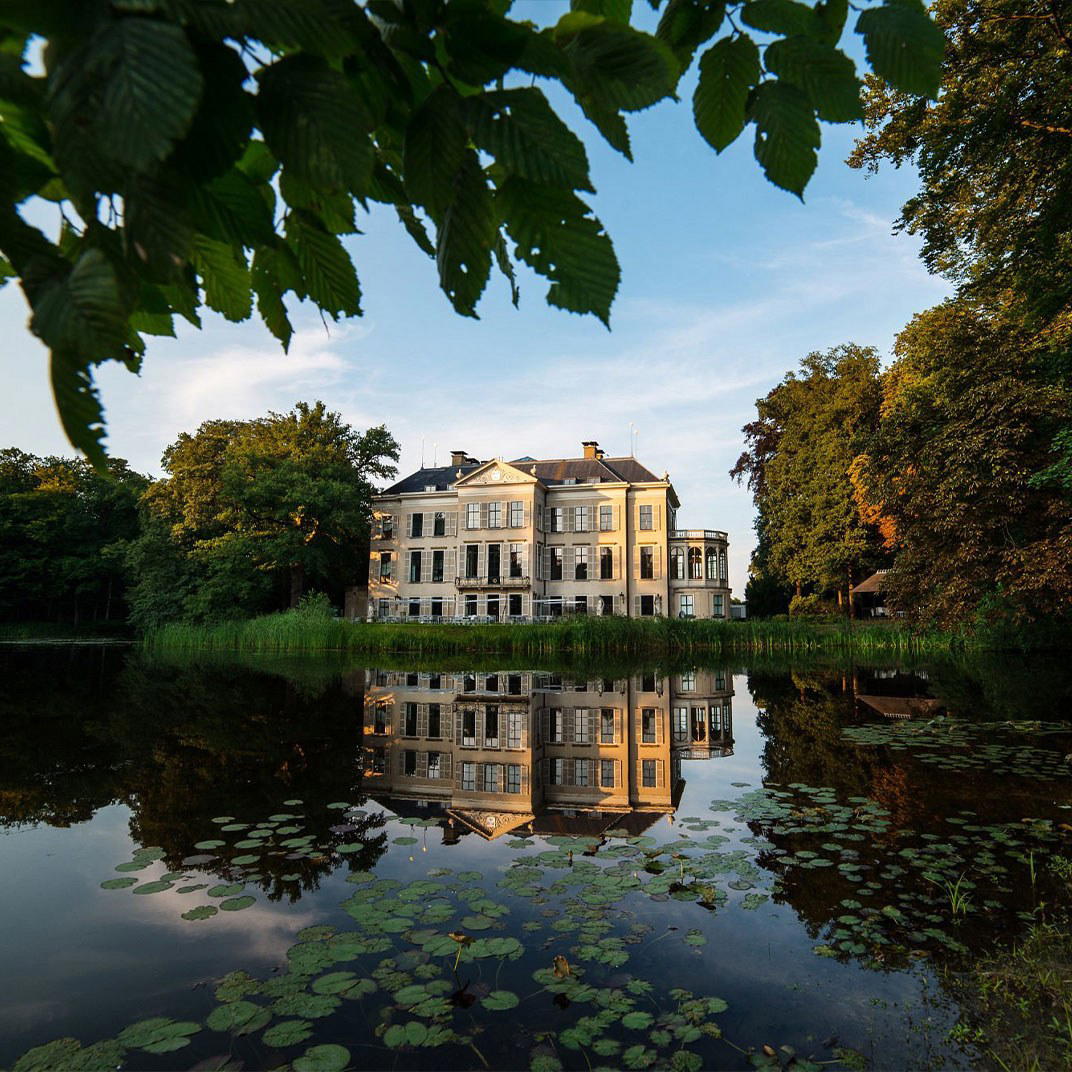
Plantsoen Oost is one of Amersfoort's quieter addresses, a tree-lined stretch where the city's medieval core gives way to open green space. Arriving at De Monnikendam, the setting does not announce itself with the theatrical urgency of a destination-restaurant facade. What it signals instead is something more considered: a room that earns attention through what arrives on the plate rather than what surrounds it. That restraint in presentation is consistent with a particular strand of Dutch fine dining, one that has quietly absorbed French classical discipline and turned it toward cleaner, less maximalist expression.
Amersfoort sits at an interesting position in the Netherlands' mid-sized city dining scene. It is not Utrecht or Amsterdam, where density of supply forces every serious restaurant into sharper competitive relief. But it is not a secondary market either. The city's dining infrastructure, running from Bergpaviljoen at the classic end through to De Saffraan at €€€ creative, has enough depth that a restaurant must place itself deliberately. De Monnikendam occupies the €€ French contemporary tier alongside Tollius, which operates in broadly similar modern-French territory. The two houses represent different readings of the same broad tradition.
The Tension Between Technique and Modernity
French contemporary cooking in the Netherlands occupies a specific position. It is not the rigidly classical brigade model, nor is it the Nordic-influenced vegetable-forward minimalism that swept through Amsterdam's higher tiers in the 2010s. It sits between those poles, drawing on the foundational vocabulary of French technique, sauce work, precise protein handling, structured progression through a meal, while editing out the formality and heaviness that defined an earlier generation of French restaurants in Dutch cities.
De Monnikendam's consecutive Michelin Plates in 2024 and 2025 position it within that recognisable category. The Michelin Plate, distinct from a star, signals cooking that the Guide considers good enough to warrant mention without placing it in the starred tier. In practical terms, it is a reliable marker of kitchen seriousness and consistency at a price point the Guide considers broadly accessible. For the €€ bracket in a city of Amersfoort's size, that recognition carries weight.
The sustained recognition across two consecutive years matters more than a single-year mention. It signals that the kitchen is not producing good food intermittently, but that the cooking has a baseline it returns to reliably. In a category where technique-driven menus can drift when kitchen teams change, that kind of consistency is the more demanding achievement. It is the same quality signal that distinguishes houses like Aan de Poel in Amstelveen and De Bokkedoorns in Overveen within their respective regional contexts.
Where De Monnikendam Sits in Amersfoort's Mid-Tier
Amersfoort's €€ tier is more competitive than its size might suggest. De Aubergerie operates in modern cuisine, MEI at €€€ takes an organic approach, and Tollius works the modern-French register. Against that backdrop, De Monnikendam's French contemporary framing is the most classically oriented position in the cluster. It draws on a culinary tradition with one of the deepest technical lineages in European cooking, placing it in a different conversation from the more eclectic modern-cuisine bracket.
A high score across a substantial sample from a geographically concentrated audience suggests the restaurant is performing well with a local diner base that has access to alternatives and returns by choice. That kind of repeat-customer logic is particularly relevant at the €€ price point, where diners are not necessarily marking special occasions but choosing the restaurant for its consistency against other mid-range options in the city.
For comparison within the broader French contemporary tradition at this price tier, De Lindeboom New Style in Beek operates a similar format in a different Dutch provincial context. The genre has proven durable because it gives kitchens the technical framework to produce structured, ingredient-led cooking without the rigidity of a strictly classical house. At the far end of the tradition's ambition spectrum sit references like Le Bernardin in New York City and Brut172 in Reijmerstok, which show how differently the French technical base can be deployed depending on context and ambition level.
What the Kitchen Communicates
What the Michelin recognition and the price-cuisine pairing do confirm is a kitchen that operates within a disciplined framework: French contemporary at €€ demands a clear-eyed understanding of which classical techniques justify the labour cost and which modern adjustments serve the food rather than signal novelty. Houses that get this balance wrong tend to fall into one of two failure modes: overwrought classicism at an accessible price that feels anachronistic, or modern gestures layered on thin technical foundations. The sustained Michelin mention suggests De Monnikendam avoids both.
The address on Plantsoen Oost also positions the experience differently from a city-centre table. The approach through green space, and the relative quiet of the location, reinforces a dining rhythm that is unhurried. That contextual setting shapes expectations before the meal begins, and in French contemporary cooking, the pacing of a meal is as much a part of the discipline as the sauce work. The room's position within Amersfoort's broader hospitality infrastructure is worth noting for visitors planning around the city's wider offer, which spans bars, hotels, and experiences documented across our full Amersfoort restaurants guide, our Amersfoort hotels guide, our Amersfoort bars guide, our Amersfoort wineries guide, and our Amersfoort experiences guide.
Also worth a look in the region: 't Nonnetje in Harderwijk, which operates at a higher ambition level and offers useful calibration of where the Dutch provincial fine-dining ceiling currently sits.
Planning Your Visit
De Monnikendam is located at Plantsoen Oost 2, 3811 HC Amersfoort. Booking ahead is advisable given the restaurant's recognition, though specific lead times should be confirmed directly. For visitors arriving by rail, Amersfoort Centraal is the primary station, and the parkside address is reachable from the centre on foot or by a short taxi or cycle ride.
Frequently asked questions
What is the atmosphere like at De Monnikendam?
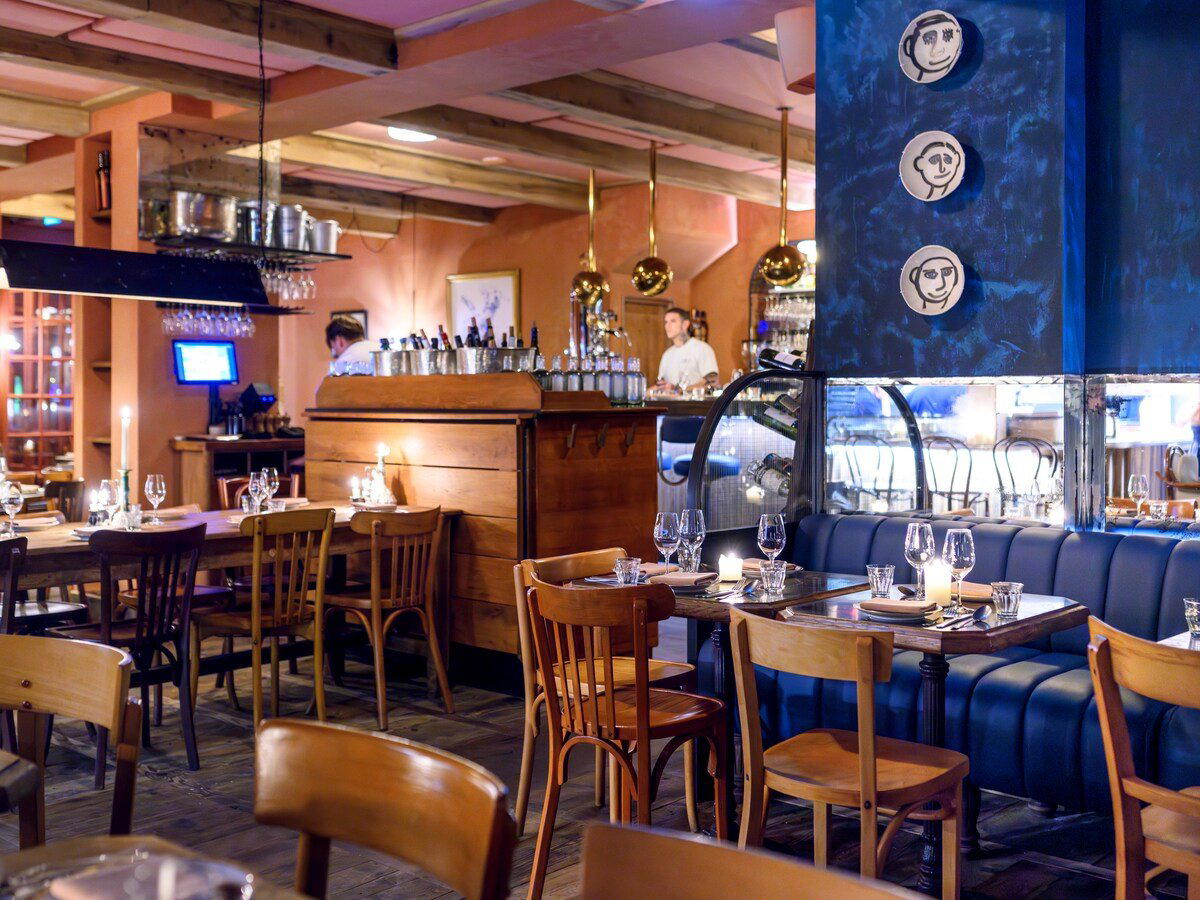
De Monnikendam sits on Plantsoen Oost, Amersfoort's eastern parkside stretch, and the approach through green space establishes a quieter, more unhurried register than a city-centre address would. At the €€ price point with consecutive Michelin Plates in 2024 and 2025, the restaurant occupies a position where the room is expected to support focused dining rather than ambient buzz.
at De Monnikendam?
What the French contemporary designation and Michelin Plate recognition do indicate is a kitchen working within a classically grounded framework at an accessible mid-range price. French contemporary at this level typically expresses itself through precise protein and sauce work with modern editing of portion weight and presentation. The cuisine classification suggests the kitchen's strongest territory is likely within that discipline. For a visit oriented around the cooking's strengths, ordering through the full menu progression rather than selecting a la carte will generally give the clearest picture of what the kitchen is doing at any given time.
Cuisine Context
| Venue | Cuisine | Price | Awards |
|---|---|---|---|
| De MonnikendamThis venue (the venue you are viewing) | Modern French Fine Dining | $100–150 | Michelin Plate |
| De Aubergerie | Modern French Bistro | Not listed | Michelin Bib Gourmand |
| Bergpaviljoen | Modern French Seafood Bistro | $50–100 | Michelin Plate |
| De Saffraan | Modern French-Dutch Creative | $100–150 | Michelin Plate |
| MEI | Modern Dutch Vegetable-Led Fine Dining | $50–100 | Michelin Plate |
| Tollius | Modern French-Asian Fusion | $50–100 | Michelin Plate |
Recognition history
Dated appearances from independent guides and award organizations, with the underlying list record or original source where available.
Michelin Plate
Michelin
Full recognition history (2 entries)
Michelin Plate
Michelin
Continue exploring
More in Amersfoort
Restaurants in Amersfoort
All restaurants in Amersfoort →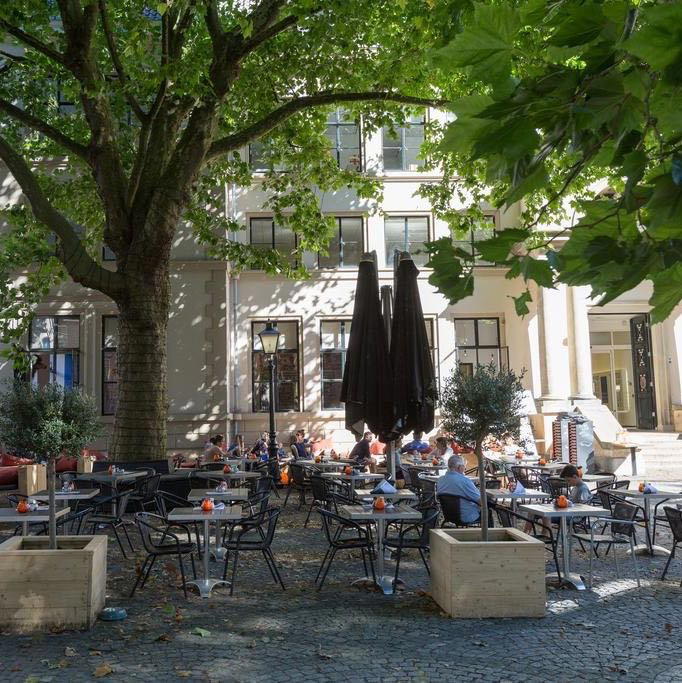
Details
- Elegant
- Intimate
- Historic
- Cozy
- Sophisticated
- Date Night
- Special Occasion
- Business Dinner
- Historic Building
- Waterfront
- Private Dining
- Terrace
- Extensive Wine List
- Waterfront
- Tasting Menu
- Vegetarian Friendly
Current opening hours
- Monday
- 6 PM–12 AM
- Tuesday
- Closed
- Wednesday
- Closed
- Thursday
- 12 PM–12 AM
- Friday
- 12 PM–12 AM
- Saturday
- 12 PM–12 AM
- Sunday
- 12 PM–12 AM
Hours can change for holidays and private events. Hours as of .
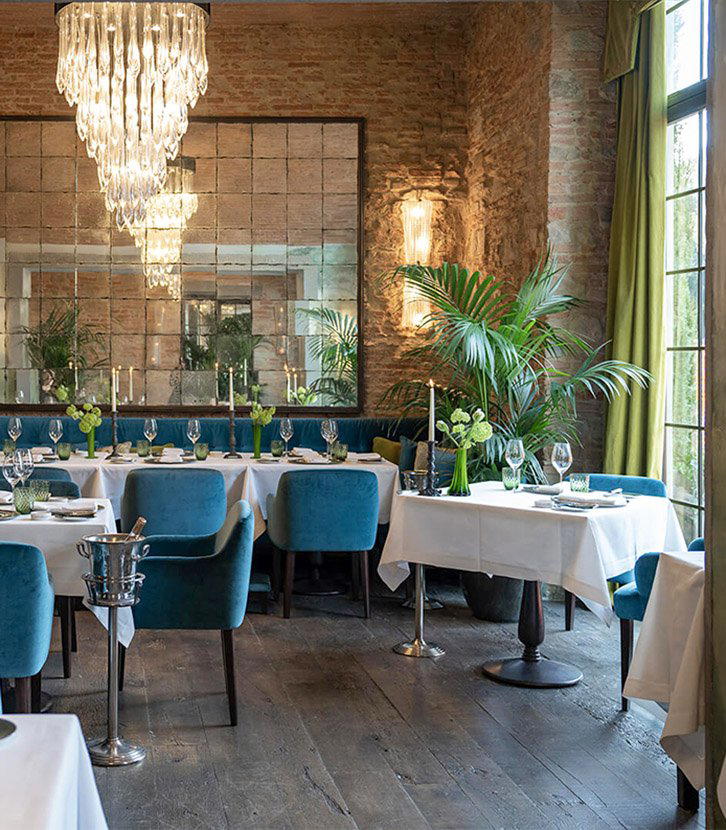
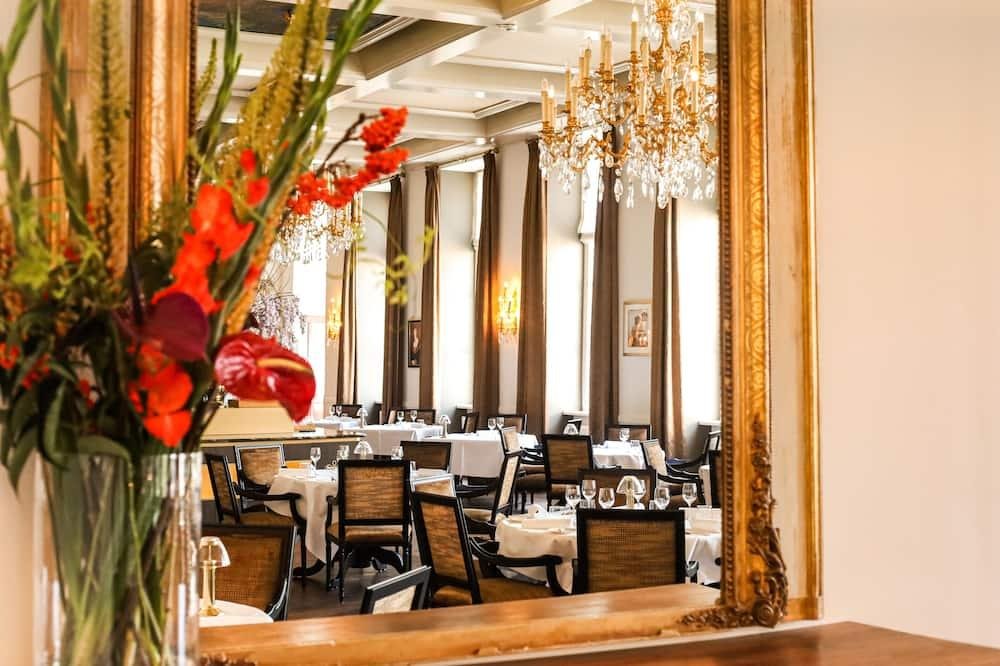
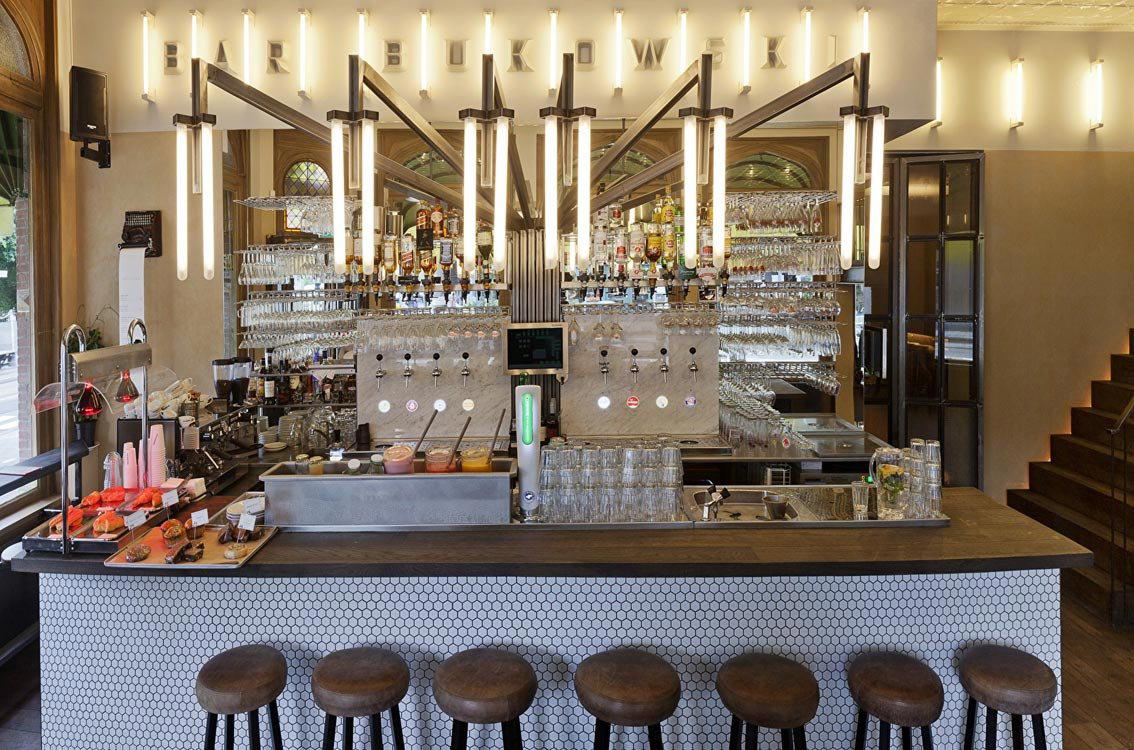
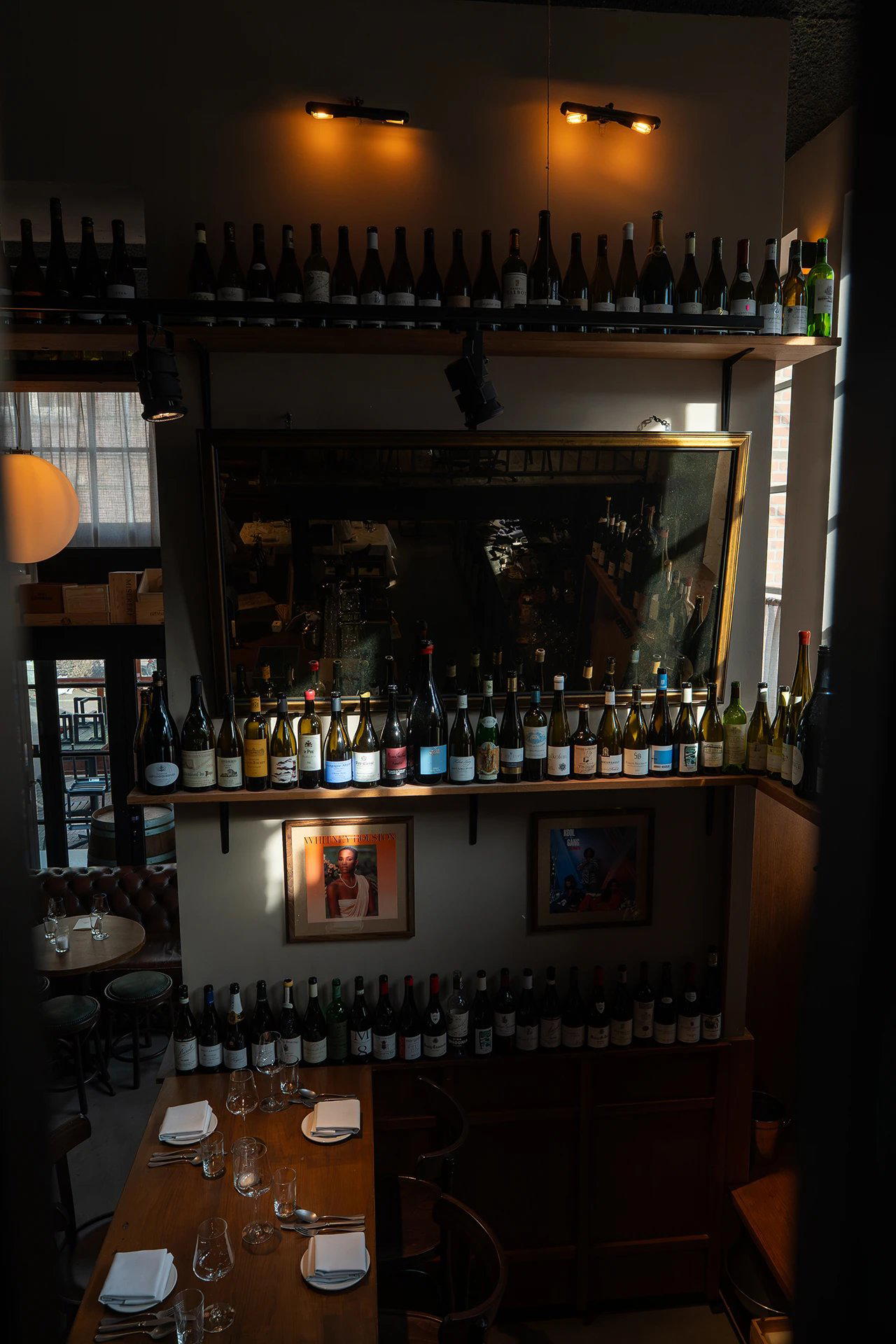
Sophisticated and cozy atmosphere in separate small rooms within historic towers, enhanced by stylish decor, fireplaces, and an unpretentious fine dining vibe.