
Michelin Bib Gourmand
Our verdict
A Michelin Bib Gourmand recipient for 2025, Qiang Ye Fan Dian on Changbai Street brings Cantonese cooking to a city whose dining identity is otherwise shaped by Huaiyang and Jiangzhe traditions. Priced at the ¥¥ tier, it occupies a practical middle ground between neighbourhood staple and destination meal, earning recognition on the strength of cooking rather than setting or ceremony.

Pearl is the En Primeur Club membership app — saves, bookings, and concierge access live there. Same editors, same standards.
- Address
- 636 Changbai St, Bai Xia Qu, Nanjing, Jiangsu, China, 210002
- Phone
- +86 25 8445 9099
- Directions
- Get directions
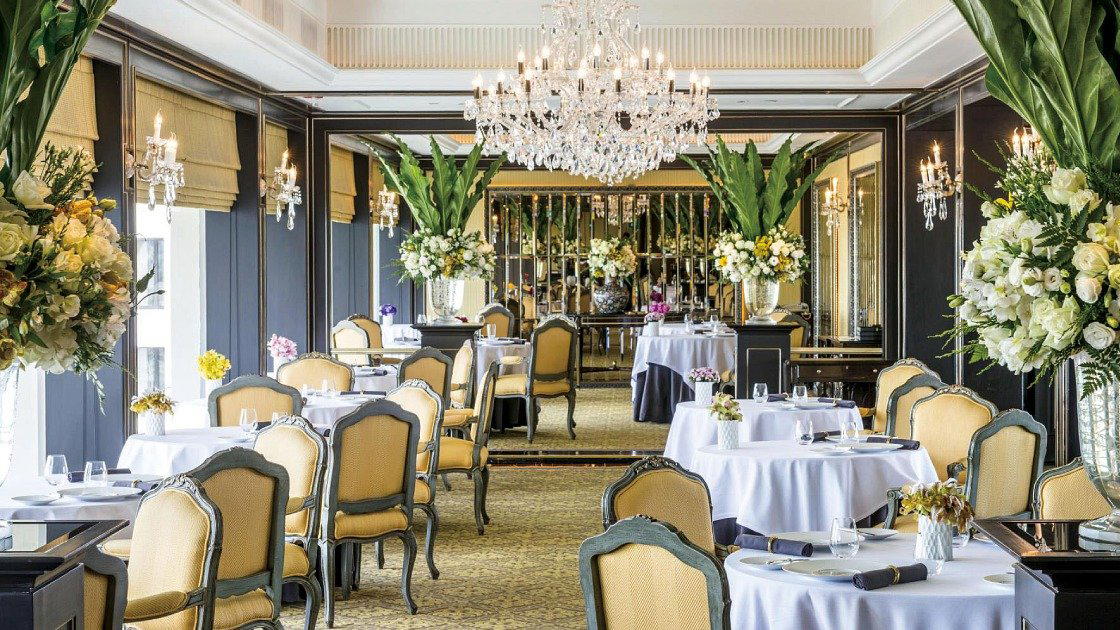
The menu
What to order
- Frog's legs with duck tongues in sizzling claypot
- Char siu
- Whole chicken with Shaoxing wine
- Double-boiled soup with cordyceps and jinhua ham
- Har gow
- Siu mai
- Taro puffs
Cantonese in a Huaiyang City
Nanjing's restaurant culture is defined, at its core, by two traditions: the delicate, stock-centred cooking of Huaiyang, and the broader Jiangzhe canon that draws on the lower Yangtze region's freshwater ingredients and seasonal discipline. Cantonese cuisine sits outside that axis — it travels well, it has populated Chinese cities for decades, and in the right hands it holds its own against local orthodoxy. Qiang Ye Fan Dian on Changbai Street is operating in exactly that position: a Cantonese restaurant earning Michelin recognition in a city whose inspectors are just as likely to be weighing it against Jiangnan Wok · Yun and Chi Man as against Cantonese peers.
The 2025 Michelin Bib Gourmand designation is the clearest external signal of where this restaurant sits competitively. The Bib Gourmand category, in Michelin's framework, specifically identifies cooking that delivers quality at a price point the guide considers accessible — it is not a consolation award, but a distinct category that values the ratio of quality to cost. At the ¥¥ tier, Qiang Ye Fan Dian prices alongside Chi Man (Jiangzhe) and Fang Po, and a full tier below the Cantonese benchmark in the city set by Dai Yuet Heen, which operates at ¥¥¥.
What a Cantonese Meal Looks Like Here
Cantonese cooking in a non-Cantonese city tends to resolve one of two ways. The first is a diluted version, crowd-pleasing dishes that borrow Cantonese aesthetics without the technical discipline behind them. The second is a focused program that takes the cuisine seriously enough to earn standing on its own terms, rather than on nostalgia or novelty. The Bib Gourmand distinction implies the latter category applies here.
In structural terms, Cantonese restaurant meals tend to build through a considered progression: cold appetisers and roasted items first, then a protein sequence that moves from seafood to poultry to pork, with stir-fries and a rice or noodle course before a light, typically sweet finish. That arc, from clean, precise cold dishes through progressively richer, more texturally complex courses, is one of the defining pleasures of the cuisine when executed with attention. In Guangzhou or Hong Kong, where the Cantonese canon is most deeply embedded, diners at restaurants like Forum or Imperial Treasure Fine Chinese Cuisine in Guangzhou can take that structure for granted. In Nanjing, finding a kitchen that holds that progression together at the ¥¥ price point is more notable.
The Cantonese emphasis on restraint, minimal spicing, stocks built for clarity rather than intensity, saucing that supports rather than masks, places its practitioners in a different register from Sichuan or even Huaiyang cooking. That contrast is part of what Qiang Ye Fan Dian offers a Nanjing diner: a different flavour logic, not a competing version of a local tradition.
The Bib Gourmand Tier in Nanjing's Michelin Context
When Michelin awarded Bib Gourmand recognition to Qiang Ye Fan Dian in 2025, it placed the restaurant within a tier that rewards accessibility alongside cooking standard. Across Chinese cities covered by the guide, this category has consistently included restaurants where the cooking is technically serious but the format does not require ceremony, no elaborate service choreography, no tasting menus, no sommelier-driven beverage pairings. The meal is the point.
In Nanjing specifically, the Michelin guide has developed a picture of a city where value-focused excellence is distributed across cuisine types. Cantonese representation at the Bib Gourmand level points to an audience that has moved past treating Cantonese food as a novelty. The cuisine has enough of a local following to sustain a restaurant at this recognition level, competing for the same table against the Jiangzhe and Huaiyang options that define the city's established dining map. Comparable Cantonese Bib Gourmand dynamics play out in other mainland cities: in different registers, Xin Rong Ji in Beijing and Xin Rong Ji in Chengdu both show how Cantonese and eastern Chinese cooking travel into cities with distinct culinary identities of their own.
Changbai Street and the Bai Xia District
The address, 636 Changbai Street, Bai Xia District, places the restaurant in a part of Nanjing that functions primarily as a residential and commercial neighbourhood rather than a tourist-facing dining corridor. That context matters for how the restaurant operates. Bai Xia restaurants of this type draw a regular local clientele, and their cooking tends to be calibrated for repeat visits rather than single-occasion performance. A Bib Gourmand award in this kind of setting typically reflects a kitchen that has been consistent over time, not one that spiked during an inspection period.
For visitors arriving from outside Nanjing, Changbai Street is not a set-piece dining destination in the way that some of the city's more tourist-proximate streets are. The practical calculation is whether the cooking warrants the additional navigation, and a 2025 Michelin Bib Gourmand makes that argument clearly enough. For a broader sense of the city's eating options across neighbourhoods, the full Nanjing restaurants guide maps the range from neighbourhood-level Jiangzhe addresses to Huaiyang cooking at various price points.
Where This Fits in the Regional Cantonese Picture
Cantonese cooking at its more formal tier, in mainland China and across the region, is anchored by restaurants that operate with significant investment in technique and ingredients. Chef Tam's Seasons in Macau and Le Palais in Taipei represent the best of that register in their respective markets. Qiang Ye Fan Dian does not compete in that tier, its ¥¥ pricing and Bib Gourmand classification place it several steps down in formality and price. What connects them is the underlying cuisine: the same flavour logic, the same structural approach to a multi-course meal, executed at different levels of elaboration and cost.
Within Nanjing itself, the natural comparisons are the Cantonese-adjacent address at Dai Yuet Heen, which operates at ¥¥¥ and represents a more formal expression of the cuisine, and the broader Jiangzhe and Huaiyang options that include Du Shi Li De Xiang Cun at the same general price tier. The city's dining map, covered more fully in the Nanjing restaurants guide, offers enough variety that Cantonese cooking here reads as a deliberate choice rather than a default.
Planning a Visit
Qiang Ye Fan Dian sits at 636 Changbai Street in Bai Xia District, a practical address for Nanjing residents and reachable for visitors making a specific trip. Phone and hours data are not published in current listings, so confirming availability in advance is advisable, particularly given the Bib Gourmand profile, which tends to increase demand at accessible price points. At ¥¥, a meal here fits into the same budget tier as several of Nanjing's recognised neighbourhood addresses. For planning around a Nanjing visit more broadly, the hotels guide, bars guide, experiences guide, and wineries guide cover the full picture. Outside Nanjing, those interested in how Cantonese cooking is expressed across eastern Chinese cities might look at Ru Yuan in Hangzhou and 102 House in Shanghai for adjacent points of reference.
Frequently asked questions
What distinctions does Qiang Ye Fan Dian (Changbai Street) have?
Qiang Ye Fan Dian (Changbai Street) has received recognition including: Michelin Bib Gourmand (2025).
What's the signature dish at Qiang Ye Fan Dian (Changbai Street)?
No specific dishes are confirmed in published sources for this address. The 2025 Michelin Bib Gourmand recognition points to consistent kitchen output across the menu rather than a single standout plate. For a Cantonese kitchen operating at the ¥¥ price tier in Nanjing, the cooking tends to centre on technically demanding preparations — stocks, steamed proteins, and wok work — though confirmed dish details require an in-person visit or direct contact with the restaurant.
What's the pricing like at Qiang Ye Fan Dian (Changbai Street)?
Pricing at Qiang Ye Fan Dian (Changbai Street) is listed as ¥¥.
How do I find Qiang Ye Fan Dian (Changbai Street)?
Qiang Ye Fan Dian (Changbai Street) is located at 636 Changbai St, Bai Xia Qu, Nanjing, Jiangsu, China, 210002, Nanjing.
Accolades, Compared
Comparable venues nearby, for context on price, style, and recognition.
| Venue | Cuisine | Price | Awards | Notes |
|---|---|---|---|---|
| Qiang Ye Fan Dian (Changbai Street)This venue — the venue you are viewing | Cantonese & Jiangsu Cuisine | $20–30 | Michelin Bib Gourmand | Not listed |
| Chi Man | Jiangzhe | Not listed | Michelin Bib Gourmand | Xuanwu |
| Li Ji Qing Zhen Guan | Traditional Halal Beef Dumplings | $1–10 | Michelin Bib Gourmand | Confucius Temple/Qinhuai River Scenic Area |
| Xin Fang Yuan | Authentic Nanjing Cuisine | $10–20 | Michelin Bib Gourmand | Qinhuai |
| Jiangnan Wok | Modern Huaiyang Cuisine | $20–30 | Michelin Plate · Black Pearl 1 Diamond | Xuanwu Lake Scenic Area |
| Wan Guo Chun Chinese Restaurant | Traditional Huaiyang Cuisine | $30–50 | Michelin Plate · Relais Chateaux Award | Gulou |
Recognition history
Dated appearances from independent guides and award organizations, with the underlying list record or original source where available.
Michelin Bib Gourmand
Michelin

Details
- Elegant
- Sophisticated
- Classic
- Group Dining
- Celebration
- Business Dinner
- Private Dining
- Open Kitchen
- Craft Cocktails
- Sommelier Led
- Local Sourcing
- A La Carte
- Family Style
- Set Menu
- Tea Pairings
- Baijiu
- Artisanal Cocktails
- Boutique Wines
- Vegetarian Friendly
- Allergy Accommodating
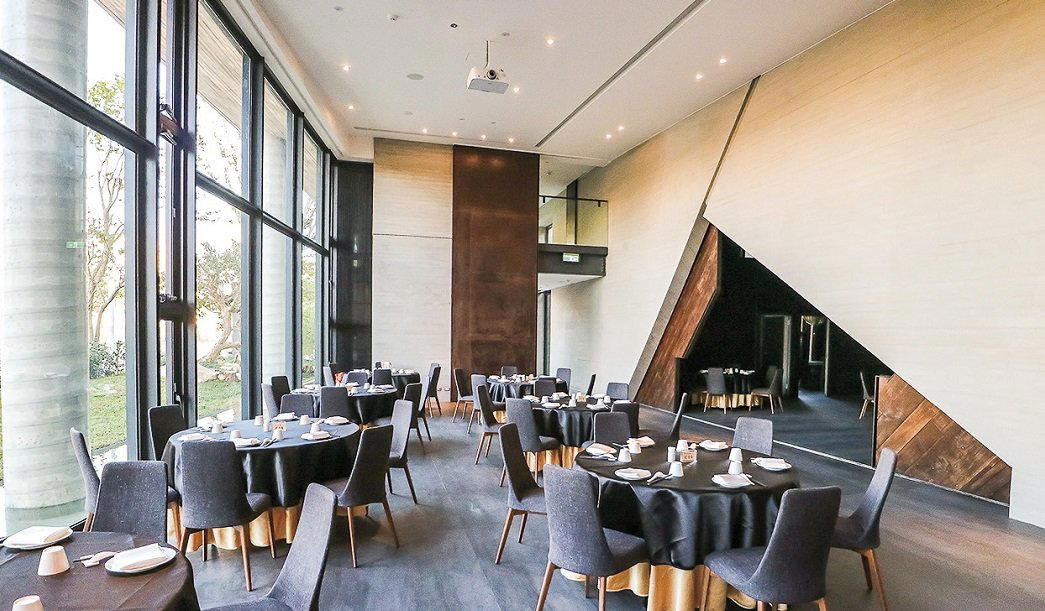
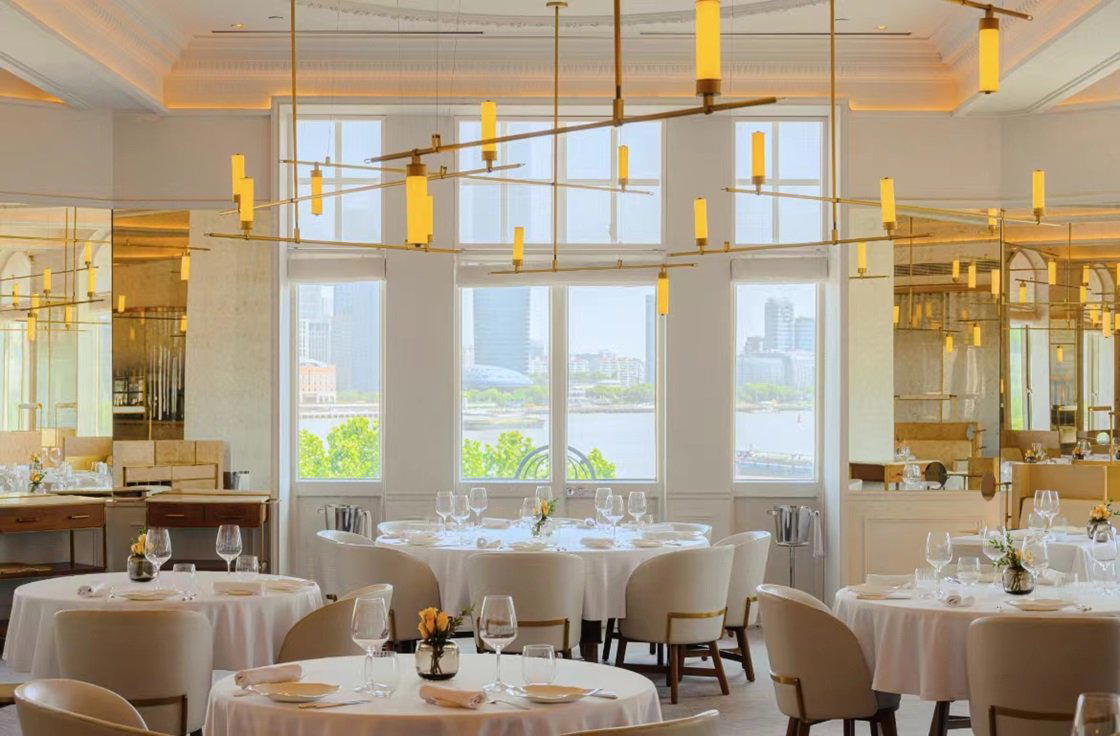
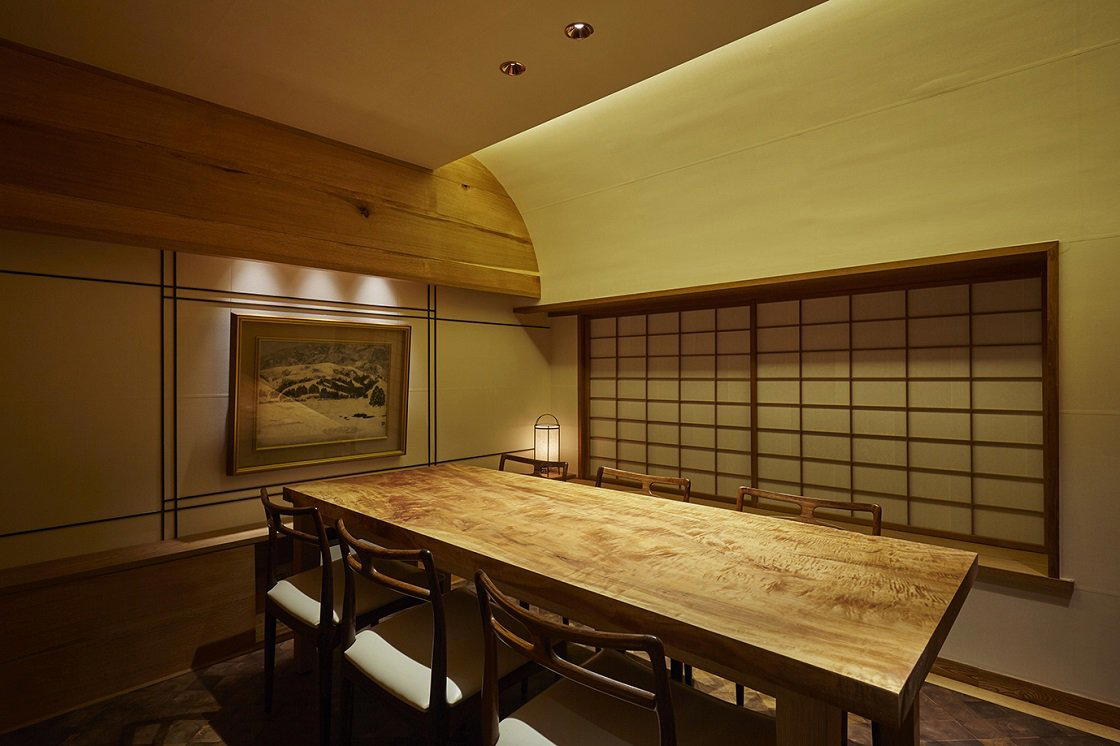
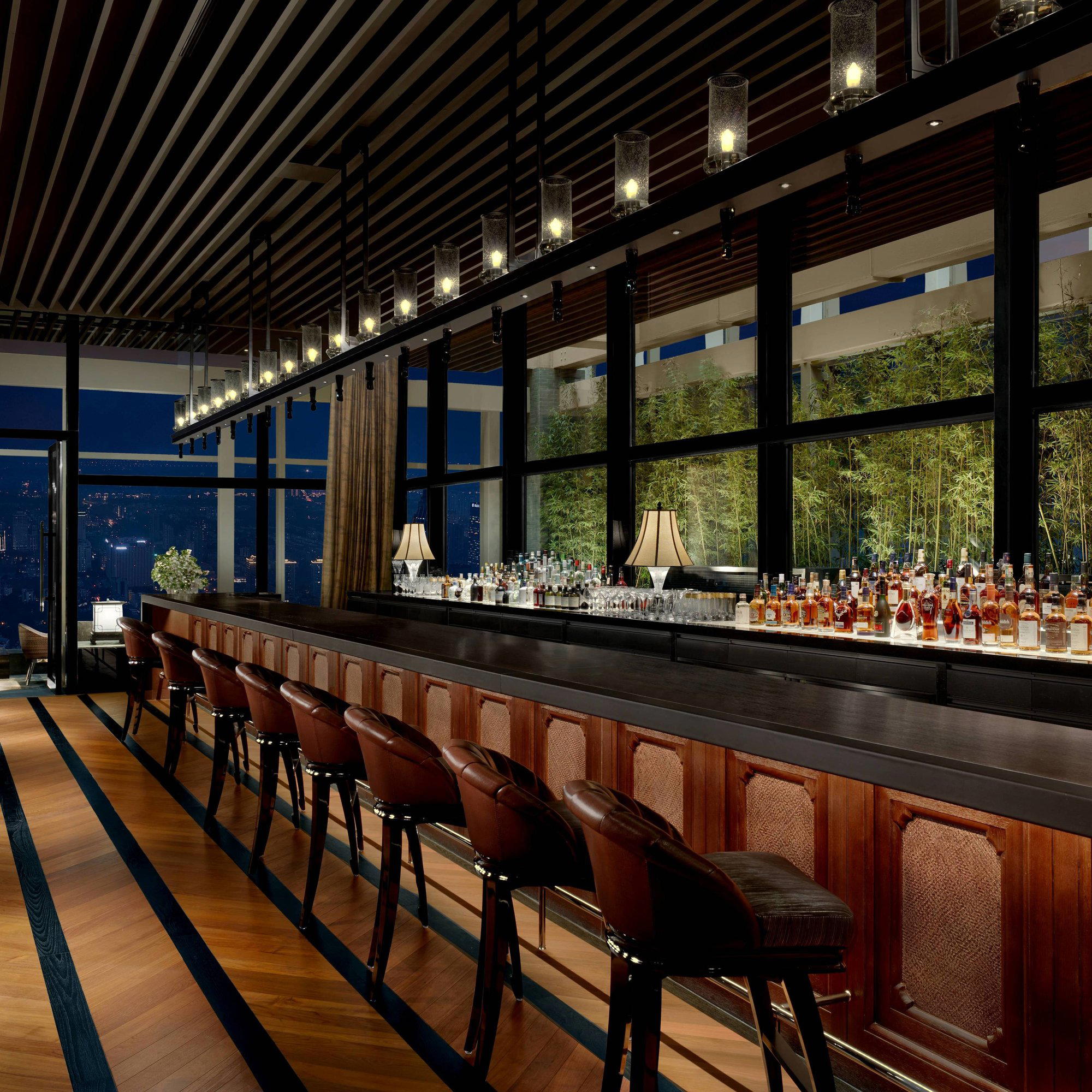
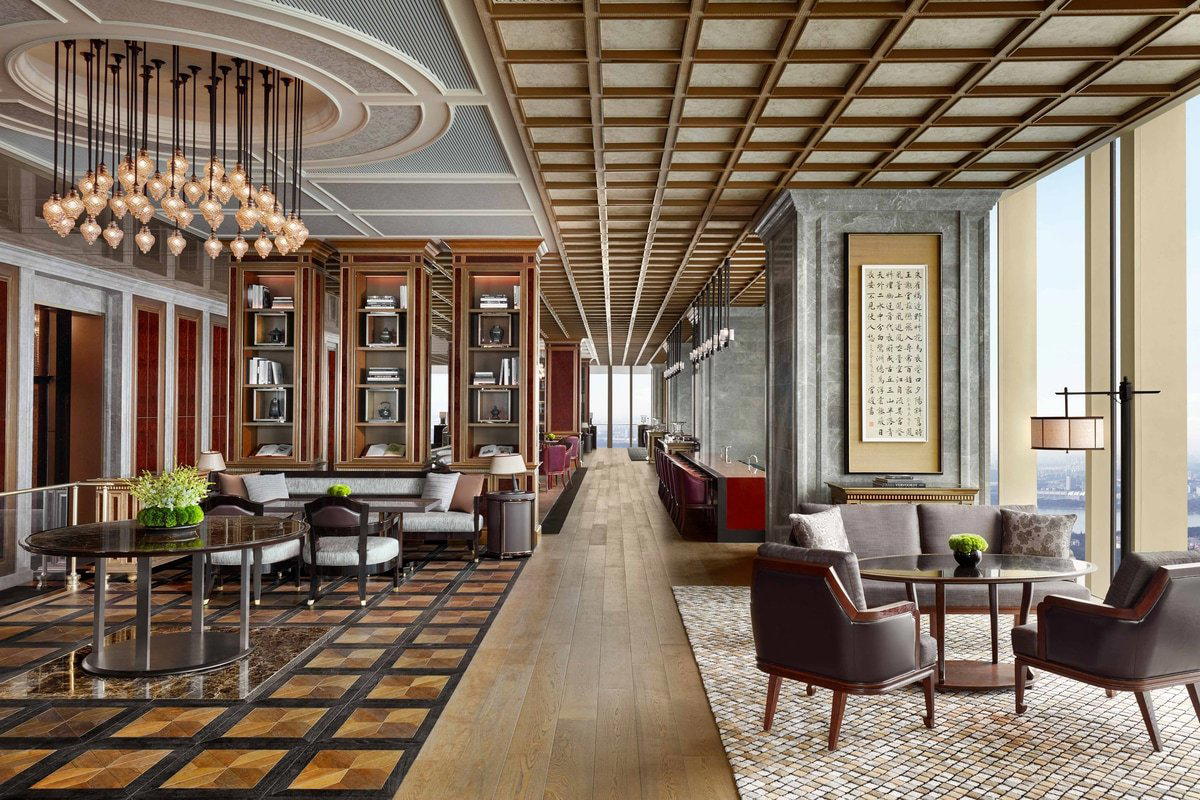
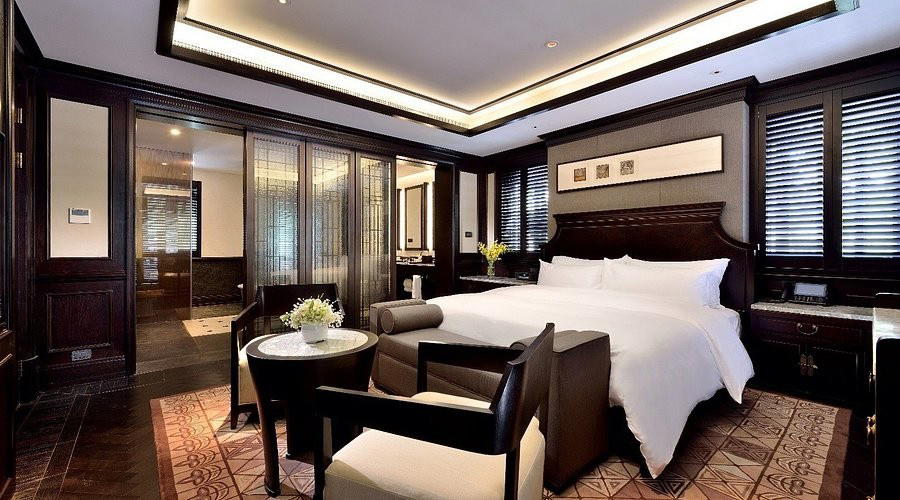
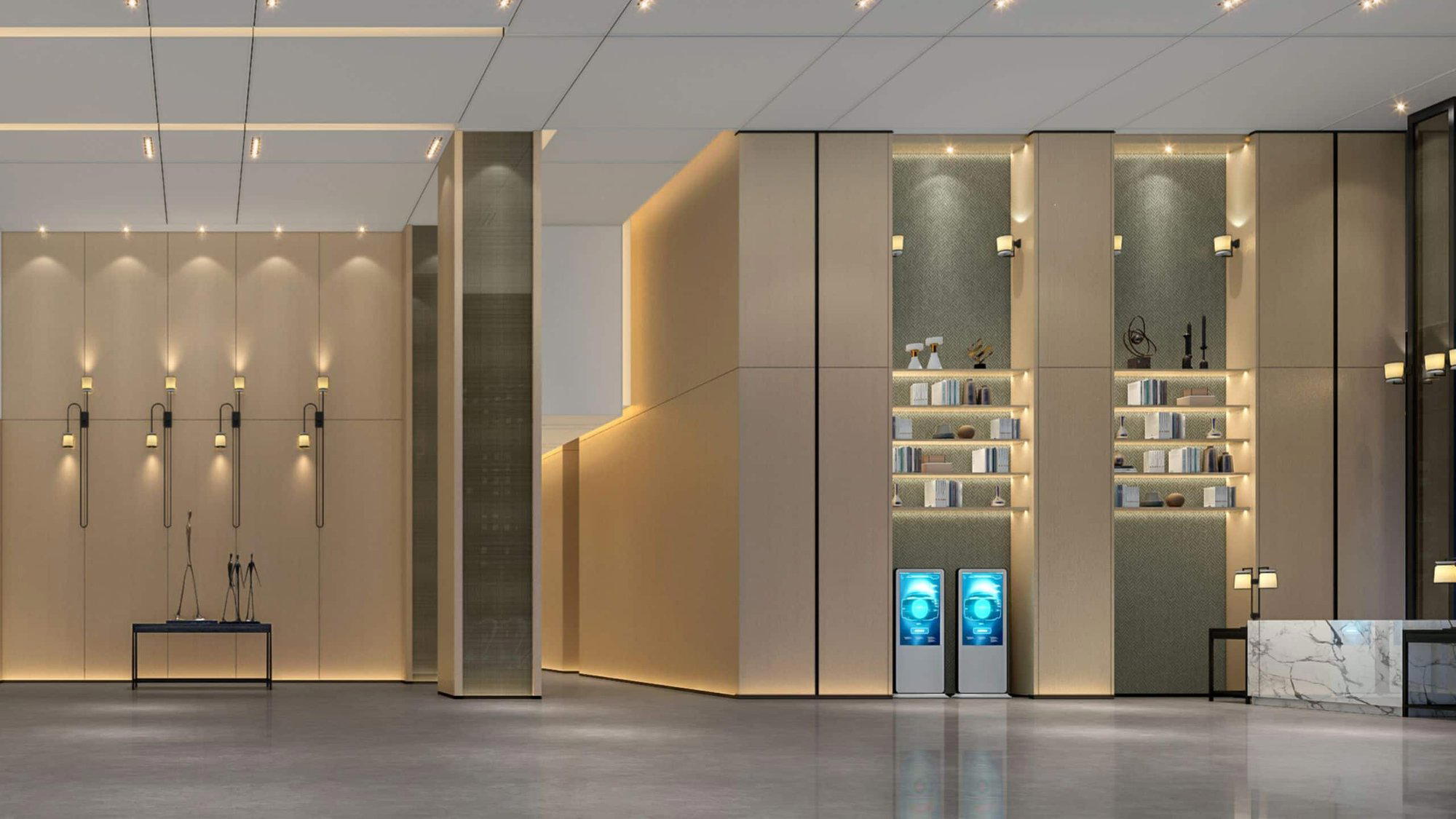
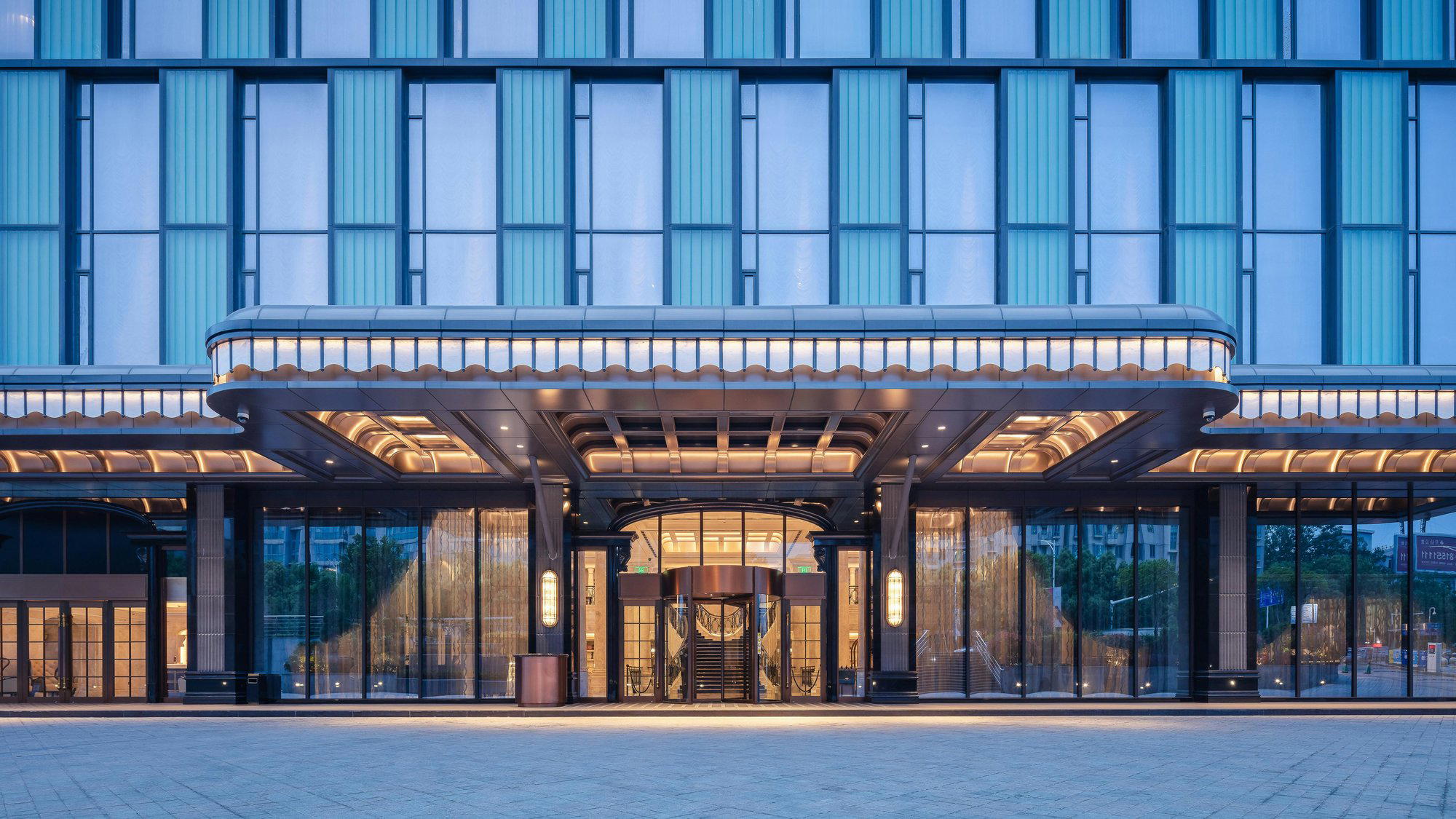
Soft lighting, lacquered wood, and graceful contemporary accents create a refined, quiet luxury atmosphere with understated décor.