
Michelin Bib Gourmand
Our verdict
A back-to-back Michelin Bib Gourmand winner in 2024 and 2025, Jian Ji (Liwan) sits inside Beijing Road's Yuexiu District retail complex and serves a focused noodle menu that positions it among Guangzhou's most recognised affordable eating addresses. The ¥ price point puts it well below the city's starred Cantonese tier while operating under the same inspectors' gaze.

Pearl is the En Primeur Club membership app, where members save venues, book tables and use the concierge.
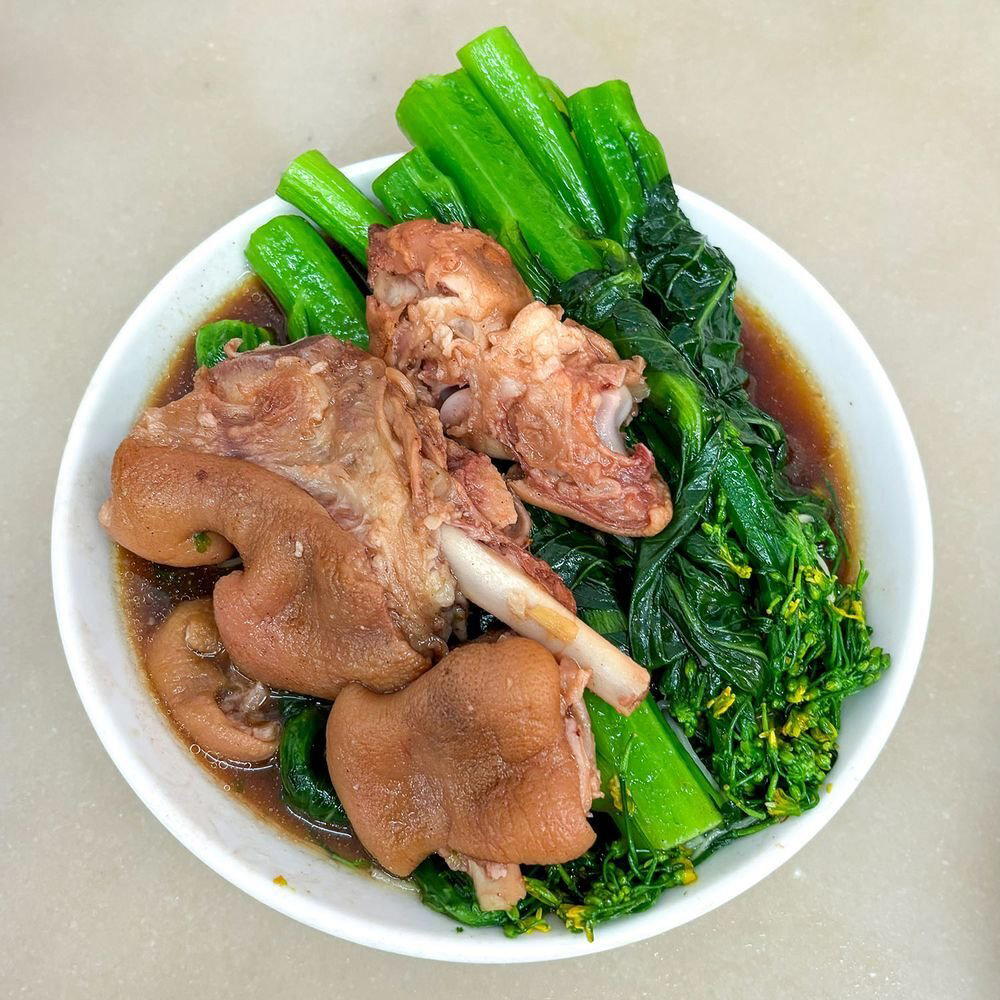
The menu
What to order
- E-fu noodles
- Egg noodles
A Noodle Counter in the Belly of Beijing Road
Beijing Road is one of Guangzhou's oldest commercial arteries, a pedestrian spine connecting the old city to the Pearl River that has cycled through dynasties, colonial trade, and now multi-floor retail complexes. The sixth floor of Yuexiu District's Yuehải Yǎngzhōng Huì complex, where Jian Ji (Liwan) operates, represents a particular logic that Guangzhou has developed better than most Chinese cities: serious food placed inside mall real estate without the food becoming mall food. The setting lacks the patina of an alley shophouse, but the kitchen's output has earned two consecutive Michelin Bib Gourmand awards, in 2024 and 2025, which puts it in a different conversation than its surroundings might suggest.
What the Menu Architecture Says About the Place
The Bib Gourmand designation is itself a structural argument. Michelin awards it to kitchens delivering quality at a price point the inspectors consider exceptional value, and at a ¥ tier, Jian Ji (Liwan) operates at the accessible floor of the city's recognised dining scene. That price signal matters for understanding the menu's philosophy: this is not a kitchen hedging toward multiple formats or chasing a broader demographic with add-on categories. The cuisine type in every record is simply "Noodles." The specificity is intentional. In Cantonese food culture, noodle specialisation is a legitimate culinary identity rather than a simplification, the gap between a bowl at an undistinguished shop and one at a kitchen focused entirely on broth depth, noodle texture, and topping composition can be enormous, and Michelin's recognition here confirms that gap exists at Jian Ji (Liwan).
Cantonese noodle formats carry significant regional variation. Wonton noodle soup, a dish whose broth construction can involve hours of reduction from pork bones and dried seafood, is the benchmark most Guangzhou diners apply to any serious noodle house. The city also has a long tradition of beef brisket noodles, dry-tossed egg noodle formats, and rice noodle preparations that pull from the broader Pearl River Delta pantry. A menu framed around noodles in this context is not a narrow offer; it is a decision to compete on depth within one of the most scrutinised food categories in southern China. The two Bib Gourmands suggest the kitchen has earned its position in that competition.
For a regional comparison: noodle-focused kitchens earning Michelin recognition operate across multiple Chinese cities, from A Bing Bao Shan Mian in Hangzhou to A Kun Mian in Taichung, but the Cantonese noodle tradition that Jian Ji (Liwan) operates within carries its own distinct logic, shaped by different stocks, dried goods, and textural expectations than the wheat-forward noodle cultures of northern and central China.
Positioning Inside Guangzhou's Recognised Eating Scene
Guangzhou's Michelin-recognised dining spans a wide price band. At the upper end, kitchens like Imperial Treasure Fine Chinese Cuisine operate at ¥¥¥ with two stars, and the French Contemporary format at Rêver reaches ¥¥¥¥ with a single star. Jian Ji (Liwan) at ¥ with consecutive Bib Gourmands occupies the opposite end of that spectrum, making it one of the city's most affordable addresses in any tier of inspector-recognised dining. That positioning is not incidental. The Bib Gourmand list in cities like Guangzhou tends to function as the guide's argument for where the city's food culture actually lives day-to-day, separate from special-occasion fine dining.
Within the specific noodle category, the competitive set in Guangzhou includes addresses like Sing Wan Loi Noodle, Lao Xiguan Laifen (Wenming Road), and Liang Jie Nanning Pumiao Shengzha Mifen (Yinghua Street), which pulls from the Guangxi rice noodle tradition that feeds into Guangzhou's own mifen culture. Nearby, Enning Liu Fu Ji (Donghua East Road) adds another data point to the neighbourhood's concentration of recognised noodle and congee addresses. The density of this category in Guangzhou reflects how central the bowl format is to the city's daily eating patterns, and Jian Ji (Liwan)'s back-to-back recognition puts it inside a defined peer group of kitchens the guide considers worth the detour.
The Liwan Connection and Cantonese Context
The Liwan name in the parenthetical carries weight in Guangzhou. Liwan District, known historically as Xiguan, is the oldest commercial and residential quarter of the city, the area associated most directly with old Cantonese merchant culture, morning tea traditions, and the food formats that define how the rest of the world understands Cantonese cooking. Addresses operating under the Liwan identity signal alignment with that tradition, whether through location or culinary reference. Xiguan Zhuyuan (Lizhiwan) is another example of a venue leaning into that district identity as a culinary credential.
Wider Cantonese dining scene across mainland China and beyond has produced recognised kitchens at multiple tiers, from Chef Tam's Seasons in Macau to regionally focused addresses like Dai Yuet Heen in Nanjing, but the source material for Cantonese cooking remains Guangzhou, and the city's Bib Gourmand tier is where that source material is most accessible at daily-meal prices.
Planning a Visit
Jian Ji (Liwan) sits on the sixth floor of the Yuehải Yǎngzhōng Huì building at 168 Beijing Road, Yuexiu District, Guangzhou, postal code 510115. Beijing Road is served by multiple metro lines and is among the city's most direct addresses to reach by public transport from any central district. The ¥ price tier means a meal here is priced for a repeat visit rather than a one-off occasion, which is consistent with how most Guangzhou residents use their recognised noodle addresses. As with most Bib Gourmand-level noodle operations in southern Chinese cities, peak lunch hours tend to see queues; arriving before noon or after the main lunch rush gives a better chance of a shorter wait.
For broader planning, see our full Guangzhou restaurants guide, our full Guangzhou hotels guide, our full Guangzhou bars guide, our full Guangzhou wineries guide, and our full Guangzhou experiences guide. For Michelin-recognised kitchens in comparable Chinese cities, Xin Rong Ji (Xinyuan South Road) in Beijing, 102 House in Shanghai, Ru Yuan in Hangzhou, and Xin Rong Ji in Chengdu offer useful reference points across different cuisines and price tiers.
Frequently asked questions
What is the signature dish at Jian Ji (Liwan)?
What the record does confirm is a focused noodle menu operating at the ¥ price tier, with back-to-back Michelin Bib Gourmand recognition in 2024 and 2025. In the Cantonese noodle tradition, wonton noodle soup and beef brisket noodles are the canonical benchmark dishes at any seriously regarded address, and the inspectors' consecutive recognition points to consistent execution across the kitchen's core offer.
Recognition Snapshot
| Venue | Cuisine | Price | Awards | Notes |
|---|---|---|---|---|
| Jian Ji (Liwan)This venue (the venue you are viewing) | Traditional Cantonese Noodles | Not listed | Michelin Bib Gourmand | Not listed |
| Imperial Treasure Fine Chinese Cuisine | Fine Cantonese Cuisine | Not listed | 2 Michelin Stars · La Liste Top Restaurants | Cantonese |
| Taian Table | Modern European with Asian Influences | $300–500 | 3 Michelin Stars · La Liste Top Restaurants | Modern European, European Contemporary |
| Chōwa | Franco-Japanese Fusion | $150–200 | 1 Michelin Star · The Best Chef Two Knives | Innovative |
| Imperial Treasure Fine Teochew Cuisine | Fine Teochew Cuisine | Not listed | 1 Michelin Star · La Liste Top Restaurants | Chao Zhou |
| Rêver | Modern French Fine Dining with Cantonese Influences | Not listed | 1 Michelin Star · The Best Chef One Knife | French Contemporary |
Recognition history
Dated appearances from independent guides and award organizations, with the underlying list record or original source where available.
Michelin Bib Gourmand
Michelin
Full recognition history (2 entries)
Michelin Bib Gourmand
Michelin
Continue exploring
More in Guangzhou
Restaurants in Guangzhou
All restaurants in Guangzhou →
Bars in Guangzhou
All bars in Guangzhou →



Details
- Classic
- Cozy
- Casual Hangout
- A La Carte
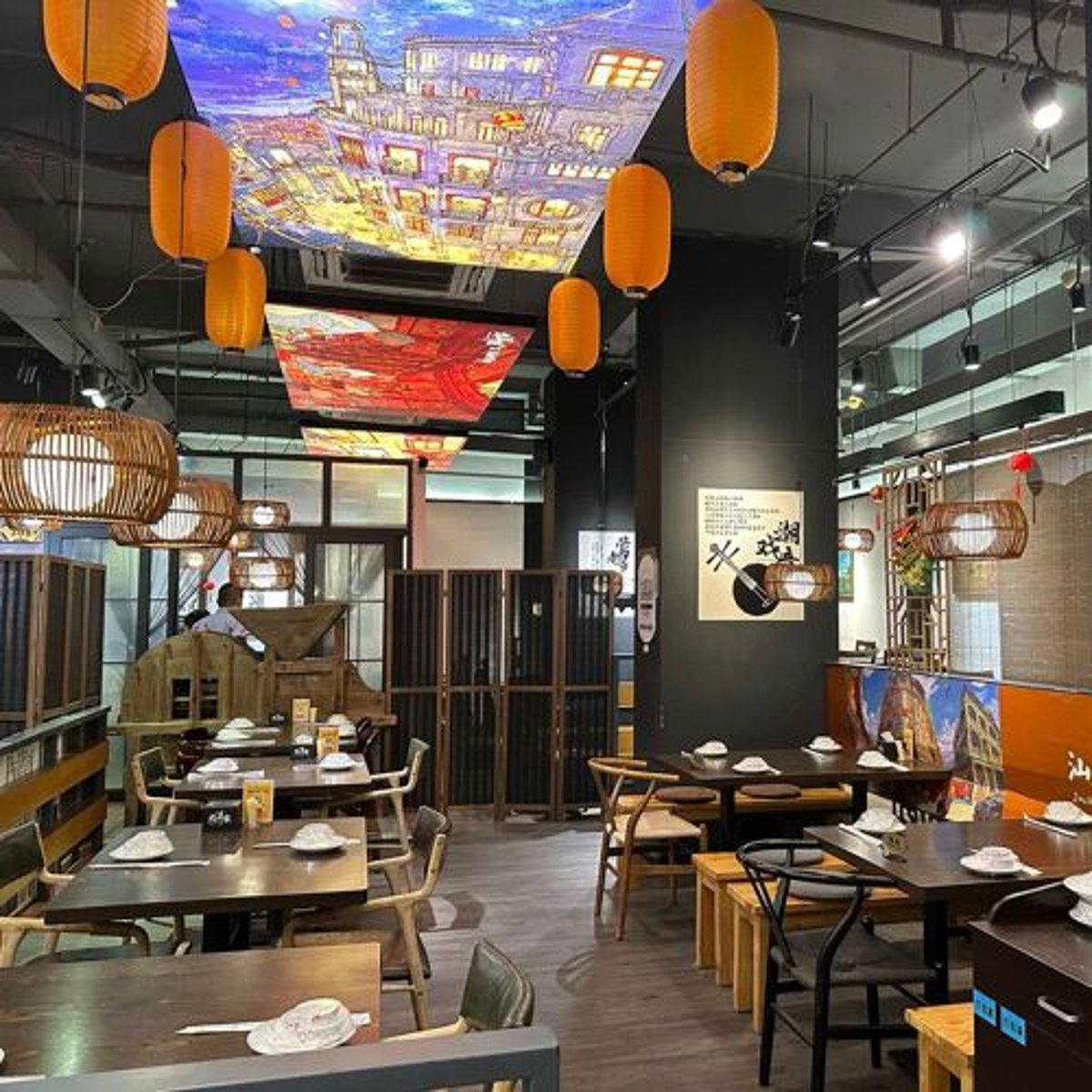
Small shop with open kitchen where ladies swiftly prepare finicky noodles.