Jägerhof


One of Sankt Gallen's few Michelin-starred addresses, Jägerhof holds a single star for its modern seasonal cooking under chef Agron Lleshi, who has led the kitchen since 2016. The format runs from three to eight courses at dinner, with à la carte and a lighter lunch service alongside. The truffle course has become a long-running signature, and the kitchen table can be reserved for those who want a front-row view of service.
Pearl is the En Primeur Club membership app — saves, bookings, and concierge access live there. Same editors, same standards.
- Address
- Brühlbleichestrasse 11, 9000 St. Gallen, Switzerland
- Phone
- +41 71 245 50 22
- Website
- jaegerhof.ch
- Directions
- Get directions
 Saves & bookings on Pearl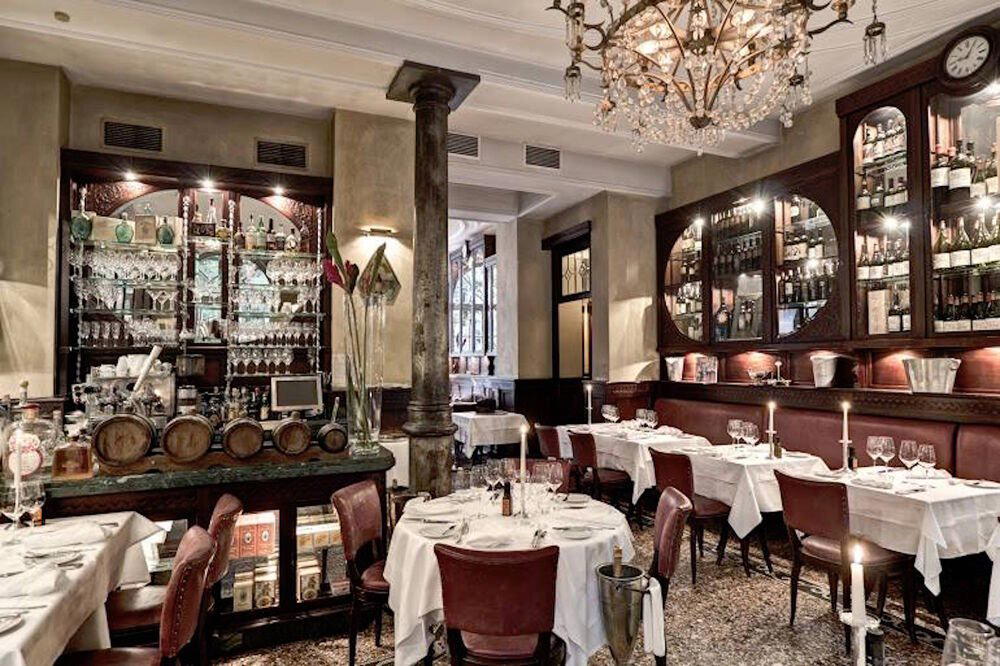
Where Sankt Gallen's Fine Dining Sits in the Swiss Picture
Hotel de Ville Crissier in Crissier and Schloss Schauenstein in Fürstenau anchor the three-star tier, while restaurants like Cheval Blanc by Peter Knogl in Basel and Memories in Bad Ragaz occupy the two-star bracket. Single-star restaurants fill a more spread-out tier across Swiss cities and smaller towns, operating with different price levels and formats depending on their local market. Sankt Gallen, a medieval textile city of roughly 80,000 in the canton of the same name, close to the Austrian and German borders, has historically received less dining attention than Zurich or Geneva. Jägerhof's Michelin star places it in a narrower category for the city: a kitchen that competes on culinary ambition rather than volume or tourism foot traffic.
The broader fine dining tier in Sankt Gallen clusters around a handful of addresses. Einstein Gourmet, with two Michelin stars and a creative Modern European approach, operates at the €€€€ price tier and represents the city's highest-rated kitchen. Jägerhof sits one price tier below at €€€, occupying a position where serious seasonal cooking meets a format accessible enough to sustain a regular lunch and dinner trade. Corso and Helvetia cover the contemporary tier at similar price points, while Multertor and Candela operate in the more accessible €€ range. Jägerhof's position in this map is specific: a Michelin-starred restaurant at a price point that doesn't require a special occasion to justify, which is a relatively unusual combination in Switzerland's fine dining tier.
The Address and What It Says About the Restaurant
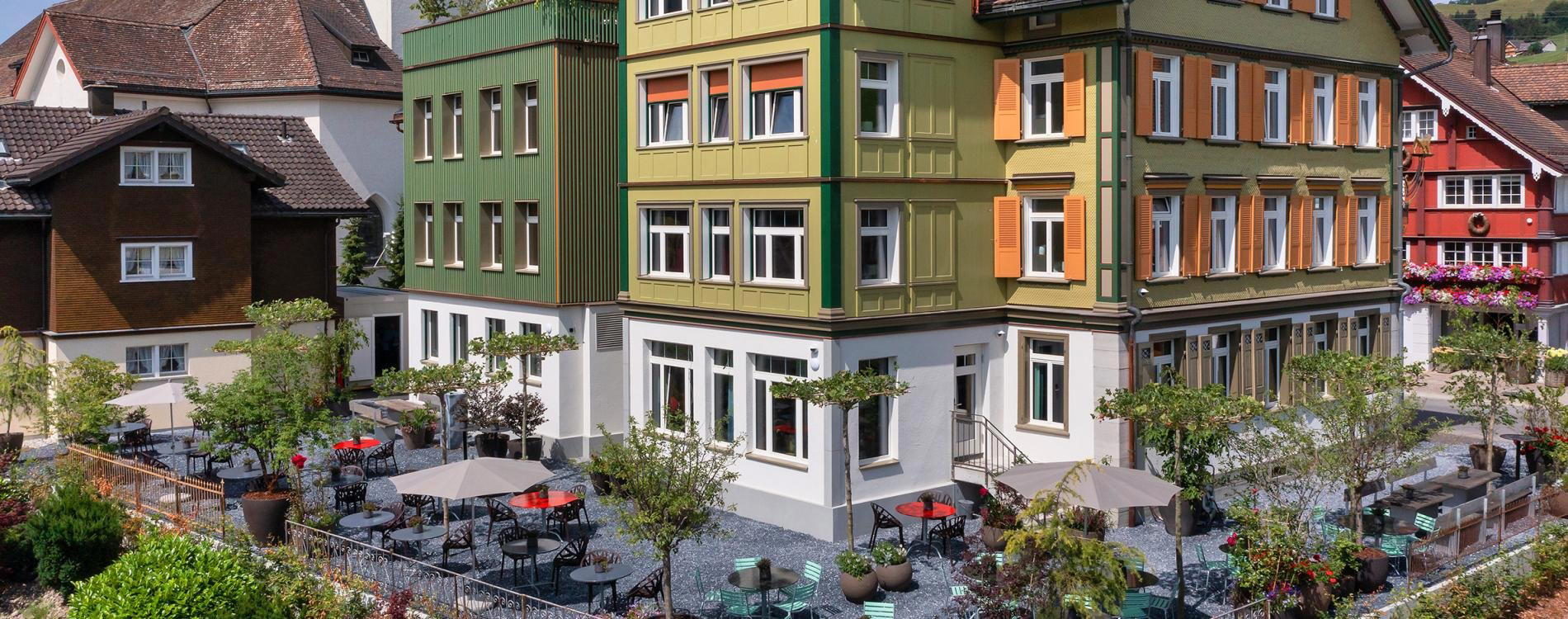
Brühlbleichestrasse 11 sits in a quieter quarter of Sankt Gallen, away from the pedestrianised old town that draws most visitors. The UNESCO-listed Abbey District, with its Baroque cathedral and historic library, pulls tourist attention to the centre; Jägerhof operates at a remove from that circuit. Restaurants in slightly off-centre locations in mid-sized Swiss cities tend to build their clientele from regulars and local professionals rather than passing trade. The practical implication is a dining room that feels settled rather than transient, where the service team develops fluency with the room's rhythms over time.
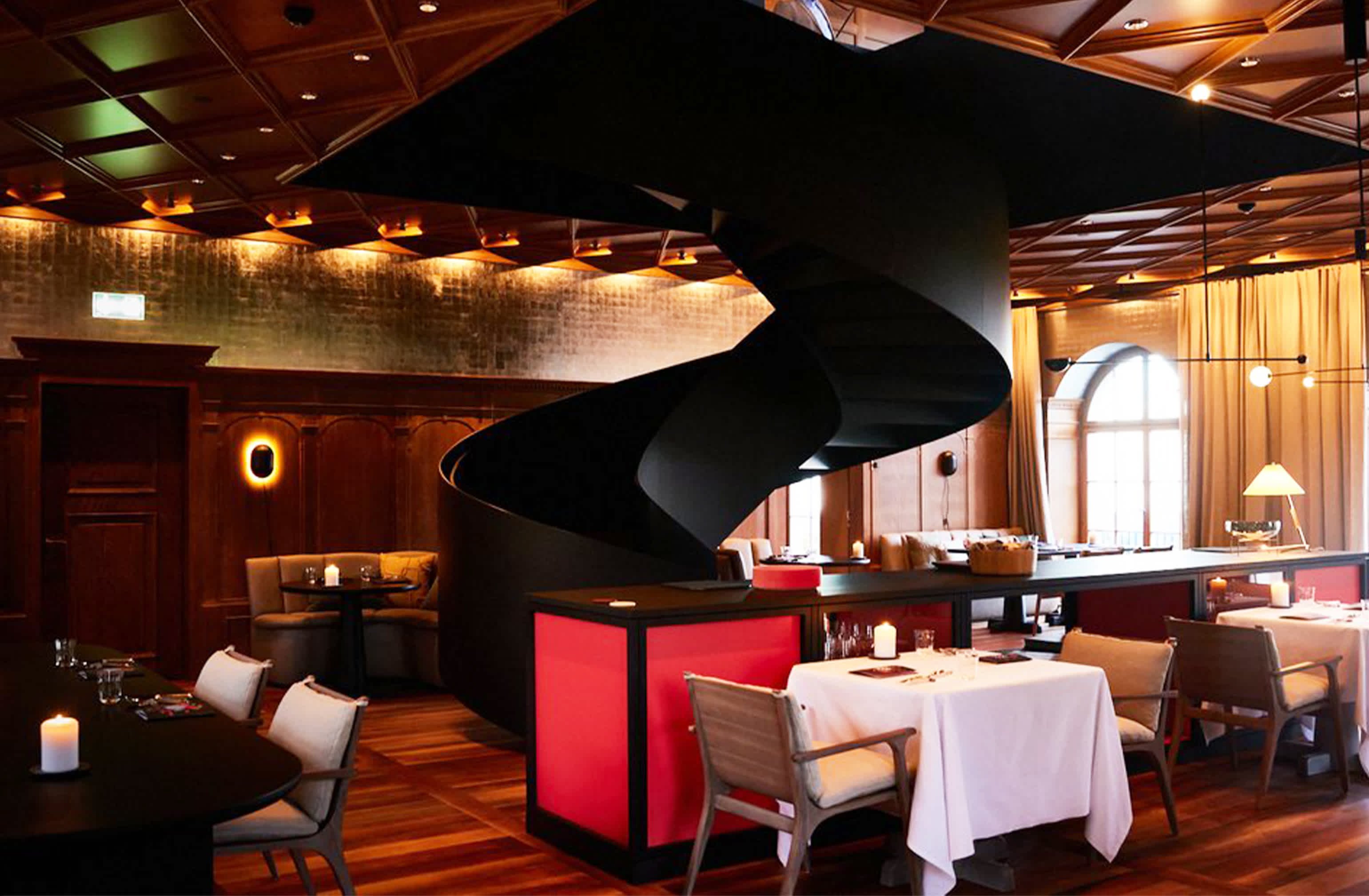
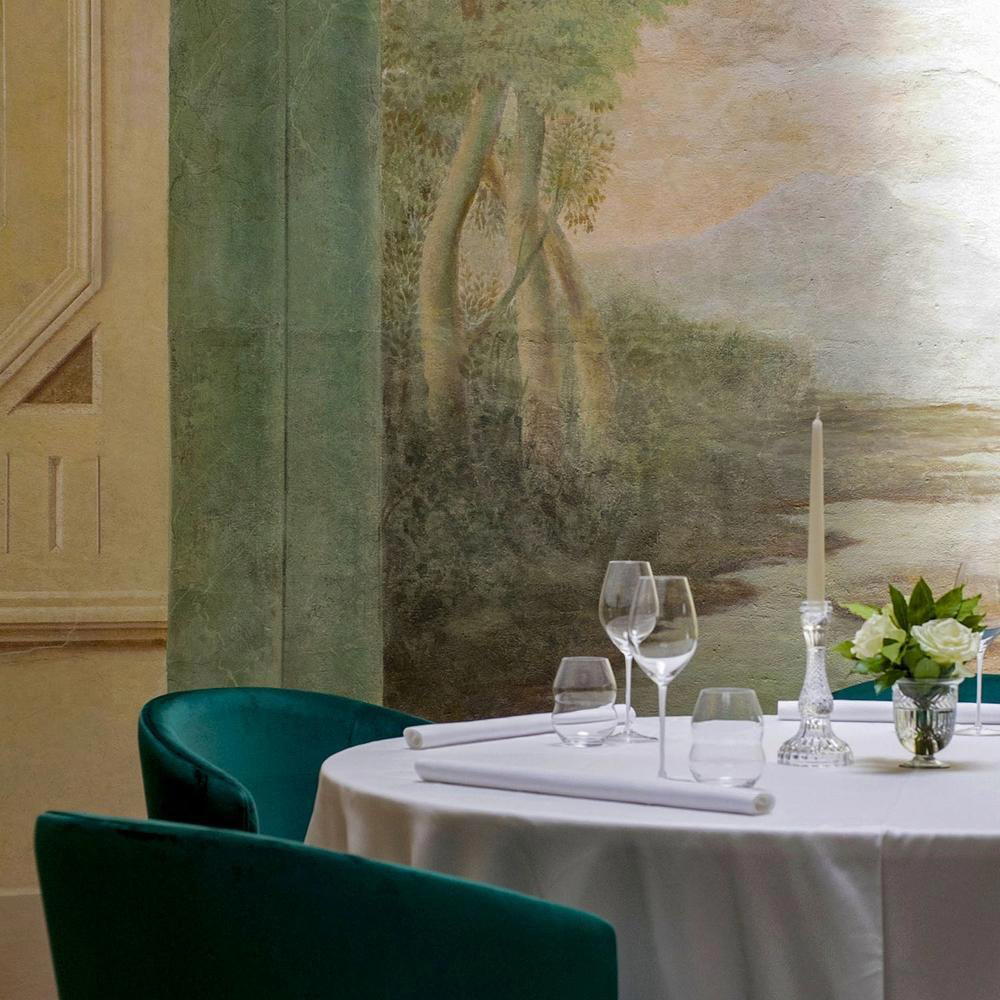
The interior is described in terms of warmth rather than spectacle: soothing tones, modern lines, a pared-down aesthetic that reads as elegance through reduction rather than decoration. This design approach places it in a category of Swiss fine dining rooms that have moved away from the formal heaviness of an earlier generation of starred restaurants toward something that feels considered without being austere. The atmosphere sits closer to the direction taken by contemporary Scandinavian fine dining spaces than to the white-tablecloth formality associated with French-influenced Swiss restaurants of the 1990s.
The Format: Menus, Lunch, and the Kitchen Table
The cooking sits under the heading of modern seasonal cuisine, drawing from the surrounding Eastern Swiss region as well as broader European influences. The menu structure runs from three to eight courses at dinner, which gives the kitchen flexibility to serve both a committed tasting format and something closer to a composed multi-course dinner without locking every guest into the same duration. The truffle course has functioned as a long-running signature within that format, which points to a kitchen that has identified a reliable high-value element and committed to it across seasons rather than cycling it out in pursuit of novelty.
Lunch at Jägerhof operates on a simplified format, which is a common pattern among European starred restaurants that want to maintain a midday presence without replicating the full evening investment. This kind of dual-register operation requires kitchen discipline: the evening ambition has to be credible, and the lunch offer has to be distinct enough to justify both services. One detail that speaks to the kitchen's character is the bread rolls, made by the chef's mother.
The kitchen table, which can be reserved for a direct view of service, offers a different experience from the main dining room.
Service and the Wine Dimension
The front-of-house operation is led by sommelier Wilko Bachmann. In smaller fine dining rooms, the sommelier's presence often defines the character of the service as much as the kitchen does. A wine program that includes expert guidance without becoming obtrusive is a specific balance to maintain, and it reflects a service philosophy oriented toward the guest's experience rather than the performance of expertise for its own sake. Eastern Switzerland sits adjacent to wine-producing regions on multiple sides: the Rhine valley to the north, Graubünden to the southeast, and Austria's Vorarlberg just across the border. A sommelier working this geography has access to a genuinely varied regional cellar alongside the standard international canon.
House-made chocolates served with coffee at the close of a meal are a small but deliberate signal. Petit fours and after-dinner sweets in starred restaurants often function as a final index of how seriously the kitchen takes the whole arc of a meal. Producing chocolates in-house rather than sourcing them connects to the same instinct as the house-made bread rolls: a commitment to doing foundational elements from scratch at both ends of the meal.
Planning a Visit
Jägerhof operates Tuesday through Friday for both lunch and dinner, with lunch running from 11:30 AM to 2 PM and dinner from 6 PM to 10 PM. Saturday service is dinner only, from 5 PM to 11 PM. The restaurant is closed on Sundays and, based on listed hours, on Mondays as well for dinner (lunch is listed Monday through Friday). At the €€€ price tier with a Michelin star, advance booking is advisable, particularly for Saturday evenings and for the kitchen table, which operates as a distinct reservation category. For those interested in other single-star cooking in the broader Swiss eastern Alpine region, 7132 Silver in Vals and Colonnade in Lucerne represent comparable tiers in different settings.
A Tight Comparison
Comparable venues nearby, for context on price, style, and recognition.
| Venue | Cuisine | Price | Notes |
|---|---|---|---|
| JägerhofThis venue — the venue you are viewing | Modern Cuisine | $$$$ | Not listed |
| Netts Schützengarten | Not listed | $$$ | Sankt Gallen, Modern Swiss with Asian Fusion |
| Soleil d’Or by David Geisser | Not listed | $$$$ | St. Gallen Center, Modern Fine Dining |
| Corso | Not listed | $$$ | Old Town, Modern Swiss Alpine Fine Dining |
| Candela | Not listed | $$$ | city centre, Modern Swiss with International Influences |
| Zum Goldenen Schäfli | Old Town, Traditional Swiss | $$$ | Not listed |
Recognition history
Dated appearances from independent guides and award organizations, with the underlying list record or original source where available.
Falstaff Restaurant - 94 Falstaff Points
Falstaff
Michelin 1 Star
Michelin
Michelin 1 Star
Michelin
Continue exploring
More in Sankt Gallen
Restaurants in Sankt Gallen
Browse all →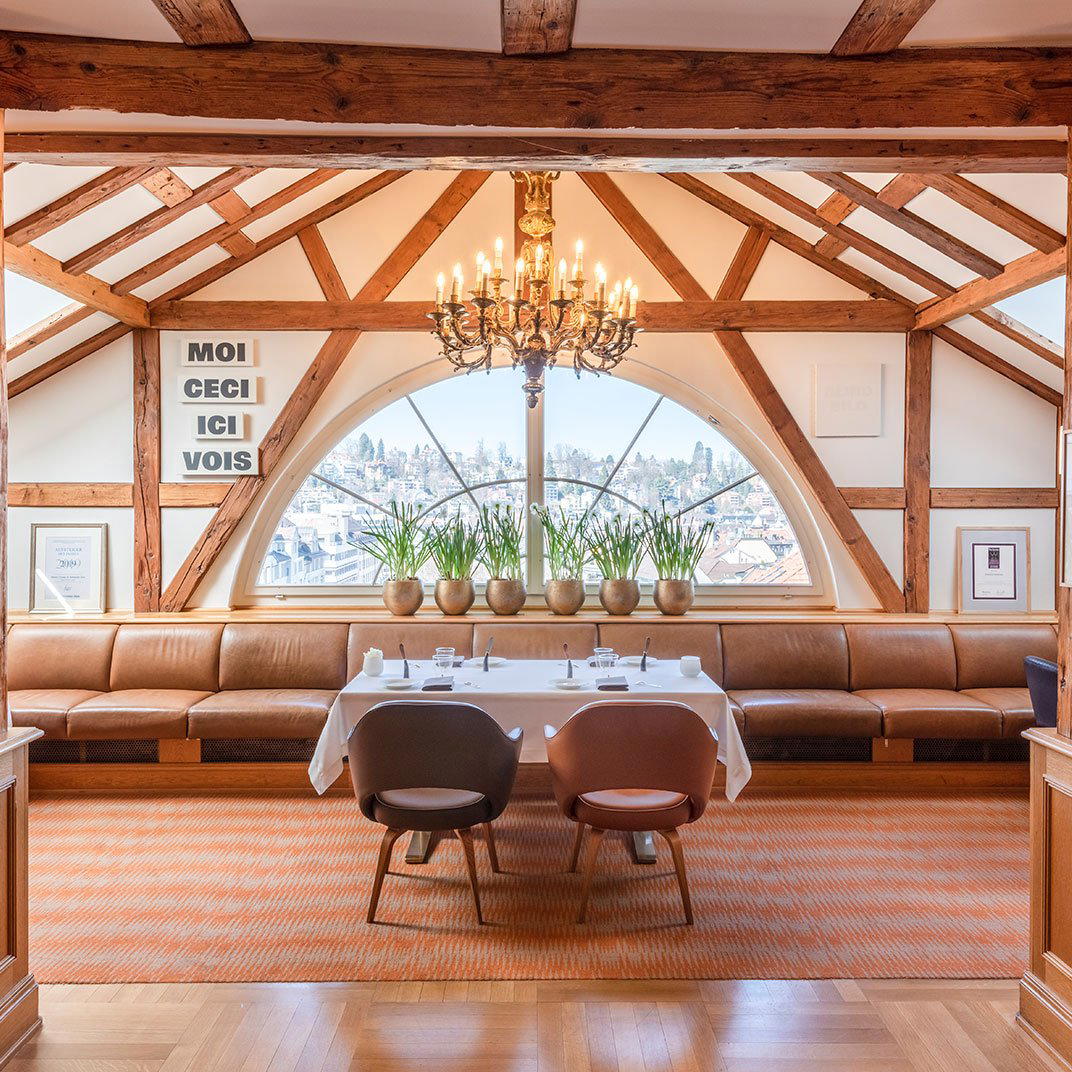
Bars in Sankt Gallen
Browse all →

Hotels in Sankt Gallen
Browse all →

At a Glance
- Elegant
- Sophisticated
- Cozy
- Classic
- Date Night
- Business Dinner
- Special Occasion
- Celebration
- Open Kitchen
- Private Dining
- Standalone
- Extensive Wine List
- Sommelier Led
- Local Sourcing
- Farm To Table
Current opening hours
- Monday
- 11:30 AM–2 PM, 6–10 PM
- Tuesday
- 11:30 AM–2 PM, 6–10 PM
- Wednesday
- 11:30 AM–2 PM, 6–10 PM
- Thursday
- 11:30 AM–2 PM, 6–10 PM
- Friday
- 11:30 AM–2 PM, 6–10 PM
- Saturday
- 5–11 PM
- Sunday
- Closed
Hours can change for holidays and private events. Last verified .
Warm, rustic elegance meeting modern sophistication with stylish newly renovated interiors; intimate and comfortable spacing between tables with attentive, unobtrusive service.