Cabaret Voltaire
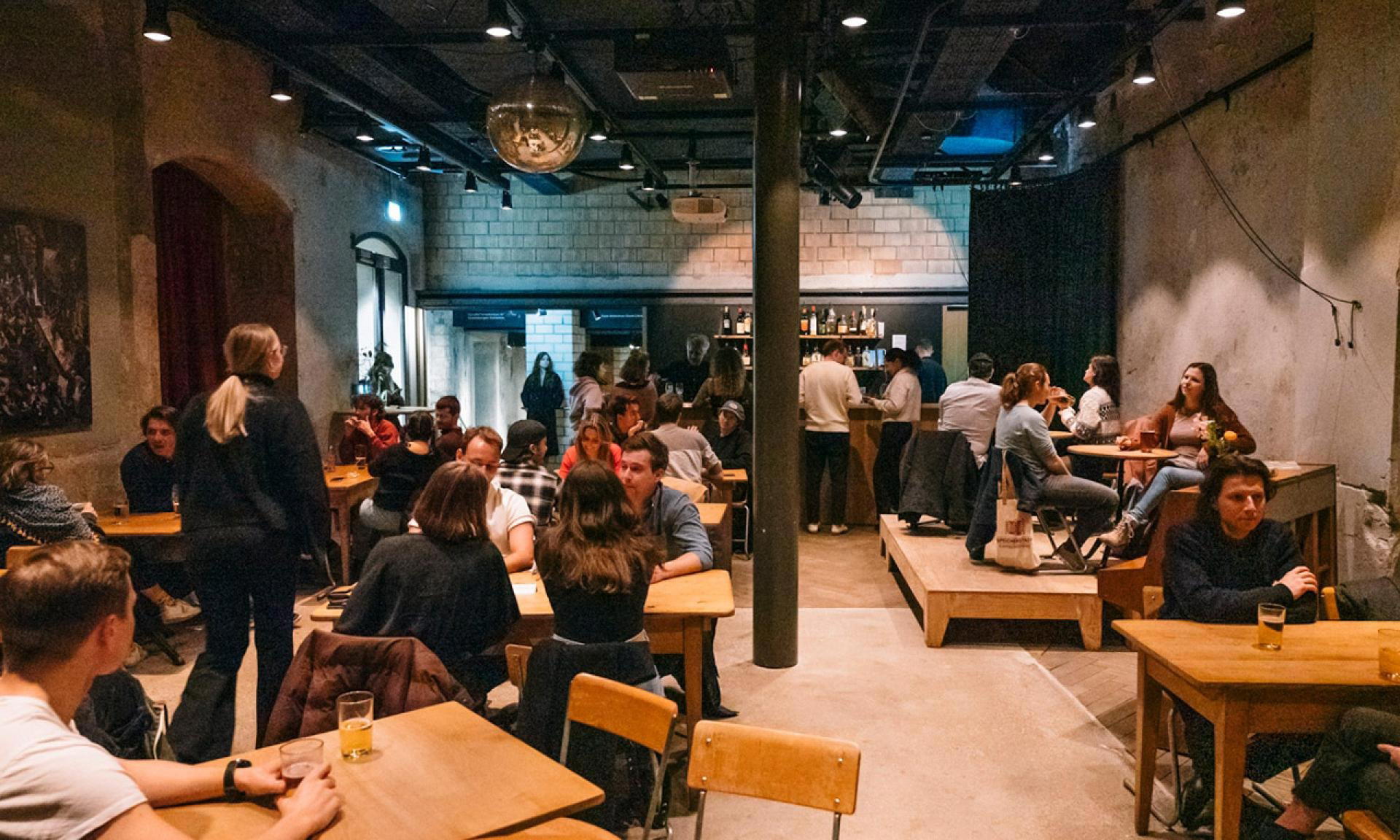
Cabaret Voltaire on Spiegelgasse 1 occupies one of European cultural history's most charged addresses: the Zurich basement where Dada was born in 1916. Today the space functions as a bar, cultural venue, and gathering point for those who arrive knowing what happened here, and return because the atmosphere rewards that knowledge. It sits in Zurich's Niederdorf quarter, steps from the Limmat, and operates on a different frequency from the city's polished hotel bars.

Pearl is the En Primeur Club membership app, where members save venues, book tables and use the concierge.
The Address That Changed Art
There is a particular kind of place that functions differently depending on whether you know its history. Spiegelgasse 1 in Zurich's Niederdorf quarter is that kind of address. The narrow lane runs off the Limmat in the old town, and the building at its head is where, in February 1916, Hugo Ball, Emmy Hennings, Tristan Tzara, Jean Arp, and their collaborators founded Dada in a rented cabaret space. The movement that would go on to destabilise the foundations of 20th-century art, literature, and design started in a basement bar. Cabaret Voltaire reopened on that same site in 2004 and has operated since as a cultural venue where the weight of that origin is impossible to separate from an evening there. Regulars do not come for the novelty. They come because the specific character of this space, its scale, its address, its accumulated associations, is not reproducible anywhere else in the city.
Niederdorf and the Geography of Zurich's Night
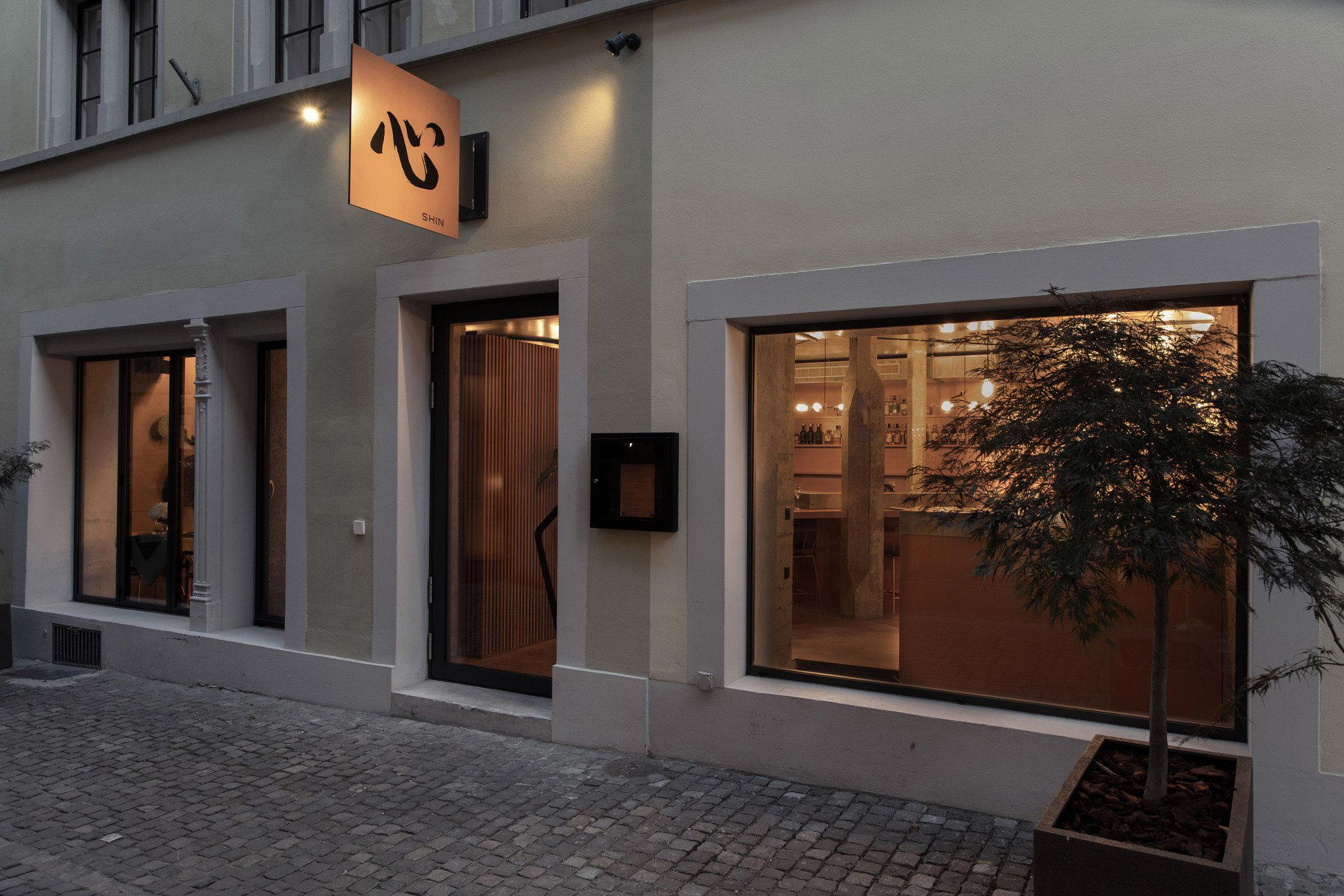
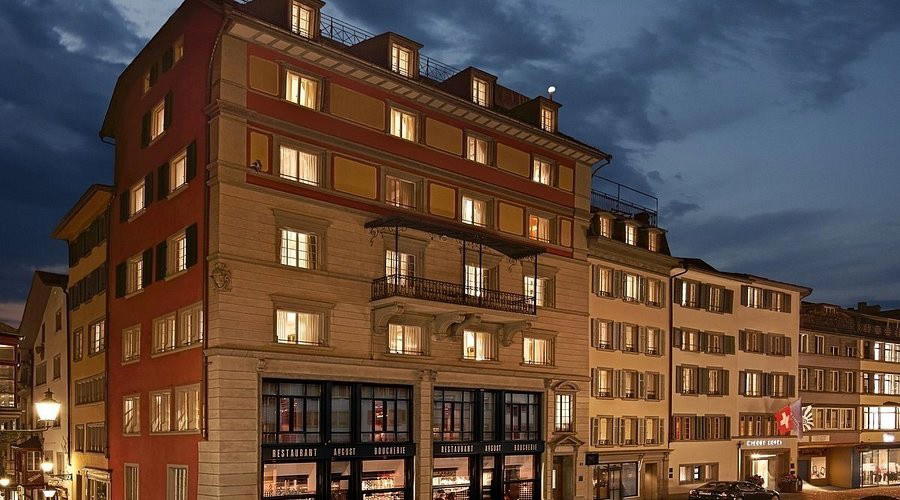
Zurich's bar scene has fragmented across several distinct zones over the past decade. The Langstrasse corridor, where you'll find venues like 25hours Hotel Zürich Langstrasse, operates on a louder, more varied frequency. The West district around 25hours Hotel Zürich West has absorbed much of the city's design-led hospitality. The Niederdorf, by contrast, is the old city: medieval street grid, guild-era buildings, a density of small bars and restaurants that has resisted large-format redevelopment. Cabaret Voltaire sits at the quieter, more historically weighted end of that district. The approach along Spiegelgasse, particularly at night when the lane is lit but not crowded, has its own quality. It is not theatrical in the way purpose-built destination bars tend to be. The history is structural, not decorative.
For a broader orientation across Zurich's drinking and dining scene before you plan your visit, the full Zurich restaurants and bars guide maps the city's current character across neighbourhoods and formats.
What the Regulars Know
Cultural venues that rely on historical prestige alone tend to thin out quickly: the first-time visitors arrive, tick the box, and leave. The spaces that develop a returning clientele are the ones where something is actually happening on the night. Cabaret Voltaire has maintained a programme of events, readings, performances, and exhibitions that reflect the Dada lineage without simply restaging it. The regulars who return are not there to be lectured at about 1916. They are there because the programme continues to be unpredictable in the way the original cabaret was unpredictable, and because the physical space, small, atmospheric, historically weighted, is the right container for that kind of evening.
This is a meaningful distinction in Zurich's cultural offering. The city's museum infrastructure is substantial and well-funded, but the register of Cabaret Voltaire is different: it is a live space that happens to carry a significant archive, not an archive that has been given a bar. That inversion matters to the people who treat it as a regular stop rather than a one-time pilgrimage.
The Space Itself
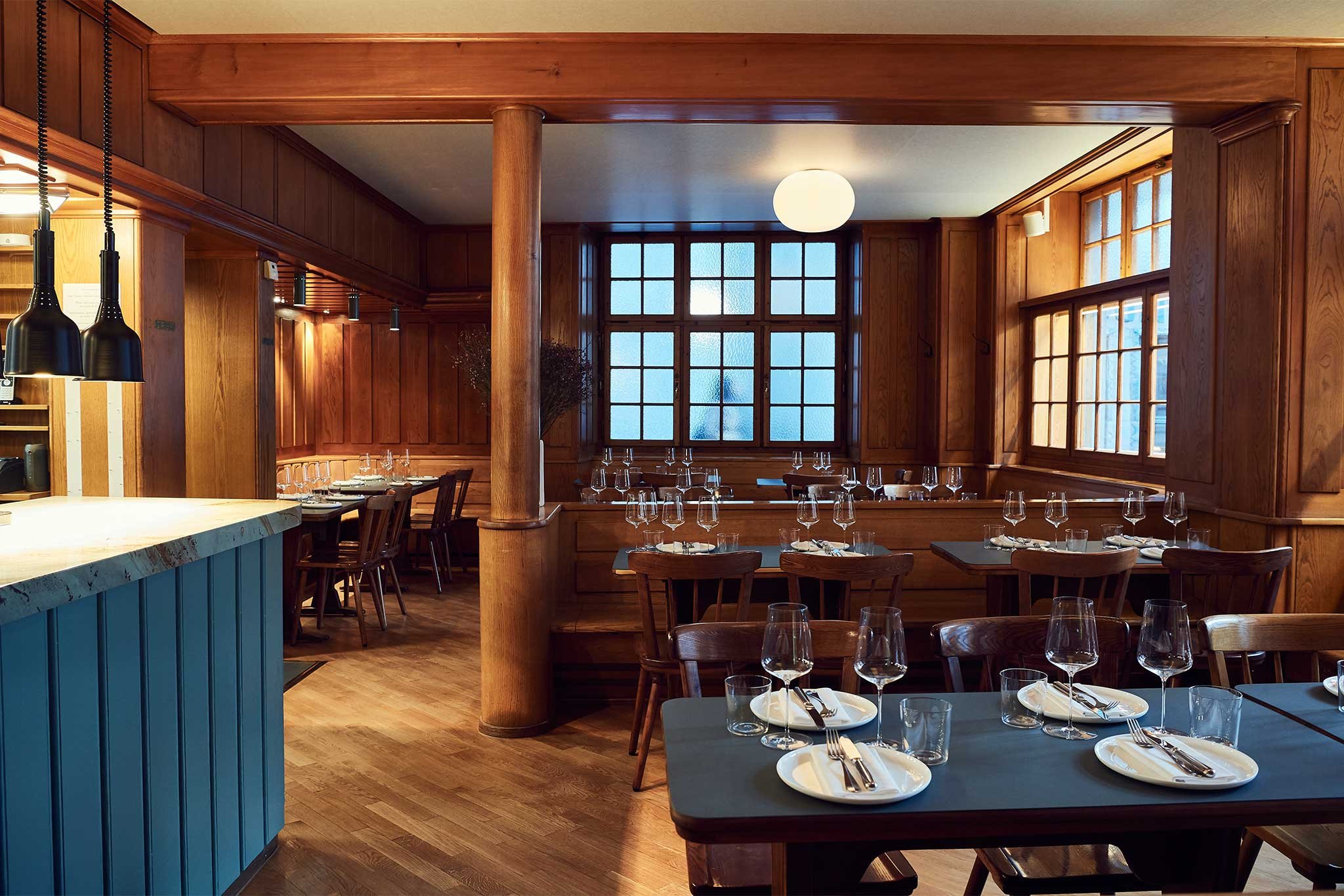
The interior retains the compressed scale of its original function. This is not a sprawling arts complex. The rooms are small enough that the programme, whatever it is on a given night, dominates the experience rather than competing with ambient noise and crowd size. That scale also means capacity is limited, which in practice functions as a soft filter: the people who make the effort to be there on a specific evening for a specific event are the ones who know what they are attending. The atmosphere that results is less curated than it is self-selecting.
Compared to larger format cultural bars elsewhere in Switzerland, such as those operating in hotel contexts like the Grand Hotel Les Trois Rois in Basel, Cabaret Voltaire operates without the infrastructure of a hotel programme behind it. It is a standalone space, which gives it both its constraints and its particular freedom of character.
Drinking at Cabaret Voltaire
The bar at Cabaret Voltaire functions in the context of the venue's cultural programme rather than as a destination in its own right. Swiss spirits, local and regional wines, and standard European bar offerings form the core of what is available. The experience of drinking here is inseparable from the space and whatever is happening on the night. Those who visit expecting a cocktail programme comparable to technically focused bars like Bar 3000 or the outdoor waterside setting of Bar am Wasser will find a different register entirely. The drink is context, not centrepiece.
For visitors who want to extend an evening in Zurich across multiple venues, 169 West and Puregold Bar and Lounge in Glattpark offer alternatives in different parts of the city. Further afield in Switzerland, Vieil Ouchy in Lausanne, Champagner Bar in Saas Fee, and Jamming Corner in Unterseen represent the range of what the country's bar culture offers outside its largest cities. For something geographically distant but similarly grounded in a specific sense of place, Bar Leather Apron in Honolulu operates in that same register of programme-led, identity-specific hospitality.
Planning a Visit
Cabaret Voltaire is located at Spiegelgasse 1 in Zurich's 8001 postcode, in the Niederdorf, a ten-minute walk from Zurich Hauptbahnhof through the old town. The venue operates on a programme basis, meaning the experience varies significantly depending on the night. Checking the current events calendar before visiting is not optional if you want to attend a specific performance or exhibition rather than simply see the space. The Niederdorf is walkable from most central Zurich hotels and well-served by the city's tram network. Given the limited capacity and the nature of event-based programming, arriving with some advance knowledge of what is scheduled on a given evening is the approach that regulars consistently take.
Cuisine Lens
| Venue | Cuisine | Price | Awards |
|---|---|---|---|
| Cabaret VoltaireThis venue (the venue you are viewing) | This venue | $20–30 | Not listed |
| Bar am Wasser | Not listed | $20–30 | Star Wine List · Top 500 Bars Best Bars #313 |
| Dr. Zhivago Bar | Not listed | $20–30 | Falstaff Bar - 93 Falstaff Points · Pinnacle Guide 1 Pin |
| Late Bloomers | Not listed | Not listed | World's 50 Best #44 · Falstaff Bar - 93 Falstaff Points |
| Old Crow | Not listed | $20–30 | Top 500 Bars Best Bars #307 |
| Widder Bar | Not listed | $20–30 | Star Wine List · Top 500 Bars Best Bars #302 |
Continue exploring
More in Zürich
Bars in Zürich
All bars in Zürich →
Restaurants in Zürich
All restaurants in Zürich →

Cabaret Voltaire
The drinks
- Classic cocktails
Signature drinks: Gimlet, Gin Fizz, Last Word.
Details
- Bohemian
- Well Known
- Lively
- Whimsical
- Casual Hangout
- Late Night
- Historic Building
- Seated Bar
- Lounge Seating
- Classic Cocktails
Current opening hours
- Monday
- Closed
- Tuesday
- 5–11 PM
- Wednesday
- 5–11 PM
- Thursday
- 5–11 PM
- Friday
- 1:30 PM–12:30 AM
- Saturday
- 1:30 PM–12:30 AM
- Sunday
- 1:30–6 PM
Hours can change for holidays and private events. Hours as of .