Widder Hotel



2 Michelin Keys · La Liste Top Hotels · Forbes 4-Star
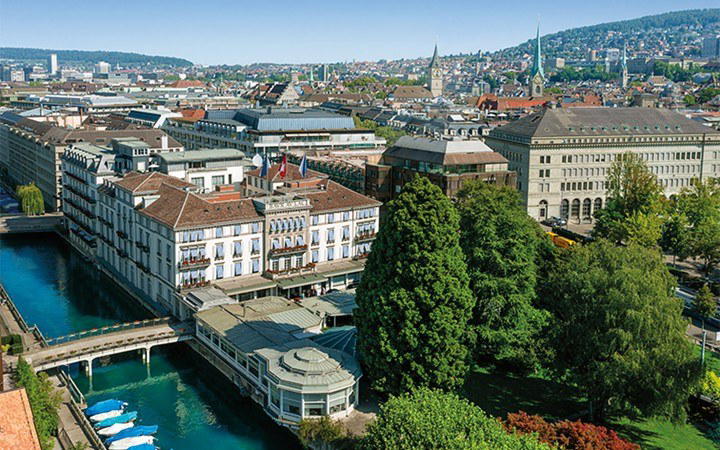
Nine medieval townhouses in Zurich's Augustiner Quarter, pulled together into 49 individually designed rooms and suites. The Widder holds two Michelin Stars for its restaurant program and two Michelin Keys for the hotel itself, alongside a 95-point La Liste Top Hotels ranking for 2026. Rates from approximately $770 per night position it within Zurich's upper-tier boutique category, distinct from the lakefront grand hotels.

Pearl is the En Primeur Club membership app, where members save venues, book tables and use the concierge.
Nine Buildings, One Coherent Argument
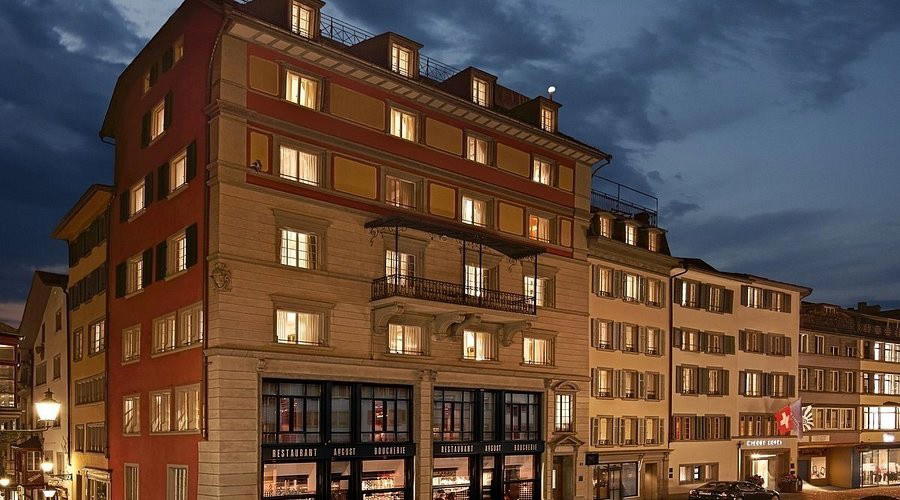
The approach along Rennweg gives almost nothing away. The facades of the nine historic townhouses that form Widder Hotel read as ordinary Old Town architecture: stone, timber framing, centuries of careful maintenance. What lies inside is the point. UBS acquired the property in 1984 and handed the interior commission to Swiss designer Tilla Theus with an art and design budget that had few apparent constraints. The result, after a restoration completed in 1995, is a hotel whose public corridors function as a working collection, with pieces by Giacometti, Warhol, and Rauschenberg distributed across the conference rooms and suites. Rauschenberg was among the hotel's earliest guests; he liked the space sufficiently to produce a site-specific work that remains in the Penthouse Suite.
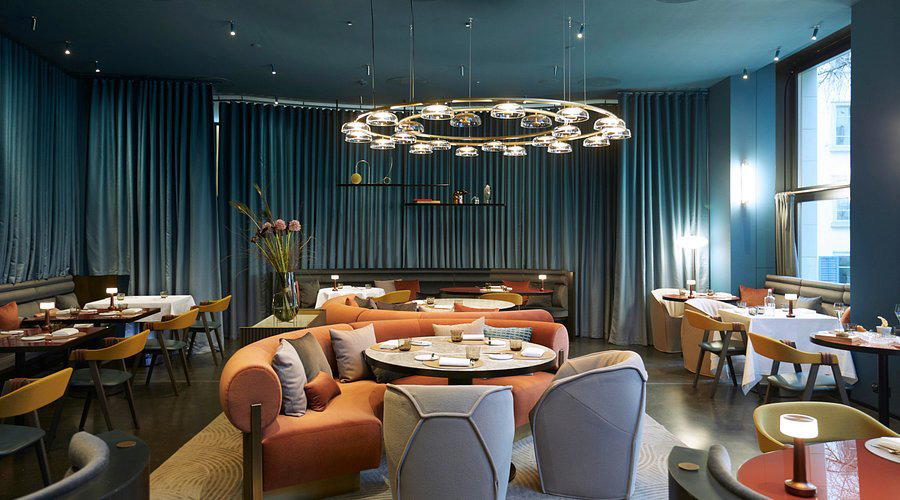
That backstory matters because it explains the sensory register of the place. Zurich's premium hotel tier tends to split between the formal lakefront palaces, such as Baur au Lac, and the design-forward properties with a more urban grain. The Widder belongs firmly to the second category, though it operates at a level of finish that rivals the first. The nine buildings were restored individually, which is why no two buildings share the same interior logic: one corridor arrives at an architecture-office aesthetic with metal catwalks suspended on cables; another opens into a baroque interior where ornately carved woodwork sits alongside minimal modern furniture; a third offers exposed ceiling beams and stone walls closer to an arts-district renovation than a hotel. Walking between them, there is always something to stop for.
Rooms as Individual Spaces
The 49 rooms across the property divide into three commercial categories: Design Doubles at 323 to 377 square feet, Lifestyle Junior Suites ranging from 377 to 484 square feet, and Lifestyle Suites from 484 to 646 square feet. The categories provide a price and size framework, but the more relevant variable is which building a room sits in, since that determines the visual character entirely. No two rooms share the same theme or design. Technical details reinforce the sense of considered intent: floor sensors trigger nightlights automatically, and some bathrooms have built-in television screens. Fourteen suites are in the inventory, several with their own roof terraces. Rates start at approximately $770 per night.
Four fully furnished apartments, added in May 2020, occupy a former townhouse on the property and sit above Rennweg with views toward the Lindenhof. Medieval foundations, original beams, and stucco ceilings sit alongside contemporary fittings. The apartments offer more separation from hotel operations while retaining access to hotel services on request, a format that suits extended stays or guests who want the address without the standard hotel rhythm.
The Dining Tier
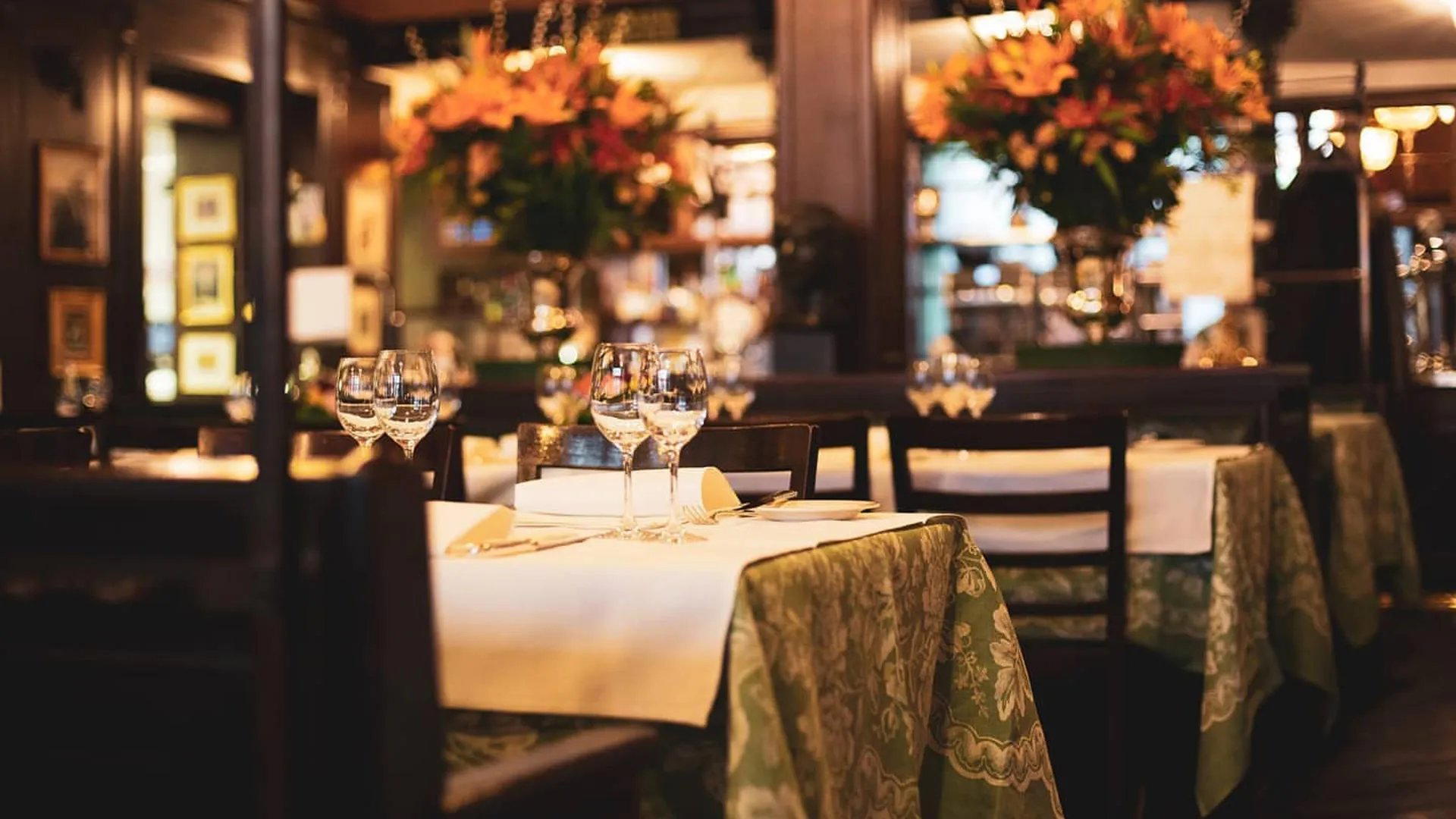
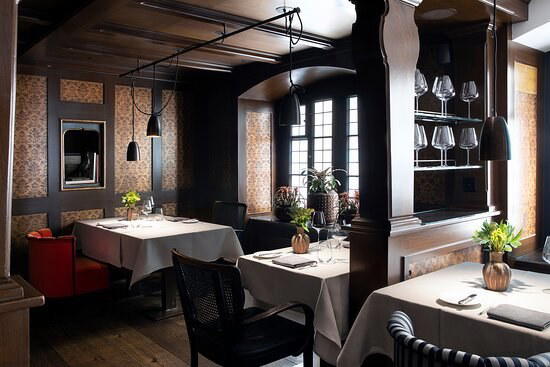
Among Zurich's hotel restaurant programs, the Widder operates at a demonstrably high level. The Widder Restaurant holds two Michelin Stars, placing it in a small cohort of hotel-based fine dining rooms in Switzerland that carry that recognition. Stefan Heilemann leads the culinary direction, with Tino Staub as Executive Chef. The restaurant offers transport in a Maserati limousine for guests who live locally and want collection and return, a logistical detail that signals the service register at which it operates.
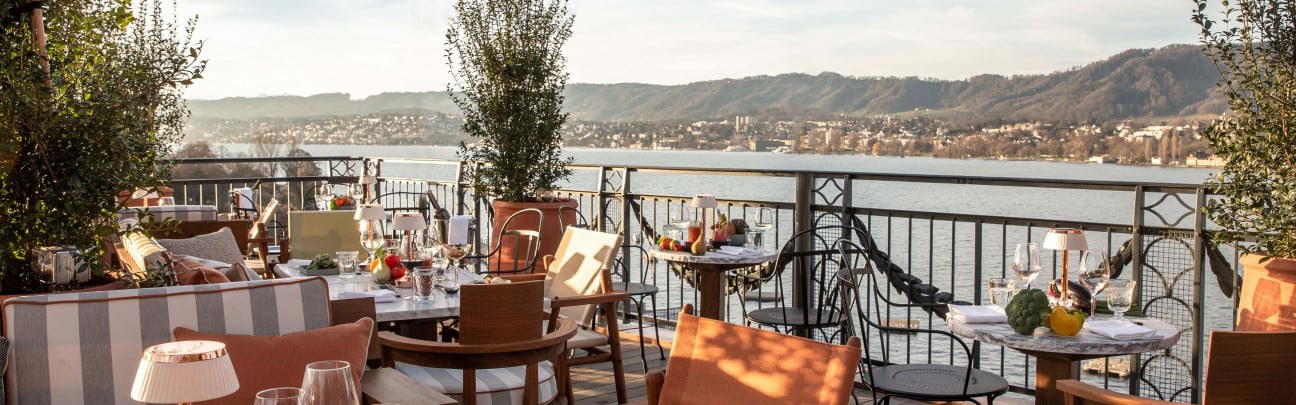
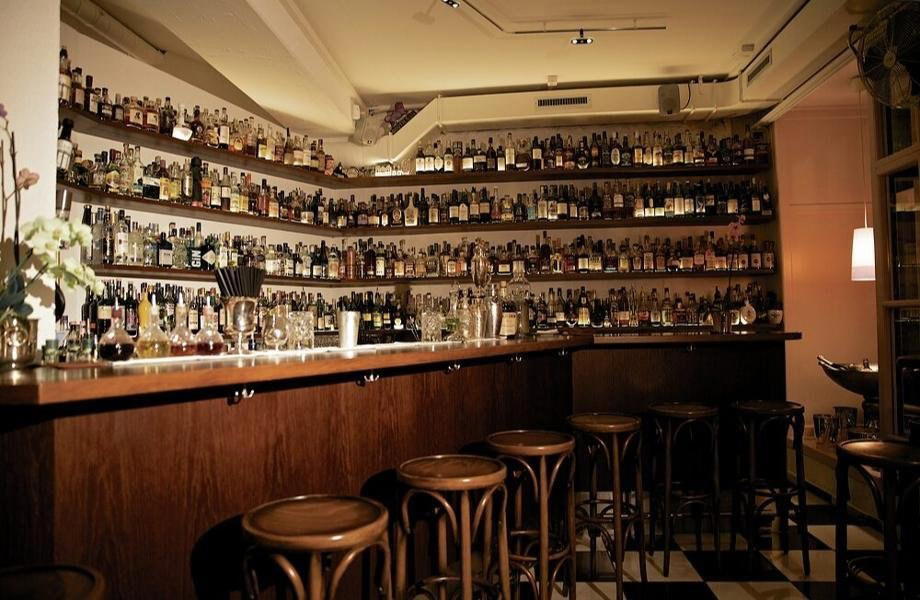
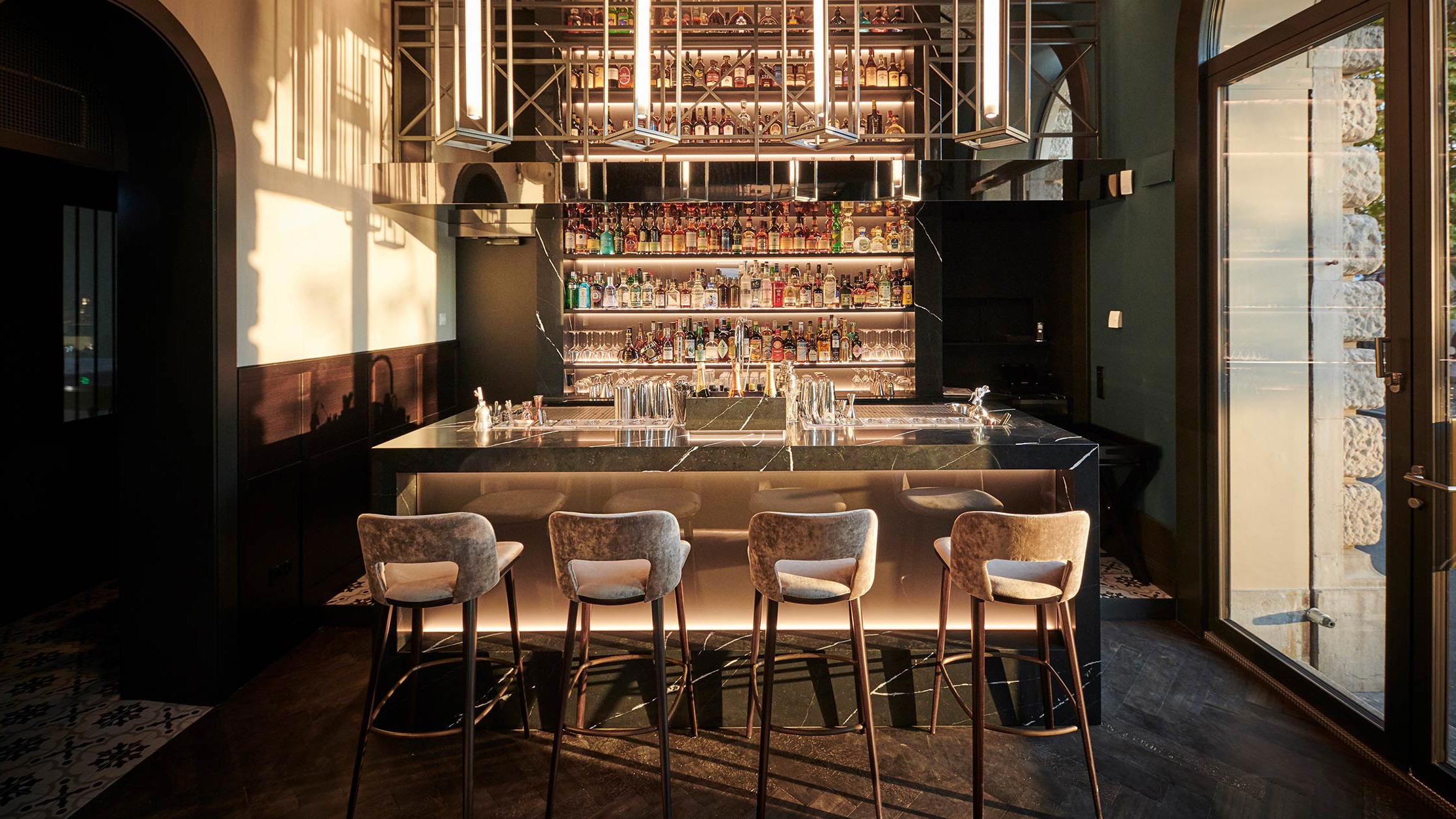
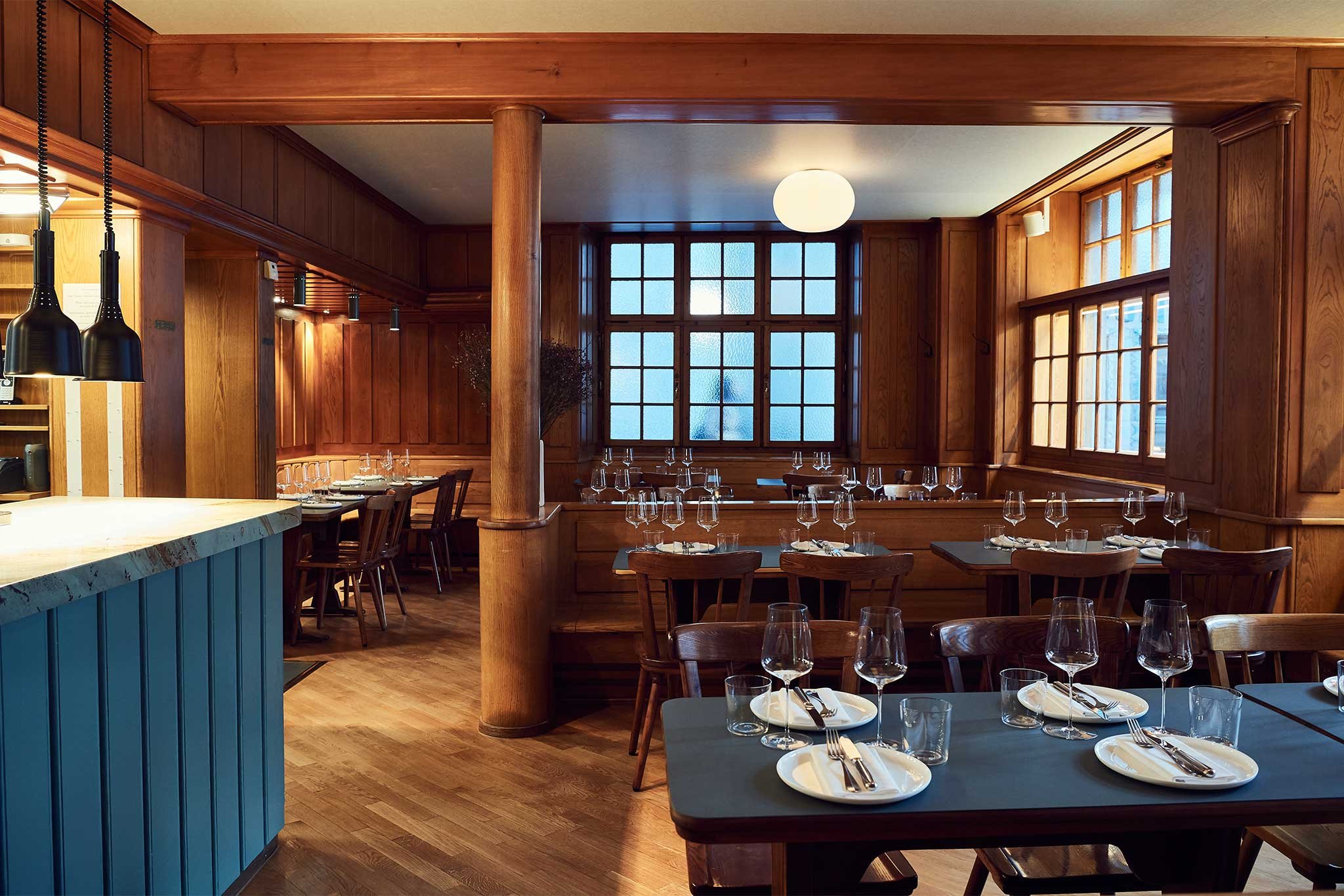
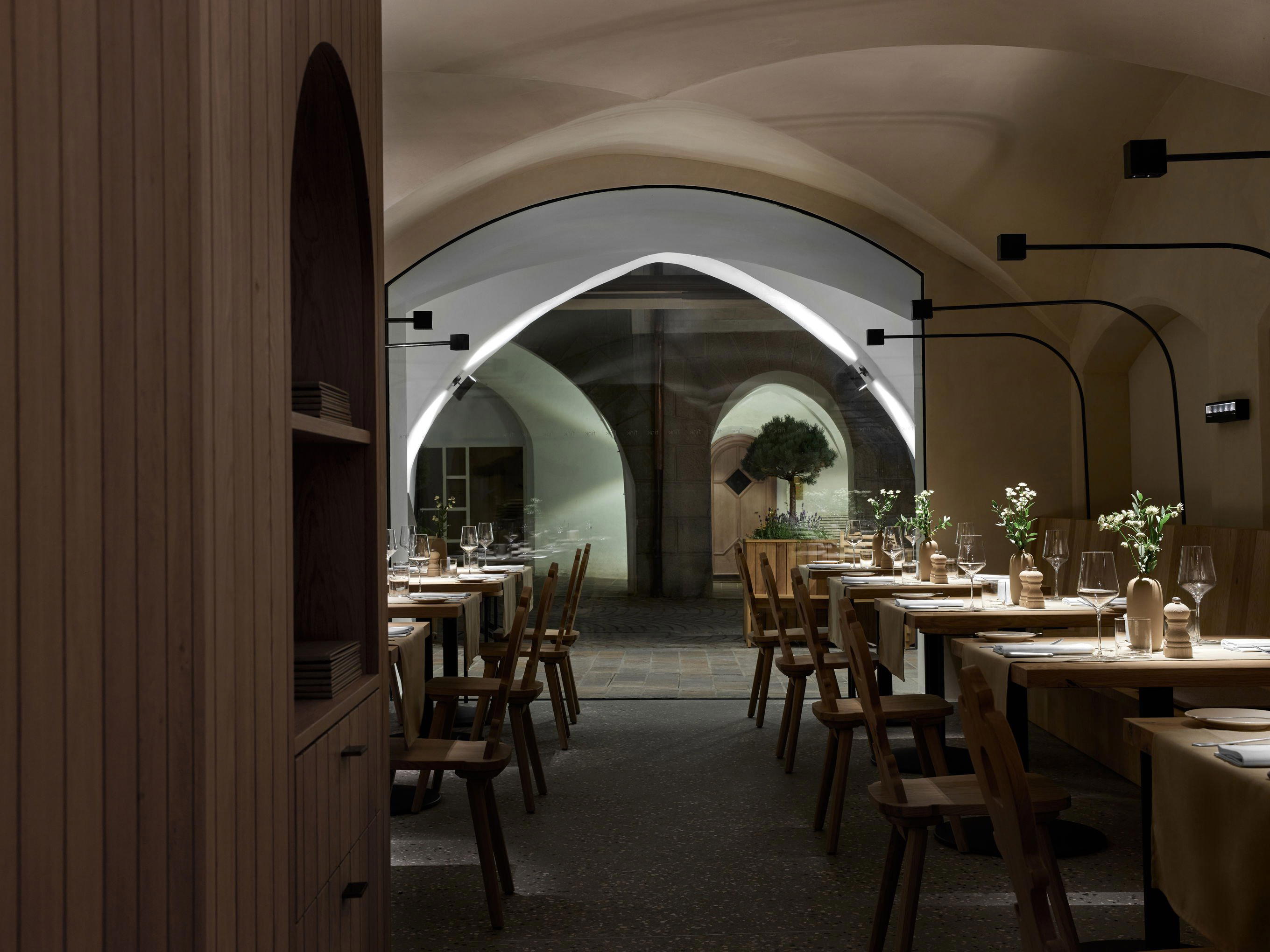
A second dining format, Restaurant Boucherie AuGust, occupies a different register, described as classic and rustic-chic, which gives the hotel a practical option for guests who want a less formal meal without leaving the property. Outdoor dining in the Widder Garden is available through summer months. The Turmstübli, adjacent to the restaurant, is one of a diminishing number of indoor spaces in Zurich's hotel sector where guests may smoke. The Widder Bar is built around a jazz program, in keeping with Zurich's historically strong relationship with the genre, and operates as a destination in its own right rather than a lobby amenity.
For a broader view of where the Widder's dining sits within the city's restaurant ecosystem, our full Zurich restaurants guide maps the scene across price tiers and neighborhoods.
Position and Context
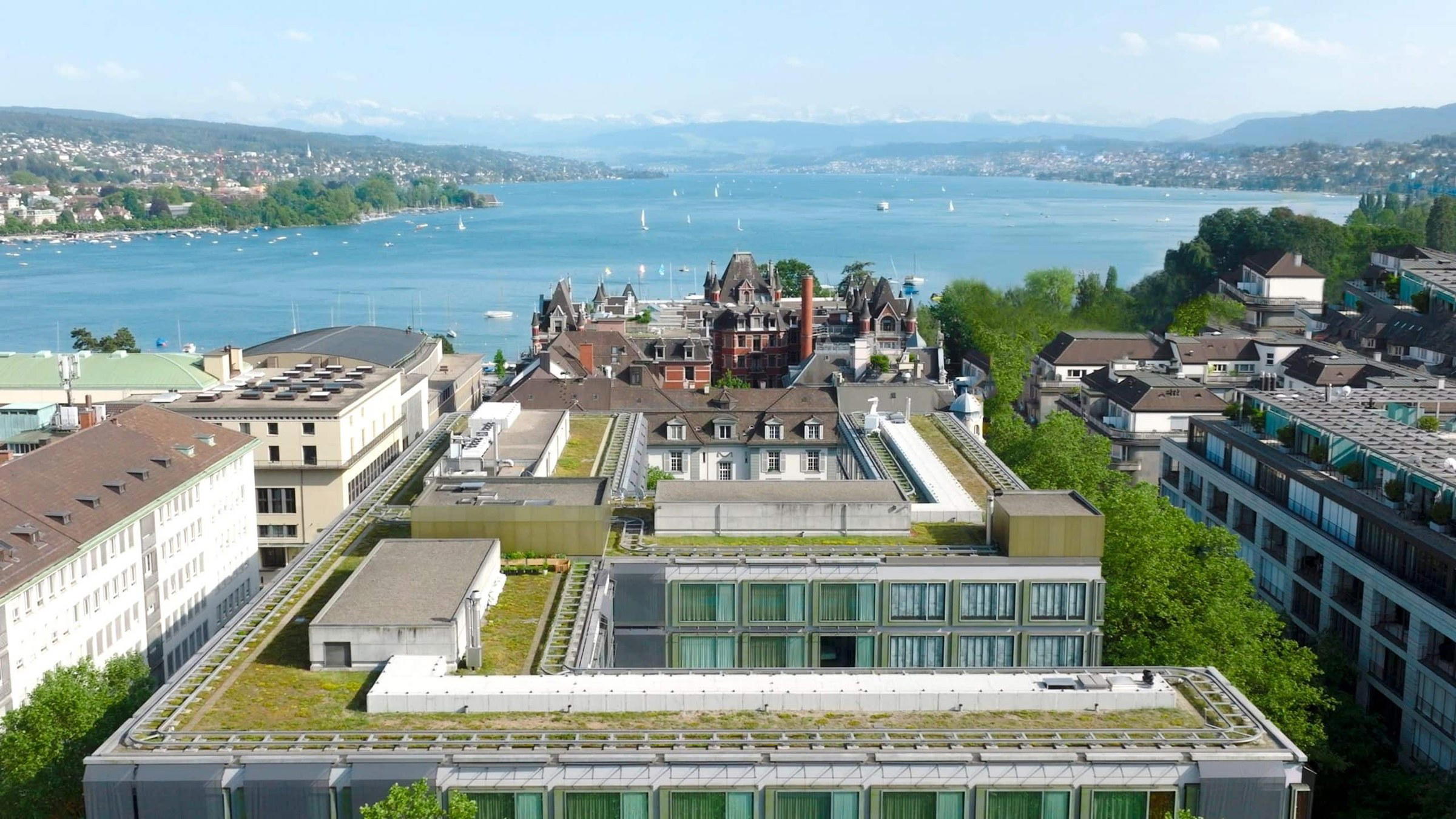
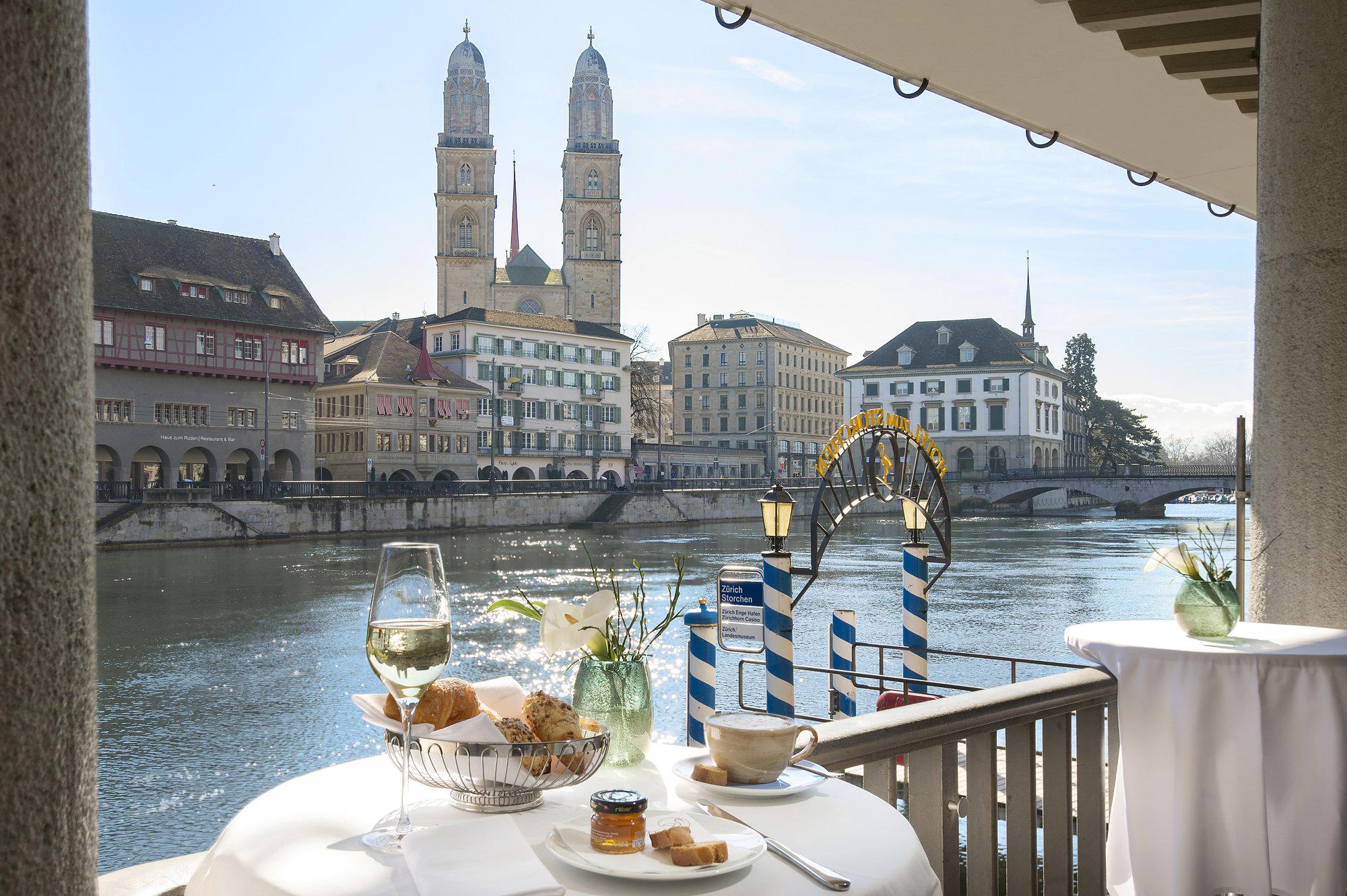
The hotel sits in the Augustiner Quarter, named for an Augustinian monastery founded in the thirteenth century, on the Old Town side of the Limmat. Bahnhofstrasse, Zurich's main commercial and luxury retail corridor, is within a short walk. The financial district is similarly close. This is a central address by any measure, though the Rennweg frontage is quieter than the surrounding commercial streets would suggest.
In Zurich's premium hotel set, the Widder occupies a specific position. The lakefront properties, including Baur au Lac and La Réserve Eden au Lac Zurich, trade on water views and grand-hotel scale. The Dolder Grand operates at larger scale on the hill above the city with a spa and golf course as part of its proposition. The Widder has none of those supporting features. Its argument is the architecture, the art collection, the restaurant credentials, and a boutique scale of 49 rooms that allows for service at a level harder to maintain in larger properties. La Liste's 2026 Leading Hotels ranking gives it 95 points, and the hotel holds two Michelin Keys (2024), the guide's hotel-specific recognition tier.
For guests comparing design-led options at a lower price point, 25hours Hotel Zürich Langstrasse and 25hours Hotel Zürich West occupy a younger, more casual tier of the market. Helvetia and Ambassador Zurich Hotel offer mid-range boutique alternatives. Hotel Atlantis by Giardino sits outside the center with a different spatial logic. The Widder is the only Old Town property in this tier with a two-star restaurant attached.
Switzerland's wider luxury hotel network provides further context. Badrutt's Palace Hotel in St. Moritz, Beau-Rivage Geneva, Bürgenstock Resort, Grand Resort Bad Ragaz, Hotel Les Trois Rois in Basel, The Alpina Gstaad, 7132 Hotel in Vals, Beau-Rivage Palace in Lausanne, Boutique Hotel Restaurant Krone Regensberg, Castello del Sole Beach Resort & Spa in Ascona, CERVO Mountain Resort in Zermatt, Grand Hotel Kronenhof in Pontresina, and Guarda Golf Hôtel & Résidences in Crans-Montana each occupy a distinct niche. Against the resort and mountain properties in that set, the Widder reads as the city-center counterpart: dense, art-forward, and structured around dining rather than landscape.
For travelers benchmarking the Widder against boutique urban hotels in other major cities, The Fifth Avenue Hotel in New York City and Aman New York occupy a comparable tier of design-led urban properties. Aman Venice shares a similar logic of historic buildings repurposed for contemporary luxury use.
Planning a Stay
The hotel holds 49 rooms and 14 suites across nine buildings at Rennweg 7, 8001 Zürich, in the heart of the Old Town. Demand for specific rooms in preferred buildings makes early booking advisable, particularly for stays during the major trade fair calendar that drives Zurich's business hotel market. Seven conference and banquet rooms are available, ranging from 290 to 2,368 square feet, each with artwork from the hotel's collection. A wood-paneled gym with Technogym equipment serves guests who want to maintain a training schedule.
Booking and Cost Snapshot
Comparable venues nearby, for context on price, style, and recognition.
| Venue | Cuisine | Price | Awards | Notes |
|---|---|---|---|---|
| Widder HotelThis venue (the venue you are viewing) | Not listed | Not listed | 2 Michelin Keys · La Liste Top Hotels | Not listed |
| The Dolder Grand | Not listed | $750–1,000 | 2 Michelin Keys · La Liste Top Hotels | Sonnenberg, Historic modernized luxury resort on hilltop |
| La Réserve Eden au Lac Zurich | Not listed | $200–300 | 2 Michelin Keys · La Liste Top Hotels | Enge, Timeless Swiss luxury with modern redesign |
| Baur au Lac | Not listed | Not listed | 3 Michelin Keys · La Liste Top Hotels | Enge, Timeless luxury heritage property with over 180 years of tradition in Zurich's heart. |
| Park Hyatt Zurich | Not listed | Not listed | Michelin Selected · La Liste Top Hotels | Enge, Luxurious urban residential-style hotel with spacious suites and bespoke design. |
| Storchen Zürich | Enge, Historic boutique luxury | Not listed | 1 Michelin Key · La Liste Top Hotels | Not listed |
Recognition history
Dated appearances from independent guides and award organizations, with the underlying list record or original source where available.
Michelin 2 Keys
Michelin
La Liste Top Hotels
La Liste
Forbes 4-Star
Forbes
Virtuoso Luxury Hotel Partner
Virtuoso
Full recognition history (7 entries)
Forbes 4-Star
Forbes
Michelin 2 Keys
Michelin
Michelin 2 Keys
Michelin
Continue exploring
More in Zürich
Hotels in Zürich
All hotels in Zürich →
Bars in Zürich
All bars in Zürich →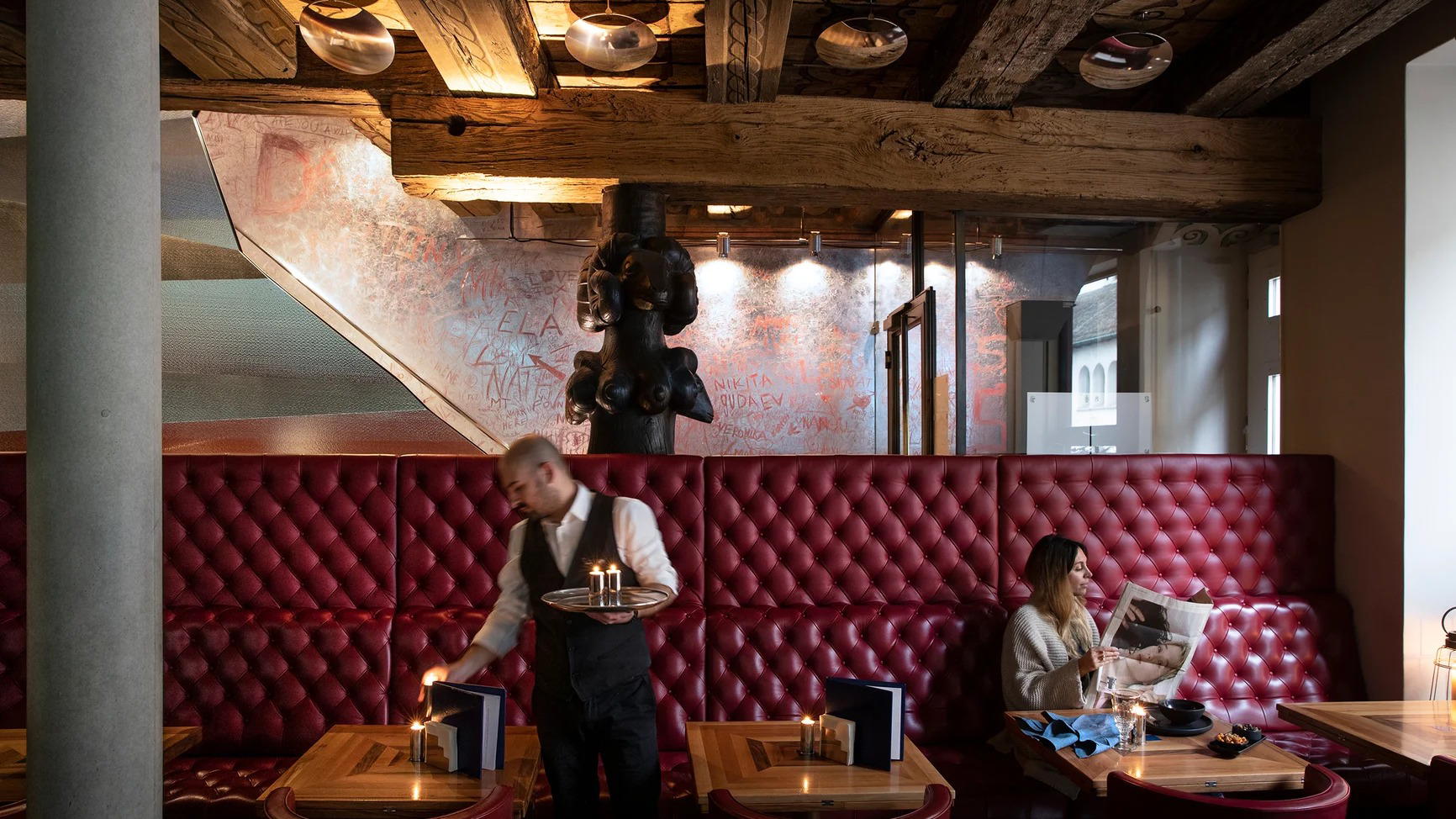

Details
- Elegant
- Sophisticated
- Modern
- Classic
- Romantic Getaway
- Business Trip
- Anniversary
- Historic Building
- Design Destination
- Terrace
- Wi Fi
- Fitness Center
- Spa
- Room Service
- Concierge
- Business Center
- Valet Parking
- Street Scene
- Elevator
- Wheelchair Accessible
Soundproofed rooms with elegant lighting, luxurious refinement, and a harmonious mix of modern chic and rustic historic elements, creating a relaxed yet sophisticated atmosphere.