
Tabelog 100 #42
Our verdict
Nagoya’s serious Japanese dining scene is not confined to station-side hotel restaurants or long-established formal rooms. Japanese cuisine Kashizuki brings a compact kaiseki format to Ikeshita, with counter seating, private rooms, a sake-and-wine program, and selection for Tabelog 100 Japanese Cuisine EAST 2025 placing it in the city’s higher-intent dining tier.

Pearl is the En Primeur Club membership app, where members save venues, book tables and use the concierge.
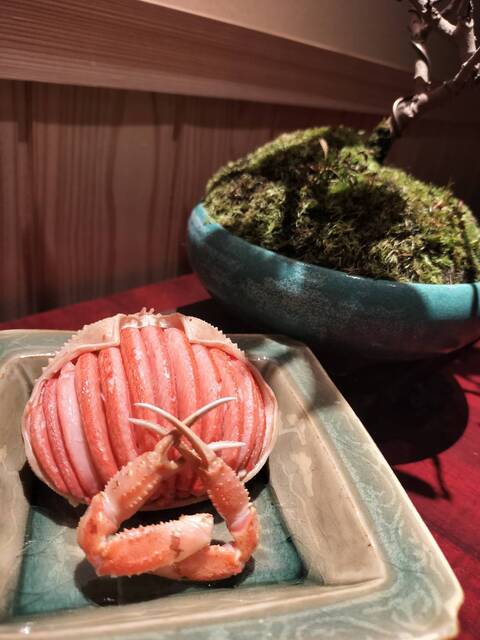
Nagoya is a useful setting for contemporary Japanese dining: large enough to sustain a serious restaurant culture, but not so dominated by station-hotel dining that every meal has to feel formal or performative. The approach to Japanese cuisine Kashizuki is urban rather than ceremonial, and that matters. In Nagoya, some serious Japanese cooking now happens in compact rooms where the mood is quieter, the pacing tighter, and the audience more local than spectacle-driven.
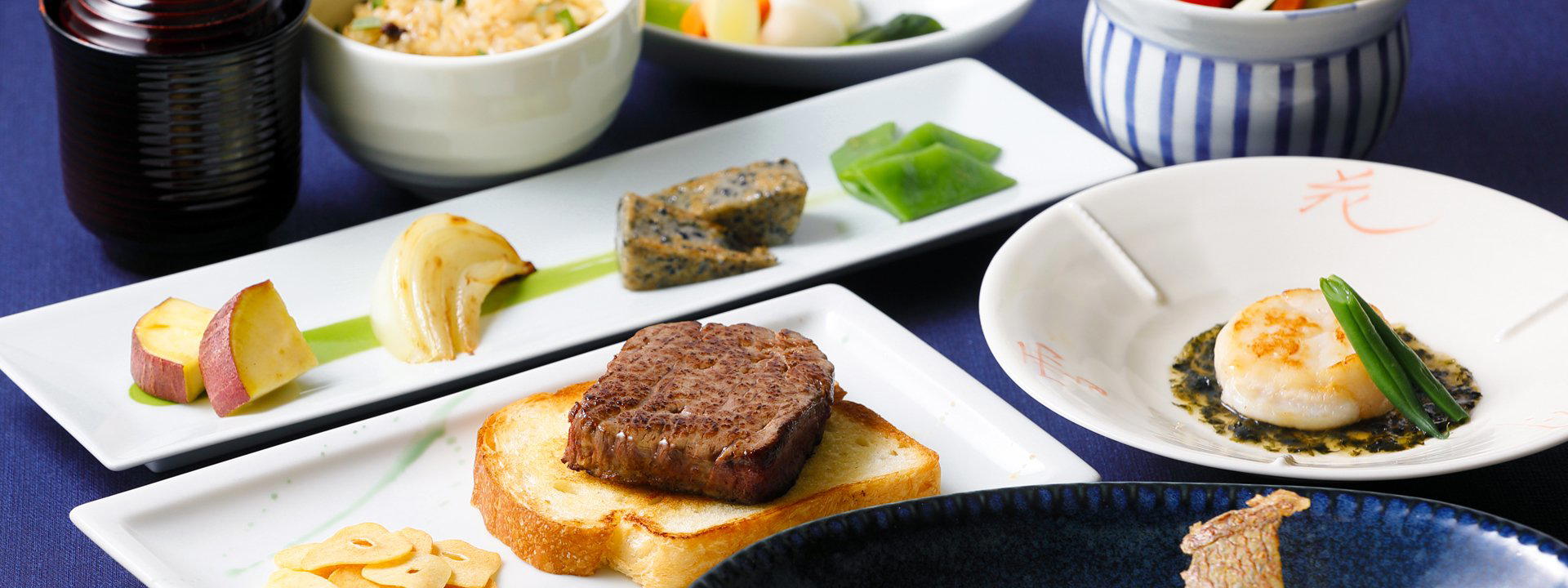
Japanese cuisine in this register is less about spectacle than sequence. The format asks the diner to pay attention to transitions: warm to cool, broth to grill, rice course to closing sweetness, and the rhythm of service as much as the individual plate. Kashizuki sits in that contemporary middle ground between old-formality dining and destination tasting-counter theatre. Its selection for Tabelog 100 Japanese Cuisine EAST 2025 gives it a clear public signal, but the more interesting point is category placement: this is Nagoya Japanese cuisine competing on seasonal structure and room discipline rather than on scale.
Nagoya gives Japanese cuisine a lower-voiced stage
Nagoya’s dining identity is often read through regional comfort dishes and other city signatures, but its higher-end Japanese restaurants operate in a different rhythm. They draw on seasonal grammar, precise service, and the Chubu region’s broader food culture without needing to announce themselves through dramatic dining-room gestures. The result is a scene that rewards smaller rooms and repeat diners more than spectacle.
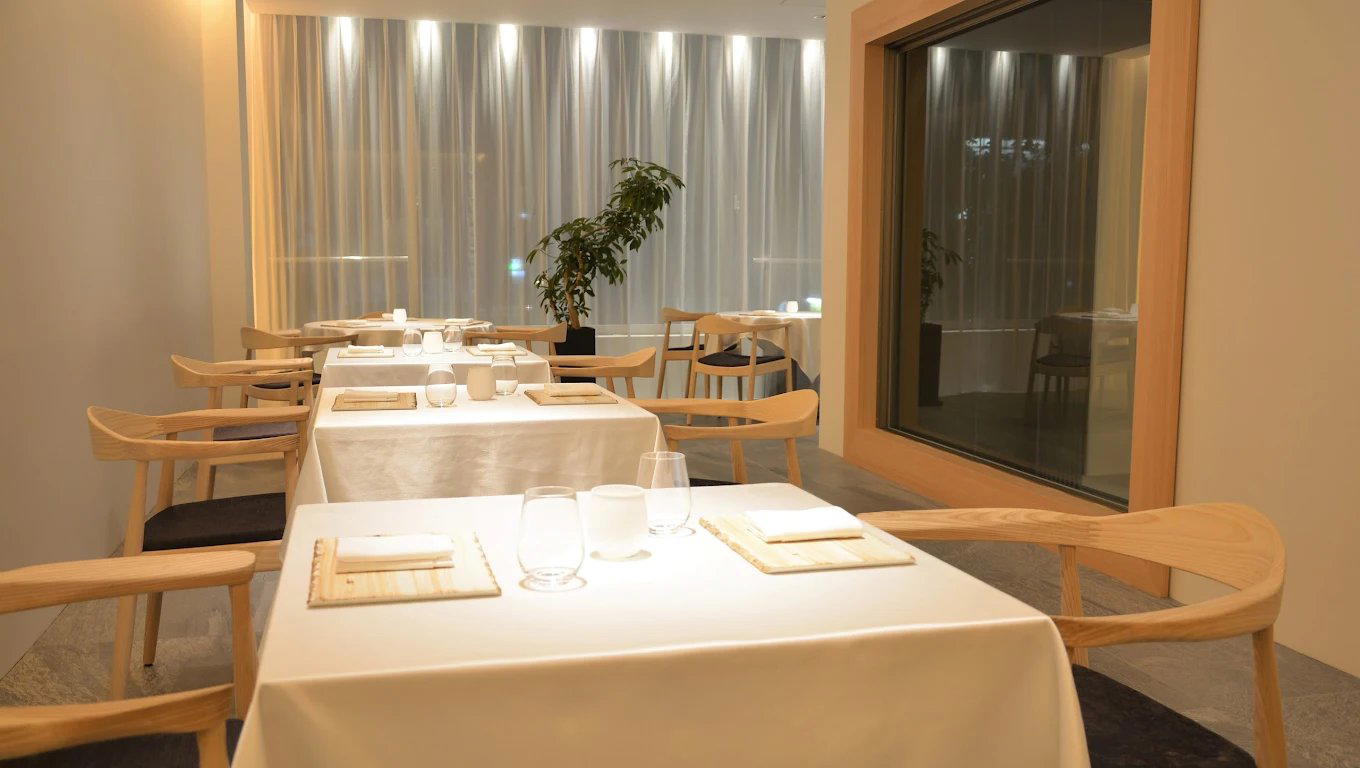
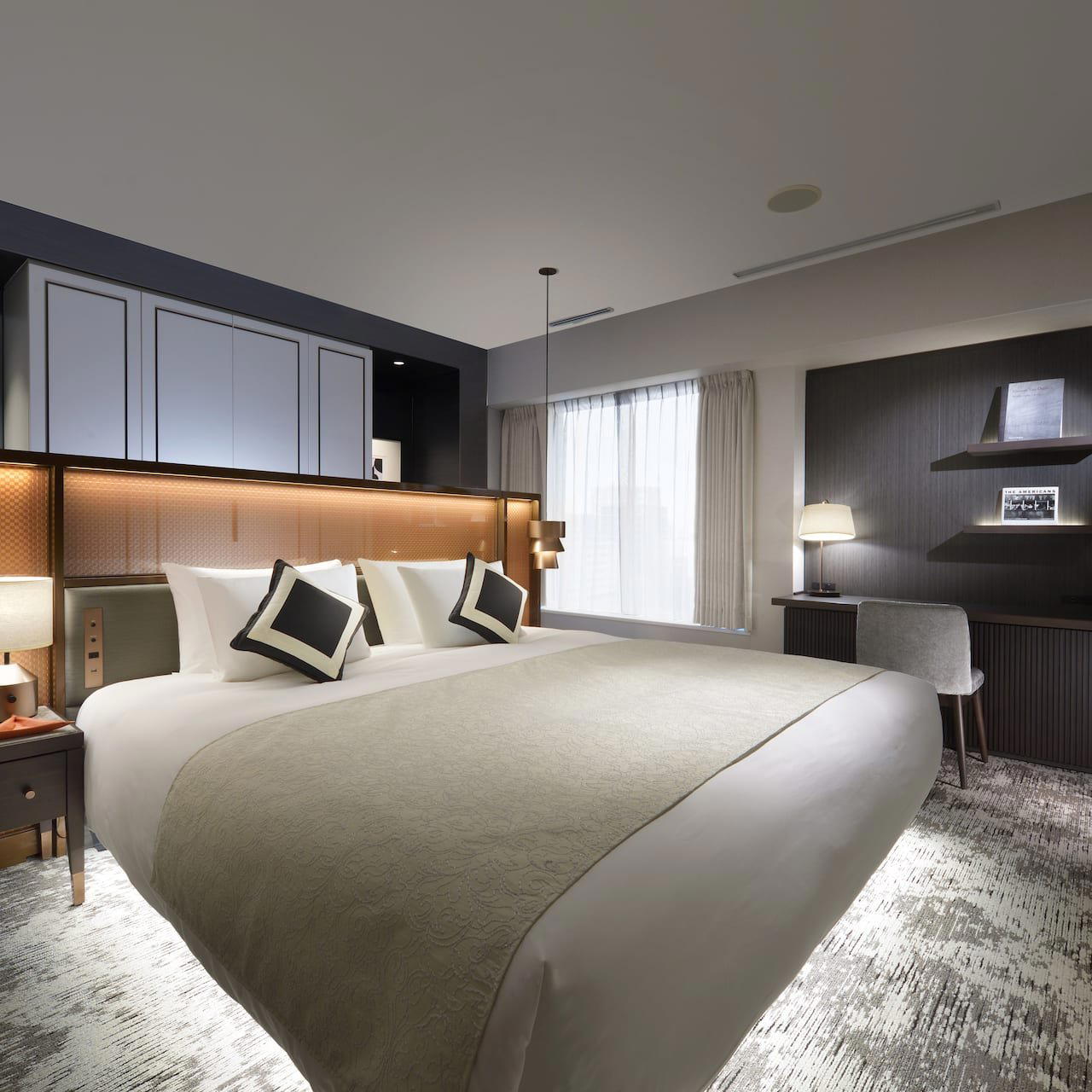
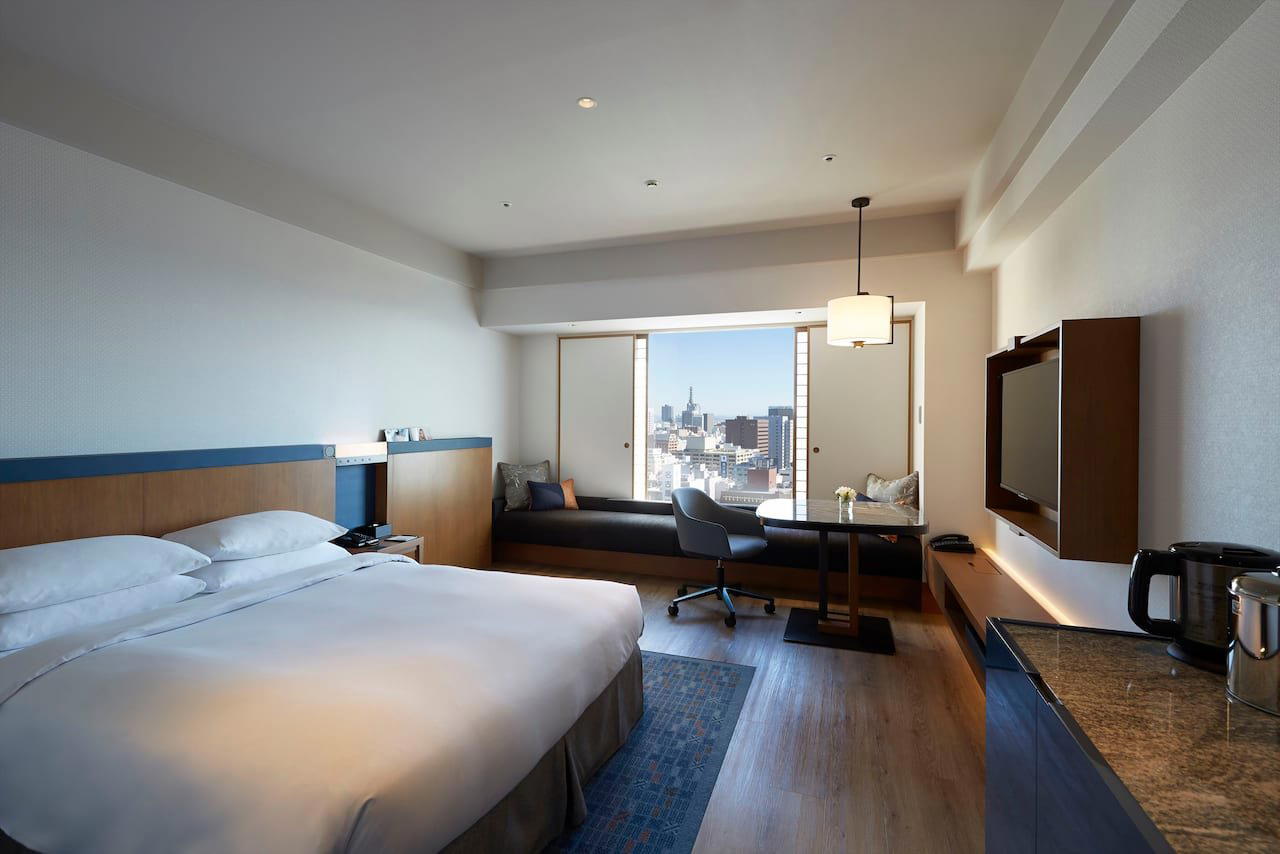
The room experience reinforces that reading. A focused Japanese restaurant places the meal in a tradition where preparation, pacing, and service share the same logic, while the quieter side of dining suits family meals, business meals, and guests who want the sequence without being put on display. That balance is increasingly important in regional Japanese cities. A restaurant can serve serious seasonal cooking without forcing every diner into the same theatrical posture.
Within the Nagoya comparison set, the budget and intent mark a clear separation from more casual dining and patisserie-style stops. Kishiya and FORTISSIMO H answer different needs entirely, while Mone and Yama no I help show how varied Nagoya’s upper-level dining field can be. Kashizuki’s position is useful for travelers who want a composed Japanese meal in Nagoya without defaulting to the city’s hotel dining rooms or treating the evening as a Tokyo-style trophy reservation.
The sensory logic is seasonal, not decorative
The strongest Japanese dining rooms are built around restraint: lacquer, ceramic, knife work, broth, temperature, and silence all carry weight. Without naming dishes that change by season, the useful expectation here is structural. The published budget places dinner at JPY 15,000 - JPY 19,999 and lunch at JPY 8,000 - JPY 9,999, which frames Kashizuki as a planned meal rather than an impulsive stop.
That matters in Nagoya because the city’s better Japanese restaurants often serve guests with different expectations at the same table. A local diner may read the meal through seasonality and product sourcing; an international visitor may read it through pacing, room tone, and the clarity of the course sequence. A disciplined Japanese format can satisfy both without translating itself into performance. The meal’s success depends on cadence: enough quiet between courses to register change, enough confidence in the room to avoid over-explanation.
How to place it in a Nagoya itinerary
For visitors, Kashizuki makes the most sense as the Japanese-cuisine anchor in a Nagoya trip rather than a spontaneous add-on. The city rewards contrast: one day can be built around regional comfort dishes, another around a formal seasonal meal, and another around bars or cafés away from the most obvious routes. Readers mapping the wider city can start with Our full Nagoya restaurants guide, then branch into Our full Nagoya hotels guide, Our full Nagoya bars guide, Our full Nagoya wineries guide, and Our full Nagoya experiences guide.
Nearby Nagoya choices sharpen the distinction. Other Nagoya dining rooms belong to a broader city conversation about how Nagoya eats now: not a single dining identity, but a set of formats ranging from casual all-day rooms to focused counters and set-course restaurants. Kashizuki’s lane is narrower, and that is the point.
For readers comparing Japanese dining across cities, the reference field expands quickly. Other dining rooms in Japan may point toward specialist traditions, casual grill counters, cafés, curry shops, or everyday formats, while international Japanese-inspired venues sit in a different conversation entirely. Kashizuki is best understood in its domestic Nagoya context: Japanese cuisine presented as a composed meal rather than as a broad survey of styles.
The editorial case is direct. Choose this restaurant when the desired Nagoya meal is quiet, seasonal, and Japanese in structure, with enough recognition to justify planning around it and enough city distance to avoid the most obvious dining defaults. It is not the answer for a broad menu, late casual grazing, or a first taste of Nagoya’s local comfort canon. It is the answer for a composed Japanese meal where the room, the sequence, and the season do the talking.
Frequently asked questions
What's the pricing like at Japanese cuisine Kashizuki?
Pricing at Japanese cuisine Kashizuki is listed as Dinner: JPY 15,000 - JPY 19,999; Lunch: JPY 8,000 - JPY 9,999.
When can I go to Japanese cuisine Kashizuki?
For current opening times at Japanese cuisine Kashizuki, check directly with the restaurant before planning your visit.
What's Japanese cuisine Kashizuki's location?
Nagoya.
What is Japanese cuisine Kashizuki known for?
Japanese cuisine Kashizuki is known as a Japanese cuisine restaurant in Nagoya and was selected for Tabelog 100 Japanese Cuisine EAST 2025.
A Quick Peer Check
Comparable venues for orientation by cuisine and category.
| Venue | Cuisine | Price | Awards | Notes |
|---|---|---|---|---|
| Japanese cuisine KashizukiThis venue (the venue you are viewing) | Seasonal Japanese Kaiseki | Not listed | Tabelog 100 #42 | Not listed |
| ことわりをはかるみせばんどう | Modern Japanese Fine Dining | $200–300 | Not listed | Chikusa |
| Sekine | Traditional Japanese Kaiseki | $150–200 | Tabelog 100 #92 | Shōwa |
| Tomi Sushi | Seasonal Sushi Omakase | $100–150 | Tabelog 100 #16 | Naka |
| Sushi Hanakuruma | Edomae Sushi Omakase | $200–300 | Tabelog 100 #21 | Nakamura |
| Kusunoki | Modern Tempura Omakase | $300–500 | Tabelog Silver #65 | Nishi |
Recognition history
Dated appearances from independent guides and award organizations, with the underlying list record or original source where available.
Tabelog 100 #42 · No. 42
Tabelog · Tabelog 100 - Japanese cuisine - EAST - 2025
Continue exploring
More in Nagoya
Restaurants in Nagoya
All restaurants in Nagoya →
Details
- Elegant
- Quiet
- Intimate
- Sophisticated
- Date Night
- Special Occasion
- Business Dinner
- Celebration
- Standalone
- Design Destination
- Sake Program
- Local Sourcing
- Tasting Menu
- Set Menu
- Sake
- Beer
- Wine
Current opening hours
- Monday
- 12–2 PM, 6–10 PM
- Tuesday
- 12–2 PM, 6–10 PM
- Wednesday
- 12–2 PM, 6–10 PM
- Thursday
- 12–2 PM, 6–10 PM
- Friday
- 12–2 PM, 6–10 PM
- Saturday
- 12–2 PM, 6–10 PM
- Sunday
- Closed
Hours can change for holidays and private events. Hours as of .
Refined and quietly elegant, with a small number of seats and a focus on seasonal kaiseki courses that create a calm, special-occasion atmosphere rather than a casual neighborhood spot.