
Tabelog 100 #16
Our verdict
Tomi Sushi places Nagoya sushi in a compact, ritual-led setting: eight seats, counter focus, and a price tier that signals a serious meal rather than a casual stop. Its 2025 Tabelog Sushi EAST 100 selection and long operating history put it in the city’s established sushi conversation, with the meal shaped by reservation-only pacing and a full-course format.

Pearl is the En Primeur Club membership app, where members save venues, book tables and use the concierge.
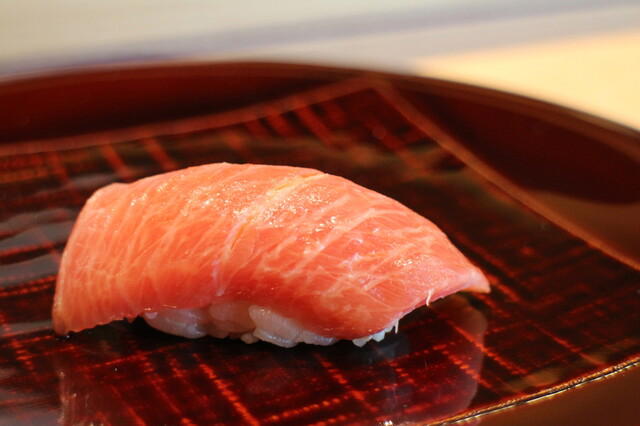
The menu
What to order
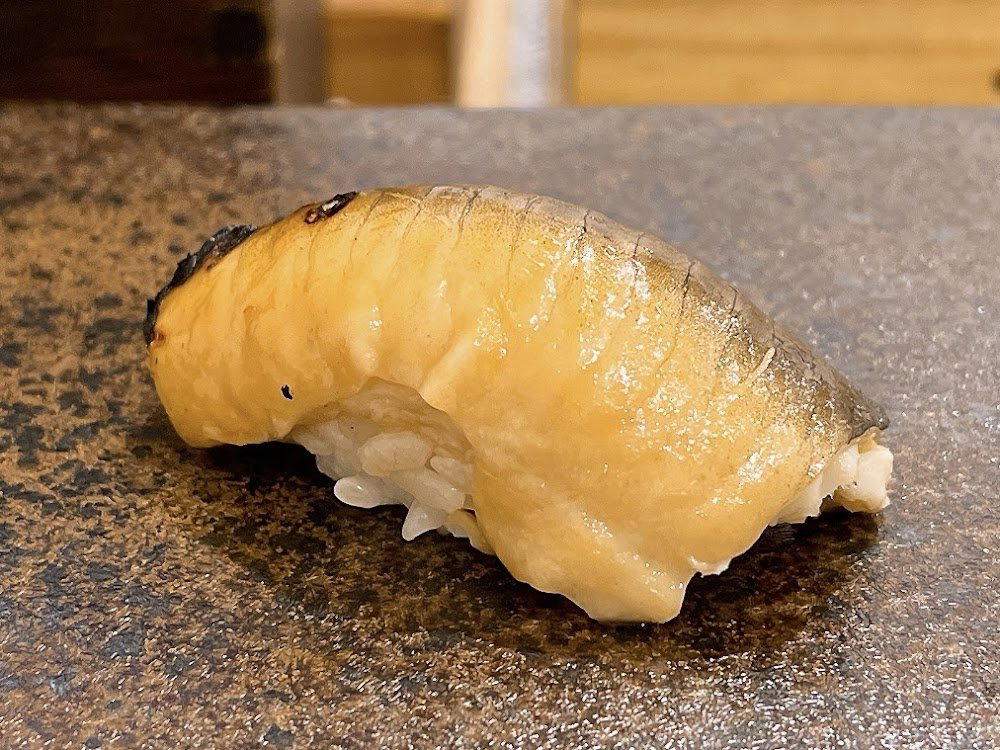
- Seasonal omakase sushi course (10 nigiri plus small plates)
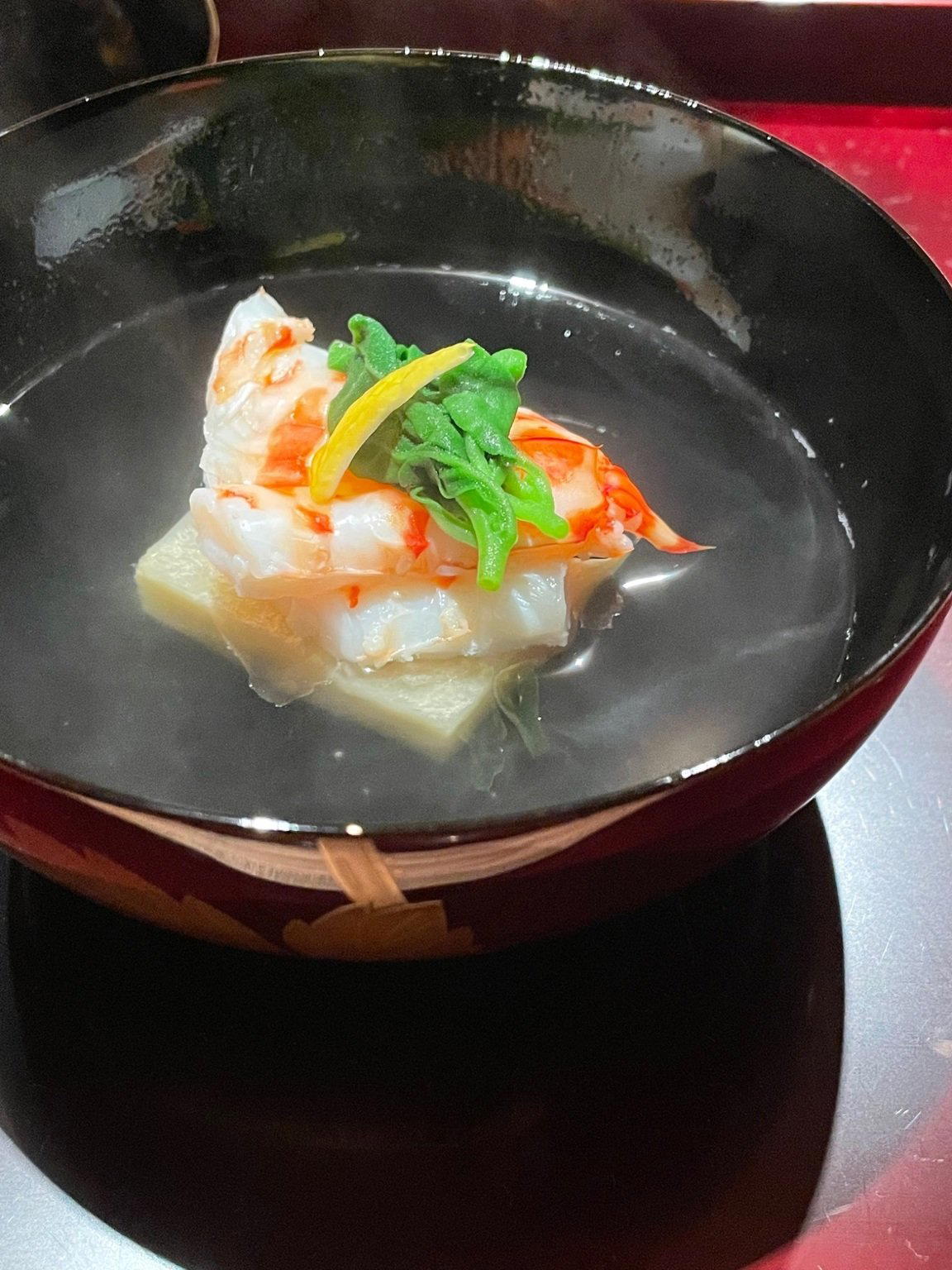
- Tomi course with additional otsumami such as suppon hot pot and grilled dishes
- Soft-shelled turtle (suppon) preparations in extended course
In Nagoya, sushi changes register quickly. The city can move from office towers to late-night drinking rooms within a short journey, but the serious counter format asks for a different tempo: quieter entry, focused service, and a meal paced by the sequence rather than the diner’s appetite alone. Tomi Sushi belongs to that Nagoya tradition of small-room sushi, where the counter is not stagecraft so much as the organising principle of the evening.
Nagoya’s premium dining identity is often discussed through hitsumabushi, miso katsu, kishimen, and tebasaki, but sushi occupies a more discreet lane here than in Tokyo or Kanazawa. The city’s stronger addresses tend to work less through spectacle and more through trust: disciplined pacing, specialist focus, and repeat local custom. A 2025 Tabelog Hyakumeiten selection gives this address a public marker inside that category, while the Tabelog score of 3.77 places it in a competitive band where consistency matters more than novelty.
A focused counter built around the sequence
The format is the point. The room narrows the meal into a shared rhythm: arrival, first drinks, a progression of seafood and Japanese cooking, then sushi served in a cadence that rewards attention. This is not the free-form sushi bar of walk-in orders and scattered plates. It is closer to the omakase-adjacent ritual common across Japan’s serious sushi rooms, even when a restaurant also identifies broadly as sushi, seafood, and Japanese cuisine.
That distinction matters for travellers. At this tier, dinner sits at JPY 20,000 to JPY 29,999, while lunch is listed at JPY 8,000 to JPY 9,999. The difference is not just price; lunch in Japanese sushi culture often offers a tighter expression of the kitchen’s work, while dinner typically gives the full evening arc. In Nagoya, where high-end dining can feel less internationally amplified than Tokyo, that price band puts Tomi Sushi above casual local sushi and into a category that should be planned as a main event.
The restaurant’s recognition gives it another kind of weight. Recognition in Japanese sushi is not automatically a guarantee of relevance, but it does signal a house that has drawn attention in a demanding category shaped by supply, reservation culture, and customer expectations. In a city where new tasting-menu rooms compete with older specialist counters, that standing helps explain why the address sits differently from formats such as Gastronomy Sole Yanagiya or lower-priced local options such as Gyoza Senmon Ten Karaya Nishiki ten. The comparison is not cuisine-for-cuisine; it is about how Nagoya diners allocate an evening.
What the ritual asks of the diner
Serious sushi in Japan is built on small acts of cooperation. Diners arrive on time, keep perfume restrained, mention allergies and dislikes before the meal, and let the sequence do its work. That etiquette is practical rather than precious: procurement, rice preparation, seating rhythm, and course timing all depend on the room being treated as a compact system. Here, the best approach is to plan ahead and treat the booking as part of the meal’s structure.
The drinks frame at a sushi counter usually rewards restraint rather than display. That matters in Nagoya, where the meal may sit between a traditional sushi counter and a more general Japanese cuisine format. Wine can work in some settings, but sake and shochu often match the pacing more naturally, especially when seafood and cooked dishes appear before the sushi sequence.
Children are best considered through the same logic. A serious sushi room asks guests to follow the full pace of the meal and the atmosphere of the counter. That is a useful boundary rather than a discouragement. In compact sushi rooms, one restless diner changes the atmosphere for everyone; families who understand the format will find clearer expectations than in larger restaurants.
Where it sits in a Nagoya dining itinerary
Nagoya works well for travellers who want dinner to anchor the night rather than interrupt it. The restaurant’s city setting makes it easier to pair with a hotel in Nagoya or a bar afterward. For a broader read on the city, Our full Nagoya restaurants guide maps the restaurant scene beyond sushi, while Our full Nagoya hotels guide, Our full Nagoya bars guide, Our full Nagoya wineries guide, and Our full Nagoya experiences guide help place the meal inside a fuller stay.
For readers comparing across Japanese dining formats, the useful question is not whether sushi outranks another meal, but what kind of attention the night demands. A compact counter such as this suits diners who want precision, quiet pacing, and a meal built around procurement and sequence. Those seeking broader contemporary restaurant formats can compare it with other dining rooms in Nagoya. Elsewhere in Japan, the contrast widens further, from specialist regional rooms to casual rice, curry, cafe, and grilled-dish formats in other cities. For sake-minded context beyond Japan, international Japanese bars and rice-focused venues show how Japanese drinking and rice formats translate abroad.
The editorial case for Tomi Sushi is strongest for travellers who already understand that a small sushi counter is a social contract. The reward is not abundance or theatrical luxury; it is the discipline of a room that has to make every seat, course, and booking count.
Frequently asked questions
Where is Tomi Sushi in Nagoya?
Nagoya.
What does dinner at Tomi Sushi typically cost?
Dinner at Tomi Sushi is listed at JPY 20,000 - JPY 29,999; lunch is listed at JPY 8,000 - JPY 9,999.
What's the best way to book Tomi Sushi?
Plan ahead and confirm directly with the restaurant in Nagoya. For a sushi counter at this level, it is also wise to raise any allergies or dietary concerns when booking.
What do critics highlight about Tomi Sushi?
Tabelog selected Tomi Sushi for its 2025 Hyakumeiten recognition, which is the clearest external signal attached to the restaurant. The listing also identifies it with sushi, seafood, and Japanese cuisine, with a Tabelog score of 3.77.
Do they accommodate allergies at Tomi Sushi?
For any allergies or dislikes, the safest approach is to consult the restaurant in advance and raise dietary issues when booking.
Is Tomi Sushi good for families?
Families should consider whether everyone in the party is comfortable with the pace and expectations of a serious sushi meal. Confirm suitability directly with the restaurant before booking.
Cuisine Lens
Comparable venues at the same tier for side-by-side context.
| Venue | Cuisine | Price | Awards | Notes |
|---|---|---|---|---|
| Tomi SushiThis venue (the venue you are viewing) | Seasonal Sushi Omakase | $100–150 | Tabelog 100 #16 | Not listed |
| Japanese cuisine Kashizuki | Seasonal Japanese Kaiseki | Not listed | Tabelog 100 #42 | Chikusa |
| Onkaiseki Shiratama | Traditional Tea Kaiseki | $150–200 | Tabelog 100 #95 | Kita |
| Nako Tei | Luxury Japanese Teppanyaki | $150–200 | Tabelog 100 #92 | Nakamura |
| Sushi Izumu | Intimate Sushi Omakase Counter | $200–300 | Tabelog 100 #6 | Naka |
| Sekine | Traditional Japanese Kaiseki | $150–200 | Tabelog 100 #92 | Shōwa |
Recognition history
Dated appearances from independent guides and award organizations, with the underlying list record or original source where available.
Tabelog 100 #16 · No. 16
Tabelog · Tabelog 100 - Sushi - EAST - 2025
Continue exploring
More in Nagoya





Details
- Elegant
- Intimate
- Cozy
- Classic
- Date Night
- Business Dinner
- Solo
- Special Occasion
- Celebration
- Private Event
- Chefs Counter
- Private Dining
- Standalone
- Design Destination
- Sake Program
- Extensive Wine List
- Beer Program
- Local Sourcing
- Sustainable Seafood
- Omakase
- Tasting Menu
- Counter Dining
- Set Menu
- Sake
- Shochu
- Wine
- Beer
- Pescatarian Friendly
- Allergy Accommodating
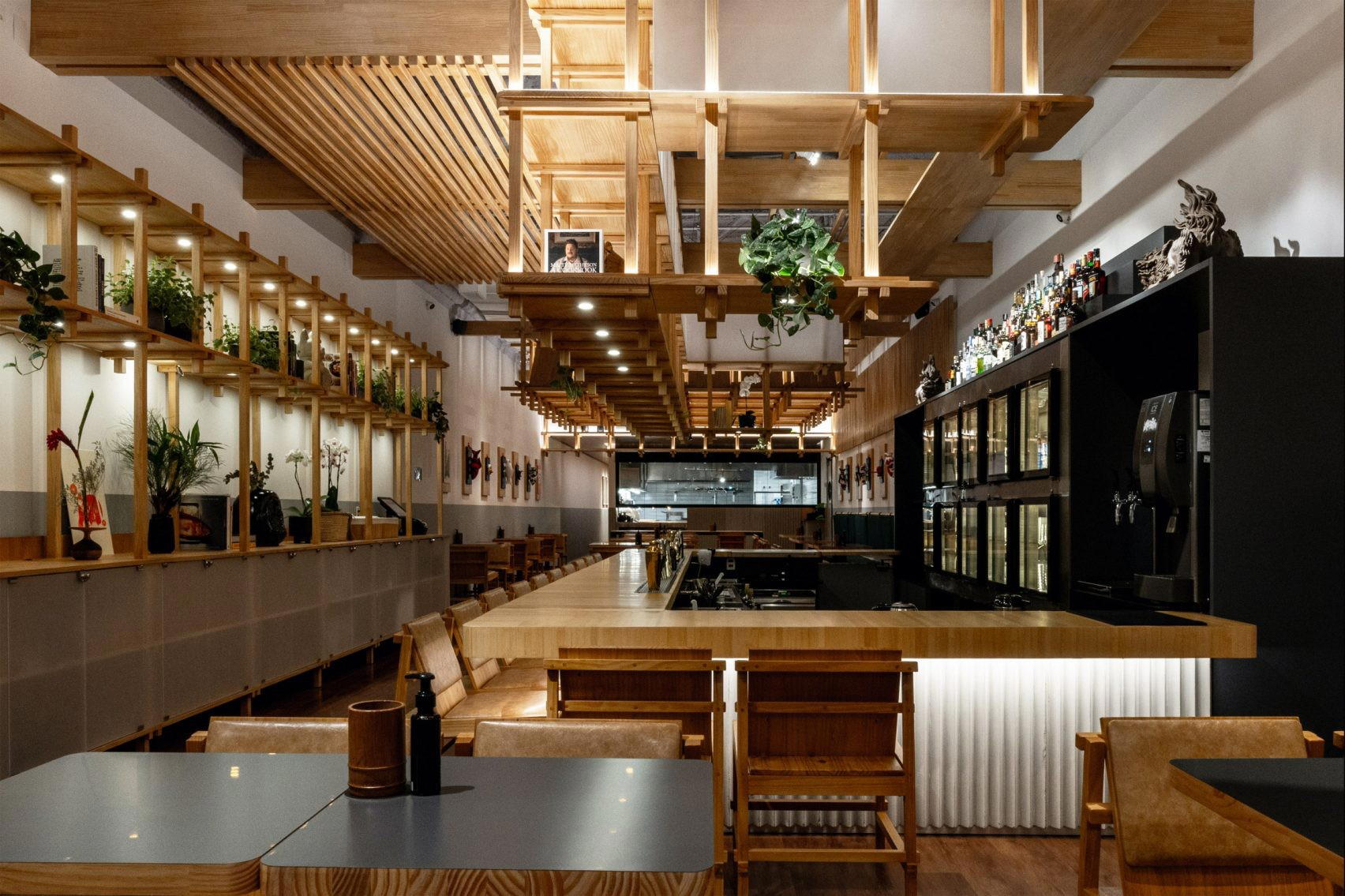
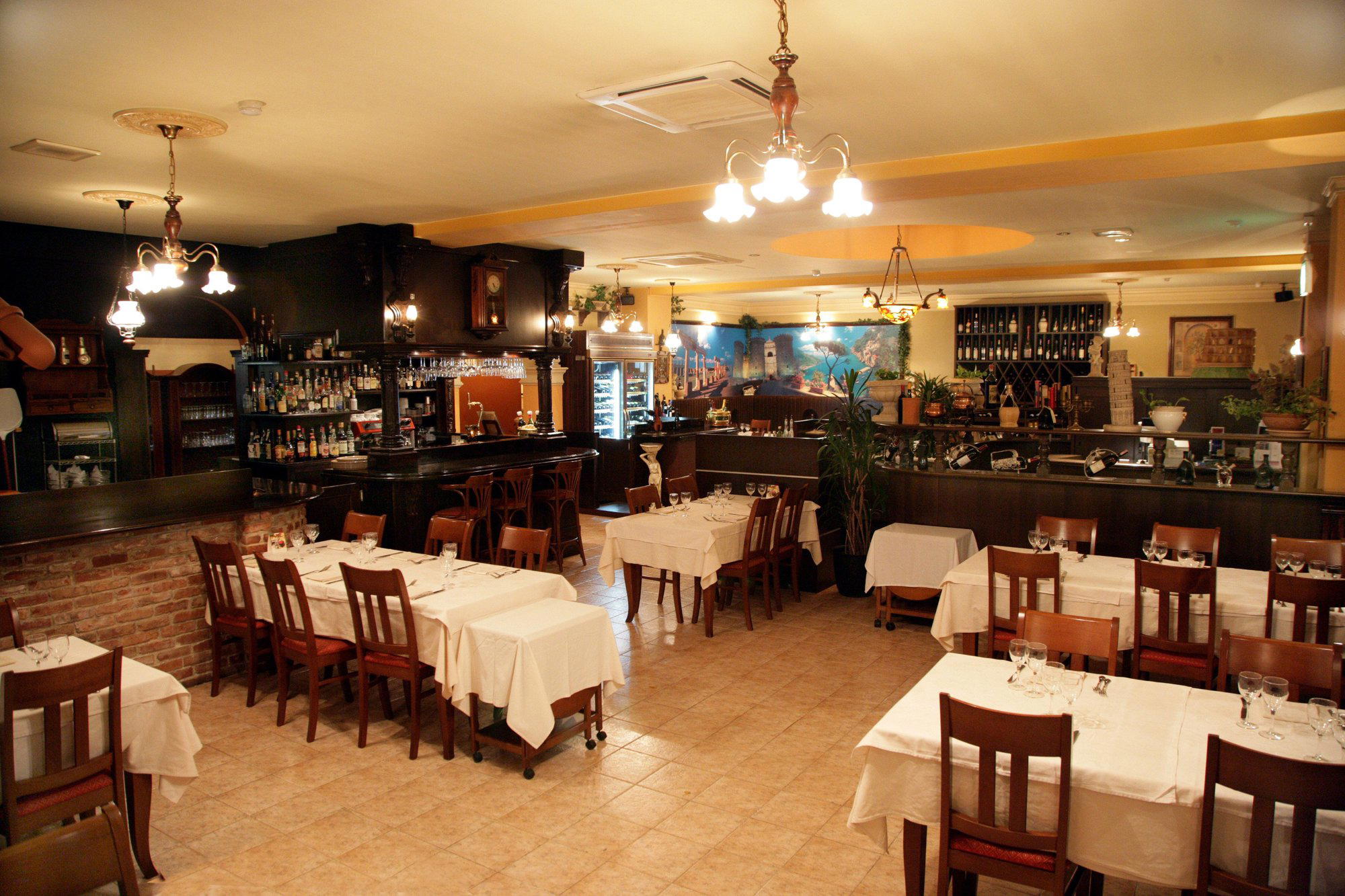
A softly lit, refined sushi counter with only 11 seats, combining a special counter in front of the chef and a small private room; the space is designed to feel calm and comfortable for everything from everyday use to important business dinners, with discreet service and a quiet, relaxed atmosphere.