Amaterasu
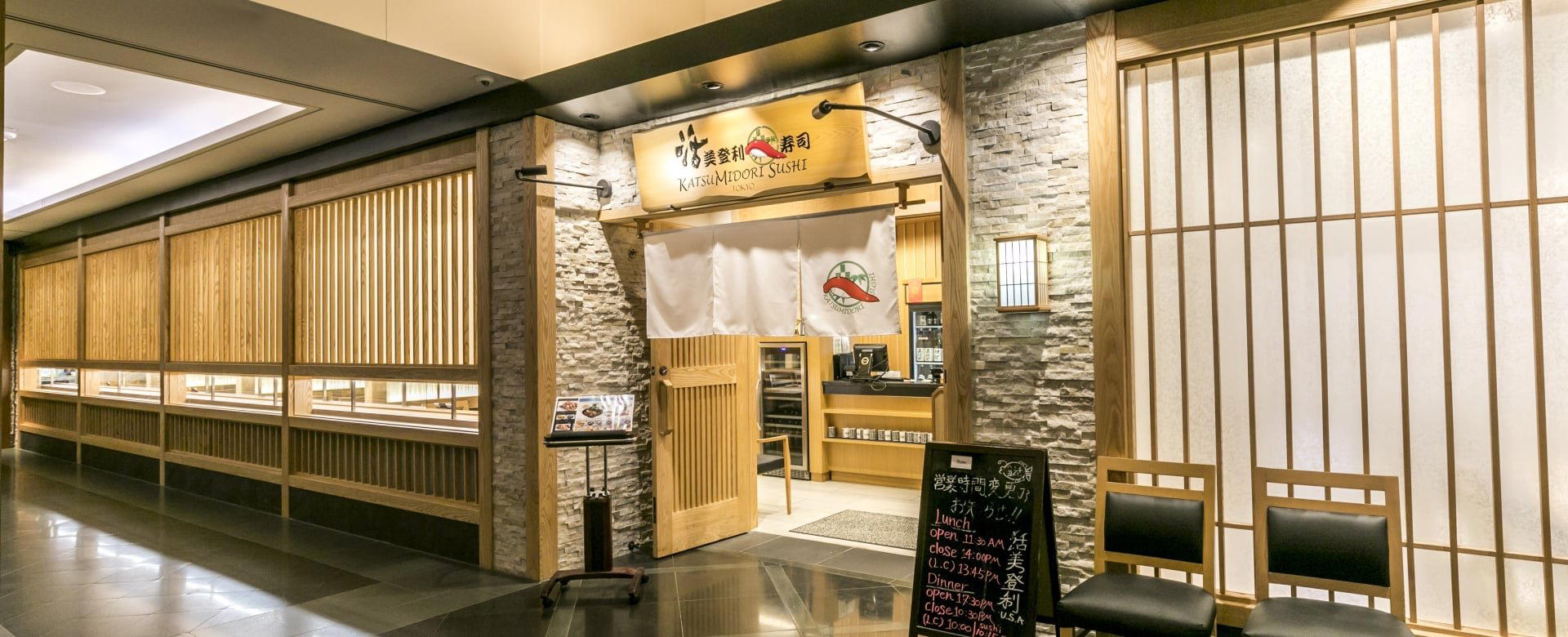
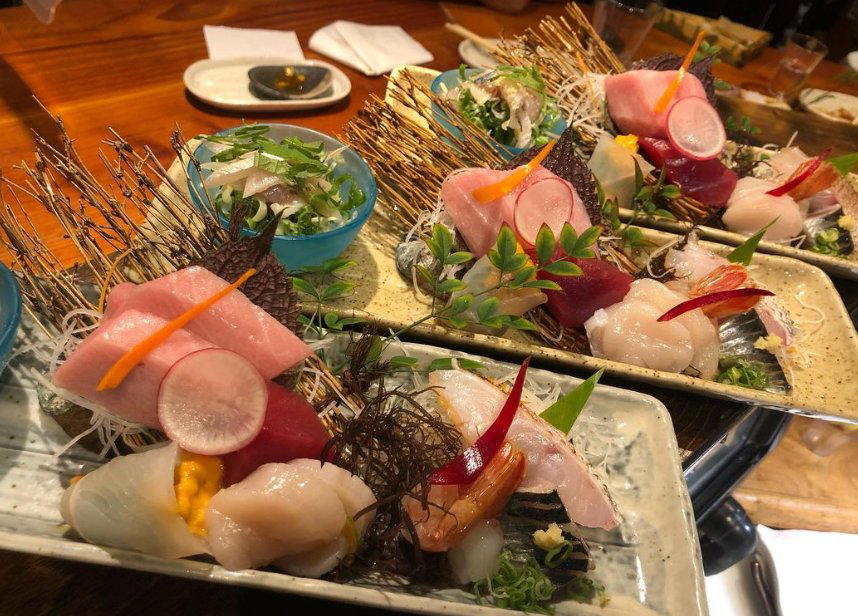
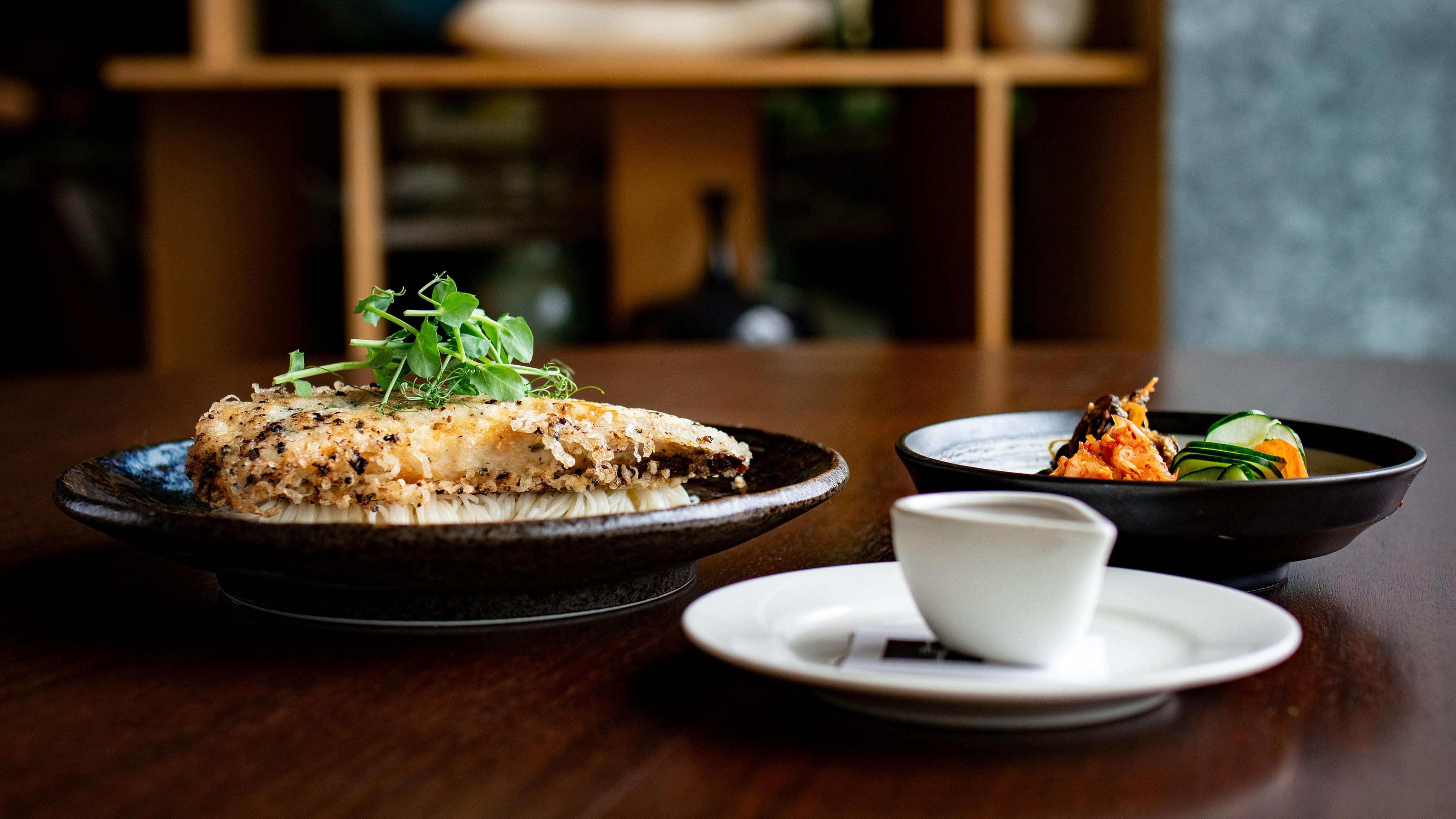
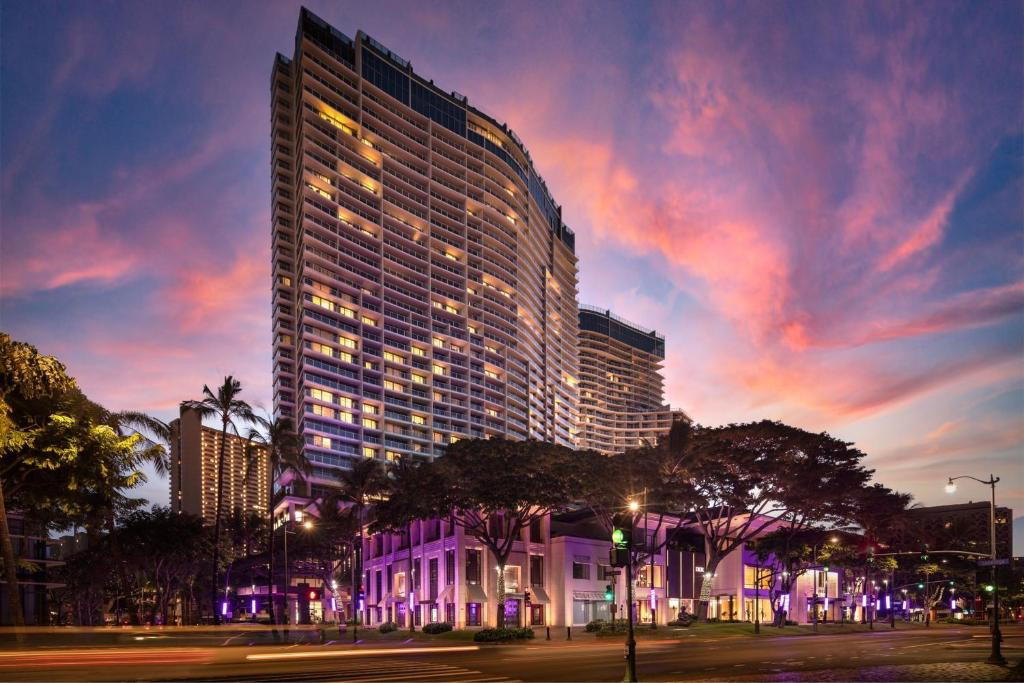
Located in Ala Moana Center, Amaterasu is part of Honolulu's growing wave of destination dining inside retail complexes — a format gaining traction across the Pacific. The address places it within reach of Waikiki and the broader urban core, positioning it alongside a competitive set of restaurants where the city's dining ambitions are most concentrated.
Pearl is the En Primeur Club membership app — saves, bookings, and concierge access live there. Same editors, same standards.
- Address
- 1450 Ala Moana Blvd Suite 1298, Honolulu, HI 96814
- Phone
- +18085704200
- Website
- hawaii.vivinavi.com
- Directions
- Get directions
 Saves & bookings on Pearl
Inside Honolulu's Ala Moana Dining Corridor
Ala Moana Center has long operated as a barometer for Honolulu's commercial appetite, but over the past decade its upper floors and suite-level addresses have quietly absorbed a different kind of tenant: restaurants treating the mall not as a fallback but as a deliberate address. Suite 1298 at 1450 Ala Moana Boulevard places Amaterasu inside this shift, where foot traffic from one of the Pacific's largest open-air shopping centers meets a clientele that has driven across the island with a specific reservation in mind. The tension between those two audiences — the spontaneous shopper and the planned diner — defines the entry experience at most serious restaurants in this building, and how a kitchen resolves that tension tells you something about its priorities.
Honolulu's dining scene has matured considerably since the Hawaii Regional Cuisine movement of the 1990s gave local chefs a framework to articulate Pacific ingredients on their own terms. What followed was a long consolidation: a handful of technically ambitious rooms pulling away from the tourist-corridor default, and a mid-tier expanding to meet a resident dining culture with increasingly traveled palates. Amaterasu operates within this more recent chapter, where the name alone, drawn from the Shinto sun goddess, signals a specific cultural register that Honolulu, with its deep Japanese-American community, can receive with more nuance than most American cities.
Planning Your Visit: What the Ala Moana Address Means Logistically
The Ala Moana location comes with practical advantages that are easy to underestimate. Parking at the center is extensive and validated arrangements are common in the complex, which removes one of the friction points that plagues restaurant visits in denser Honolulu neighborhoods. The address sits roughly equidistant between Waikiki and the Kakaako district, making it accessible from most major hotel corridors without requiring a long drive or a complicated routing decision. For visitors staying in Waikiki, the center is a direct cab or rideshare trip, typically under ten minutes depending on traffic along Ala Moana Boulevard itself.
That accessibility is worth factoring into any planning conversation about Honolulu dining. Restaurants at the serious end of the city's range, places like 53 By The Sea with its waterfront positioning, or 3660 On the Rise anchored in Kaimuki, each carry their own logistical profile. Ala Moana's infrastructure, however improbable the setting might seem for a destination meal, tends to reduce the coordination burden considerably. The question for any serious diner is whether the kitchen justifies the planning effort, and that calculus is leading made with current booking windows in mind before arrival.
The Booking Question in Honolulu's Premium Tier
Among American cities with a genuine premium dining segment, Honolulu occupies a position with few close analogues. The visitor base is large and internationally diverse, particularly from Japan, which brings an existing familiarity with refined Japanese dining formats that shapes expectations differently than a comparable room might face in a mainland city. Restaurants operating in the upper register of Honolulu's market compete against a cultural memory of what serious Japanese dining looks like, not just against each other. That dynamic has pushed several local operators toward format discipline and booking systems that signal intentionality even before the meal begins.
At the national level, the kitchens that have earned sustained recognition for format discipline and booking-depth include rooms like Lazy Bear in San Francisco, Smyth in Chicago, and Atomix in New York City, all of which have built a specific relationship between advance booking, controlled capacity, and menu coherence. Whether Amaterasu operates with comparable booking depth is information leading confirmed directly and close to your travel dates, since Honolulu's restaurant calendar is sensitive to both peak tourism periods and local event calendars that can compress availability without much notice.
For travelers accustomed to booking rooms like The French Laundry in Napa or Providence in Los Angeles weeks in advance, the general principle applies in Honolulu: the city's most intentional restaurants reward early planning, and the Ala Moana address, with its high visibility, is unlikely to have walk-in availability on weekends or during periods when the center itself draws large crowds.
Honolulu's Japanese-Influenced Dining Register
Honolulu holds a genuinely distinct position in American dining precisely because Japanese culinary influence here is not curatorial, it is structural. The Japanese-American community has shaped the city's food culture at every price point for generations, which means restaurants working in a Japanese register are not performing exoticism but speaking to a local audience with inherited fluency. That context changes the competitive set entirely. A name like Amaterasu sits within a city where 855-ALOHA and izakaya-style rooms like Sushi Izakaya Gaku occupy adjacent registers, and where French-Japanese hybrids like Miro Kaimuki have established that cross-cultural fluency is something Honolulu diners read with precision rather than novelty.
Further afield, the formal end of Japanese-influenced American dining includes rooms like Le Bernardin in New York City and internationally, places like Atelier Moessmer Norbert Niederkofler in Brunico, where ingredient sourcing and format restraint carry the editorial weight. Honolulu's leading rooms are developing their own version of that restraint, and the city's food press has been paying closer attention to that development over the past several years. New American rooms like Fête have shown that Honolulu diners support serious cooking with serious intentions, a signal that benefits newer entrants in the market. For a broader map of where Amaterasu sits within the city's full range, the EP Club Honolulu restaurants guide provides the most complete current picture.
Before You Go: What to Confirm
Honolulu restaurants at the serious end of the market have occasionally adjusted their formats in response to staffing pressures and shifting reservation demand, and the most reliable information will always come from the venue directly. Checking whether the room operates on a fixed-format or à la carte basis matters more than usual here, because it changes the time commitment and pricing structure of the evening considerably. Rooms like Single Thread Farm in Healdsburg, Blue Hill at Stone Barns in Tarrytown, and Addison in San Diego have all demonstrated that fixed-format dinners require a different planning posture than open-menu rooms. Where Amaterasu lands on that spectrum is, for now, a question leading answered at the source. The same applies to events programming: Ahaaina Luau shows that Honolulu's event-dining category is its own distinct market, and knowing whether Amaterasu operates in that space or purely as a conventional restaurant changes the occasion calculus entirely. Closer to the occasion end of the national spectrum, The Inn at Little Washington and Emeril's in New Orleans both illustrate how occasion dining and serious cooking can occupy the same room without one undermining the other. Whether Amaterasu achieves that balance is the central question a visit will answer.
How Amaterasu Honolulu compares with similar nearby venues.
| Venue | Cuisine |
|---|---|
| Vintage Cave | Japanese |
At a Glance
- Intimate
- Elegant
- Serene
- Modern
- Date Night
- Special Occasion
- Chefs Counter
- Sake Program
Current opening hours
- Monday
- Closed
- Tuesday
- 11 AM–2:30 PM, 5–10 PM
- Wednesday
- 11 AM–2:30 PM, 5–10 PM
- Thursday
- 11 AM–2:30 PM, 5–10 PM
- Friday
- 11 AM–2:30 PM, 5–10 PM
- Saturday
- 11 AM–2:30 PM, 5–10 PM
- Sunday
- Closed
Hours can change for holidays and private events. Last verified .
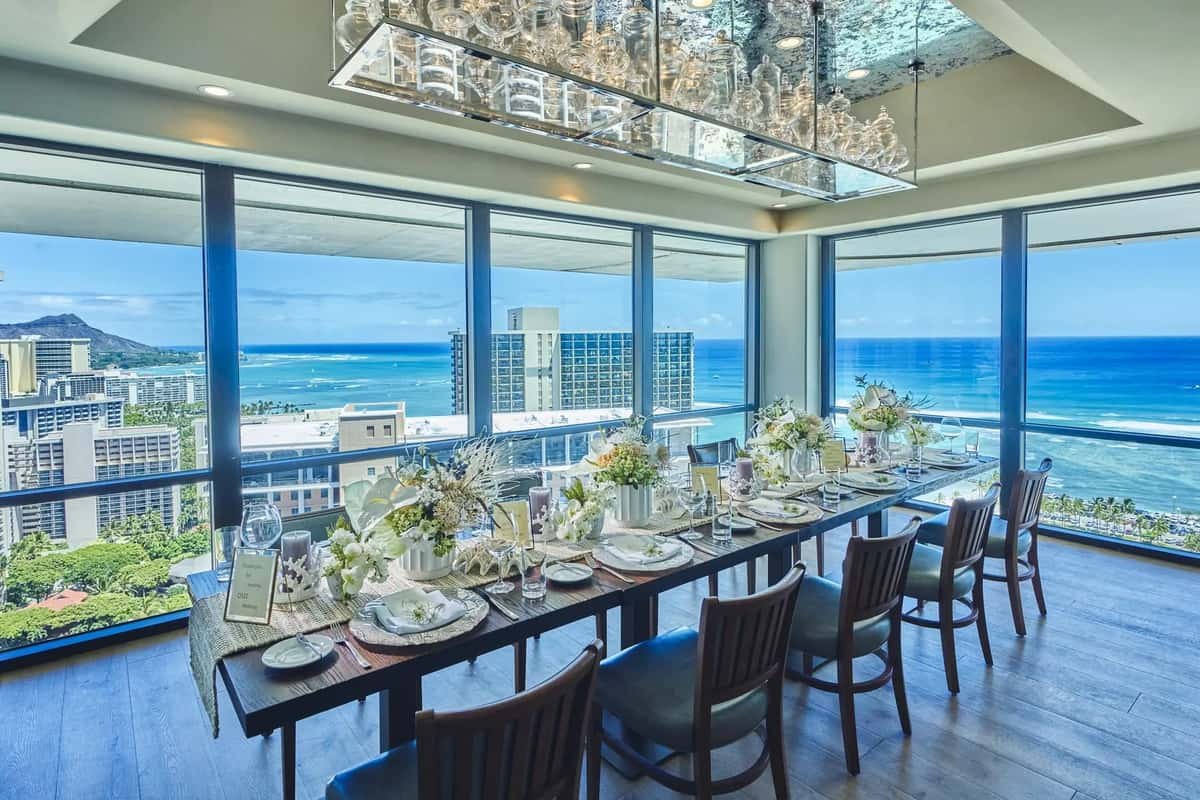
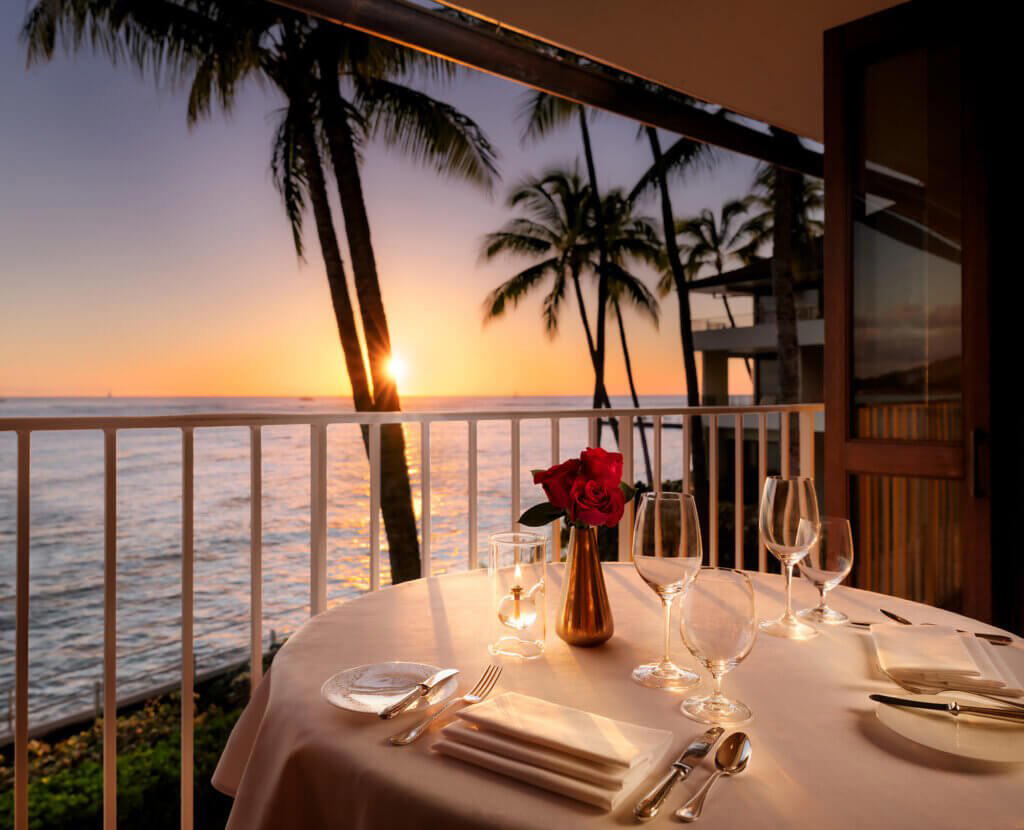
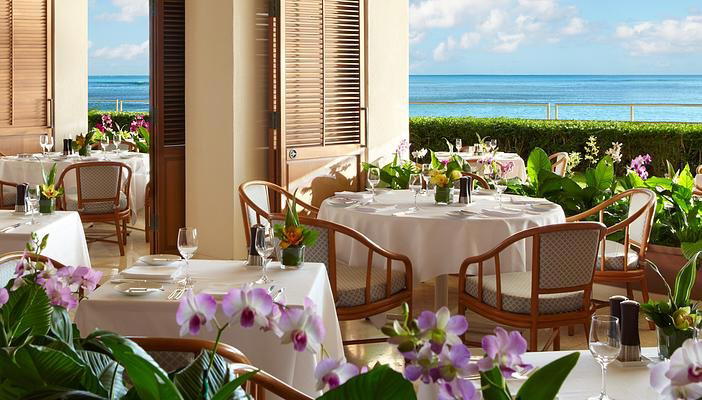
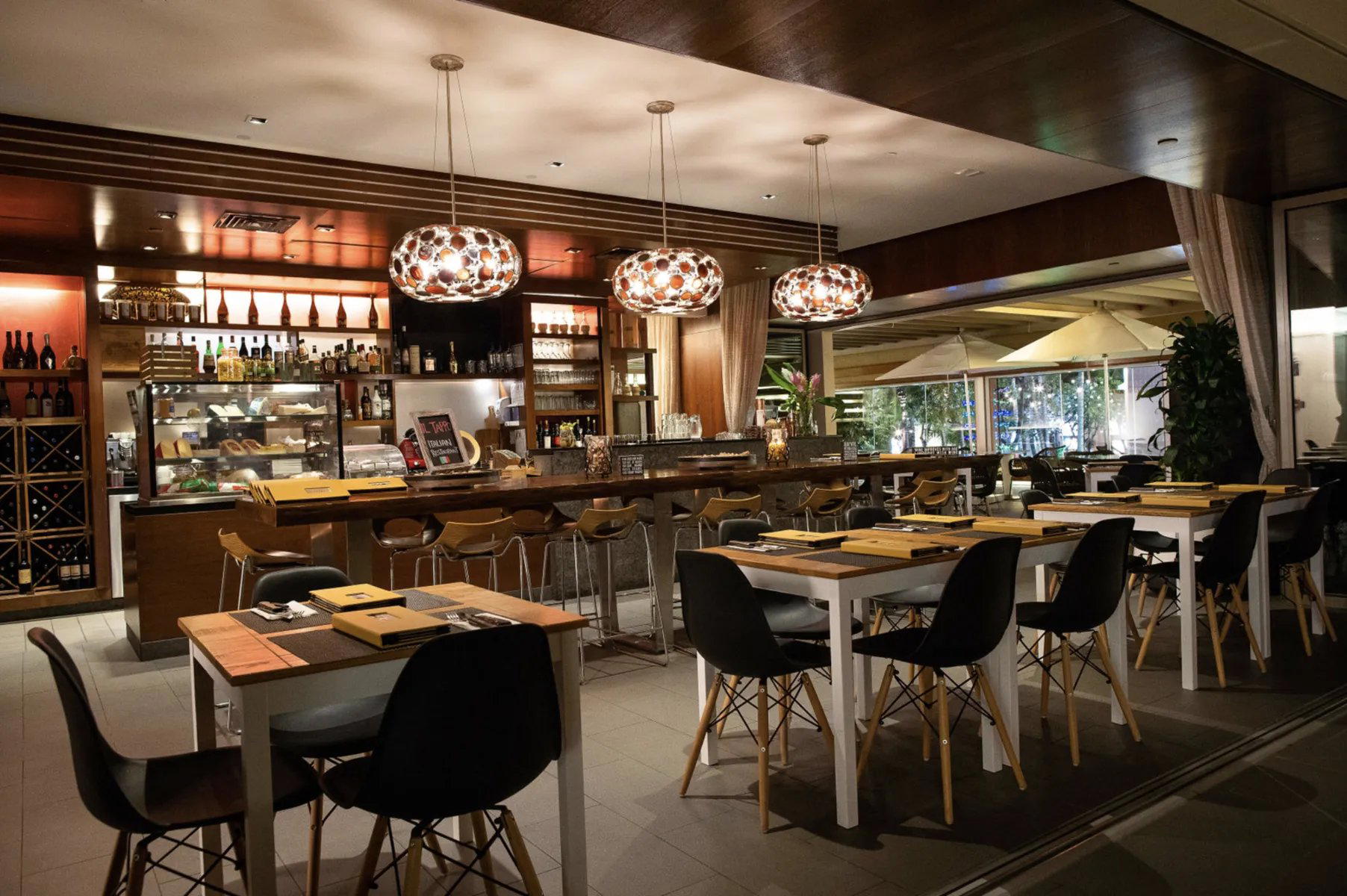
Serene and tranquil atmosphere echoing the tranquility of Japan with moderate noise levels.
Know Before You Go
- Getting there
- 1450 Ala Moana Blvd Suite 1298, Honolulu, HI 96814