On Rue Dante in Montreal's Little Italy, Lucca sits inside one of the neighbourhood's most enduring Italian dining traditions. The room draws a mix of long-standing regulars and visitors who understand that this stretch of the city operates on its own unhurried tempo. The meal here is less an event than a ritual, shaped by the rhythms of a neighbourhood that has been cooking Italian food seriously for generations.
Pearl is the En Primeur Club membership app — saves, bookings, and concierge access live there. Same editors, same standards.
- Address
- 12 Rue Dante, Montréal, QC H2S 1J5, Canada
- Phone
- +15142786502
- Website
- restaurantlucca.ca
- Directions
- Get directions
 Saves & bookings on Pearl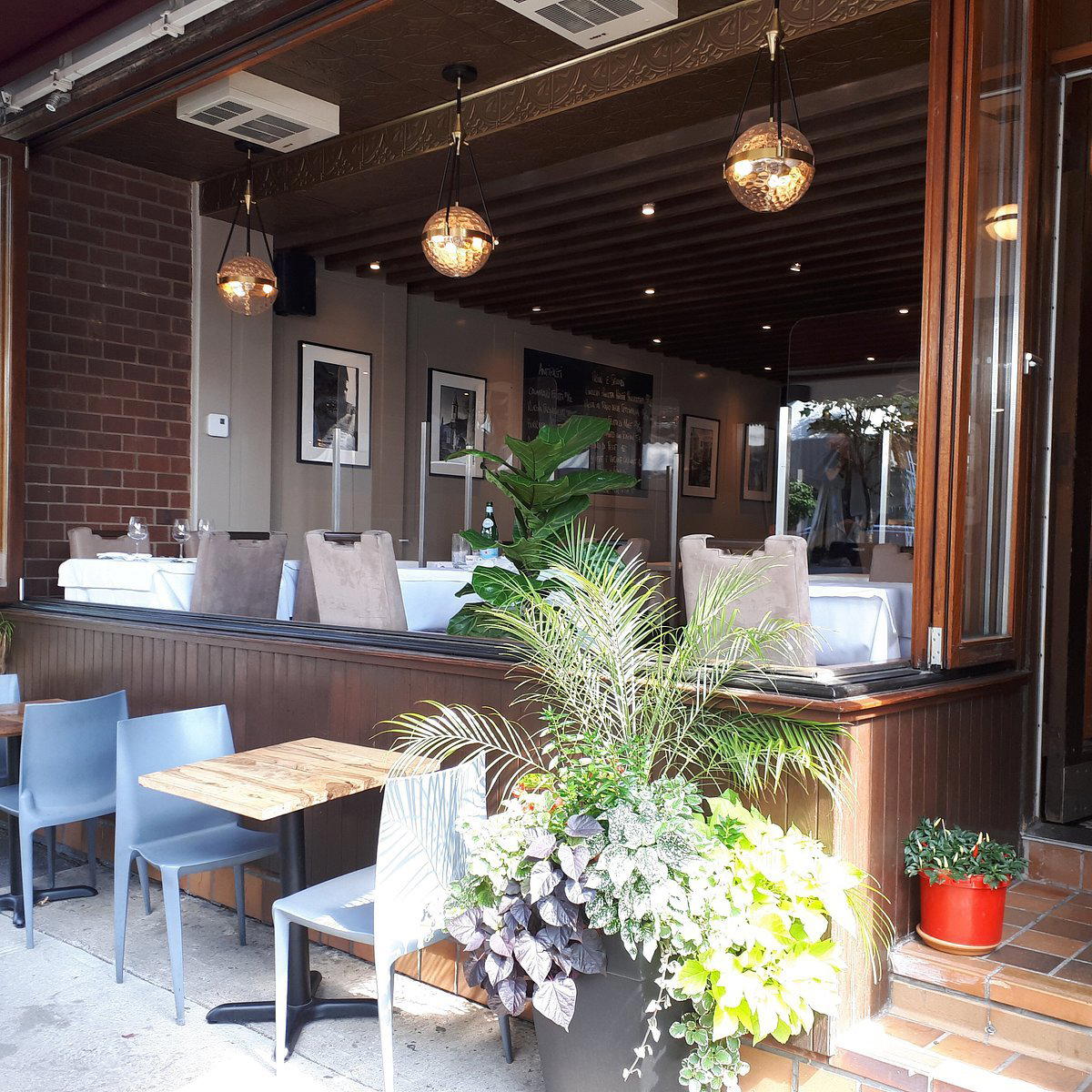
Little Italy's Dining Rhythm, and Where Lucca Fits
Rue Dante is not a street that announces itself. It runs quietly through Montreal's Little Italy, flanked by modest storefronts and the kind of restaurants that measure success in decades rather than seasons. The neighbourhood has been the city's Italian anchor since the early twentieth century, and its dining culture reflects that depth: unhurried, ingredient-focused, and largely indifferent to trends cycling through the Plateau or Mile End. Lucca, at number 12, occupies a position inside that tradition rather than at the margins of it.
Montreal's Italian dining scene divides loosely into two registers. One is the high-concept end, where Italian technique meets modern tasting formats and the price point climbs toward the territory occupied by places like Jérôme Ferrer - Europea or Mastard. The other is the neighbourhood register, where the room is warm, the portions are serious, and the relationship between kitchen and guest has been accumulating for years. Lucca belongs to the latter category, and the distinction matters when you are deciding what kind of evening you are after.
The Ritual of the Meal on Rue Dante
Dining in Little Italy has always been structured around a pace that resists acceleration. The meal is not a sequence of courses to be moved through efficiently; it is an occasion with its own internal logic. Antipasti appear without urgency. Pasta arrives at the moment it should, not before. The table is expected to linger, and the room is built for it.
This pacing sits in contrast to the format that has taken hold at many of Montreal's more contemporary addresses, where tasting menus impose a rhythm that belongs to the kitchen rather than the guest. At the neighbourhood Italian table, the guest sets the tempo, and a good room reads that without being told. The tradition Lucca operates within is one that Canadian cities outside Quebec have largely failed to replicate at the same density. For context, the closest equivalents in terms of neighbourhood longevity and community-rooted Italian dining are scattered across Toronto and Vancouver, but neither city has a concentration quite like the stretch of streets between Jean-Talon and Beaubien in Montreal's north end.
Visitors coming from experiences like Alo in Toronto or AnnaLena in Vancouver will find the register here deliberately different. Those rooms are built around precision and chef-driven narrative. Little Italy's dining culture, by contrast, is built around the guest's comfort and a kitchen that does not need to explain itself.
The Neighbourhood as Context
Understanding Lucca requires understanding the block it sits on. Rue Dante, named for the Italian poet, was laid out in the early twentieth century as the neighbourhood's Italian community established itself north of downtown. The area around the Marché Jean-Talon, a short walk south, remains one of the most active food markets in Quebec, and the proximity to that supply chain has always shaped what Little Italy's kitchens can do with seasonal produce.
The neighbourhood dining comparison is worth pressing further. Montreal's French bistro tradition, exemplified by places like L'Express on Saint-Denis, operates on a similar logic of longevity and regular clientele. Schwartz's on Saint-Laurent is the deli equivalent. These are rooms where the ritual is the product, and where the physical experience of being there carries weight that no recently opened restaurant can manufacture. Little Italy's Italian tables occupy the same structural position in the city's dining culture. They are not destinations for a single meal; they are addresses you return to.
For those building a broader picture of Quebec's dining scene, the contrast with Tanière³ in Quebec City is instructive. Tanière³ operates at the furthest point of chef-driven ambition in the province. Little Italy's neighbourhood tables sit at the opposite pole, and both are worth understanding on their own terms. Similarly, Sabayon and 3 Pierres 1 Feu represent Montreal's more contemporary dining register, useful comparisons for anyone calibrating where Lucca sits within the city's wider range.
Placing Lucca in Montreal's Wider Range
Montreal rewards visitors who understand its dining geography. The city's restaurant culture is not monolithic; it stratifies by neighbourhood, price tier, and tradition in ways that a single visit cannot fully map. Little Italy operates according to its own internal standards, and those standards have been refined over generations. The Italian community that built this neighbourhood brought with it cooking knowledge that predates the current era of food media and chef celebrity, and what survives in the best of these rooms is a directness that more self-conscious restaurants rarely achieve.
For comparison across Canada's broader premium dining tier, Restaurant Pearl Morissette in Lincoln, The Pine in Creemore, and Eigensinn Farm in Singhampton represent one pole of Canadian fine dining ambition. Little Italy's neighbourhood tables represent something else entirely: continuity, community, and a kitchen that knows its regulars. Both modes are legitimate. Neither replaces the other.
Other addresses worth cross-referencing for different reasons include Abu el Zulof and Narval in Rimouski for a sense of how Quebec's wider food culture is evolving beyond the established Italian and French traditions. Internationally, the neighbourhood Italian format has analogues in rooms like Le Bernardin in New York City in terms of longevity and institutional trust, though the cuisine and price point differ substantially. Atomix in New York City represents the opposite end of the formality spectrum.
Planning Your Visit
Lucca sits at 12 Rue Dante in Montreal's Little Italy, accessible from the De Castelnau or Beaubien metro stations. The neighbourhood rewards an early evening arrival, when the light on the street changes and the pace of the block shifts from daytime commerce to dinner. Because confirmed booking details are not publicly centralised for this address, the practical approach is to arrive informed: Little Italy's better tables fill on weekends without much notice, and weekday evenings tend to offer a more relaxed experience of the room. For anyone building a broader Montreal itinerary, our full Montreal restaurants guide maps the city's dining options across neighbourhoods and price tiers. Those interested in comparing the neighbourhood Italian tradition with Quebec's French heritage dining should also consider Aux Anciens Canadiens in Quebec City or, for a different regional angle, Barra Fion in Burlington. Bearspaw Golf Club in Calgary offers yet another point of comparison for those tracking Canadian dining formats across regions.
How Lucca Montréal compares with similar nearby venues.
| Venue | Cuisine | Price |
|---|---|---|
| Mon Lapin | Modern Cuisine | $$$ |
At a Glance
- Cozy
- Intimate
- Elegant
- Date Night
- Special Occasion
- Celebration
- Terrace
- Extensive Wine List
- Local Sourcing
Current opening hours
- Monday
- 12–2:30 PM, 6–10 PM
- Tuesday
- 12–2:30 PM, 6–10 PM
- Wednesday
- 12–2:30 PM, 6–10 PM
- Thursday
- 12–2:30 PM, 6–10 PM
- Friday
- 12–2:30 PM, 6–10 PM
- Saturday
- 6–10 PM
- Sunday
- Closed
Hours can change for holidays and private events. Last verified .
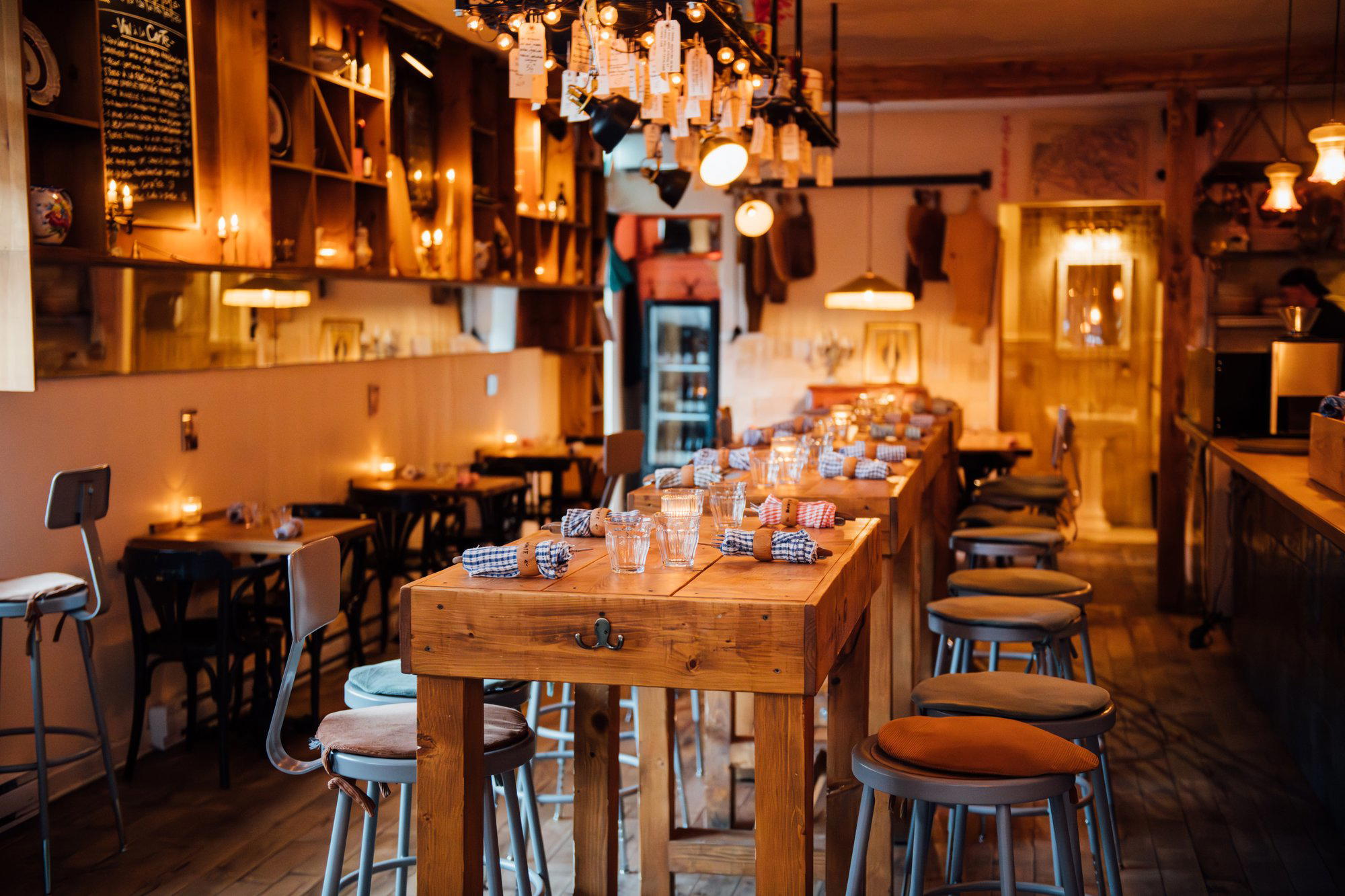
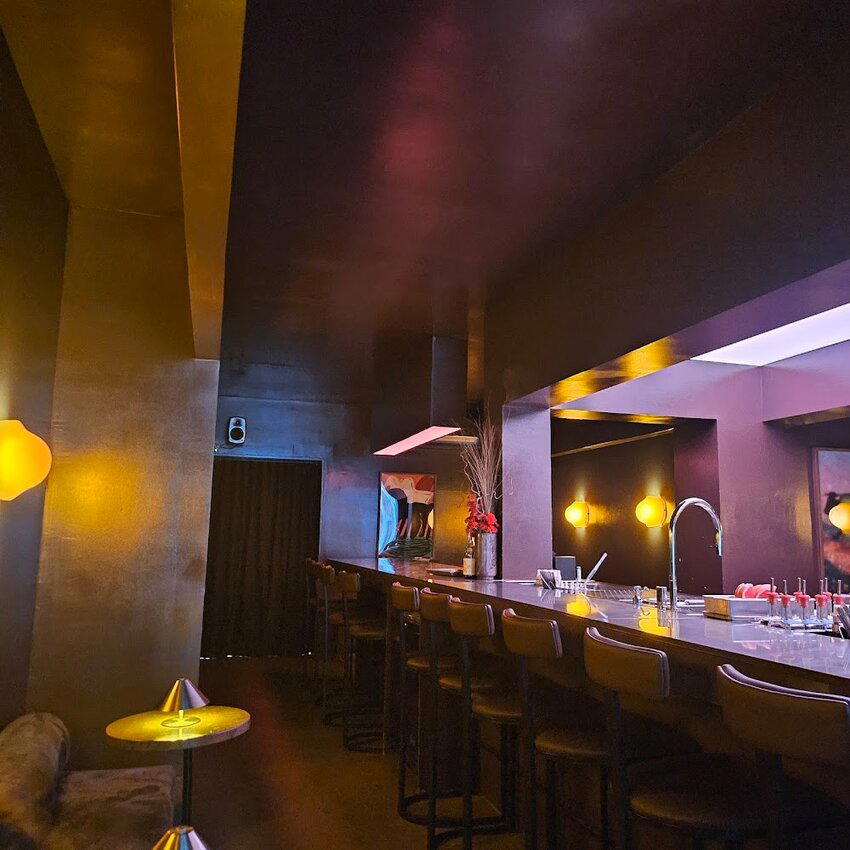
Warm cozy bustling atmosphere with polished service.
Know Before You Go
- Getting there
- 12 Rue Dante, Montréal, QC H2S 1J5, Canada