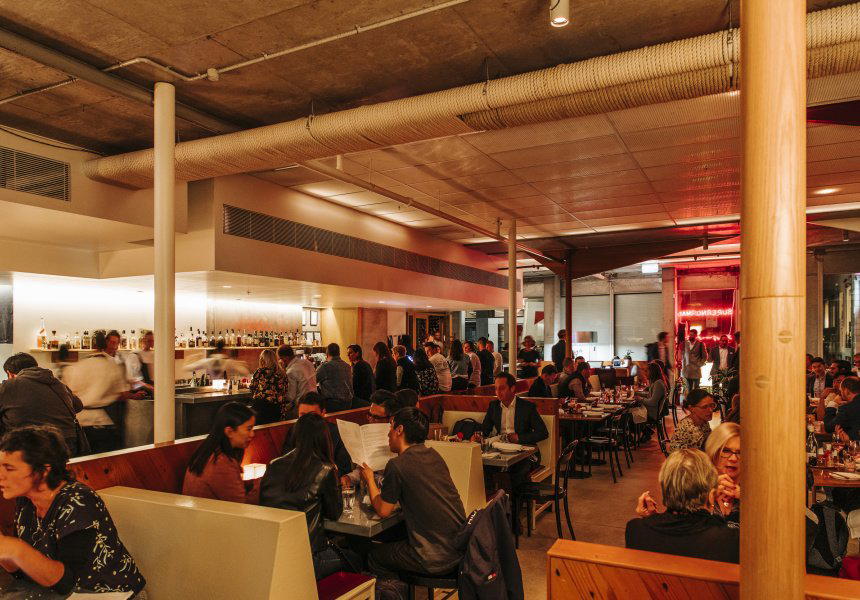
Izakaya Den occupies a basement on Russell Street in Melbourne's CBD, pulling the informal, drink-led rhythm of a Japanese izakaya into an Australian context. The format rewards slow evenings: small dishes arrive in waves, sake and shochu anchor the drinks list, and the underground setting insulates the room from the pace of the street above.
Pearl is the En Primeur Club membership app — saves, bookings, and concierge access live there. Same editors, same standards.
- Address
- BASEMENT/118 Russell St, Melbourne VIC 3000, Australia
- Phone
- +61 476 208 573
- Website
- google.com
- Directions
- Get directions
 Saves & bookings on Pearl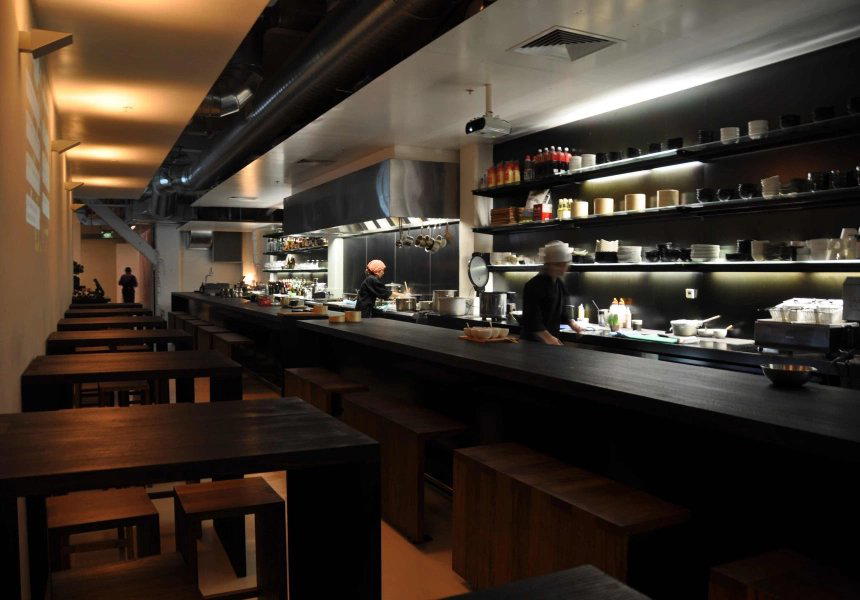
Below Street Level, on Japanese Time
Melbourne's CBD has a well-documented relationship with basement dining. The city's laneway culture pushed hospitality underground decades ago, and what emerged was a preference for rooms that feel discovered rather than displayed. The basement at 118 Russell Street fits that pattern. Descending below street level, the noise of the city drops away, and the register shifts toward something slower and more deliberate. This is the spatial logic of the izakaya format: remove the diner from the pace of the outside world and give the evening room to extend.
The izakaya tradition in Japan is built around a specific social contract. You arrive, you drink, you order in increments rather than in courses. Food arrives when it's ready, not according to a choreographed sequence. The meal belongs to the table, not to the kitchen's timeline. Melbourne has absorbed this format gradually, and Izakaya Den on Russell Street represents one of the more established expressions of it in the CBD. For readers exploring the city's broader dining map, our full Melbourne restaurants guide covers the range from this kind of informal Japanese format to the formal tasting-menu tier.
The Rhythm of the Meal
The izakaya format places different demands on the diner than a conventional Western restaurant. There is no single protagonist dish, no moment when the waiter announces the main. Instead, the evening builds laterally: a round of drinks, a few small plates, another round, a couple more dishes, a pause, then more. The ritual is additive rather than sequential. At its finest, this structure produces meals that feel genuinely social, where the conversation drives the pacing rather than the other way around.
Understanding this before you arrive changes how you eat. Ordering everything at once defeats the format. The better approach is to begin with two or three plates, eat them, and reassess. This is how the food is designed to be encountered: in small quantities, across time, alongside drink. Japanese whisky highballs, cold sake, and shochu-based drinks are the natural accompaniments to this kind of table, and venues operating in this format typically support all three with some depth on the drinks list.
This stands in contrast to the tasting-menu tier that defines much of Melbourne's critical attention. Attica operates on a fixed, multi-course format where the kitchen controls the sequence entirely. The izakaya model inverts that relationship. Neither is superior; they are answering different questions about what a meal is for.
Japanese Dining in Melbourne's Context
Melbourne has a long and layered relationship with Asian dining. Flower Drum has operated on Market Lane since 1975, and its longevity reflects a specific kind of institutional weight that few restaurants in Australia carry. Japanese dining in the city follows a different arc: it arrived later, spread more diffusely, and has diversified across ramen, sushi, kaiseki, and izakaya formats without any single institution claiming the same canonical status Flower Drum holds for Cantonese cuisine.
The izakaya sub-format sits in the mid-informal tier of this map. It is not the omakase counter, which demands reverence and attention, nor is it the ramen bar, which operates on speed and volume. The izakaya occupies the social middle ground: a place where the quality is taken seriously but the atmosphere is not precious. Compared to the formality of a full tasting menu at Brae in Birregurra or the structured progression at Laura at Pt Leo Estate, the izakaya asks less of the diner in terms of ceremony and more in terms of appetite and willingness to linger.
Russell Street's basement position also places Izakaya Den within walking distance of Melbourne's theatre district and the CBD's evening crowd, which means the venue captures a different kind of diner than the destination-driven pilgrimages that bring people to Provenance in Beechworth or Hentley Farm in Seppeltsfield. Location anchors the clientele in the spontaneous and the after-work rather than the planned and the celebratory.
What to Order and How to Approach the Menu
At any serious izakaya, the instinct to over-order early is worth resisting. The kitchen is designed for throughput across the whole evening, not for front-loaded abundance. Begin with something fried, something cold, and something with a sauce heavy enough to work against the first drink. As the table finds its rhythm, move toward grilled items, heavier proteins, and anything the menu signals as a house specialty. This is general izakaya logic, not a prescription unique to this address, but it applies here as it would in Shinjuku or Shibuya.
The drinks pacing matters as much as the food sequence. A cold sake at the start, a highball through the middle, and something warmer if the evening extends into late hours is the conventional arc.
For those building a broader Melbourne evening, the CBD's other reliable options include Above Board for a different format and 48h Pizza e Gnocchi Bar for something more European in character. 7 Alfred handles the steak-frites territory. Each of these represents a different answer to the question of where to spend a Melbourne evening.
Planning Your Visit
Izakaya Den sits in the basement at 118 Russell Street in Melbourne's CBD. The Russell Street address is well-connected by public transport, with Flinders Street and Melbourne Central both within reasonable walking distance. As with most basement venues in Melbourne's dining core, booking ahead is advisable rather than assuming walk-in availability, particularly on Thursday through Saturday evenings when CBD traffic is highest. Contact details and current trading hours should be confirmed directly, as they are subject to change. Given the informal, drink-led format, this is a venue that rewards unhurried evenings rather than time-pressured bookings.
For those extending their Australian dining across state lines, the EP Club covers comparable depth in other cities: Botanic in Adelaide, Rockpool in Sydney, and further afield, Salt Water Restaurant in Cairns, Pipit in Pottsville, Ormeggio at The Spit in Mosman, and Lizard Island Resort for those whose travel extends to Far North Queensland. For international reference points in the same informal-but-serious category, Lazy Bear in San Francisco operates a comparable communal-format ethos, while the technical seriousness of Le Bernardin in New York City represents the opposite end of the formality spectrum.
Category Peers
| Venue | Cuisine | Awards |
|---|---|---|
| Izakaya DenThis venue — the venue you are viewing | This venue | Not listed |
| Attica | Australian Modern | World's 50 Best |
| Flower Drum | Cantonese | World's 50 Best |
| Vue de Monde | Australian Fine Dining | Australian Fine Dining |
| Florentino | Modern Italian | Modern Italian |
Continue exploring
More in Melbourne
Restaurants in Melbourne
Browse all →
Bars in Melbourne
Browse all →
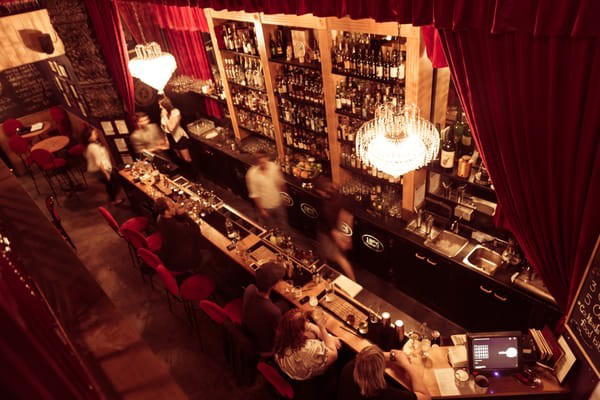
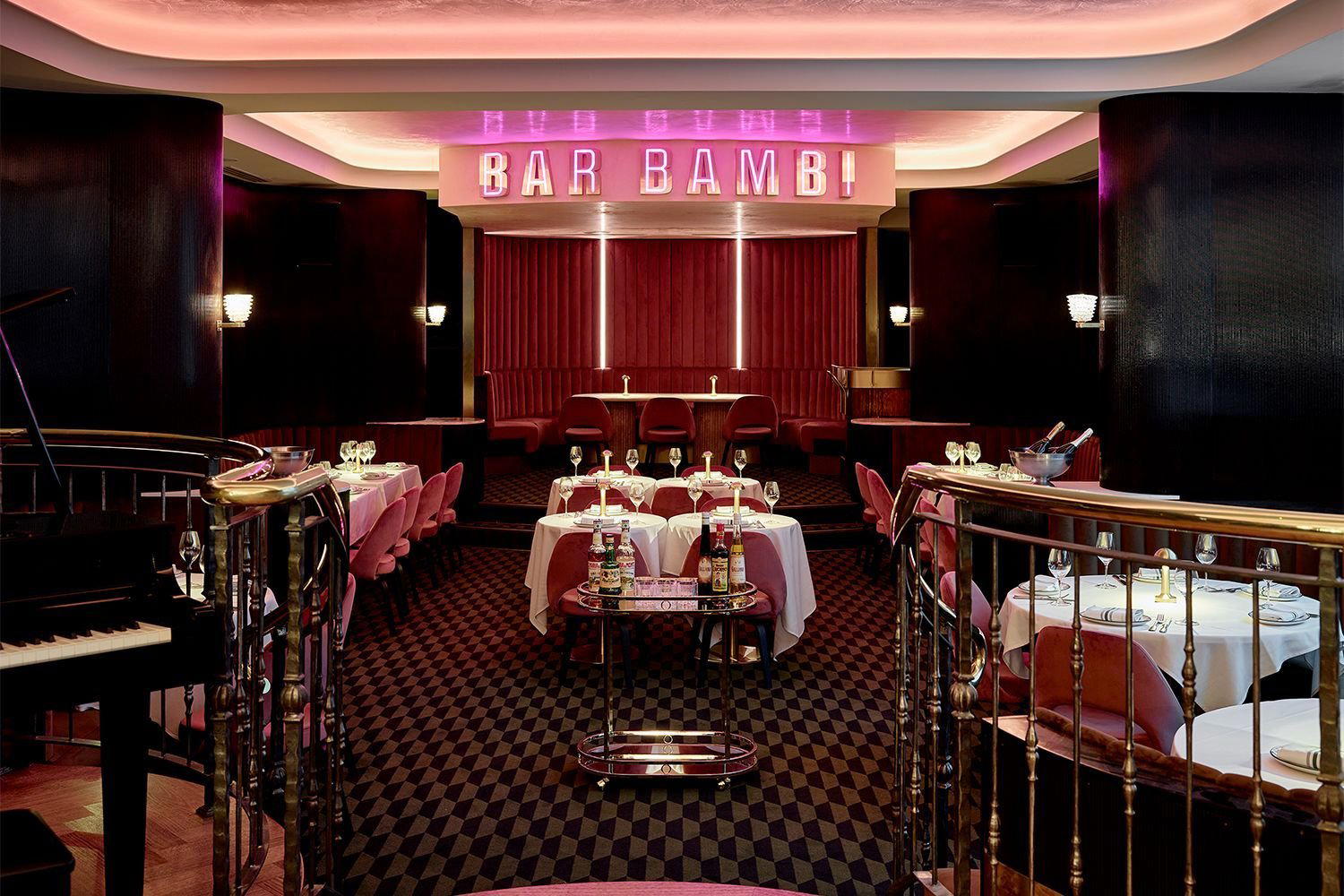
Hotels in Melbourne
Browse all →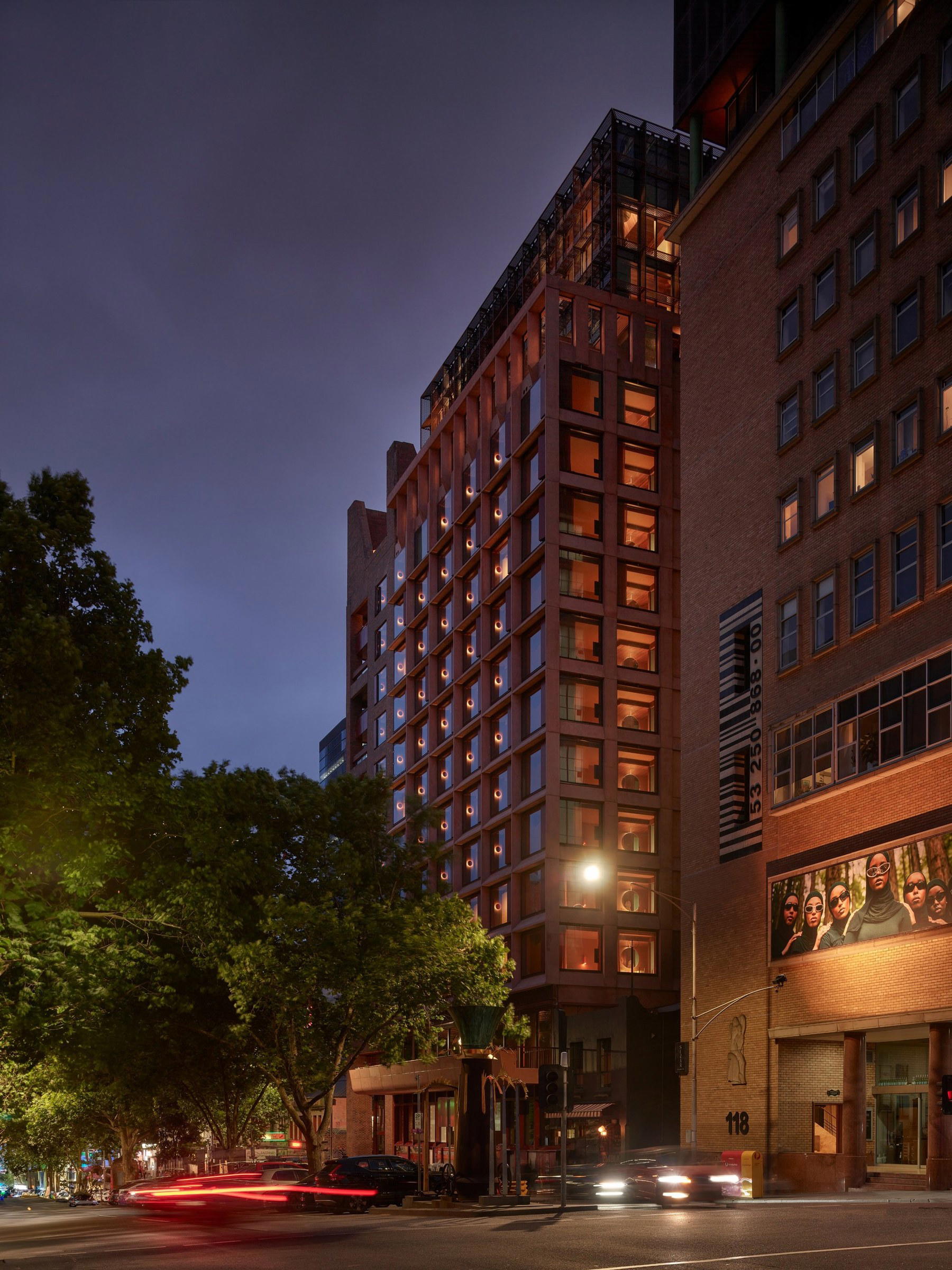
At a Glance
- Lively
- Trendy
- Modern
- Date Night
- Group Dining
- After Work
- Open Kitchen
- Sake Program
- Craft Cocktails
Current opening hours
- Monday
- 5:30–10 PM
- Tuesday
- 5:30–10 PM
- Wednesday
- 5:30–10 PM
- Thursday
- 5:30–10 PM
- Friday
- 5:30–10:30 PM
- Saturday
- 12–3 PM, 5:30–10:30 PM
- Sunday
- 12–3 PM, 5:30–9:30 PM
Hours can change for holidays and private events. Last verified .
Sharply designed basement room with lively atmosphere and open kitchen.
Know Before You Go
- Getting there
- BASEMENT/118 Russell St, Melbourne VIC 3000, Australia