Our verdict
Sama brings Levantine and Lebanese cooking into Melbourne's mid-to-upper dining tier, where the cuisine has historically been underrepresented at a serious level. The kitchen works across the textural and spiced registers of the eastern Mediterranean, from charred flatbreads to slow-cooked meats, in a setting that reads as considered rather than casual. For the city's growing appetite for Middle Eastern food done with real depth, Sama is a name that surfaces consistently.

Pearl is the En Primeur Club membership app, where members save venues, book tables and use the concierge.

The menu
What to order
- Moghrabieh Beef Cheek
Where Levantine Cooking Finds Its Footing in Melbourne
Melbourne's dining culture has long sorted itself into reliable categories: the white-tablecloth Australian Modern room, the multigenerational Cantonese institution, the neighbourhood Italian that punches above its address. What has taken longer to arrive, at least at a level of seriousness that places it alongside venues like Attica (Australian Modern) or Flower Drum (Cantonese), is Levantine and Lebanese cooking treated as a full kitchen discipline rather than a fast-casual format. Sama occupies that gap. The food it serves draws from a tradition with enormous depth: slow-braised lamb, fermented dairy, herb-heavy salads built on seasonal produce, charcoal and wood as primary cooking tools. The execution signals ambition beyond the mezze plate.
The Room Before the Food
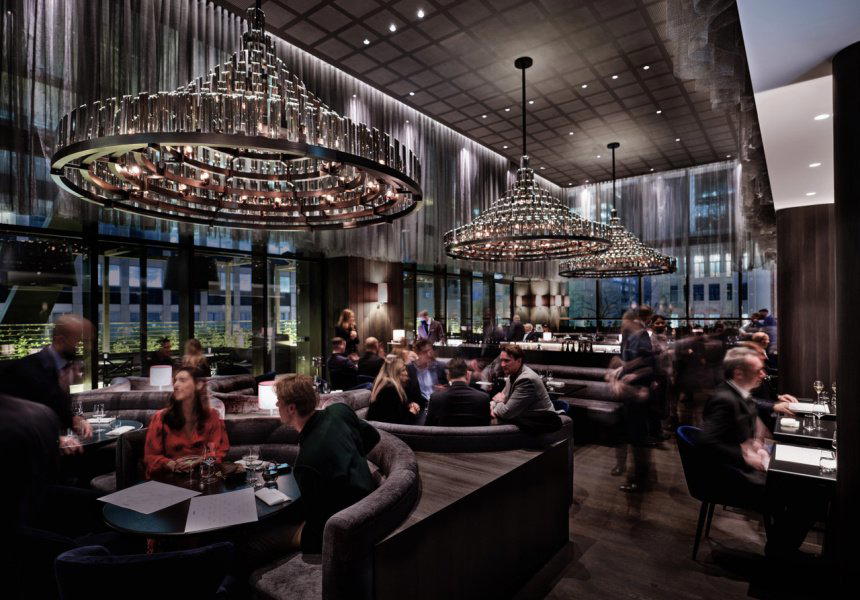
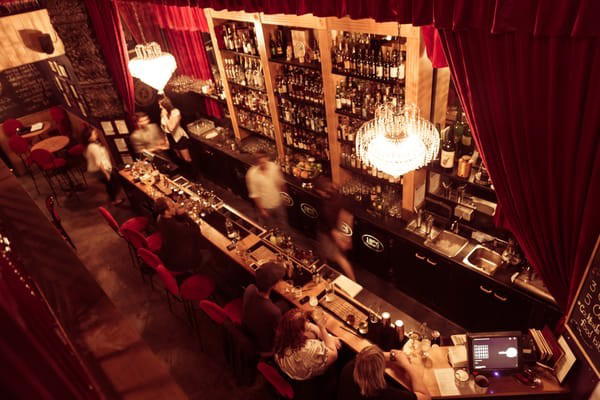
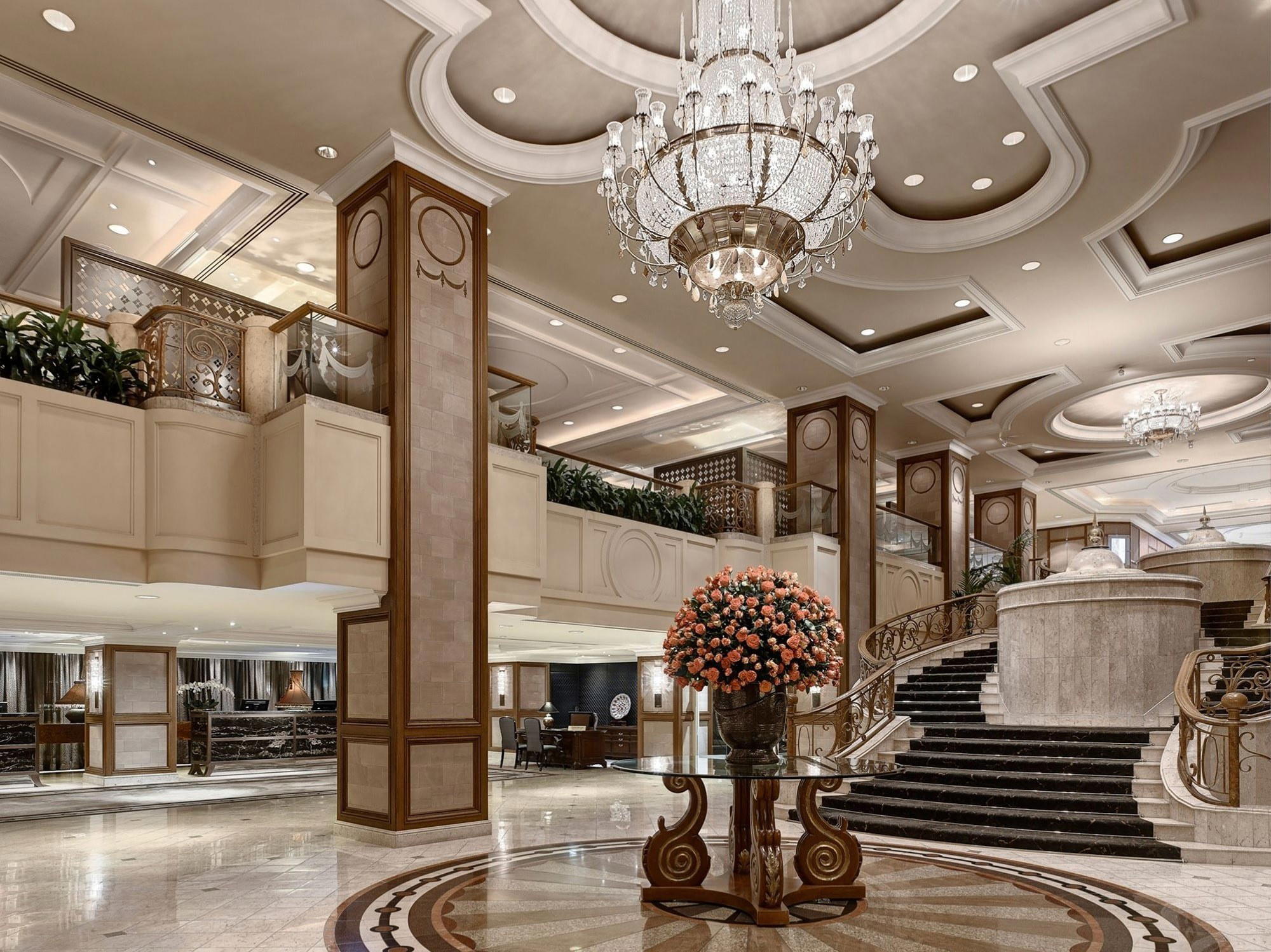
The physical experience of entering a Levantine restaurant in Melbourne tends to fall into one of two registers: the brightly lit, high-turnover format or the dimly atmospheric space that borrows visual shorthand from the broader Middle East without much specificity. Sama reads differently. The environment signals that the kitchen and the front-of-house are working from the same brief, which is the baseline requirement for any restaurant operating in the city's more considered dining tier. This alignment between room and plate matters more than it is often credited: in a category where the cuisine itself is still earning its place at the table alongside 48h Pizza e Gnocchi Bar or 7 Alfred (steak-frites) in terms of mainstream Melbourne dining literacy, the visual and spatial language of the space does argumentative work.
The Team Dynamic Behind Levantine Service
In kitchens working from a Lebanese and Levantine foundation, the collaboration between those cooking and those serving is unusually loaded. The cuisine arrives in formats that require explanation without condescension: sharing rhythms that differ from both the European tasting menu and the Australian pub feed, spice profiles that benefit from brief narrative, wine or drink pairings that demand someone on the floor who understands what they are pairing against. At venues operating in this culinary register internationally, the front-of-house is as much an interpreter as a server. The stronger Levantine rooms in cities like London or New York have understood this for a decade. In Melbourne, which has been building its Arabic and Middle Eastern dining vocabulary more gradually, a restaurant like Sama inherits the responsibility of making the cuisine legible to a wide room without flattening it for the unfamiliar diner.
That team dynamic extends into the drink program. Lebanese wine, once almost invisible on Australian lists, has become a credible category in its own right, with producers from the Bekaa Valley earning coverage in serious wine press. A kitchen working at Sama's apparent level of intention would do its Levantine food a disservice with a generic Australian wine list, and the floor staff at this tier are expected to hold that conversation. For points of comparison in how a cohesive kitchen-floor-drinks program operates at the sharper end of Melbourne's spectrum, Above Board offers a useful local reference for format discipline under constraint.
Where Sama Sits in Melbourne's Middle Eastern Dining Scene
Australian cities have developed their Levantine and Middle Eastern restaurant cultures in different sequences. Sydney moved earlier, partly through the influence of large Lebanese communities in western suburbs who created the demand infrastructure that eventually supported more ambitious kitchens. In Ballarat, venues like Jaani Street Food are doing the same regional groundwork on a smaller scale. Melbourne's trajectory has been slightly different, building Middle Eastern food credibility through a combination of inner-city grocery culture, food festival programming, and a generation of Australian-trained chefs with Lebanese heritage who are now old enough to run serious rooms. Sama appears to belong to that second or third wave of the category: past the point of novelty, working within an established local audience for the cuisine, and positioned against peers rather than against the category as a whole.
Compared to the Australian Modern format that venues like Brae in Birregurra or Attica have defined, or the European fine dining legibility of Rockpool in Sydney, a serious Levantine room operates from a different set of genre conventions. The sharing format, the mezze-to-main structure, the use of bread as a functional utensil rather than a course opener: these are not departures from fine dining convention, they are a separate tradition with its own internal logic. Understanding that distinction is what separates a kitchen treating the cuisine as a theme from one treating it as a discipline.
Planning a Visit
Melbourne's dining calendar tends to cluster demand in the cooler months, when the appetite for slow-cooked, spiced, and hearty cooking aligns well with what Levantine kitchens do at their most comfortable. Autumn through early winter is when a restaurant like Sama is likely to feel most in step with the season: lamb cooked low and long, warm spiced broths, the kind of food that makes sense against an evening that drops quickly after dark. For visitors building a broader Melbourne itinerary, pairing Sama with a neighbourhood coffee stop at Barry Cafe in Northcote or a casual evening at Bar Carolina in South Yarra creates a day that covers Melbourne's range without redundancy. For a full picture of where Sama fits within the city's wider restaurant offering, our full Melbourne restaurants guide maps the scene by neighbourhood and cuisine type.
Frequently asked questions
How does Sama fit into Melbourne's broader Levantine and Middle Eastern dining scene?
Melbourne developed its Middle Eastern restaurant culture on a different timeline than Sydney, which moved earlier through its Lebanese community infrastructure. For diners tracking where Melbourne's Middle Eastern cooking has arrived, Sama is a reference point worth visiting.
What do regulars order at Sama?
Sama's kitchen draws from a Lebanese and Levantine foundation where shared plates carry the most weight. Regulars tend to anchor a meal in the slow-cooked and spiced dishes rather than lighter starters alone. Melbourne's Levantine dining scene rewards those who let the kitchen pace the table, so ordering broadly across the menu, rather than treating it like a dip-and-bread occasion, tends to produce the better meal.
Can I walk in to Sama?
Melbourne's better Middle Eastern restaurants operate under serious demand during cooler months, when slow-cooked and spiced cooking draws consistent crowds. A reservation is the safer approach at Sama, particularly on Thursday through Saturday evenings. Walking in midweek at lunch or early dinner is a reasonable attempt, but the kitchen's format suits a sit-down experience rather than a quick counter turnover.
What's the standout thing about Sama?
Within Melbourne's Middle Eastern dining scene, Sama occupies a register that takes Levantine and Lebanese cooking seriously as a cuisine rather than a backdrop for casual dipping. The city's dining culture has developed its Levantine offering later than Sydney, and Sama represents the kind of room that treats that tradition with the same attention given to any other serious culinary category in Melbourne.
Does Sama justify its prices?
The cuisine type, Middle Eastern, Levantine, and Lebanese, historically delivers strong value relative to European fine dining at equivalent quality levels. The question of value at Sama is better answered by assessing the depth of cooking against the share-plate format rather than per-dish cost.
Comparable Spots
Comparable venues nearby, for context on price, style, and recognition.
| Venue | Cuisine | Price | Awards | Notes |
|---|---|---|---|---|
| SamaThis venue (the venue you are viewing) | Modern Lebanese | Not listed | Not listed | Not listed |
| Manchester Press | New York-Style Bagels & Coffee | $20–30 | Not listed | Melbourne |
| Figlia | Modern Italian Sourdough Pizza | $30–50 | Not listed | Brunswick East |
| Roma Snack Bar and Restaurant | Australian Cafe | Not listed | Not listed | Darwin CBD |
| TAVERNA | Athenian Greek Taverna | $30–50 | Gourmet Traveller Restaurant Personality | Brunswick East |
| Izakaya Den | Modern Japanese Izakaya | $30–50 | Not listed | Melbourne |
Continue exploring
More in Melbourne
Restaurants in Melbourne
All restaurants in Melbourne →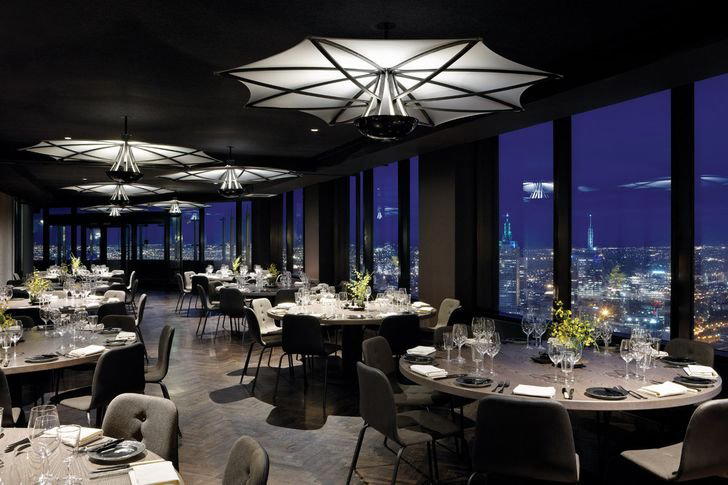
Bars in Melbourne
All bars in Melbourne →
Details
- Relaxed
- Group Dining
- Casual Hangout
- A La Carte
Relaxed vibes with traditional Lebanese hospitality.