Ivory
Ivory sits at Wintersoord 2 in Nijmegen, a city that has quietly built one of the more interesting provincial dining scenes in the Netherlands.
Pearl is the En Primeur Club membership app — saves, bookings, and concierge access live there. Same editors, same standards.
- Address
- Wintersoord 2, 6511 RR Nijmegen, Netherlands
- Phone
- +31243603003
- Website
- restaurantivory.nl
- Directions
- Get directions
 Saves & bookings on Pearl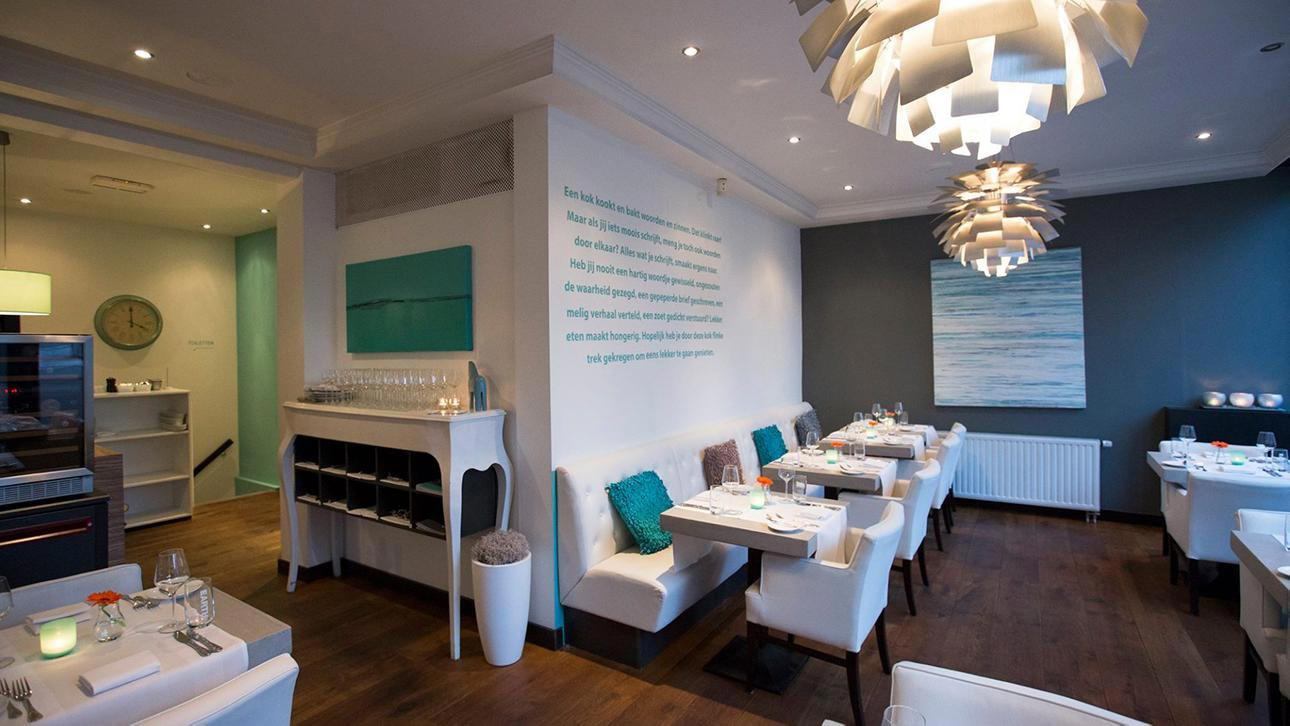
Where Nijmegen's Dining Scene Is Heading
The Netherlands has spent the better part of two decades redrawing the map of serious provincial dining. The story used to run through Amsterdam and its immediate orbit — Ciel Bleu in Amsterdam and Aan de Poel in Amstelveen as the reference points, with everything else measured against them. That framing has weakened considerably. Kitchens in Gelderland and beyond have developed their own logic, their own sourcing networks, and their own guest bases. Nijmegen, sitting close to the German border on the Waal, is part of that shift. The city's restaurant scene is not large by Dutch standards, but it has become coherent: a cluster of kitchens operating across price tiers, each staking a position on what regional cooking should mean in this part of the country.
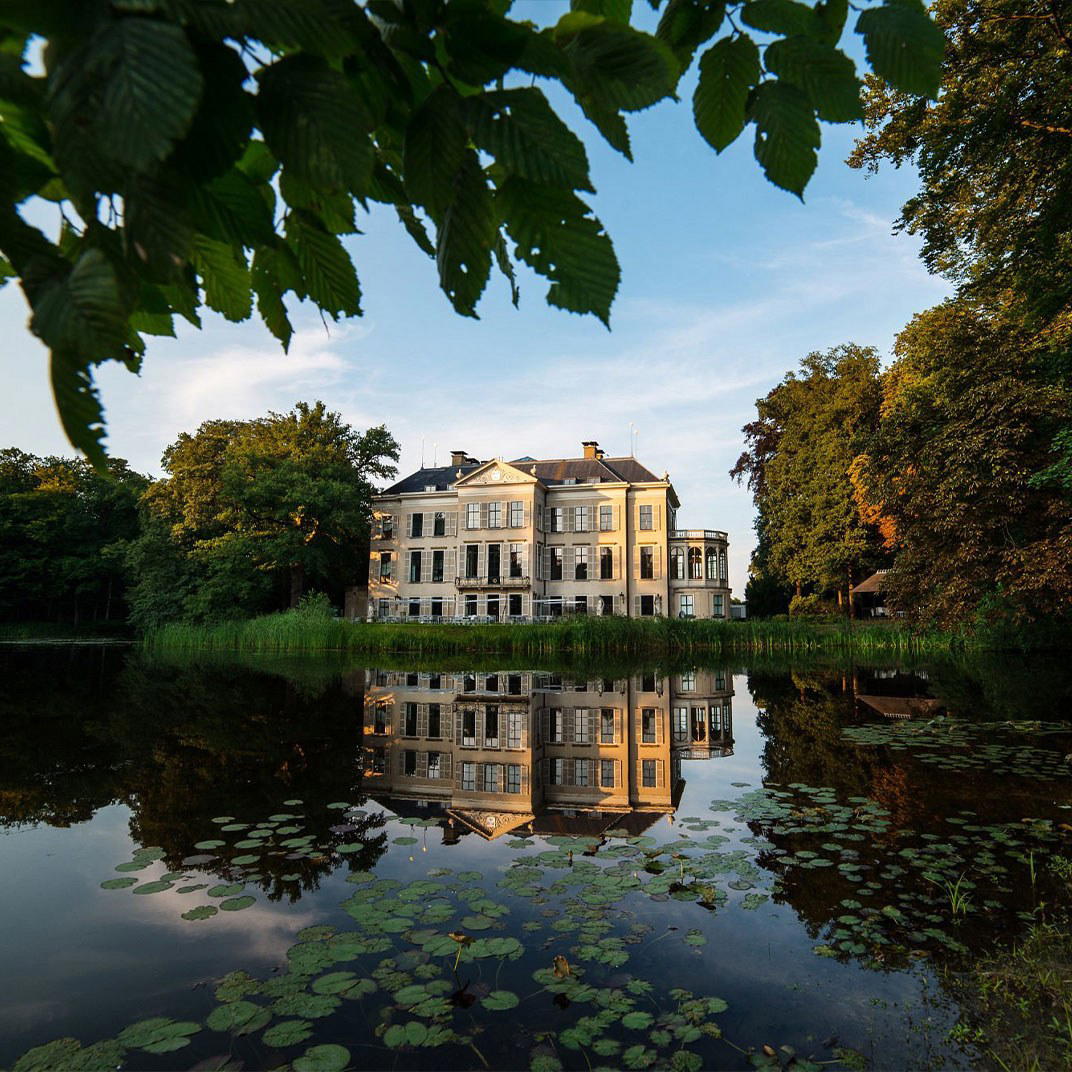
Ivory, addressed at Wintersoord 2 in Nijmegen, occupies a position in this scene. The address places it in a part of the city that rewards pedestrian exploration, and arriving on foot gives the clearest sense of how the venue sits within its immediate surroundings. What exactly Ivory serves, and at what price point, is not formally documented in the sources available to us at this time, which means the responsible approach is to make direct contact before planning a visit.
Ingredient Sourcing as a Defining Commitment
Across the better kitchens operating in Gelderland and the broader eastern Netherlands, sourcing has become the primary editorial claim. This is not incidental. The region has direct access to river-delta produce, market garden networks in the Betuwe, and livestock traditions that larger cities struggle to match in freshness or traceability. Kitchens that understand this geography and build supplier relationships into the cooking itself — rather than listing provenance as a marketing footnote, tend to produce food that registers differently from urban competitors working with the same distributor catalogues.
This is the tier in which the most interesting provincial Dutch cooking now happens. De Nieuwe Winkel (€€€€ · Organic) has made ingredient sourcing its founding principle, operating at the upper end of the city's price range with an organic and plant-forward commitment that has drawn national attention. That approach sets a reference point for what ingredient-led cooking looks like at full ambition in Nijmegen. Other kitchens in the city, including Bistrobar Bankoh and Bistrot Regent (€€ · French), work at more accessible price points while still maintaining defined positions on what they cook and where it comes from. The range across Nijmegen's dining options, from Bistrobar Berlin (€ · Modern Cuisine) at the entry tier through to Brasserie 't Zotte Lemke in the middle, reflects a scene that has matured beyond novelty into something with genuine internal structure.
Where Ivory sits within that structure is not yet fully documented. This matters for visitors making deliberate choices about how to spend a meal, and it is reason enough to consult the venue directly about format, sourcing philosophy, and pricing before committing.
Provincial Seriousness Beyond the Randstad
The broader Dutch fine-dining conversation has historically centred on kitchens with Michelin recognition and high media profiles. De Librije in Zwolle and 't Nonnetje in Harderwijk demonstrate that recognised ambition is not confined to the major cities. Further examples extend the pattern: De Bokkedoorns in Overveen, De Groene Lantaarn in Staphorst, De Lindehof in Nuenen, De Lindenhof in Giethoorn, De Treeswijkhoeve in Waalre, and Brut172 in Reijmerstok all represent kitchens operating in smaller Dutch cities and towns with the kind of seriousness that used to be assumed only possible in Amsterdam or its suburbs. The common thread is not format or price but intent: these are kitchens where the cooking reflects a considered position on produce, technique, and place.
Nijmegen's position near the Waal gives its kitchens access to a specific agricultural zone, and the better operators in the city use that access deliberately. Whether Ivory is among that group requires first-hand confirmation, the documentation available suggests a venue that warrants attention, but not one where specific claims about cooking philosophy should be made without verified sourcing.
For comparative reference at the international level, kitchens like Le Bernardin in New York City and Atomix in New York City illustrate what happens when ingredient sourcing becomes the organising principle of a restaurant at high ambition, not because Dutch provincial dining operates at the same scale, but because the underlying logic of sourcing-led cooking transfers across contexts.
Planning a Visit
Ivory is located at Wintersoord 2, 6511 RR Nijmegen. The address is reachable from Nijmegen's central station on foot or by short taxi ride, making it accessible as part of a broader stay in the city. This is particularly relevant for guests with dietary requirements, guests planning to arrive without a reservation, or those budgeting against a specific price tier. The practical details that would normally inform these decisions, phone number, website, confirmed hours, are not available in current records, and assuming them from category averages would be misleading.
For a fuller picture of what Nijmegen offers across formats and price points, our full Nijmegen restaurants guide covers the city's dining scene in detail.
How Ivory Nijmegen compares with similar nearby venues.
| Venue | Cuisine | Price |
|---|---|---|
| Flores | Country cooking | €€€ |
| Bistrot Regent | French | €€ |
| Witlof | Farm to table | €€€ |
| De Nieuwe Winkel | Organic | €€€€ |
At a Glance
- Elegant
- Cozy
- Sophisticated
- Intimate
- Date Night
- Special Occasion
- Extensive Wine List
Current opening hours
- Monday
- Closed
- Tuesday
- Closed
- Wednesday
- 6 PM–12 AM
- Thursday
- 6 PM–12 AM
- Friday
- 6 PM–12 AM
- Saturday
- 6 PM–12 AM
- Sunday
- Closed
Hours can change for holidays and private events. Last verified .
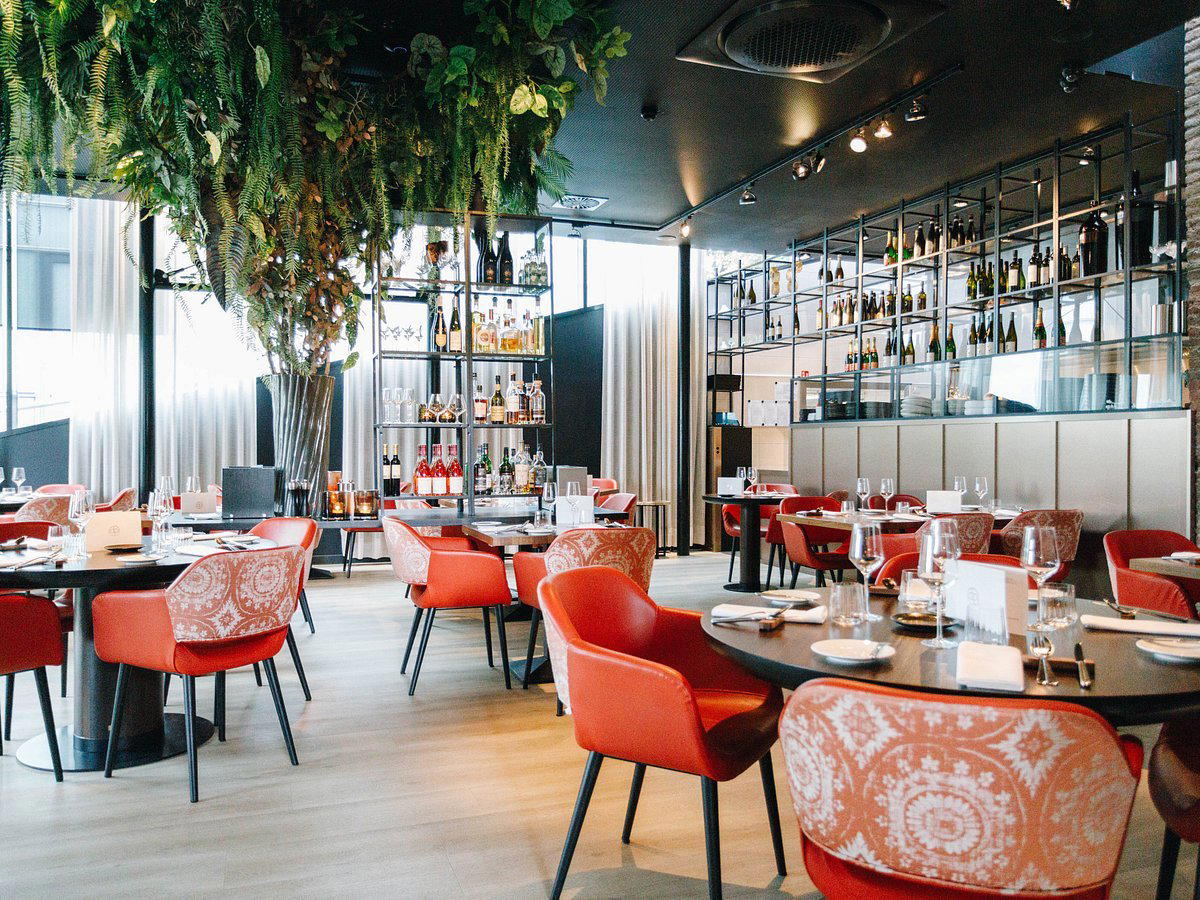
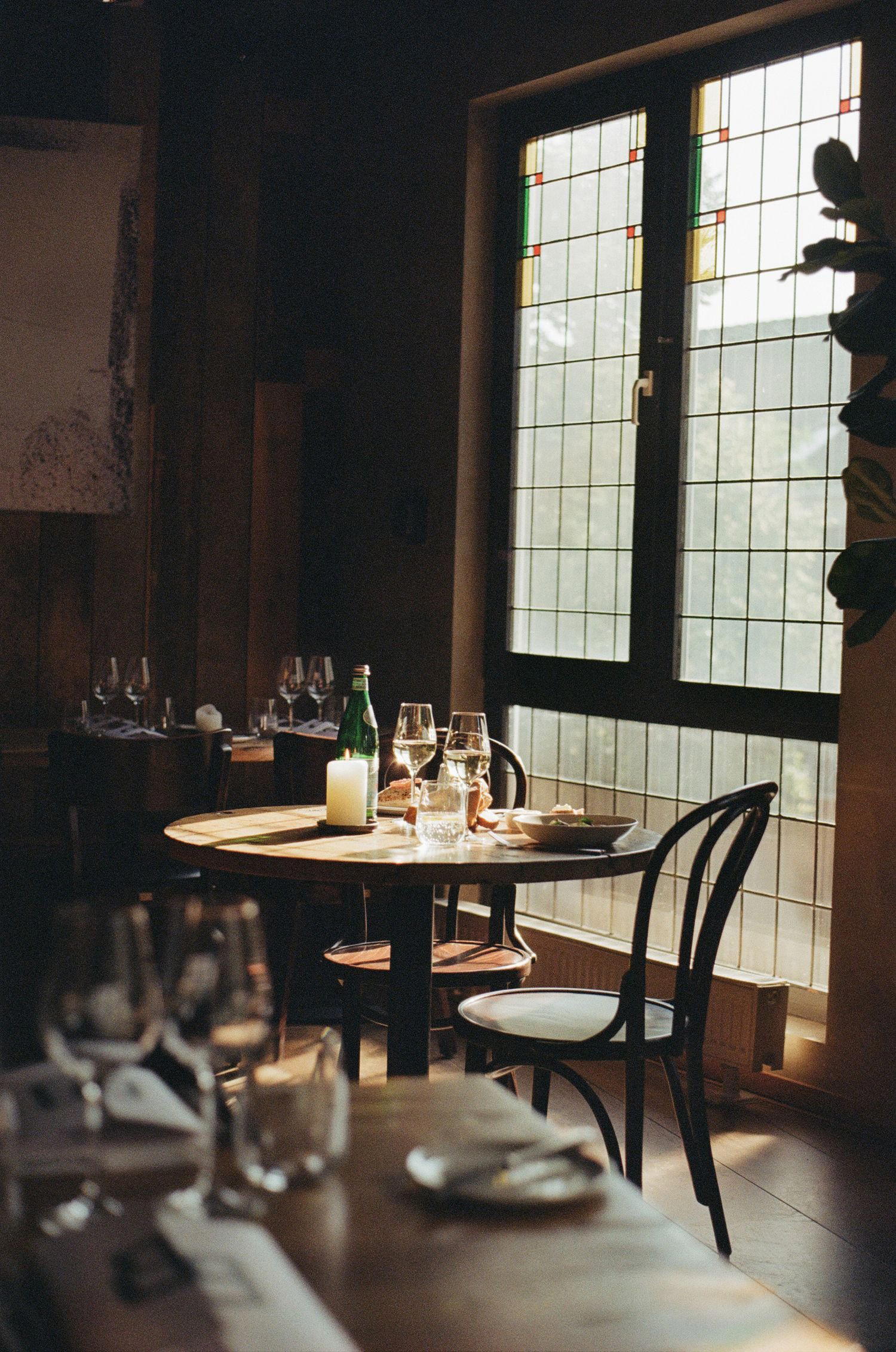
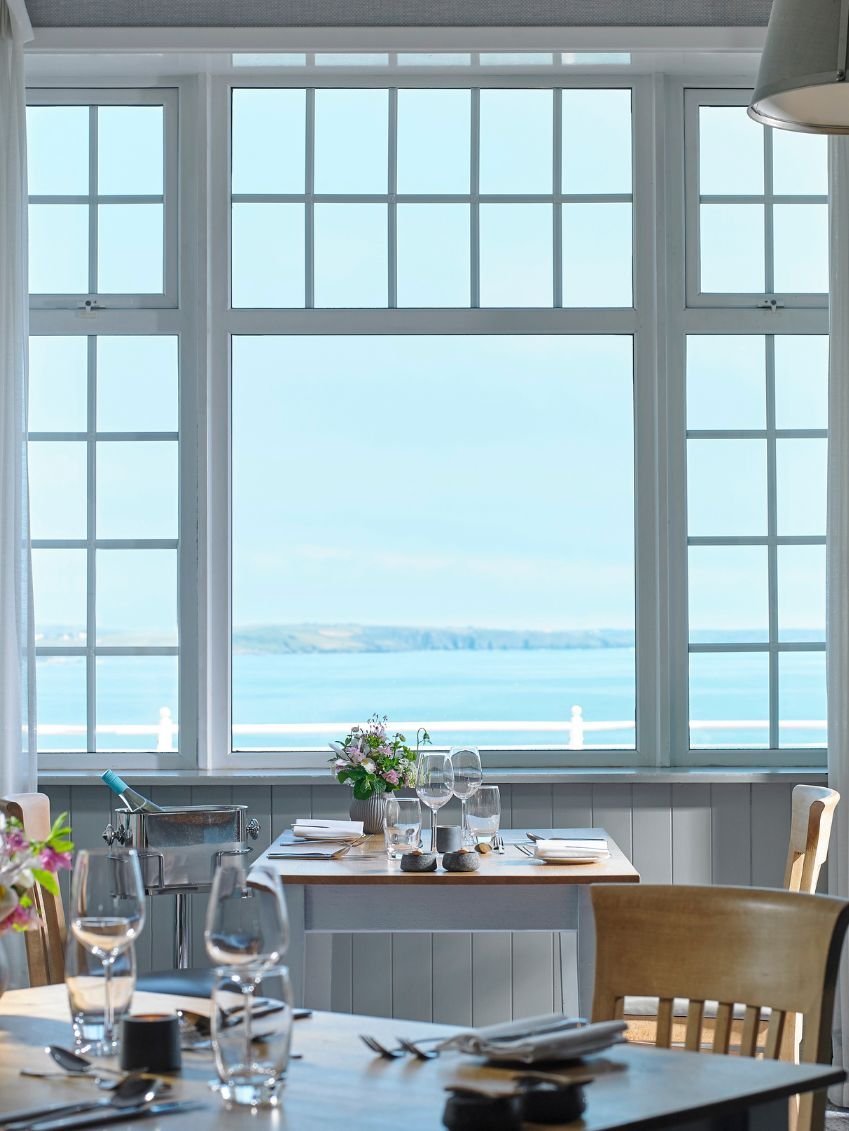
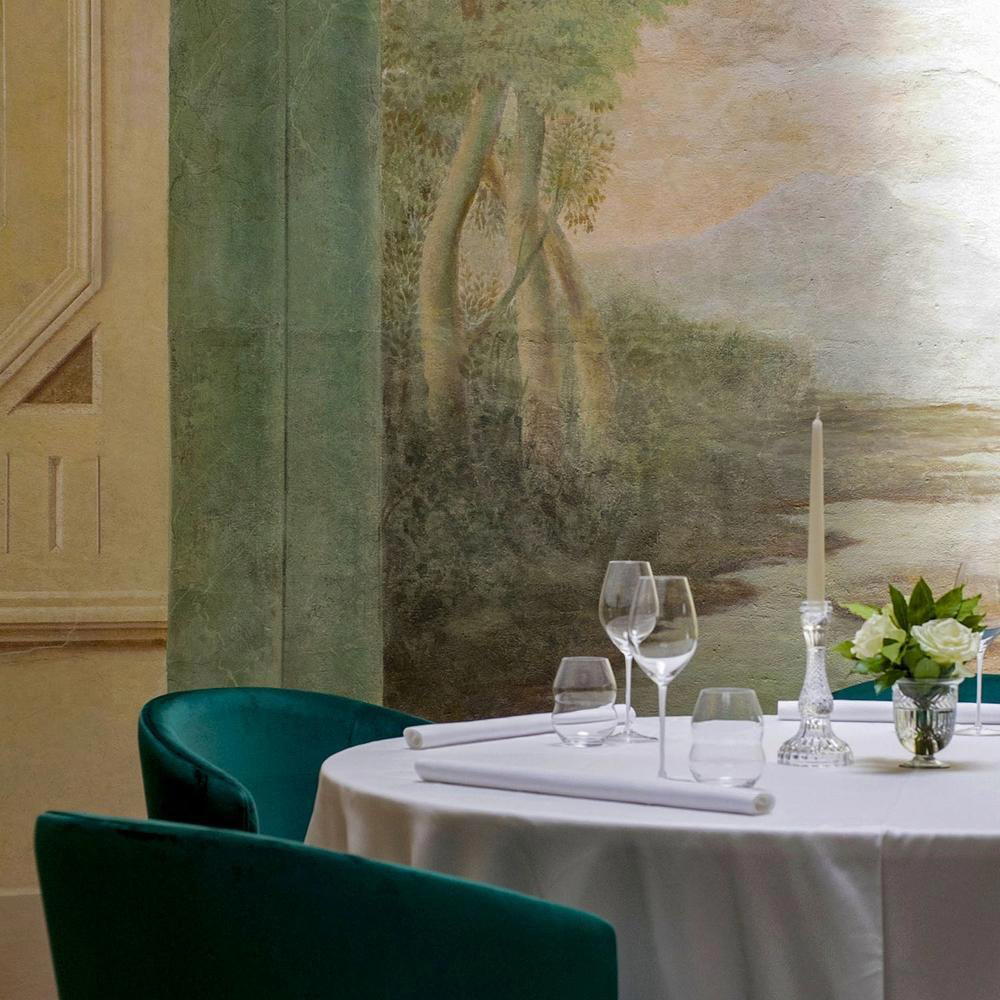
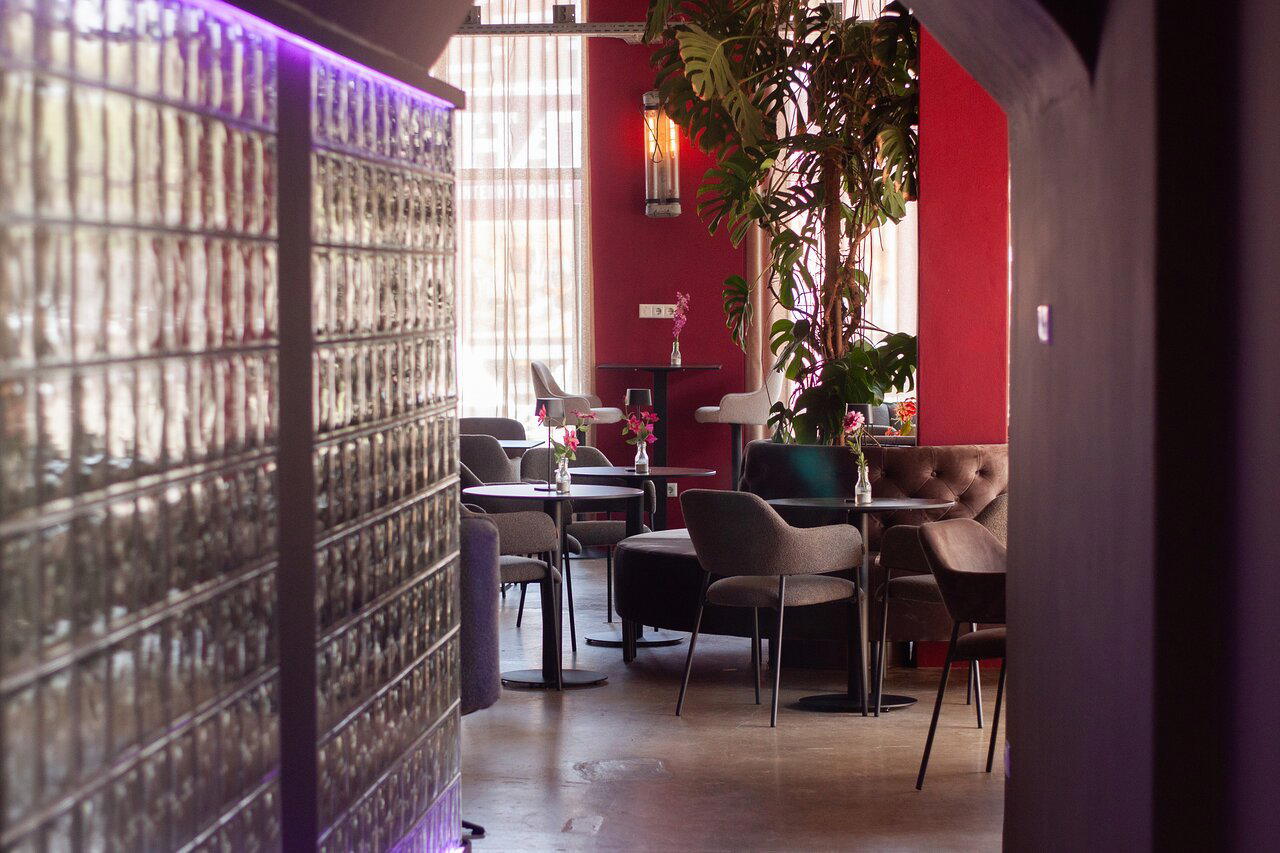
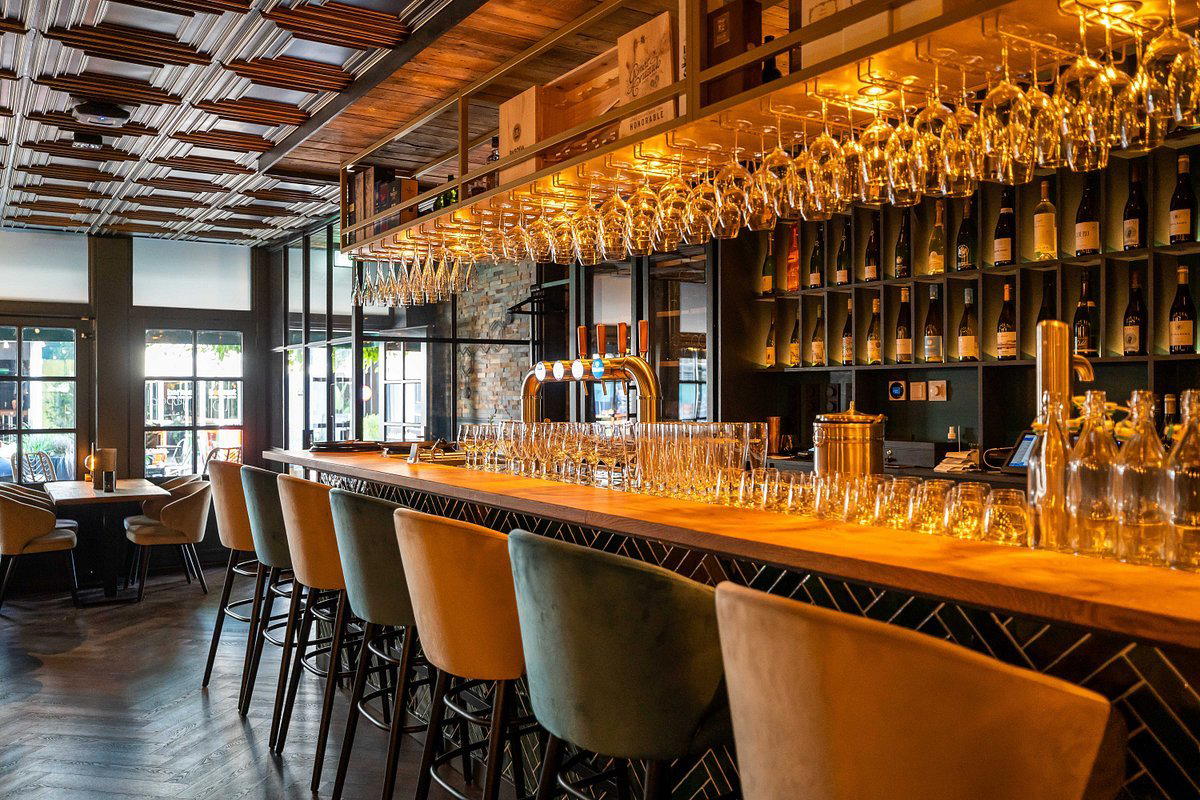
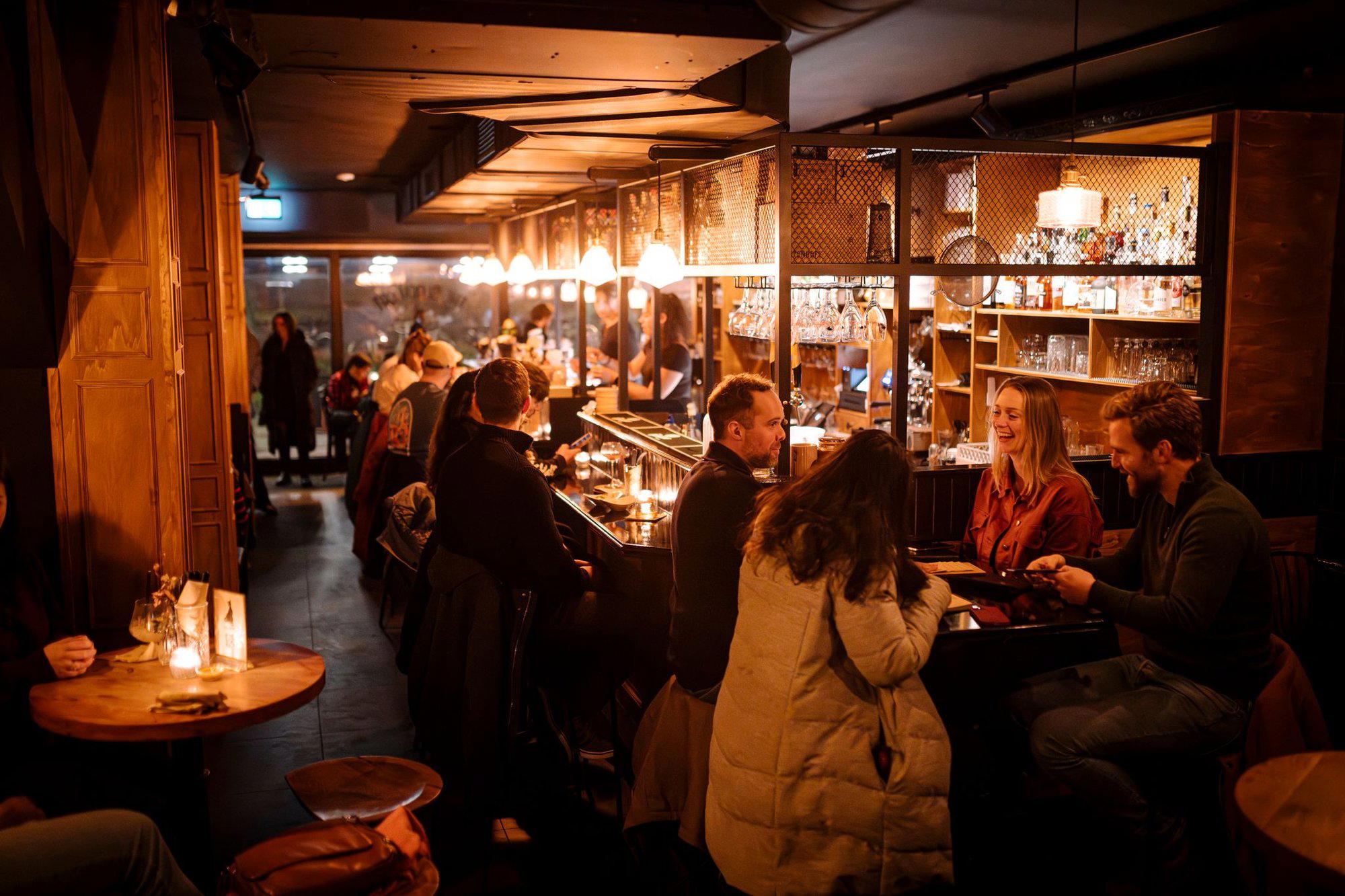
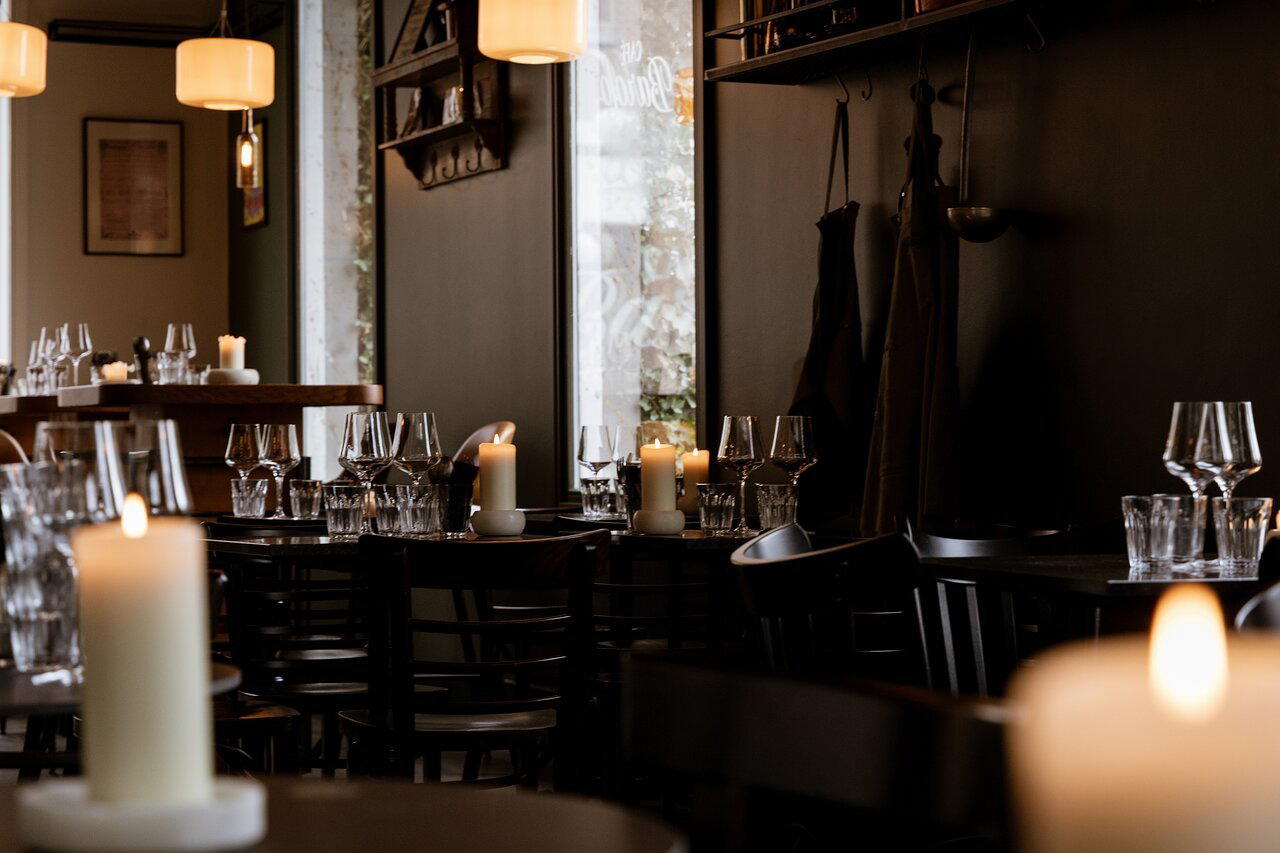
Pleasant and relaxed atmosphere with conversational noise levels, though some note it could benefit from dimmer lighting for enhanced coziness.
Know Before You Go
- Getting there
- Wintersoord 2, 6511 RR Nijmegen, Netherlands