On a quiet residential stretch of Sachsenhausen, Muku occupies a space where Frankfurt's appetite for understated precision dining finds a natural home. The address on Dreieichstraße places it squarely in a neighbourhood better known for apple-wine taverns than refined counters, which is precisely the point. Muku reads as a deliberate counterweight to the city's louder dining declarations.
Pearl is the En Primeur Club membership app — saves, bookings, and concierge access live there. Same editors, same standards.
- Address
- Dreieichstraße 7, 60594 Frankfurt am Main, Germany
- Phone
- +496948445153
- Website
- muku-ramen.com
- Directions
- Get directions
 Saves & bookings on Pearl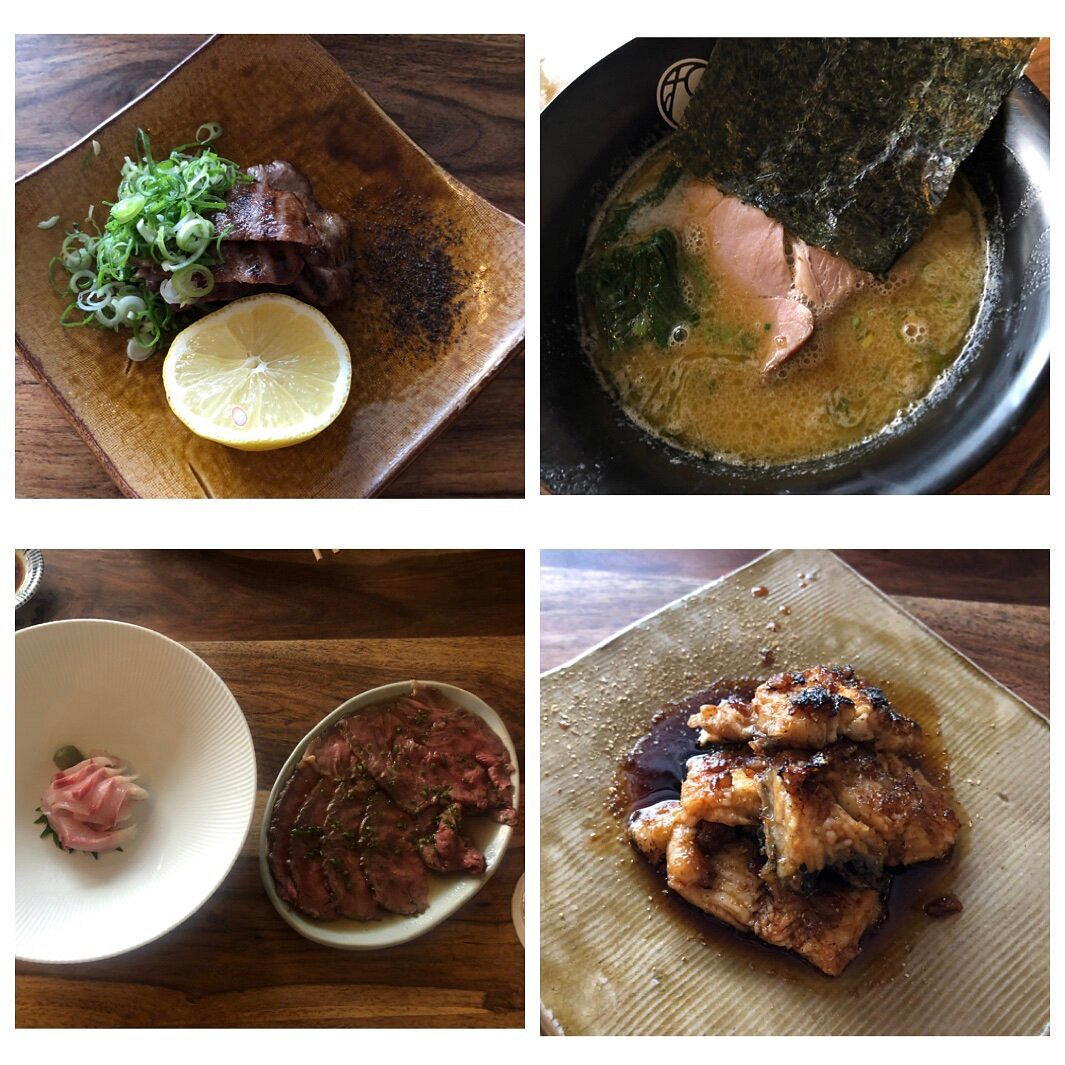
Sachsenhausen After Dark: What the Street Tells You Before You Enter
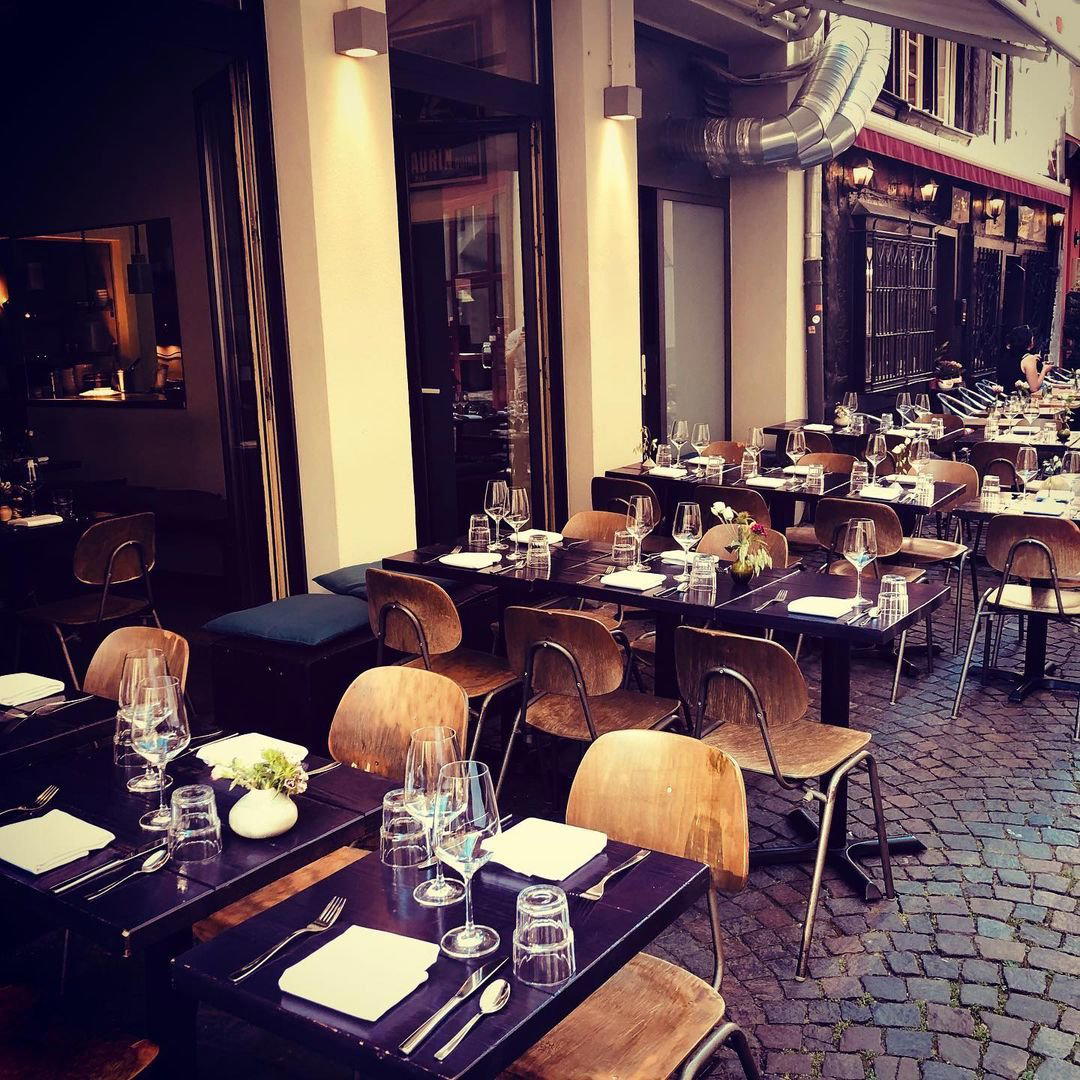
Dreieichstraße 7 sits in the southern arc of Sachsenhausen, a Frankfurt neighbourhood that earns its reputation from Ebbelwoi houses and cobbled lanes rather than Michelin corridors. The street itself is residential in character, low-lit, unhurried, the kind of address that requires a deliberate decision to seek out rather than a casual walk-in. That physicality matters. In a city where the financial district pulls considerable dining gravity northward, and where the Main riverfront draws weekend crowds, a restaurant this far into Sachsenhausen's quieter grid is making a statement about its intended audience before a single dish arrives.
Frankfurt's dining scene has, over the past decade, sorted itself into legible tiers. There are the grand hotel dining rooms and long-established addresses that anchor the city's Michelin count, venues comparable in ambition to Aqua in Wolfsburg or Vendôme in Bergisch Gladbach in their commitment to classical European fine dining. Then there is a smaller, less conspicuous tier: compact rooms with focused menus, where the logic is restraint rather than spectacle. Muku belongs to that second cohort. Its Sachsenhausen address reinforces the positioning, you come because you already know, not because a hotel concierge flagged it.
The Atmosphere as Argument
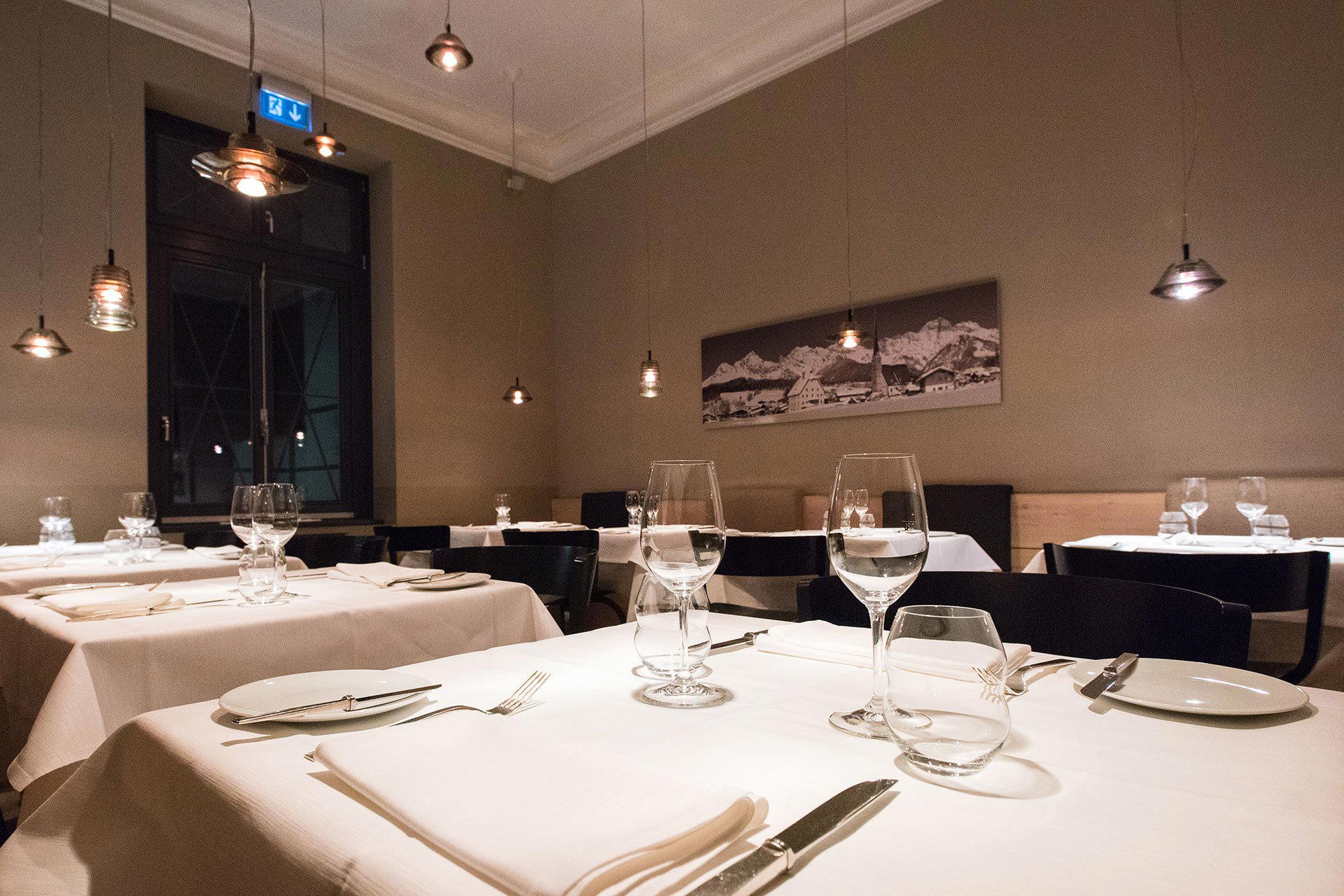
Arriving at a room like this, the sensory sequence matters as much as the menu that follows. In Frankfurt's quieter dining addresses, the transition from street to interior tends to be abrupt in a way that works: the ambient noise of the neighbourhood drops, the temperature shifts, and the visual register contracts. Spaces in this category, small-capacity, residential-street venues, typically use that compression deliberately. Ceiling height, material choices, and light temperature become active editorial tools rather than background decisions.
This contrasts sharply with the city's larger dining formats. Frankfurt has its share of high-volume brasserie operations and rooftop venues where atmosphere is produced through scale. The Sachsenhausen addresses that endure tend to work the opposite logic: atmosphere through reduction. Fewer seats, lower sound levels, and sightlines that keep attention on the table rather than the room. Compared to some of Frankfurt's more theatrical offerings, or indeed to the studied grandeur of Schwarzwaldstube in Baiersbronn or Victor's Fine Dining by Christian Bau in Perl, a venue in this mode asks the food to carry a larger share of the conversation.
Frankfurt's Counter-Current: Small Rooms, Focused Kitchens
Germany's fine-dining infrastructure outside Berlin and Munich often concentrates in destination addresses rather than urban neighbourhood spots. The Michelin-heavy roster skews rural or hotel-anchored: consider Waldhotel Sonnora in Dreis, ES:SENZ in Grassau, or Schanz in Piesport, properties where the surrounding landscape and overnight stay form part of the proposition. Frankfurt's urban fine-dining options compete against that backdrop, needing to make the case for a city-centre table on its own terms.
Within Frankfurt specifically, the neighbourhood dining conversation spans a range. ALEJANDRO'S and Allgaiers Restaurant each represent distinct approaches to the city's mid-to-upper dining register, while Ariston and atm by Deli&Grape address different points on the casual-to-considered spectrum. Ambassel demonstrates how international reference points continue to find purchase in the city's dining mix. Muku, at Dreieichstraße 7, occupies a position within this field that is defined by geography and format as much as by cuisine category. A Sachsenhausen address signals something to a Frankfurt diner that a Westend or Bahnhofsviertel address would not.
The broader German urban dining pattern is worth noting here. Cities like Berlin have developed dense, neighbourhood-specific dining cultures where format experimentation thrives, CODA Dessert Dining in Berlin being a pointed example of how far outside conventional structure a German urban restaurant can push. Hamburg's Restaurant Haerlin represents the established grand-hotel pole. Frankfurt's dining identity sits between those modes, and venues like Muku occupy the space where that negotiation is most visible.
Placing the Table: Practical Orientation
Dreieichstraße 7 is reachable on foot from the Schweizer Platz U-Bahn station, which puts it within practical distance of the city centre without being absorbed by it. Sachsenhausen's grid is compact enough that visitors staying north of the Main can cross via the Alte Brücke or Obermainbrücke pedestrian routes in under fifteen minutes. For those approaching from Frankfurt's western hotel belt, Westend, Bockenheim, a short taxi or rideshare run is the more direct option. The neighbourhood itself warrants time before or after a sitting: the apple-wine taverns along Schweizer Strasse and the stretch down toward the riverside offer a version of Frankfurt's social fabric that the financial district does not.
Because reservations are recommended, it is prudent to book ahead and confirm availability and current hours directly with the restaurant. In a city where Frankfurt's tighter dining rooms fill mid-week as readily as weekends, assuming walk-in availability at smaller Sachsenhausen venues is a reliable way to go without a table.
Reputation First
Comparable venues nearby, for context on price, style, and recognition.
| Venue | Cuisine | Price | Notes |
|---|---|---|---|
| MukuThis venue — the venue you are viewing | Japanese Ramen and Tapas | $$$ | Not listed |
| Iwase | Authentic Traditional Japanese | $$$ | Roemerberg |
| T-style | Authentic Japanese Bistro | $$ | Messegelande |
| Matsuri | Authentic Japanese Sushi & Sashimi | $$ | Goethehaus |
| MARGARETE | Modern German Bistro | $$$ | Roemerberg |
| atm by Deli&Grape | Mediterranean with Pan-Asian Fusion | $$$ | Palmengarten |
Continue exploring
More in Frankfurt
Restaurants in Frankfurt
Browse all →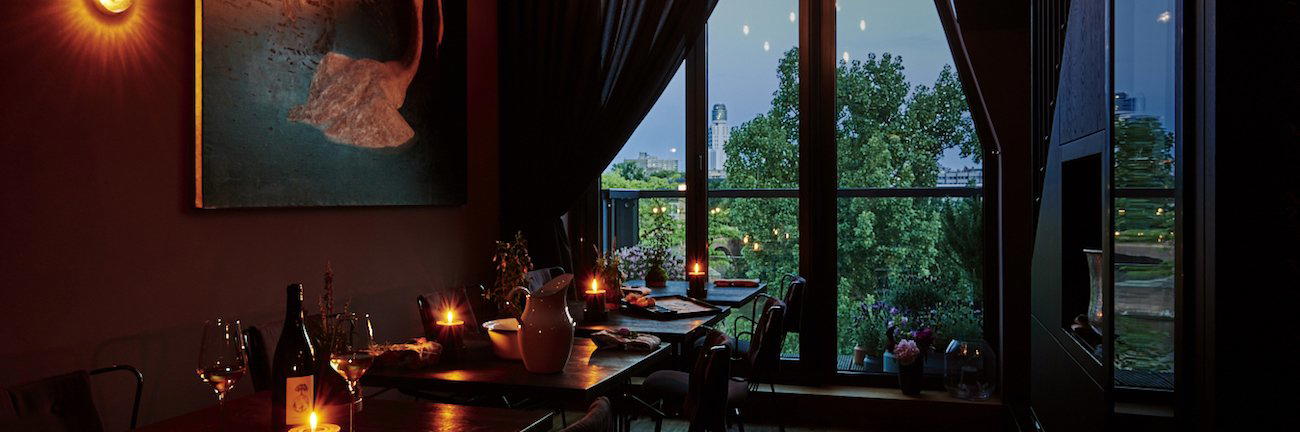
Bars in Frankfurt
Browse all →

Hotels in Frankfurt
Browse all →

At a Glance
- Cozy
- Intimate
- Industrial
- Casual Hangout
- Date Night
- Open Kitchen
- Sake Program
Current opening hours
- Monday
- Closed
- Tuesday
- Closed
- Wednesday
- 6–9:30 PM
- Thursday
- 12–1:30 PM, 6–9:30 PM
- Friday
- 12–1:30 PM, 6–9:30 PM
- Saturday
- 12–1:30 PM, 6–9:30 PM
- Sunday
- 12–4:30 PM
Hours can change for holidays and private events. Last verified .
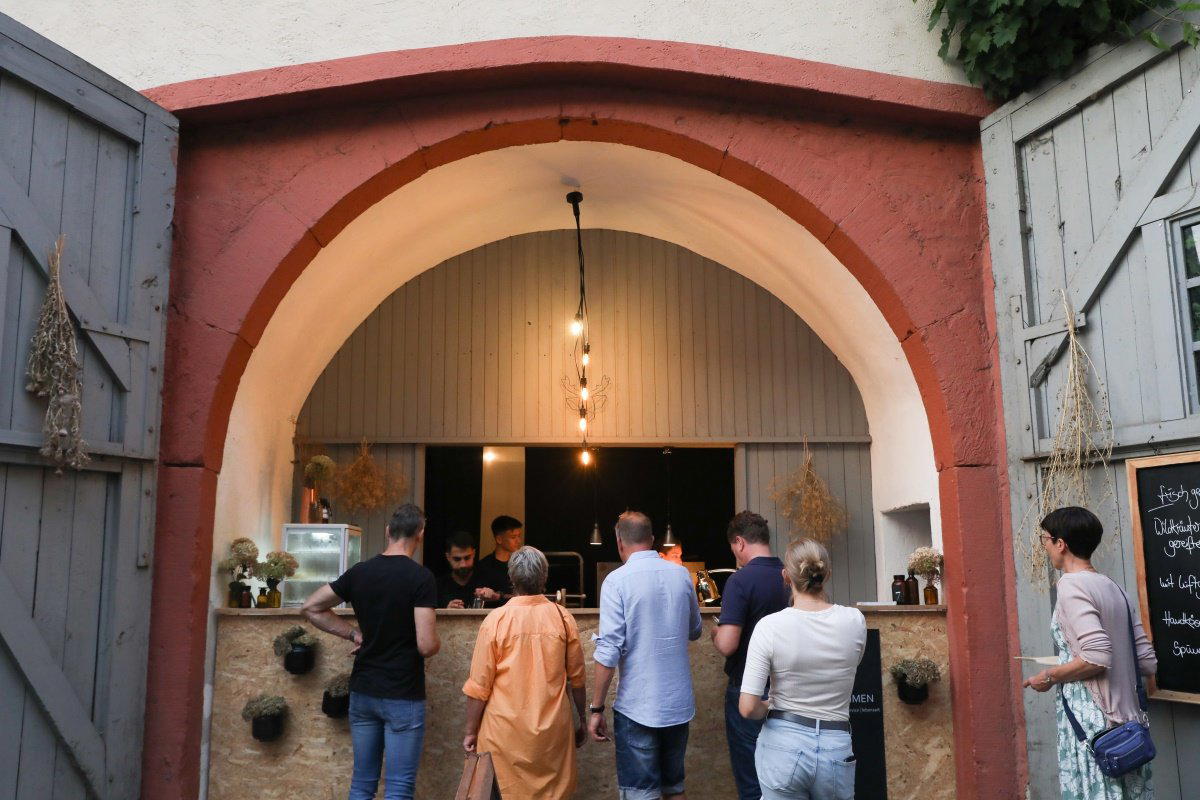
Cozy and inviting with intimate lighting, wood accents, and a relaxing dim atmosphere.