Nami Nori Williamsburg
Nami Nori Williamsburg brings the temaki hand-roll format to North 12th Street in Brooklyn, positioning itself within a broader New York shift toward casual-format Japanese dining that still demands attention to technique and ingredient quality. The Williamsburg address places it at a crossroads between neighbourhood regularity and destination appeal, where the ritual of the hand roll, assembled to order, eaten immediately, sets the pace of the meal.
Pearl is the En Primeur Club membership app — saves, bookings, and concierge access live there. Same editors, same standards.
- Address
- 236 N 12th St, Brooklyn, NY 11211
- Phone
- +19179091299
- Website
- naminori.nyc
- Directions
- Get directions
 Saves & bookings on Pearl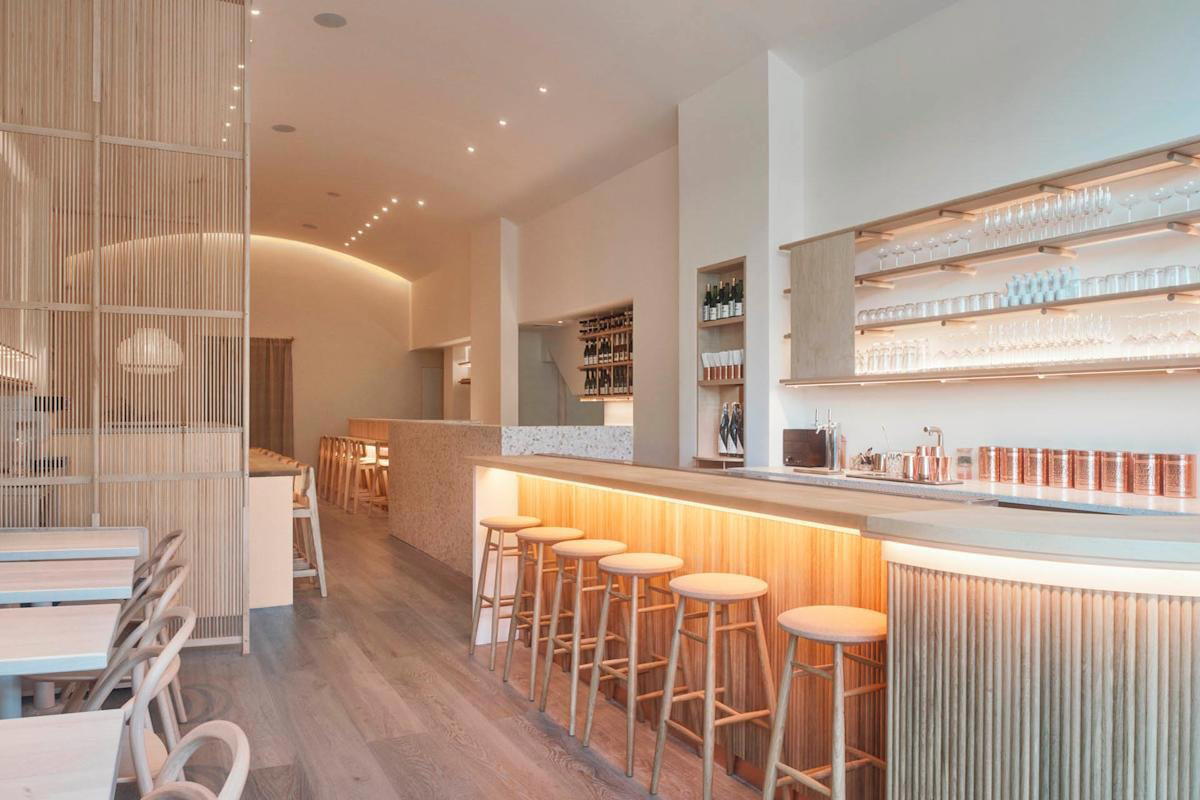
The Hand Roll as Ritual: How Temaki Reshaped the New York Japanese Dining Conversation
Japanese dining in New York has long divided along clear lines: the omakase counter at the high end, where venues like Masa price against a global comparable set, and the casual izakaya or sushi roll restaurant at the other. What shifted in the years following the mid-2010s was the emergence of a middle format, one that took the temaki hand roll seriously as a dining ritual rather than a convenience food. Nami Nori, with its Williamsburg location at 236 N 12th St, Brooklyn, sits inside that movement. The format dictates everything: hand rolls are built to order, handed across the counter or delivered to the table, and meant to be eaten within seconds before the nori loses its crunch. That structural demand changes the pacing of a meal in ways that neither a traditional omakase nor a casual roll-and-cut experience does.
The temaki format is unforgiving in a specific way. There is no plating to hide behind, no sauce architecture to rescue a mediocre piece of fish. The nori is the vessel, the rice temperature is the silent variable, and the filling must hold its character in the fifteen or so seconds between assembly and consumption. In cities where the format has taken hold, such as Los Angeles and increasingly New York, the restaurants that handle it well tend to be the ones that treat sourcing with the same discipline applied at counters charging multiples of the price.
Williamsburg in Context: Where the Address Does Work
Williamsburg's dining scene has matured considerably since its early-2000s identity as an emerging neighbourhood with cheap rents and experimental formats. The stretch around N 12th Street now holds a mix of neighbourhood regulars and venues drawing guests from across the boroughs and beyond. For a temaki concept, the location is well-chosen. The format suits both a quick weeknight dinner and a considered weekend outing, and Williamsburg's demographic tends toward exactly the kind of diner who is aware of ingredient sourcing and format discipline without requiring the formal dining codes of Midtown or the Upper West Side.
That contrasts with the environment around New York's highest-end Japanese counters. Masa operates on a price point that positions it outside everyday consideration for most diners. The temaki tier, by contrast, invites regularity. The goal of a well-run hand-roll restaurant is not a single high-ceremony visit but a relationship built on repeat business, where guests come to understand the rhythm of the format and develop preferences within it.
The Dining Ritual: What the Temaki Format Actually Asks of You
Eating temaki well is not complicated, but it does require adjusting expectations shaped by other dining formats. The standard instruction at serious hand-roll counters is to eat immediately. The nori is toasted to a specific texture, and even a two-minute delay before taking a bite will shift the experience materially. This is not a venue where you photograph each course before eating, or where you pause to discuss the dish at length. The roll is handed to you and the clock starts.
That pacing creates a particular kind of meal. Conversation happens between rolls, not during. Orders tend to come in waves rather than as a single set, which means you are consistently re-engaging with the menu and making active choices throughout the sitting. For diners accustomed to tasting-menu passivity, where courses arrive at the kitchen's discretion, the temaki format places agency back with the guest. You decide what comes next, and the pace of your ordering shapes your experience.
This is a structural difference from the tasting-menu model seen at venues across the city and nationally, including formally paced experiences at Per Se, Alinea in Chicago, Lazy Bear in San Francisco, or Single Thread Farm in Healdsburg. Those experiences are designed to surrender control to the kitchen. Temaki reverses the equation.
Where Nami Nori Sits in the New York Japanese Picture
The New York Japanese dining tier is stratified with some precision. At the leading, Michelin-starred omakase counters including Masa occupy a rarefied bracket defined by seat count, ingredient sourcing, and prix-fixe pricing. Below that sits a mid-tier of quality-focused Japanese restaurants where technique matters but the format is more accessible. The temaki format, when executed at Nami Nori's level of seriousness, occupies a distinct position in that middle tier: approachable in price and format, but not casual in sourcing or preparation intent.
The broader New York dining scene has increasingly rewarded this kind of format clarity. The venues that have sustained attention across the city's recent dining cycle tend to be those that do one thing with consistency rather than attempting breadth. That pattern shows up in categories well beyond Japanese food, from the seafood focus at Le Bernardin to the progressive Korean tasting structure at Atomix and Jungsik New York. Format discipline, in other words, is not distinctive to Japanese dining.
Nationally, the same principle applies. Blue Hill at Stone Barns in Tarrytown, Providence in Los Angeles, Addison in San Diego, The French Laundry in Napa, Bacchanalia in Atlanta, The Inn at Little Washington, and Emeril's in New Orleans all represent formal dining formats with strong format identity. Nami Nori occupies a different register entirely, but the underlying logic of clarity of purpose is the same.
Know Before You Go
| Detail | Info |
|---|---|
| Address | 236 N 12th St, Brooklyn, NY 11211 |
| Neighbourhood | Williamsburg, Brooklyn |
| Format | Temaki (hand roll) counter and table dining |
| Hours | Mon: 5-9:30 PM; Tue: 5-9:30 PM; Wed: 12-2:30 PM, 5-9:30 PM; Thu: 12-2:30 PM, 5-10 PM; Fri: 12-2:30 PM, 5-10 PM; Sat: 12-10 PM; Sun: 12-9:30 PM |
| Reservations | Reservations are recommended |
| Price range | About $40 per person |
Cuisine Context
Comparable venues nearby, for context on price, style, and recognition.
| Venue | Cuisine | Price | Notes |
|---|---|---|---|
| Nami Nori WilliamsburgThis venue — the venue you are viewing | Modern Japanese Temaki Bar | $$ | Not listed |
| Hide-Chan Ramen | Hakata Tonkotsu Ramen | $$ | Hell's Kitchen |
| Momo Sushi Shack | Brooklyn-Style Japanese Sushi Shack | $$ | East Williamsburg |
| IPPUDO NY | Hakata-Style Tonkotsu Ramen | $$ | East Village |
| Kura | Traditional Japanese Omakase | $$ | East Village |
| Souen | Macrobiotic Japanese | $$ | East Village |
Continue exploring
More in New York City
Restaurants in New York City
Browse all →
Bars in New York City
Browse all →
Hotels in New York City
Browse all →




At a Glance
- Cozy
- Trendy
- Modern
- Intimate
- Casual Hangout
- Date Night
- Group Dining
- Chefs Counter
- Open Kitchen
- Sake Program
- Natural Wine
- Street Scene
Current opening hours
- Monday
- 5–9:30 PM
- Tuesday
- 5–9:30 PM
- Wednesday
- 12–2:30 PM, 5–9:30 PM
- Thursday
- 12–2:30 PM, 5–10 PM
- Friday
- 12–2:30 PM, 5–10 PM
- Saturday
- 12–10 PM
- Sunday
- 12–9:30 PM
Hours can change for holidays and private events. Last verified .
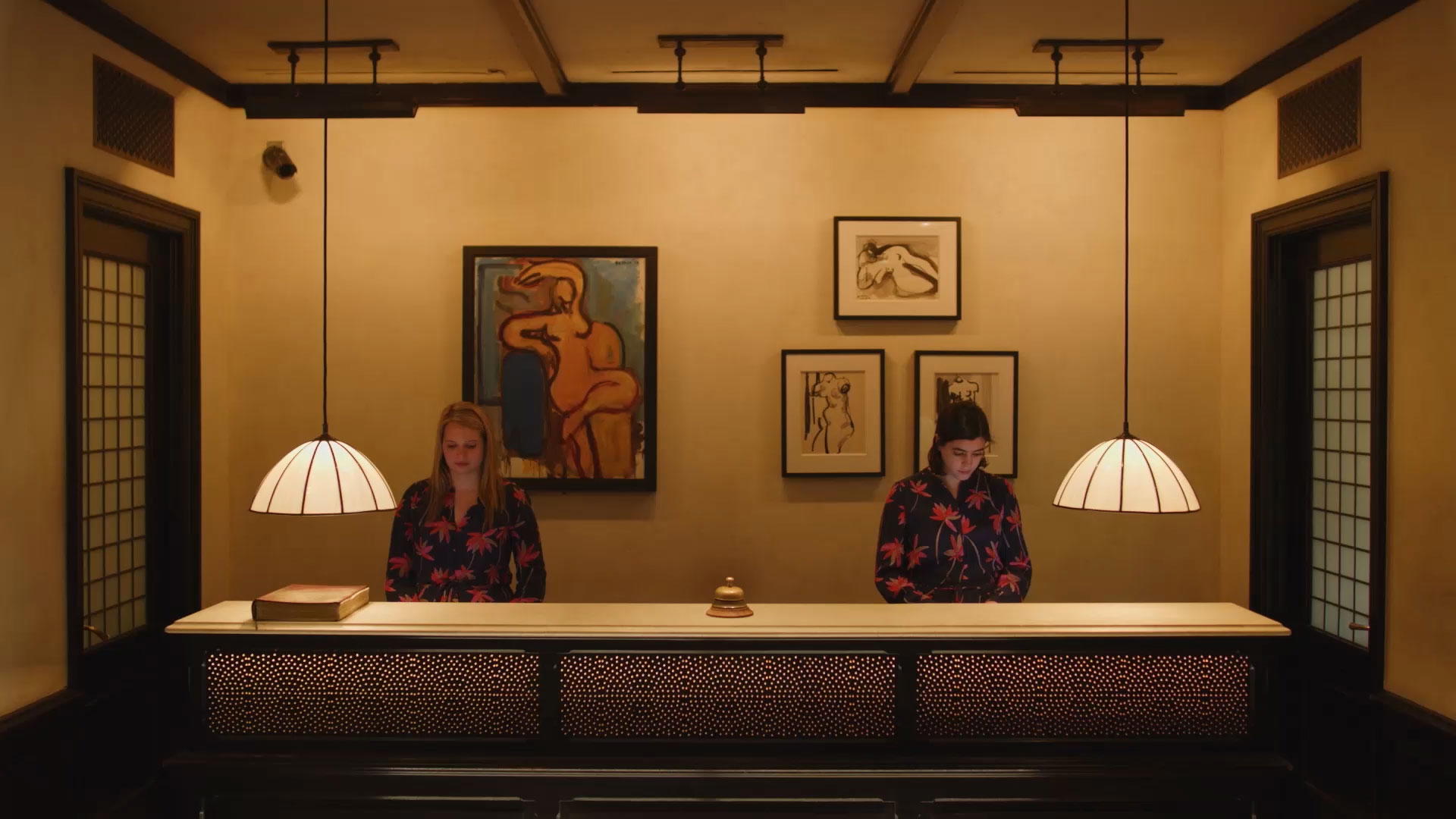
Cozy and casual yet elegant atmosphere with temaki counters, moderate noise, and a modern, trendy vibe.