Chuko
On Vanderbilt Avenue in Prospect Heights, Chuko sits within a Brooklyn dining corridor that has spent the past decade pulling serious ramen craft out of Manhattan's shadow. The restaurant occupies a mid-tier price position relative to New York's trophy tasting-menu circuit, offering a more immediate, counter-casual register without sacrificing kitchen discipline. For ramen specifically, it remains one of the borough's most-cited addresses.
Pearl is the En Primeur Club membership app — saves, bookings, and concierge access live there. Same editors, same standards.
- Address
- 565 Vanderbilt Ave, Brooklyn, NY 11238
- Phone
- +13474259570
- Website
- chukobk.com
- Directions
- Get directions
 Saves & bookings on Pearl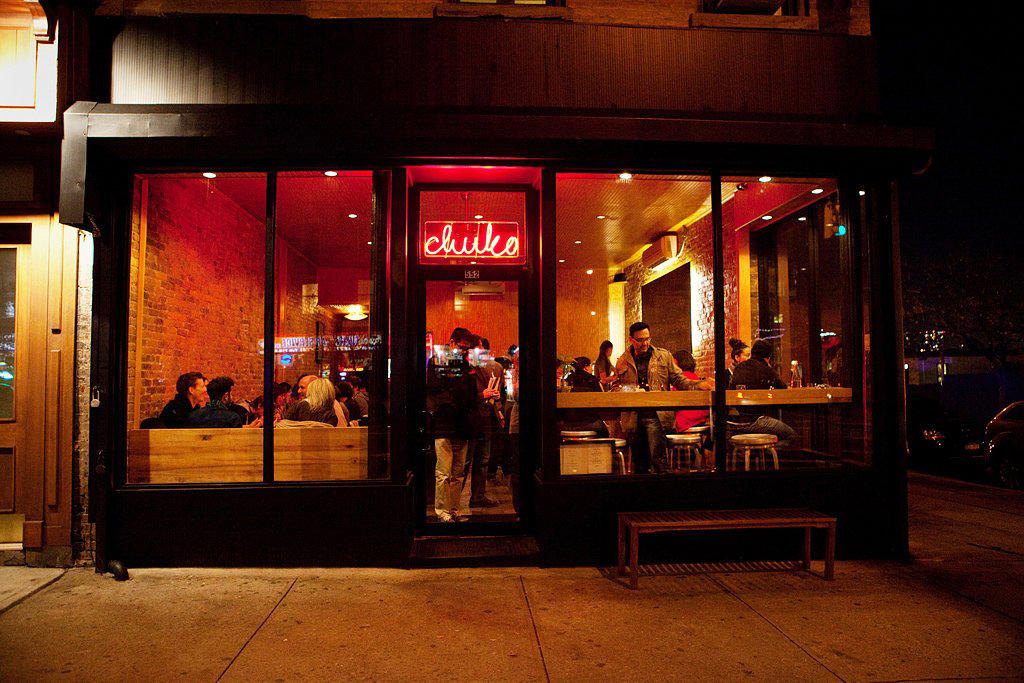
Where Prospect Heights Ramen Earns Its Reputation
Brooklyn's dining identity has shifted considerably since the early 2010s, when Prospect Heights and the surrounding corridors began accumulating restaurants that operated with serious technique but without the prix-fixe formality of Manhattan's upper tier. Ramen sat at the center of that shift. The bowl format, inherently casual, inherently communal, gave kitchens a way to demonstrate stock-building depth, noodle precision, and seasoning control without requiring a tasting-menu framework. Chuko is a Brooklyn craft ramen restaurant at 565 Vanderbilt Ave, Brooklyn, NY 11238, in Prospect Heights.
To understand where Chuko sits in the wider New York ramen conversation, it helps to map the category. At the high end of the city's Japanese dining spectrum, counters like Masa operate in a register defined by omakase formality and per-head costs that run well above $500. Ramen, even at its most considered, operates in a different register entirely, affordable per visit, technically demanding in production, and judged on consistency across hundreds of bowls per service rather than on the theatrics of a single course. Chuko belongs to the latter tradition, and the Brooklyn setting amplifies that directness.
The Collaboration at the Counter
The editorial angle explaining Chuko's sustained presence in Brooklyn is not a single dish or a single person, it is the coordination required to run a ramen program at this level. Ramen production is, structurally, a team sport. Broths require overnight attention. Noodles demand a separate technical lane. Tare, the seasoning concentrate that defines each bowl's character, is often the closely guarded variable in any serious kitchen. And front-of-house at a ramen counter operates on a faster rhythm than at a tasting-menu room: tables turn, the room fills, and the staff must translate kitchen pace into guest experience without the buffer of a long mise en place moment at the table.
This team dynamic is the throughline of what distinguishes Chuko from the more anonymous ramen chains that have expanded through New York over the same period. The kind of coordination visible at respected collaborative kitchens elsewhere in the country, at Smyth in Chicago, or in the integrated farm-to-pass approach at Blue Hill at Stone Barns in Tarrytown, works at Chuko on a more compressed and egalitarian scale. The ambition here is not to win awards on the tasting-menu circuit where Eleven Madison Park or Per Se compete. It is to produce a repeatable, high-integrity bowl in a neighborhood room where the coordination between kitchen and floor is felt rather than announced.
Vanderbilt Avenue in Context
Vanderbilt Avenue has become one of Brooklyn's more coherent restaurant streets, with a range of formats that tracks from coffee and all-day dining through to dinner-focused kitchens with genuine craft ambitions. Prospect Heights, as a neighborhood, sits adjacent to Crown Heights and Park Slope, both of which have their own distinct dining characters. What Vanderbilt specifically offers is a walkable density of independent operators, which makes it a useful corridor for anyone spending an evening in the borough rather than commuting into Manhattan for dinner.
For travelers already familiar with New York's higher-register dining, the French seafood precision at Le Bernardin, or the Korean tasting-menu ambition of Atomix, Chuko represents a deliberate gear change. The price tier drops, the room is louder, and the criteria for a successful visit are different. That is not a compromise; it is a category distinction. The same traveler who benchmarks against The French Laundry in Napa or Single Thread Farm in Healdsburg may find equal satisfaction in a well-executed ramen bowl, provided they arrive with the right frame of reference.
The broader American ramen conversation has matured. Cities including San Francisco, where restaurants like Lazy Bear have helped push the bar on technically demanding casual formats, and New Orleans, where Emeril's helped establish the idea that neighborhood restaurants could carry serious culinary weight, have all contributed to a national understanding that craft does not require formality. Chuko belongs inside that argument.
How It Compares Across Price Registers
New York's restaurant market is usefully stratified. At the summit of the casual-but-serious tier, you find ramen and izakaya formats that operate with kitchen discipline comparable to mid-tier tasting rooms. Below that sits fast-casual chain ramen, which offers consistency of a different kind. Chuko occupies the more demanding middle position, where repeat visits are the real test. A kitchen that produces a coherent bowl on a Tuesday in February, with a full room and a fast ticket pace, is demonstrating something that no single review visit can fully capture.
For comparison outside the city: Addison in San Diego, Providence in Los Angeles, and Frasca Food & Wine in Boulder all operate in formal registers where the service model itself carries part of the experience. Chuko asks guests to meet the kitchen on different terms: fewer ceremony signals, more direct product. That directness suits the Prospect Heights context.
European parallels are worth noting. The kind of place-rooted discipline visible at Dal Pescatore in Runate or the ingredient-led restraint at Atelier Moessmer Norbert Niederkofler in Brunico operates in a completely different cuisine tradition, but the underlying principle, that a kitchen's integrity is visible in repetition, not spectacle, translates across formats.
Know Before You Go
- Address: 565 Vanderbilt Ave, Brooklyn, NY 11238
- Neighborhood: Prospect Heights, Brooklyn
- Price tier: Mid-range; substantially below Manhattan tasting-menu formats
- Reservations: Recommended
- Getting there: 565 Vanderbilt Ave, Brooklyn, NY 11238
A Tight Comparison
Comparable venues nearby, for context on price, style, and recognition.
| Venue | Cuisine | Price | Notes |
|---|---|---|---|
| ChukoThis venue — the venue you are viewing | Clinton Hill, Brooklyn Craft Ramen | $$ | Not listed |
| Umi | Fresh Meadows, Japanese Sushi | $$ | Not listed |
| Hakata TonTon | Not listed | $$ | Chinatown-Two Bridges, Hakata-style Japanese Izakaya |
| Hori | Not listed | $$ | East Midtown-Turtle Bay, Authentic Japanese Izakaya |
| Ikyu Sushi II | Not listed | $$ | Upper East Side-Lenox Hill-Roosevelt Island, Authentic Japanese Sushi |
| Jin Ramen | Not listed | $$ | Upper West Side (Central), Japanese Ramen |
Continue exploring
More in New York City
Restaurants in New York City
Browse all →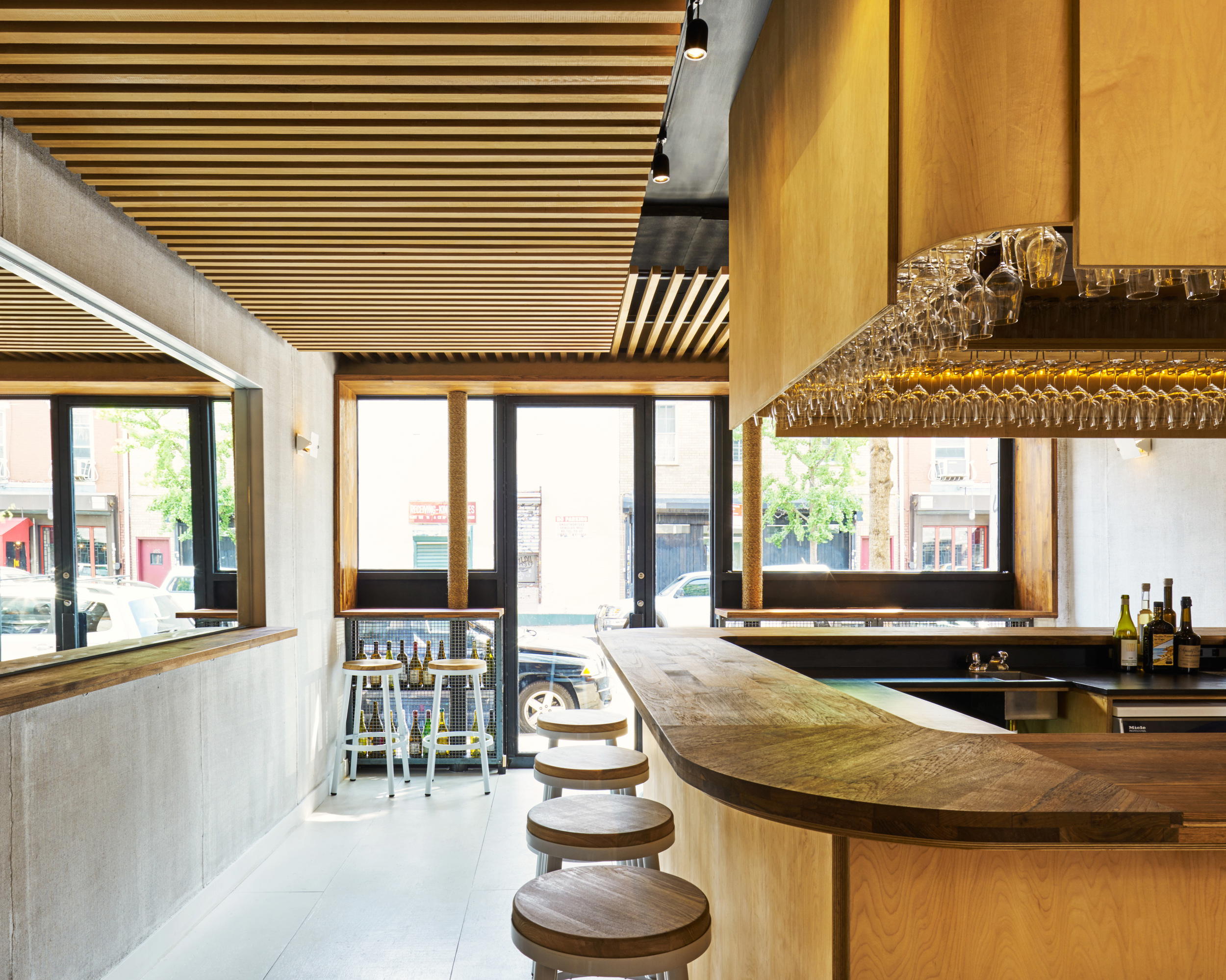
Bars in New York City
Browse all →
Hotels in New York City
Browse all →





At a Glance
- Trendy
- Cozy
- Modern
- Casual Hangout
- Group Dining
- Open Kitchen
- Sake Program
Current opening hours
- Monday
- 5:30–9 PM
- Tuesday
- Closed
- Wednesday
- 5:30–9 PM
- Thursday
- 5:30–9 PM
- Friday
- 5:30–10 PM
- Saturday
- 5:30–10 PM
- Sunday
- 5:30–9 PM
Hours can change for holidays and private events. Last verified .
Airy casual space reminiscent of Japanese ramen joints with long wooden bar and square tables.