Berlin's Kreuzberg district compresses the city's postwar, divided, and reunified layers into a single walkable geography. The Inside Berlin Food and Culture Tour uses that density as its material, moving through markets, street kitchens, and independent producers to trace how the neighbourhood's migrant communities, subcultural history, and contemporary food scene intersect. It is the format of choice for visitors who want context alongside the eating.
Pearl is the En Primeur Club membership app — saves, bookings, and concierge access live there. Same editors, same standards.
- Address
- U Schlesisches Tor, 10997 Friedrichshain-Kreuzberg, Germany
- Website
- opentable.com
- Directions
- Get directions
 Saves & bookings on Pearl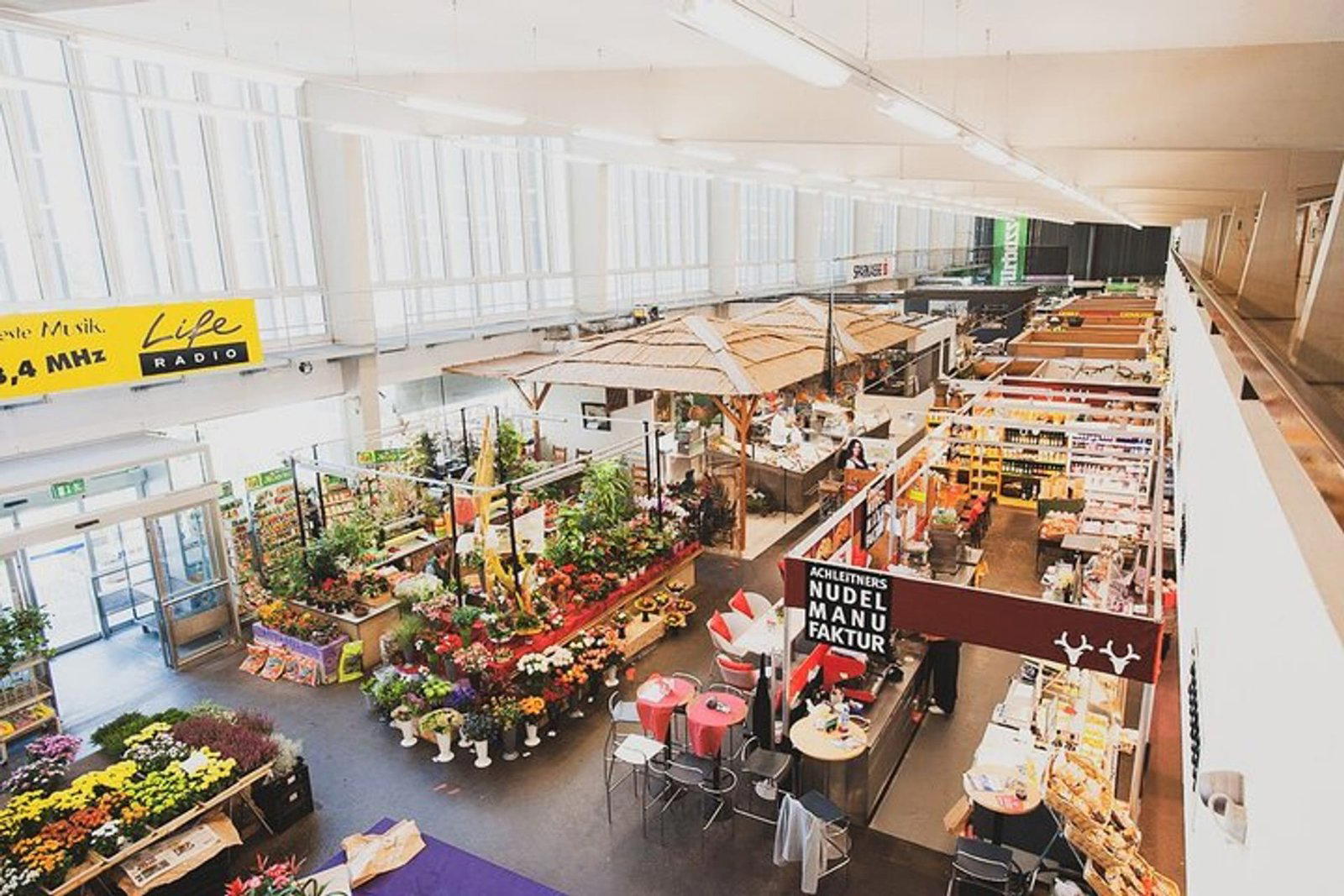
Schlesisches Tor is not the prettiest U-Bahn exit in Berlin. The refined tracks cut across the canal, the pavement is wide and slightly battered, and the surrounding blocks shift in quick succession from Turkish greengrocers to Vietnamese snack counters to natural wine bars. That compression is exactly the point. Kreuzberg and the adjoining stretch of Friedrichshain are a dense intersection of food cultures in Berlin, and the Inside Berlin Food and Culture Tour uses that geography as its text, moving on foot through a neighbourhood where what people eat and where they source it carries biographical and political weight.
Where the Food Comes From
Ingredient provenance is central to a food tour. In many European cities, the format has calcified into a circuit of photogenic market stalls selling the same charcuterie and cheese boards to the same groups. Kreuzberg resists that template, partly because the food culture here was never built around a single culinary identity. The district's Turkish-German community, which has been commercially rooted along Kottbusser Tor and the Maybachufer market since the 1970s, sources differently from the wave of Vietnamese-run imbisse that followed reunification, and differently again from the small-batch producers who have opened in former industrial spaces in the last decade.
That layering matters for how food tours in this category frame sourcing. The Maybachufer market, running along the Landwehr Canal on Tuesdays and Fridays, is one of the more instructive stops in any Kreuzberg itinerary. Vendors there include Turkish and Arab smallholders selling seasonal produce that moves faster than anything in a supermarket chain, alongside stalls where the supply chain is no further than a Brandenburg market garden. The contrast between those supply lines and the hyper-local, reduction-menu approach you find at Michelin-starred addresses like Nobelhart and Schmutzig, which restricts its kitchen to Brandenburg ingredients by policy, illuminates something real about the range of ways Berlin currently thinks about where food comes from.
Kreuzberg as a Food Geography
To understand what a tour in this neighbourhood covers, it helps to understand how Kreuzberg's food identity formed. The district spent the Cold War pressed against the Wall on West Berlin's fringe, which made it cheap, and cheap made it attractive to guest workers, artists, and political dissenters. The Turkish community that built itself around the weekly market and the doner counter did not arrive as a culinary novelty. It arrived as a working population, and the food infrastructure it created reflected that: practical, ingredient-forward, calibrated for daily use rather than occasional dining.
After 1989, Kreuzberg's eastern edge stitched awkwardly to Friedrichshain, and a second wave of migration, particularly from Vietnam, added another food culture to the existing fabric. The Vietnamese community in Berlin is among the largest in Europe, and its food presence in the Friedrichshain-Kreuzberg borough ranges from the kind of pho counter that has served the same lunch for twenty years to newer, more hybrid formats that reflect a generation raised between Berlin and Hanoi.
That biographical range is what distinguishes neighbourhood food tours operating in this part of Berlin from the glossier formats available in Mitte or Prenzlauer Berg. The question is not which neighbourhood has one photogenic market, but which one has the layered story about how a city's food supply actually works.
The Specialist Tour Format in Berlin
In most major cities, food and culture tours split between high-volume group formats sold through aggregator platforms and lower-capacity specialist experiences where the host's knowledge and network access make the difference. Berlin has both tiers, and the distinction is worth understanding before booking. The mass-format tours tend to concentrate in Mitte and around the Brandenburg Gate, where foot traffic is highest and the stops are designed to absorb groups of twenty or more. The specialist tier, operating in Kreuzberg and Neukölln, runs smaller groups and tends to have hosts with actual connections to the producers and vendors being visited.
For context, Berlin's fine dining sits alongside these neighbourhood experiences in a separate register. Rutz in Mitte and FACIL at the Mandala Hotel represent the contemporary European tier, while CODA Dessert Dining operates one of the more conceptually rigorous formats in the city. Restaurant Tim Raue takes a different direction entirely, building an Asian-inflected tasting menu that reflects Berlin's multicultural supply lines from a fine-dining perspective. None of these are part of the tour circuit, but they provide useful orientation for understanding the city's full range.
Addresses like Aqua in Wolfsburg, Schwarzwaldstube in Baiersbronn, Vendôme in Bergisch Gladbach, ES:SENZ in Grassau, Victor's Fine Dining by Christian Bau in Perl, Waldhotel Sonnora in Dreis, JAN in Munich, Restaurant Haerlin in Hamburg, Schanz in Piesport, and Bagatelle in Trier represent the formal end of German gastronomy. A Kreuzberg food tour sits at the opposite end of that register: informal, ingredient-led, and structured around the city rather than around a single kitchen. Both ends of that spectrum are worth knowing.
What the Neighbourhood Teaches
Useful thing a food and culture tour in Kreuzberg can do is map the distance between Berlin's ingredient supply and its consumption habits. That distance is shorter than in most capitals of comparable size. The city's proximity to Brandenburg means that seasonal produce, game, and dairy move quickly from farm to market. The Turkish and Arab vendors who have operated in this neighbourhood for decades have maintained sourcing relationships with regional producers that predate the current interest in local supply chains by a generation. When contemporary Berlin kitchens make provenance a selling point, they are, in many cases, formalising a practice that the neighbourhood market has been running informally for fifty years.
For visitors who have spent time at tasting-menu restaurants in other German cities or internationally, a tour that grounds food in its actual supply geography offers a different kind of education. Addresses like Le Bernardin in New York or Atomix are built around the logic of sourcing as craft. Kreuzberg's market culture operates on the same logic at street level, with less ceremony and more immediacy.
At a Glance
Comparable venues nearby, for context on price, style, and recognition.
| Venue | Cuisine | Price |
|---|---|---|
| "Inside Berlin" Food & Culture TourThis venue — the venue you are viewing | Not listed | Not listed |
| CODA Dessert Dining | Creative | €€€€ |
| Rutz | Modern European, Modern Cuisine | €€€€ |
| Nobelhart & Schmutzig | Modern German, Creative | €€€€ |
| FACIL | Contemporary European, Creative | €€€€ |
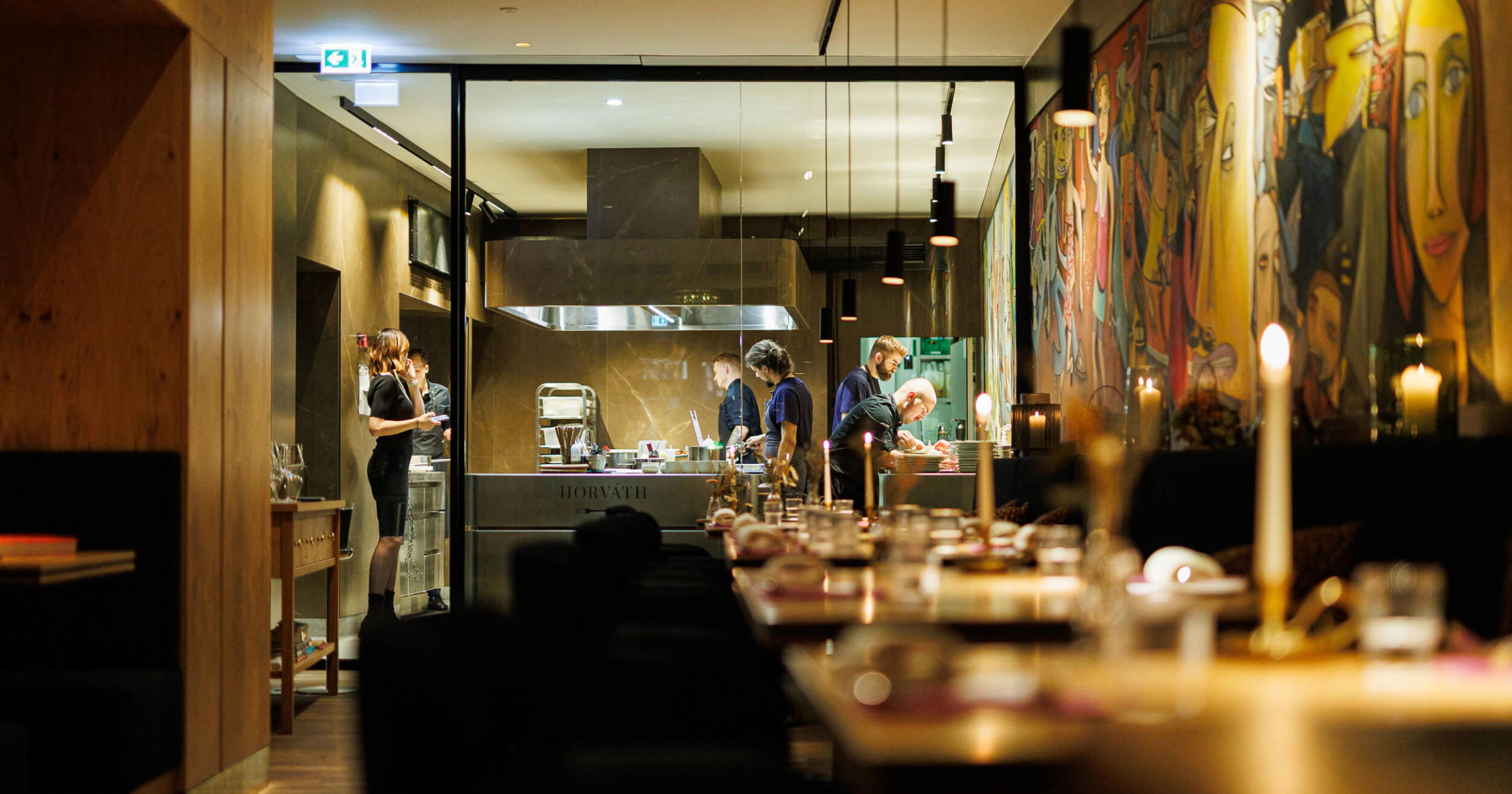
| Horváth | Modern Austrian, Creative | €€€€ |

At a Glance
- Lively
- Trendy
- Casual Hangout
- Group Dining
- Historic Building
- Beer Program
- Street Scene
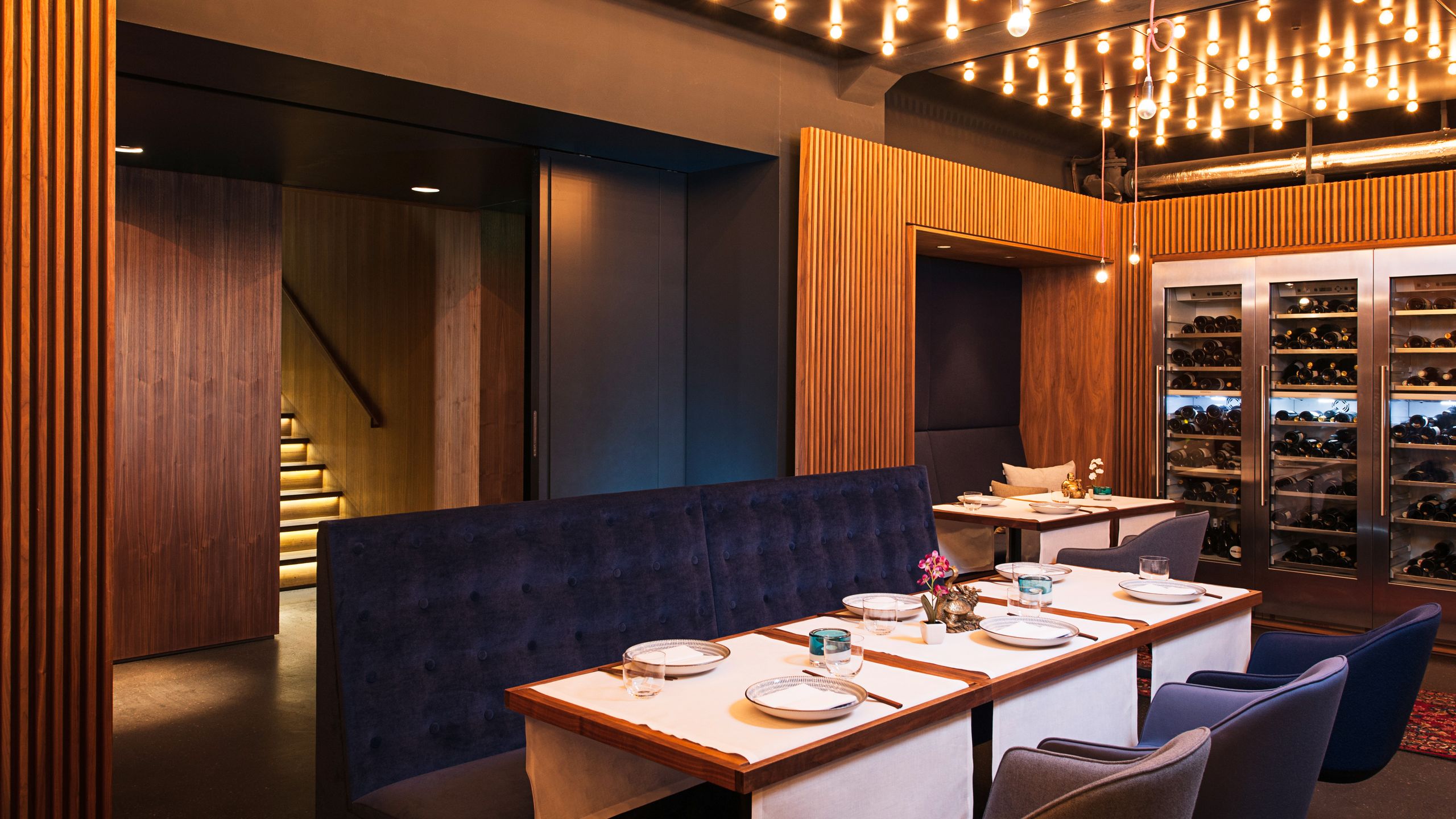
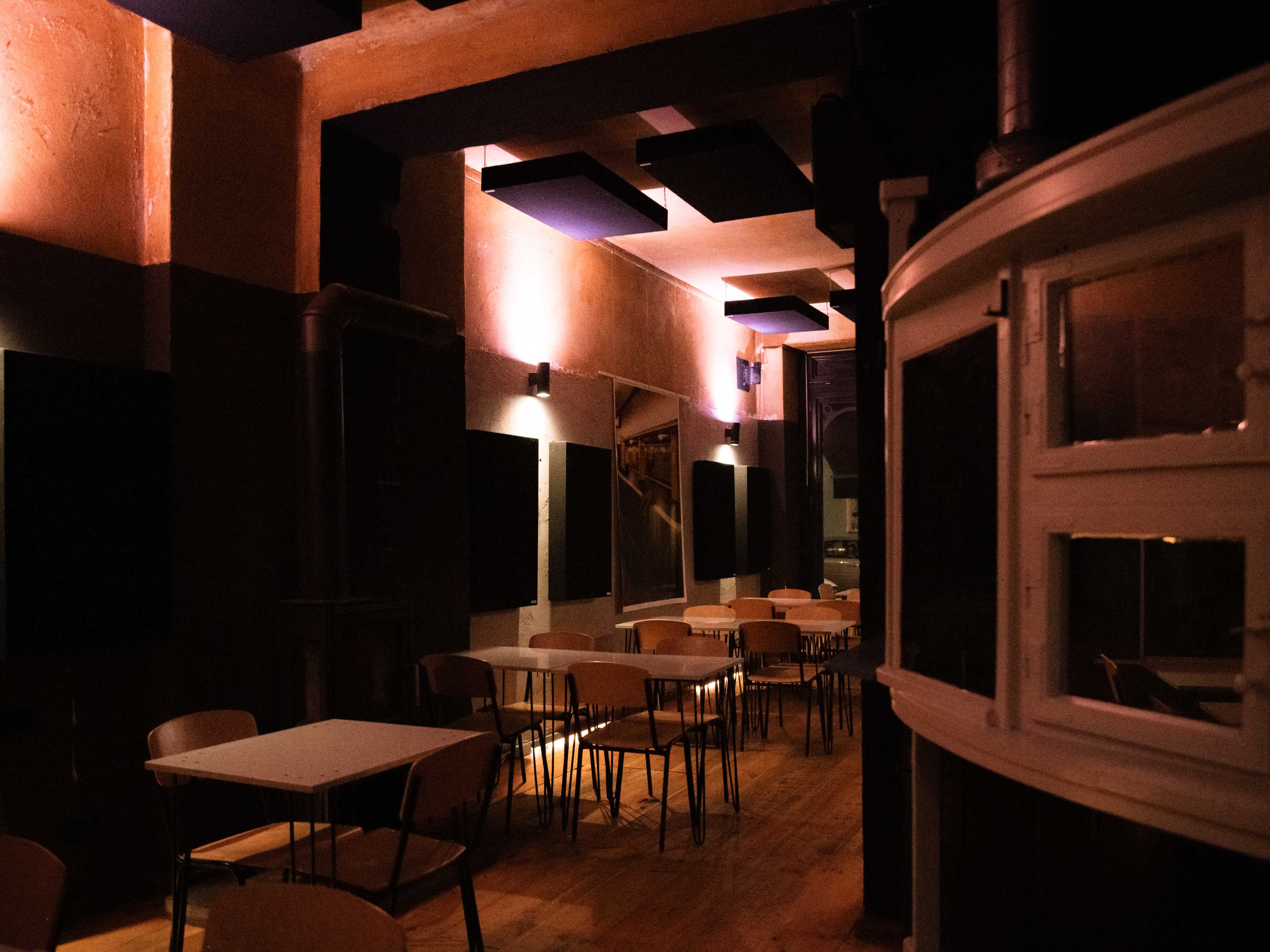
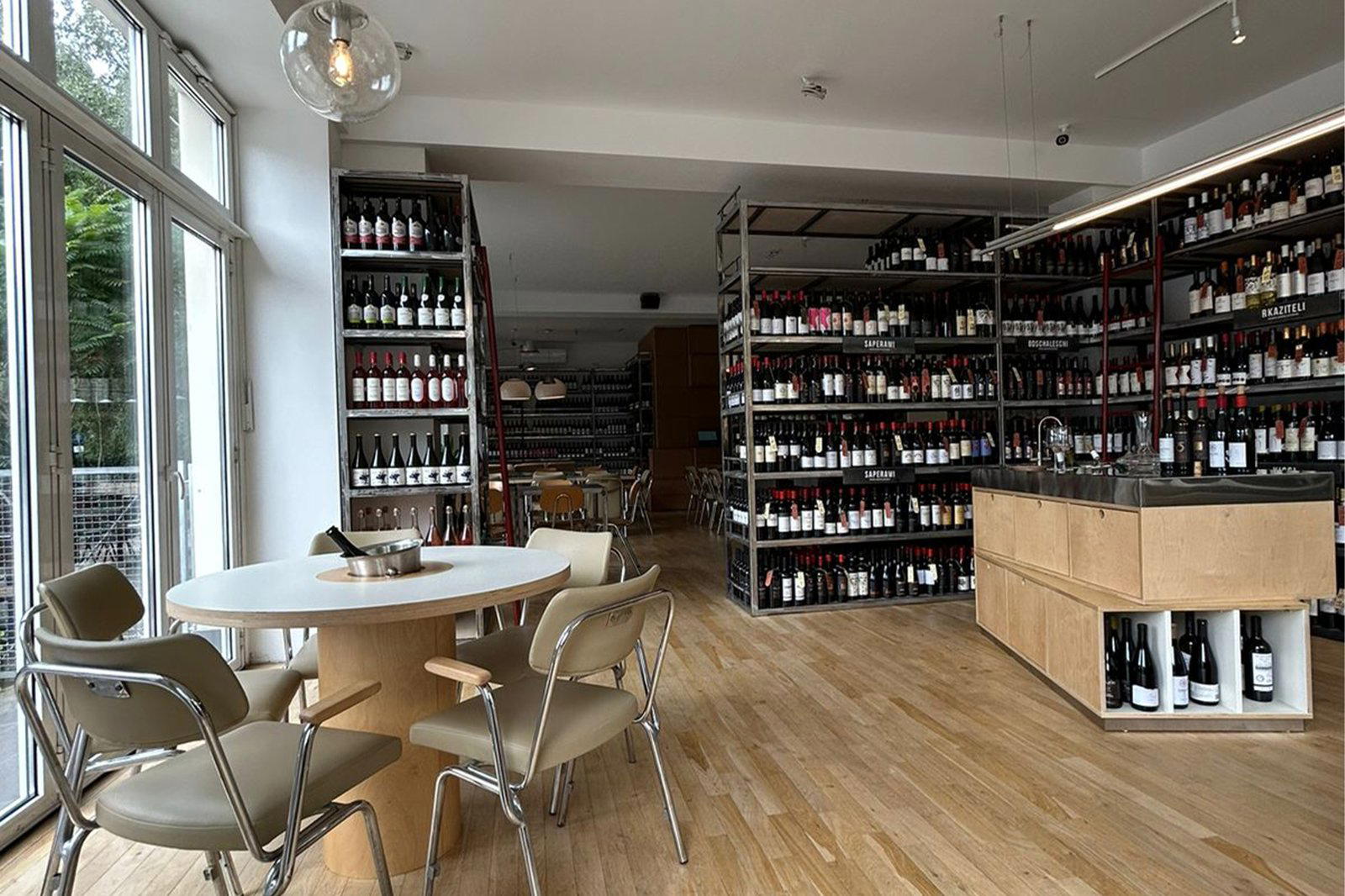
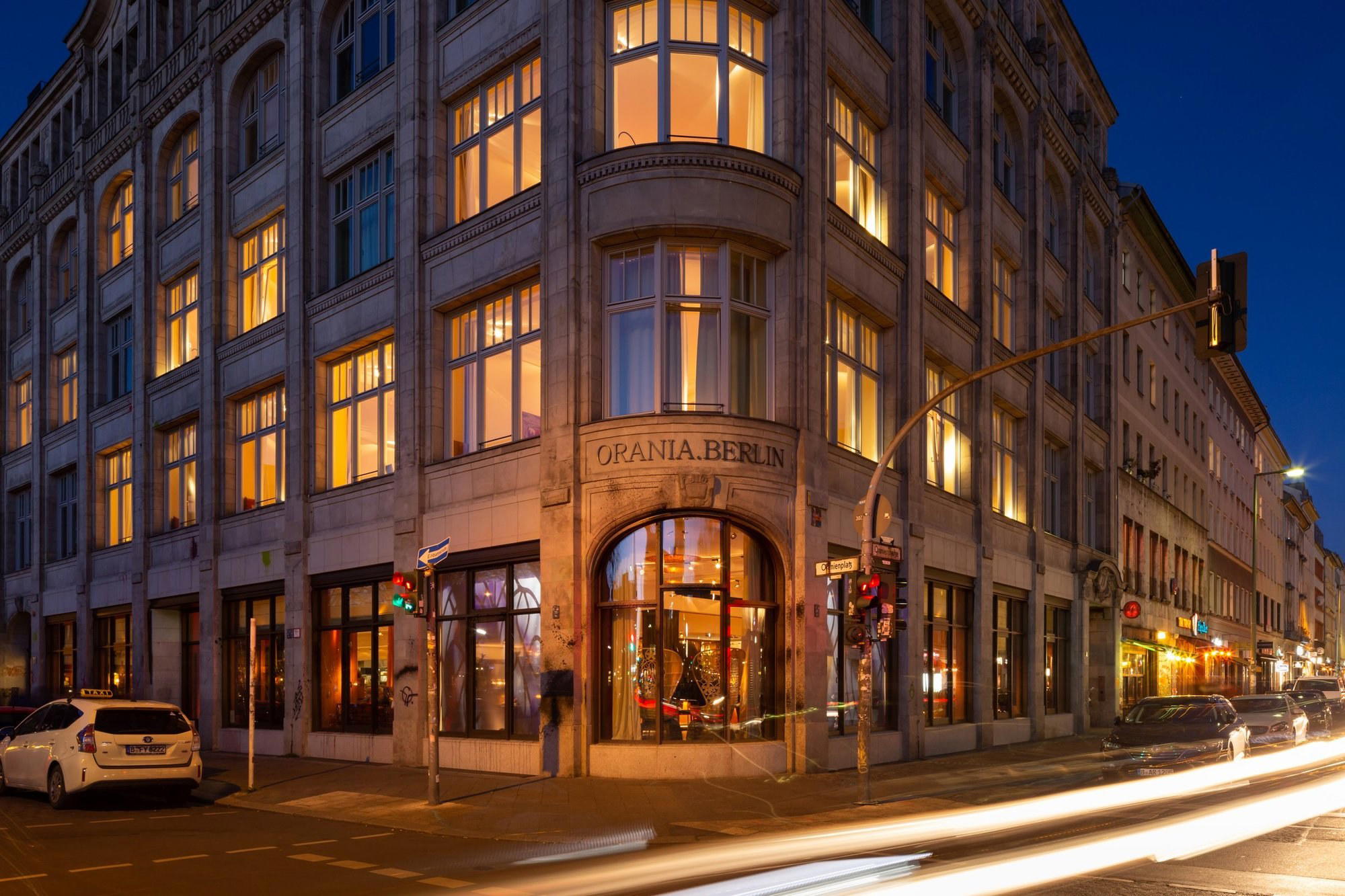
Casual and energetic street-side atmosphere with multicultural food stalls and local vibes.