Indienne
Indienne's Henry Hall location brings Indian tasting menu cuisine into New York's most formal dining tier, drawing comparisons to the city's established prix-fixe institutions. With a format built around structured, course-driven progression, it has positioned Indian cooking as a serious occasion-dining choice rather than a casual or ethnic-food-court category. Book well ahead for milestone meals.
 Discover on Pearl
Pearl is the En Primeur Club membership app — saves, bookings, and concierge access live there. Same editors, same standards.
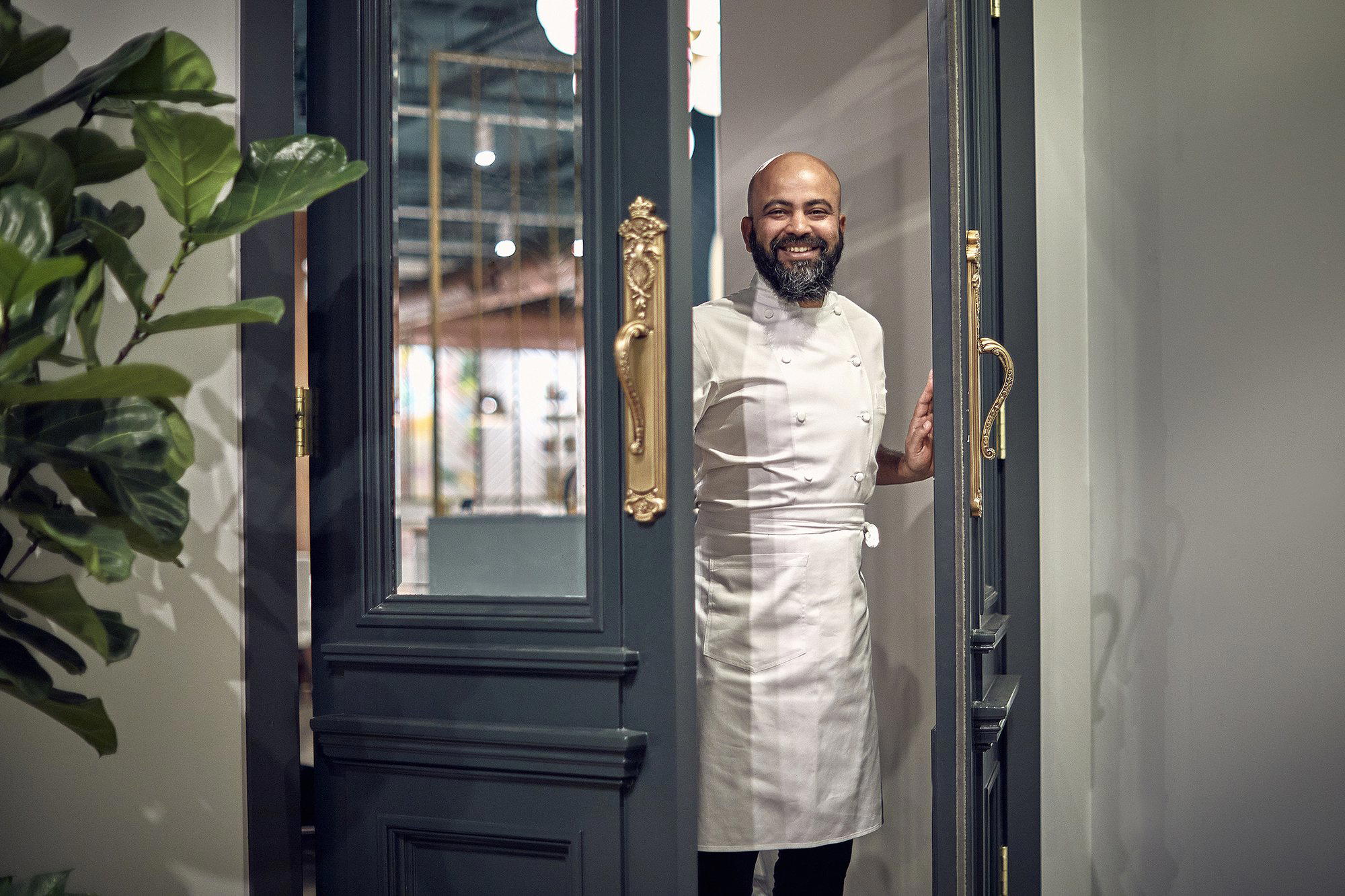
Where Indian Cuisine Enters Occasion-Dining Territory
New York's top tier of prix-fixe dining has historically been held by European kitchens. Le Bernardin, Per Se, and Masa defined what a landmark tasting-menu meal looked like in this city: extended courses, high price points, serious booking logistics, and the kind of dining room gravity that signals the meal is an event rather than dinner. What has shifted in recent years is the question of which cuisines get to occupy that same register. Indienne, at its Henry Hall location, is part of that shift. The format is Indian; the ambition and positioning sit alongside the city's most formal occasion-dining rooms.
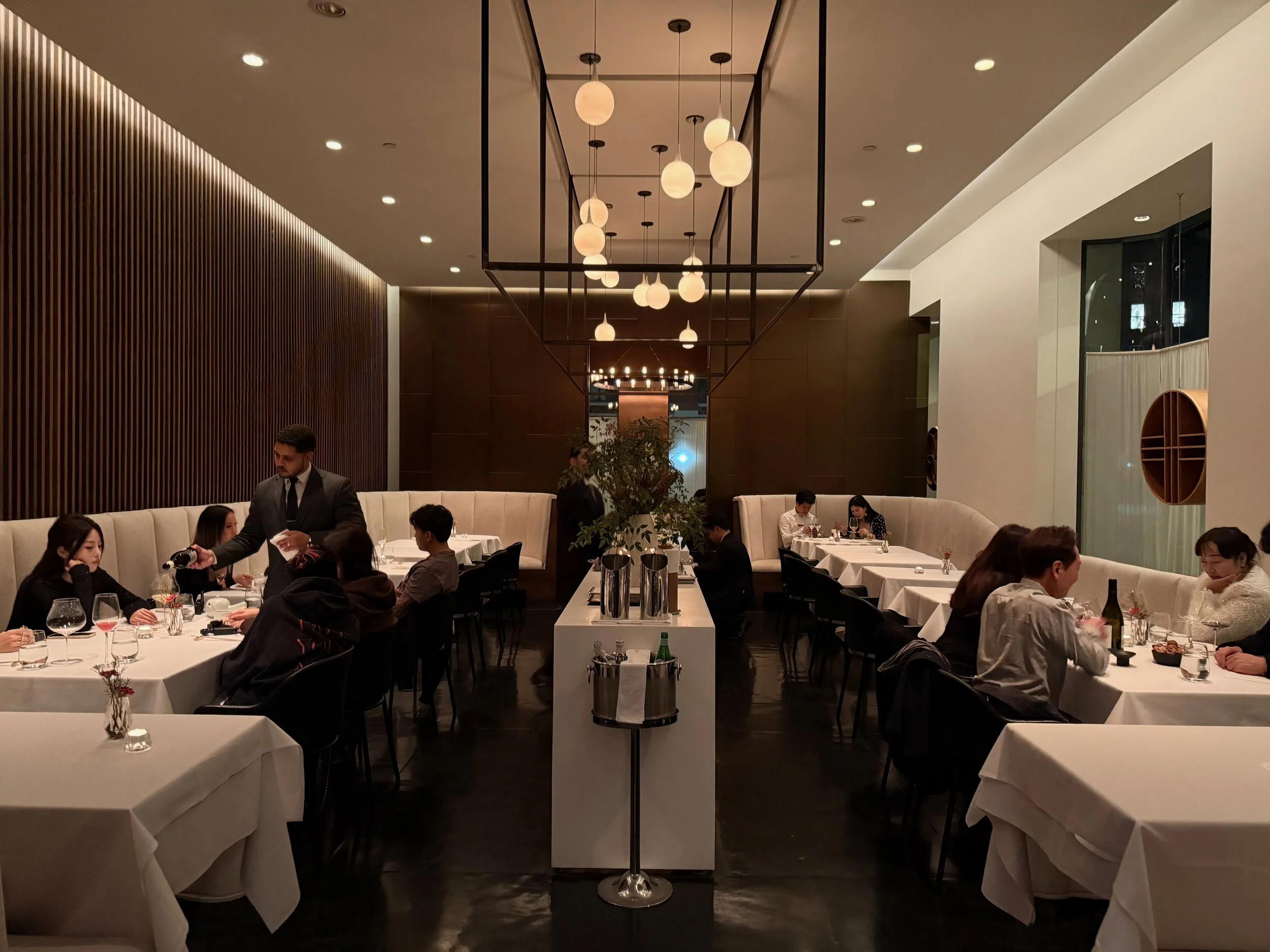
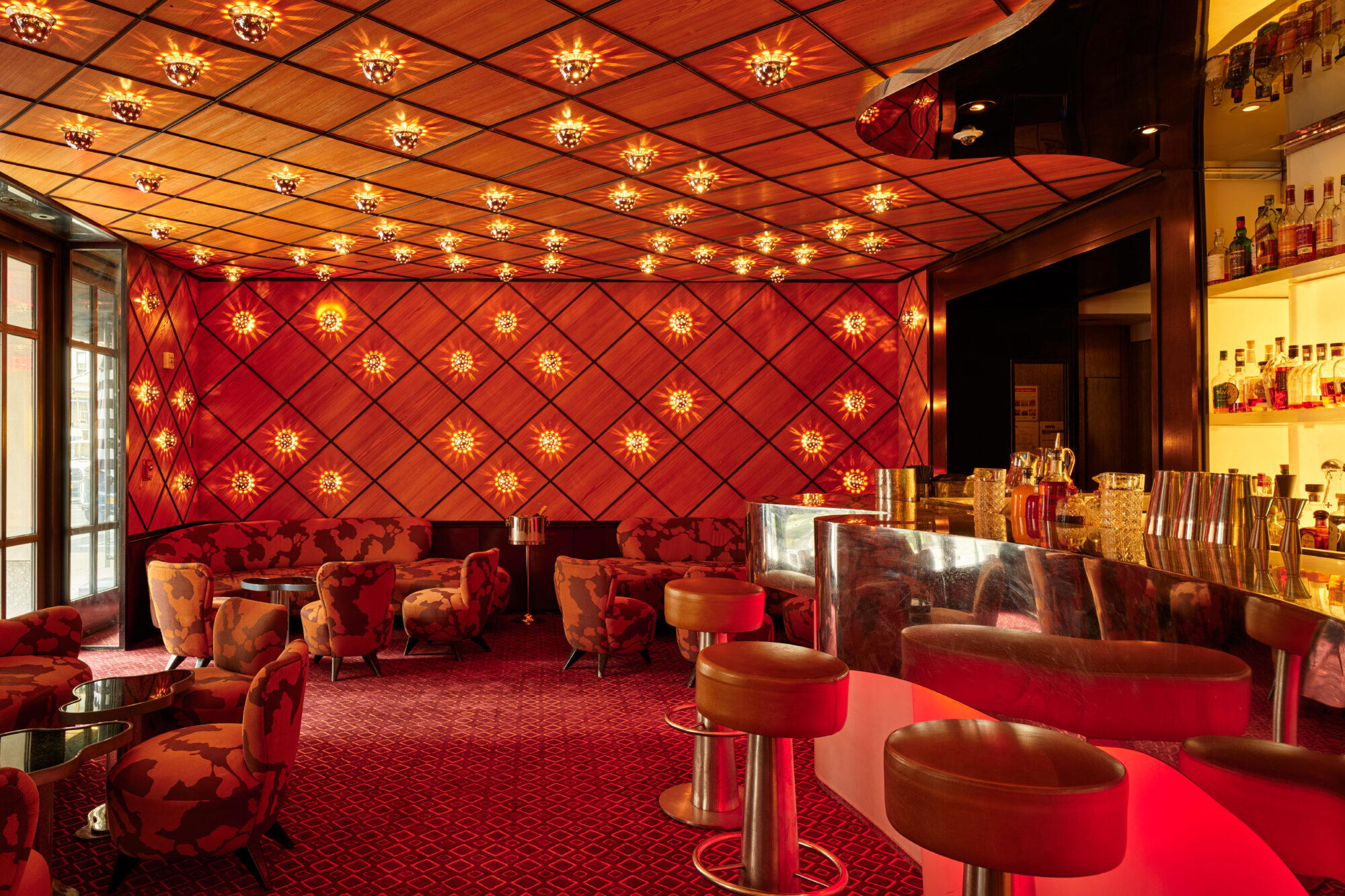
The Henry Hall setting places Indienne in a neighbourhood context distinct from Midtown's power-dining corridors and the Village's more casual creative-kitchen scene. The dining room signals its intent from arrival: this is not a space designed around volume or informality. The pacing, the service structure, and the physical environment all communicate that the meal will take time and that the occasion is the point.
The Tasting Menu as an Argument
The tasting menu format has become, across American fine dining, a device for making an argument. At Alinea in Chicago, the argument is about technique and theatre. At The French Laundry in Napa and at Lazy Bear in San Francisco, it is about locality and seasonal precision. At Indienne, the argument is more pointed: that Indian cuisine, with its layered spice logic, its regional breadth, and its centuries of culinary codification, belongs in the same conversation as the European traditions that have long monopolised the highest end of American fine dining.
Course-driven structure matters here because it controls the reader's pace through the argument. A tasting menu forces sequential attention in a way that à la carte service does not. Each course builds on what came before, and the kitchen controls the narrative. For a cuisine that the American market has historically encountered through a different register entirely, that narrative control is strategically significant. Indienne is not presenting Indian food as approachable or accessible. It is presenting it as demanding and worthy of sustained attention.
The Occasion-Dining comparable set
In New York, the pool of restaurants people choose for milestone meals, anniversaries, landmark birthdays, and the kind of dinners that get planned weeks or months ahead, is relatively small and fairly stable. Per Se anchors the Columbus Circle end of that group. Le Bernardin holds its own corner of Midtown for the seafood-focused occasion meal. Masa commands the upper bracket of Japanese tasting-counter dining with a price point that itself signals the gravity of the occasion.
Indienne at Henry Hall is now part of that conversation, even if its cuisine type makes it a newer entrant to the peer group. The relevant comparison is not to Indian restaurants broadly but to other structured tasting-menu rooms where the format itself signals commitment from both kitchen and diner. In that comparison, Indienne holds a distinct position: it offers a cuisine tradition that none of its direct price-tier competitors share, which means diners choosing it for an occasion meal are not choosing it despite its Indian identity but often specifically because of it.
That specificity matters for group decisions around milestone dinners. When a table is trying to find a meal that feels notable and not interchangeable with every other formal night out they have had, a kitchen operating at this level with this cuisine becomes a natural answer. The same logic drives the appeal of internationalist-leaning occasion rooms elsewhere in the world, from 8½ Otto e Mezzo Bombana in Hong Kong to Alain Ducasse's Louis XV in Monte Carlo: the room earns its place on a milestone itinerary by being the kind of experience that does not repeat itself elsewhere on the same trip.
Planning a Meal Here: What the Format Demands
Tasting-menu restaurants at this tier require planning that à la carte dining does not. Booking windows at comparable New York rooms, from Per Se to the Chef's Table at Brooklyn Fare, typically open weeks to months in advance, and Indienne operates within the same expectation. A milestone meal here is not a decision made the same week. The occasion-dining model assumes that the reservation is part of the event, that the planning itself is part of the anticipation.
The format also demands time in the room. Tasting menus in this tier run two to three hours as a matter of course, and the pacing is set by the kitchen, not by the guests. That is a feature rather than a limitation for the right occasion, the kind of dinner where the goal is to be present in the room, not to manage an efficient evening. Guests planning a landmark meal here should treat the time commitment as a given and resist the temptation to stack the evening with activity before or after.
Comparable occasion-dining rooms elsewhere in the United States that share a similar prix-fixe ambition include Single Thread Farm in Healdsburg and Providence in Los Angeles, and further afield Emeril's in New Orleans.
Peers in This Market
Comparable venues nearby, for context on price, style, and recognition.
| Venue | Cuisine | Price | Notes |
|---|---|---|---|
| IndienneThis venue — the venue you are viewing | Modern Indian Fine Dining | $$$$ | |
| Indienne | Modern Indian Fine Dining | $$$$ | Hudson Yards |
| Ambassadors Clubhouse | Modern Northern Indian (Punjabi) | $$$$ | NoMad |
| INDN Small Plates & Cocktails | Modern North Indian Small Plates & Cocktails | $$$ | Midtown South-Flatiron-Union Square |
| Benares | Modern Indian Tandoori | $$$ | Tribeca-Civic Center |
| The Paris Café | Classic French Brasserie | $$$$ | Financial District-Battery Park City |
Continue exploring
More in New York City
Restaurants in New York City
Browse all →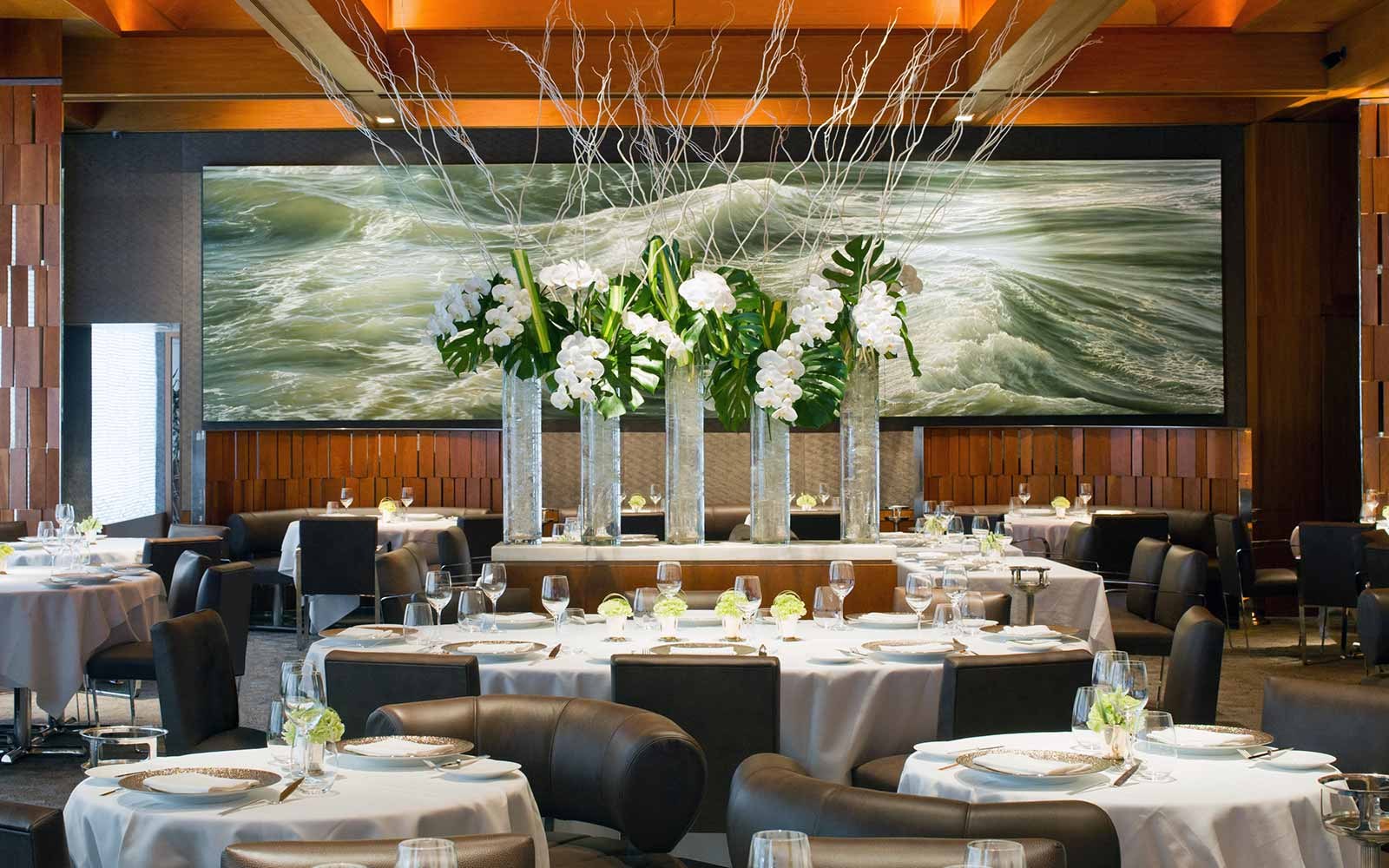
Bars in New York City
Browse all →
Hotels in New York City
Browse all →
Wineries in New York City
Browse all →
At a Glance
- Elegant
- Sophisticated
- Special Occasion
- Hotel Restaurant
- Craft Cocktails
Elegant atmosphere within a luxury residential building.