Dishoom
Dishoom brings an Irani-cafe inspired Indian format to New York City, where spice layering matters more than luxury signaling. The appeal sits in the room as much as the cooking: a Bombay coffee-house reference point, a mixed crowd, and a menu style built for sharing across generations rather than solemn tasting-menu pacing.

Pearl is the En Primeur Club membership app — saves, bookings, and concierge access live there. Same editors, same standards.
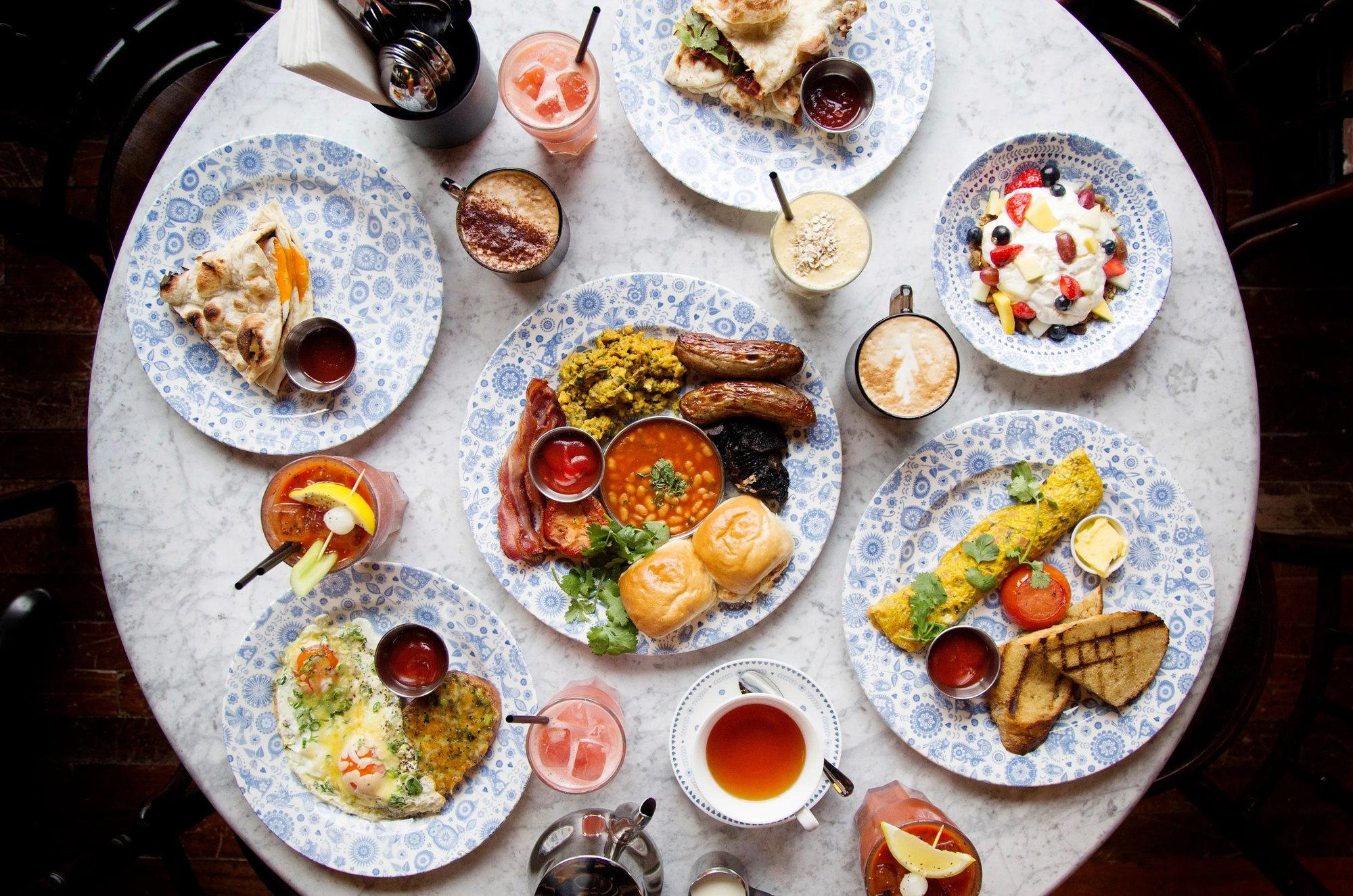
Spice, ceiling fans, and the Irani-cafe idea in New York
The first read of an Irani-cafe inspired room is physical before it is culinary: ceiling fans, dark wood, polished service rhythms, and the sense that the table is meant to carry several dishes at once rather than a single plated performance. That matters in New York City, where Indian dining has split into several lanes: regional specialists, ambitious tasting-menu rooms, neighborhood curry houses, and larger-format restaurants built around the social grammar of sharing. Dishoom belongs to the last category, but its point of reference is narrower than generic Indian restaurant nostalgia. The stated cuisine type is Indian with an Irani-cafe inspiration, a tradition tied to Bombay’s cafe culture, where tea, bread, eggs, grills, snacks, and spice-led plates could coexist under one roof.
That breadth is not a weakness when handled with discipline. In Indian cooking, spice is architecture rather than decoration: whole spices give structure, ground spices give depth, tempering gives lift, and blooming fat carries aroma through a dish. A restaurant in this format has to make those layers legible across a table with mixed appetites. One diner may want a snack-led meal, another may look for richer curries or breads, and another may treat the meal as a family lunch rather than a night of formal dining. The format works only if the room supports that looseness.
Eater NY wrote in 2025 that "“The vision was always to bring the cuisine of India under one roof,” executive chef Mayank Istwal explains." That line is useful because it describes the category more than it flatters the restaurant. New York already has restaurants that pursue exacting regional focus, and it has high-priced dining rooms where technique is the main subject. Dishoom’s model is different: the meal is assembled through contrast, heat, acidity, starch, smoke, and sweetness, rather than through a linear tasting-menu sequence.
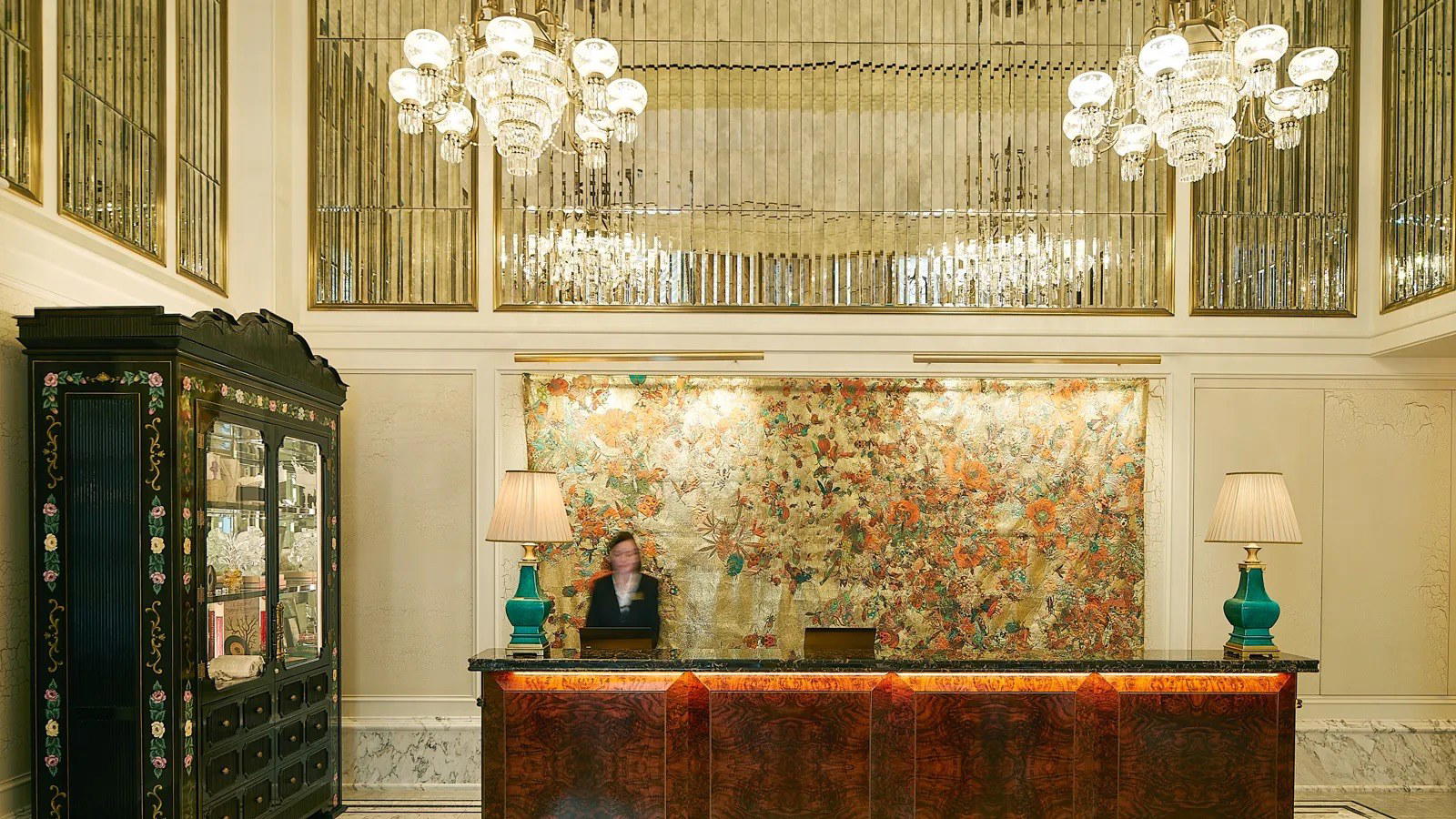
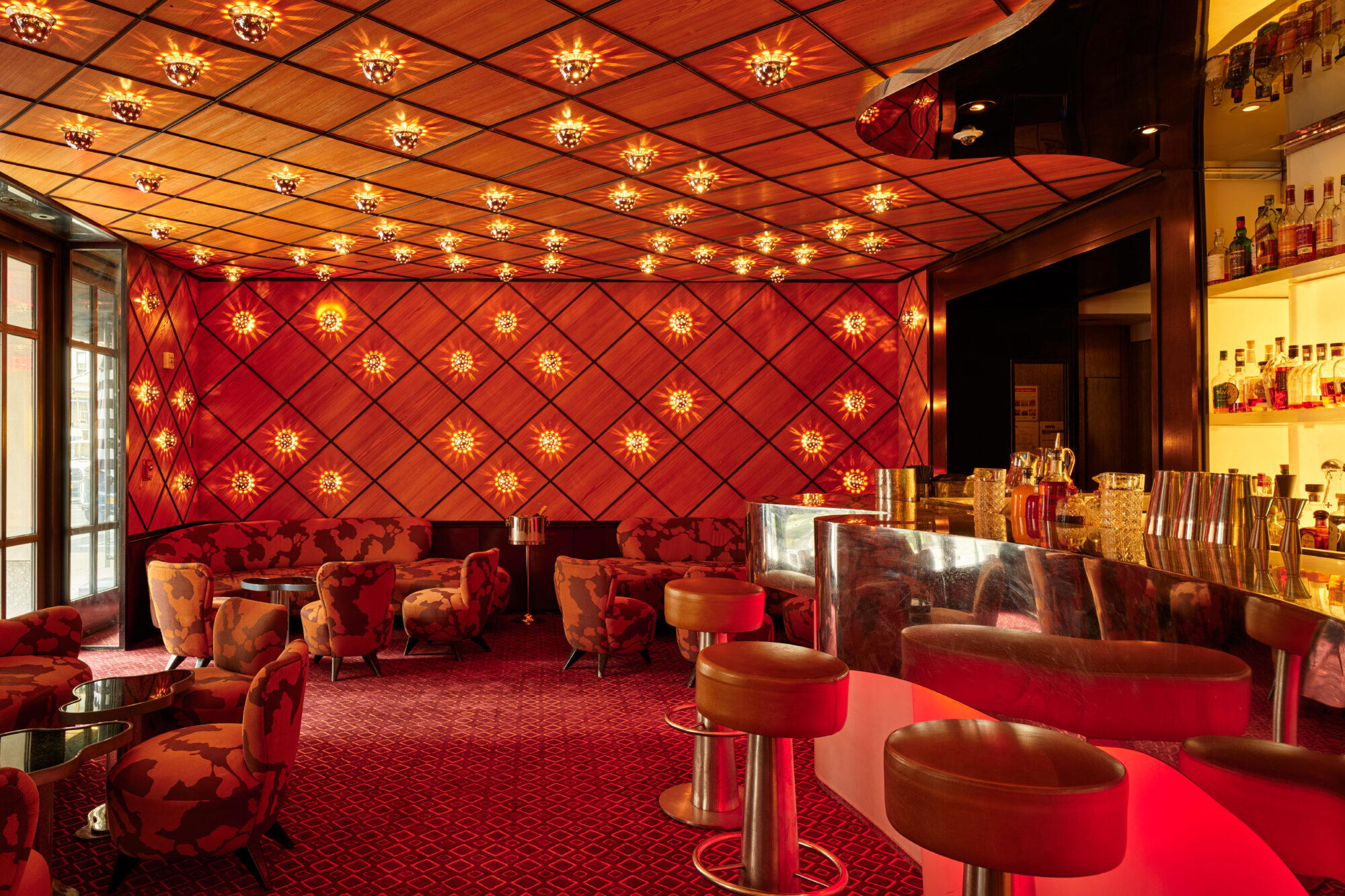
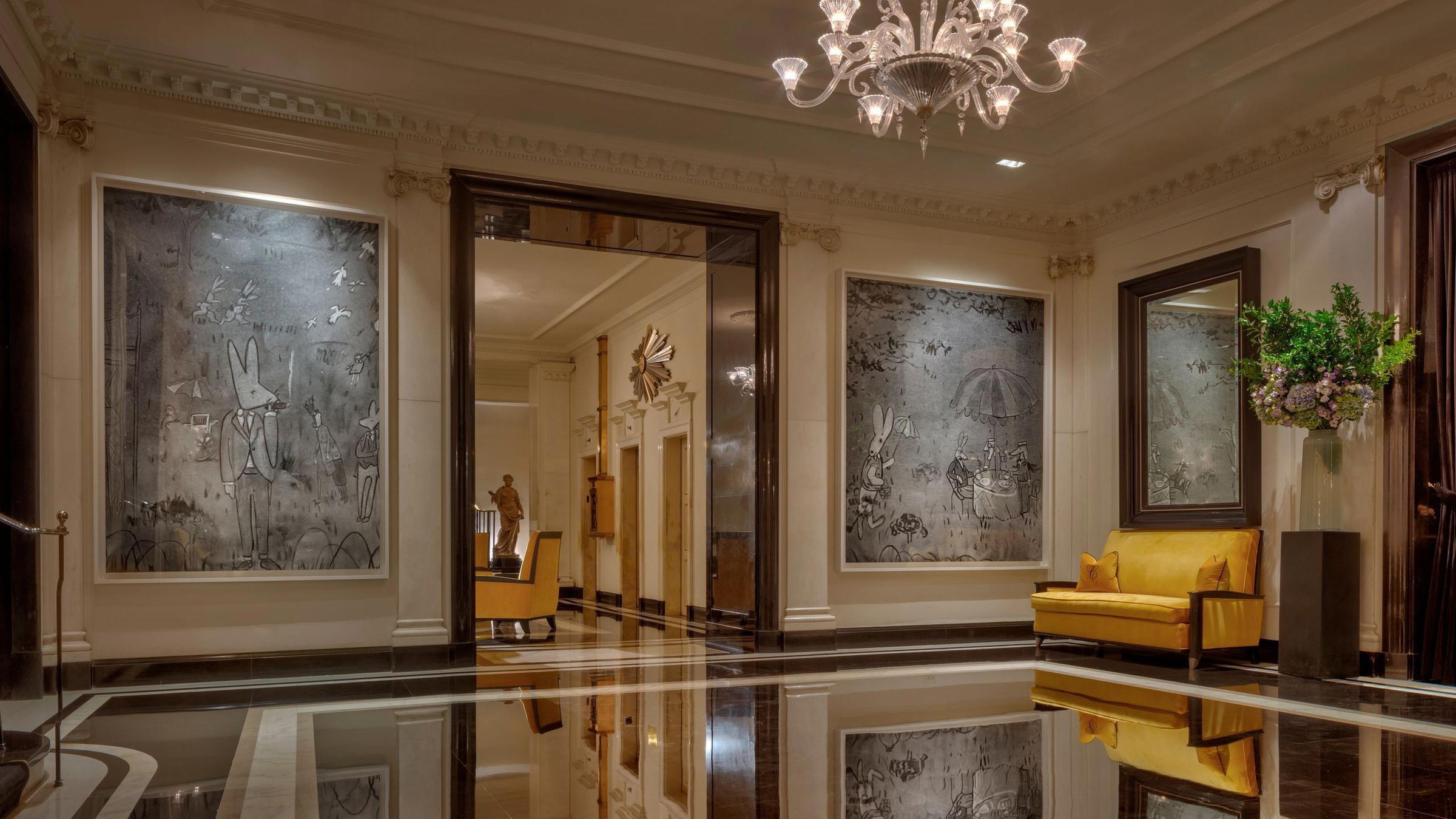
"Channeling a turn-of-the-century Bombay coffee house, slow turning fans keep patrons cool"
, Condé Nast TravelerWhy the spice architecture matters
The Irani-cafe reference gives the menu a useful editorial frame. It permits variety without pretending that every plate belongs to the same regional canon. That is important in New York, where diners often use Indian restaurants for competing purposes: a weeknight group dinner, a family table, a date with cocktails, or a larger celebration that needs vegetarian and non-vegetarian options to feel equally central. The success of this kind of cooking depends on sequencing and balance. Whole spices can announce themselves in rice, grills, or slow-cooked sauces; ground spice mixtures provide the bass line; tempered aromatics create the first impression when a dish lands; chutneys, pickles, yogurt, lime, and herbs keep the table from becoming heavy.
For the reader, the practical question is not whether the restaurant is “authentic” in a narrow museum sense. The better question is whether the format understands why cafe food, street snacks, grills, breads, and richer dishes can sit together without collapsing into a theme-park version of India. Dishoom’s advantage is conceptual clarity: Bombay’s Irani cafes provide a recognizable social model, not just a decorative one. That model explains why a room can feel casual in posture but deliberate in design, why a table can order broadly, and why spice has to operate across textures rather than only through heat.
Condé Nast Traveler wrote that "Mixed; a little showy, here for the concept as much as the food". That assessment lands close to the truth of the category. Concept is not automatically a flaw in New York dining; the city is full of rooms where design, crowd, and menu structure are part of the transaction. The difference is whether the concept clarifies the meal. In this case, the Bombay coffee-house lens gives diners a way to read the room before the first order is placed.
Where it sits in New York's Indian dining conversation
New York’s Indian dining scene has moved well beyond the old shorthand of curry-house comfort versus special-occasion formality. Modern Indian, regional Indian, Bengali, South Indian, Punjabi, Gujarati, Goan, and Indian-accented tasting-menu formats now compete for different occasions and budgets. Dishoom occupies a middle social position within that field: less solemn than a chef’s-counter tasting menu, more designed than a basic neighborhood canteen, and broader in menu logic than a single-region specialist. With no price range, hours, address, or booking method available, the useful guidance is to treat it as a concept-led Indian restaurant in New York City rather than as a data-confirmed value play or late-night option.
That distinction matters because New York diners often compare unlike things. A meal at Atomix is structured around modern Korean technique, controlled pacing, and a high-touch reservation culture. Jungsik New York sits in another progressive Korean lane, where the cuisine is filtered through contemporary fine-dining grammar. Le Bernardin, Per Se, and Masa represent New York’s formal dining power structure, where luxury ingredients, service choreography, and price signaling are part of the appeal. Dishoom should not be measured by that ruler. Its competitive set is the social Indian restaurant: a room where the table orders in clusters, spice carries the memory of the meal, and design frames the evening without requiring ceremony.
Across the United States, ambitious restaurants have also taught diners to read cuisine through systems rather than signatures. Benu in San Francisco and Smyth in Chicago ask diners to follow a controlled progression. The French Laundry in Napa, Single Thread Farm in Healdsburg, Providence in Los Angeles, Saison in San Francisco, and Lazy Bear in San Francisco each define the meal through tightly managed structure. Emeril’s in New Orleans offers another kind of American restaurant identity, tied to regional hospitality and name recognition. Dishoom’s lane is more collective: the table becomes the ordering system, and the spice work has to support conversation rather than command silence.
"try Dishoom, which operates in five different London locations (and Edinburgh) and specialises in the finger food of Mumbai’s Irani cafés"
, AFARThe room as a dining tool, not just a backdrop
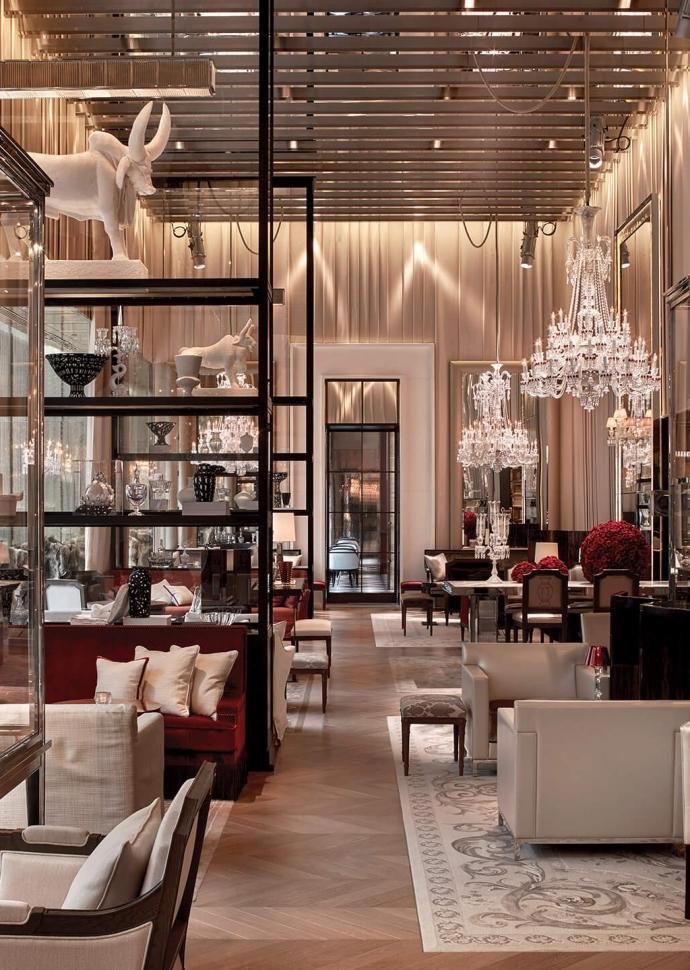
Atmosphere has a technical role in this style of restaurant. A hushed room would work against the menu’s social logic; a chaotic room would flatten the spice work into noise. The useful middle ground is animated but legible, with enough design to create transport and enough service structure to keep the table moving. Condé Nast Traveler’s note about a crowd “here for the concept as much as the food” should not be read as dismissal. In New York, concept-driven restaurants often succeed because diners want a full social proposition: lighting, pacing, menu breadth, and a room that can absorb birthdays, office dinners, family meals, and dates without forcing every party into the same script.
The Bombay coffee-house reference also changes how formality reads. This is not a white-tablecloth Indian restaurant making a case for refinement through quiet. Nor is it a bare-bones counter where speed is the main virtue. In practical terms, that means diners should not approach it with the expectations they would bring to a Michelin-starred tasting room, but they also should not assume a purely utilitarian meal.
Awards can help place a restaurant within a recognized peer group, but they are not the only trust signal for a scene-led format. Here, the stronger signals are cuisine clarity and press attention from Eater NY, Condé Nast Traveler, and AFAR. Those signals point to a restaurant built around a proven format rather than a local chef-driven biography.
How to think about ordering when the menu spans regions and moods
The smarter ordering principle is structural. Build the table across temperature, texture, and spice treatment: something snack-like or crisp, something bread- or rice-friendly, something with slow spice depth, something fresh or acidic, and something cooling if the meal leans rich. That approach mirrors how Indian meals often create balance through opposition rather than through a single centerpiece. Heat is only one register. Bitterness, sourness, sweetness, roasted spice, fresh herbs, yogurt, and fat all matter.
For families, the broad Indian-cafe format is a practical advantage in New York City if the group is comfortable sharing and if spice tolerance varies across the table. Families should check current menu pricing before treating it as a casual-value option. The format itself, however, is family-compatible: shared plates reduce the pressure of each diner choosing a single dish, and the range implied by the Irani-cafe model usually suits mixed appetites better than a fixed tasting menu.
For drinkers and non-drinkers, the cafe reference also lowers the temperature of the occasion. Indian restaurant meals in New York can be wrongly boxed into either takeout comfort or high-design date-night dining. This format leaves more room between those poles. It can support a quick social meal, a longer table with multiple rounds, or a group that wants atmosphere without the cost and duration associated with formal tasting-menu rooms. Planning should be confirmed before arrival.
Planning notes for New York diners
Dishoom is an Indian, Irani-cafe inspired restaurant in New York City, United States. That lack of logistical data changes the kind of advice that can be given responsibly. Diners should verify location, opening times, booking procedure, and current menu pricing directly through official restaurant channels before making plans, especially for groups or family meals where timing and budget matter.
Within a New York itinerary, this is better positioned as a social dining choice than a formal destination meal. Pair it with the city’s broader restaurant culture rather than forcing it into a luxury checklist. For a wider comparison set, use Our full New York City restaurants guide. Travelers building a full trip can cross-reference Our full New York City hotels guide, Our full New York City bars guide, Our full New York City wineries guide, and Our full New York City experiences guide. The point is to place it correctly: a design-conscious, spice-led Indian table suited to conversation and sharing.
In Context
Comparable venues nearby, for context on price, style, and recognition.
| Venue | Cuisine | Price | Notes |
|---|---|---|---|
| DishoomThis venue — the venue you are viewing | Not listed | $$$ | Not listed |
| SONA | Not listed | $$$ | Midtown South-Flatiron-Union Square, Modern Indian |
| Benares | Not listed | $$$ | Tribeca-Civic Center, Modern Indian Tandoori |
| Kidilum | Not listed | $$$ | Midtown South-Flatiron-Union Square, Modern Kerala South Indian |
| Sahib | Not listed | $$ | Murray Hill-Kips Bay, Authentic Mughlai Indian |
| Indienne | Hudson Yards, Modern Indian Fine Dining | $$$$ | Not listed |
Continue exploring
More in New York City
Restaurants in New York City
Browse all →

Bars in New York City
Browse all →


At a Glance
- Well Known
- Lively
- Classic
- Cozy
- Whimsical
- Energetic
- Brunch
- Casual Hangout
- Group Dining
- After Work
- Date Night
- Celebration
- Design Destination
- Standalone
- Craft Cocktails
Nostalgic, story-driven recreation of a 1960s Bombay Irani café with colourful, bold interiors, warm lighting, and a bustling, energetic atmosphere built around comfort food and convivial all-day dining.