inAzia brings Asian cooking to Warsaw's Śródmieście district, operating at Bolesława Prusa 2 in a city that has rapidly expanded its range of non-European dining. The restaurant sits within a Warsaw restaurant scene that now reaches from modern Polish tasting menus to pan-Asian formats, giving diners a credible alternative to the city's dominant Central European culinary tradition.
Pearl is the En Primeur Club membership app — saves, bookings, and concierge access live there. Same editors, same standards.
- Address
- Bolesława Prusa 2, 00-493 Warszawa, Poland
- Phone
- +48730307150
- Website
- restauracja-inazia.pl
- Directions
- Get directions
 Saves & bookings on Pearl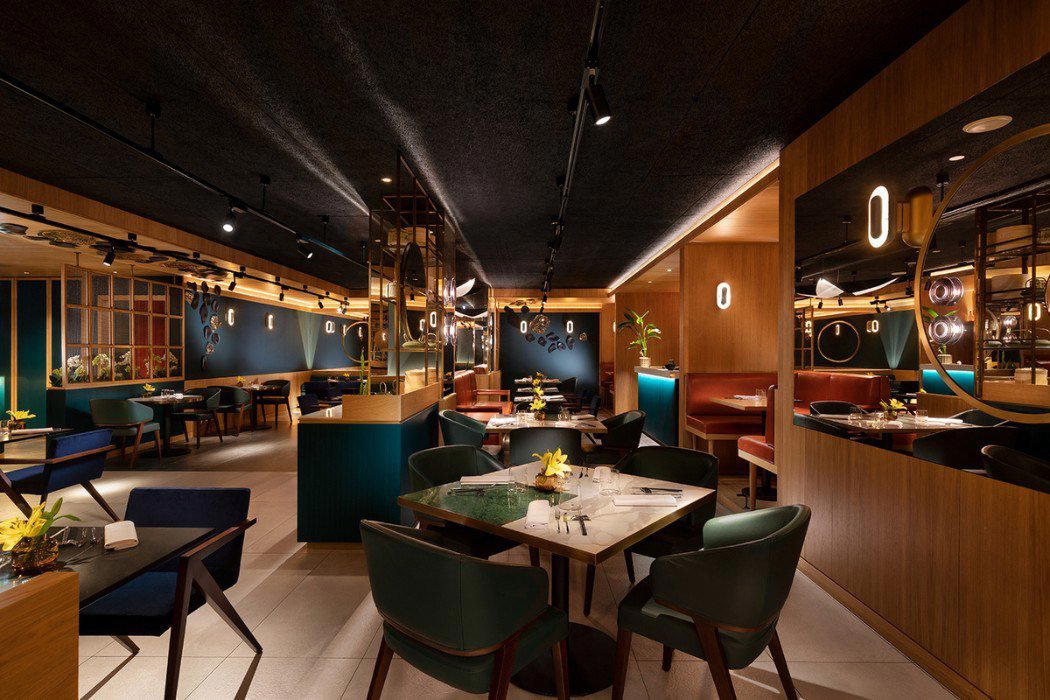
Asian Cooking in a City Rewriting Its Restaurant Map
Warsaw's dining scene has undergone a structural shift over the past decade. The city that once revolved almost entirely around Central European cooking now holds a layered set of options: modern Polish tasting menus, European bistros, and an expanding range of Asian formats that reflect both inward migration and a travelling dining public bringing expectations shaped by London, Amsterdam, and Berlin. inAzia is a restaurant serving Modern Asian Fusion with Omakase at Bolesława Prusa 2 in Warsaw, where it sits inside that broader shift. The address places it in one of Warsaw's most commercially active and restaurant-dense neighbourhoods, where foot traffic and proximity to hotels and offices create a steady, mixed clientele.
The cultural weight behind Asian cooking in European capitals deserves a frame before any individual venue comes into focus. Asian cuisines collectively represent particularly technically demanding and ingredient-specific traditions in the world. Japanese knife work, the fermentation layering in Korean cuisine, the wok-heat discipline required in Cantonese cooking, the balance of aromatics in Thai and Vietnamese food: each of these is a distinct craft, not a unified category. When Warsaw diners engage with this range, they are accessing traditions that carry centuries of regional refinement.
Where inAzia Sits in Warsaw's Competitive Map
Warsaw's restaurant market in Śródmieście and its neighbouring districts now spans multiple price tiers and culinary traditions. At the modern European and creative Polish end, venues like Rozbrat 20 and NUTA operate with tasting menu formats and produce-driven menus that speak to a Michelin-adjacent sensibility. alewino anchors the modern Polish and wine-focused middle tier. hub.praga represents a modern cuisine approach with its own distinct neighbourhood character east of the Vistula. Baken occupies a separate niche in the city's dining fabric.
inAzia operates outside these categories by definition. Asian restaurants in Warsaw compete less with the modern Polish or European tasting menu tier and more within their own sub-market: a set of restaurants where the differentiation comes from which Asian tradition is being served, how accurately it is being executed, and whether the format suits the occasion. A pan-Asian format broadens accessibility but also raises the question of depth: a restaurant that covers Japanese, Thai, Chinese, and Korean simultaneously is making different tradeoffs than one that commits to a single tradition. The strength of a pan-Asian room lies in giving diners range; the risk is that breadth works against the kind of specificity that makes regional Asian cooking memorable.
The Śródmieście Setting
Bolesława Prusa is a short street in central Warsaw, close enough to the commercial and hotel density of Al. Jerozolimskie and ul. Marszałkowska to draw passing trade, but not positioned on the highest-profile restaurant corridors. That placement has a practical implication: the restaurant likely draws a combination of neighbourhood regulars, hotel guests from nearby properties, and destination diners who have specifically sought it out rather than stumbled across it. In a city where restaurant discovery increasingly happens through apps and social platforms rather than street-level exploration, that kind of address can work well for a venue with a specific offer that travels through word of mouth.
Warsaw as a restaurant city rewards attention. The pace of new openings, the growing sophistication of the dining public, and the city's position as a transit and business hub for Central and Eastern Europe all feed a market that has developed faster than its international reputation suggests. For comparison points from Poland's broader fine dining landscape, Bottiglieria 1881 in Kraków and Arco by Paco Pérez in Gdańsk demonstrate the range of serious cooking now available across Polish cities. Warsaw sits at the centre of that expansion, with more international formats arriving as the city's profile grows.
Asian Dining in European Context
The broader pattern across European capitals is instructive. Cities like Copenhagen, Vienna, and Lisbon have all seen their Asian restaurant tiers sharpen considerably in the past several years, moving from generic pan-Asian formats toward more specific, technically rigorous expressions of Japanese, Korean, and Southeast Asian cooking. Warsaw is at an earlier stage of that curve, which creates opportunity for restaurants willing to invest in ingredient sourcing, kitchen training, and format discipline. The reference points are available globally: Atomix in New York has set a standard for what Korean fine dining can look like when it commits fully to the tradition, while Le Bernardin demonstrates what happens when European technical rigour meets a single-cuisine focus. Those are not direct competitors, but they shape what informed diners increasingly expect from serious cooking of any origin.
Within Poland, the comparison set for Asian dining is still relatively thin, which gives Warsaw-based restaurants in this category more room to define their own position. Muga in Poznań, Giewont in Kościelisko, and Cudne Manowce in Olsztyn each reflect local culinary traditions rather than Asian formats, underscoring how niche this category remains outside Warsaw and Kraków.
Planning Your Visit
inAzia is located at Bolesława Prusa 2 in Warsaw's Śródmieście district, placing it within easy reach of the city centre by public transport or on foot from the major hotel corridor along Al. Jerozolimskie. Current booking details, hours, and pricing are best confirmed directly with the restaurant.
Diners exploring Warsaw's broader restaurant range will find additional context in listings for Art Katowice, Braseria Pasieka in Rzeszów, and La Cucina Ristorante in Gdańsk, each of which illustrates the regional spread of serious dining across Poland. Górnik in Kraków and Farina Kijowska in Białystok round out a picture of a country whose restaurant culture has diversified well beyond its capital.
Booking and Cost Snapshot
Comparable venues nearby, for context on price, style, and recognition.
| Venue | Cuisine | Price | Notes |
|---|---|---|---|
| inAziaThis venue — the venue you are viewing | Not listed | $$$ | Not listed |
| Latino Brasserie@Ferdy's | Not listed | $$$ | Osiedle Za Zelazna Brama, Polish Brasserie |
| U Fukiera | Not listed | $$$ | Stare Miasto, Traditional Polish Fine Dining |
| Restauracja Mokolove | Mokotow, Polish & International | $$$ | Not listed |
| Concept 13 | Not listed | $$$ | Srodmiescie, Modern International with Polish Accents |
| Baken | Not listed | $$ | Srodmiescie, Artisanal Bakery & Breakfast |
At a Glance
- Elegant
- Sophisticated
- Modern
- Date Night
- Special Occasion
- Business Dinner
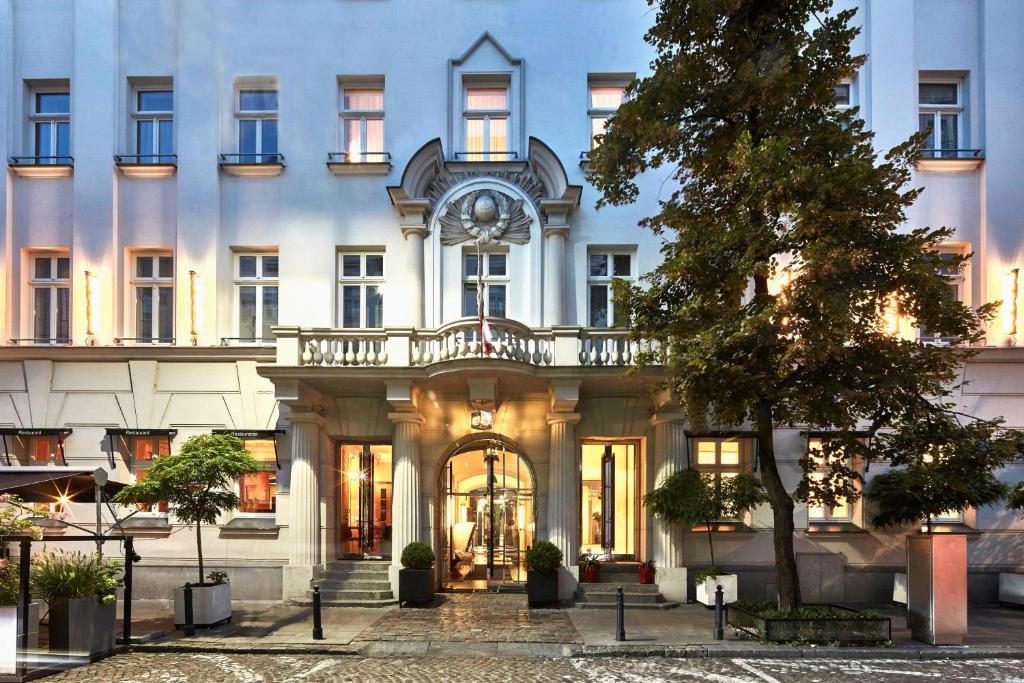
- Hotel Restaurant
- Open Kitchen
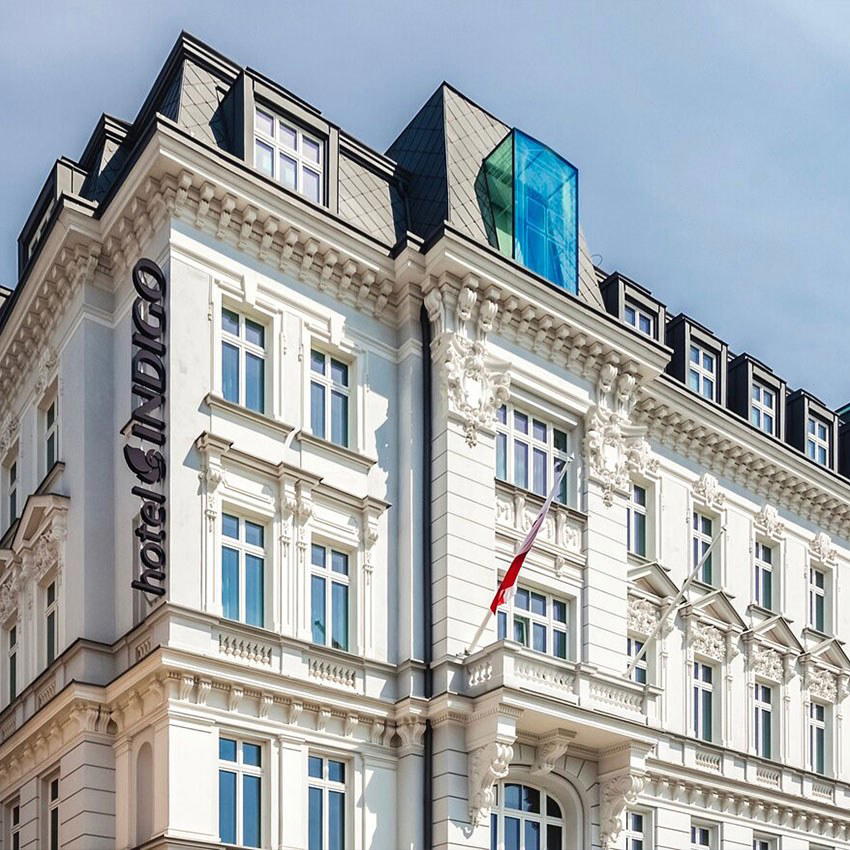
- Street Scene
Current opening hours
- Monday
- Closed
- Tuesday
- 5–11 PM
- Wednesday
- 5–11 PM
- Thursday
- 5–11 PM
- Friday
- 5–11 PM
- Saturday
- 5–11 PM
- Sunday
- Closed
Hours can change for holidays and private events. Last verified .
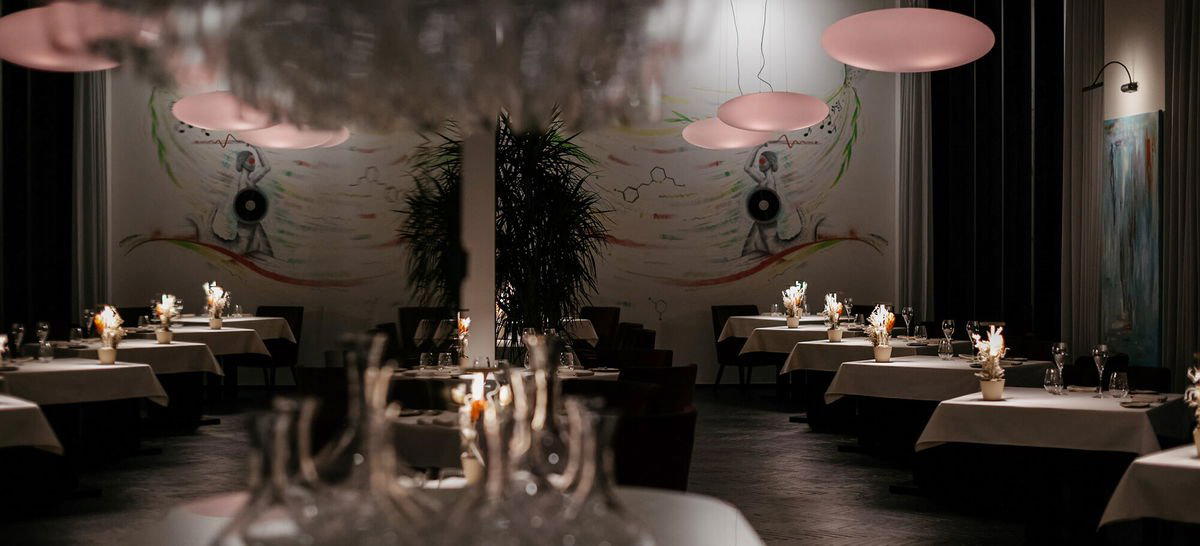
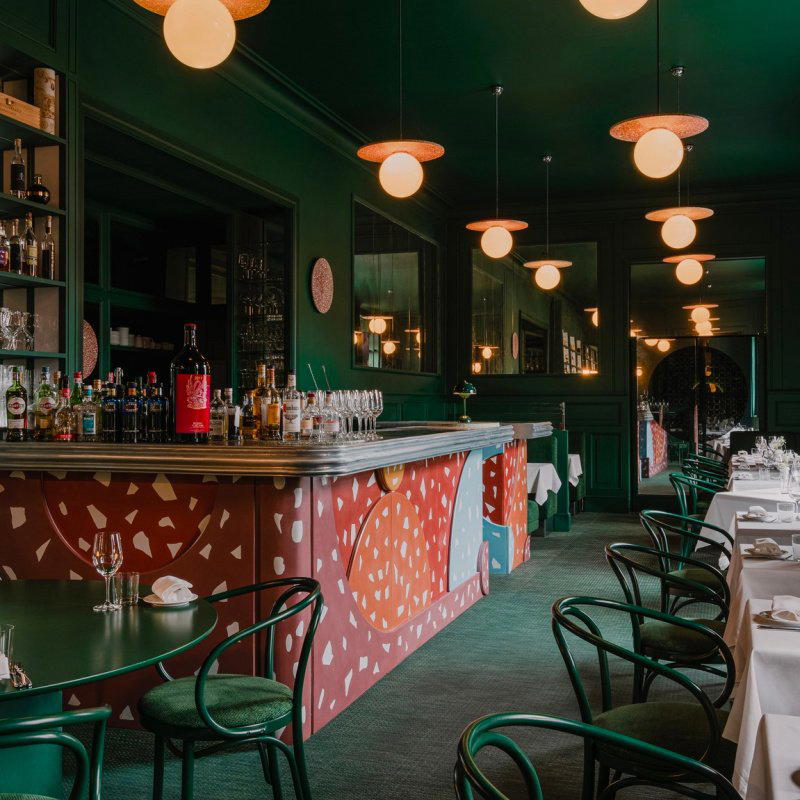
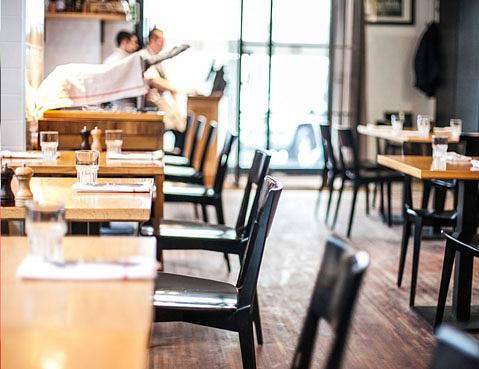
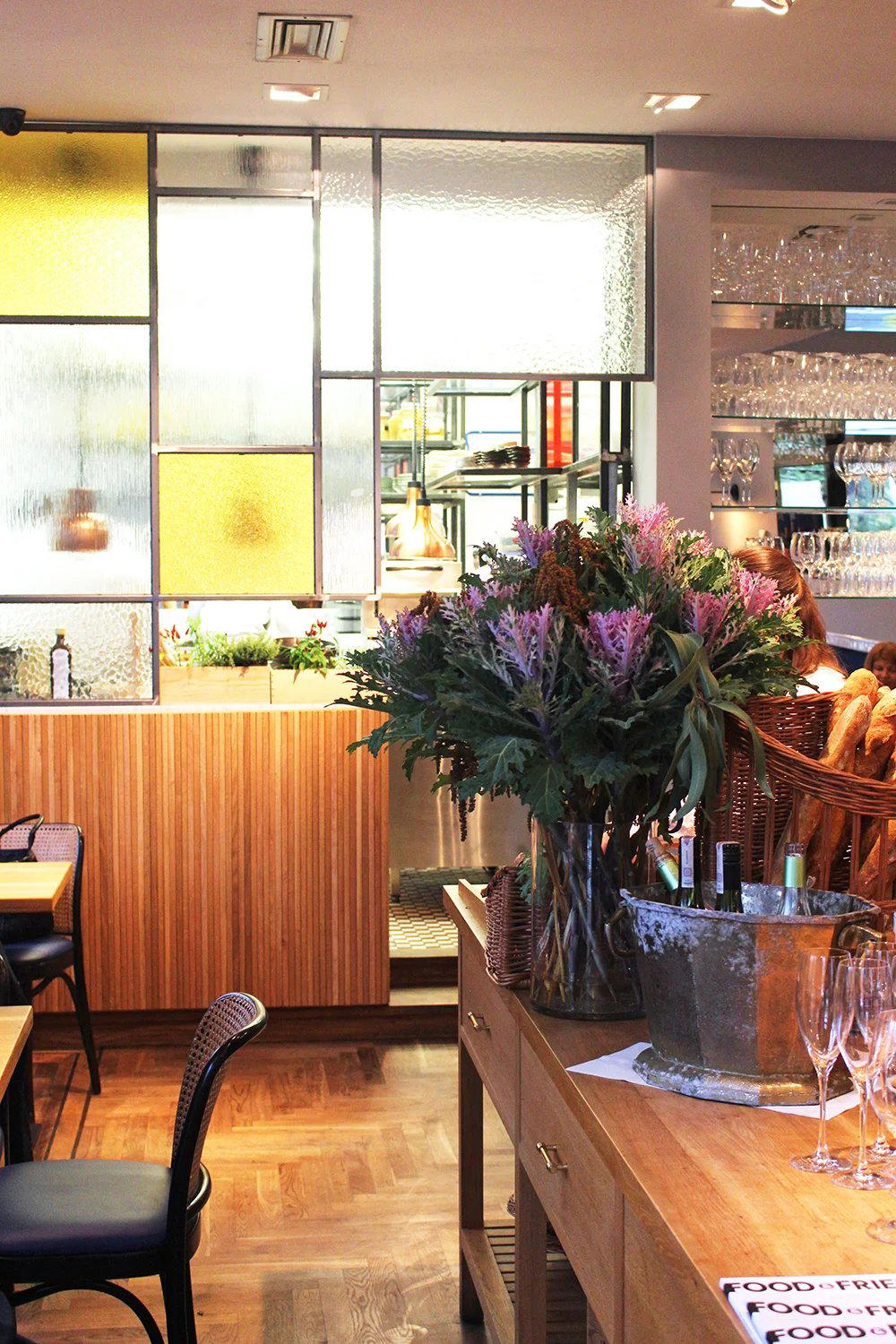
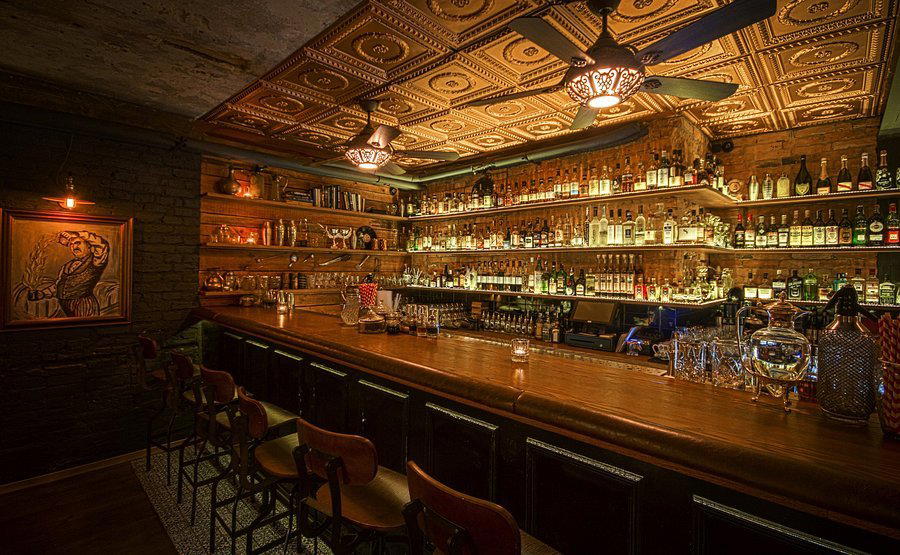
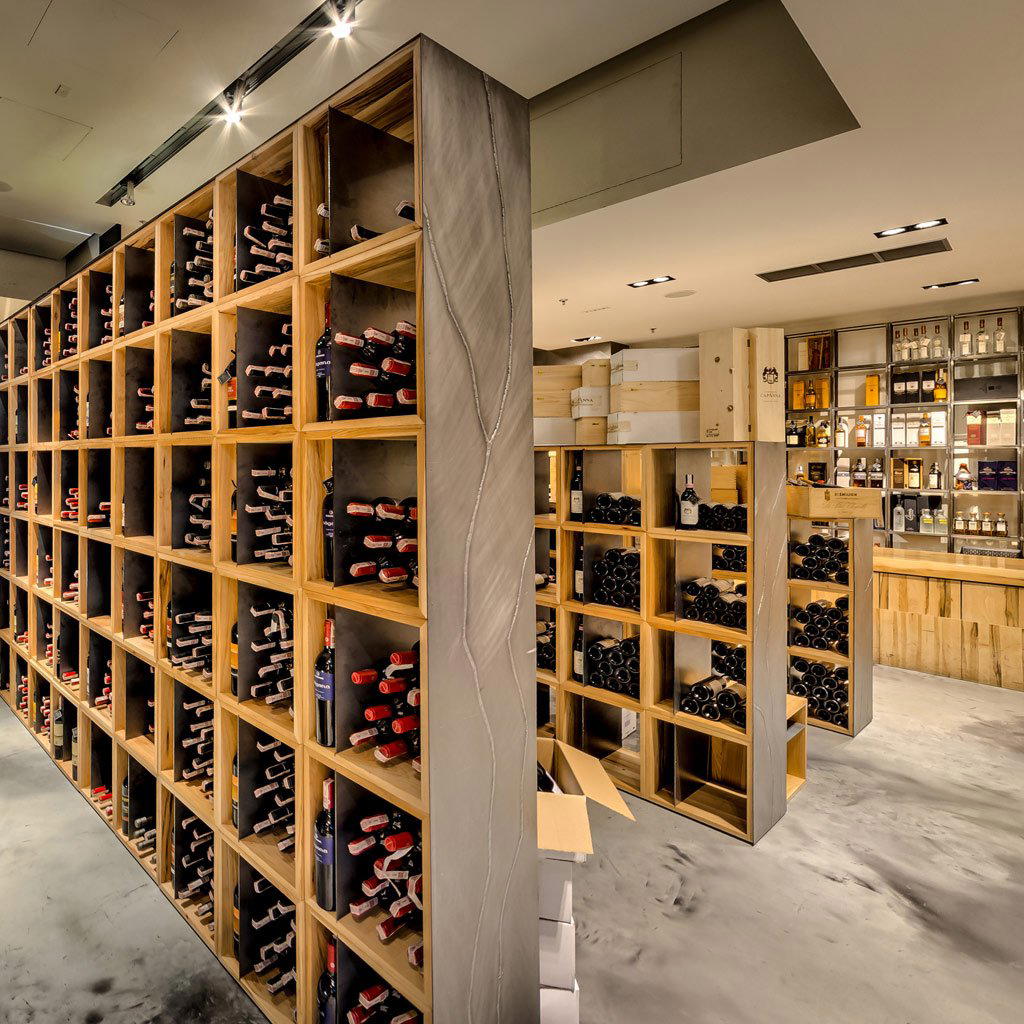
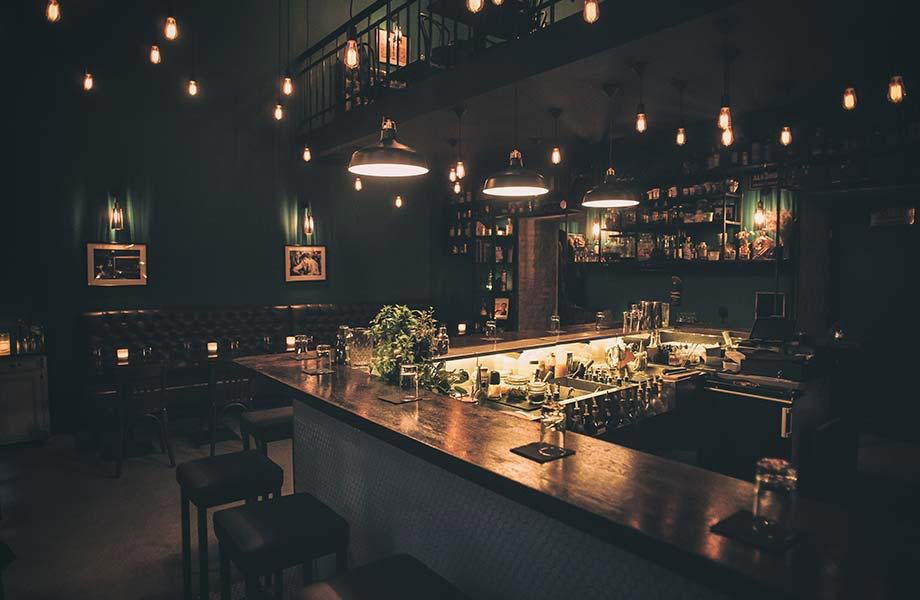
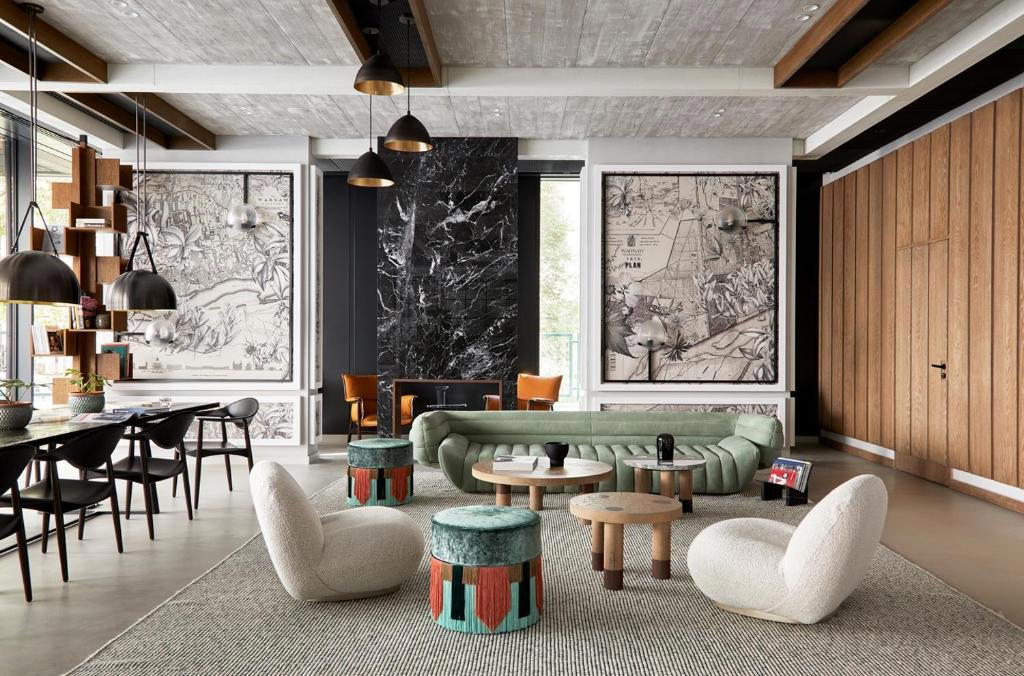
Elegant interiors with modern design, stylish decor, and a warm, sophisticated atmosphere.