Art Katowice occupies a address on Warszawska 33 in the heart of Silesia's most creatively charged city. The venue sits within a dining scene that has shifted decisively toward ingredient-led cooking, positioning it alongside a cohort of Katowice restaurants that treat sourcing as a primary editorial statement. For visitors tracking Poland's evolving restaurant culture outside Warsaw and Kraków, it belongs on the itinerary.
Pearl is the En Primeur Club membership app — saves, bookings, and concierge access live there. Same editors, same standards.
- Address
- Warszawska 33, 40-010 Katowice, Poland
- Phone
- +48575998767
- Website
- artkatowice.pl
- Directions
- Get directions
 Saves & bookings on Pearl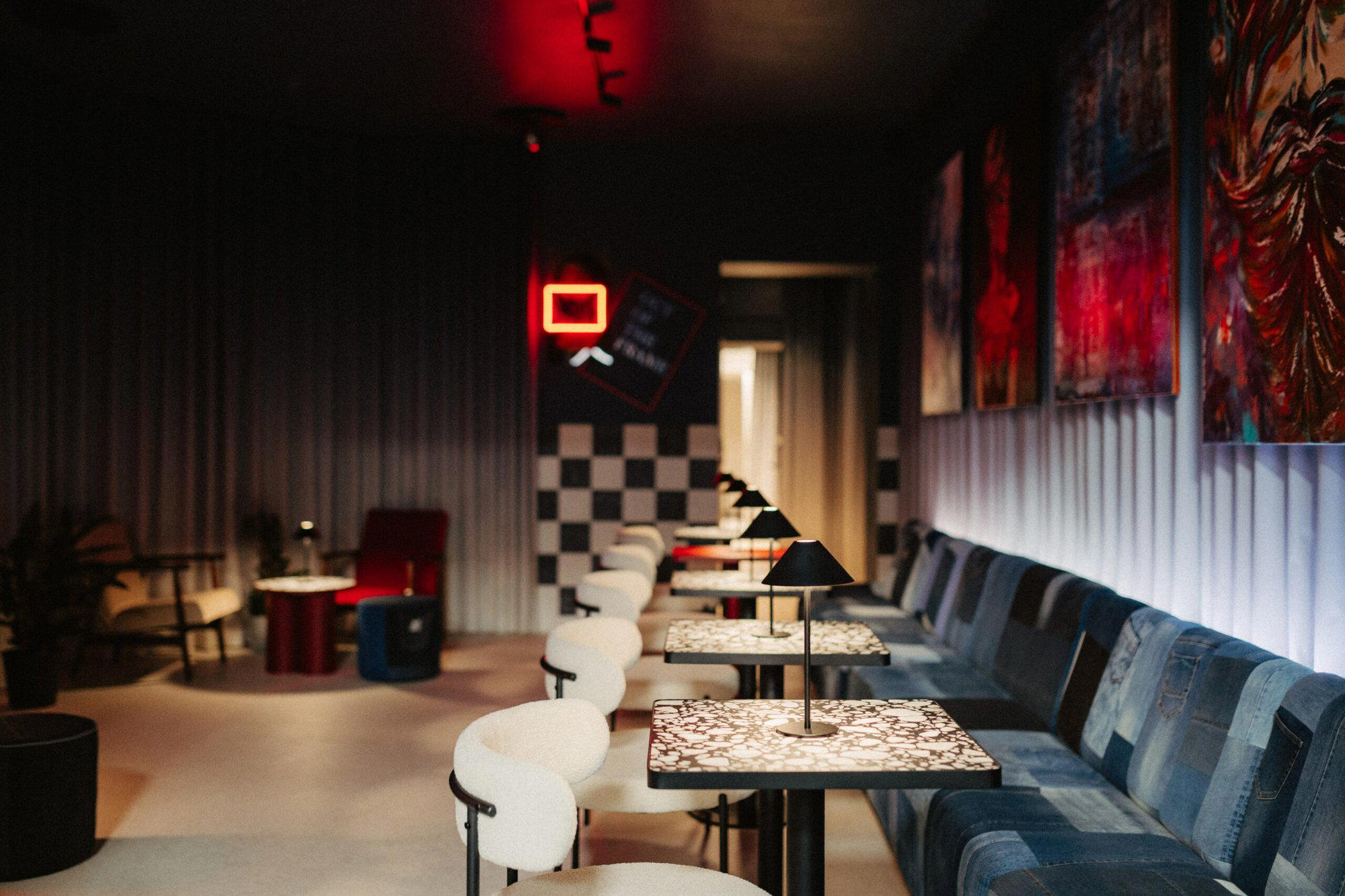
Warszawska Street and the Silesian Dining Shift
Katowice has spent the better part of a decade reframing its identity. The city that built its reputation on coal and steel has, street by street, developed a restaurant culture that takes its cues from ingredient provenance rather than imported formats. Along Warszawska, one of the central arteries connecting the old industrial core to the modernised city grid, that shift is visible in the type of venues that have taken root. Art Katowice, at number 33, sits inside this corridor of change.
Approaching the address, the building carries the particular gravity of Katowice's architectural inheritance: the city's centre mixes interwar functionalism with postwar utility buildings, and Warszawska threads through both registers. What that context produces, for a venue with cultural ambitions in its name, is a sense of purpose shaped by place rather than imported aesthetic. The scene here is Silesian first, and that specificity matters when you start thinking about what ends up on the plate.
Ingredient Sourcing as the Editorial Frame
Across Poland's more considered restaurant tier, the question of where food comes from has become the central organising principle. This is less a trend borrowed from Scandinavian templates and more a reckoning with what Polish regional larders actually contain. Silesia specifically has a sourcing story that differs from both the mountain traditions of the Tatra region and the Baltic-inflected kitchens of Gdańsk. The soil, the livestock practices, and the preserved food culture of Upper Silesia generate ingredients with regional specificity that reward kitchens willing to work with them rather than around them.
For a venue like Art Katowice, the address on Warszawska puts it within reach of the supplier networks that feed serious Silesian cooking. The proximity to local markets, the accessibility of regional producers across the broader Upper Silesian basin, and the inherited knowledge of Silesian flavour profiles, which lean toward fermented, smoked, and slow-cooked preparations, all constitute the raw material from which ingredient-led menus are built here. This is the context against which the kitchen's choices read, and it gives the venue's positioning more texture than a simple city-centre address would otherwise suggest.
Across Poland more broadly, this sourcing-first approach has produced some of the country's most recognised restaurants. Bottiglieria 1881 Restaurant in Kraków has built its reputation on precision product sourcing within a fine-dining framework. Arco by Paco Pérez in Gdańsk demonstrates how a coastal city can anchor a kitchen in hyperlocal maritime supply. Art Katowice operates within this national conversation from its own industrial-heritage position, which gives its sourcing choices a distinct geographic logic.
The Katowice Restaurant Cohort
Katowice's dining scene is more varied than its size might suggest to first-time visitors. The city functions as a cultural and economic hub for the broader Upper Silesian metropolitan area, which means the restaurant pool draws from a population base considerably larger than the city's administrative boundaries imply. That demand base supports a range of formats, from fast-casual through to more considered cooking.
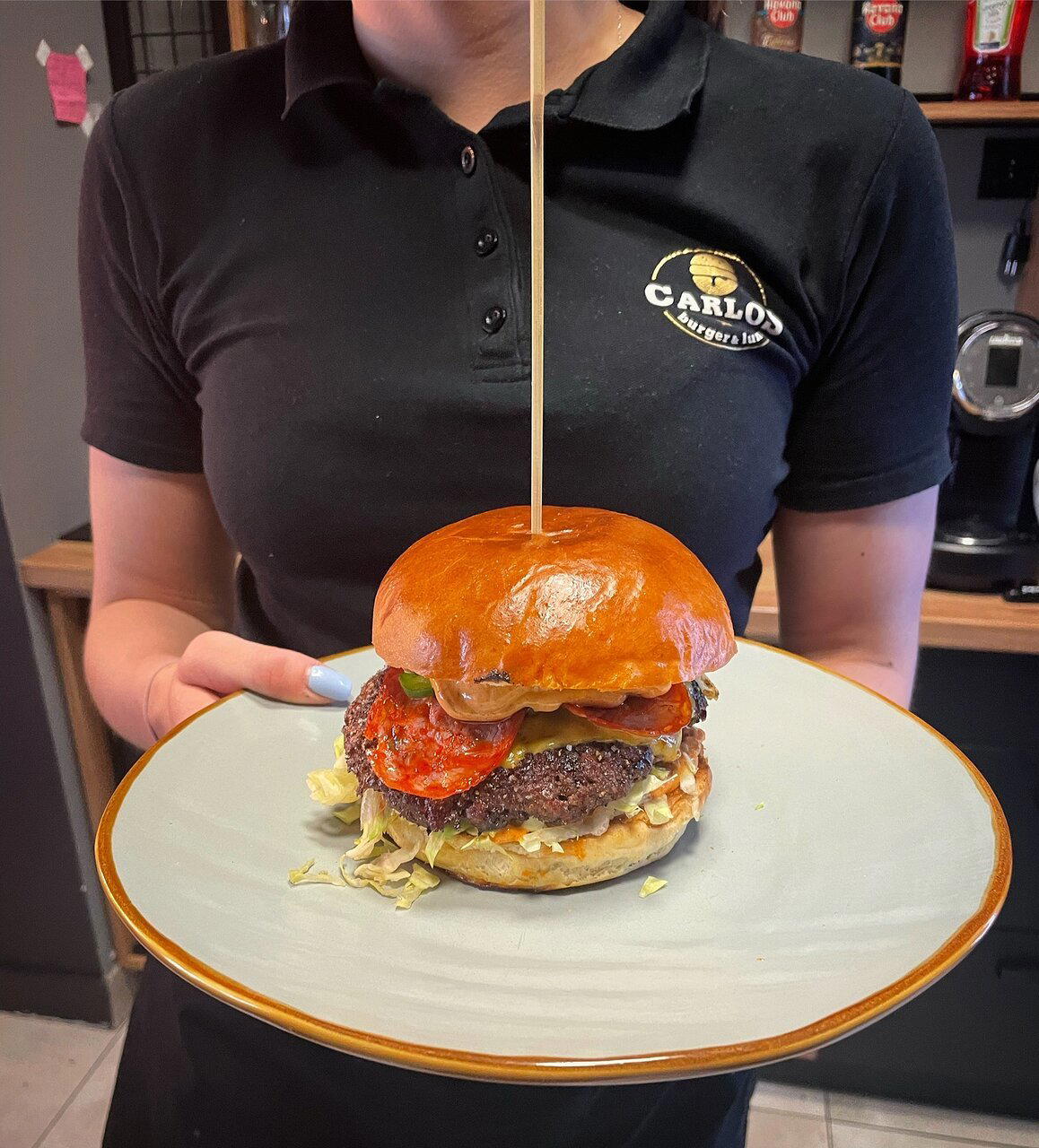
Kaktusy Kato Koncept Kulinarny represents the city's appetite for format experimentation, while Kolorowo bistro occupies the casual-but-considered register that has become central to how European cities build day-to-day dining culture. Madara Ramen and Yami Vegan Sushi reflect the city's growing comfort with non-Polish formats, a pattern common to Polish cities that have developed significant student and younger professional populations. Carlos Burger&Lunch shows the segment that keeps high footfall moving through the city centre at lunch.
Art Katowice's position within this cohort is shaped by its name's cultural register and its central address. A venue that leads with art as an organising concept in a city known for its music scene, the NOSPR concert hall, and its modernist architecture is staking a claim to a specific audience: visitors and locals who treat dining as part of a broader cultural day rather than a standalone transaction. That positioning aligns it with the mid-to-upper tier of Katowice's current restaurant range. For a fuller map of how the city's dining options distribute, the full Katowice restaurants guide provides the broader picture.
Poland's Wider Table: Where Katowice Fits
Poland's restaurant culture has diversified significantly since the mid-2010s, with serious cooking emerging well beyond Warsaw and Kraków. Muga in Poznań is among the clearest examples of how secondary Polish cities have produced cooking that can hold its own against any European peer. hub.praga in Warsaw shows how format innovation within established cities continues to generate new categories. Further afield, Giewont in Kościelisko demonstrates how mountain-region cooking has developed a distinctive voice around local produce.
Internationally, the conversation about ingredient sourcing and place-specific cooking has been running longest at venues like Le Bernardin in New York City, where the primacy of the raw material has been a founding principle for decades, and at Lazy Bear in San Francisco, where provenance documentation has become part of the dining experience itself. Katowice's better kitchens are engaging with the same questions, adapted to what Silesia actually produces.
Other Polish coastal and regional venues round out the picture of how sourcing shapes identity across different geographies: La Cucina Ristorante in Gdansk, Bar Przystań in Sopot, and OK Wine Bar in Wrocław each demonstrate how Polish cities have built food identities around what their regions produce. Ariel in Krakow and Nare Sushi in Skórzewo extend that map further, showing the geographic spread of Poland's current restaurant conversation.
Planning a Visit to Art Katowice
The restaurant is located at Warszawska 33, 40-010 Katowice, in a central part of the city that is walkable from the main railway station and the NOSPR concert hall, making it a practical choice to anchor a cultural afternoon or evening. Katowice Główny station connects to Kraków in under an hour and to Warsaw in roughly two and a half hours by express train, which means the city is accessible as a day trip from either major hub or as a base in its own right.
Weekday service runs from Wednesday to Thursday 6 PM to 12 AM, Friday and Saturday 6 PM to 2 AM, and Sunday 6 to 11 PM; the restaurant is closed Monday and Tuesday.
In Context: Similar Options
Comparable venues nearby, for context on price, style, and recognition.
| Venue | Cuisine | Price | Notes |
|---|---|---|---|
| Art KatowiceThis venue — the venue you are viewing | Modern Silesian and European | $$ | Not listed |
| Kolorowo bistro | Polish Bistro Breakfasts | $ | Śródmieście |
| Kaktusy Kato Koncept Kulinarny | Modern Silesian Polish | $$$ | Śródmieście |
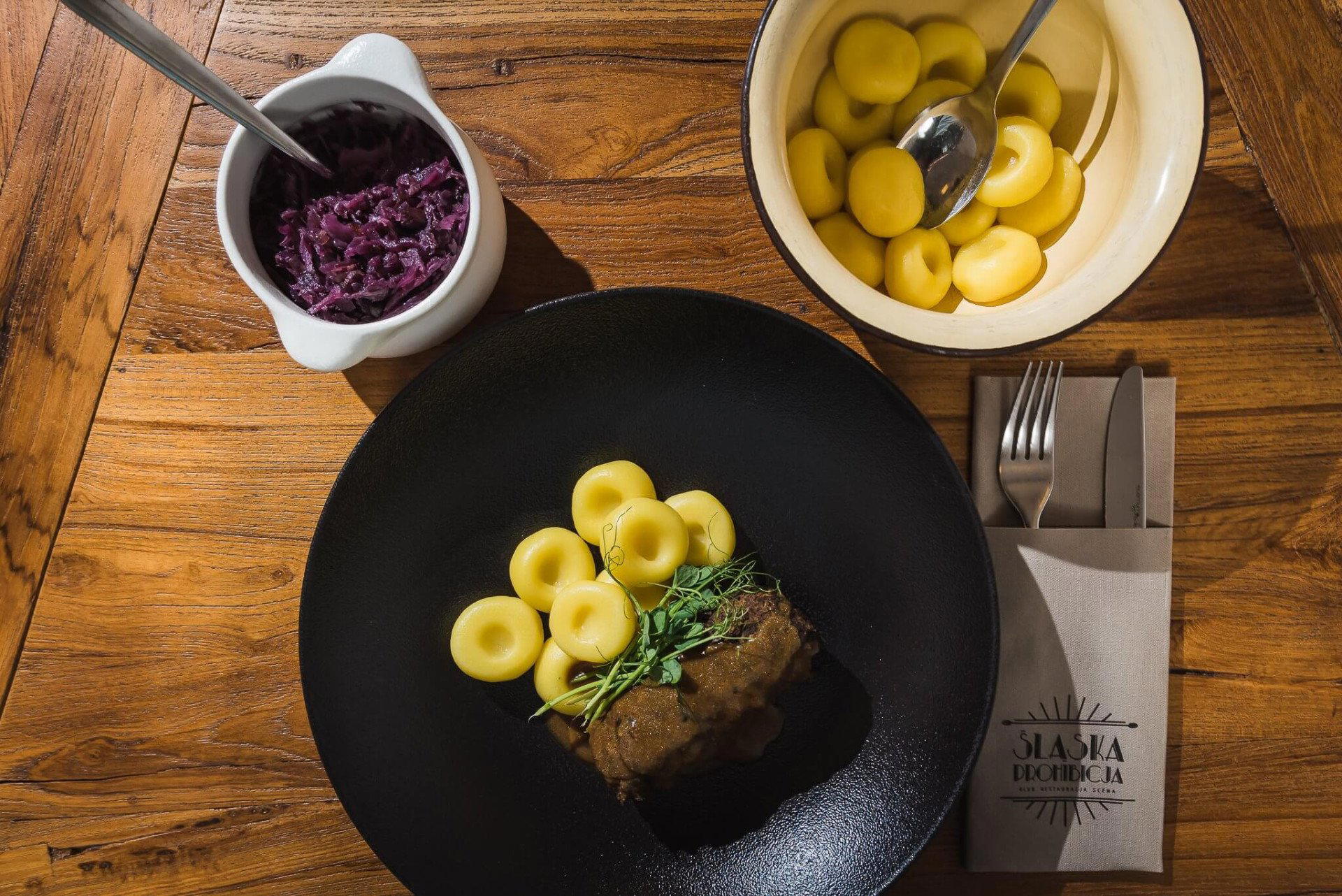
| Śląska Prohibicja | Modern Silesian | $$ | Nikiszowiec |
| Yami Vegan Sushi | Vegan Japanese Sushi | $$ | Katowice |
| Carlos Burger&Lunch | Mexican and American Burgers | $$ | centrum |
At a Glance
- Modern
- Elegant
- Sophisticated
- Date Night
- Business Dinner
- Special Occasion
- Open Kitchen
- Extensive Wine List
- Local Sourcing
- Street Scene
Current opening hours
- Monday
- Closed
- Tuesday
- Closed
- Wednesday
- 6 PM–12 AM
- Thursday
- 6 PM–12 AM
- Friday
- 6 PM–2 AM
- Saturday
- 6 PM–2 AM
- Sunday
- 6–11 PM
Hours can change for holidays and private events. Last verified .
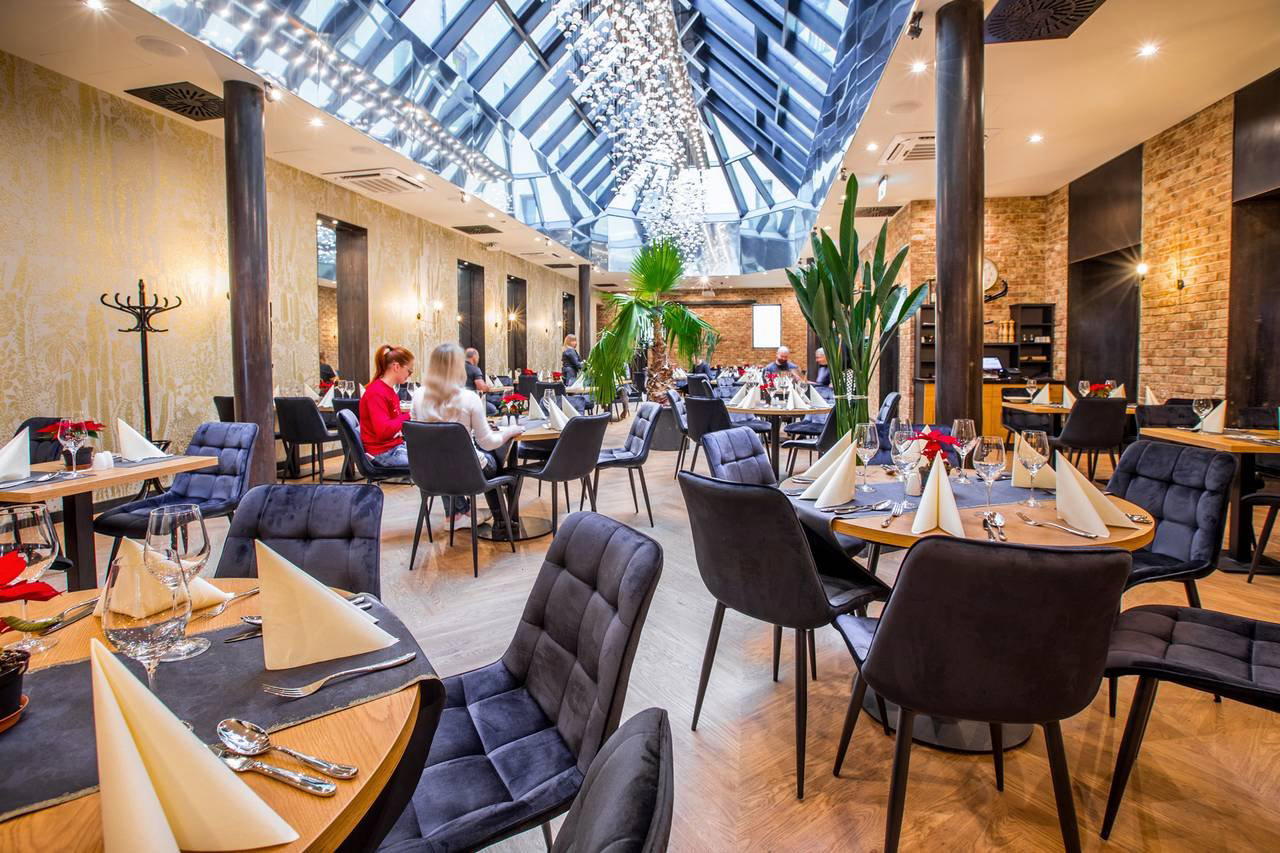
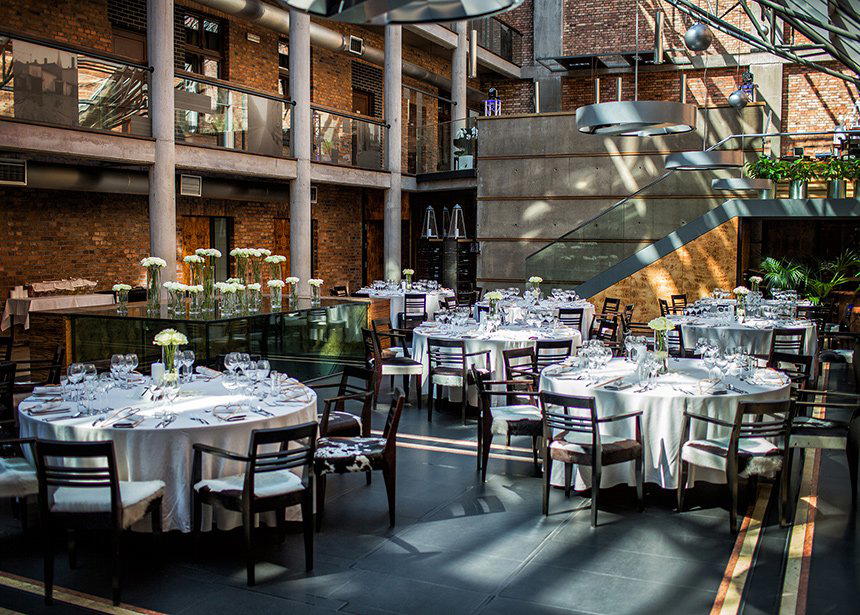
Distinctive blend of tradition and modernity with a glass roof creating an elegant, atmospheric dining space.