Braseria Pasieka runs Italian pizza with regional Polish grill cooking from a courtyard, open-kitchen setup in Rzeszow, with casual service and beer for lunch or dinner.
Pearl is the En Primeur Club membership app — saves, bookings, and concierge access live there. Same editors, same standards.
- Address
- w podwórzu, Księdza Józefa Jałowego 14, 35-010 Rzeszów, Poland
- Phone
- +48530755190
- Website
- braseriapasieka.pl
- Directions
- Get directions
 Saves & bookings on Pearl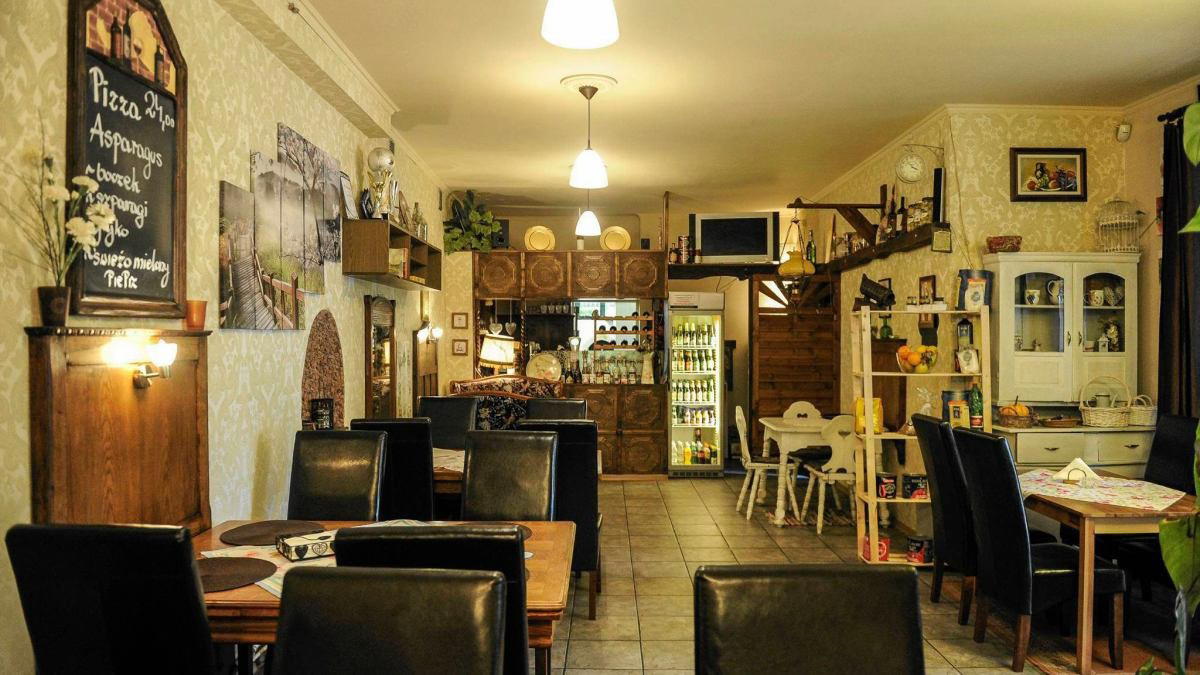
A Courtyard Address in Rzeszów's Old Town Core
Rzeszów does not announce its better restaurants loudly. The city's dining scene has developed in the way that secondary Polish cities tend to: quietly, with genuine local patronage rather than tourist infrastructure propping up the numbers. Braseria Pasieka sits literally off the main thoroughfare, addressed through a courtyard at Księdza Józefa Jałowego 14, in the 35-010 district that places it squarely within the walkable historic centre. That physical arrangement, a venue reached through a gateway and into an enclosed yard, is a format with a long tradition in Central European cities: the podwórze, or courtyard, as a semi-private urban room. The approach filters out foot traffic and self-selects for guests who already know where they are going.
Sourcing and the Subcarpathian Larder
The Subcarpathian region, of which Rzeszów is the administrative capital, sits at the southeastern edge of Poland where the country's agricultural lowlands begin to rise toward the Carpathian foothills. That geography matters for how restaurants in this city can source: proximity to smaller-scale farms, forest producers, and artisan food operations that supply the kind of primary ingredients that larger urban markets in Warsaw or Kraków increasingly import. The braseria format, which in Central European usage typically describes a mid-register restaurant with grill or open-fire cooking at its centre, is well suited to showcasing direct-sourced meat and seasonal produce, because the cooking method is honest enough that ingredient quality is the primary variable. When grilled food is mediocre, it is almost always a sourcing problem. When it works at this format level, the ingredient is the argument.
Poland's broader food movement over the last decade has pushed regional sourcing from a niche interest to a mainstream expectation in any serious provincial restaurant. What has changed in cities like Rzeszów specifically is the supply-side infrastructure: producers who previously sold only at local markets or to private buyers now have relationships with restaurant kitchens. That shift puts a restaurant like Braseria Pasieka in a more interesting position than its address might suggest to visitors unfamiliar with how the Subcarpathian food economy works. For editorial context on how this regional sourcing ethos is playing out across Poland's dining scene, our full Rzeszow restaurants guide maps the wider picture.
The Braseria Format in Polish Context
The word braseria (a Polish adaptation of brasserie or brasería) carries different signals depending on the city. In Warsaw's hub.praga and in the more format-disciplined kitchens of Kraków, the brasserie tier has moved toward polished casualness: serious cooking without the ceremony of a tasting menu house. In Rzeszów, the format is less codified, which gives individual operators more room to define it on their own terms. A braseria here is not competing against Michelin-tracked restaurants like Bottiglieria 1881 in Kraków or the coastal ambition of Arco by Paco Pérez in Gdańsk; it is operating in a different conversation, one about what regional Polish cooking looks like when it is treated seriously but not formally.
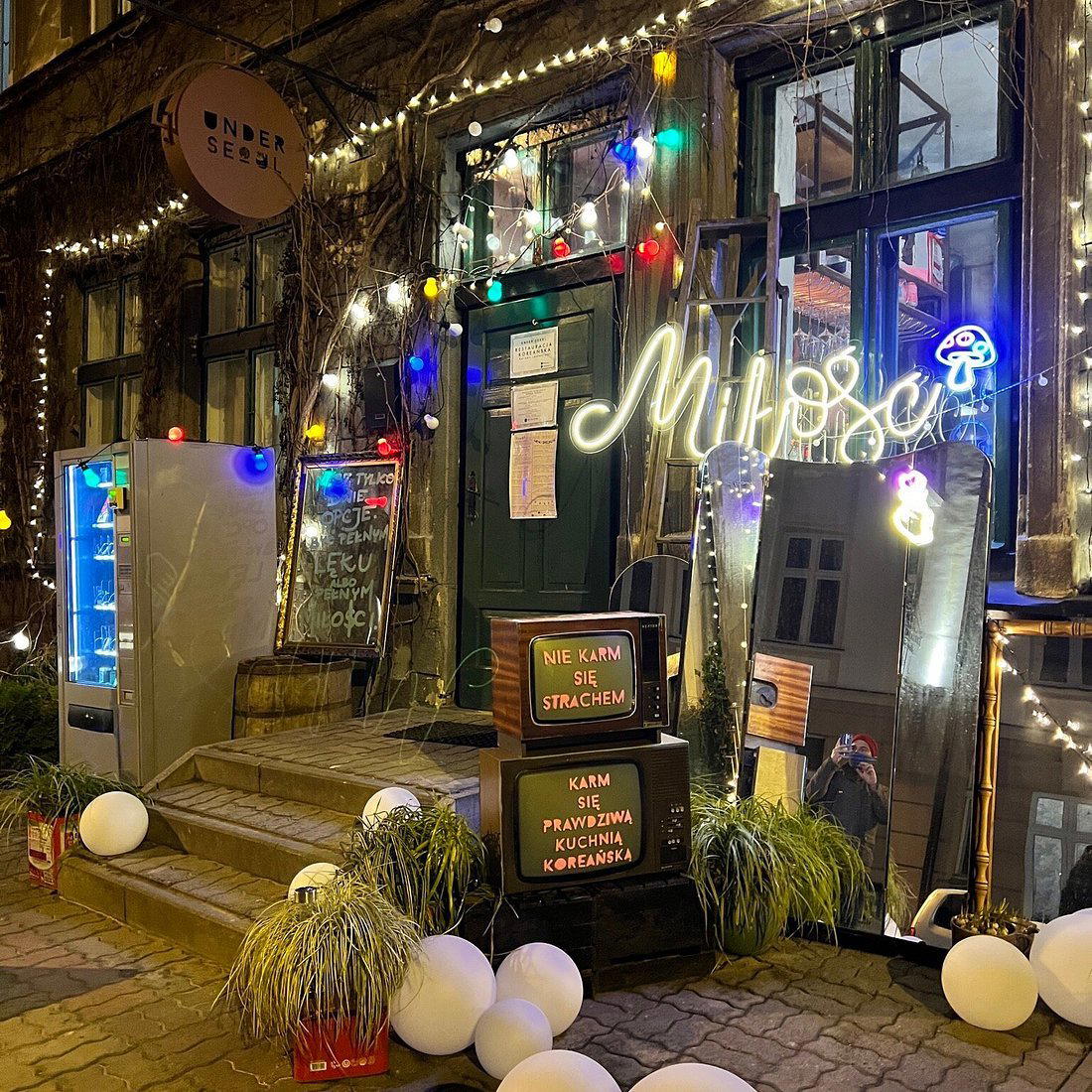
That distinction matters for how you read Braseria Pasieka against Rzeszów's other options. The city's dining addresses span pan-Asian formats like Sushi House 77 and more concept-driven territory at Under SEOUL, as well as Italian-leaning rooms such as Włoska Restauracja Bellanuna. A braseria with a sourcing focus occupies a different lane from all of those: it is the address that argues for the place rather than for a global cuisine category.
Atmosphere and the Courtyard Dynamic
Courtyard dining in Polish cities has an old urban logic behind it. The kamienica courtyard was historically where trades, storage, and domestic life happened out of public view. As these spaces have been reclaimed for hospitality, they inherit a quality that purpose-built restaurant rooms often lack: a sense of spatial compression that turns into intimacy at the right scale. The entry through a gate, the narrowing of the approach, and the sudden openness of the yard create a sequence that a street-facing room cannot replicate. Seasonally, the dynamic shifts considerably. In summer, courtyard seating in Central European cities operates almost as outdoor rooms, with the surrounding walls creating a wind buffer and a noise boundary that makes conversation easy. In winter, enclosed interior spaces in these buildings tend to carry the ambient warmth of older construction.
For those mapping a broader Polish dining itinerary, the contrast between Rzeszów's courtyard character and the more theatrically designed settings at places like Muga in Poznań or the mountain-adjacent atmosphere at Giewont in Kościelisko is instructive. Polish dining environments have grown substantially more considered across formats and regions, and the courtyard address in Rzeszów's old town sits within that broader trend.
Planning Your Visit
Braseria Pasieka is found at Księdza Józefa Jałowego 14, accessed through the building's courtyard (look for the podwórze entrance rather than a street-front sign). The address places it within easy walking distance of Rzeszów's central market square, making it a logical dinner stop on any afternoon spent in the historic core. As with most mid-register Polish restaurants in cities of Rzeszów's size, booking ahead for weekend evenings is advisable, particularly in the summer months when courtyard seating fills earlier than interior tables. Phone and online booking details are best confirmed directly with the venue, as operational information changes seasonally. For additional context on Rzeszów's dining options across price points and formats, the EP Club Rzeszów guide covers the full range.
Travellers building a longer Polish itinerary may also find useful reference in the coastal wine-and-dining scene at OK Wine Bar in Wrocław or the seaside setting of Bar Przystań in Sopot, both of which operate in the same register of informed-casual dining that Braseria Pasieka represents in Rzeszów. Further afield, the format discipline at Kaktusy Kato Koncept Kulinarny in Katowice and the culinary focus at La Cucina Ristorante in Gdańsk illustrate how the same mid-tier seriousness is taking root in cities across Poland. For international benchmarks of what fire-led or ingredient-driven cooking looks like at the highest level, Le Bernardin in New York City and Lazy Bear in San Francisco are useful reference points on sourcing philosophy, even if the format and price tier differ significantly. Closer to the Subcarpathian spirit, the mountain-sourced approach at Ariel in Krakow and the regional coastal sensibility at Luneta & Lorneta Bistro Club in Ciekocinko and Nare Sushi in Skórzewo show how Poland's regional dining identities are becoming more differentiated and locally grounded.

At a Glance
- Cozy
- Rustic
- Casual
- Casual Hangout
- Family
- Group Dining
- Date Night
- Courtyard
- Open Kitchen
- Beer Program
- Local Sourcing
- Farm To Table
Current opening hours
- Monday
- Closed
- Tuesday
- Closed
- Wednesday
- 3–10 PM
- Thursday
- 3–10 PM
- Friday
- 3–10 PM
- Saturday
- 1–10 PM
- Sunday
- 1–9 PM
Hours can change for holidays and private events. Last verified .
Warm and welcoming with an enclosed courtyard atmosphere that filters out street traffic, creating an intimate semi-private urban room with a relaxed, easygoing character.
Know Before You Go
- Getting there
- w podwórzu, Księdza Józefa Jałowego 14, 35-010 Rzeszów, Poland