On a quiet residential street in Mokotów, Restauracja Mokolove represents the quieter side of Warsaw's modern dining scene: neighbourhood-rooted rather than centre-stage, and built around a format that rewards return visits over one-off spectacle. The address on Różana places it away from the city's more conspicuous restaurant corridors, making it a useful reference point for how serious cooking is spreading across Warsaw's districts.
Pearl is the En Primeur Club membership app — saves, bookings, and concierge access live there. Same editors, same standards.
- Address
- Różana 14, 02-548 Warszawa, Poland
- Phone
- +48530446677
- Website
- mokolove.pl
- Directions
- Get directions
 Saves & bookings on Pearl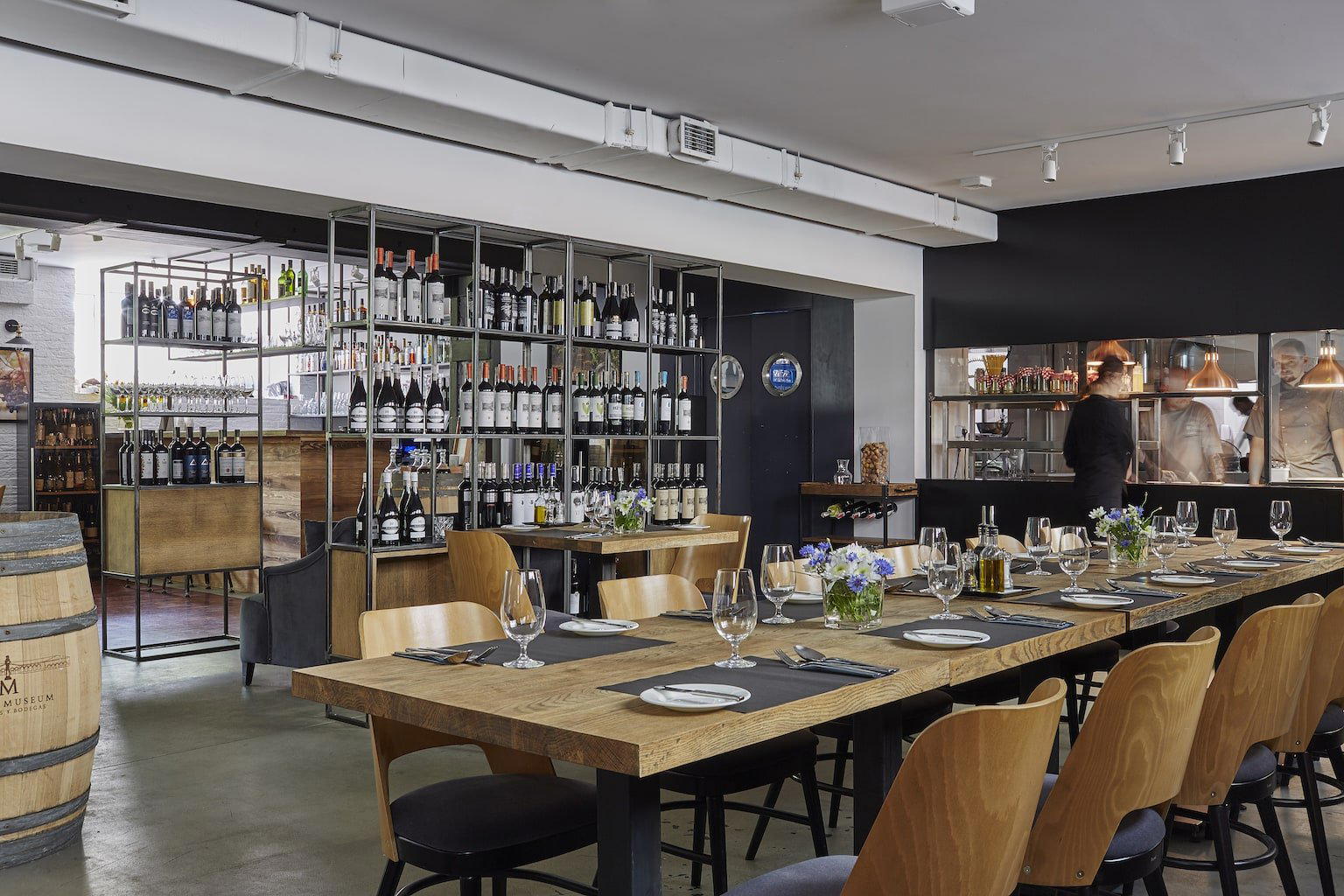
A Street in Mokotów and What It Signals About Warsaw Dining
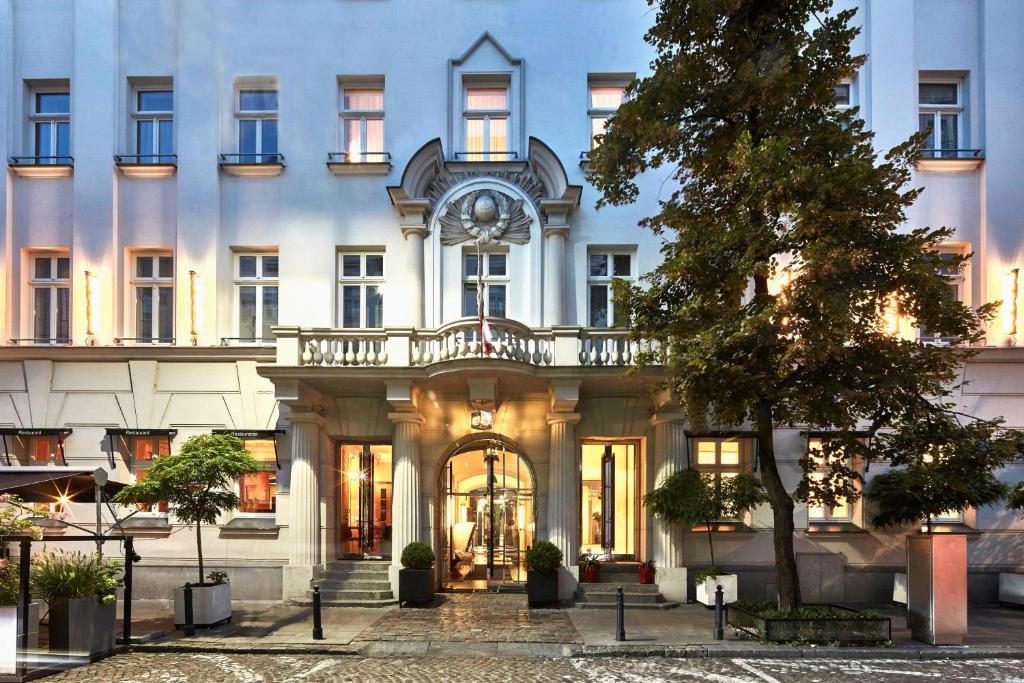
Mokotów has operated differently. The district's dining scene has grown steadily but without the promotional noise of its neighbours, and Restauracja Mokolove, at Różana 14, sits in that quieter tradition. Różana is a residential street, the kind where you notice a restaurant by its warm light through a window rather than a queue outside. That address tells you something about the intended audience before you look at the menu.
This pattern of serious restaurants anchoring themselves in residential Warsaw rather than the city's more trafficked zones is not distinctive to Mokolove. Rozbrat 20, operating in a similar register of modern European cooking at the €€€ tier, has built its reputation on a comparable logic: let the food travel to the diner, not the other way around. Warsaw diners willing to follow that logic tend to be more engaged with what's on the plate, and kitchens that rely on neighbourhood loyalty rather than passing footfall tend to cook accordingly.
Menu Architecture as Editorial Position
The way a restaurant structures its menu is one of the clearest signals of what a kitchen believes about dining. A long à la carte list suggests confidence in individual dishes and an expectation that guests arrive with preferences. A tight tasting menu signals the opposite: trust us, and we will sequence the experience. The middle ground, a short seasonal menu with a handful of choices per course, has become the dominant format among Warsaw's mid-to-upper independent restaurants, and it carries its own logic: enough flexibility to feel like a conversation, enough constraint to hold a culinary point of view.
Warsaw's modern restaurant scene has matured considerably over the past decade, with venues like NUTA and hub.praga operating at the creative end of that spectrum, while alewino anchors the more traditional Polish end with a modern sensibility. Restauracja Mokolove occupies territory that is residential in character and neighbourhood-first in orientation, which typically correlates with menus that prioritise regularity and seasonal adjustment over theatrical setpieces.
What can be observed is the venue's position: a Mokotów address on a residential street implies a format designed for guests who return rather than guests who arrive once for a landmark occasion. That structural bias, toward the repeat diner rather than the first-timer, tends to produce menus that rotate more frequently and plates that reward attention rather than spectacle.
Warsaw's Neighbourhood Restaurant Tier
Poland's capital has developed a recognisable category of restaurant that sits below the headline fine-dining tier but above the casual bistro: well-sourced ingredients, a kitchen with a defined point of view, and a room that reads as considered rather than lavish. Baken operates in this space. So does alewino at the €€ level. These are restaurants where the ceiling on what you spend is set by the menu length rather than an assumption that you want the full tasting sequence.
Internationally, this tier has parallels in the kind of neighbourhood destination that sustains itself on local loyalty. Le Bernardin in New York sits at the opposite end of the formality spectrum, but the underlying logic of a restaurant that earns repeat visits through consistency rather than novelty is the same. Warsaw's residential-district restaurants are increasingly making that case: that proximity to the guest's daily life, combined with genuine kitchen seriousness, is a viable alternative to the destination-dining model.
Across Poland's other cities, this pattern holds. Muga in Poznań and Kwestia Czasu in Białystok both demonstrate that the serious neighbourhood restaurant has taken root well beyond Warsaw, signalling a broader maturation of Polish dining culture rather than a capital-city phenomenon.
The Różana Address: Practical Considerations
Różana 14 in Mokotów is accessible from central Warsaw by tram or a short taxi ride from the Śródmieście hotel corridor. The street itself is quiet enough that arriving by car is direct, though parking in the immediate area follows the standard Warsaw residential pattern: possible, but not guaranteed at peak hours on weekend evenings. For visitors staying in the centre, the journey is not long enough to constitute a commitment, but it is deliberate enough to filter the guest profile toward those who have sought the venue out rather than stumbled across it.
Booking is recommended, and regular opening hours are Mon through Sat from 12 to 10 PM, with Sunday service from 12 to 9 PM. Reservations are recommended, especially on weekend evenings.
Warsaw in Polish Restaurant Context
For visitors moving between Polish cities, Warsaw's neighbourhood dining tier sits at the more cosmopolitan end of the national spectrum. Bottiglieria 1881 in Kraków and Arco by Paco Pérez in Gdańsk represent the highest-profile fine-dining in their respective cities, with Michelin recognition shaping their competitive positioning. Warsaw has developed a parallel track of non-Michelin restaurants that compete on quality rather than star count, and the Mokotów district contributes to that track. Venues like Górnik in Kraków and Cudne Manowce in Olsztyn show that this neighbourhood-serious model is not confined to the capital, but Warsaw's density of options means the competition within that tier is sharper here than anywhere else in Poland.
A Minimal comparable set
Comparable venues nearby, for context on price, style, and recognition.
| Venue | Cuisine | Price | Notes |
|---|---|---|---|
| Restauracja MokoloveThis venue — the venue you are viewing | Mokotow, Polish & International | $$$ | Not listed |
| Meza | Mirow, Modern Polish and European | $$$ | Not listed |
| Szóstka | Srodmiescie, Modern Seafood Fusion | $$$ | Not listed |
| San Lorenzo | Not listed | $$$ | Osiedle Za Zelazna Brama, Tuscan Italian Fine Dining |
| Hoża | Ujazdow, Argentine Steakhouse | $$$ | Not listed |
| Trân Trân | Ujazdow, Traditional Vietnamese | $$ | Not listed |

At a Glance
- Cozy
- Modern
- Family
- Casual Hangout
- Garden
- Terrace
- Extensive Wine List
- Local Sourcing
- Garden
Current opening hours
- Monday
- 12–10 PM
- Tuesday
- 12–10 PM
- Wednesday
- 12–10 PM
- Thursday
- 12–10 PM
- Friday
- 12–10 PM
- Saturday
- 12–10 PM
- Sunday
- 12–9 PM
Hours can change for holidays and private events. Last verified .
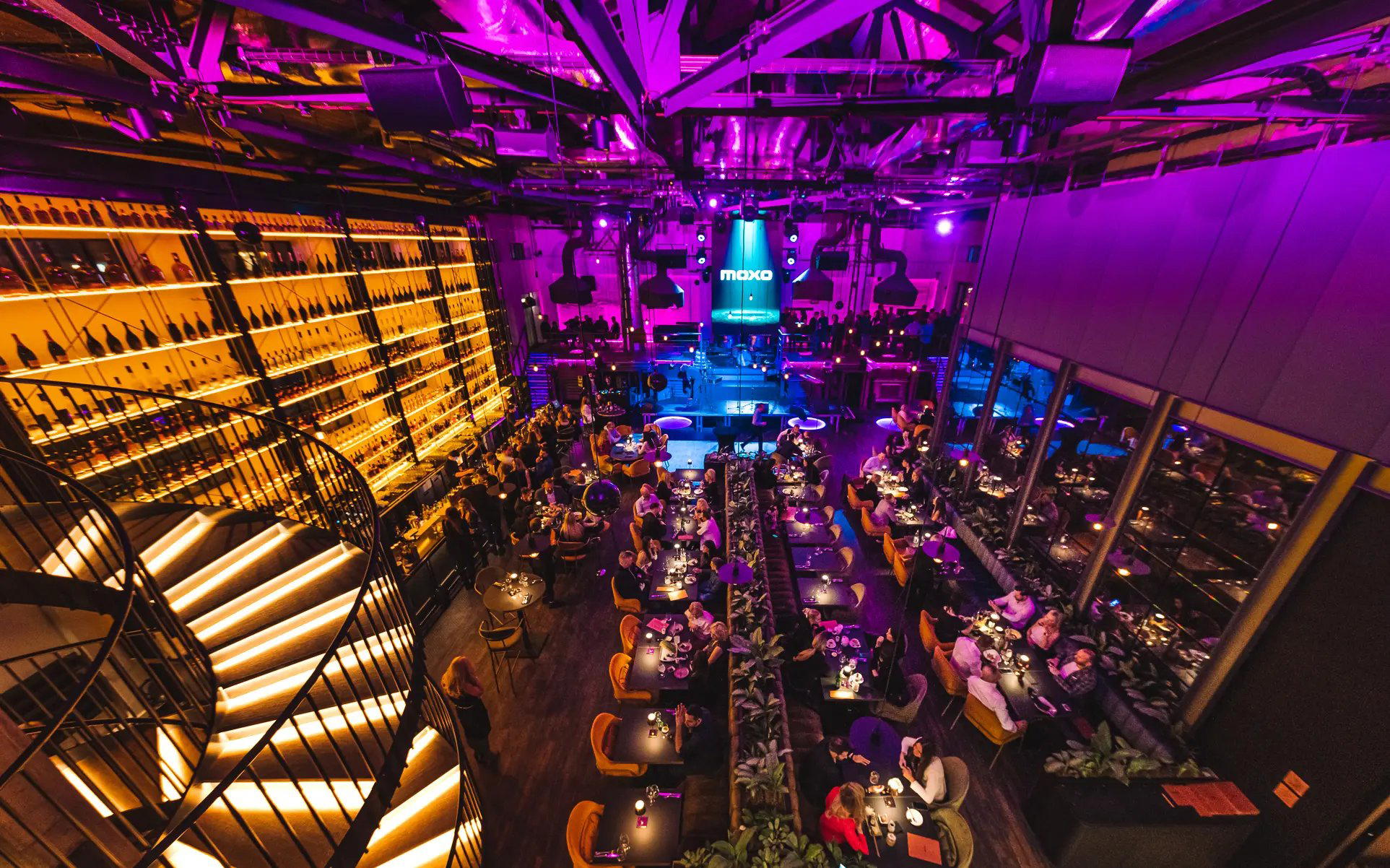
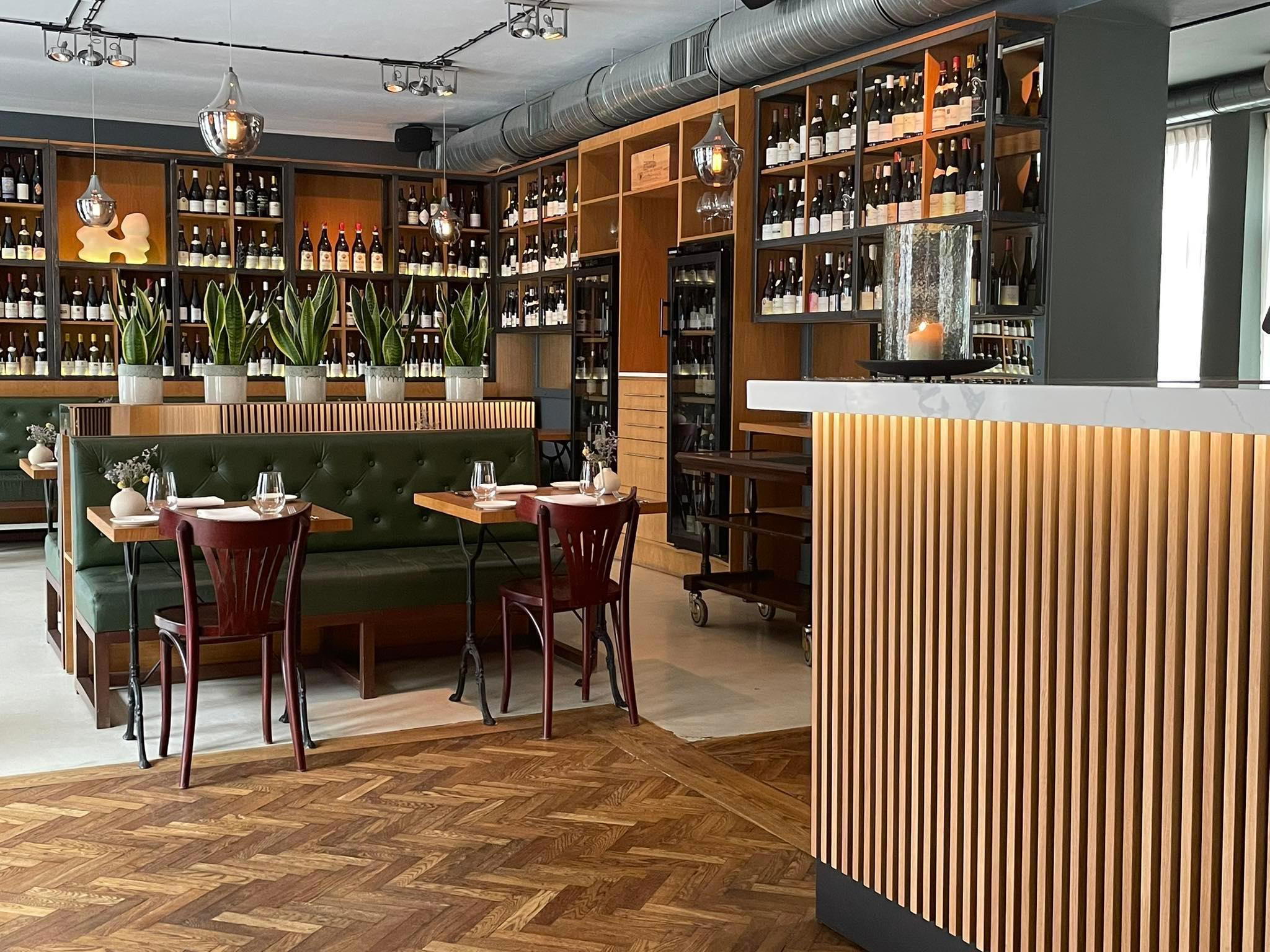
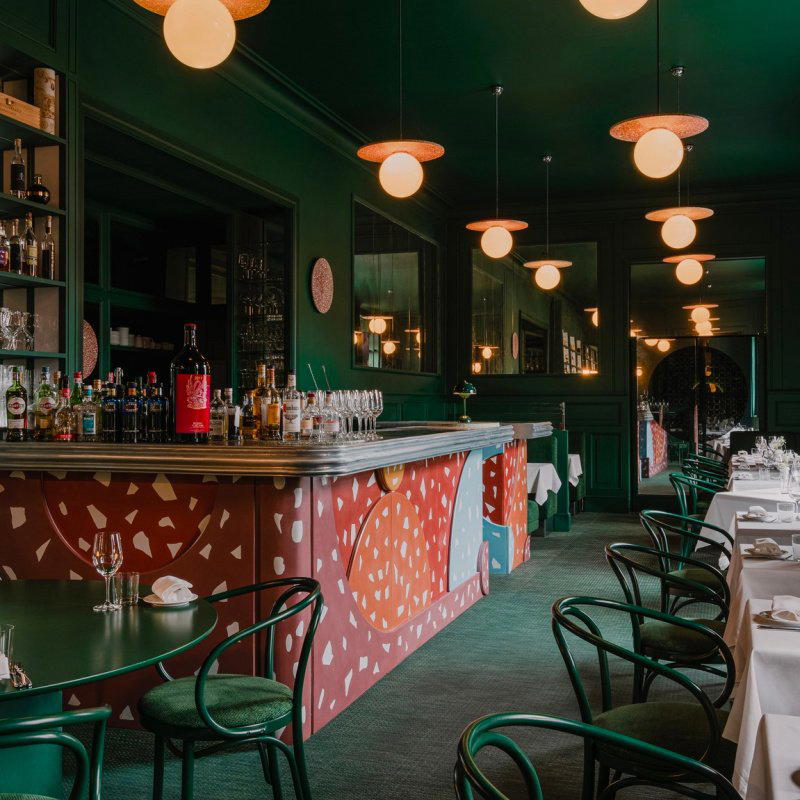
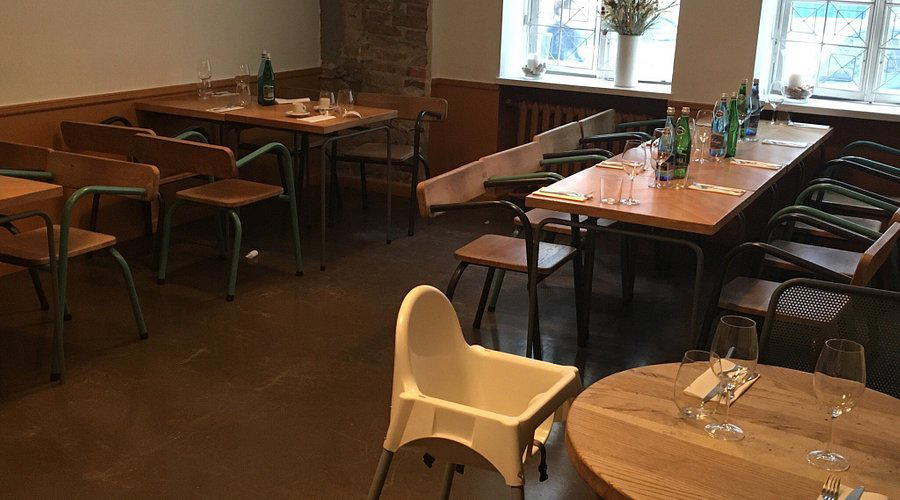
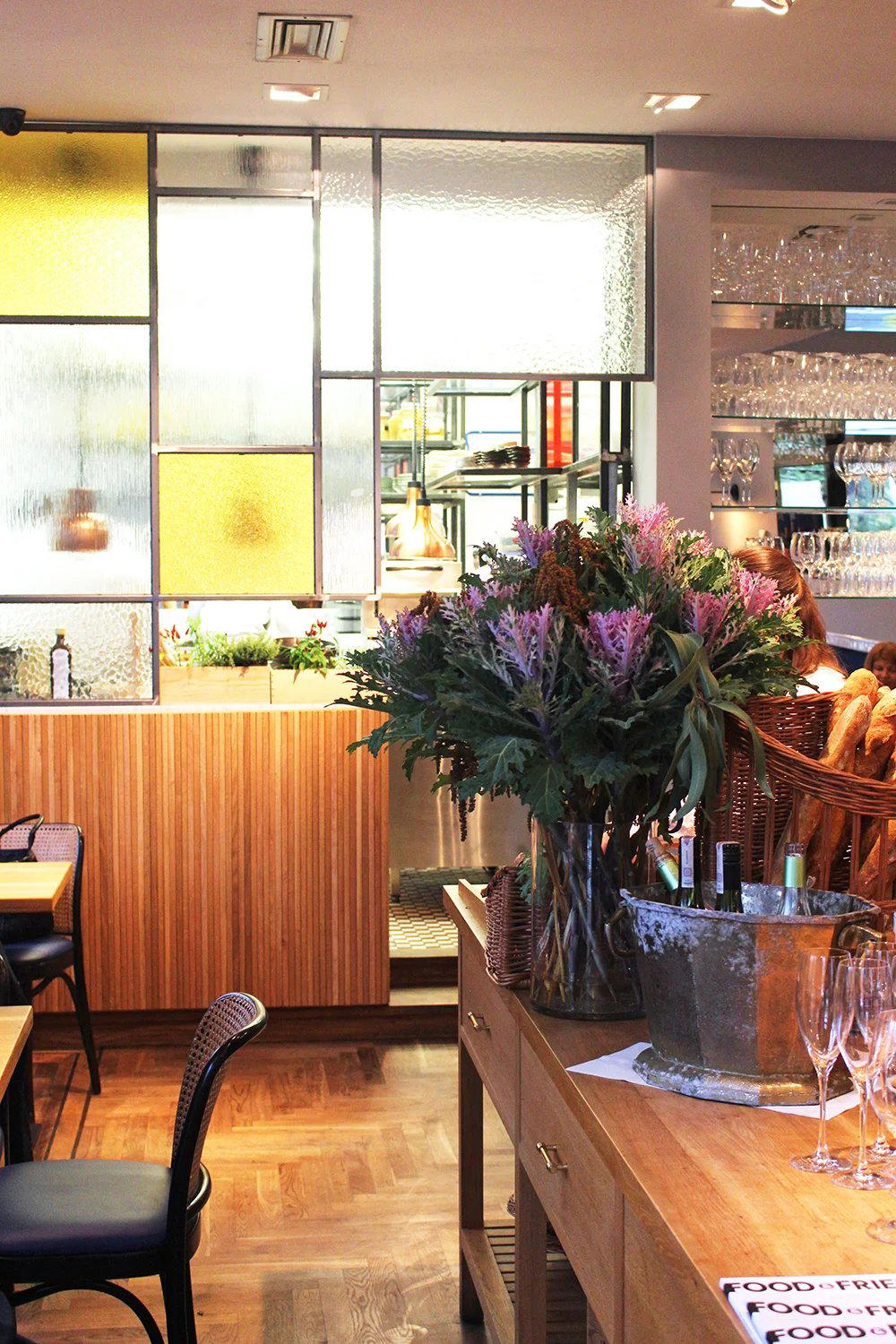
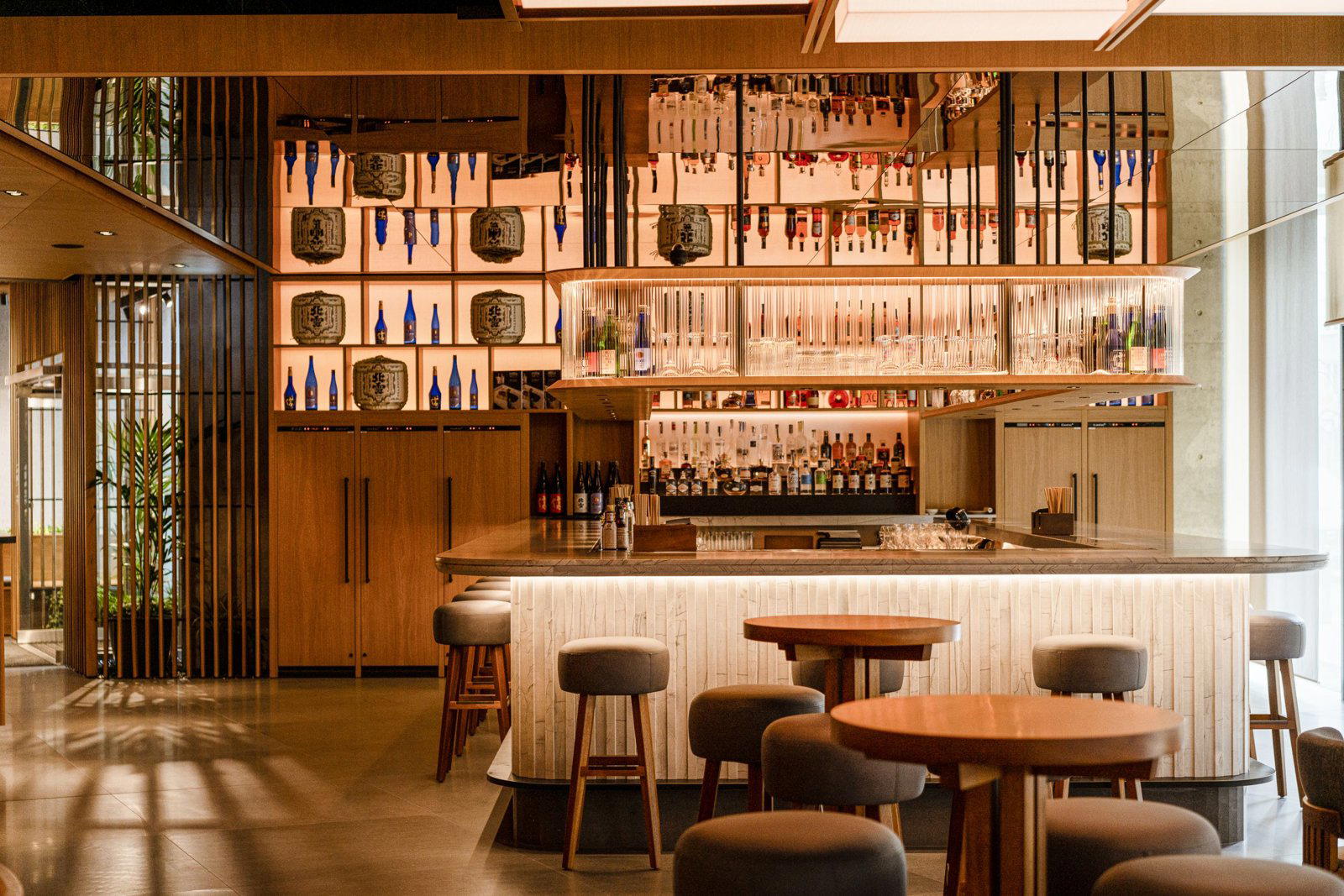
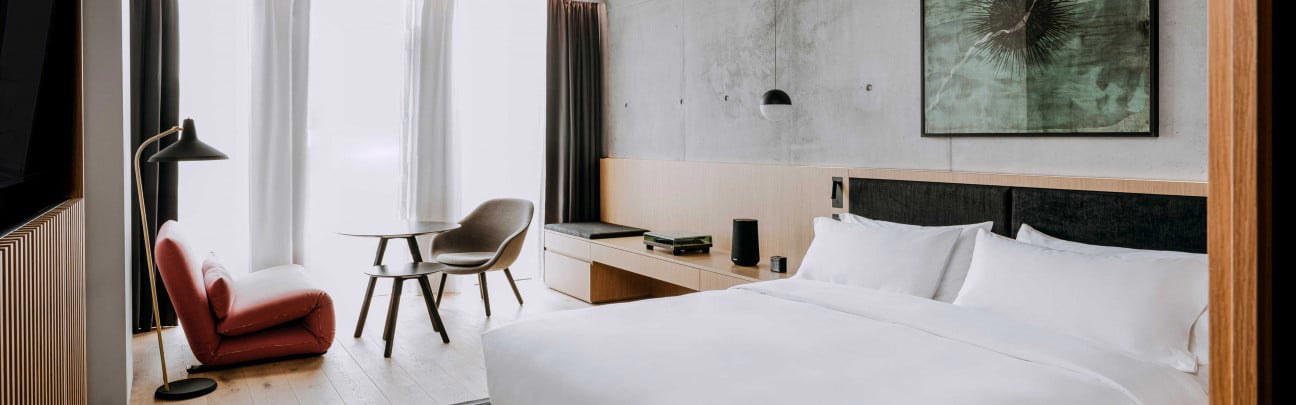
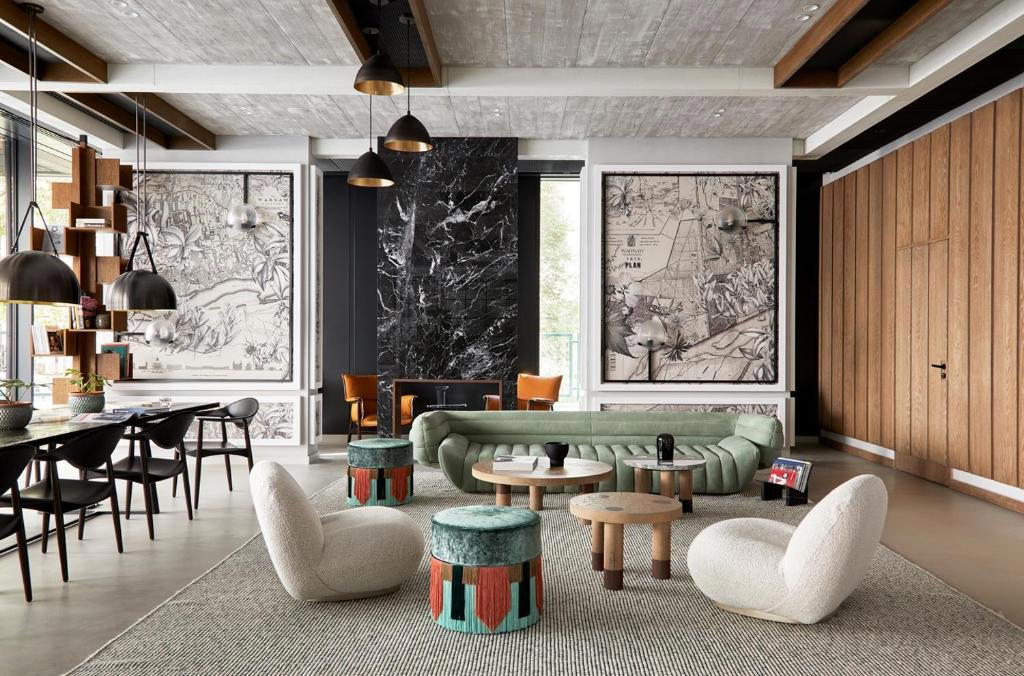
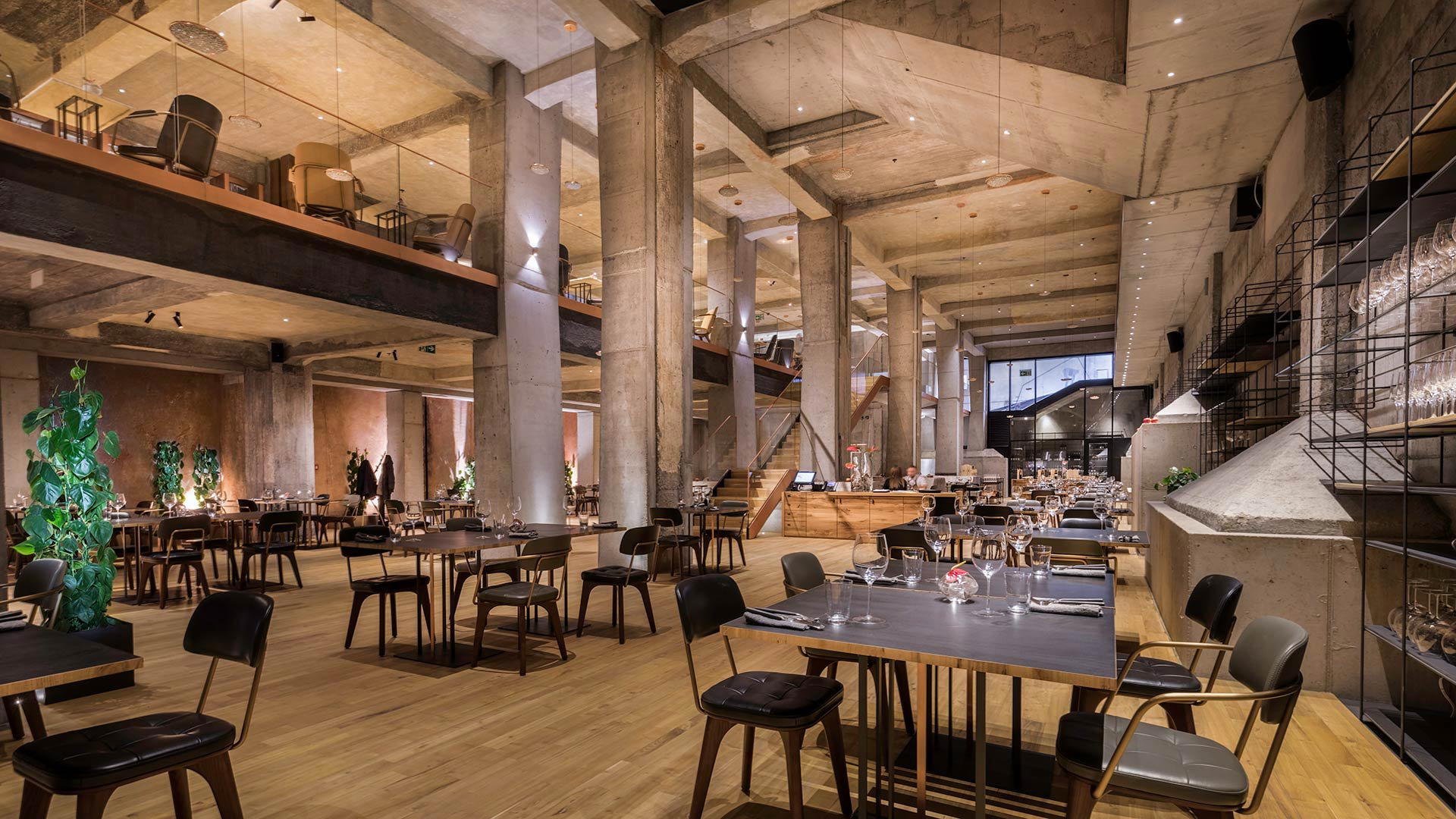
Modern decor with traditional hospitality, cozy rooms, and a welcoming garden atmosphere.