Farina Kijowska sits at Kijowska 7 in Białystok, positioning itself within Poland's growing appetite for Neapolitan pizza done with some degree of authenticity. The name signals intent, napoletano vero, or true Neapolitan, placing it in a category conversation that stretches well beyond northeastern Poland. For Białystok diners seeking Italian beyond the generic, it is a reference point worth knowing.
Pearl is the En Primeur Club membership app — saves, bookings, and concierge access live there. Same editors, same standards.
- Address
- Kijowska 7/Lokal 2, 15-410 Białystok, Poland
- Phone
- +48574700265
- Website
- farina-pizza.pl
- Directions
- Get directions
 Saves & bookings on Pearl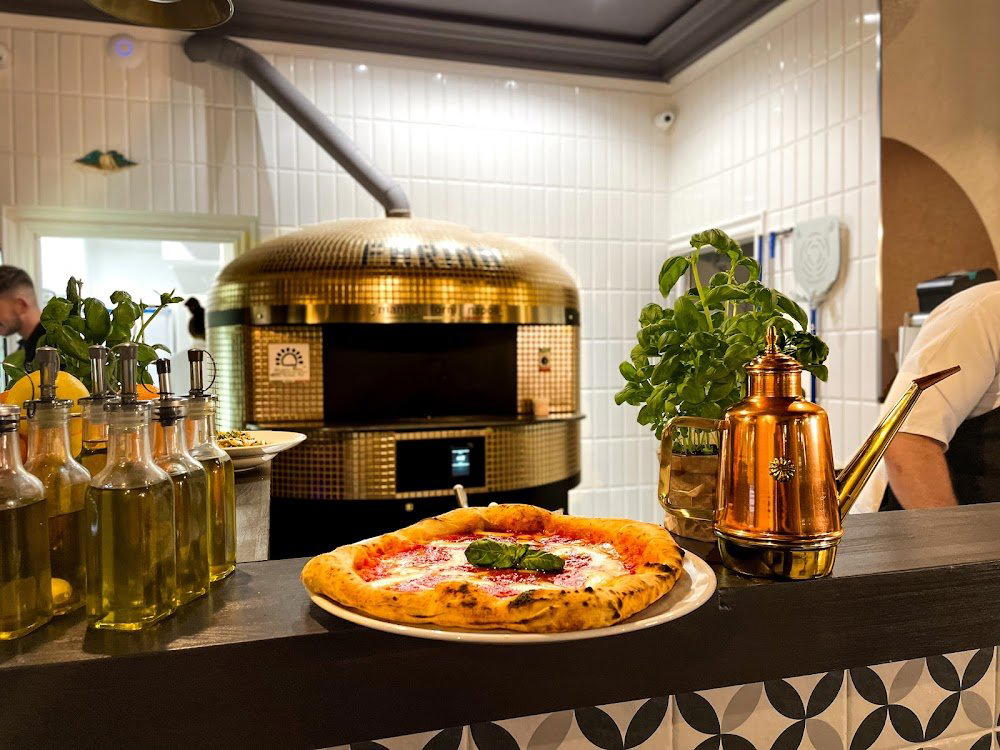
Neapolitan Pizza in Northeastern Poland: What the Category Demands
Across Polish cities, a clear split has emerged in Italian dining: generic trattoria-style venues serving adapted Central European versions of pasta and pizza on one side, and a smaller cohort of operators who have staked a position on sourcing and process fidelity on the other. Białystok, a city less covered in international food media than Warsaw or Kraków, has its own version of this divide. Farina Kijowska, operating from a ground-floor space at Kijowska 7 in the city's central residential belt, plants itself firmly in the second camp. The name says as much, napoletano vero, true Neapolitan, is not a casual qualifier. It is a claim that invites scrutiny and sets a specific benchmark against which the kitchen will be judged.
The category of vera pizza napoletana is among the more regulated informal standards in European food culture. The Associazione Verace Pizza Napoletana, founded in Naples in 1984, maintains protocols covering dough hydration, fermentation time, flour specification, tomato origin (San Marzano DOP, grown in the volcanic soil of the Agro Sarnese-Nocerino zone), and wood-fired oven temperature. Whether any given venue has formal certification matters less than whether the outcomes reflect that discipline. The relevant signals are in the crust, leopard-spotted charring from a 450°C-plus bake, a soft and slightly wet centre, a cornicione that has puff without being hollow. These are not aesthetic choices. They are the result of specific flour protein levels, water content, and fermentation length that cannot be shortcut.
The Ingredient Argument: Why Sourcing Is the Whole Point
For Neapolitan pizza specifically, sourcing is not a marketing layer, it is the structural argument. The flavour profile of a Margherita made with San Marzano tomatoes is categorically different from one using standard Polish canned tomatoes: lower acidity, more sweetness, greater depth from the mineral-rich Campanian soil. Fior di latte from Campania behaves differently under oven heat than northern European fresh mozzarella, melting into irregular pools rather than a uniform sheet. These distinctions matter because they determine whether a pizzeria is making Neapolitan pizza or a local approximation of it.
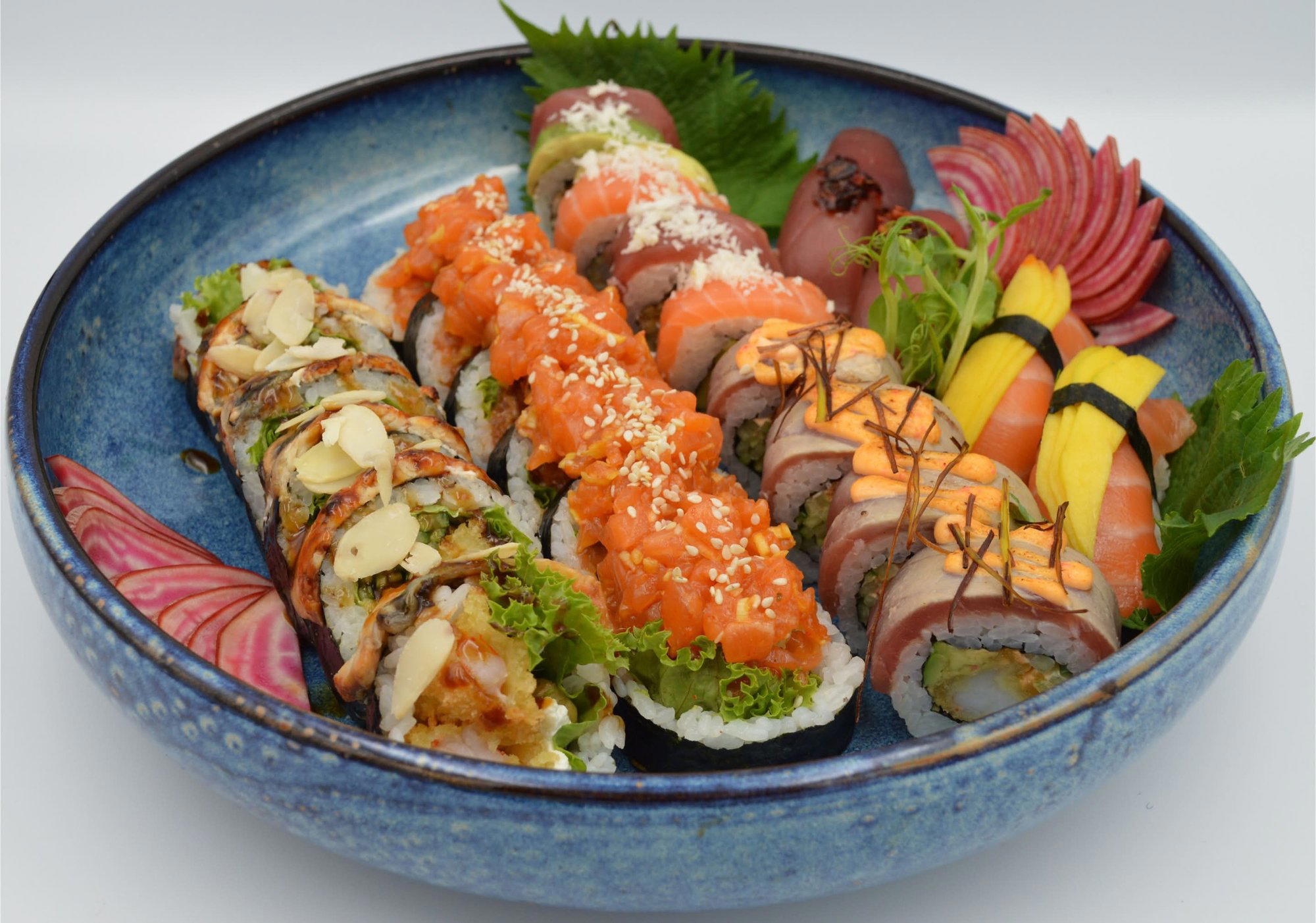
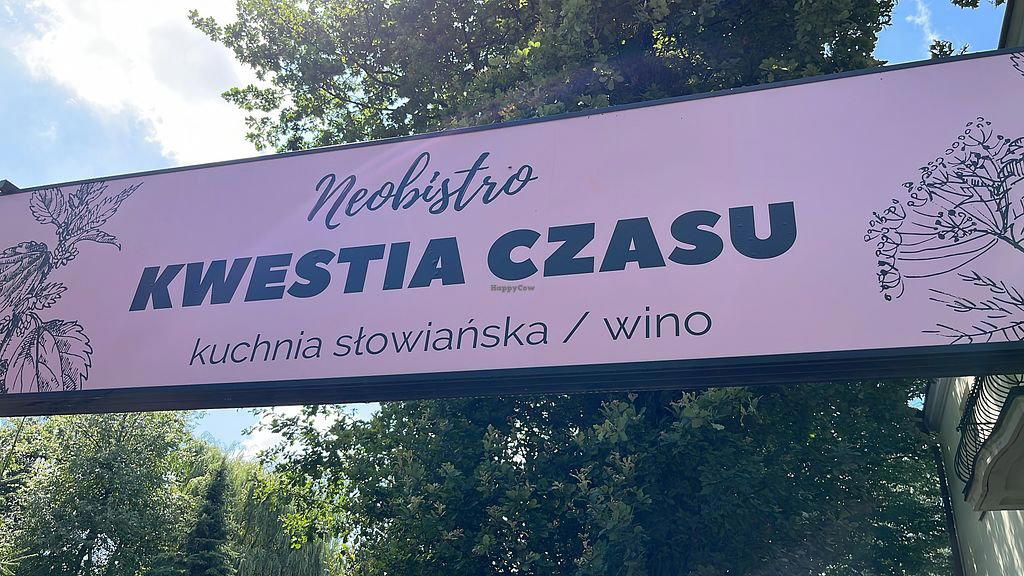
This is the lens through which Farina Kijowska is worth assessing. The venue's self-identification as najlepsza restauracja włoska in its own name is the kind of bold positioning that works only if the sourcing and execution back it up. In a city where Italian dining options range from budget-friendly PizzaProsta to broader-menu options like Kwestia Czasu, a venue that names its own superiority in its title is making a statement about peer positioning. The rest of Białystok's dining scene, which includes Sakura Sushi Białystok and wine-forward venues like Tokaj, demonstrates that the city's appetite for category specialists is real. Farina's claim lands in that context.
Polish Cities and the Italian Dining Benchmark
To understand where Farina Kijowska sits nationally, it helps to look at how Italian dining has developed in larger Polish urban centres. In Kraków, Bottiglieria 1881 represents the fine-dining end of Italian-influenced cuisine, while coastal cities like Gdańsk host venues such as La Cucina Ristorante that compete on a similar authenticity register. In Warsaw, the broader hospitality scene, tracked across venues like hub.praga, shows that Polish diners increasingly expect imported ingredients and technique fidelity, not just Italian names on menus. Poznań's Muga and Gdańsk's Arco by Paco Pérez operate at the higher end of the European dining conversation, demonstrating the range across which Polish restaurant culture now operates.
Within that national frame, Białystok remains underleveraged as a dining destination in international coverage, which makes a venue with a clear ingredient philosophy more significant locally than it might appear on paper. The city does not yet have the density of options found in Gdańsk or Wrocław, where bars like OK Wine Bar anchor entire neighbourhood dining conversations. That relative scarcity means that a venue doing one thing well, and doing it with sourcing honesty, carries more weight in its local market.
Planning a Visit: What to Know Before You Go
Farina Kijowska is located at Kijowska 7, Lokal 2, in the 15-410 postcode zone, a central Białystok address accessible on foot from most of the city's hotel stock. Current hours are Mon: 12–10 PM; Tue: 12–10 PM; Wed: 12–10 PM; Thu: 12–10 PM; Fri: 12–11 PM; Sat: 12–11 PM; Sun: 12–9 PM, pricing is about $20 per person, and reservations are recommended. The address puts it within reasonable distance of Białystok's main train station, making it accessible for day visitors arriving from Warsaw, a journey of roughly two and a half hours on faster rail services.
For broader context on how Farina Kijowska fits into the wider regional dining picture, venues like Giewont in Kościelisko, Bar Przystań in Sopot, and Luneta & Lorneta Bistro Club in Ciekocinko illustrate the range of specialist dining that has emerged across Poland's smaller cities and resort towns. At the international level, venues like Le Bernardin in New York City and Lazy Bear in San Francisco set a useful frame for understanding what any venue claiming category purity is aspiring toward.
Quick Comparison
Comparable venues nearby, for context on price, style, and recognition.
| Venue | Cuisine | Price | Notes |
|---|---|---|---|
| Farina Kijowska Napoletano Vero Pizza Białystok Najlepsza Restauracja WłoskaThis venue — the venue you are viewing | Authentic Neapolitan Pizza | $$ | Not listed |
| PizzaProsta | Simple Pizza | $$ | Centrum |
| Sakura Sushi Białystok | Japanese Sushi | $$ | Czarna |
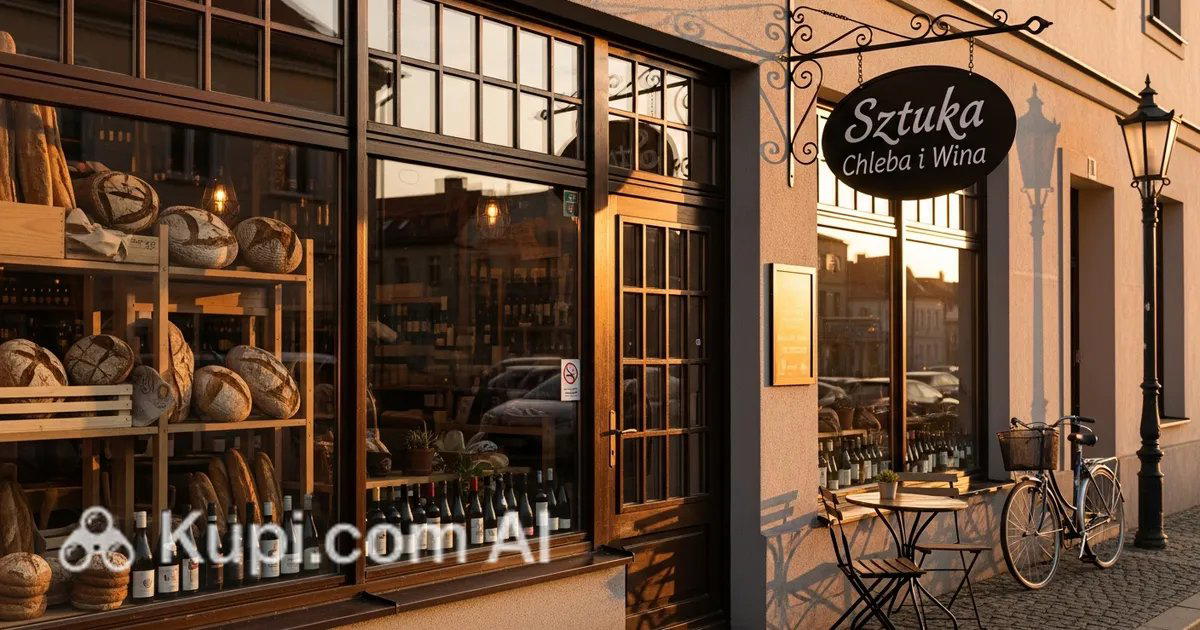
| Sztuka Chleba i Wina | Artisanal Bakery & Wine Bar | $$ | City Center (Krakowska Street) |
| Kwestia Czasu | Modern Seasonal Polish | $$ | Białystok |
| Tokaj | European | $$ | Bialystok center |
Continue exploring
More in Białystok
At a Glance
- Cozy
- Rustic
- Family
- Date Night
- Casual Hangout
- Open Kitchen
Current opening hours
- Monday
- 12–10 PM
- Tuesday
- 12–10 PM
- Wednesday
- 12–10 PM
- Thursday
- 12–10 PM
- Friday
- 12–11 PM
- Saturday
- 12–11 PM
- Sunday
- 12–9 PM
Hours can change for holidays and private events. Last verified .
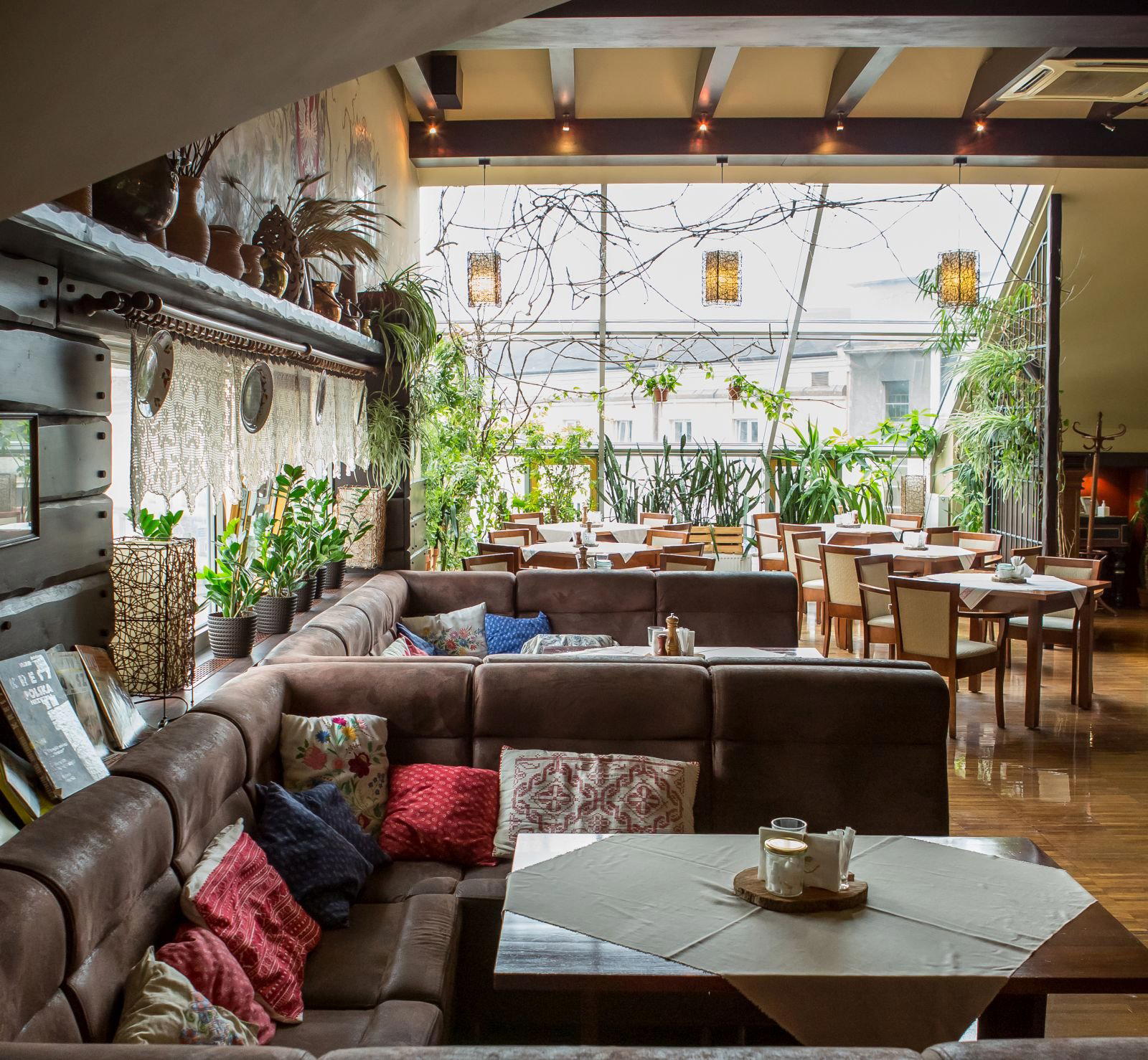
Cozy and tastefully decorated interior with Italian music playing, well-suited for family dinners or romantic evenings.