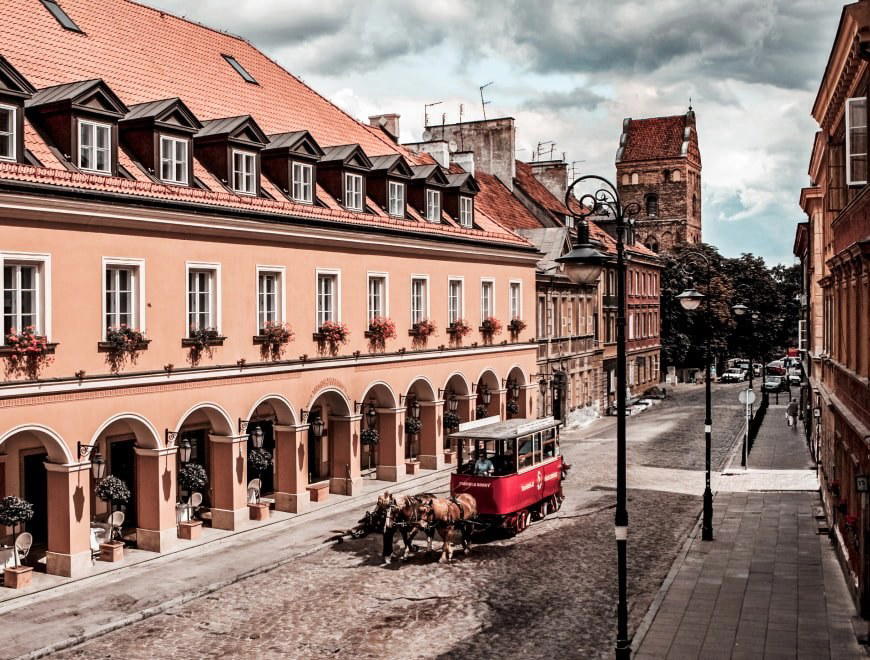
On the Royal Castle side of Warsaw's Old Town Market Square, U Fukiera occupies a restored tenement that has served food and drink since the sixteenth century. The address places it inside one of Europe's most carefully reconstructed historic districts, and the kitchen draws on the canon of Polish court and noble cooking rather than the modernist wave reshaping the rest of Warsaw's restaurant scene. Advance booking is advisable, particularly for weekend evenings.
Pearl is the En Primeur Club membership app — saves, bookings, and concierge access live there. Same editors, same standards.
- Address
- Rynek Starego Miasta 27, 00-272 Warszawa, Poland
- Phone
- +48600999933
- Website
- ufukiera.pl
- Directions
- Get directions
 Saves & bookings on Pearl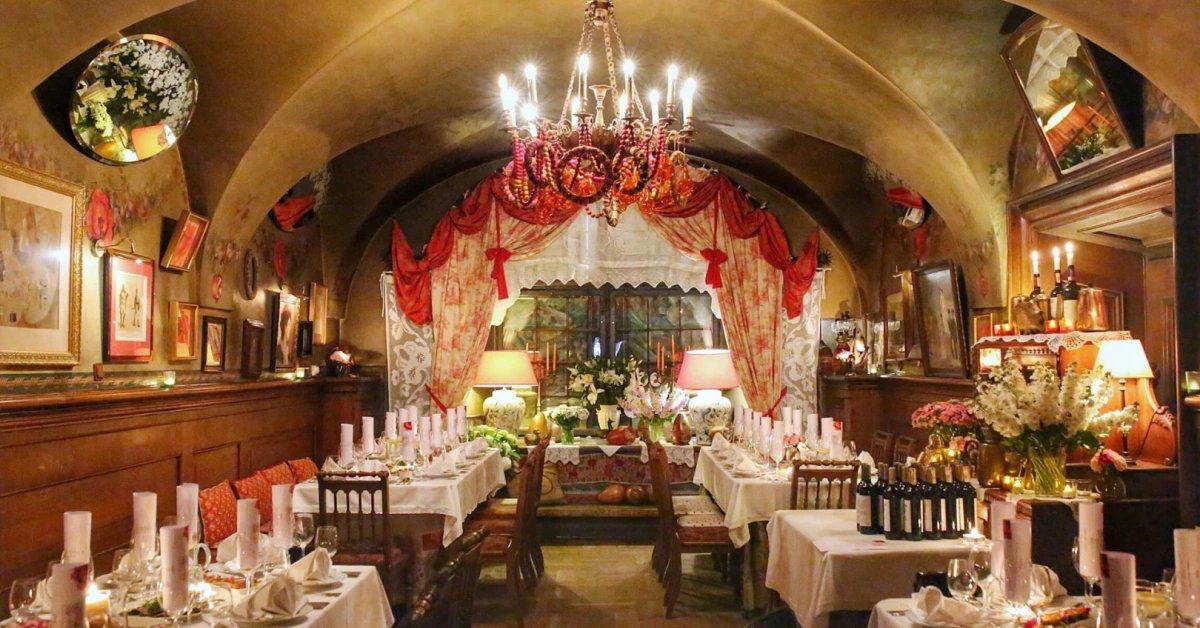
A Square That Survived Everything
Rynek Starego Miasta, Warsaw's Old Town Market Square, is one of the more improbable dining addresses in Central Europe. The square was reduced to rubble during the Second World War and rebuilt stone by stone from historical records, paintings, and collective memory between 1949 and 1953. The reconstruction is so precise that UNESCO granted the entire Old Town World Heritage status in 1980. Dining here is not incidental to the history; the physical act of sitting inside one of these tenements is a direct encounter with how seriously Polish society took the recovery of its own cultural identity. U Fukiera, at number 27 on the square's north-eastern side, has been part of that story for generations.
What Polish Noble Cooking Actually Means
The broader context for understanding U Fukiera's kitchen is the tradition of staropolska kuchnia, Old Polish cuisine, which draws on a centuries-long convergence of Central European, Ottoman, and Lithuanian influences filtered through the tastes of the szlachta, the Polish nobility. This was a cooking culture built on game, river fish, fermented and pickled preparations, grain-based stews, and heavily spiced meat dishes that absorbed flavours from the spice trade routes passing through Kraków and Gdańsk. It is emphatically not the post-war institutional cooking that most international visitors associate with Poland, and it differs substantially from the contemporary modernist wave represented by places like NUTA or the produce-forward approach at Rozbrat 20.
Where restaurants like hub.praga or alewino approach Polish ingredients through a contemporary or natural-wine lens, U Fukiera occupies a different register entirely: it treats the pre-partition culinary canon as something worth preserving and presenting without heavy reinterpretation. That positioning is less common in Warsaw than the modernist alternative, which makes the address a specific kind of counterpoint within the city's dining map rather than a competitor to the newer generation of restaurants.
The Rooms and What They Signal
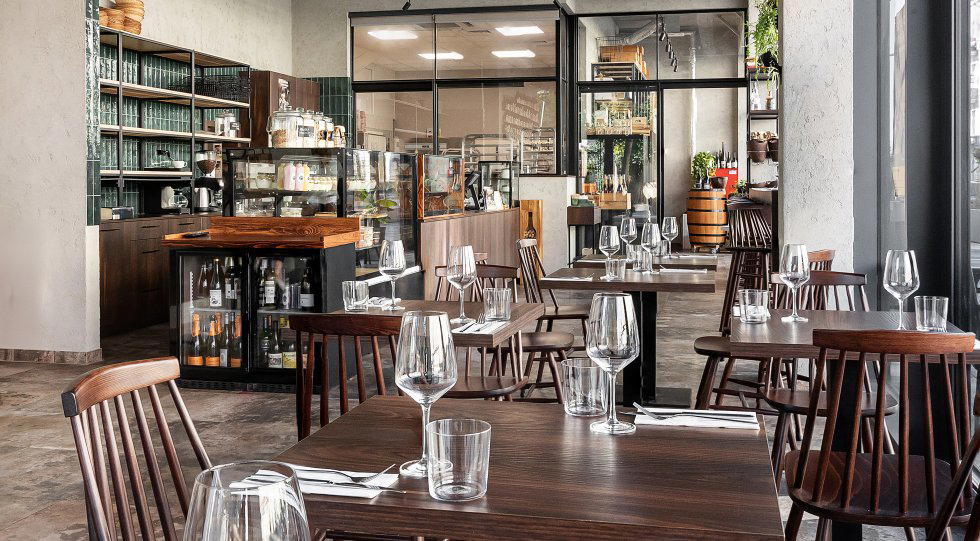
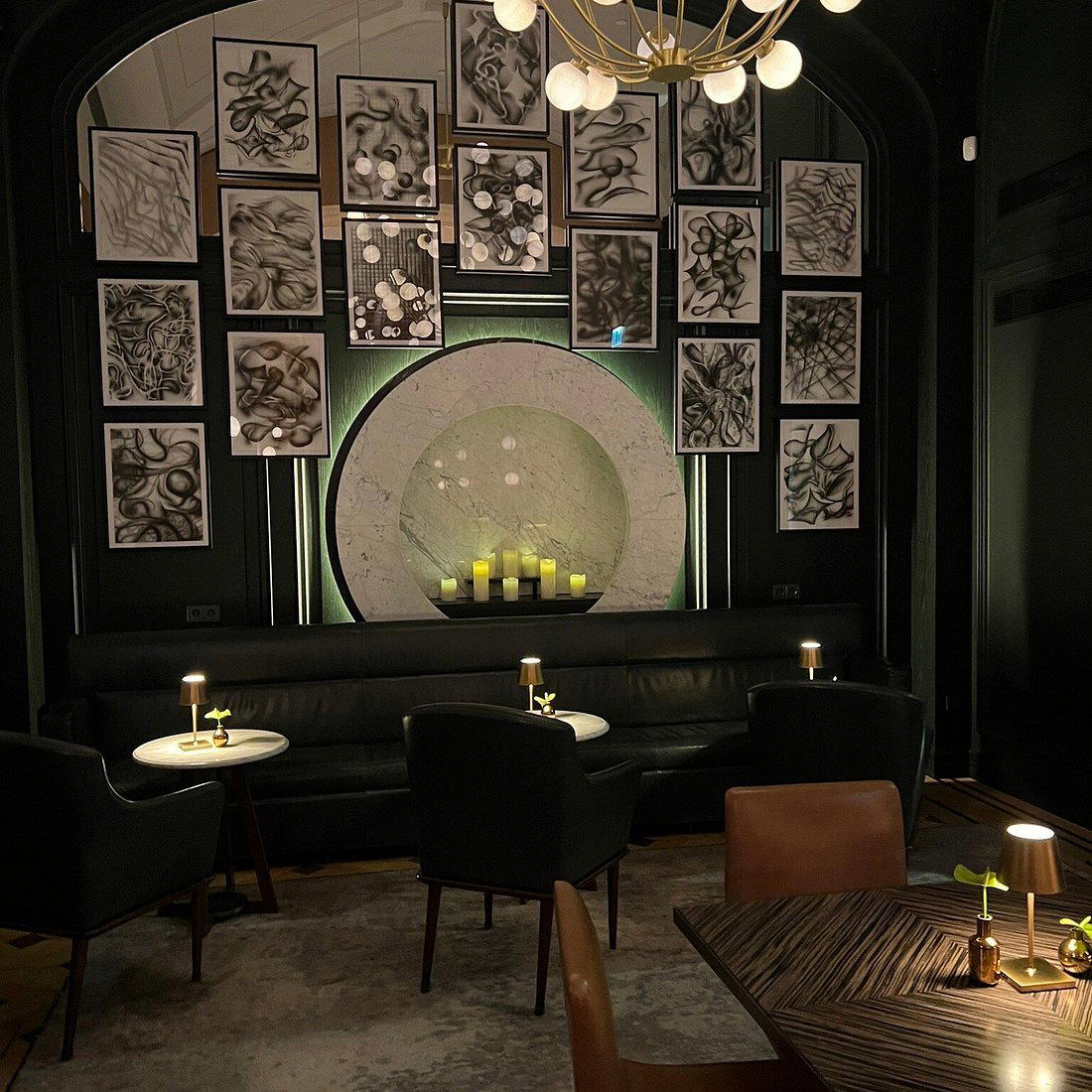
The interiors across U Fukiera's multiple dining rooms are built from the accumulated material of the building's own history: low vaulted ceilings, ceramic stoves, dark wood furnishings, and period objects that sit within the architecture rather than being arranged around it. The effect is less museum and more lived-in estate house, which is precisely the register Old Polish hospitality aimed for. The multiple rooms allow for variation in atmosphere, some more formal, some closer to the courtyard garden in warmer months, and that spatial flexibility is part of what has made the address useful for diplomatic and formal occasions over the decades.
The wine cellar is a significant part of the proposition. Poland's relationship with wine has historically been that of an importer rather than a producer, and the cellars of noble houses were stocked with Hungarian Tokaj, Rhenish wines, and later Bordeaux. The restaurant's wine list engages with that history through depth of selection in a way that a more casual address would not. For comparison, Warsaw's broader contemporary wine culture is well-served by spots like alewino, but the frame of reference there is modern natural wine rather than historic cellar tradition.
Old Town in the Wider Polish Fine Dining Picture
Warsaw's fine dining scene in 2024 is concentrated in a handful of distinct zones: the Old Town for heritage addresses, Śródmieście for hotel and modern European restaurants, and Praga for the newer generation of independent kitchens. The restaurant belongs firmly to the first of those, which means its comparable set is not the modernist restaurants competing for international recognition but rather a small group of addresses, several of which have closed or changed character, committed to Polish culinary heritage as a primary identity.
Across Poland more broadly, the fine dining conversation has shifted toward contemporary Polish cooking. Bottiglieria 1881 in Kraków holds Michelin recognition for its progressive approach, and Arco by Paco Pérez in Gdańsk brings international technique to the northern coast. In the mountain south, Giewont in Kościelisko draws on highland Góral traditions. Muga in Poznań represents the modernist strand in Wielkopolska. Against all of those, the restaurant's historical Polish framing is the minority position nationally, which gives it a specific function for visitors interested in what Polish cooking looked like before the twentieth century rearranged everything.
Who Eats Here and When
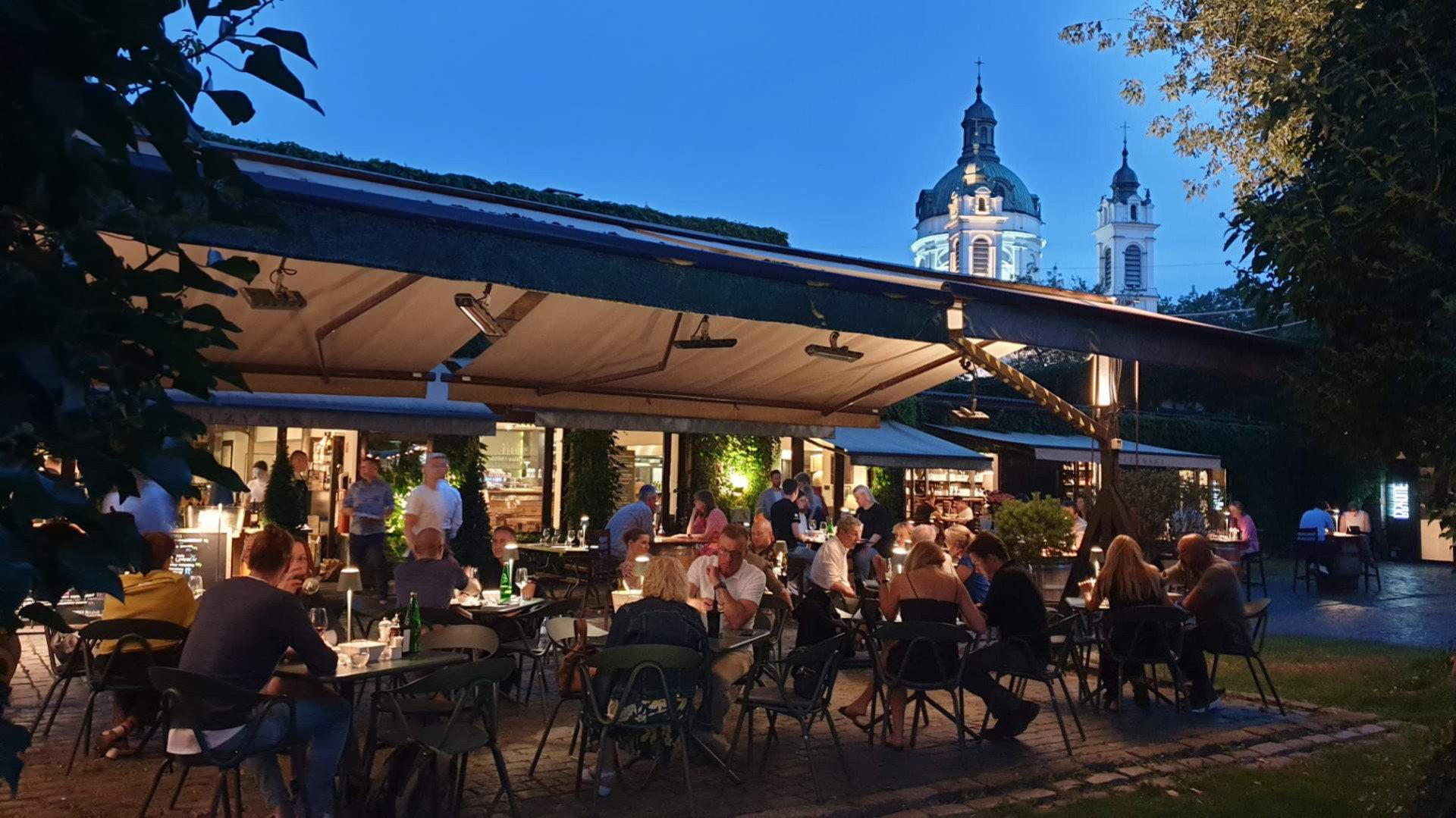
The address draws a mixed clientele: international visitors staying in or near the Old Town, Warsaw residents marking formal occasions, and diplomatic and corporate groups for whom the setting carries the appropriate weight. Weekends are significantly busier than weekdays, and the outdoor courtyard terrace, operative in warmer months, tends to fill first. Booking ahead for Friday and Saturday evenings is the sensible approach; weekday lunches carry more availability but the kitchen maintains the same approach throughout the week.
The price positioning sits at the upper end of Warsaw's restaurant market. For context, Rozbrat 20 occupies the €€€ bracket with a modern European menu, and alewino sits at €€ with a more casual Polish-natural wine approach. Baken offers an alternative entry point for those looking at Warsaw's broader dining range. The restaurant's pricing reflects the heritage address, the wine cellar depth, and the formal service standard rather than a competition with the modernist tier.
Elsewhere in Poland, regional dining has its own character: Kwestia Czasu in Białystok, Cudne Manowce in Olsztyn, Górnik in Krakow, and Włoska Restauracja Bellanuna in Rzeszów each represent a different facet of Polish regional cooking. Further afield, Hashi Sushi in Gdańsk and Hattori Hanzo in Częstochowa demonstrate the reach of international cuisine formats into secondary Polish cities. For reference points in the global fine dining conversation, Le Bernardin in New York City and Atomix in New York City represent how heritage-led and Korean fine dining respectively handle the question of culinary tradition versus modernisation.
Planning Your Visit
The restaurant sits at Rynek Starego Miasta 27 within Warsaw's Old Town zone. The Old Town is most easily reached on foot from the city centre or by tram to Stare Miasto; car access to the square itself is restricted. Reservations are recommended, especially for Friday and Saturday evenings. The dress code is smart casual.
Pricing, Compared
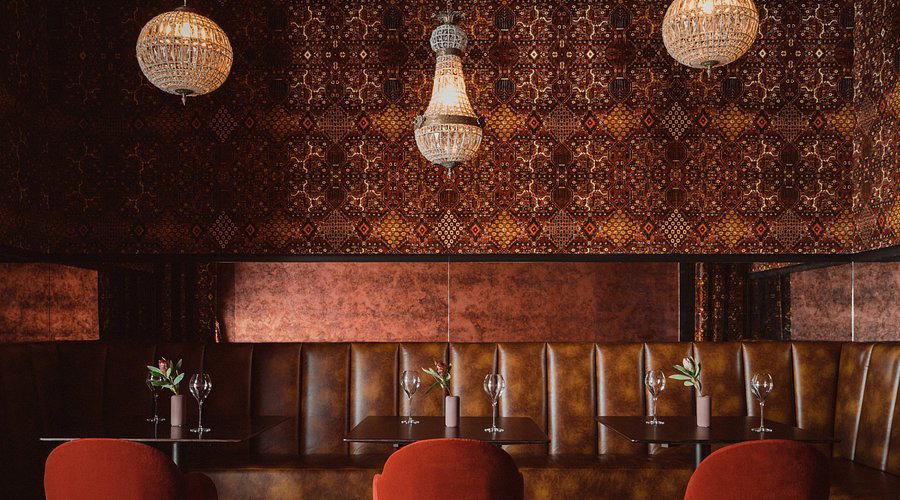
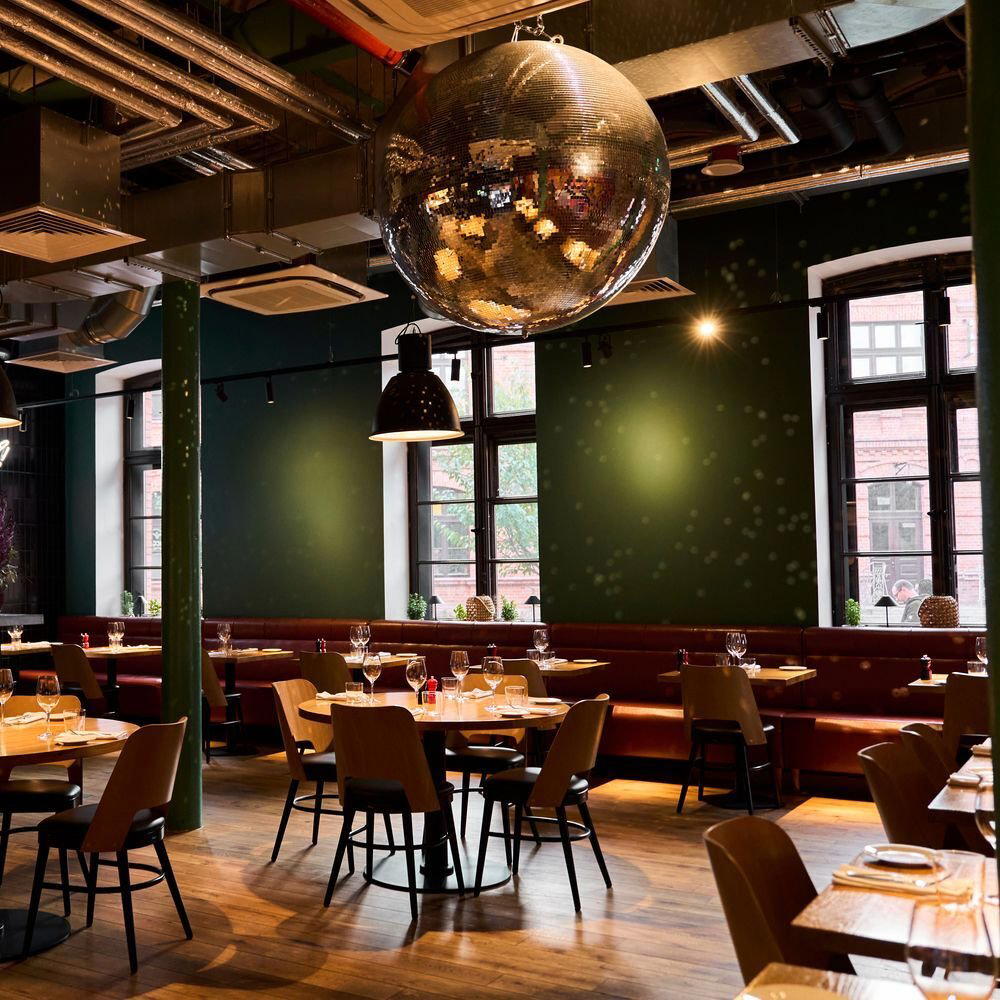
Comparable venues nearby, for context on price, style, and recognition.
| Venue | Cuisine | Price | Awards | Notes |
|---|---|---|---|---|
| U FukieraThis venue — the venue you are viewing | Not listed | $$$ | Not listed | Not listed |
| Latino Brasserie@Ferdy's | Not listed | $$$ | Not listed | Osiedle Za Zelazna Brama, Polish Brasserie |
| inAzia | Not listed | $$$ | Not listed | Ujazdow, Modern Asian Fusion with Omakase |
| Czerwony Wieprz | Not listed | $$ | Not listed | Mirow, Traditional Polish Communist-Era Cuisine |
| Concept 13 | Not listed | $$$ | Not listed | Srodmiescie, Modern International with Polish Accents |
| Europejski Grill | Mariensztat, Modern Polish Grill | $$$ | Michelin Plate | Not listed |
At a Glance
- Classic
- Cozy
- Elegant
- Historic
- Well Known
- Intimate
- Romantic
- Sophisticated
- Date Night
- Special Occasion
- Business Dinner
- Celebration
- Historic Building
- Private Dining
- Extensive Wine List
- Street Scene
Current opening hours
- Monday
- 12–11 PM
- Tuesday
- 12–11 PM
- Wednesday
- 12–11 PM
- Thursday
- 12–11 PM
- Friday
- 12–11:30 PM
- Saturday
- 12–11:30 PM
- Sunday
- 12–11 PM
Hours can change for holidays and private events. Last verified .
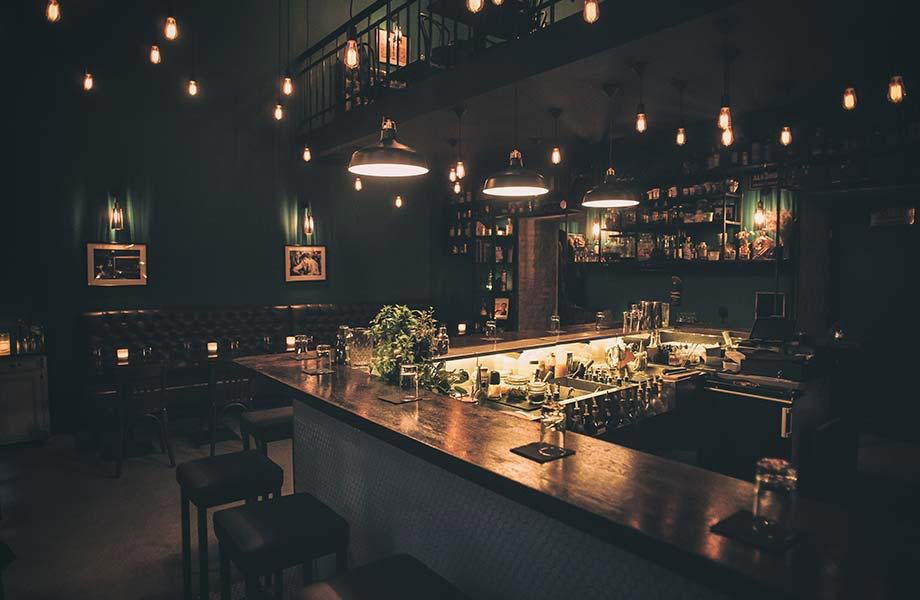
Low lighting with candles, vaulted basement rooms featuring eclectic antiques, art, and a cozy old-world Polish atmosphere.