

Grono Mokotowska occupies just 30 square metres on one of Warsaw's most characterful streets, operating as a wine bar with an orthodox, format-first approach that treats spatial constraint as a design asset rather than a limitation. The compressed interior has been carefully considered, with the compact footprint shaping everything from the selection on offer to the pace at which an evening unfolds. For Warsaw's wine bar circuit, it sits at the more intimate, specialist end of the spectrum.
Pearl is the En Primeur Club membership app — saves, bookings, and concierge access live there. Same editors, same standards.
- Address
- Mokotowska 54, 00-538 Warszawa, Poland
- Phone
- +48 500 310 261
- Website
- facebook.com
- Directions
- Get directions
 Saves & bookings on Pearl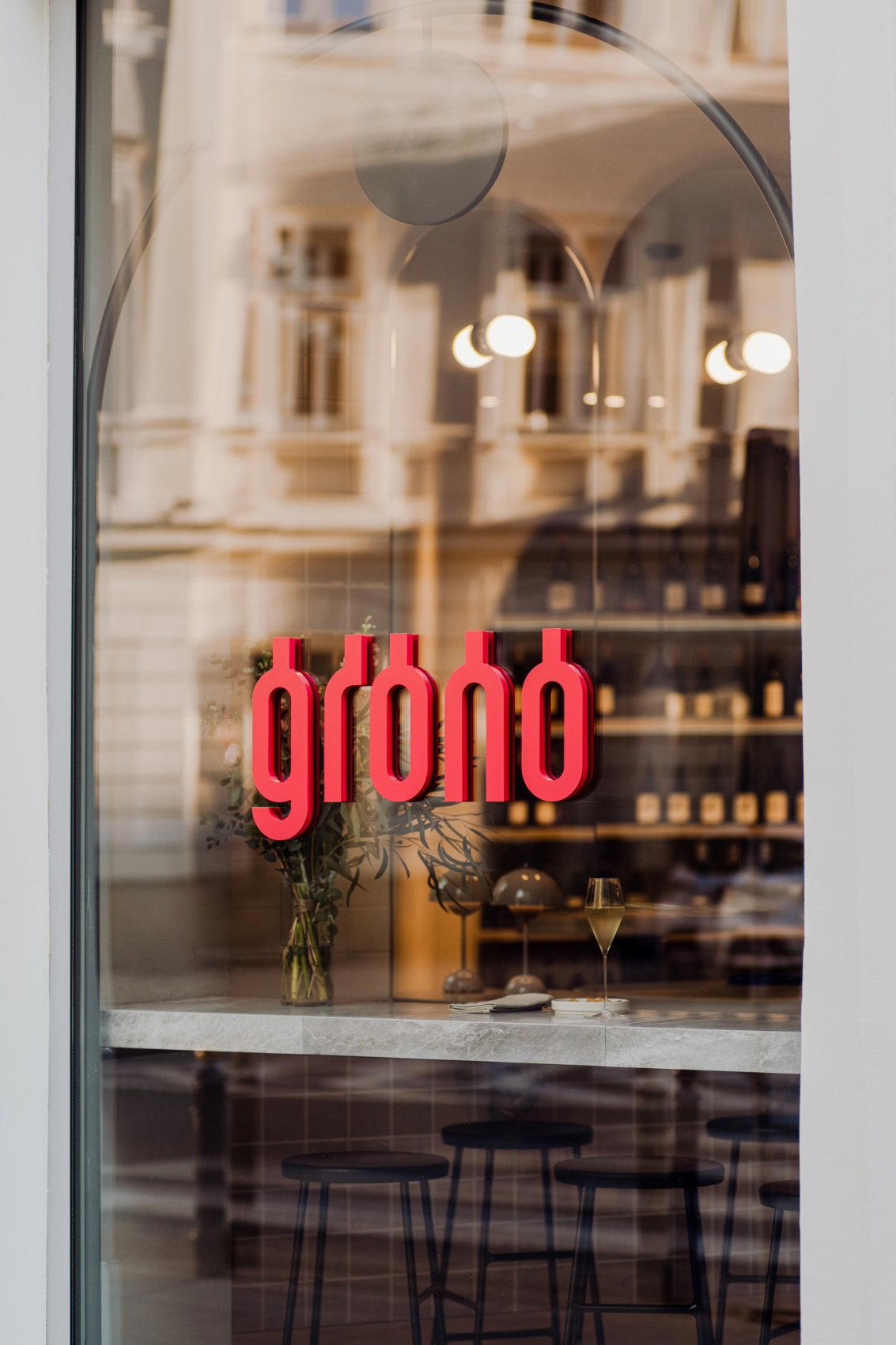
Thirty Square Metres on Mokotowska
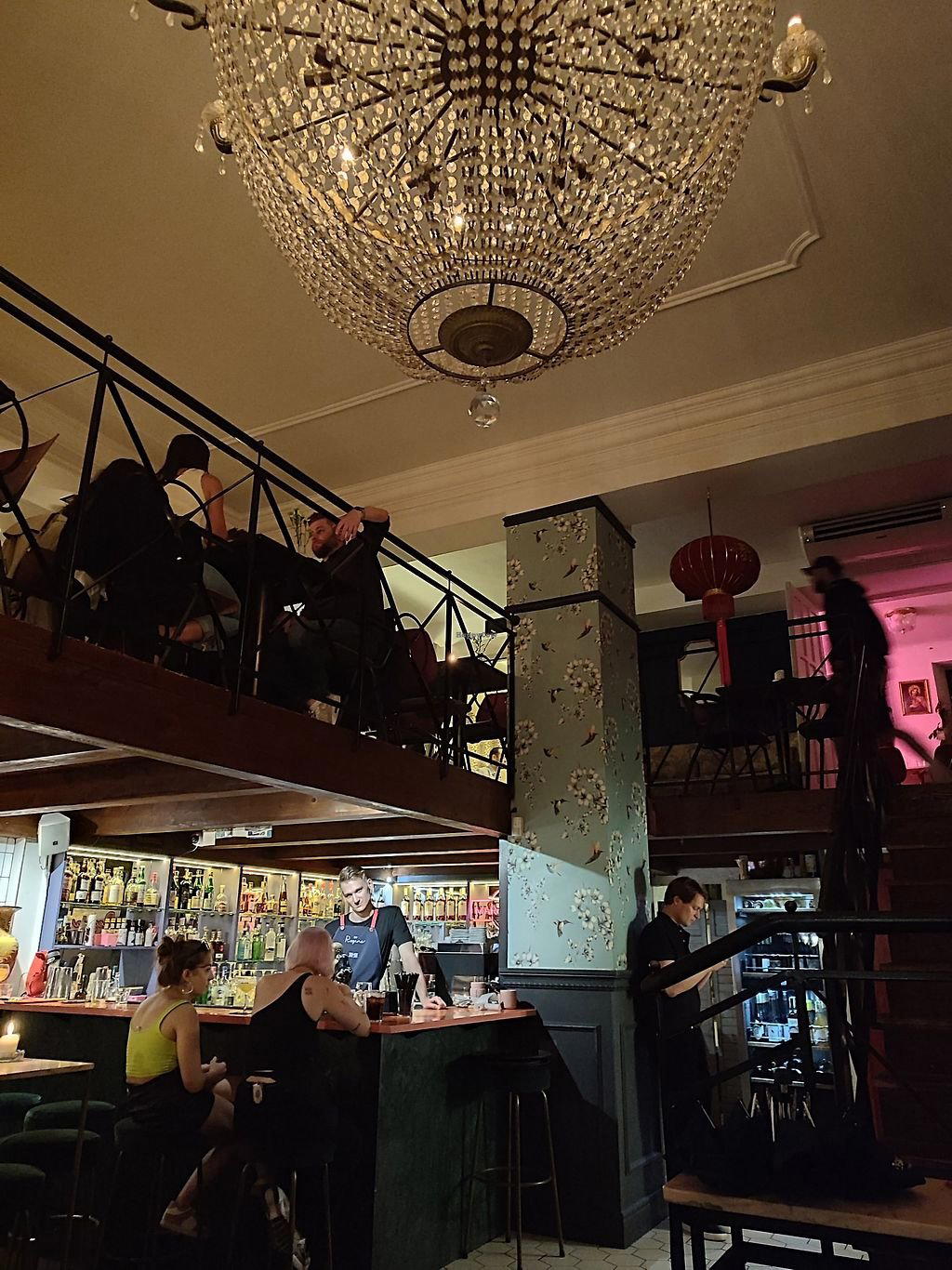
Warsaw's wine bar scene has developed along two broad lines in recent years: larger, lounge-style rooms that double as dinner destinations, and small-format specialists where the space itself sets the terms of the experience. Grono Mokotowska belongs firmly to the second category. The bar operates within 30 square metres on Mokotowska Street in the Śródmieście district, and that constraint is not incidental. It defines the room's atmosphere, the selection's logic, and the kind of evening you can expect to have there.
Mokotowska is one of Warsaw's more considered addresses for independent food and drink. The street runs through a residential-commercial pocket of the city that has attracted small, owner-operated venues over the past decade, the sort of places where the person recommending a bottle is also the person who chose it for the list. Grono fits the character of the street rather than working against it.
Space as Editorial Statement
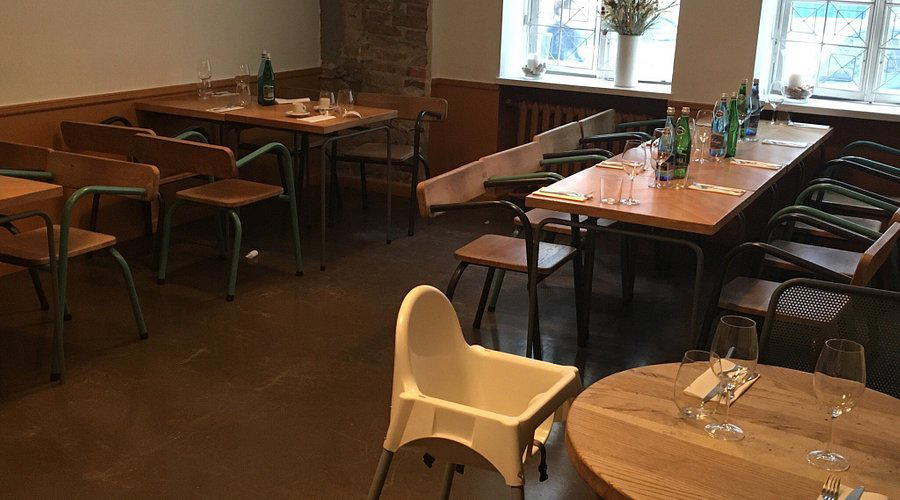
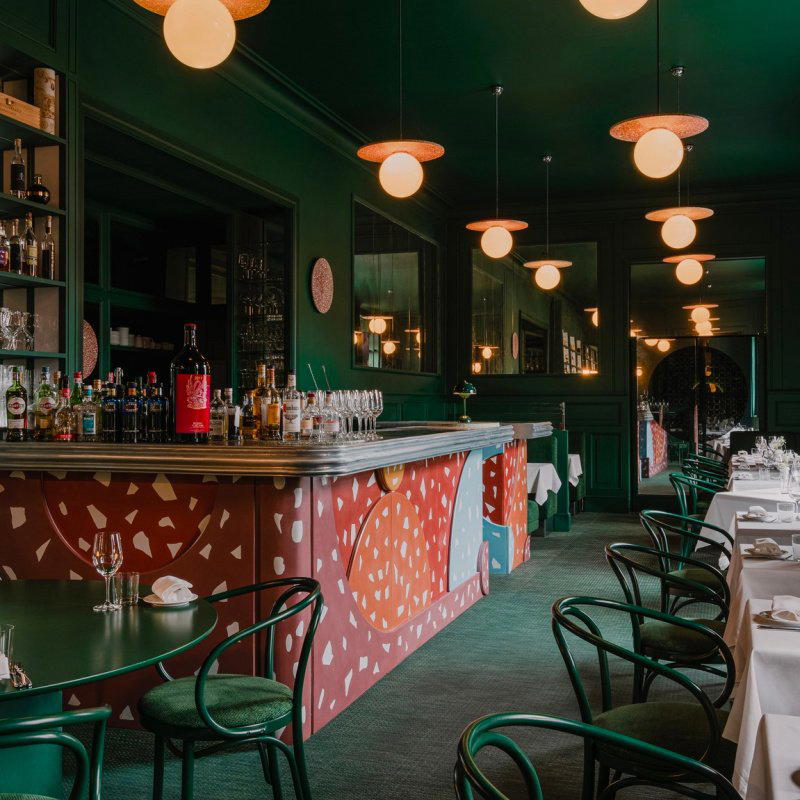
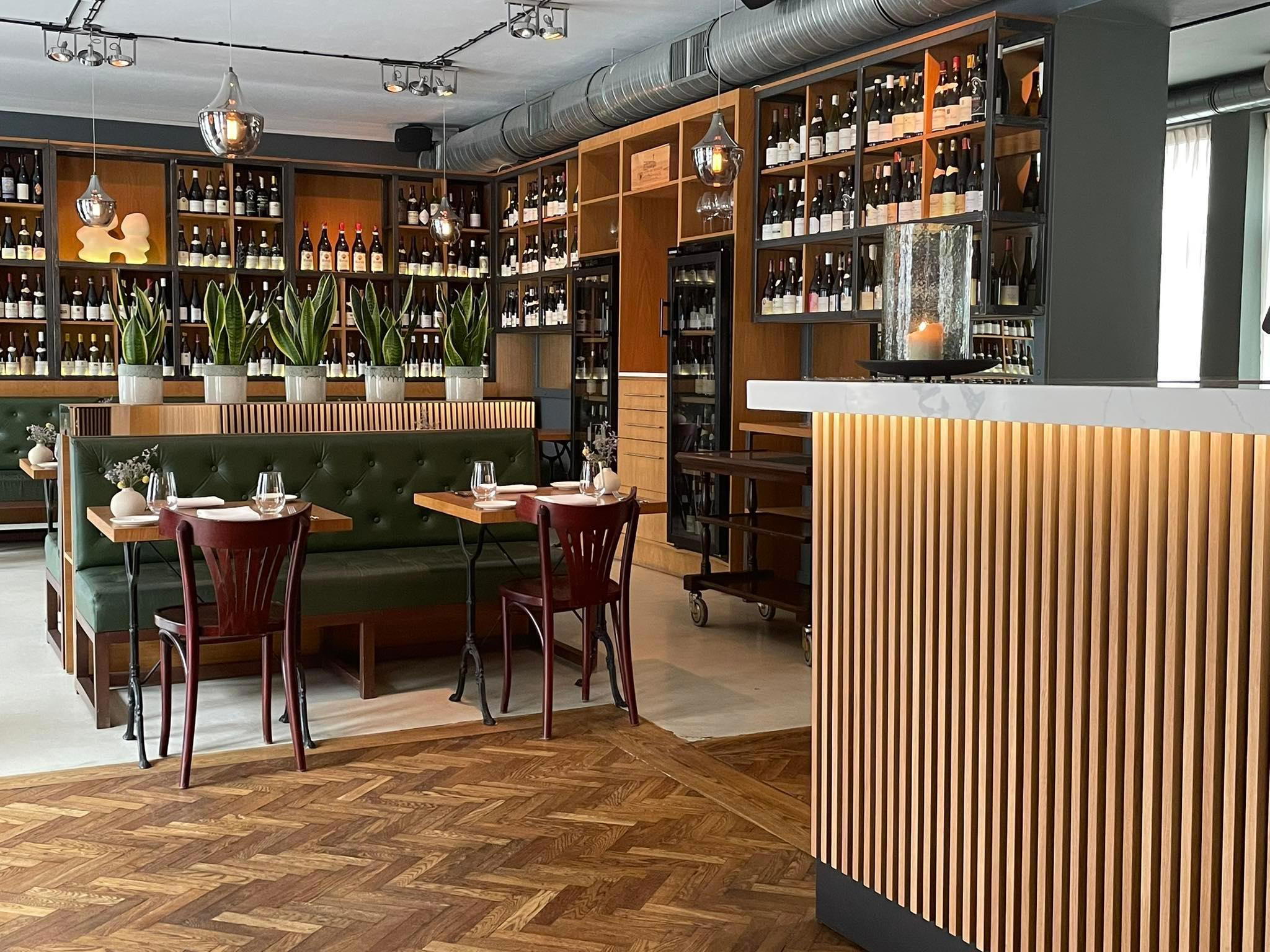
The interior at Grono has been designed with enough care that the limited square footage reads as a deliberate choice rather than a compromise. In small-format wine bars across Europe, particularly considered rooms tend to use constraint to concentrate attention: fewer distractions, closer proximity to whoever is pouring, less ambient noise to talk over. Grono operates on that principle. The 30-square-metre footprint is, by any measure, small.
Small wine bars in Central and Eastern Europe have generally trended toward an informal, counter-led format where the selection does most of the talking. Grono's described approach as orthodox in its operation suggests it holds to that discipline rather than softening into a more casual all-day café format. That distinction matters when choosing between Warsaw's options: this is a place for the wine itself, not a venue that happens to have wine.
The capacity question is worth addressing directly. At 30 square metres, the seated count is limited by definition. For Warsaw bars in this category, that typically means standing room, an outdoor terrace when weather permits, or seating that spills slightly beyond the front door. Planning for a specific group size, or arriving early on a busy evening, is sensible practice.
Where Grono Sits in Warsaw's Wine Bar Circuit
Warsaw has developed a recognisable cluster of serious wine bars over the past five or so years, with venues like Lalou Wine Bar, Blisko Bar, and Mielżyński na Burakowskiej each staking out distinct positions in terms of selection style, format, and price point. Handroll represents yet another corner of the city's drinks scene, one that pairs Japanese-inflected bites with a tight beverage list. The market has matured enough that a drinker returning to Warsaw after a few years would find a meaningfully different and more specialist set of options than before.
Within that peer group, Grono's distinguishing feature is its commitment to a single, small room and an orthodox approach to what a wine bar should be. It does not appear to position itself as a wine shop, a restaurant, or a hybrid format. That focus narrows the audience somewhat, but for the right visitor, it also removes the ambiguity that can make larger, more diverse venues feel diffuse. Elsewhere in Poland, venues like Mielżyński - Wine Spirits Specialties in Poznań, Kogel Mogel in Krakow, and Mercy Brown in Kraków show how the specialist wine and drinks bar format has taken hold across Polish cities, not just the capital. Copernicus Toruń Hotel in Torun and Podkowa Wine Depot in Żółwin point to how far that interest in curated wine experiences extends beyond urban centres.
Internationally, the small-format wine bar template has proven durable in cities as different as New York and Honolulu. Jewel of the South in New Orleans and Bar Leather Apron in Honolulu both demonstrate that a tightly edited, discipline-led drinks venue can hold its own against larger, higher-profile competition. The pattern holds in Warsaw too.
Planning a Visit
Grono is located at Mokotowska 54 in Warsaw's Śródmieście district, a central address that sits within walking distance of several other notable bars and restaurants. The street is navigable on foot from much of the city centre, and the surrounding neighbourhood rewards an evening that begins or ends somewhere nearby.
Because the room is small, one reliable approach is to arrive with some flexibility in your timing. Early evening typically offers a stronger chance of securing a spot before the space fills. The orthodox, specialist format means this is not a venue you drop into for a quick coffee or a full dinner; arriving with wine as the primary intention aligns with what the bar does well.
Category Peers
Comparable venues nearby, for context on price, style, and recognition.
| Venue | Cuisine | Price | Notes |
|---|---|---|---|
| Grono MokotowskaThis venue — the venue you are viewing | wine_bar | $$ | Not listed |
| Rausz | wine_bar | $$ | Ujazdow |
| Blisko Bar | wine_bar | $$ | Nowa Praga |
| Mielżyński na Czerskiej | wine_bar | $$$ | Sielce |
| Łaskawość Tytusa | wine_bar | $$ | Ujazdow |
| Lalou Wine Bar | wine_bar | $$$ | Mirow |
Recognition history
Dated appearances from independent guides and award organizations, with the underlying list record or original source where available.
Falstaff Wine Bar - 83 Falstaff Points
Falstaff
Star Wine List
Star Wine List
At a Glance
- Cozy
- Elegant
- Intimate
- Bohemian
- Date Night
- Casual Hangout
- Design Destination
- Standalone
- Seated Bar
- Lounge Seating
- Conventional Wine
Current opening hours
- Monday
- 12–10 PM
- Tuesday
- 12–10 PM
- Wednesday
- 12–10 PM
- Thursday
- 12–10 PM
- Friday
- 12–11 PM
- Saturday
- 12–11 PM
- Sunday
- Closed
Hours can change for holidays and private events. Last verified .
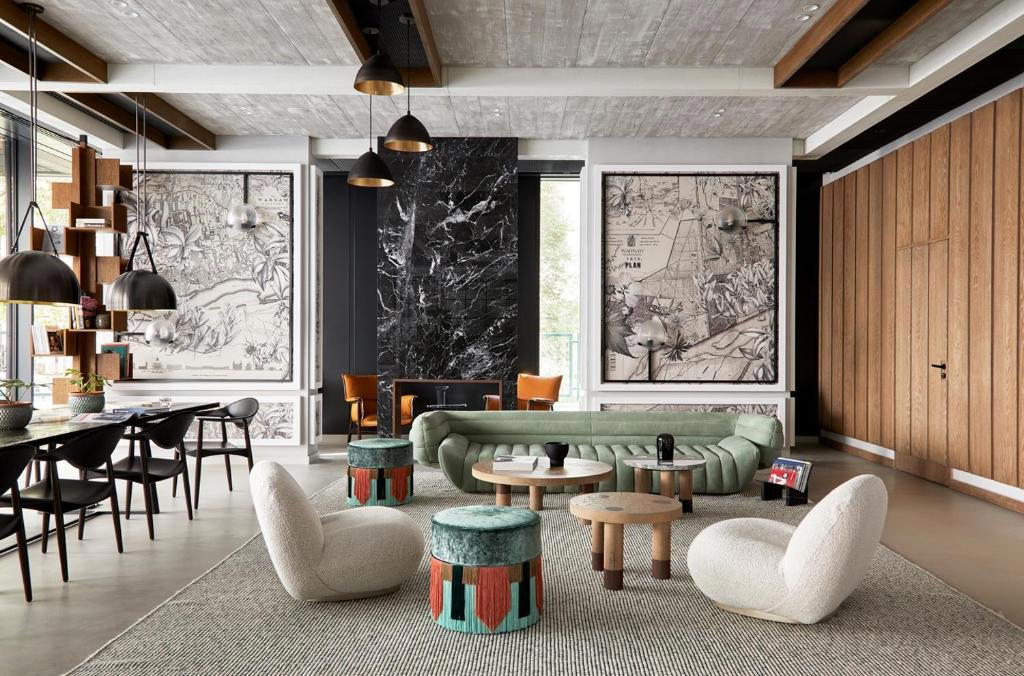
Subtle, calming, and classy with comfortable bohemian atmosphere.