Google: 4.8 · 2,834 reviews
a mano

A mano brings handmade Italian cooking to Power Plant Mall in Rockwell Center, where pasta, risotto, and Neapolitan-influenced pizza are prepared from quality ingredients that would hold their own in any Italian kitchen. Founded by Amado Forés, the restaurant now operates across four locations in Metro Manila, with a menu that rewards both the first-time visitor and the regular ordering off-script.
 Discover on Pearl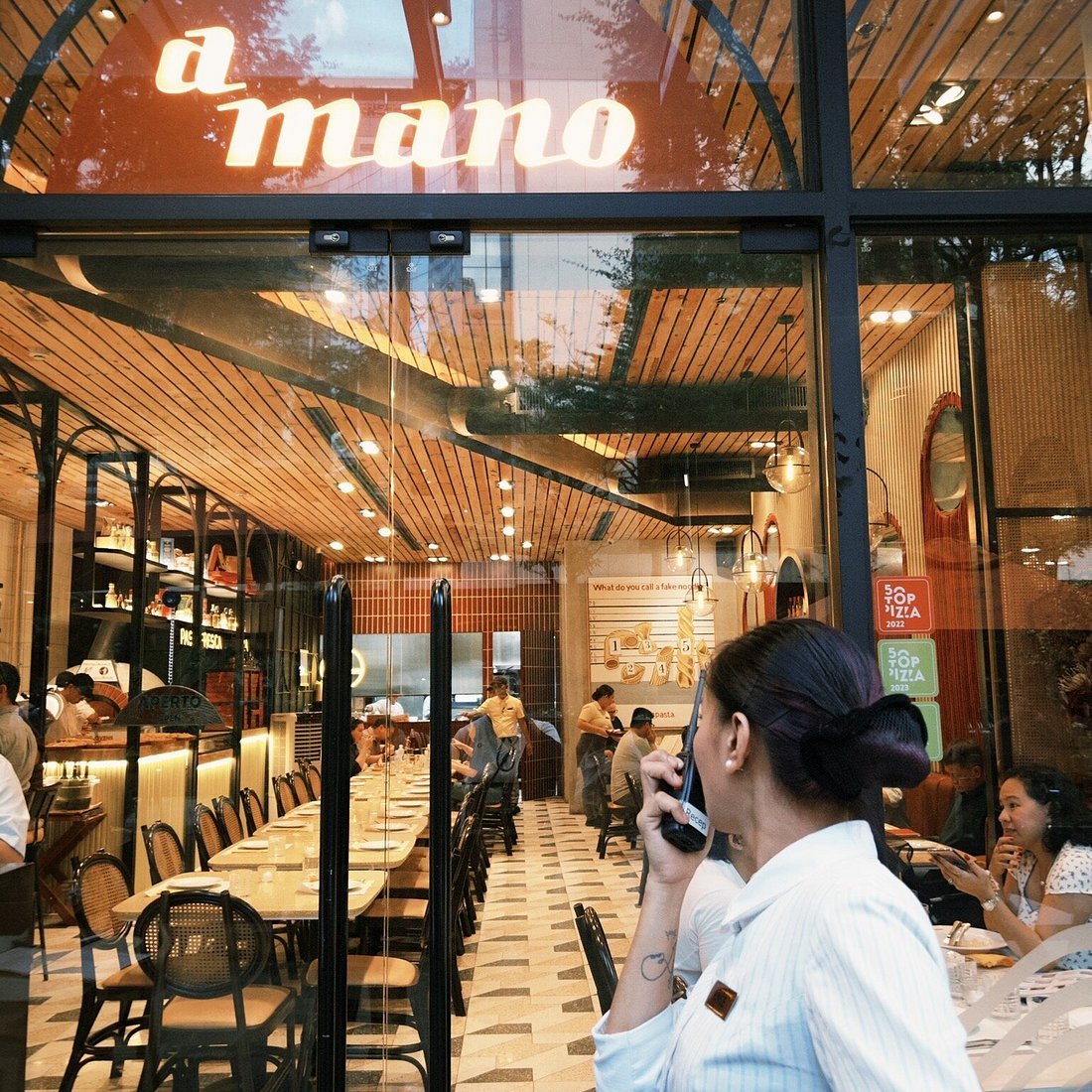
Italian Craft in a Mall Setting That Actually Earns It
Power Plant Mall in Rockwell Center occupies a specific tier in Makati's retail and dining hierarchy: upmarket without the corporate sterility of some BGC developments, walkable, and anchored by a resident base that treats it as a neighbourhood amenity rather than a destination shopping trip. The dining options here trend toward reliability over spectacle, which makes it a reasonable home for a restaurant whose entire identity is built around the discipline of handmade food. A mano — Italian for "by hand" — makes that premise literal. The name is a statement of method, not just a brand slogan.
Makati's Italian dining scene has historically split between white-tablecloth trattorias in hotel basements and casual pasta counters that trade on convenience over craft. A mano sits in a third category that has become more common across Southeast Asian cities: the ingredient-serious casual Italian, where the sourcing decisions are closer to a serious restaurant but the format and pricing stay accessible. That positioning , credible product, low threshold , is harder to sustain than either extreme, and a mano's expansion to four locations across Metro Manila suggests it has found a formula that holds.
What the Menu Is Actually Doing
The menu covers the canonical Italian categories: pasta, risotto, pizza. What distinguishes it from the broader category is the sourcing standard applied to those categories. The award commentary for a mano specifically notes a "selection of products that would make any Italian restaurant envious, in terms of quality" , a credential that locates the restaurant firmly in the ingredient-led tier of casual Italian dining rather than the volume-throughput end of the spectrum.
The editorial angle here matters: ingredient sourcing in Italian cooking is not decoration. The distance between a carbonara made with mediocre guanciale and one made with properly cured, fatty pork jowl is not subtle , it is the difference between a dish that tastes correct and one that merely looks the part. The same logic applies to pasta flour, to the tomatoes used in a margherita base, to the quality of the cheese pulled across a pizza before it goes into the oven. When a restaurant in Manila commits to sourcing at the level associated with a serious Italian kitchen, that choice has a real cost and a real payoff in the eating.
On the pizza side, the style at a mano is described as a mix between traditional Neapolitan and contemporary , a characterisation that covers a specific technical range. Classic Neapolitan pizza is defined by a few firm parameters: high-hydration dough, high-temperature baking, a char on the cornicione, a soft and slightly wet centre. Contemporary variants maintain the leavening discipline but may adjust hydration, baking temperature, or topping weight to produce a more structurally consistent result across multiple service points. For a restaurant running four locations, standardising a naturally fermented, fragrant dough across every site is a genuine technical achievement. Jonathan Redoblado, who leads the pizza program, has achieved that consistency, which is less common than it should be in multi-site operations.
Among the dishes the restaurant is known for, the pizza with raspadura , a shaved, soft Lombard cheese with a milky, lightly sweet character , represents the kind of Italian regional specificity that separates a considered menu from a generic one. Raspadura is not a widely distributed cheese in Southeast Asia, and its presence signals sourcing relationships with Italian suppliers rather than a reliance on locally available substitutes. The classic margherita is noted as being executed well, which in the context of Italian pizza is the most demanding benchmark: there is nowhere to hide on a margherita, and a kitchen that executes it cleanly is demonstrating command of the fundamentals. Among the pastas, the carbonara and the tagliatelle bolognese are flagged as reference-quality preparations.
Placing a mano in the Makati Dining Context
Rockwell Center is a short distance from some of Makati's most discussed restaurants. Venues like Hapag (Filipino), Helm, Celera, and Kása Palma represent Makati's Michelin-recognised fine dining tier, where tasting menus, long booking windows, and formal service protocols set the terms. A mano operates in a different register entirely , no tasting menu, no dress expectations, no weeks-in-advance booking requirement. The comparison is not a demotion; it is a clarification of what the restaurant is for and who it is for. It answers a different question than Inatô does, and both answers are worth having.
For a broader read on the Makati dining scene, the full Makati restaurants guide covers the range from casual to multi-course, and the Makati bars guide and Makati hotels guide are useful for planning a full evening in the area. The Makati experiences guide and Makati wineries guide round out the picture for those spending longer in the city.
Across Metro Manila, the Italian casual category has real competition. Blackbird Makati and Bolero in Taguig occupy adjacent positions in the city's mid-to-upper casual dining tier, and the growth of serious ingredient-sourcing restaurants in cities like Cebu , see Abaseria Deli and Cafe , suggests this tier is expanding nationally. Beyond the Philippines, the ambition of what a mano is attempting in casual Italian sits in a different context from, say, the tasting-menu formalism of Le Bernardin in New York City or Atomix in New York City, but the underlying commitment to sourcing quality as the primary kitchen discipline is a shared instinct. Closer to home, Gallery by Chele in Manila, Asador Alfonso in Cavite, and Linamnam in Parañaque each demonstrate how Metro Manila's broader dining scene has developed a seriousness about ingredients and technique that extends well beyond the fine dining tier.
Planning Your Visit
A mano is located at Stall 144, R1 Level, Power Plant Mall, Rockwell Center, Makati City. As a mall-based restaurant with multiple locations, it operates within standard retail hours and does not require the advance booking associated with the city's tasting menu venues , walk-in access is generally feasible, though weekend lunches and dinner service at Rockwell draw steady crowds. The drink menu includes non-alcoholic options at accessible price points, and the overall pricing structure is described as reasonable, placing it within reach for a mid-week dinner rather than a special-occasion reservation. Service is noted as friendly and approachable, which in a mall context means the experience does not carry the formality overhead of Makati's fine dining tier.
A Pricing-First Comparison
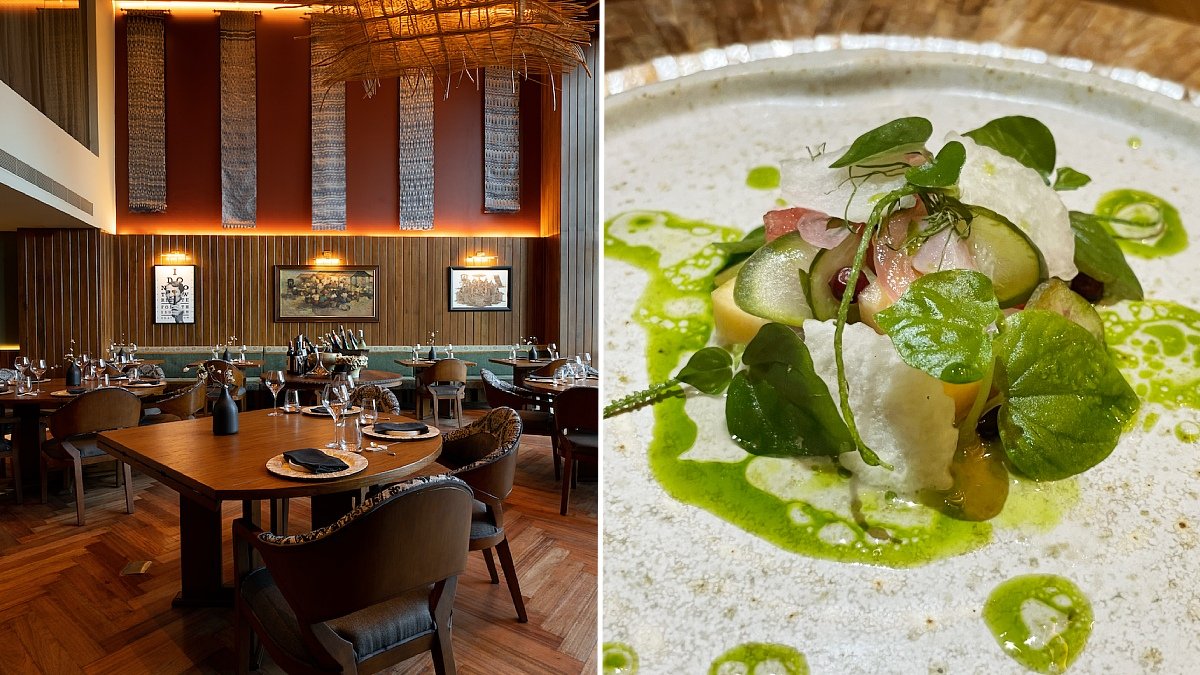
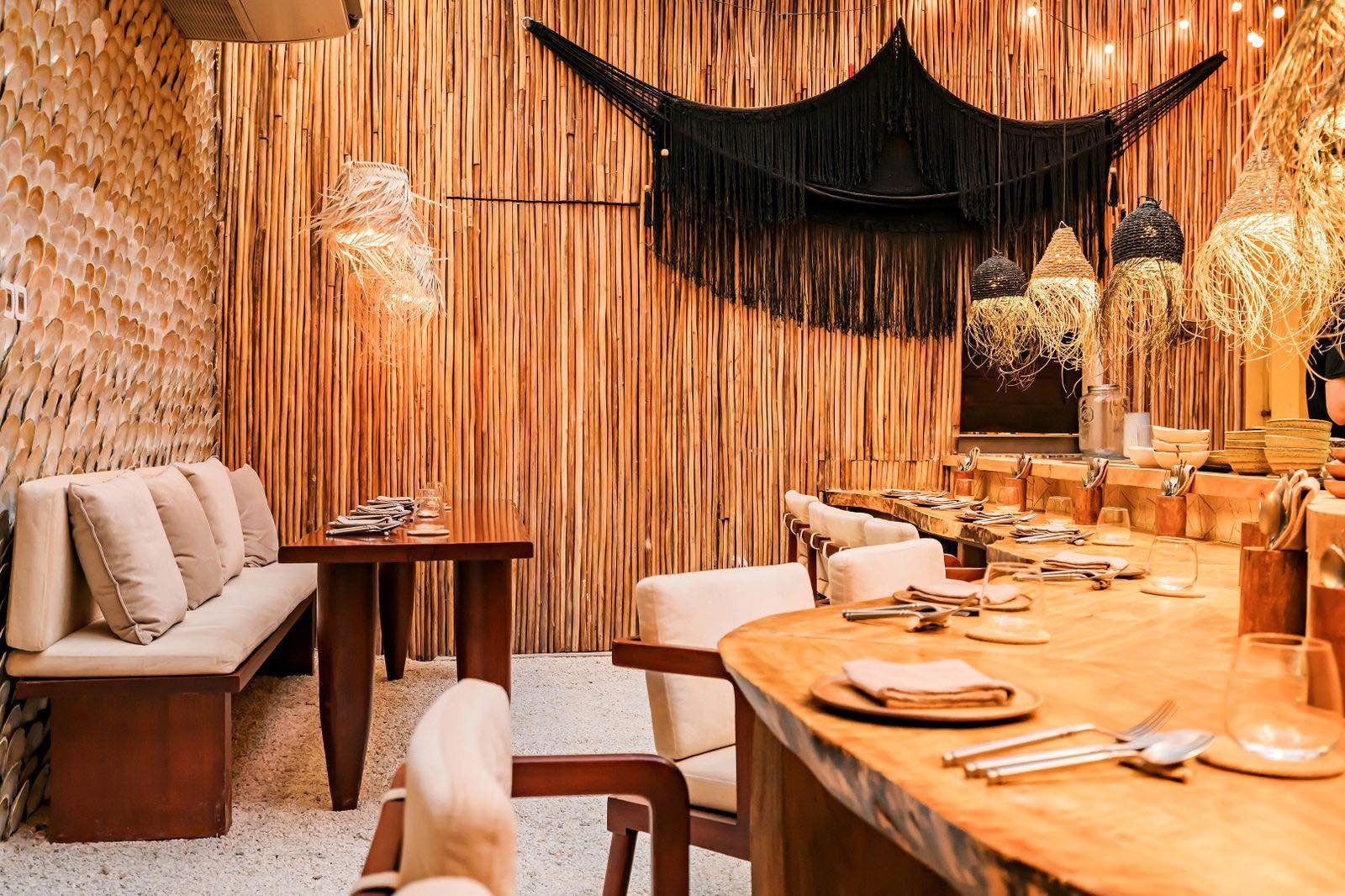
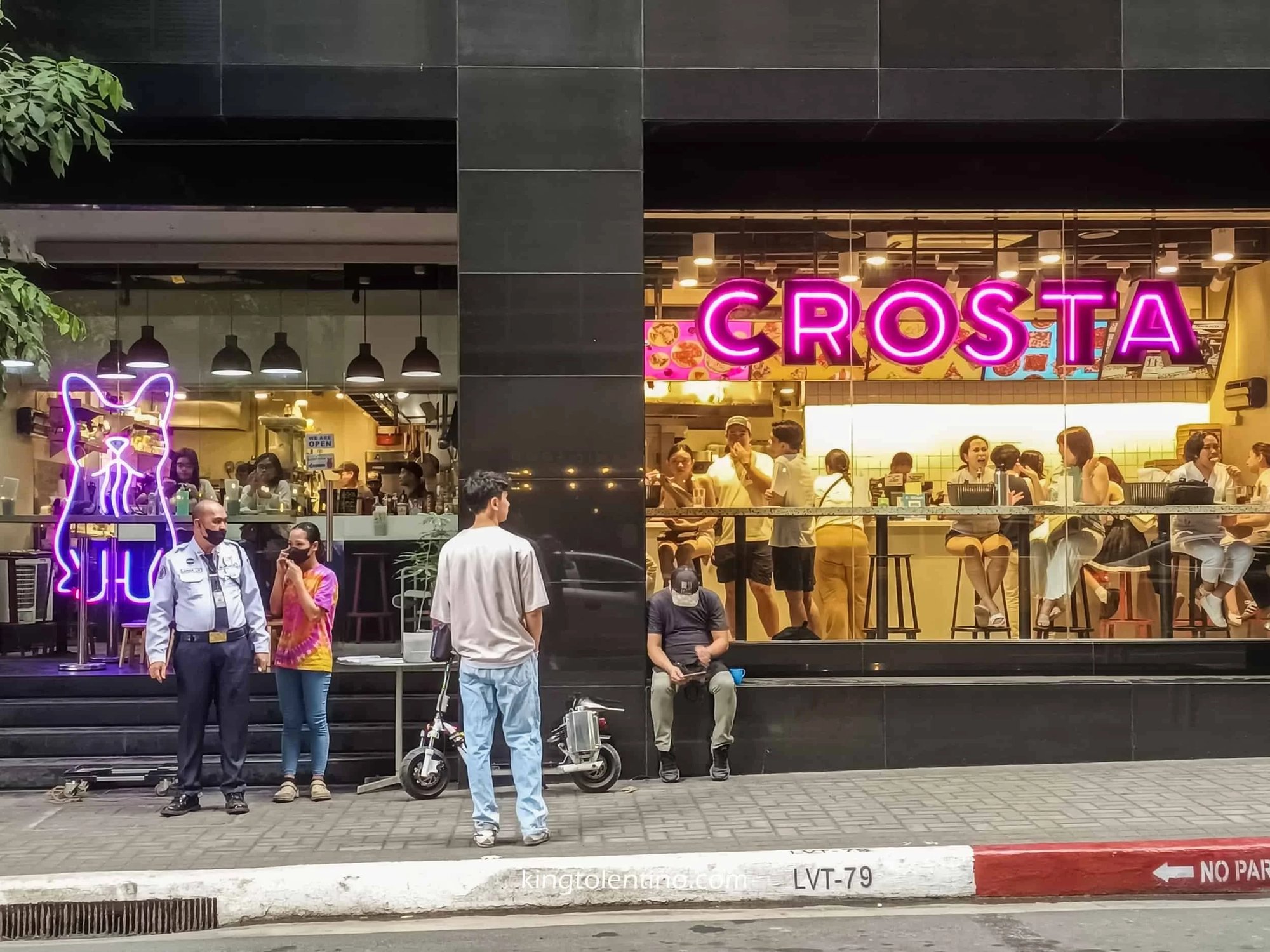
Comparable options at a glance, pulled from our tracked venues.
At a Glance
- Cozy
- Modern
- Intimate
- Date Night
- Family
- Business Dinner
- Open Kitchen
- Craft Cocktails
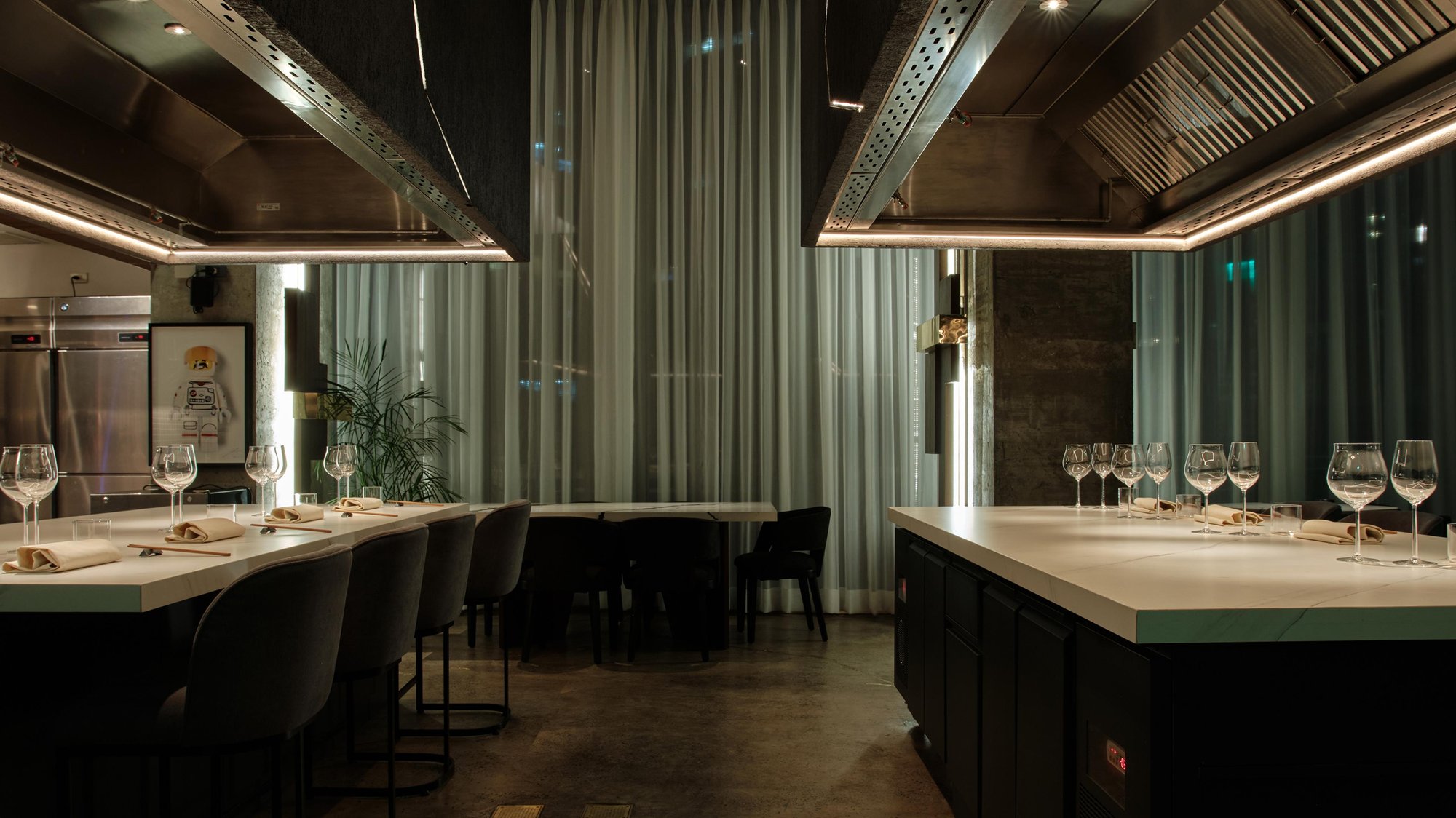
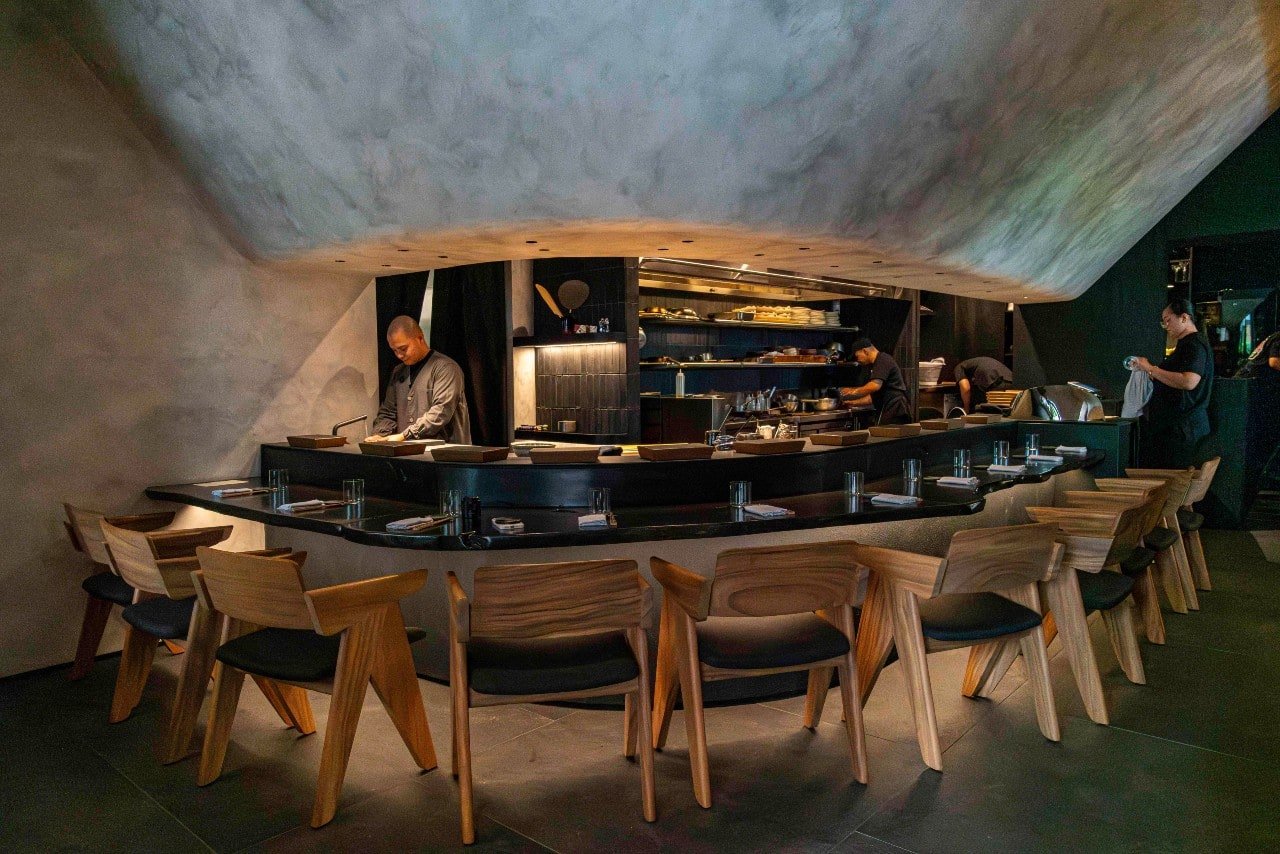
Cozy and welcoming atmosphere with an open kitchen where guests can watch pasta and pizza dough being made by hand, enhanced by attentive service.