

A Michelin Plate-recognised contemporary restaurant in Barcelona's Eixample district, Imprevisto builds its identity around two tasting menus of seven and ten courses, plus weekday à la carte lunches. The kitchen focuses on seasonal ingredients worked with precision, placing it in the mid-tier bracket of Barcelona's serious contemporary scene, ambitious in technique without the formality of the city's three-star rooms.
Pearl is the En Primeur Club membership app — saves, bookings, and concierge access live there. Same editors, same standards.
- Address
- Carrer de Mallorca, 308, Eixample, 08037 Barcelona, Spain
- Phone
- +34 931 45 11 52
- Website
- imprevistorestaurante.es
- Directions
- Get directions
 Saves & bookings on Pearl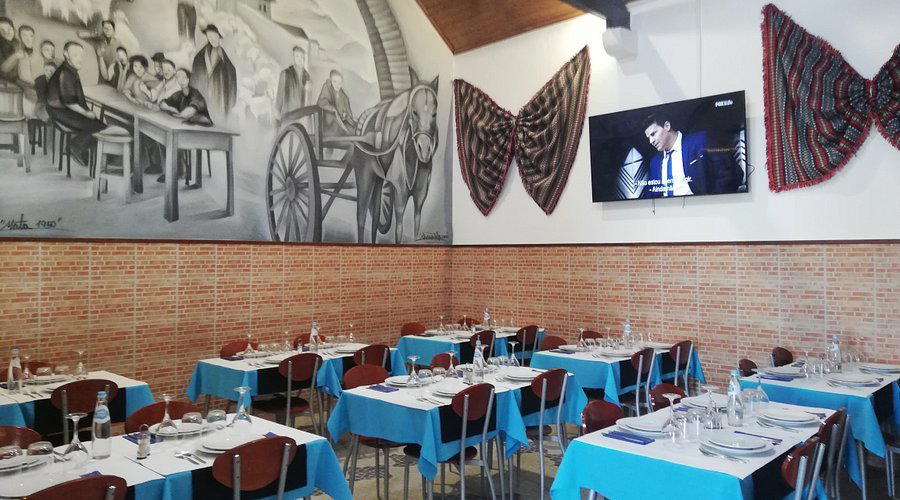
Where Eixample's Contemporary Scene Gets Honest
Carrer de Mallorca sits in the grid of Eixample, Barcelona's 19th-century expansion district, where modernist facades and wide pavements set the physical backdrop for a dining scene that ranges from neighbourhood staples to Michelin-calibrated rooms. The contemporary tier in this part of the city has expanded steadily over the past decade, with smaller owner-operated kitchens occupying a productive middle ground: technically serious, seasonally driven, and priced at around $80 per person. Imprevisto belongs to that cohort.
The Meal as a Sequence of Considered Moves
Contemporary tasting menus in Spain have a particular grammar. At the three-Michelin-star level, venues like El Celler de Can Roca in Girona or Disfrutar in Barcelona operate at a scale of ambition and resource that is genuinely difficult to replicate. Further up the coast, Martin Berasategui in Lasarte-Oria and Arzak in San Sebastián anchor the Basque tradition of high-investment creative cooking. Imprevisto's position is different: it operates in the register where format discipline and ingredient quality carry the argument, rather than spectacle or laboratory technique.
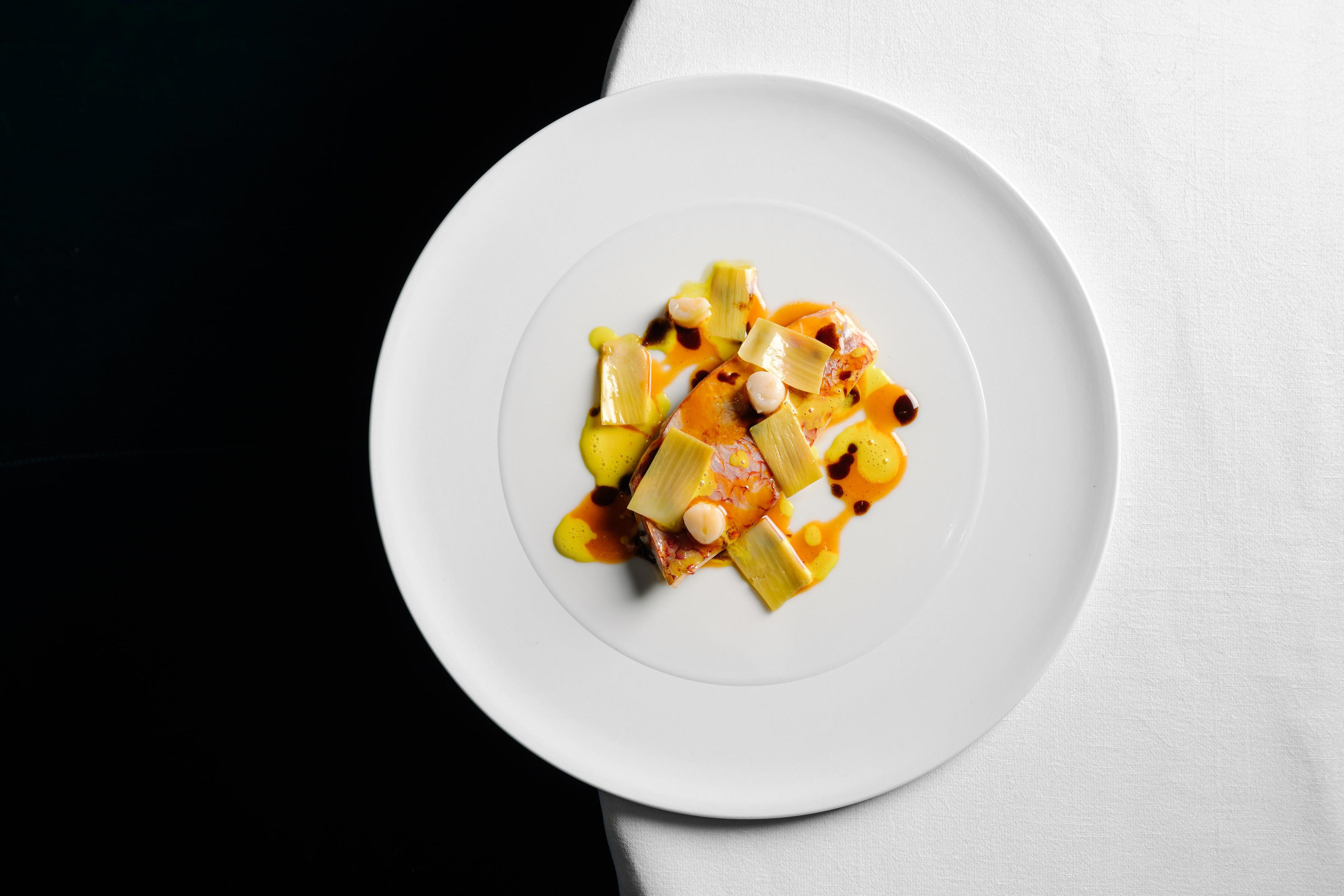
The choice between seven and ten courses here is not merely a matter of appetite. It shapes the narrative arc of the meal. A seven-course sequence moves at a pace that allows each course to read clearly as an individual statement; the ten-course format builds more transitions, more tonal variation, more room for the kitchen to introduce contrast between richness and restraint. Both menus are structured around seasonal ingredients, meaning the content shifts with availability rather than being anchored to a fixed repertoire. That approach demands consistent attention in the sourcing and development cycle, which is a harder discipline to sustain than working from a stable menu.
The beef tartare with horseradish, blackberries, pickled mustard seeds, and demi-glace illustrates the kitchen's method: a set of flavour contrasts (ferrous and sweet, sharp and savoury) layered across varied textures without any single element dominating. It is the kind of dish that requires calibration at each component level, the mustard seeds alone, improperly pickled, would pull the whole thing acidic. That it reads as a coherent whole rather than a list of ingredients is the relevant information.
For those who prefer to eat without the commitment of a multi-course sequence, weekday lunches introduce a short à la carte format. This is a practical entry point, and worth noting for travellers who want to assess the kitchen's range before committing to a longer evening meal.
The Room and the Approach
The restaurant's operational structure reinforces that positioning: four young owners, two working in the kitchen, two managing the dining room. That front-of-house arrangement, where ownership and service overlap, tends to produce a different quality of attention than a formally staffed room. The dining room dynamic at this kind of owner-operated format is closer to a hosted experience than a transactional one, and that distinction matters when you are spending an evening across ten courses.
Barcelona's contemporary mid-tier has several comparable rooms worth knowing. Avenir and Contraban operate in adjacent territory, while BaLó and Fishølogy approach the contemporary brief from more product-specific angles. Amar Barcelona takes a different register altogether, leaning toward the Mediterranean in a more recognisable idiom. Imprevisto's tasting-menu commitment places it within a group of restaurants serious about format without having crossed into the territory of elaborate ceremony.
For a broader view of Spain's contemporary cooking beyond Barcelona, Azurmendi in Larrabetzu, Aponiente in El Puerto de Santa María, and DiverXO in Madrid each represent a different strand of creative ambition at higher investment levels. Internationally, Jungsik in Seoul and César in New York City occupy structurally similar positions in their own cities: technically grounded contemporary restaurants that hold Michelin recognition without operating at the summit-bracket price.
What the Michelin Plate Signals
The Michelin Plate designation indicates that inspectors found the cooking worthy of attention without placing it in the star system. In practical terms, this means the kitchen passed a threshold of consistency, technique, and ingredient quality that distinguishes it from the broader mass of restaurants in the city. Barcelona's Michelin landscape is competitive: three-star rooms at Lasarte, Cocina Hermanos Torres, and Disfrutar set a reference point that most restaurants will never approach. The two-star tier, represented by Cinc Sentits and Enoteca Paco Pérez, occupies a different bracket of investment and elaboration. The Plate recognition positions Imprevisto below those tiers but above the general category, which at the €€ price range makes it an efficient point of entry into Barcelona's seriously considered contemporary cooking.
That price positioning is relevant context. The three-star and two-star rooms in Barcelona operate at €€€€, the leading category. Imprevisto's €€ rating means the ten-course tasting menu is priced at a level that competes with casual dining at the higher end of that bracket in other cities, not with the formal investment of a starred room. For travellers calibrating spend across a multi-day visit to Barcelona, that distinction shapes how Imprevisto fits the itinerary.
Know Before You Go
- Address: Carrer de Mallorca, 308, Eixample, 08037 Barcelona, Spain
- Price range: €€
- Format: Tasting menus (7 and 10 courses); short à la carte available at weekday lunches
- Recognition: Michelin Plate (2024) 7 from 516 reviews
- Neighbourhood: Eixample, central Barcelona
- Booking: Reservations are essential given the format and capacity of an owner-operated tasting-menu room
The Quick Read
Comparable venues nearby, for context on price, style, and recognition.
| Venue | Cuisine | Price | Notes |
|---|---|---|---|
| ImprevistoThis venue — the venue you are viewing | Contemporary | $$$$ | Not listed |
| Virens | Not listed | $$$$ | la Dreta de l'Eixample, Contemporary Mediterranean Green Cuisine |
| Nectari | Not listed | $$$ | la Nova Esquerra de l'Eixample, Modern Mediterranean with Seasonal Ingredients |
| Coure | Not listed | $$$ | Sant Gervasi - Galvany, Modern Catalan Mediterranean |
| Barra Alta Barcelona | Not listed | $$ | Sant Gervasi - Galvany, Modern Mediterranean Tapas |
| Windsor | la Dreta de l'Eixample, Modern Catalan | $$$ | Not listed |
Recognition history
Dated appearances from independent guides and award organizations, with the underlying list record or original source where available.
Macarfi 7.5 Food Rating
Macarfi
Michelin Plate
Michelin
Michelin Plate
Michelin
Michelin Plate
Michelin
Continue exploring
More in Barcelona
Restaurants in Barcelona
Browse all →
Bars in Barcelona
Browse all →
Hotels in Barcelona
Browse all →
At a Glance
- Modern
- Sophisticated
- Intimate
- Elegant
- Special Occasion
- Date Night
- Chefs Counter
- Extensive Wine List
- Local Sourcing
Current opening hours
- Monday
- Closed
- Tuesday
- 8–9:30 PM
- Wednesday
- 8–9:30 PM
- Thursday
- 8–9:30 PM
- Friday
- 1:30–2:30 PM, 8–9:30 PM
- Saturday
- 1:30–2:30 PM, 8–9:30 PM
- Sunday
- Closed
Hours can change for holidays and private events. Last verified .
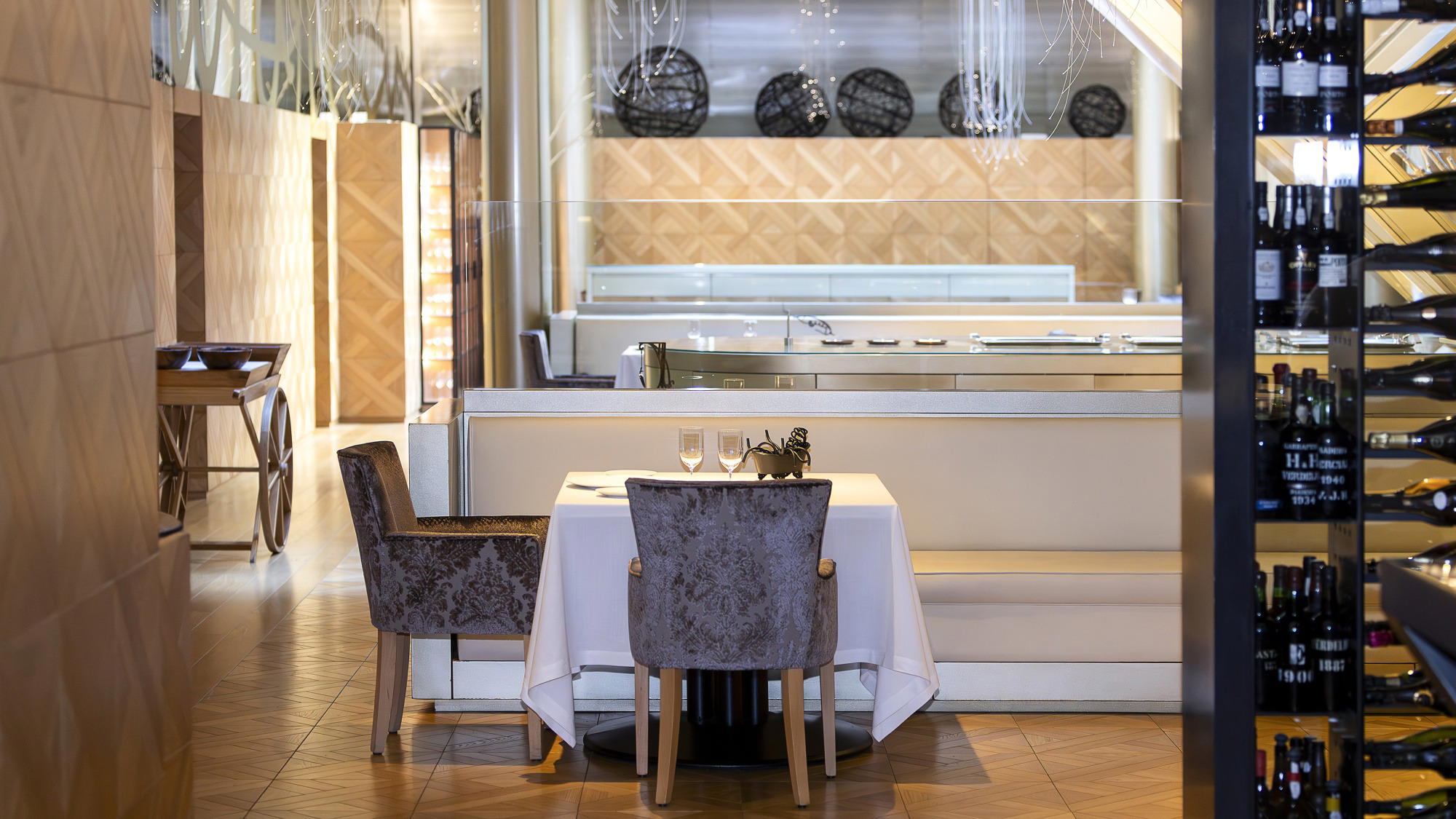
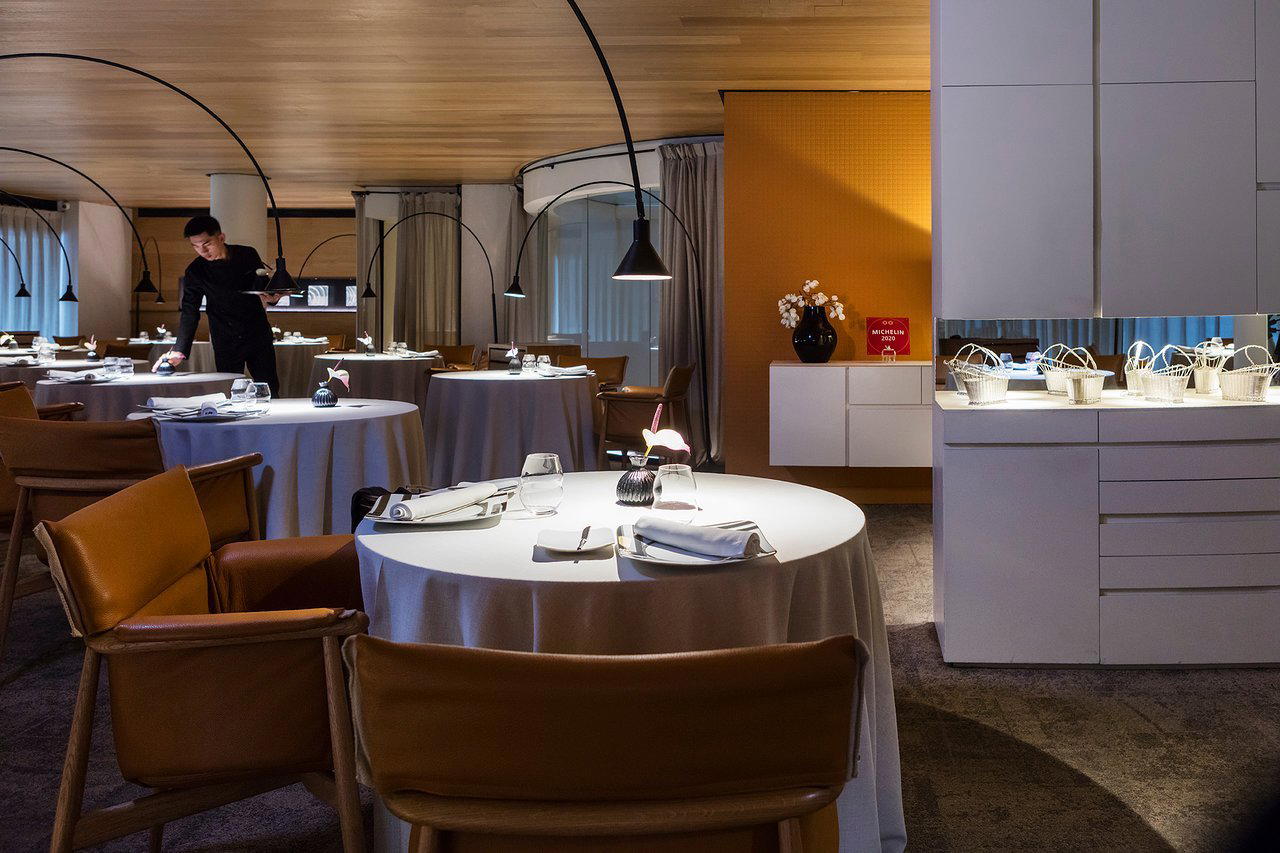
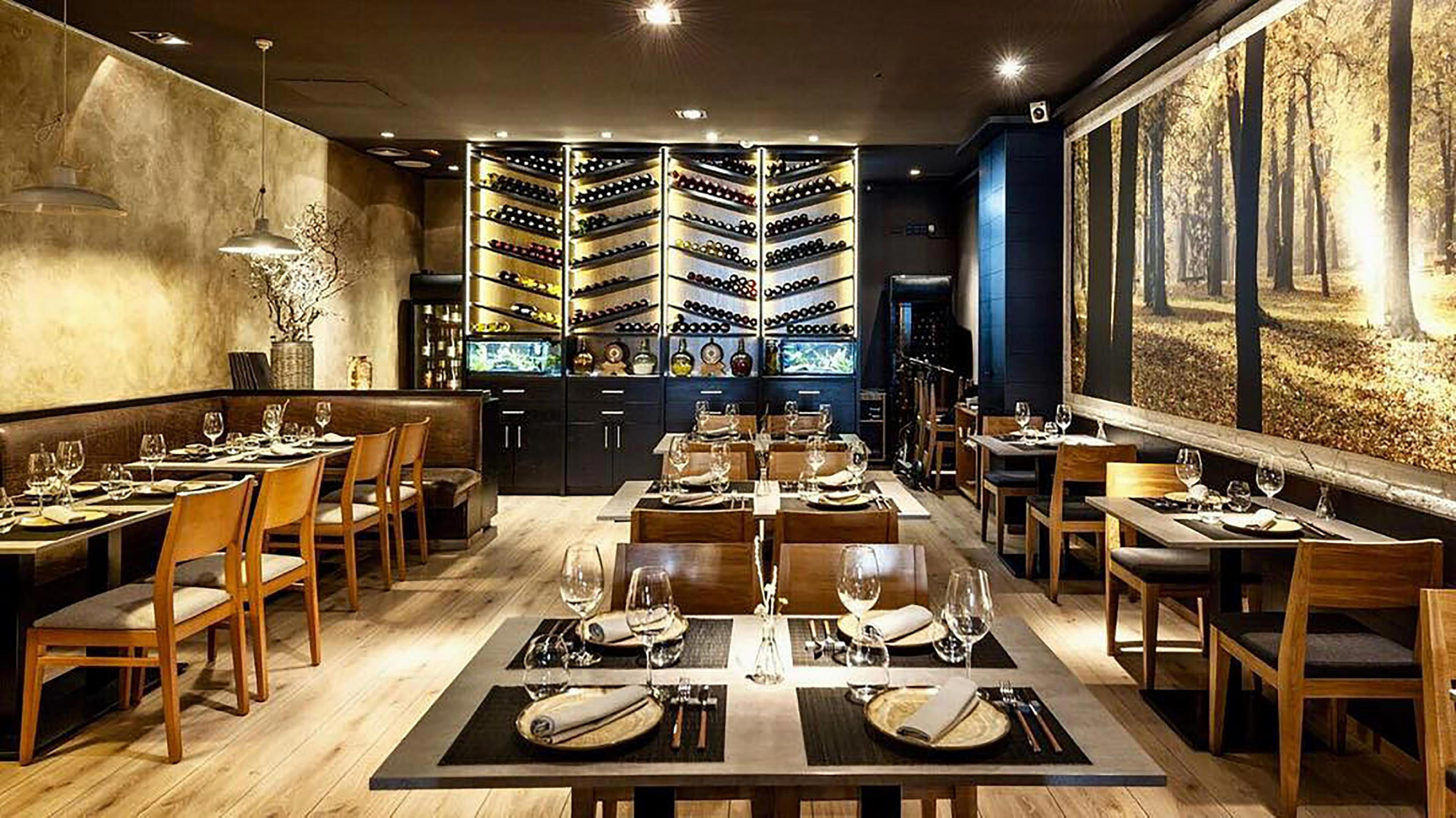
Modern and sophisticated with cozy, intimate seating including an exclusive chef’s bar for two.