



1 Michelin Star · Star Wine List · Gambero Rosso 2 Forchette
Our verdict
On the 40th floor of Tokyo's Bulgari Hotel in Yaesu, Il Ristorante - Niko Romito translates a Michelin-celebrated Italian philosophy into a setting that matches its ambitions. The kitchen applies a technique-driven approach to Italian regional cooking, extracting moisture from vegetables without water and concentrating tomato into its most direct form. It is one of the few Italian fine-dining addresses in Tokyo operating at this level of conceptual discipline.

Pearl is the En Primeur Club membership app, where members save venues, book tables and use the concierge.
The menu
What to order
- Antipasto all’Italiana
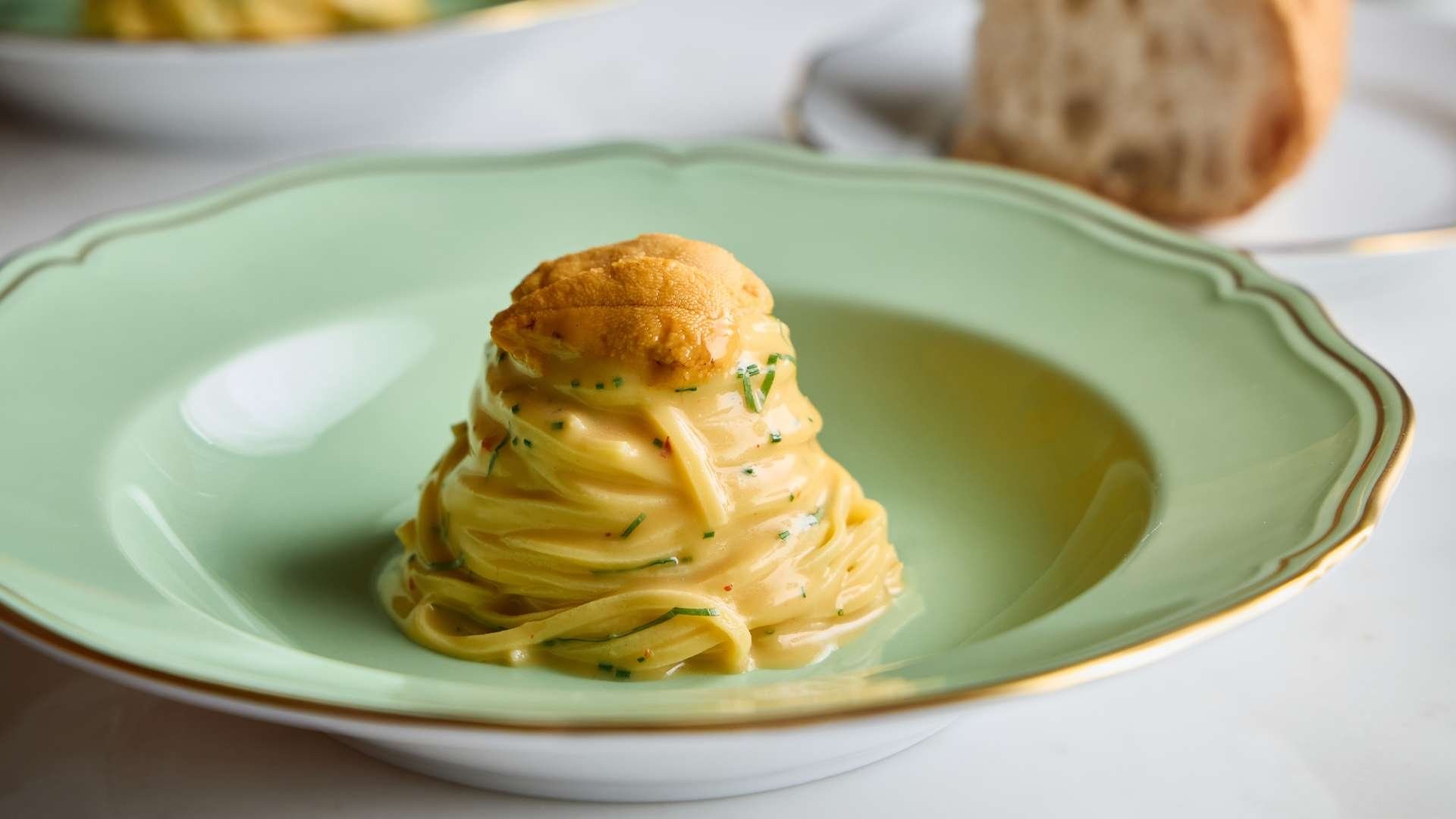
- Spaghetti e pomodoro
Forty Floors Above Yaesu: Italian Minimalism at Altitude
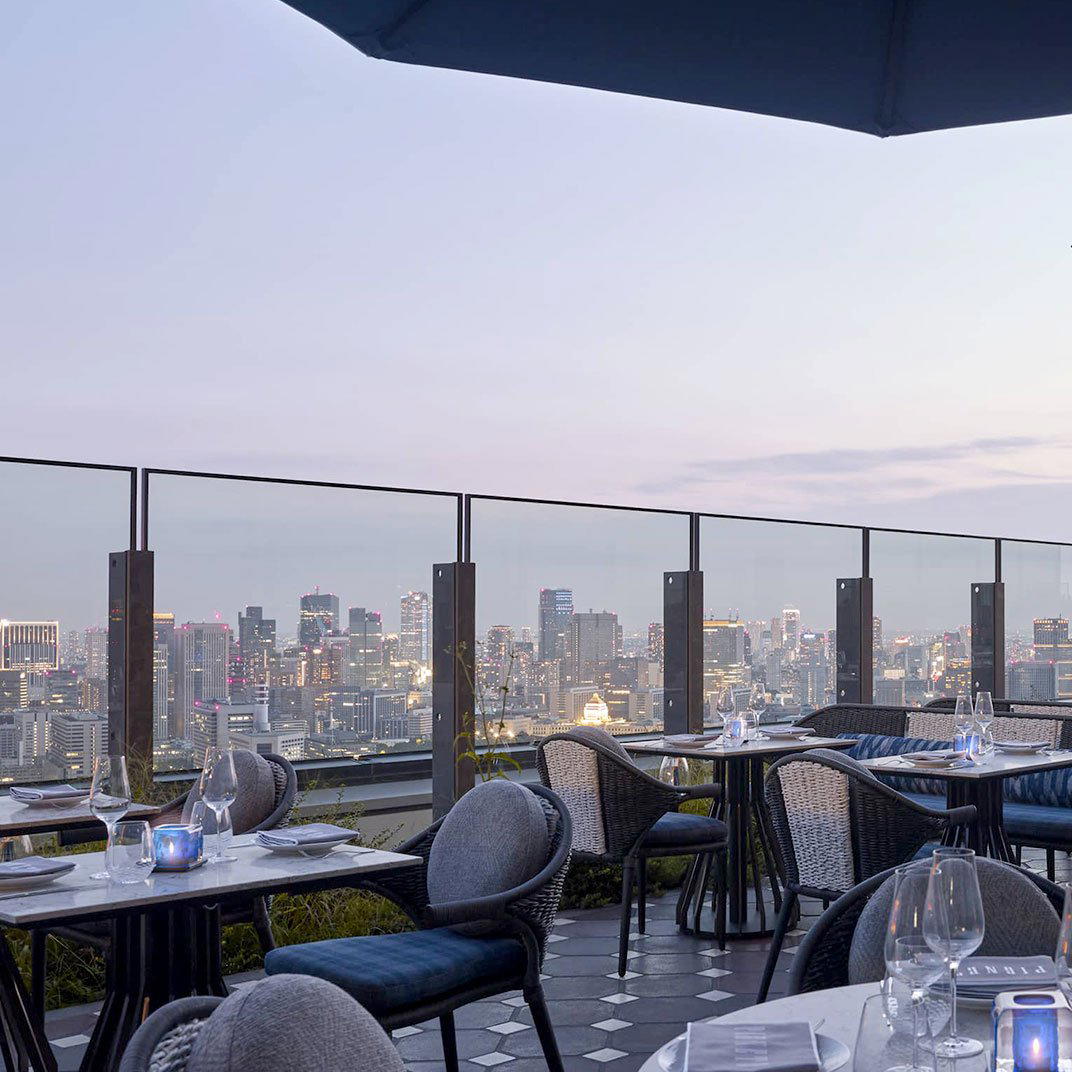
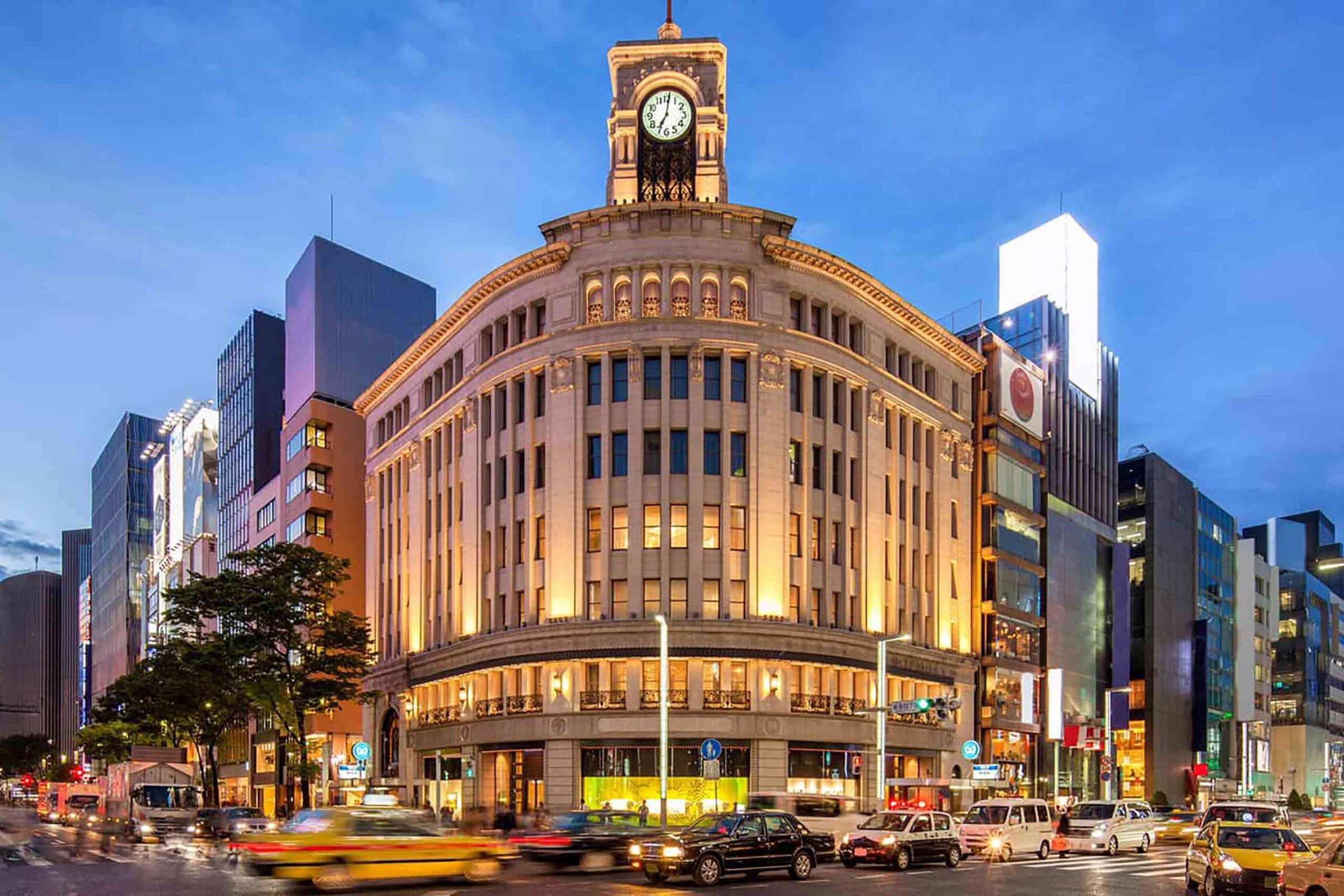
Tokyo's fine-dining scene has long absorbed foreign culinary traditions and refined them into something the originating country sometimes struggles to match. French technique found a home here decades ago, and the city now holds more Michelin stars than Paris. Italian cooking has followed a slower arc, but the arrival of the Bulgari Hotel in Yaesu, and with it, Il Ristorante operating under the direction of Niko Romito, placed a particular strain of contemporary Italian thought into one of the world's most demanding restaurant markets. The 40th-floor dining room looks out over the Chuo ward business district, a view that reads less as spectacle and more as a statement about where this kind of cooking now sits: at the intersection of international finance, luxury hospitality, and culinary rigour. For context on Tokyo's broader restaurant scene, see our full Tokyo restaurants guide.
A Philosophy in Practice: What the Kitchen Actually Does
Niko Romito's reputation in Italy rests on a specific and demanding idea: that Italian cooking should be reduced to its essential expressions, not decorated or complicated. His three-Michelin-starred restaurant Reale, in Castel di Sangro in Abruzzo, built that reputation over years by stripping dishes back to a point where technique and ingredient quality have nowhere to hide. The Tokyo outpost operates under the same conceptual framework. The kitchen prepares vegetable soup without water, drawing moisture exclusively from the vegetables themselves to produce a liquid that reads as a direct, concentrated expression of each ingredient rather than a diluted broth. Spaghetti pomodoro is treated with the same logic: the tomato is pushed toward its most concentrated form, so the dish functions as an argument about what tomato actually tastes like when everything else is removed. This approach sits closer to the methodology of a research kitchen than to the Italian-American tradition or the comfort-food register that Italian cuisine sometimes defaults to abroad.
The framework also draws from across Italy's regions rather than anchoring to a single tradition. That breadth, organised through the lens of reduction and concentration rather than accumulation, gives the menu a coherence that menus with wider geographic ambitions often lack. It is a format that rewards attention. Diners looking for the kind of textural richness and layered embellishment common at other high-end European restaurants in Tokyo will find a different register here.
Where Il Ristorante Sits in Tokyo's Fine-Dining Tier
Tokyo's top-end restaurant market is unusually competitive at the ¥¥¥¥ level, with Michelin three-star holders across multiple disciplines setting the terms for what premium dining means in the city. Harutaka operates at that tier through the precision of Edo-mae sushi. RyuGin and L'Effervescence hold three Michelin stars in kaiseki and French respectively. Sézanne has positioned itself as one of the city's most discussed French addresses. Il Ristorante, priced at ¥¥¥, occupies a tier just below those marquee names, which in Tokyo terms is not a concession but a different competitive register, one where the cooking philosophy and critical reception from the parent brand carry significant weight even when the local star count is still accumulating.
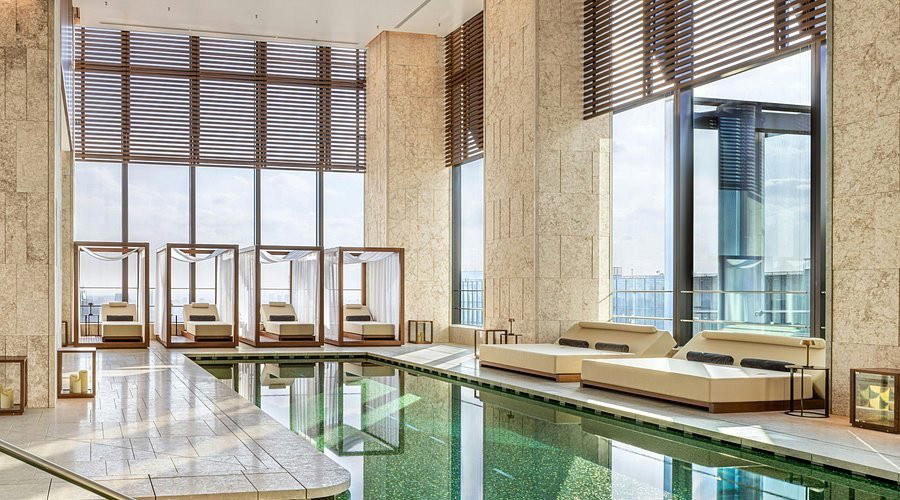
The Bulgari Hotel positioning places Il Ristorante alongside other hotel restaurants operating under internationally recognised chef names rather than against standalone Tokyo institutions. The 40th-floor room, designed as part of the Bulgari Hotel's broader aesthetic programme, operates in that register.
Across the broader Japan dining circuit, comparable levels of Italian and European ambition appear at venues like HAJIME in Osaka and akordu in Nara, both of which apply European frameworks to Japanese contexts. Gion Sasaki in Kyoto, Goh in Fukuoka, and 1000 in Yokohama round out a Japan-wide picture of high-concept dining that rewards deliberate travel. For those extending further, 6 in Okinawa represents a distinct regional register worth considering. Internationally, the sustained precision-technique approach practised here has analogues at Le Bernardin in New York City and the more recent critical momentum behind Atomix in New York City.
Awards, Recognition, and What They Signal Here
The Niko Romito brand carries weight that precedes the Tokyo address. The Reale flagship in Abruzzo has held three Michelin stars and generated sustained critical attention for an approach to Italian cooking that has been described as transformative by multiple European food publications. When a chef at that level opens under a luxury hotel umbrella in a foreign city, the critical community pays attention to whether the philosophy travels intact or whether the hotel format dilutes it into something more accommodating. The evidence from Il Ristorante suggests the conceptual core has transferred: the waterless vegetable preparations and the concentrated pasta work are not concessions to local taste or hotel-service practicality. They are the same arguments being made in Abruzzo, repositioned for a Tokyo dining room.
Other Tokyo restaurants operating under international chef oversight have faced the same question with varying results. Il Ristorante's commitment to technique-led minimalism, rather than a curated version of Italian approachability, places it closer to the more demanding end of that spectrum. For readers tracking critical reception across the city's Italian category, scaglia offers a point of comparison within the same culinary tradition.
Planning Your Visit
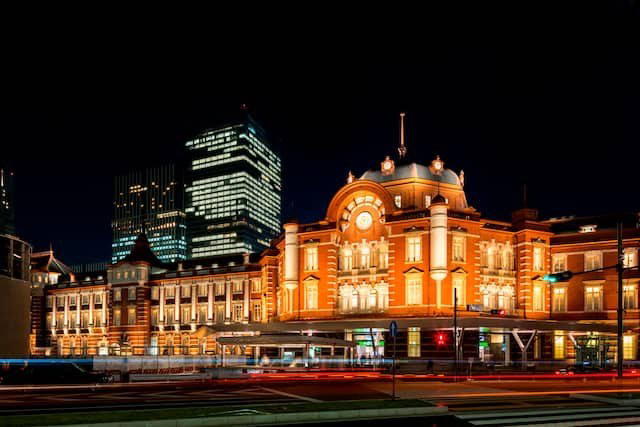
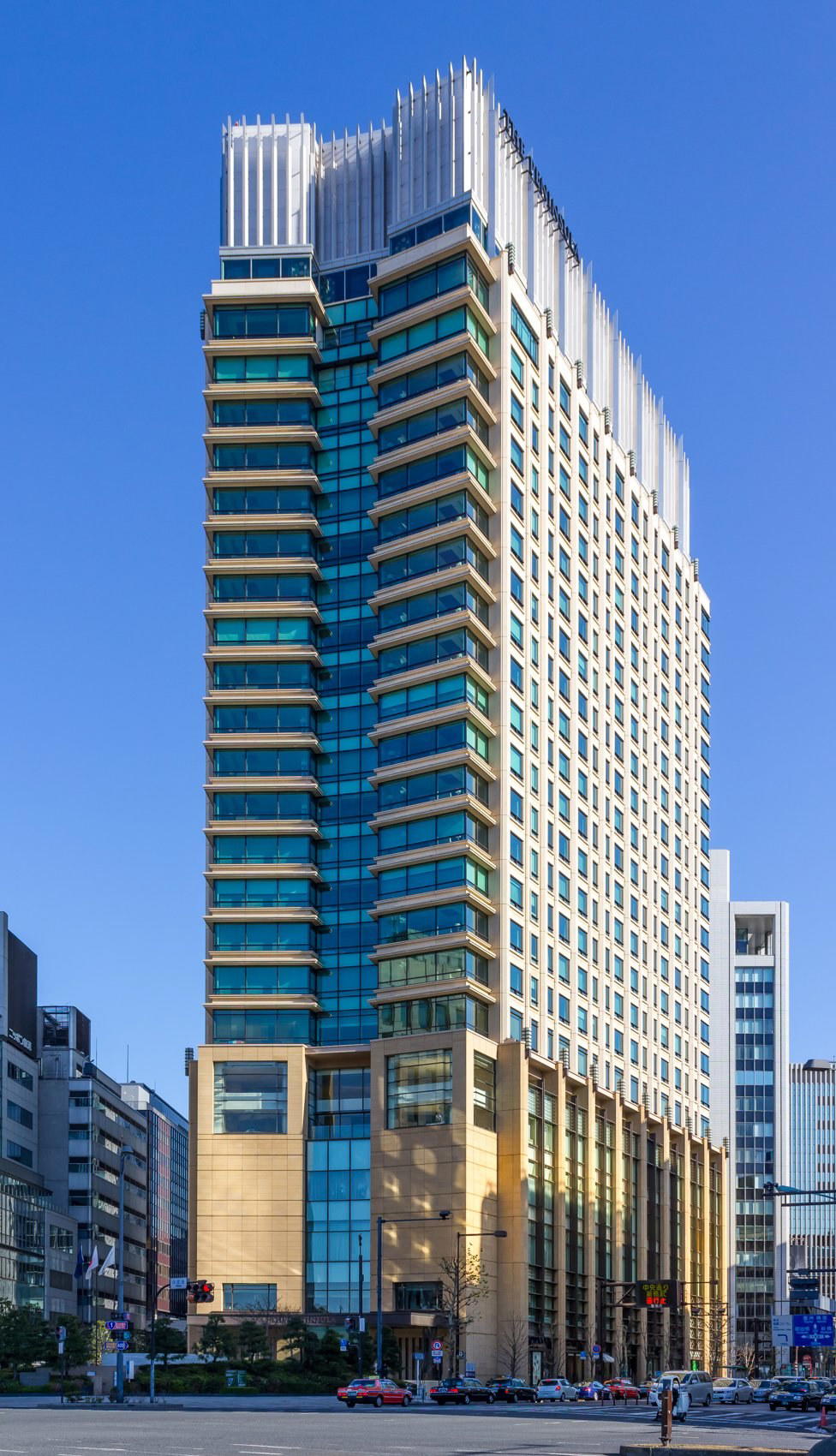
Il Ristorante - Niko Romito is located on the 40th floor of the Bulgari Hotel Tokyo at 2-1 Yaesu, 2 Chome-2-1 Yaesu, Chuo City, Tokyo 104-0028. The hotel is positioned in the Yaesu district, adjacent to Tokyo Station, making it one of the more accessible luxury addresses in the city for visitors arriving by Shinkansen or the JR network. Reservations: Given the Bulgari Hotel's positioning and the reputation attached to the Niko Romito name, advance booking is advisable; enquire directly through the Bulgari Hotel Tokyo reservations channel. Budget: The venue is categorised at ¥¥¥, placing it below the ¥¥¥¥ tier occupied by Tokyo's Michelin three-star establishments, though hotel-restaurant pricing for food and beverage should be factored in accordingly. Dress: No formal dress code is listed in available data, but the Bulgari Hotel context and the seriousness of the cooking suggest smart attire is appropriate.
For those building a wider itinerary around this visit, our full Tokyo hotels guide, our full Tokyo bars guide, our full Tokyo wineries guide, and our full Tokyo experiences guide cover the broader context for a stay in the city.
Frequently asked questions
What dish is Il Ristorante - Niko Romito famous for?
Should I book Il Ristorante - Niko Romito in advance?
What is Il Ristorante - Niko Romito leading at?
How does Il Ristorante - Niko Romito differ from other European fine-dining restaurants in Tokyo?
Fast Comparison
A compact comparison to help you place this venue among nearby peers.
| Venue | Cuisine | Price | Awards | Notes |
|---|---|---|---|---|
| Il Ristorante - Niko RomitoThis venue (the venue you are viewing) | Contemporary Italian Fine Dining | $200–300 | 1 Michelin Star · Star Wine List | Not listed |
| Harutaka | Edo-Style Omakase Sushi | $200–300 | 3 Michelin Stars · World's 50 Best #76 | Sushi |
| RyuGin | Modern Kaiseki | $500+ | 3 Michelin Stars · World's 50 Best #41 | Kaiseki, Japanese |
| L'Effervescence | Modern French with Japanese Influences | $200–300 | 3 Michelin Stars · World's 50 Best #69 | French |
| HOMMAGE | Modern French with Japanese Influences | $150–200 | 2 Michelin Stars · World's 50 Best #78 | Innovtive French, French |
| MAZ | Innovative Peruvian-Japanese Fusion | $150–200 | 2 Michelin Stars · World's 50 Best #28 | Innovative |
Recognition history
Dated appearances from independent guides and award organizations, with the underlying list record or original source where available.
Michelin 1 Star
Michelin
Star Wine List
Star Wine List
Gambero Rosso 2 Forchette
Gambero Rosso
Opinionated About Dining Top Restaurants in Japan Recommended
Opinionated About Dining
Continue exploring
More in Tokyo
Restaurants in Tokyo
All restaurants in Tokyo →
Bars in Tokyo
All bars in Tokyo →



Details
- Elegant
- Sophisticated
- Modern
- Special Occasion
- Date Night
- Business Dinner
- Hotel Restaurant
- Open Kitchen
- Sake Program
- Sommelier Led
- Skyline
- Tasting Menu
- Prix Fixe
- A La Carte
- Vegetarian Friendly
Current opening hours
- Monday
- 12–2:30 PM, 6–9 PM
- Tuesday
- 12–2:30 PM, 6–9 PM
- Wednesday
- 12–2:30 PM, 6–9 PM
- Thursday
- 12–2:30 PM, 6–9 PM
- Friday
- 12–2:30 PM, 6–9 PM
- Saturday
- 12–2:30 PM, 6–9 PM
- Sunday
- 12–2:30 PM, 6–9 PM
Hours can change for holidays and private events. Hours as of .
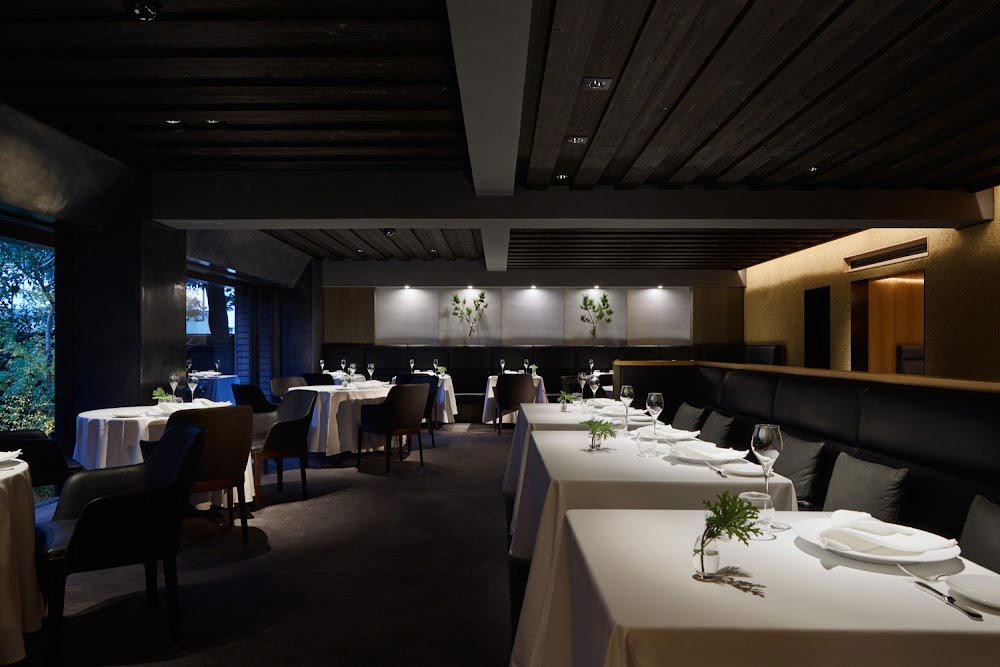
Sophisticated and elegant with Japanese design elements like curved wood ceilings, spacious tables for privacy, and Ginori1735 tableware.