Il Mercato
Our verdict
Il Mercato sits on the Route d'Arlon in Strassen, one of Luxembourg's more food-serious western communes. The name signals market-led cooking, a format that has found a consistent audience in a country where provenance has moved from afterthought to selling point. For visitors arriving from Luxembourg City, it represents a short detour into a neighbourhood dining register that the capital's centre rarely matches on informality.

Pearl is the En Primeur Club membership app — saves, bookings, and concierge access live there. Same editors, same standards.
- Address
- 155a Rte d'Arlon, 8009 Strassen, Luxembourg
- Phone
- +35223641151
- Hours
- Mon 11:30 AM–3 PMTue–Sat 11:30 AM–9:30 PMSun Closed
- Website
- ilmercato.lu
- Directions
- Get directions
- Booking
- Book on Zenchef
The menu
What to order
- Pizza Margherita
- Lasagna Bolognese Maison
- Polpette Della Nonna
Strassen and the Market-Kitchen Tradition
The Route d'Arlon corridor running west from Luxembourg City into Strassen has quietly accumulated a concentration of restaurants that punch above what the suburban setting might suggest. The commune sits close enough to the capital for a dinner reservation to be frictionless, yet far enough that rents and room sizes permit a dining format that city-centre addresses rarely sustain. Il Mercato, at 155a Route d'Arlon, occupies that zone with a name that declares its premise plainly: the market is the menu's starting point.
Market-driven cooking has become a durable format across European mid-sized cities precisely because it places the sourcing decision before the recipe decision. In practice, this means the kitchen's creative range is defined first by what is seasonally available and of sufficient quality, then by what the chef's repertoire can do with it. That discipline, when genuinely applied, produces menus that shift meaningfully across the year rather than cycling through a fixed card with token seasonal adjustments. For the diner, it also produces a reliable feedback loop: ingredient quality becomes traceable in the plate in ways that a static, supply-chain-agnostic kitchen rarely achieves.
Luxembourg's dining culture has shifted measurably in this direction over the past decade. The country's geographic position at the intersection of French, German, and Belgian food traditions gives it an unusually broad producer network to draw on, from Moselle valley vegetables and aromatics to cross-border charcuterie and dairy. Restaurants that commit to market sourcing in this context have access to a genuinely varied ingredient palette, which is part of why the format has taken hold beyond the fine-dining tier and into neighbourhood registers like the one Il Mercato occupies.
Where Il Mercato Sits in the Strassen Dining Picture
Strassen's restaurant offer is more layered than its size implies. At the formal end, Strasserwirt Gourmetstuben operates in a classic European Stuben register. Closer to the centre, Beefbar Smets brings a brand-led premium beef format with a different sourcing logic entirely, one built around named cuts and provenance certification rather than seasonal market rotation. Il Mercato sits between these two poles, in the territory where sourcing ambition meets accessible format. For the broader Strassen and western Luxembourg picture, our full Strassen restaurants guide maps the options across price tiers and kitchen styles.
The Italian inflection that the name implies places Il Mercato in a category that Luxembourg's dining scene has absorbed steadily. Italian cooking is structurally compatible with market-kitchen principles because its canon is built around letting primary ingredients carry the weight: pasta dough that defers to the filling, sauces that reduce rather than mask, proteins that arrive with minimal intervention. When that philosophy meets a genuine market sourcing commitment, the result tends to read as simpler than it is. This is a different register from the refined Italian addresses operating at the €€€€ tier in Luxembourg, such as Fani, and a different creative position from organic-led addresses like Archibald De Prince.
Sourcing as the Kitchen's Organizing Logic
The market-kitchen model works well when sourcing is genuinely the organizing principle rather than a marketing frame applied to an otherwise conventional supply chain. In Luxembourg's context, this matters because the country's compact geography means that local and regional sourcing is operationally feasible at a level that larger markets struggle to achieve. A kitchen in Strassen can realistically work with producers in the Moselle valley, the Ardennes, and the cross-border regions of Lorraine and the Eifel within a supply chain that remains traceable and responsive to seasonal shifts.
When ingredient sourcing is treated as a primary decision rather than a secondary one, it changes how menus communicate. The dish descriptions become less about technique and more about origin. The seasonal calendar becomes a genuine menu driver rather than a quarterly update to a fixed structure. And the kitchen's relationship with its suppliers becomes, over time, a form of quality assurance that no amount of specification-writing can replicate. This is the implicit argument that market-led kitchens make with every menu cycle, and it is why the format has durability beyond the trend that launched it.
For context on what ingredient-led cooking looks like at the upper end of Luxembourg's dining spectrum, Léa Linster in Luxembourg represents the benchmark of French-rooted precision applied to regional sourcing. Across the country, restaurants from Beim Bertchen in Wahlhausen to Côté cour in Bourglinster and Le Bistrot Gourmand in Remerschen apply variations of the same sourcing logic at different price points and with different cultural inflections. Il Mercato's Route d'Arlon address places it within comfortable reach of this broader network, both geographically and in spirit.
Planning a Visit
Il Mercato is located at 155a Route d'Arlon in Strassen, a short drive west from Luxembourg City centre along the main artery connecting the capital to the Belgian border. The Route d'Arlon is accessible by bus from the city, making it reachable without a car, though the majority of diners in this part of the commune arrive by vehicle given the wider road layout. As with many neighbourhood restaurants in the greater Luxembourg area, booking ahead is advisable, particularly across the working week when the lunch trade in western Luxembourg communes runs at a sustained clip. Other addresses worth factoring into a wider Luxembourg dining itinerary include Kore in Steinfort, B13 in Bertrange, Les Roses in Mondorf Les Bains, and Domaine La Forêt in Remich for a fuller picture of what the country's dining circuit offers across formats and geographies. For those exploring further afield, Der Napf in Wilwerdange, Laotse in Moutfort, Bo Zai Fan in Letzebuerg, Victoria vum Berdorfer Eck in Berdorf, and La table du curé in Lasauvage each represent distinct regional registers worth the journey.
Frequently asked questions
Is Il Mercato good for families?
Il Mercato's position on Route d'Arlon in Strassen, a residential corridor west of Luxembourg City, suggests a neighbourhood-rooted venue rather than a formal destination restaurant. Market-kitchen formats typically produce a relaxed, convivial atmosphere that suits mixed groups, though the specifics of seating configuration and noise level are best confirmed directly with the restaurant before booking with young children.
What's the overall feel of Il Mercato?
The market-kitchen model that organises Il Mercato's offer tends to produce a casual but purposeful atmosphere: the sourcing logic is on display rather than hidden backstage, and the menu shifts with what's available rather than running on a fixed script. Set along the Route d'Arlon in Strassen, it sits in a dining corridor that ranges from classic European Stuben formats to more contemporary neighbourhood cooking, placing Il Mercato toward the accessible, produce-led end of that spectrum.
How does Il Mercato compare to other restaurants along the Route d'Arlon corridor in Strassen?
The Route d'Arlon stretch running into Strassen from Luxembourg City has accumulated a layered restaurant offer that includes formally structured European dining at venues like Strasserwirt Gourmetstuben. Il Mercato occupies a different register, organising its kitchen around market sourcing rather than classical European service traditions. That distinction makes it a practical choice for diners who want produce-driven cooking without the formality of Strassen's more established fine-dining addresses.
What should I eat at Il Mercato?
Because Il Mercato operates on a market-sourcing principle, the menu is shaped by what suppliers and seasonal availability deliver rather than a static list of signature dishes. Asking staff what has come in that day is the most reliable way to eat well here, as the kitchen's strengths will be concentrated in whatever is freshest at the time of your visit.
What's Il Mercato's location?
Il Mercato is located at 155a Rte d'Arlon, 8009 Strassen, Luxembourg, Strassen.
Comparison Snapshot
Comparable venues nearby, for context on price, style, and recognition.
| Venue | Cuisine | Price | Awards | Notes |
|---|---|---|---|---|
| Il MercatoThis venue — the venue you are viewing | Authentic Italian Trattoria & Pizzeria | $20–30 | Not listed | Not listed |
| Beefbar Smets | Modern Global Steakhouse | $100–150 | Not listed | Strassen |
| Trattoria V'diterraneo | Neapolitan Trattoria & Pizzeria | $20–30 | Not listed | Elvange |
| Kore | Asian-European Fusion Bistronomique | Not listed | Not listed | Steinfort |
| Nonbe | Japanese Izakaya & Kaiseki | $50–100 | Not listed | Belval |
| De Gaart | Modern European Bistro | $50–100 | We're Smart World 2 Radishes | Gasperich |
Continue exploring
More in Strassen
Restaurants in Strassen
Browse all →
Bars in Strassen
Browse all →
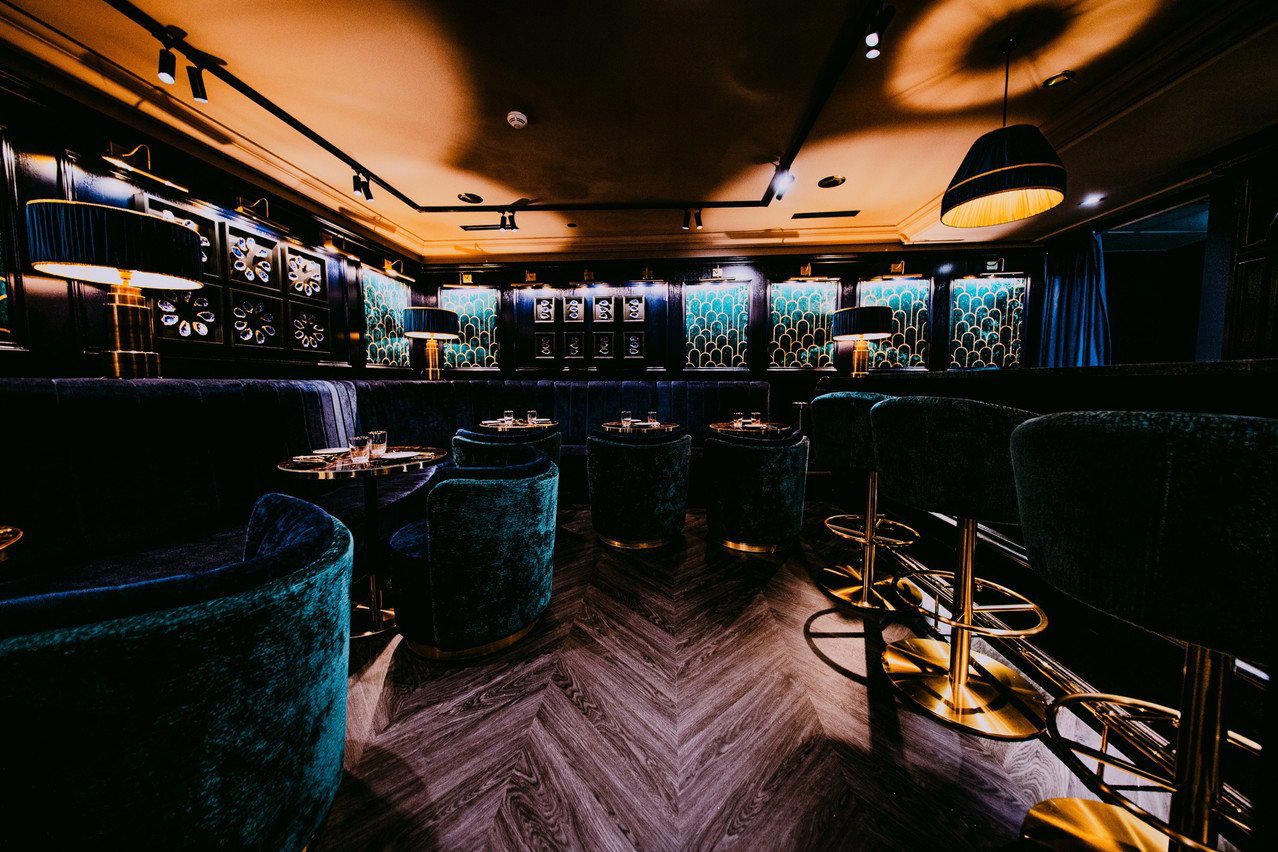
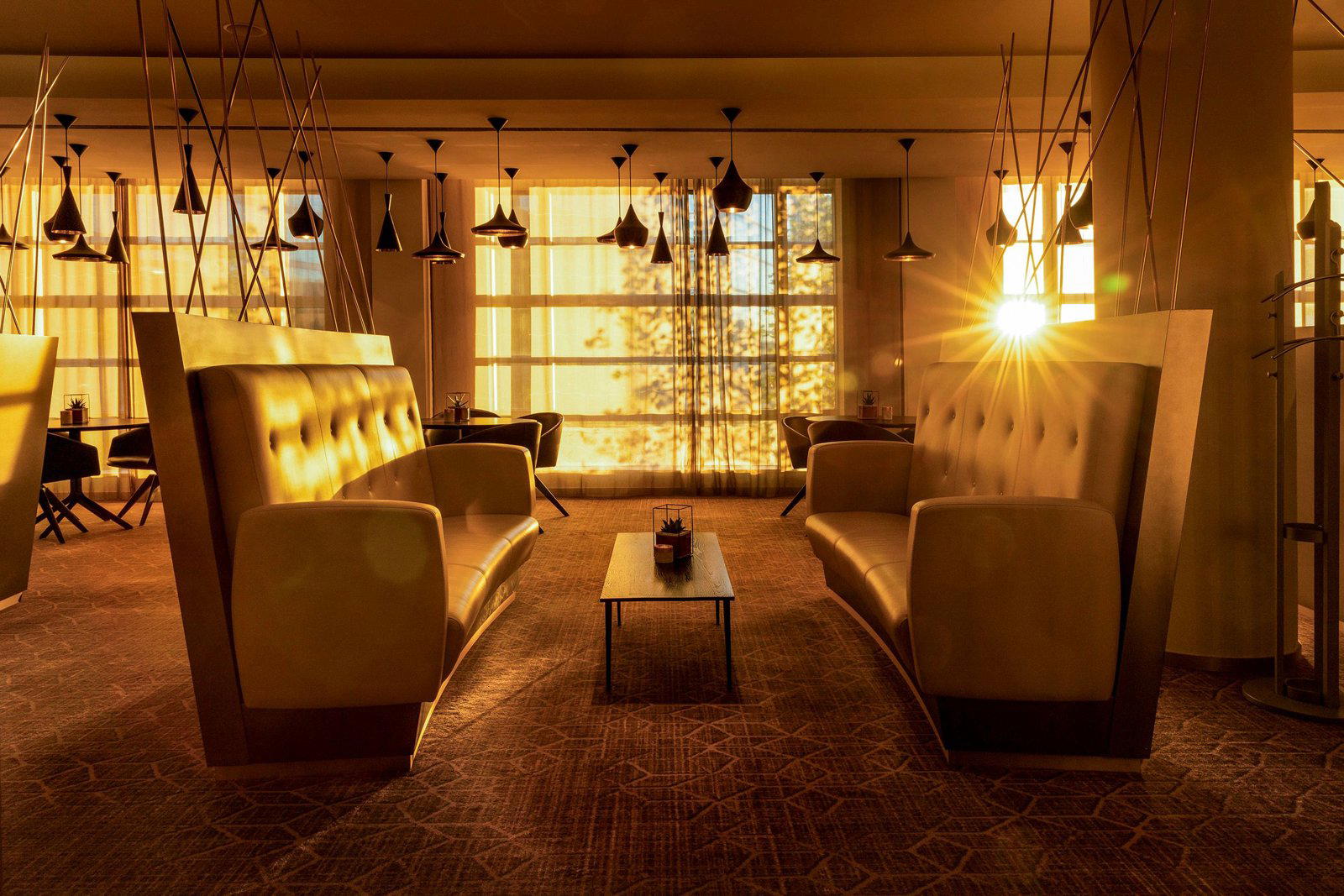
Hotels in Strassen
Browse all →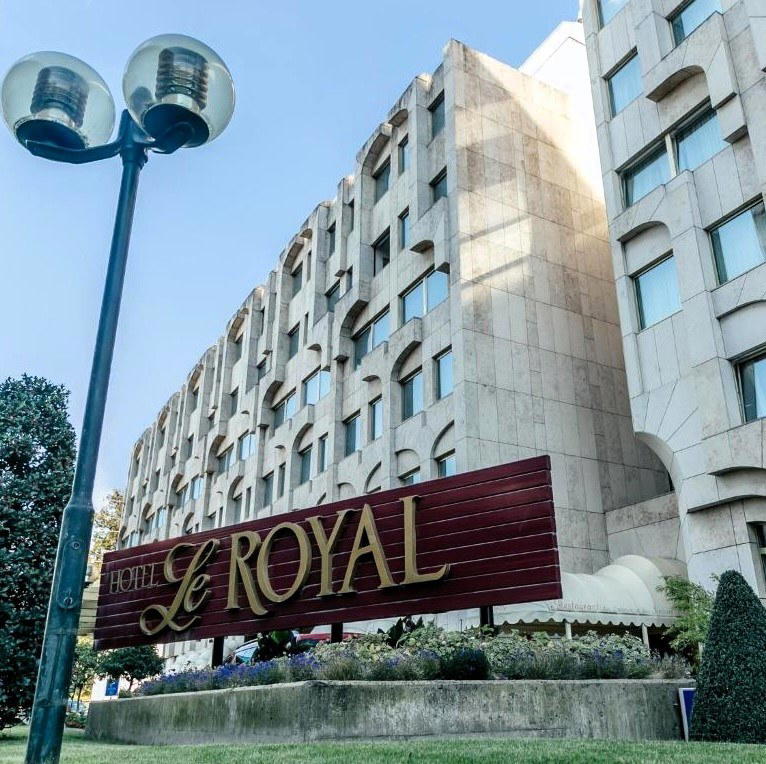
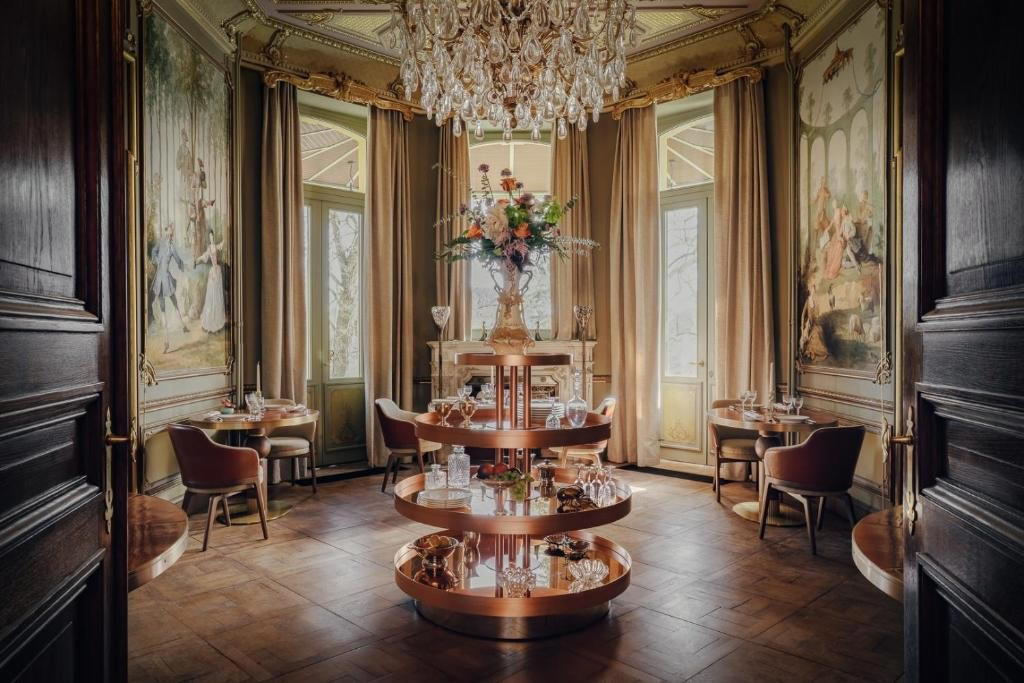
Details
- Cozy
- Casual
- Casual Hangout
- Terrace
- Extensive Wine List
- A La Carte
- Vegetarian Friendly
Current opening hours
- Monday
- 11:30 AM–3 PM
- Tuesday
- 11:30 AM–9:30 PM
- Wednesday
- 11:30 AM–9:30 PM
- Thursday
- 11:30 AM–9:30 PM
- Friday
- 11:30 AM–9:30 PM
- Saturday
- 11:30 AM–9:30 PM
- Sunday
- Closed
Hours can change for holidays and private events. Last verified .
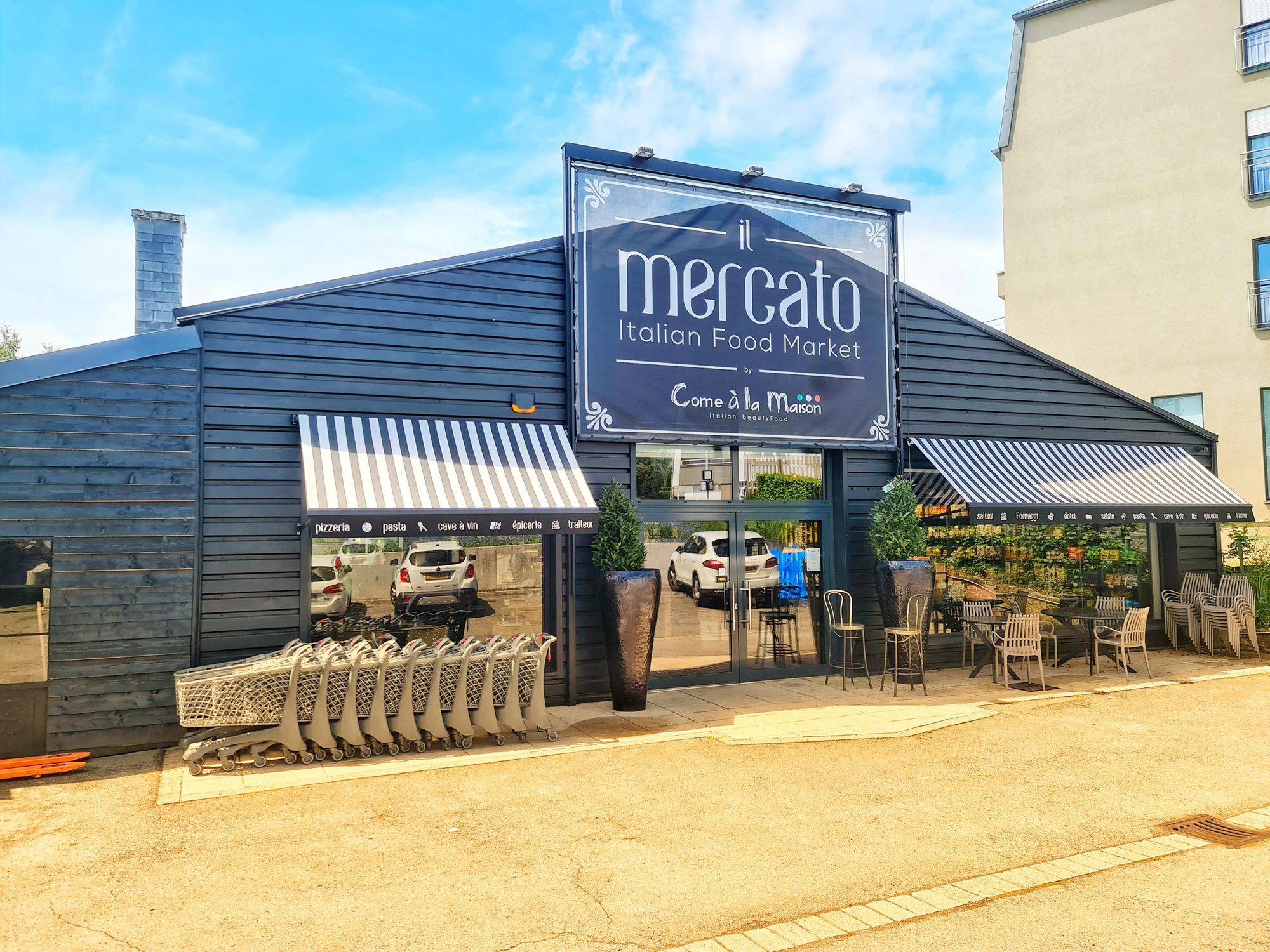
Cozy and relaxed open space with fresh product counter, Italian cheeses, charcuteries, and wine cellar, inviting a casual dolce vita atmosphere.