
Housed in a hotel with origins dating to 1399, Strasserwirt Gourmetstuben divides its dining space across three distinctly designed parlours, each with its own character. The set menu, running up to five courses, draws on regional ingredients — marinated char, pickled chanterelles, spruce pesto, marigold mousse — that trace the flavours of the surrounding Austrian countryside. For anyone seeking serious regional cooking in a genuinely historic setting, this is among the more compelling stops in Tyrol.
Pearl is the En Primeur Club membership app — saves, bookings, and concierge access live there. Same editors, same standards.
- Address
- Dorfstraße 28
- Phone
- +43 4846 6354
- Website
- strasserwirt.com
- Directions
- Get directions
 Saves & bookings on Pearl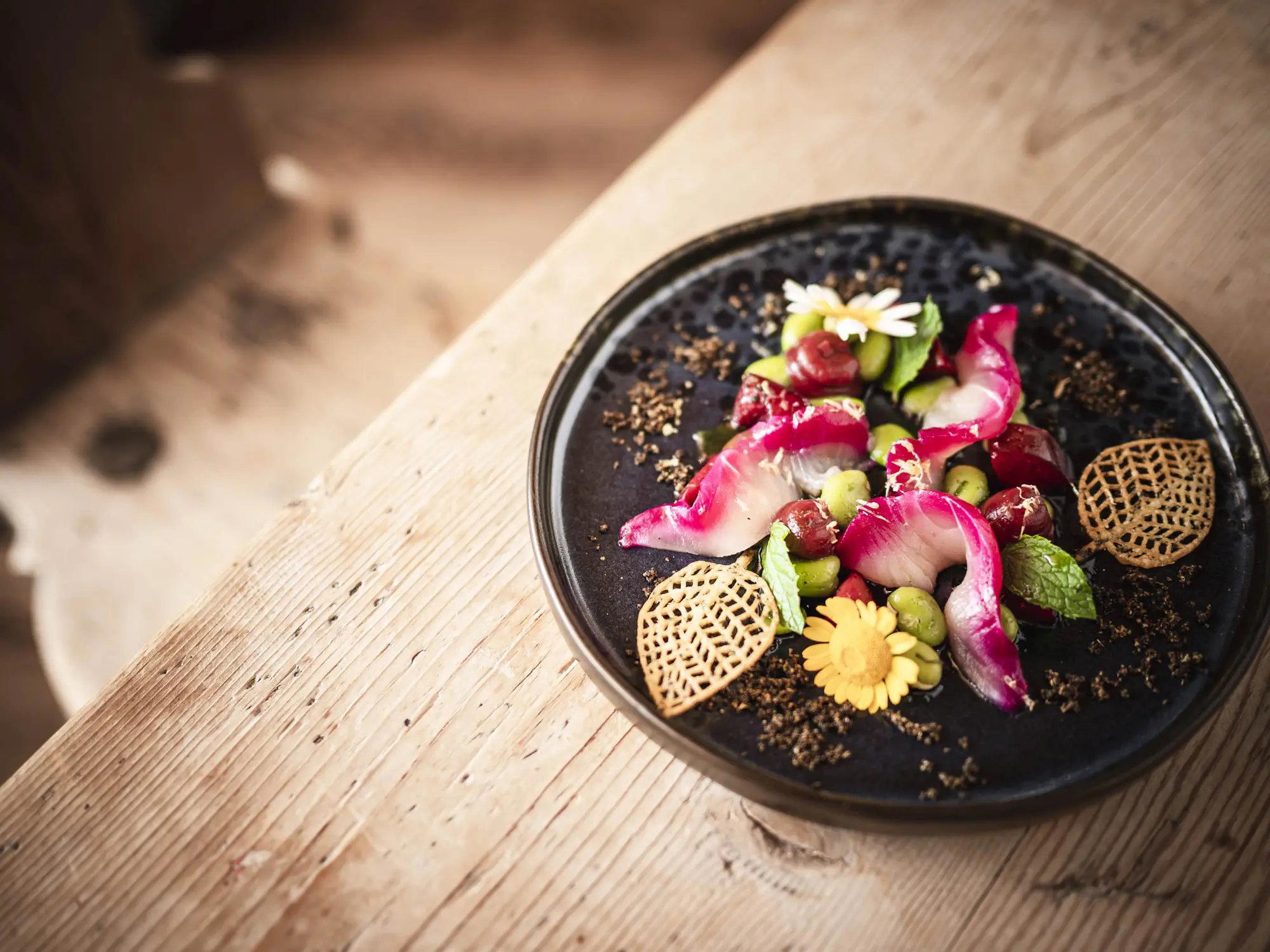
Three Rooms, Six Centuries of Cooking
There is a particular type of Austrian inn that cannot be replicated from scratch. The worn-smooth door handles, the smell of Swiss stone pine, the ceramic stove that has absorbed the heat of several hundred winters — these are details that accrue over time, not things a designer can specify. Strasserwirt Gourmetstuben operates from within Hotel Strasserwirt in the Tyrolean village of Strassen, a property whose documented history reaches back to 1399. That depth of continuity shapes the dining rooms before a single dish arrives.
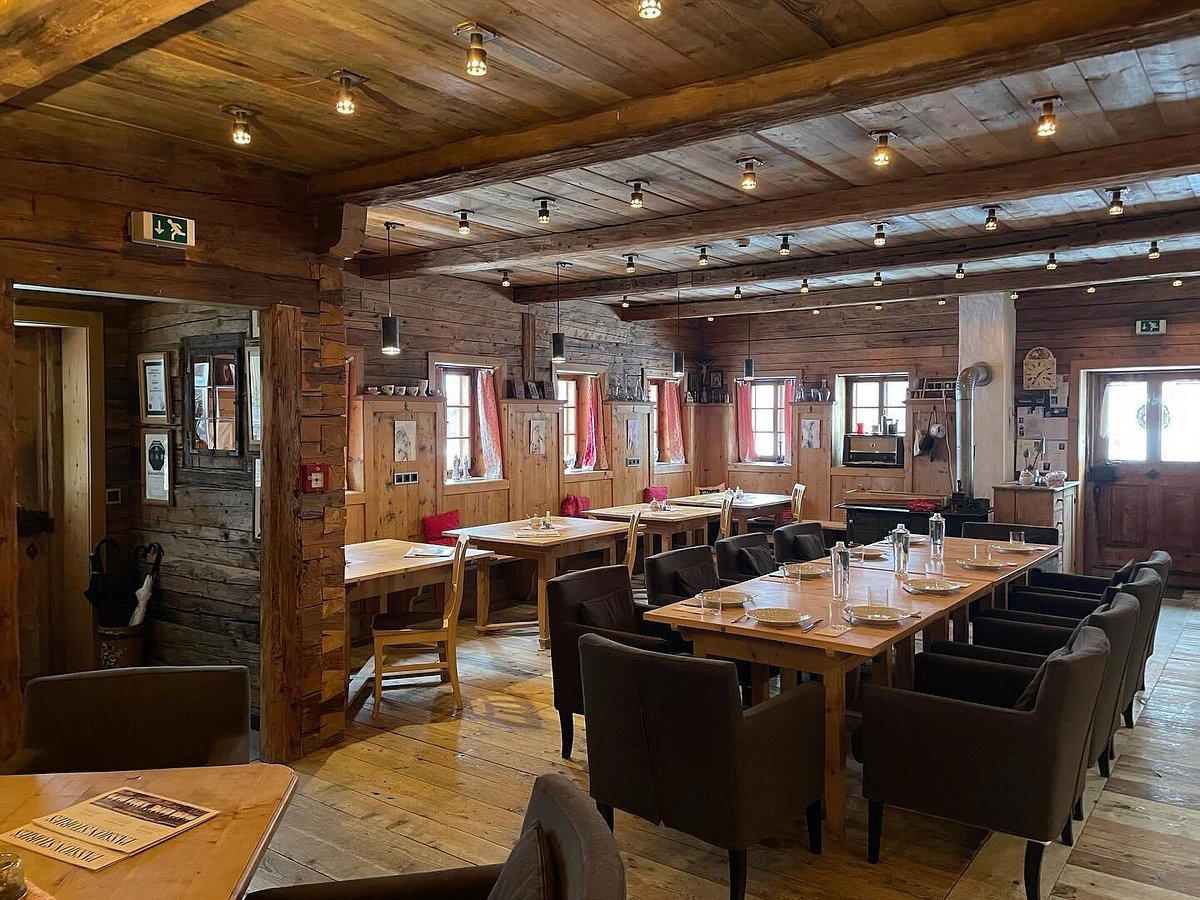
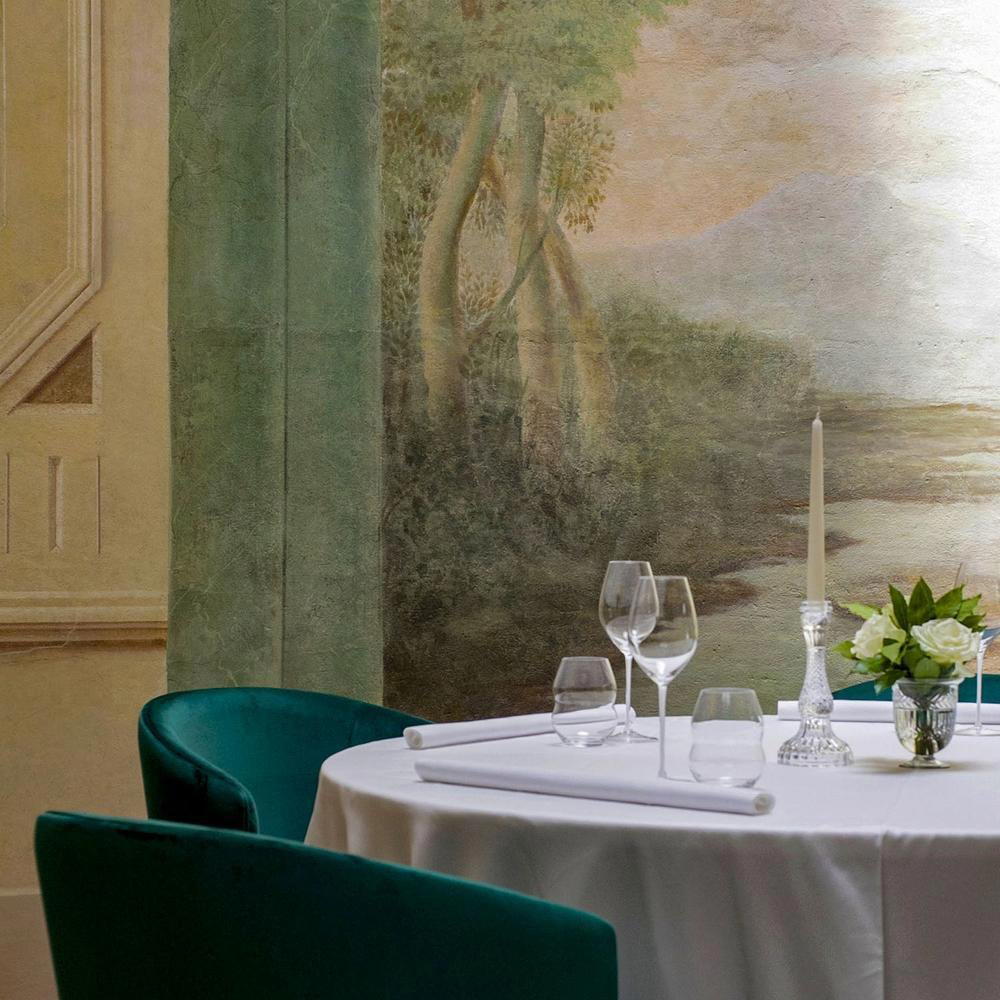
The restaurant is divided into three separate parlours, each architecturally distinct. The Blaue Ofenstube is lined with Swiss stone pine panelling and hung with sacred art, producing an atmosphere closer to a private chapel than a contemporary dining room. The Ambrosiusstube works in contrast: handmade emerald-green floor tiles and a ceramic stove give it a more grounded, almost folkloric character. The third space, Stube1399 (the year named directly), strips things back with exposed walls and spruce furnishings finished with white soap — a quieter, more austere register. The decision to keep these rooms separate rather than consolidating them into a single open-plan space is itself a statement about what the Gourmetstuben values: place-specificity over efficiency.
This level of spatial particularity is not unusual among Austria's better rural restaurants, but it is rare for all three rooms to feel genuinely differentiated rather than themed. Properties like Obauer in Werfen or Landhaus Bacher in Mautern an der Donau share this orientation: the building and its territory come first, the cooking follows from that.
What the Menu Draws From
Austrian alpine cuisine at its most considered is an exercise in reading a landscape through what it produces. The dishes that characterise Strasserwirt Gourmetstuben's set menu, up to five courses, illustrate this approach directly: marinated char from the cold, clear streams that run through the Eastern Tyrol region; pickled chanterelles gathered from the surrounding forests; spruce pesto made from the same trees that cover the hillsides visible from the village; marigold mousse as an edible marker of the meadow flora; ginger dumplings with apple chutney, a combination that speaks to the longer-standing central European tradition of fruit used as a savoury foil.
Each of these ingredients requires either proximity or careful seasonal timing. Char does not travel well and is leading eaten close to the water it came from. Chanterelles have a short window and are highly dependent on local foraging conditions. Spruce tips for pesto are a spring-only product. The menu, in this reading, is less a sequence of dishes and more a seasonal register of what the East Tyrolean terrain is producing at any given moment. This places the Gourmetstuben in a similar current to venues like Kräuterreich by Vitus Winkler in Sankt Veit im Pongau, where hyper-local plant sourcing shapes the entire menu architecture, or Ois in Neufelden, which operates on a comparable philosophy of terrain-driven ingredient selection in Upper Austria.
The set format, rather than à la carte, is worth noting as a structural choice. A fixed menu built around ingredients sourced at the margins of availability means the kitchen must commit to what the season provides. It also means the guest is eating a specific version of the place and moment rather than assembling a meal from a standing menu. For cooking grounded in the logic of regional sourcing, this is the coherent format: it removes the contradiction of offering a chanterelle dish year-round when chanterelles are a six-week ingredient.
Where Strasserwirt Fits in Austria's Broader Restaurant Map
Austria's serious restaurant scene has bifurcated over the past decade. On one side sit the modernist, internationally aware kitchens, places that use Austrian produce as raw material for contemporary European techniques, the approach most visible in Vienna and Salzburg. On the other side is a smaller but increasingly deliberate strand of cooking that frames Austrian regional identity not as a nostalgic default but as a disciplined creative constraint. The Gourmetstuben belongs to the latter grouping.
Across Tyrol, a number of hotel restaurants have positioned themselves at this intersection of historic setting and regionally anchored menus. Gourmetrestaurant Tannenhof in Sankt Anton am Arlberg, Griggeler Stuba in Lech, Schwarzer Adler in Hall in Tirol, and Stüva in Ischgl each operate from within a hotel context and trade on the combined authority of place, architecture, and cooking. Restaurant 141 by Joachim Jaud in Mieming similarly draws its identity from Tyrolean terrain. The Gourmetstuben sits within this cohort, distinguished by the age of its host property and by menu language that reads directly from its specific corner of East Tyrol.
For comparison across categories in Strassen itself, see our full Strassen restaurants guide, and for planning the broader stay, our Strassen hotels guide, bars guide, wineries guide, and experiences guide are all available.
Planning the Visit
Strassen sits in East Tyrol, a part of Austria that operates on its own schedule, quieter than the major ski corridors to the west, more oriented around summer hiking and the Lienz Dolomites than the high-volume resort economy. The Gourmetstuben, as the restaurant arm of Hotel Strasserwirt, is most naturally visited as part of a stay at the property, though the combination of historic rooms, a regionally grounded menu, and a setting that does not attract the volume of, say, Ischgl or St Anton, means the pacing is considerably more relaxed. The five-course format warrants an unhurried evening rather than a quick dinner stop. Booking in advance is advisable, particularly during high summer and the winter walking season, when accommodation in the valley fills. The address is Dorfstraße 28, Strassen.
How Strasserwirt Gourmetstuben Strassen compares with similar nearby venues.
| Venue | Cuisine | Price |
|---|---|---|
| Das Pfleger | Seasonal Cuisine | €€ |
| Gannerhof | Regional Cuisine | €€€€ |
Recognition history
Dated appearances from independent guides and award organizations, with the underlying list record or original source where available.
Michelin Plate
Michelin




At a Glance
- Romantic
- Cozy
- Elegant
- Rustic
- Intimate
- Historic
- Date Night
- Special Occasion
- Historic Building
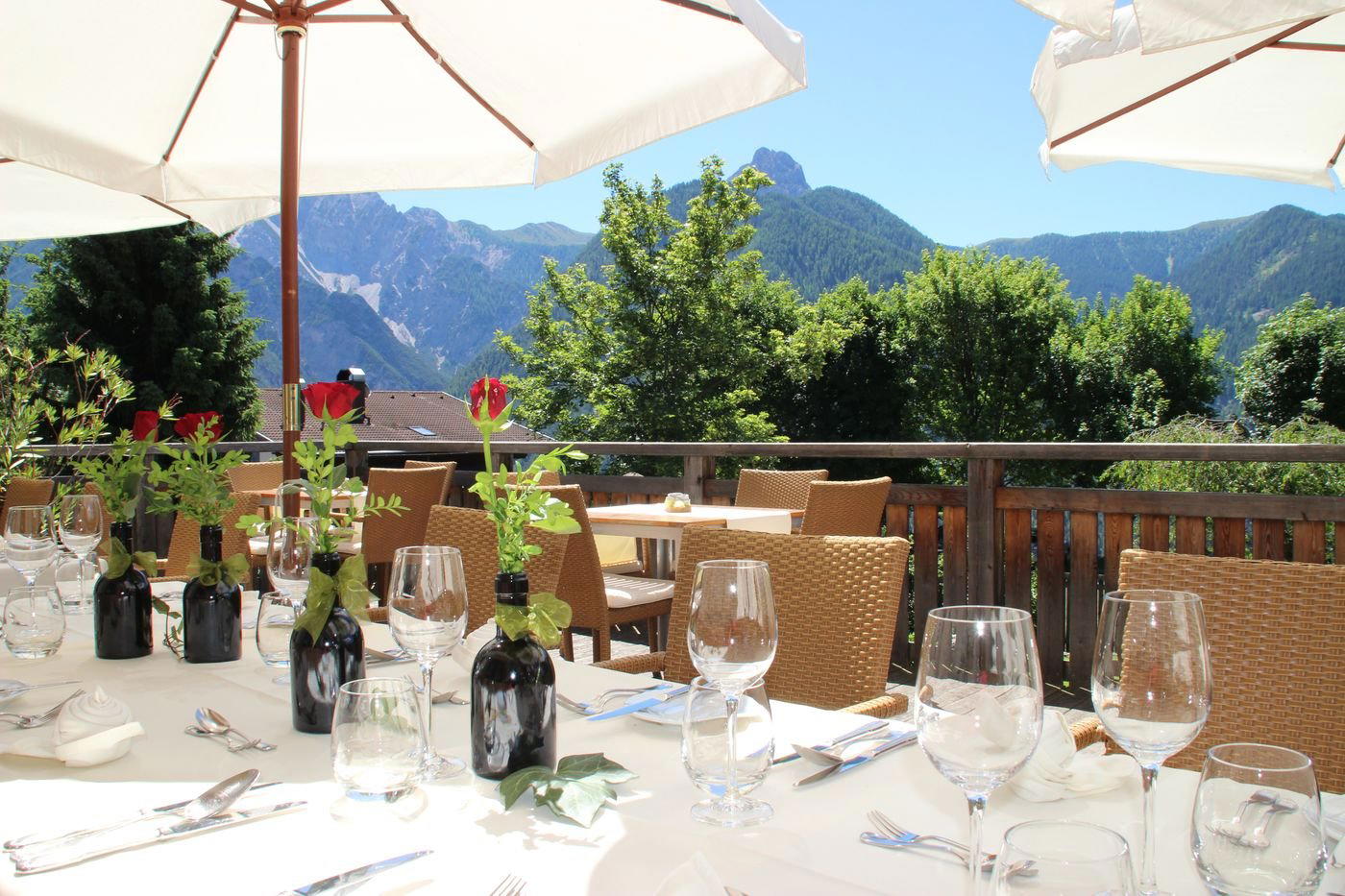
- Terrace
- Hotel Restaurant
- Extensive Wine List
- Local Sourcing
- Mountain
Current opening hours
- Monday
- 6:30–8:30 PM
- Tuesday
- 6:30–8:30 PM
- Wednesday
- 6:30–8:30 PM
- Thursday
- 6:30–8:30 PM
- Friday
- 6:30–8:30 PM
- Saturday
- 6:30–8:30 PM
- Sunday
- 6:30–8:30 PM
Hours can change for holidays and private events. Last verified .
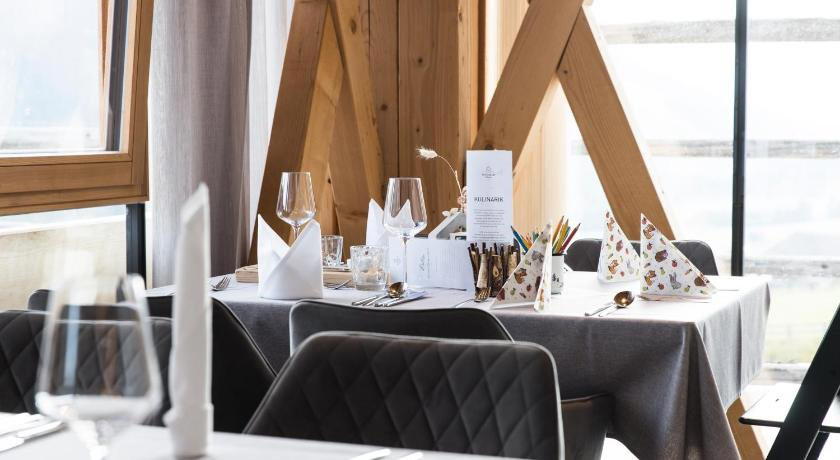
Charming historic parlours with Swiss stone pine panelling, sacred art, emerald-green tiles, ceramic stoves, and exposed walls with white-soaped spruce furnishings creating a homey yet elegant atmosphere.
Know Before You Go
- Getting there
- Dorfstraße 28