Soba Dining Sora
On Buchanan Street in Japantown, Soba Dining Sora brings the discipline of buckwheat noodle craft to a San Francisco neighbourhood that has long held Japanese culinary tradition at its centre. The kitchen focuses on soba as a primary subject rather than a supporting role, placing it within a city more accustomed to celebrating omakase and kaiseki at higher price points. For those who track Japanese food seriously, it occupies a distinct and underserved position in the local dining map.
Pearl is the En Primeur Club membership app — saves, bookings, and concierge access live there. Same editors, same standards.
- Address
- 1731 Buchanan St San Francisco, 3208, CA 94115
- Phone
- (415) 859-3712
- Directions
- Get directions
 Saves & bookings on Pearl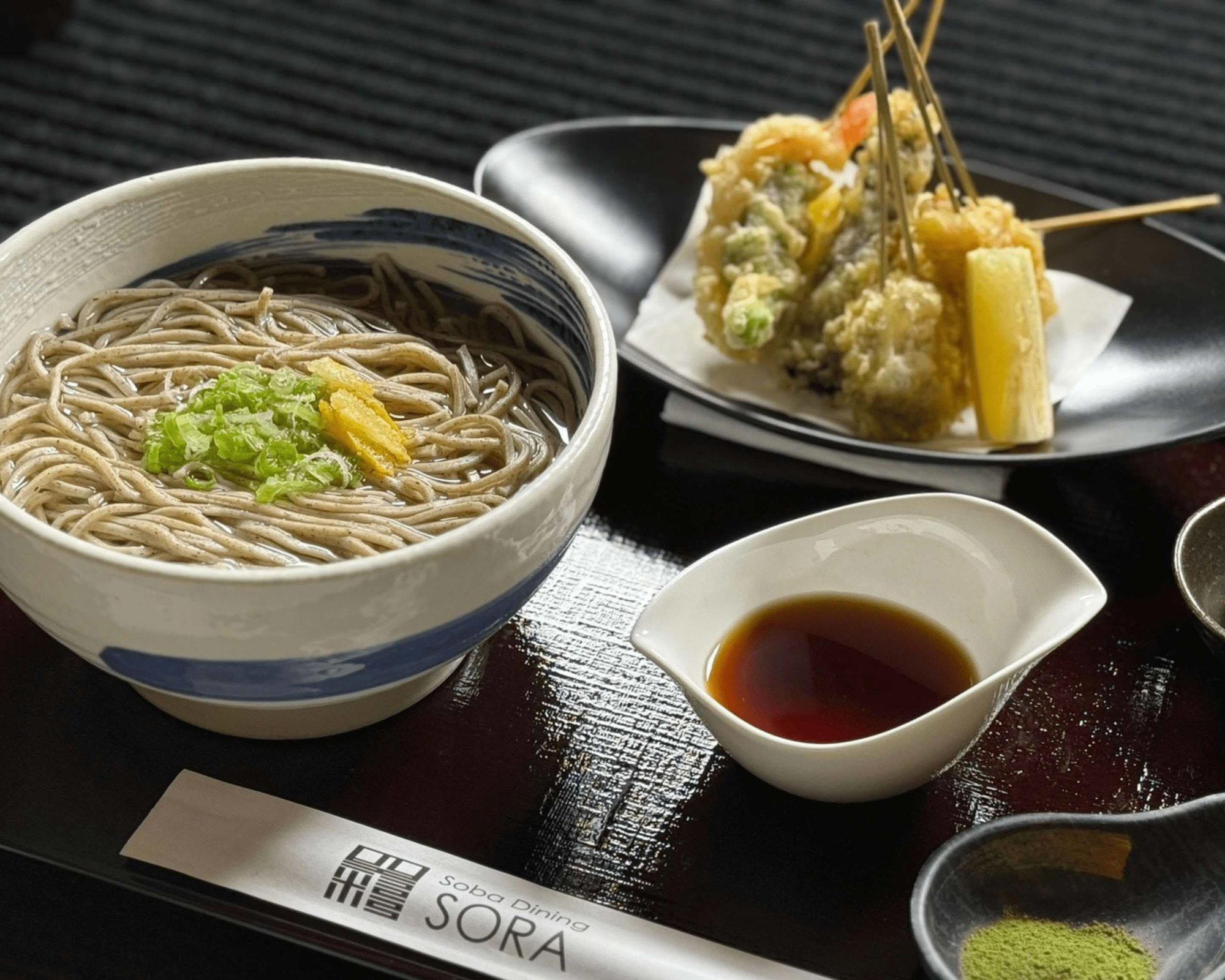
Japantown and the Quiet Persistence of Soba
Soba Dining Sora is a restaurant in San Francisco's Japantown, serving traditional Japanese soba noodles for about $40 per person. San Francisco's Japantown, concentrated along Post Street and the blocks surrounding the Japan Center mall, has never been a neighbourhood that chases trends. While the city's most-discussed Japanese dining addresses, kaiseki counters and omakase rooms, pull reservation demand toward SoMa and the Financial District, Buchanan Street operates at a different register entirely. It is a street where craft is expressed through restraint and where the measure of a kitchen is taken not by price-tier ambition but by fidelity to a form. Soba Dining Sora, at 1731 Buchanan St, sits inside that tradition.
The format itself carries meaning. In Japan, the soba specialist occupies a specific cultural position, distinct from the izakaya, the ramen-ya, or the kaiseki house. Soba restaurants, particularly those that mill and cut their own noodles, demand a kind of precision that does not photograph well and does not translate easily into the tasting-menu theatre that has come to define San Francisco's upper dining tier. Soba's authority runs in a different direction, toward grain sourcing, water temperature, and the ratio of buckwheat to binding flour, details that reward the attentive diner rather than the spectator.
The Tokyo–Kyoto Tension, Translated to California
Within Japanese food culture, soba carries a particular geographic conversation. Tokyo-style soba tends toward speed: the stand-up counter, the brisk dipping of zaru noodles into cold tsuyu, the lunch crowd turning over in thirty minutes. Kyoto approaches the same grain with more ceremony, folding it into a context of kaiseki precision and seasonal restraint, where the noodle arrives as one considered element among many. San Francisco, with its hybrid culinary instincts and its Japanese-American community anchored in Japantown, has historically supported both registers without fully committing to either.
What makes a soba specialist notable in this city is precisely the decision to hold a single focus. A kitchen that treats soba as the primary subject rather than a garnish or a supplementary dish is making a deliberate editorial choice about what a meal should argue. Soba Dining Sora's presence in Japantown, rather than in one of the city's more aggressively food-media-facing neighbourhoods, reinforces that orientation toward tradition over positioning.
It would be consistent with a kitchen that treats the ingredient rather than the dining format as the organising principle.
Placing Sora Within San Francisco's Wider Japanese Dining Context
San Francisco supports a range of Japanese dining seriousness that few American cities can match outside New York. The city's appetite for Japanese technique extends from neighbourhood ramen counters to the upper-bracket omakase rooms that price against peers in Tokyo rather than against local competition. Within that range, the soba specialist occupies a tier that is often more accessible in price but no less demanding in craft, a combination that suits the Japantown neighbourhood's character well.
For comparison, consider how cities like Chicago and New York approach the question of Japanese culinary specificity. Smyth in Chicago and Atomix in New York City both demonstrate how a tightly defined culinary point of view, held with enough discipline and craft, can command serious critical attention regardless of the primary cuisine category. The same principle applies to a soba specialist: the narrower the focus, the more the execution is exposed. There is nowhere to hide when buckwheat noodles are the whole point.
San Francisco diners who follow Japanese food with any depth will recognise that the city's soba options remain relatively sparse compared to its ramen, izakaya, or omakase coverage. That relative scarcity gives the restaurant a position in the market that more crowded categories cannot offer. It is answering a different question entirely: what does serious Japanese grain craft look like in a California context?
That question has parallels beyond California. Places like Single Thread Farm in Healdsburg have demonstrated that Japanese culinary philosophy, applied with rigour to Northern California ingredients, can produce something that registers internationally. The scale and price point differ enormously from a neighbourhood soba counter, but the underlying argument, that Japanese technique deserves to be read on its own terms rather than assimilated into a generic fine-dining grammar, is the same one.
Know Before You Go
Address: 1731 Buchanan St, San Francisco, CA 94115
Neighbourhood: Japantown, near the Japan Center
Cuisine focus: Soba and buckwheat noodle dishes
Pricing: About $40 per person
Hours: Open daily, 10 AM to 10 PM
Leading season to visit: Autumn, when new-crop shinso-ba buckwheat is typically available at soba specialists who source by harvest cycle
City Peers
Comparable venues nearby, for context on price, style, and recognition.
| Venue | Cuisine | Price | Notes |
|---|---|---|---|
| Soba Dining SoraThis venue — the venue you are viewing | Traditional Japanese Soba Noodles | $$$ | Not listed |
| Zentarou | Modern Japanese Sushi & Omakase | $$$ | Tenderloin |
| Ozumo | Modern Japanese Robata and Sushi | $$$ | Financial District/South Beach |
| Kabuto | Japanese Sushi and Fusion | $$$ | Outer Richmond |
| Mokuku | Modern Japanese Shabu-Shabu | $$$ | Inner Richmond |
| Hinata | Sushi Omakase | $$$$ | Tenderloin |
Continue exploring
More in San Francisco
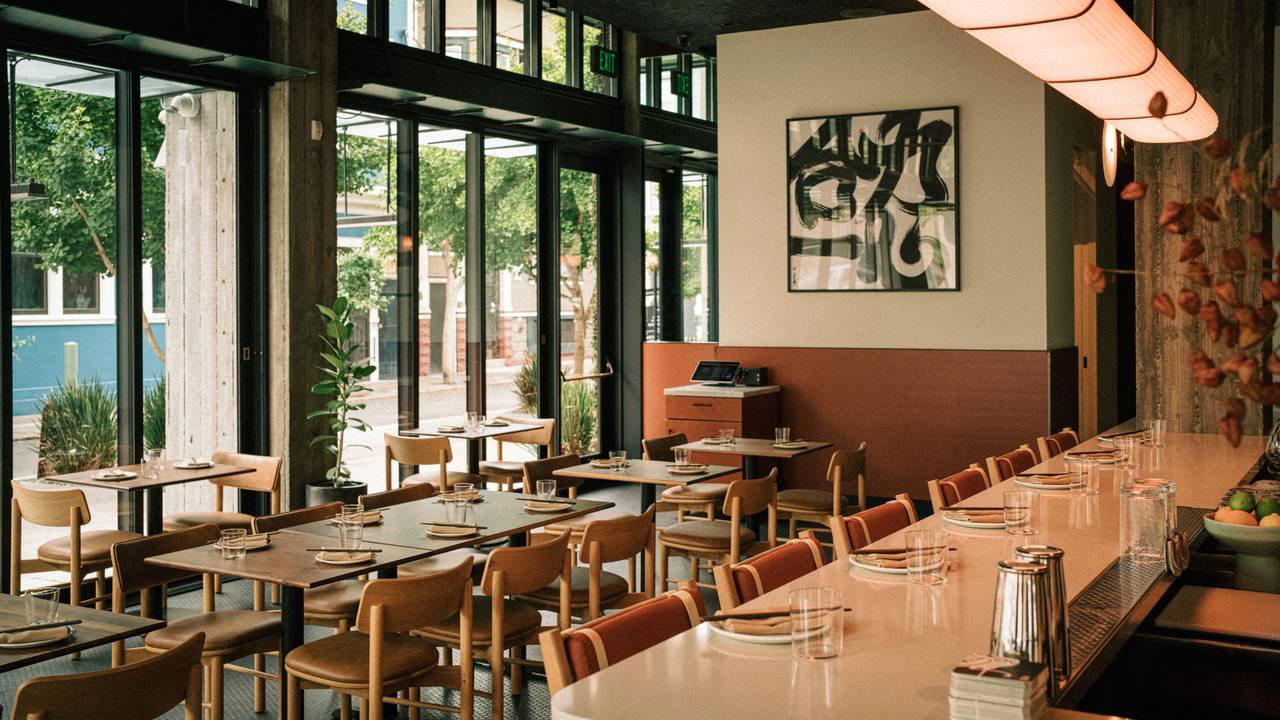
Restaurants in San Francisco
Browse all →
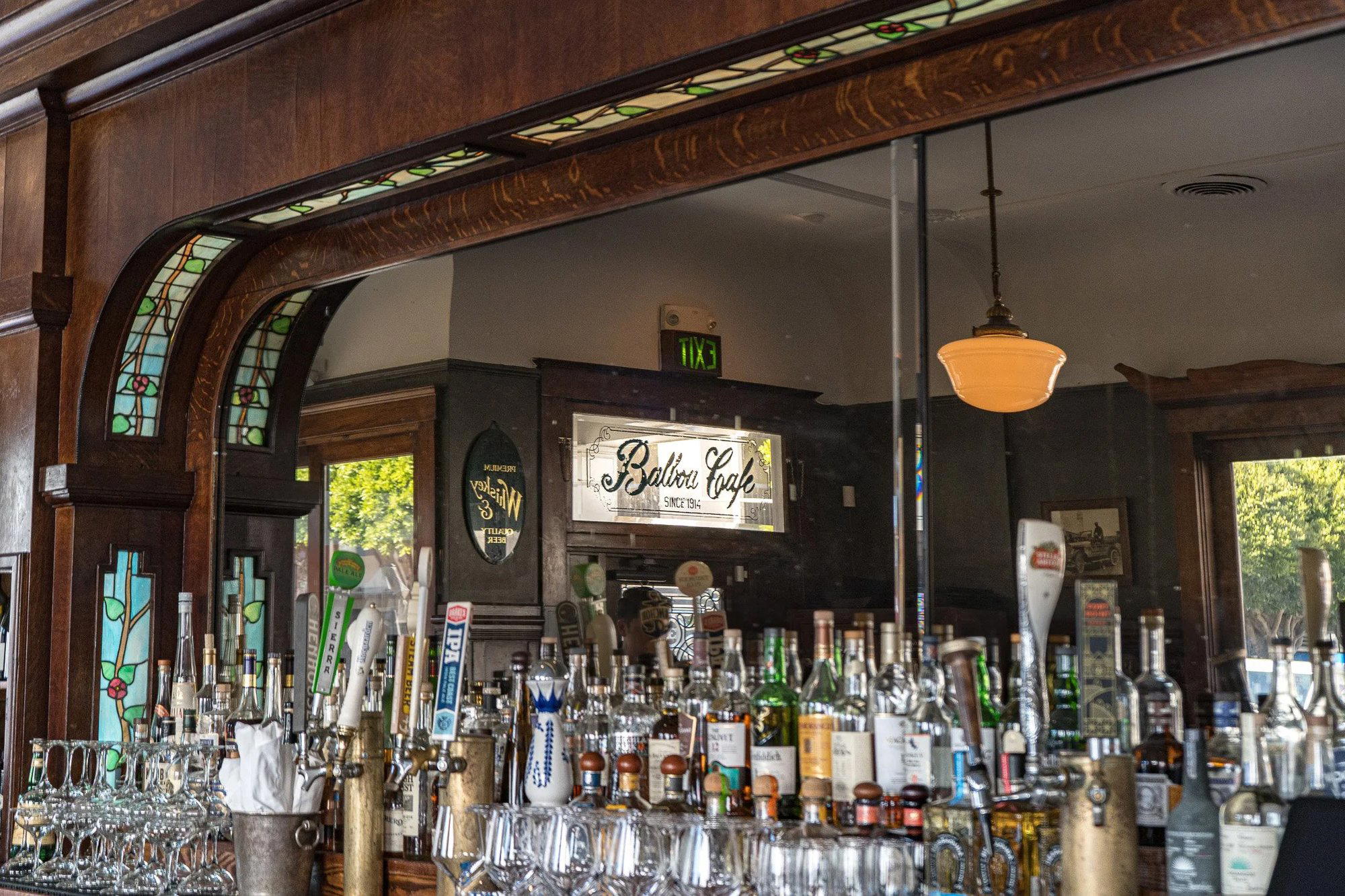
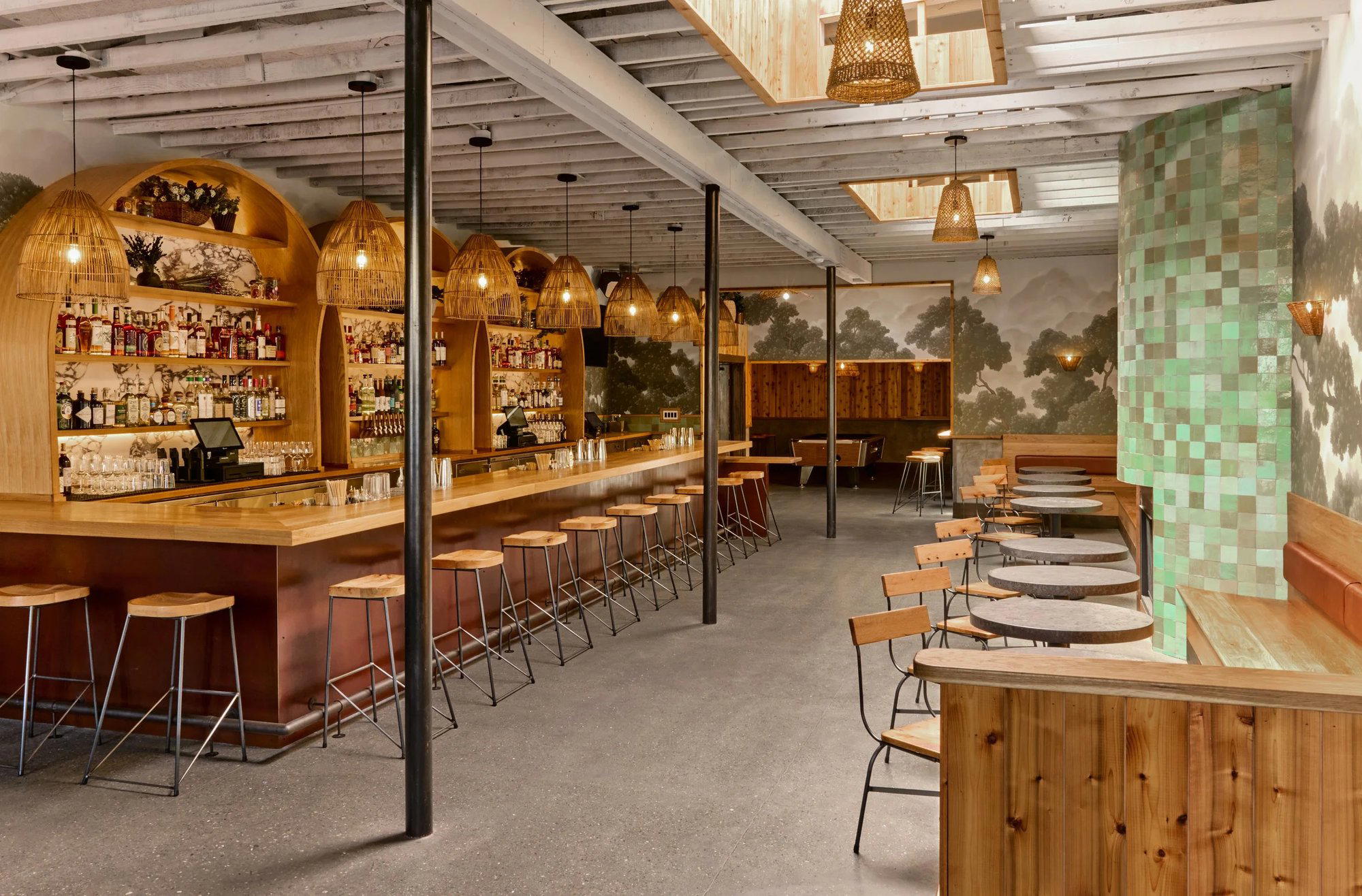
Bars in San Francisco
Browse all →
Hotels in San Francisco
Browse all →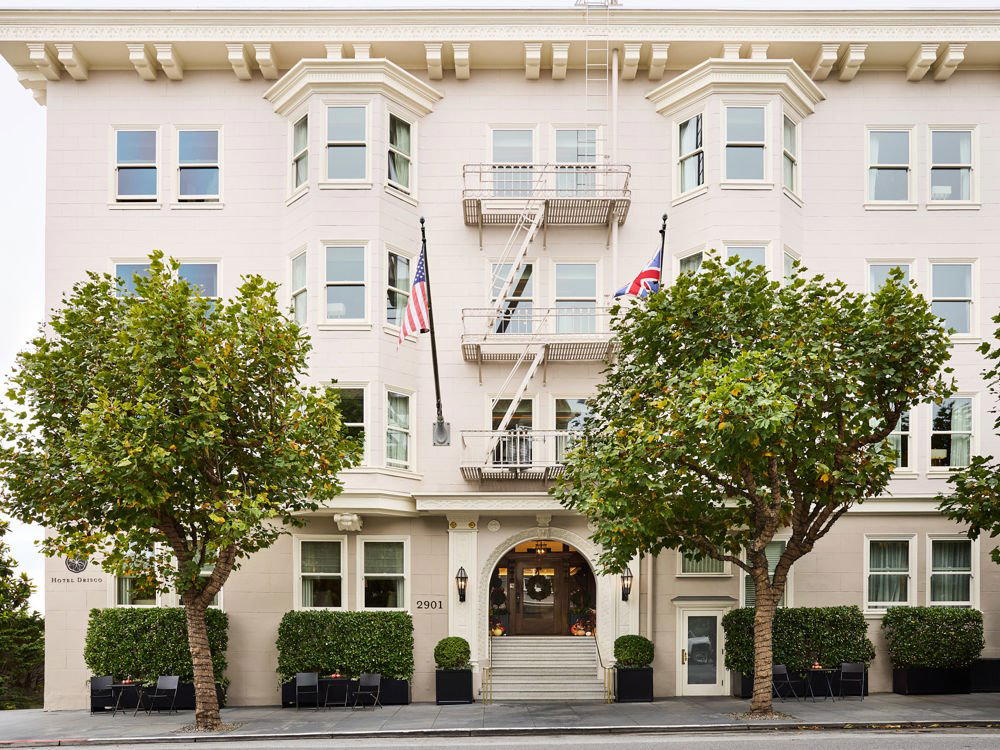
At a Glance
- Casual
- Modern
- Casual Hangout
- Open Kitchen
- Sake Program
Current opening hours
- Monday
- 10 AM–10 PM
- Tuesday
- 10 AM–10 PM
- Wednesday
- 10 AM–10 PM
- Thursday
- 10 AM–10 PM
- Friday
- 10 AM–10 PM
- Saturday
- 10 AM–10 PM
- Sunday
- 10 AM–10 PM
Hours can change for holidays and private events. Last verified .
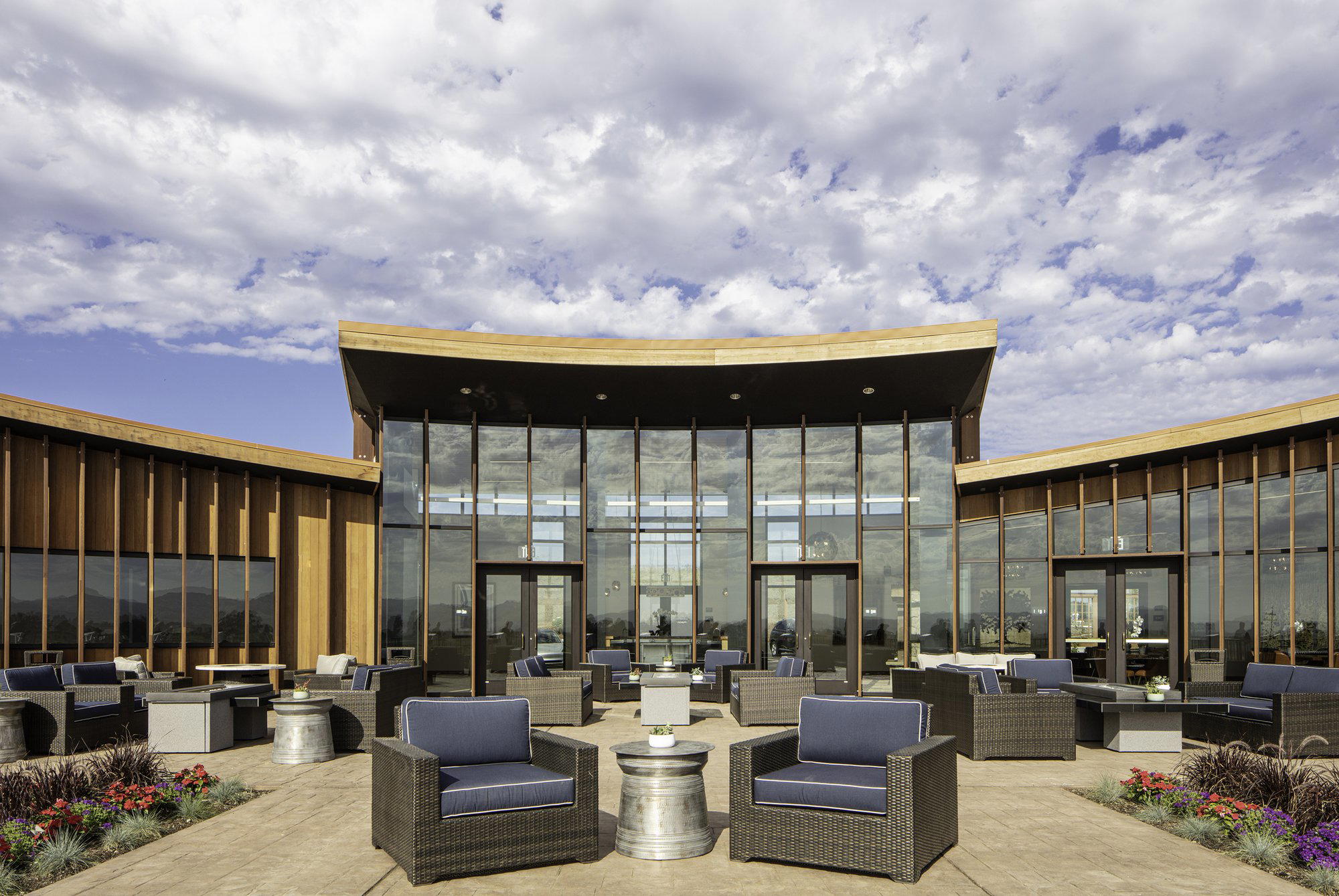
Stylish and casual space emphasizing authentic Kansai-style soba preparation.