Hutong London

Hutong London occupies the 33rd floor of The Shard at London Bridge, bringing northern Chinese cooking — Sichuan and Hunanese in particular — to one of the city's most commanding elevations. The cooking centres on bold, spiced preparations with sourcing that tracks seasonal availability, served against panoramic views across the Thames and the City skyline.
Pearl is the En Primeur Club membership app — saves, bookings, and concierge access live there. Same editors, same standards.
- Address
- lvl 33, 31 St Thomas St, London SE1 9RY, United Kingdom
- Phone
- +44 20 3011 1257
- Website
- hutong.co.uk
- Directions
- Get directions
 Saves & bookings on Pearl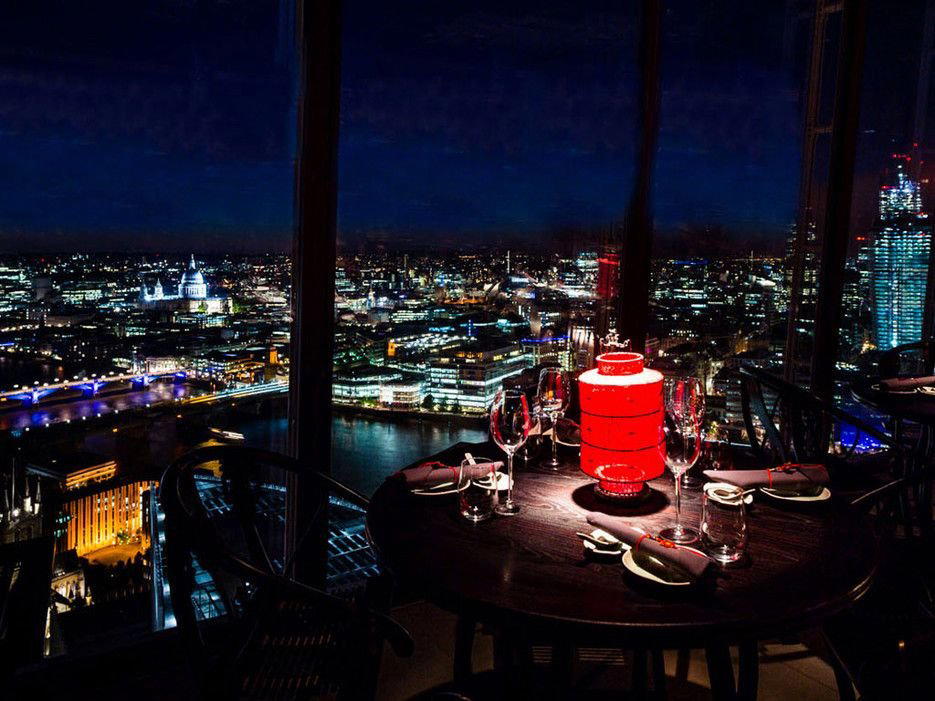
Northern Chinese Cooking at Elevation: The Case for Hutong London
When Hutong London opened at the summit of The Shard, it arrived as something genuinely uncommon in the London Chinese restaurant scene: a serious northern Chinese kitchen operating inside a luxury-tier setting, rather than the Cantonese-dominant or pan-Asian formats that had characterised high-end Chinese dining in the capital for decades. The restaurant takes its cue from the hutong alleyway culture of old Beijing — those narrow, densely social lanes that defined neighbourhood life before modernisation reshaped China's cities — and applies that vernacular energy to a room sitting 33 floors above Southwark. That tension between grounded culinary tradition and rarefied altitude is what gives the venue its editorial identity inside London's wider restaurant conversation.
Where It Sits in London's Chinese Restaurant Scene
London's Chinese restaurant tier has historically split between the volume-driven Chinatown cluster around Gerrard Street and a smaller, more expensive layer of Cantonese fine dining in Mayfair and Knightsbridge. Hutong occupies a third position: premium pricing and a considered room, but with cooking rooted in the fierier, less delicate tradition of northern and southwestern China, Sichuan peppercorn, dried chilli, dark vinegars, and the kind of aromatic depth that Cantonese kitchens typically avoid. That places it in a different competitive set from most Chinese restaurants operating at comparable price points in the city, and makes the comparison with venues like CORE by Clare Smyth or Restaurant Gordon Ramsay, the Michelin three-star tier that anchors London's premium dining market, a question of category rather than direct equivalence. Hutong is not competing on the same axis as those kitchens; it is competing on the axis of specialist regional Chinese cooking with a high-quality room and location.
For those mapping the city's broader fine dining circuit, the Michelin-starred cohort at the leading includes Sketch, The Lecture Room and Library, The Ledbury, and Dinner by Heston Blumenthal, all operating in the European tradition with the kind of tasting-menu formats and ingredient narratives that dominate the upper end of the awards circuit. Hutong sits outside that framework by design. Its culinary reference points are Beijing, Sichuan, and Hunan, not the Franco-British lineage that shapes most London fine dining recognition.
The Cooking: A Tradition That Travels With Difficulty
Northern Chinese cooking is among the harder regional traditions to translate at a distance. The flavour logic is built around heat, fermentation, and umami layering rather than the wok-brightness and freshness that make Cantonese cooking legible to non-specialist audiences. Dishes from the Sichuan and Hunanese traditions rely on ingredient combinations, doubanjiang, Sichuan peppercorn's specific numbing quality, aged black vinegars, that require sourcing discipline to execute correctly outside their home geography. The kitchen at Hutong has, from its opening, staked its reputation on that sourcing discipline, which is the more demanding and ultimately more honest approach.
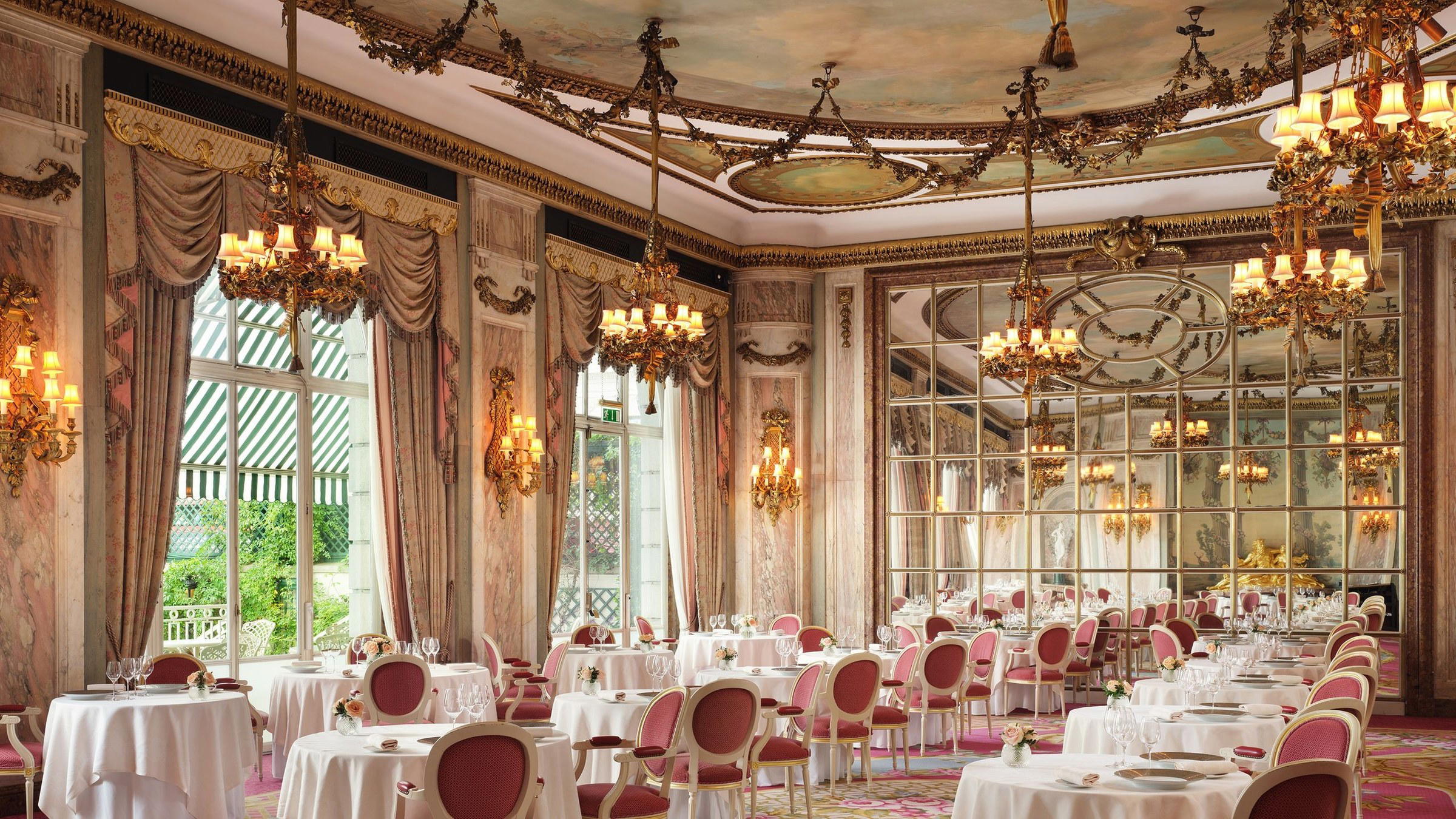
The room itself supports the culinary ambition. A Chinese restaurant designed with this level of spatial investment sends a signal about how it expects to be read: not as a neighbourhood delivery of comfort food but as a considered destination for food that rewards attention. That framing is consistent with how similar refined Chinese restaurants operate in Hong Kong, where the Michelin guide has long recognised that Chinese cooking traditions, when executed with the same rigour applied to French or Japanese cuisines, belong at the same table as any other fine dining category.
Team Structure and the Collaboration Model
The service logic at premium Chinese restaurants in international cities tends to differ from the European tasting-menu model in one important respect: the front-of-house team carries a heavier interpretive burden. When the cuisine is rooted in a tradition that most London diners encounter infrequently, or encounter primarily in forms that don't reflect its range, the sommelier and floor team become translators as much as service professionals. At Hutong, that means wine pairings that have to work across flavour profiles built on chilli heat, Sichuan numbing, and dark fermented sauces: a harder brief than pairing with butter-based French sauces or the clean acidity of Japanese preparations.
Collaboration between kitchen, sommelier, and floor staff in that context matters more than it does in settings where the cuisine is already familiar to the target audience. A guest encountering proper Sichuan cooking for the first time needs the floor team to provide context that a Michelin-trained European diner might bring to a meal at The Fat Duck or L'Enclume from prior experience. The wine list, by extension, earns its place not just as a beverage complement but as an active part of the meal's narrative, whether that means aged white Burgundy for richness-on-richness pairings, or aromatic Alsatian or German styles that can survive contact with chilli heat.
Location, Access, and the Shard Effect
Shard at London Bridge has, since its opening in 2012, functioned as a vertical dining and hospitality address rather than simply an office tower. Its tenants include multiple food and beverage concepts across different floors, which means the building itself has acquired a destination identity that is partly independent of any individual restaurant inside it. For Hutong, this is an advantage and a complication simultaneously: the view and the address generate reservations that might not happen on the basis of the cooking alone, but they also attract guests whose primary interest is the experience of being 33 floors up, rather than the specific culinary tradition on offer. How the restaurant manages that divide, directing genuinely food-driven guests toward the northern Chinese specialities that define the kitchen's identity rather than the more approachable dishes that keep high-turnover tables moving, is one of the more interesting operational challenges in London's premium Chinese dining segment.
London Bridge as a neighbourhood has undergone significant change since the pre-Shard era. Borough Market's consolidation as a serious food destination, the development of Bermondsey Street as a restaurant corridor, and the growth of Maltby Street Market have created a dining ecosystem south of the river that now competes with Mayfair and the West End in ways that would have seemed unlikely a decade ago. Hutong sits above all of that geographically and, in some ways, editorially: it is the area's most vertically dramatic dining address, even if its immediate neighbourhood peers are operating at street level with different price-to-value propositions. Readers exploring the wider London scene can find comparable analysis across the city through our full London restaurants guide, as well as hotels, bars, wineries, and experiences across the capital.
For those looking beyond London, the kind of regional Chinese cooking discipline that Hutong represents at altitude finds its closest international analogue in the premium Asian dining formats now recognised at the summit of the awards circuit, from Atomix in New York's Korean fine dining tier to the European-tradition flagship Le Bernardin. Closer to home, the UK's serious dining circuit extends well beyond London: Moor Hall, Gidleigh Park, Hand and Flowers, and hide and fox all represent the regional spread of serious cooking outside the capital.
Planning Your Visit
The restaurant sits on Level 33 of The Shard, 31 St Thomas Street, London SE1 9RY, accessible via London Bridge station (National Rail and Jubilee/Northern lines, approximately a three-minute walk). Reservations: Advance booking is strongly advisable; the combination of the view, the building's profile, and the limited covers on a single floor means tables at peak times move quickly, booking two to four weeks ahead is a reasonable baseline for weekday evenings, with weekends requiring more lead time. Dress: Smart casual is the operative expectation for a room at this price point and address; the refined setting discourages casual dress without imposing a formal code. Budget: Pricing sits in the premium London bracket consistent with comparable specialist restaurants at upper-tier addresses; wine pairings, particularly given the complexity of matching to northern Chinese flavour profiles, add meaningfully to the final bill and are worth factoring into the budget calculation from the outset.
How Hutong London compares with similar nearby venues.
| Venue | Cuisine | Price |
|---|---|---|
| Oblix | Modern European | Not listed |
| Aqua Shard | Moderm Europan | Not listed |
| Padella | Pasteria, Italian | ££ |
Recognition history
Dated appearances from independent guides and award organizations, with the underlying list record or original source where available.
Opinionated About Dining Top Restaurants in Europe Recommended
Opinionated About Dining
Continue exploring
More in London
Restaurants in London
Browse all →
Bars in London
Browse all →
Hotels in London
Browse all →

At a Glance
- Elegant
- Sophisticated
- Ornate
- Date Night
- Special Occasion
- Business Dinner
- Rooftop
- Panoramic View
- Open Kitchen
- Extensive Wine List
- Craft Cocktails
- Skyline
Current opening hours
- Monday
- 11 AM–1 AM
- Tuesday
- 11 AM–1 AM
- Wednesday
- 11 AM–1 AM
- Thursday
- 11 AM–1 AM
- Friday
- 11 AM–1 AM
- Saturday
- 11 AM–1 AM
- Sunday
- 11 AM–1 AM
Hours can change for holidays and private events. Last verified .
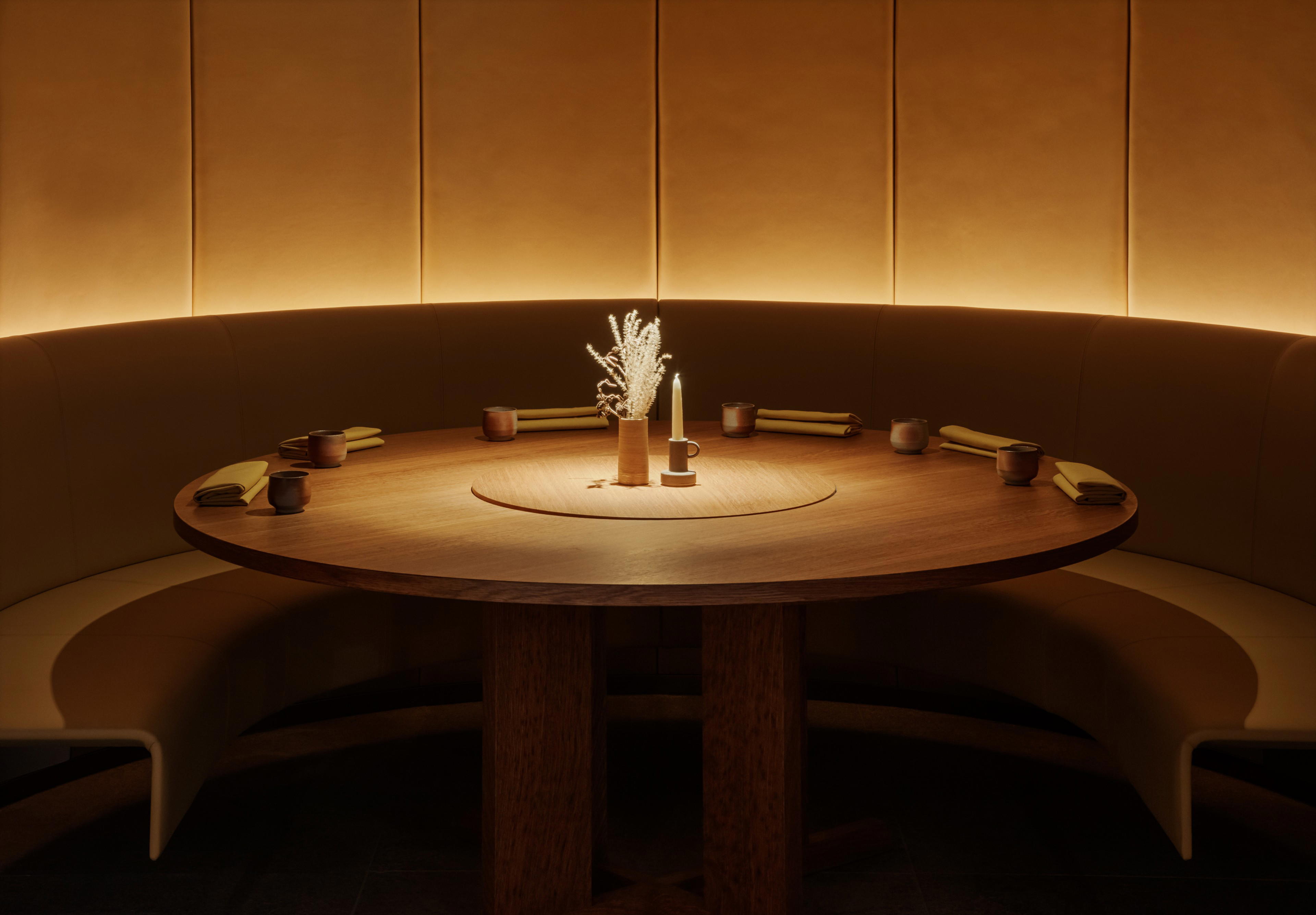
Dark, moody lighting creating an elegant and sophisticated atmosphere, often described as intimate yet sometimes too dim to read menus.